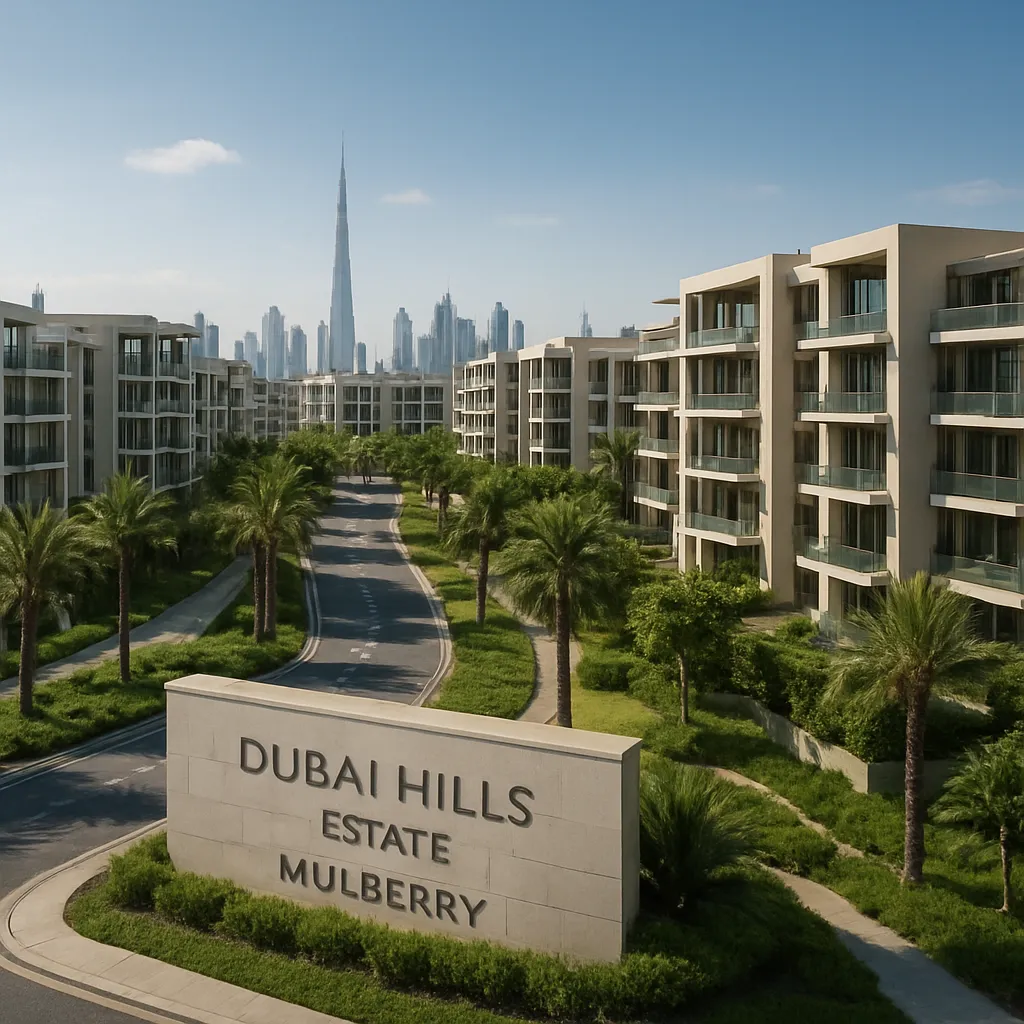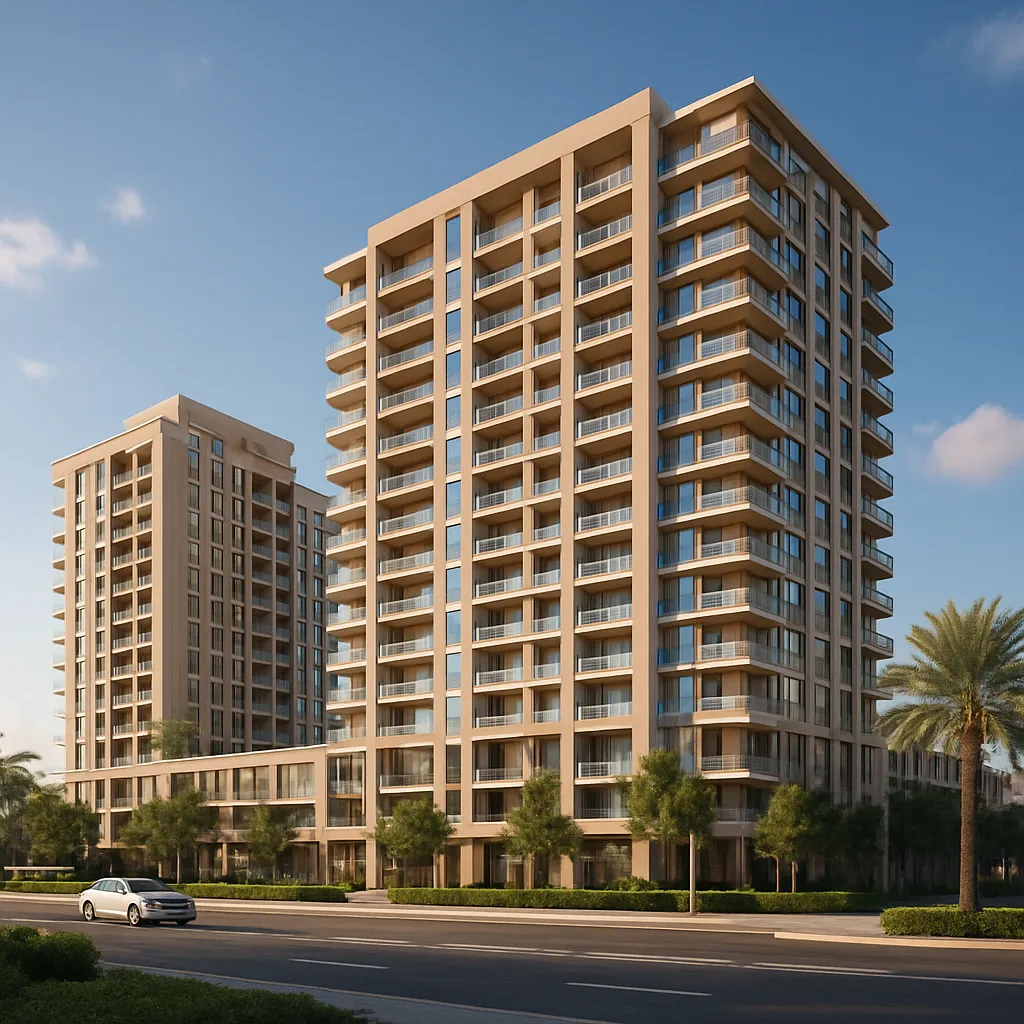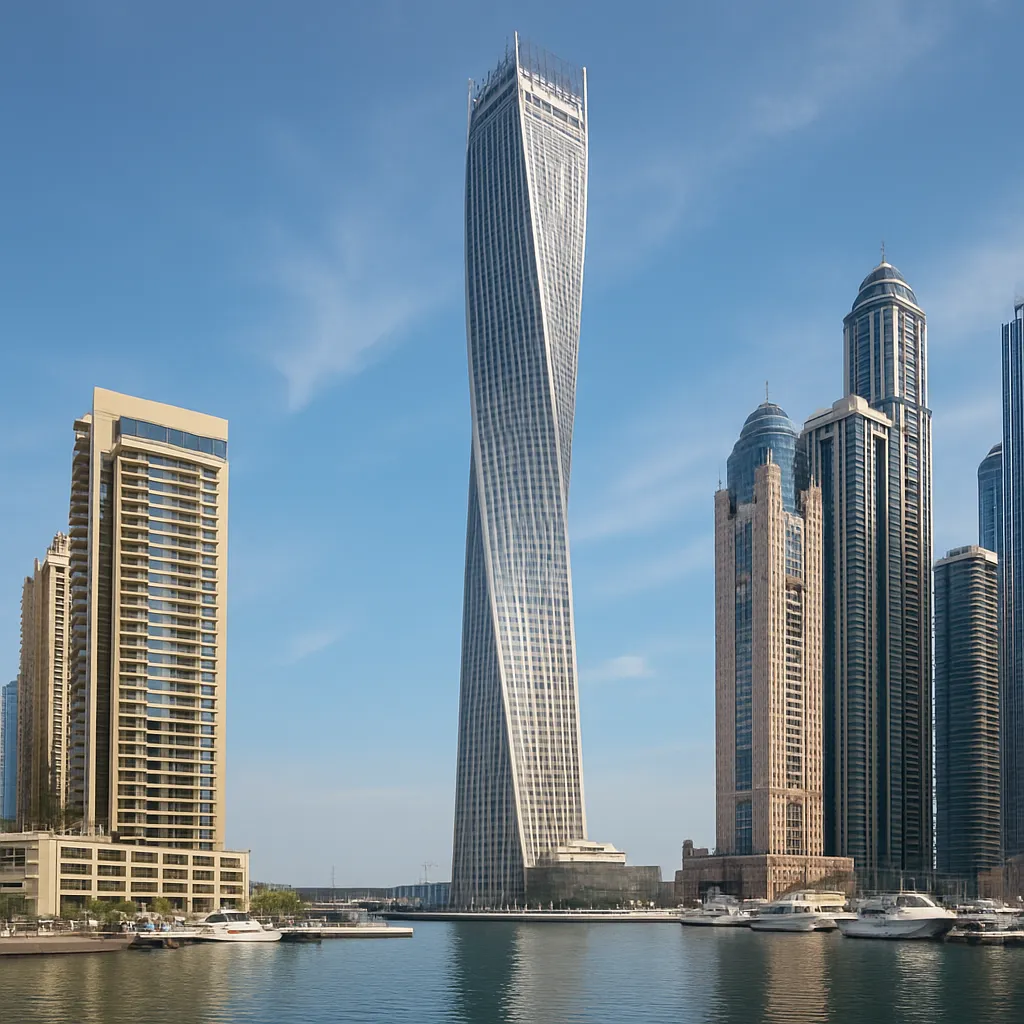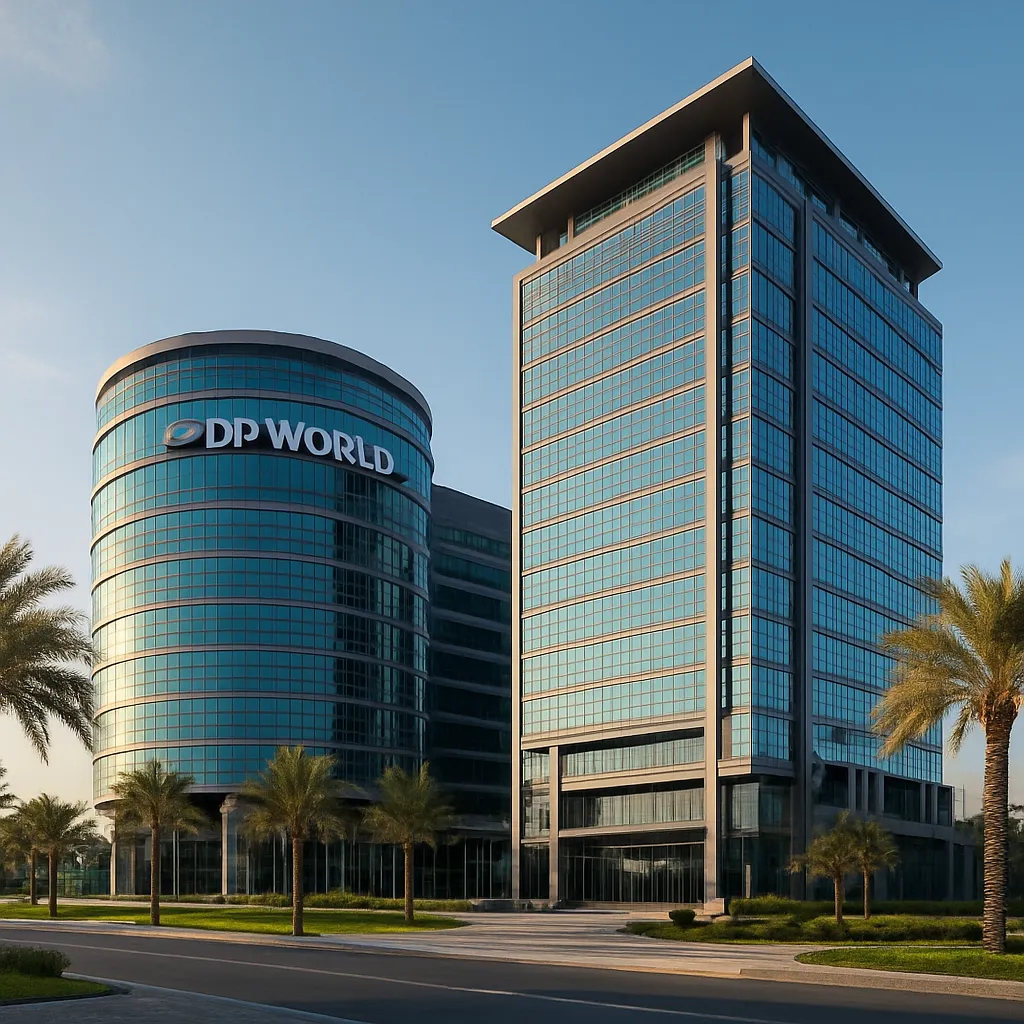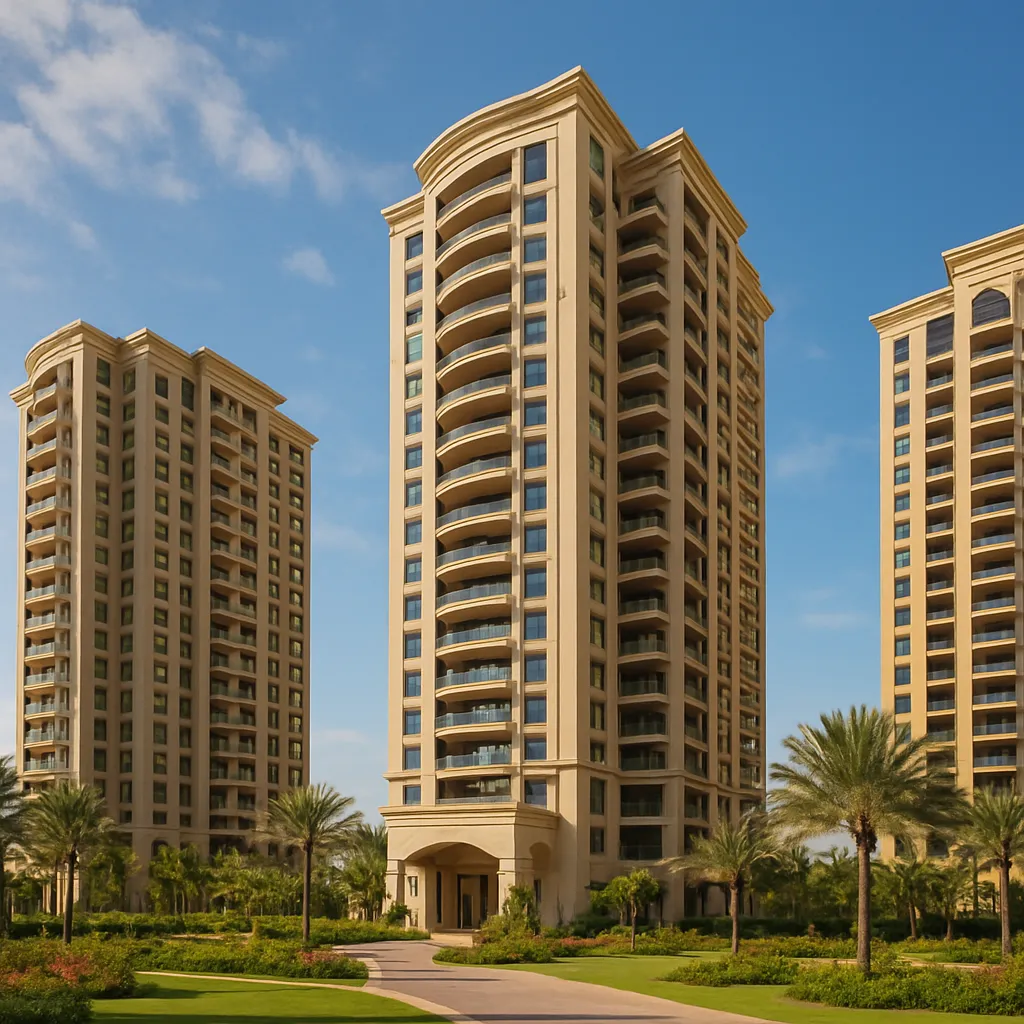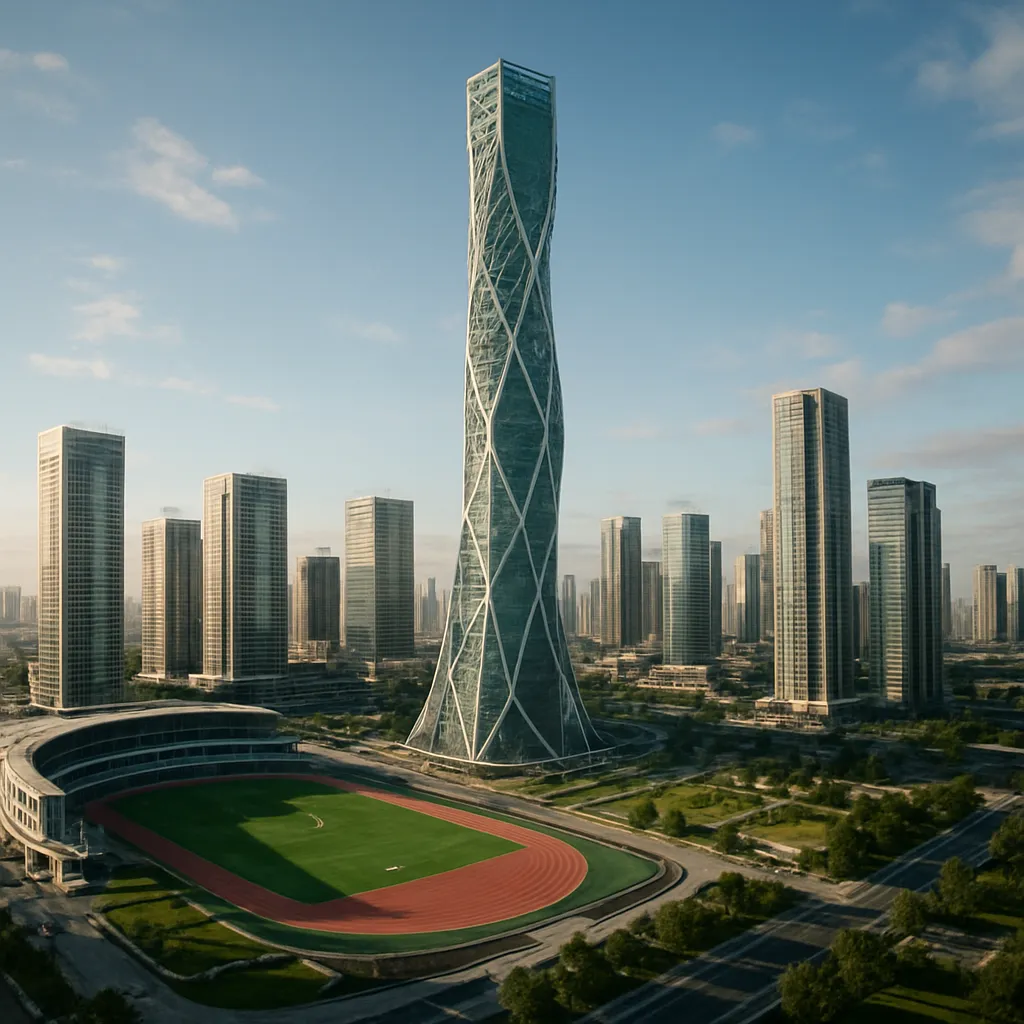
The Matrix Tower in Sports City is a distinctive presence within one of Dubai’s most dynamic mixed-use districts. Combining residential functions with leisure amenities and a location adjacent to world-class sporting facilities, the tower captures many of the trends that have shaped recent urban development in the United Arab Emirates. This article explores the tower’s location, design, function, context and significance, and offers available statistical information and practical details for residents, investors and visitors.
Location and urban context
Situated in the Dubai district commonly known as Sports City, The Matrix Tower occupies a strategic position in a master-planned neighborhood designed around athletics, leisure and community living. Sports City was conceived to host and support a variety of sporting facilities — cricket and football stadiums, training academies, and recreational spaces — while also providing a substantial amount of residential and retail development to serve event visitors and long-term residents alike.
The Matrix Tower benefits from immediate proximity to a number of prominent sports-related amenities and infrastructure. Residents and visitors can typically reach stadium grounds, specialized sporting academies and landscaped communal areas on foot or with a short drive. The district’s planners emphasized walkability within clusters, generous public realm, and straightforward connections to major arterials that feed into Dubai’s broader road network.
From an urban design perspective, the tower contributes to a varied skyline where mid- and high-rise residential blocks are interspersed with podium-level retail and community facilities. This pattern supports both a day-to-day residential life and the episodic influx of spectators and athletes during tournaments. The Matrix Tower therefore functions as part of a larger ecosystem structured to host sports events while sustaining a year-round community.
Architecture, materials and structural features
Architecturally, The Matrix Tower emphasizes a contemporary idiom rooted in functionality and local climatic response. Facade treatments combine glazed elements with shading devices and textured cladding to reduce solar gain and lend the building a modern, crisp appearance. The resulting silhouette is one that reads as both residential and commercial — appropriate to a building that often contains apartments, serviced units and ground-level retail.
The tower’s structural system typically relies on a reinforced concrete core and framed slabs — a common solution in Dubai’s construction market — that provides resilience against lateral loads and efficient column layouts for open-plan apartment interiors. Podium levels commonly incorporate parking, building services, lobbies and amenity spaces, while upper floors contain a mix of unit types. Use of concrete, aluminum composite panels, high-performance glazing and engineered external shading reflects a pragmatic approach to durability and thermal performance.
Sustainability measures are increasingly incorporated into towers in this district, and The Matrix Tower is no exception. Passive strategies such as orientation, shading fins, and high-performance glazing are often combined with active systems including efficient HVAC, LED lighting and water-saving fixtures. On-site amenities — landscaped terraces, private gardens and communal pools — are designed to improve resident well-being while mitigating the urban heat island effect through vegetation and reflective surfaces.
Functions, amenities and daily life
The Matrix Tower is primarily known as a residential building, frequently offering a mix of studio, one-, two- and three-bedroom apartments. Some developments within Sports City also provide serviced apartments or flexible units aimed at short-term visitors — athletes, coaches and fans attending events — giving the building a dual role as both permanent housing and short-stay accommodation.
Common amenities typically found in such towers include:
- Swimming pools and sun terraces
- Fitness centers and dedicated exercise studios
- Play areas and family-friendly spaces
- Secure parking and storage
- Retail units and cafes at podium level
- 24-hour security and concierge services
These facilities are intended to support active lifestyles and a community-oriented atmosphere aligned with the sports-centric character of the neighborhood.
Community programming in Sports City often leverages the adjacent sports infrastructure, meaning residents of The Matrix Tower have convenient access to organized activities, coaching clinics and spectator events. This adjacency enhances the day-to-day vibrancy of the area and gives the building a unique appeal for those who prioritize an active lifestyle.
Statistics and measurable data (available information and estimates)
Exact, authoritative statistics for The Matrix Tower are not always publicly centralized; data can vary between developer brochures, property listing portals and construction databases. The following figures are presented as commonly reported values or reasonable estimates where public confirmations are sparse:
- Floor count: Many similar residential towers in Sports City range from approximately 12 to 30 floors. Depending on the specific iteration of The Matrix Tower (multiple towers with similar names sometimes exist within masterplans), reported floor counts often fall within this range.
- Height: The overall height typically corresponds with mid-rise profiles, often between 45 and 120 meters, depending on floor-to-floor heights and the presence of rooftop architectural elements.
- Gross floor area (GFA): Developments of this type commonly range from 10,000 to 40,000 square meters of GFA, depending on footprint, number of floors and extent of podium facilities.
- Unit mix: Many towers in the district provide a diversified unit mix, with studios to three-bedroom layouts making up the bulk of inventory. Unit count per tower can vary from under 100 apartments in low-rise schemes to several hundred units in larger towers.
- Completion: Sports City has seen phases of development since the late 2000s and 2010s. The Matrix Tower’s specific completion year depends on the phase and developer; interested readers should consult the developer’s official materials or municipal records for the exact date for a particular tower.
Note: If you require precise numeric data (official height, exact floor count, plot area, or developer-submitted construction metrics) for a specific tower labeled The Matrix Tower, it is best to reference developer documentation, municipal planning records or recognized building databases that index completed projects. Differences in naming conventions, phase numbering and local marketing names can create discrepancies across sources.
Developer, ownership and market position
The Matrix Tower is typically marketed by local developers who aim to combine residential livability with the district’s sporting identity. Developers active in Sports City projects vary widely — from regional developers specializing in mid-market housing to larger national firms that deliver mixed-use towers with premium finishes.
On the real estate market, towers in Sports City generally appeal to:
- Families and professionals seeking relatively affordable, community-oriented housing within Dubai
- Investors attracted to rental demand during sporting events and year-round demand from nearby institutions
- Short-stay visitors associated with academies and tournaments, when units are offered as serviced accommodation
The Matrix Tower’s positioning often emphasizes convenience, access to sports facilities, and a contemporary lifestyle rather than ultra-luxury finishes.
Social, cultural and sporting significance
The Matrix Tower derives much of its character from its proximity to sporting venues and academies. This relationship fosters a culture where sport is a part of everyday life rather than an occasional spectacle. The tower’s residents may find themselves involved in local leagues, coaching programs or event volunteering — activities that strengthen neighborhood ties and reinforce Sports City’s identity.
Architecturally and socially, buildings like The Matrix Tower help democratize access to quality housing near sporting infrastructure. Instead of reserving high-quality residential options exclusively for central business districts, Sports City offers a model where athletic and residential functions coexist, promoting recreational participation across age groups and socio-economic segments.
Transport, access and connectivity
Transport connectivity is an essential aspect of life in Sports City. The Matrix Tower typically benefits from:
- Direct access to primary roadways linking to Dubai’s major highways
- Local shuttle services or community buses during major events
- Nearby taxi and ride-hailing options
- Pedestrian-friendly streets within the immediate development cluster
Public transport coverage in terms of metro connectivity is evolving across Dubai, but many master-planned districts rely on road-based transit and feeder services to connect residents to the metro network and citywide destinations.
For motorists, parking provisions in the podium areas are designed to serve residents and visitors, while well-designed drop-off points facilitate event-related circulation during peak days.
Maintenance, management and living considerations
Living in a tower such as The Matrix Tower typically involves engagement with a homeowners’ association or property management company responsible for maintenance of common areas, security, landscaping and amenity upkeep. Service charges are levied to cover these services; their levels depend on the extent of shared amenities, building age, and service standards.
Prospective residents and investors should consider:
- Service charge history and projected increases
- Quality of property management (responsiveness, transparency)
- Community regulations regarding rentals and short-stay operations
- Proximity to primary services: schools, supermarkets, clinics
Research and due diligence are particularly important in neighborhoods with mixed dwelling types and event-driven demand patterns.
Future prospects and development trends
Sports City and buildings like The Matrix Tower are likely to continue evolving in response to broader urban trends:
- Sustainability: Expect upgrades to energy efficiency, waste management and water conservation as regulatory expectations and resident preferences drive retrofits and new standards.
- Smart building technologies: Integration of building management systems, remote access for residents and energy monitoring features will increase.
- Community-focused amenities: Demand for flexible co-working spaces, on-site health services and family-oriented programming will grow as communities mature.
- Event resilience: Planning for surges in occupancy and transport demand during major sporting events will inform circulation and services planning.
These trends enhance long-term attractiveness and can contribute to stronger performance for both occupiers and investors.
Interesting facts and lesser-known points
- Naming and branding: The name “Matrix” is sometimes used for multiple buildings or phases within larger masterplans; always confirm the precise tower number or plot when researching a specific property.
- Mixed clientele: The tower frequently hosts a mix of long-term residents and short-term guests linked to the sports calendar, creating a dynamic social mix.
- Event economies: Local businesses and service providers often time promotions and staffing to coincide with tournaments, creating seasonal micro-economies around the tower.
- Landscape design: Podium gardens and street-level planting are deliberately used to create microclimates and pedestrian-friendly routes between buildings and sports facilities.
- Flexibility in apartment layouts: Many units are designed with convertible spaces to adapt between full-time residency and short-stay use, improving rental flexibility.
How to verify specific details and where to find authoritative information
For readers who require precise and authoritative data about The Matrix Tower — such as exact floor counts, completion dates, developer names, or certified floor area figures — the following sources are recommended:
- Developer press releases and official project brochures
- Municipal planning and building authority records (for the Emirate or city)
- Reputable building databases and industry publications that index completed projects
- Real estate listing platforms that provide unit-level specifications and official floorplans
- On-site signage, sales centers and management offices that can confirm current operations and service charges
Cross-referencing multiple sources is advisable because marketing names and local usage sometimes vary from formal registry names.
Conclusion
The Matrix Tower in Sports City exemplifies a modern, sports-oriented residential typology that integrates living, leisure and athletic infrastructure. Though precise statistics vary between sources, the tower’s real value lies in its strategic location, amenity-rich programming and contribution to a neighborhood designed for active lifestyles. Whether you are a prospective resident, investor or visitor, the tower offers an opportunity to live within a community shaped by sport and to enjoy facilities and connectivity that reflect contemporary urban priorities.