The following article explores the building commonly known as Al Waha Tower in the Al Barsha district of Dubai. It examines the tower’s location, design qualities, role in the local urban fabric, living experience, and broader significance for residents and investors. Where precise published figures are unavailable, the text explains the most reliable general information and offers contextual statistics and observations to give a clear picture of the tower’s character and value within its neighbourhood.
Location and Urban Context
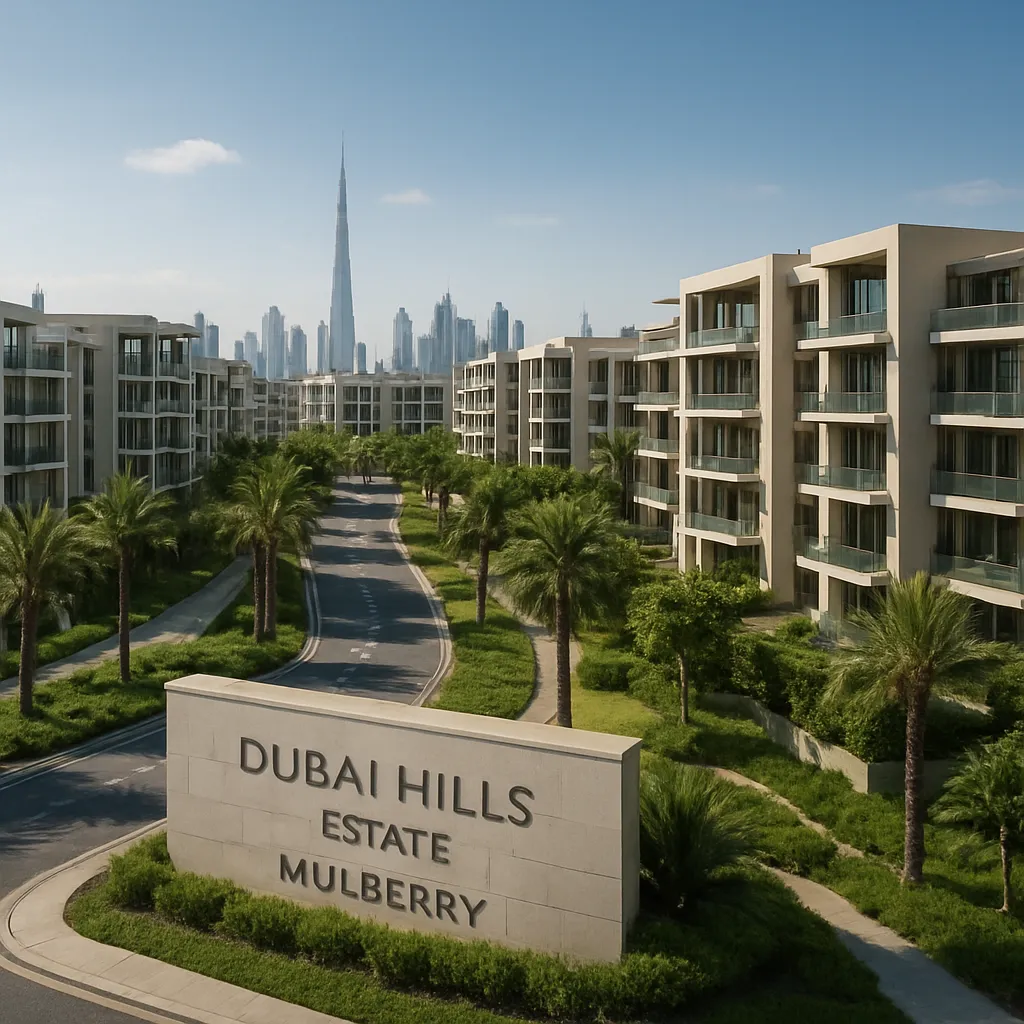
Situated in the heart of Al Barsha, one of Dubai’s well-established mixed-use neighbourhoods, the building known as Al Waha Tower benefits from a strategic position between major commercial corridors and residential districts. Al Barsha developed rapidly during the early 2000s as Dubai expanded south-west of Sheikh Zayed Road. The area combines low- and mid-rise apartment buildings, family villas, hotels, and several major retail and leisure destinations, creating a balanced urban environment.
The tower’s immediate surroundings typically include local retail outlets, supermarkets, cafés, and community services, making daily life convenient for residents. At a short drive or even a walk away are larger attractions and transport links: the Mall of the Emirates (which opened in 2005 and hosts Ski Dubai), major bus routes and feeder connections to the Dubai Metro, and arterial roads leading to Dubai Marina, Jumeirah Lake Towers and central business districts. Because Al Barsha is roughly equidistant from key employment hubs like Dubai Media City and Dubai Internet City, the neighbourhood draws both families and professionals.
Design, Architecture and Construction
Form and Materials
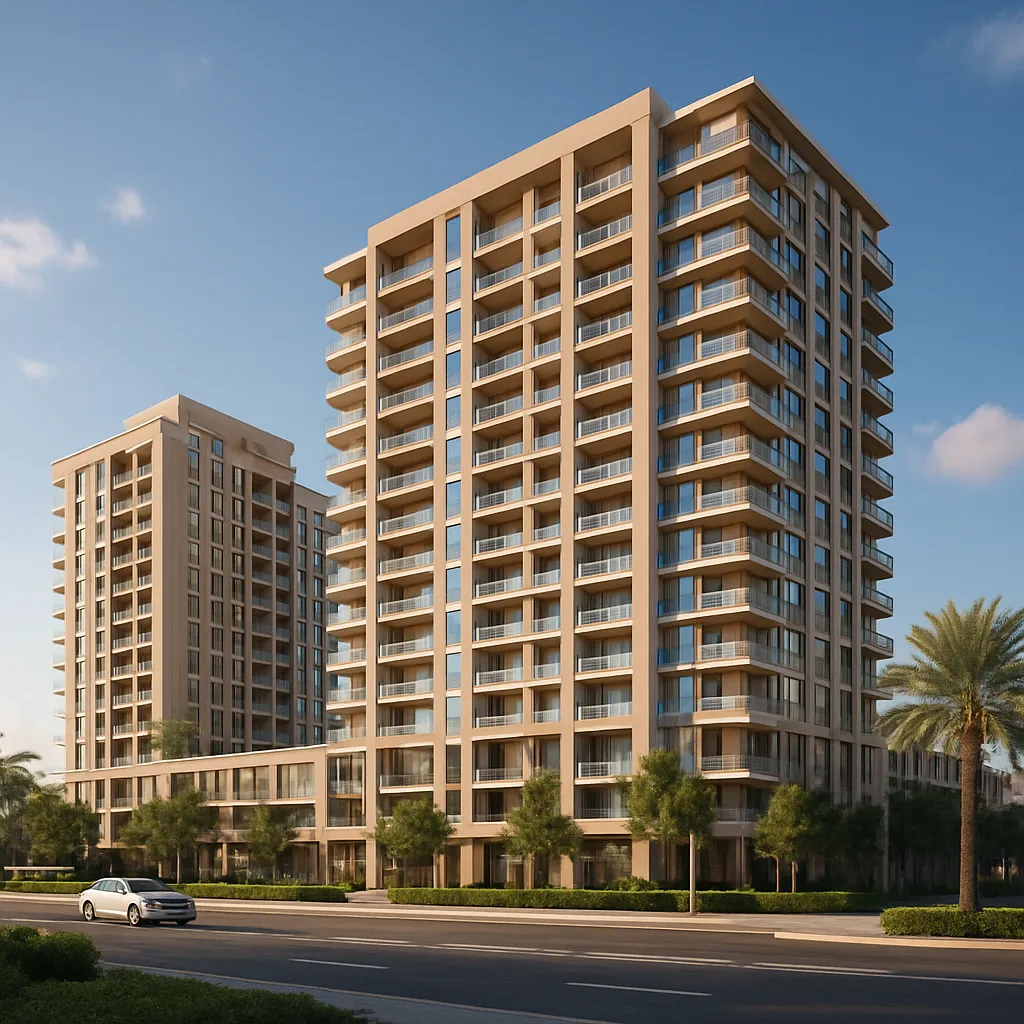
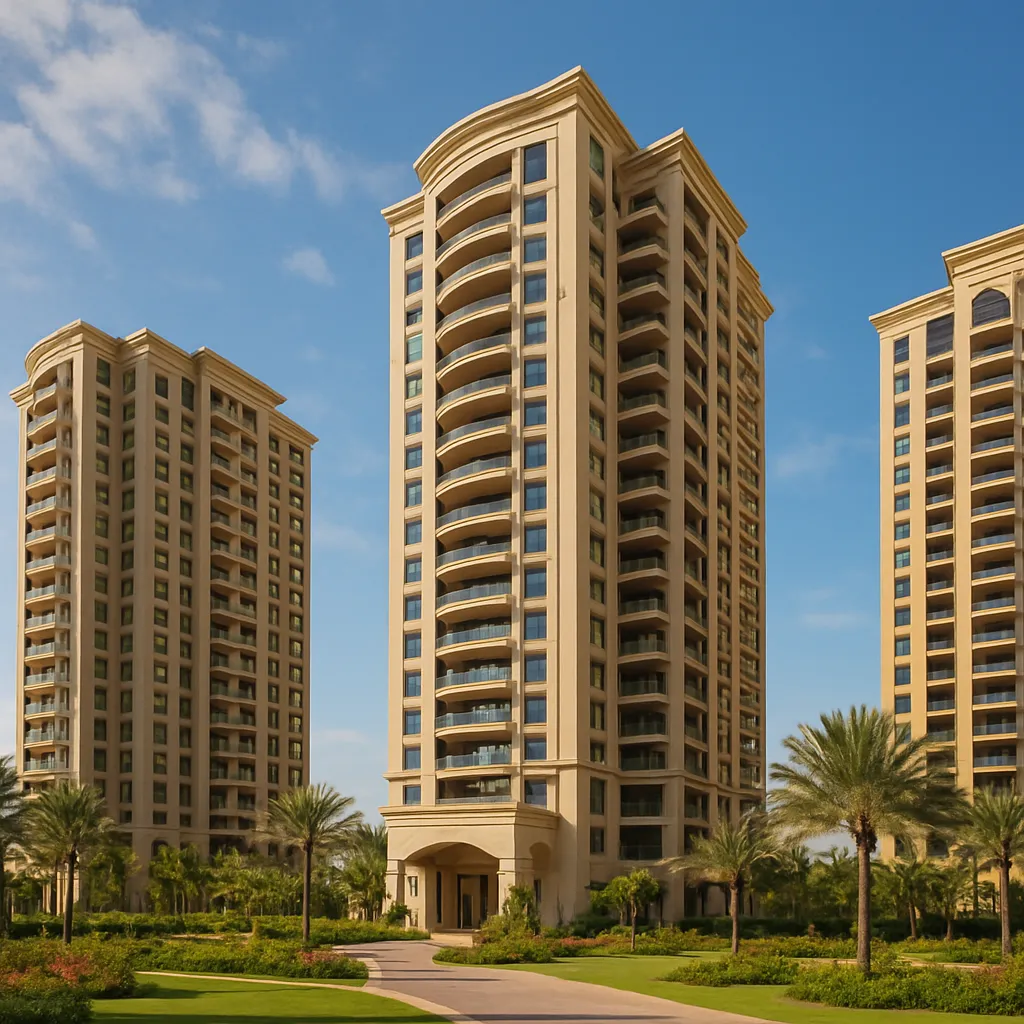
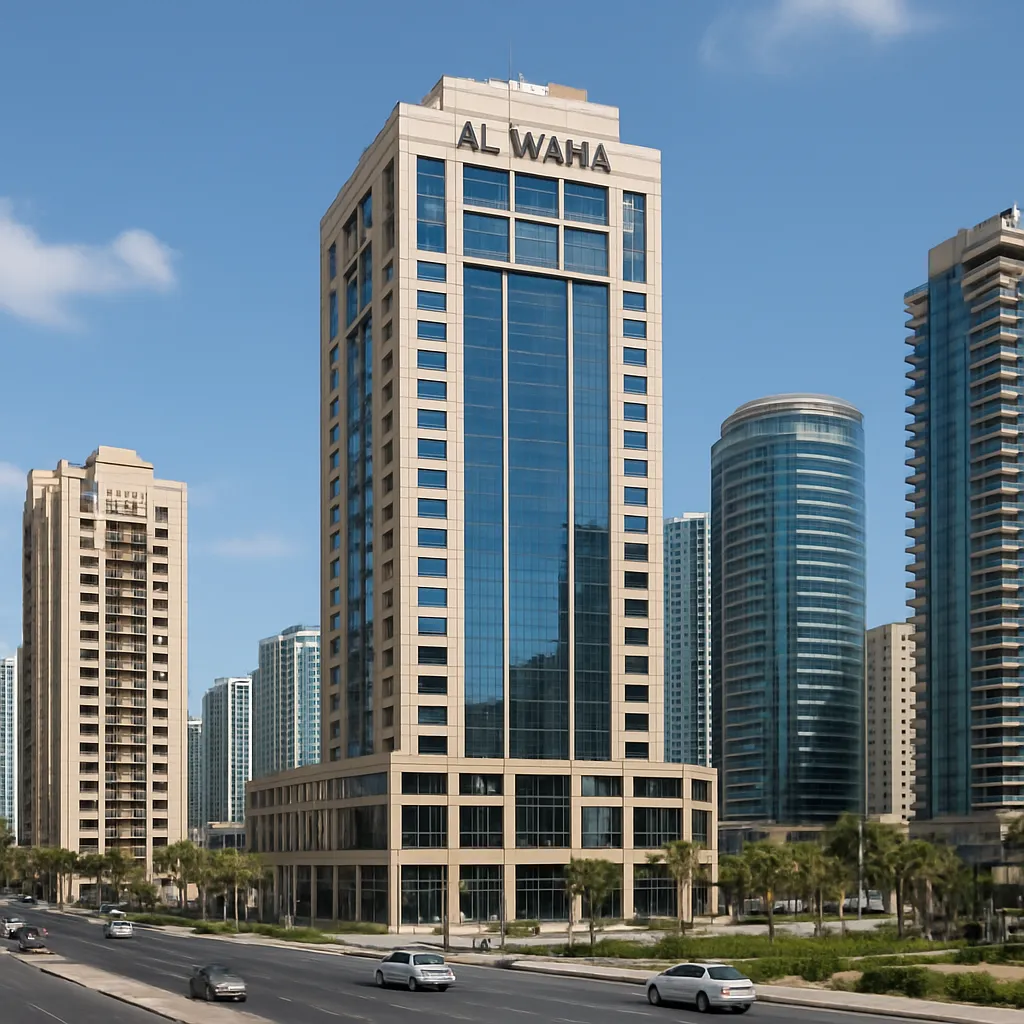
Although detailed architectural plans and the name of the original architect for Al Waha Tower are not widely published in open sources, the building reflects common design approaches used in Dubai’s residential blocks: a contemporary façade, careful attention to balconies and glazing, and a podium that accommodates parking and service areas. The name “Al Waha,” meaning “oasis” in Arabic, suggests design intent focused on creating a tranquil, sheltered residential environment amid the city’s energetic urban landscape.
The building envelope typically uses curtain wall glazing combined with durable cladding materials and rendered concrete. Balconies and recessed windows are common to offer solar shading and outdoor space for apartments. In Dubai’s climate, these design strategies help moderate solar gain while offering residents private outdoor areas.
Scale and Typology
Publicly available, authoritative figures specifically for Al Waha Tower (such as exact height and floor count) are limited. In local listings and real-estate descriptions the tower is generally characterized as a mid-rise residential building—commonly in the range of about 15–30 storeys—containing a mix of apartment types. This typology is consistent with many Al Barsha developments, which balance density with human-scaled streets and community facilities.
Internally, towers of this scale in Al Barsha tend to include a mix of studio, one-, two- and three-bedroom units, with occasional larger family apartments or penthouses on upper levels. The core and circulation areas, such as lifts and stairwells, are arranged to provide efficient access while maximizing apartment floorplates.
Living Experience and Amenities
Residents of Al Waha Tower typically experience the combined benefits of urban convenience and residential calm. The building offers standard amenities intended to enhance everyday life while appealing to both long-term residents and rental tenants.
- Secure basement and podium parking with allocated spaces for residents and guest parking on a first-come basis.
- 24/7 security and CCTV systems to ensure building safety and controlled access to residential floors.
- Shared recreational spaces—commonly a swimming pool, a small gym, and landscaped common areas often situated on a podium or roof terrace.
- On-site property management or a building maintenance office to handle resident requests and coordinate cleaning, landscaping and technical building services.
- Ground-floor commercial units or convenience retail that serve daily needs without requiring travel to larger malls.
These amenities are designed to create a self-contained living environment where residents can relax, exercise and socialize without leaving the tower. Apartment interiors typically feature contemporary finishes: open-plan kitchens with fitted cabinetry, modern bathrooms, ceramic or engineered wood flooring and built-in storage—elements that appeal to both owner-occupiers and the rental market.
Connectivity and Nearby Landmarks
One of the tower’s principal advantages is its proximity to a cluster of important urban destinations. As part of Al Barsha, tenants and owners have ready access to:
- Mall of the Emirates — a major regional retail and entertainment complex housing international brands, dining, a supermarket, multiplex cinema and Ski Dubai.
- Public transport — bus routes across Al Barsha and connective services to the Dubai Metro network, making commuting possible to key employment areas.
- Educational and healthcare facilities — a mix of private clinics, pharmacies, nurseries and schools in the wider neighbourhood.
- Leisure and dining — from casual cafés to mid-range restaurants, as well as hotel dining options in nearby hotels along Sheikh Zayed Road.
The immediate road network provides straightforward access to Sheikh Zayed Road, Dubai Marina, Jumeirah Beach and other popular areas. For many residents, the combination of nearby retail, entertainment and transport options is a major reason to choose a property in this part of the city.
Market, Investment and Statistics
Al Barsha is seen as a mature residential market within Dubai. Data across the Dubai property market show that demand in neighbourhoods like Al Barsha is driven by middle- to upper-middle-income residents seeking a balance between affordability and access to amenities. While precise sales and valuation statistics for Al Waha Tower specifically are not always publicly listed, the following contextual information is relevant to potential buyers and investors:
- Market role: Al Barsha often competes with nearby neighbourhoods such as Barsha Heights and Dubai Marina for tenant demand, especially from families and professionals seeking apartment living near work hubs.
- Rental yields: Historically, mid-rise residential towers in Al Barsha have offered modest to healthy rental yields relative to the city average, depending on unit size, furnishing level and exact location. In typical cycles, yields in similar areas commonly range in the mid single digits percentage-wise (for example, roughly 4–7% gross), though these figures vary with market conditions.
- Occupancy and demand: Al Barsha’s mixed-use character supports steady demand for rental units, including expatriate families and long-term professionals. Short-term fluctuations depend on macroeconomic conditions, employment trends and visa/regulatory changes.
For a prospective buyer, a due-diligence process that checks the developer’s track record, service charge history, tenancy rates, and specific unit maintenance records is essential. Local registries and reputable brokers can provide verified transactional data (sale prices, time-on-market, and recent comparable sales) for precise valuation.
Sustainability, Maintenance and Safety
Buildings in Dubai increasingly integrate measures to improve energy efficiency and occupant comfort. While Al Waha Tower may predate some of the city’s latest sustainability standards, common retrofit and operational strategies include improved glazing, LED lighting in common areas, efficient HVAC maintenance, and water-saving fixtures to reduce operational expenditure.
Sustainability measures often seen in comparable towers include:
- High-efficiency chillers and regulated HVAC operation schedules to control energy usage.
- LED lighting and motion sensors in corridors and common facilities to minimize electricity consumption.
- Water-efficient plumbing fixtures and irrigation systems for landscaped areas.
- Waste segregation and recycling practices promoted at the building level to meet municipal initiatives.
Maintenance is managed through the building’s property management company, responsible for cleaning, landscaping, technical services and compliance with safety standards. Typical fire-and-life-safety systems include fire alarm panels, sprinklers in service areas, emergency lighting and regular drills or checks in accordance with Dubai Civil Defence requirements.
Cultural and Social Impact
Residential towers like Al Waha Tower contribute to Al Barsha’s social fabric by accommodating a diverse population of families, professionals and long-term residents. The tower’s communal spaces, proximity to schools and cafés, and presence within a mixed-use neighbourhood support day-to-day social interactions and the creation of small-scale community networks.
Because Al Barsha is home to long-standing businesses and a mix of older and newer residential blocks, residents often enjoy a community feel that contrasts with Dubai’s newer, more tourist-driven districts. This neighbourhood balance supports both family life and an active social scene. Local events, community associations and informal resident groups play a role in building neighborhood ties and addressing local concerns such as parking, security, and shared amenity use.
Practical Considerations for Residents and Buyers
Potential residents and investors should consider several practical factors when evaluating a unit in Al Waha Tower or a similar building:
- Service charges and operating costs — check historical service charge levels and what they cover (cleaning, landscaping, security, utilities of common areas).
- Title and ownership — ensure that the property’s freehold status, ownership documentation and any mortgage encumbrances are verified through the Dubai Land Department or an appointed conveyancer.
- Unit condition and maintenance history — request recent inspections, records of any structural works or water damage remediation, and details of any ongoing disputes with contractors or the management company.
- Tenant demand and rental history — realistic projections should be based on recent leasing activity in the building and comparable units in Al Barsha.
- Long-term plans for area development — awareness of proposed nearby projects (new transport links, commercial developments) can affect future value and desirability.
Notable and Interesting Facts
Some interesting contextual points about the building and its setting:
- The name Al Waha, meaning “oasis,” reflects a longstanding theme in Dubai real estate: creating comfortable, inward-focused residential environments within a desert metropolis.
- Proximity to the Mall of the Emirates gives residents exceptional access to retail, dining and entertainment—advantages that often increase both rental appeal and resale value.
- Because Al Barsha is located between several major business clusters, residents can enjoy relatively balanced commute times to a variety of employment areas, which helps sustain long-term tenancy.
- The neighbourhood’s mix of building ages means that long-term residents coexist with new arrivals, supporting a layered urban culture and a diversity of local services.
Conclusion
Al Waha Tower stands as a representative example of a mid-rise, family- and professional-oriented residential building in Al Barsha. While some specific technical data about the tower are not widely published in public databases, the building’s advantages are clear: a strategic location near major retail and transport nodes, a suite of common amenities that support modern urban living, and placement in a neighbourhood that offers balance between convenience and community life.
For prospective buyers, tenants and investors, a careful review of local market data, service charge histories, and building management practices is recommended to form a complete picture of the property’s value. In the broader urban context of Dubai, towers like Al Waha Tower contribute to the city’s diverse residential offer—balancing density and livability while serving as practical homes for a multinational population seeking both quality and proximity to the city’s major attractions and workplaces. For many, the building represents an accessible entry point into a dynamic and well-located part of Dubai’s urban landscape, offering long-term potential for comfortable living and steady investment.