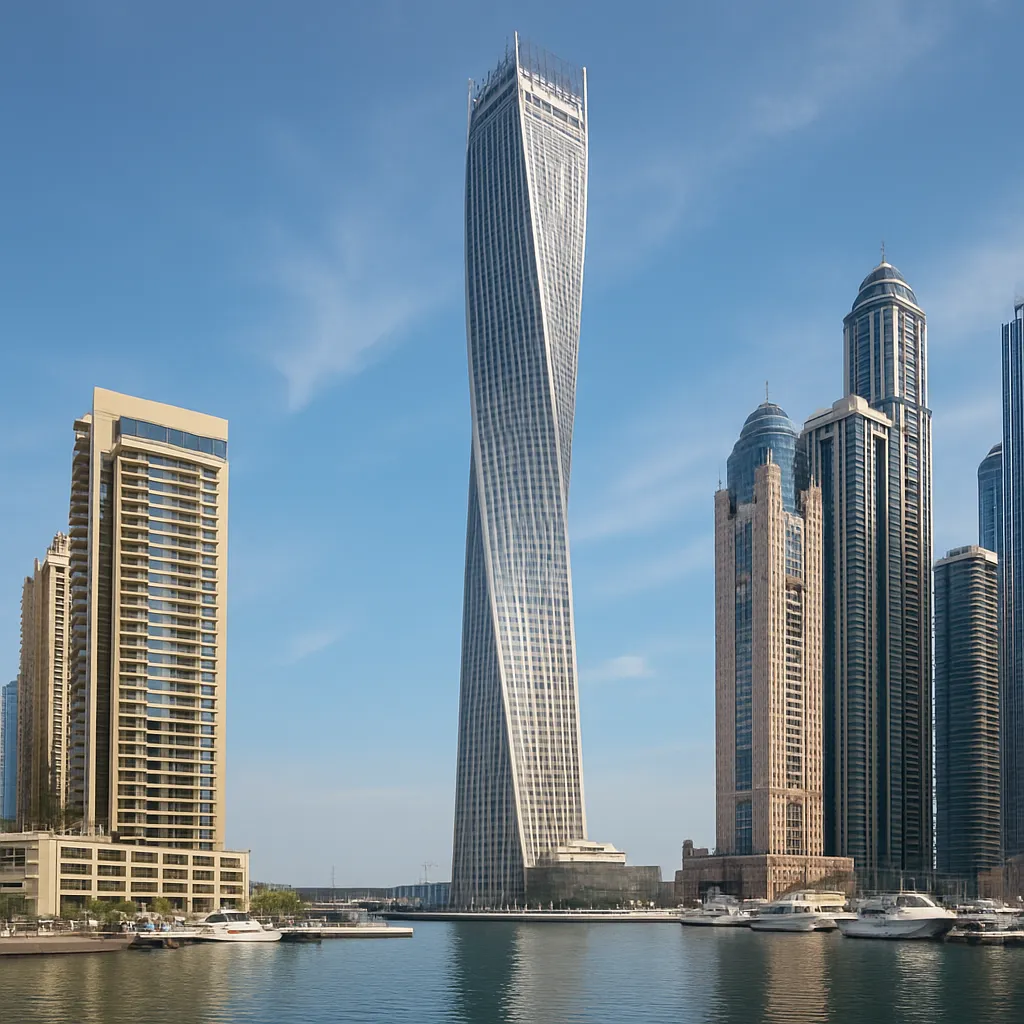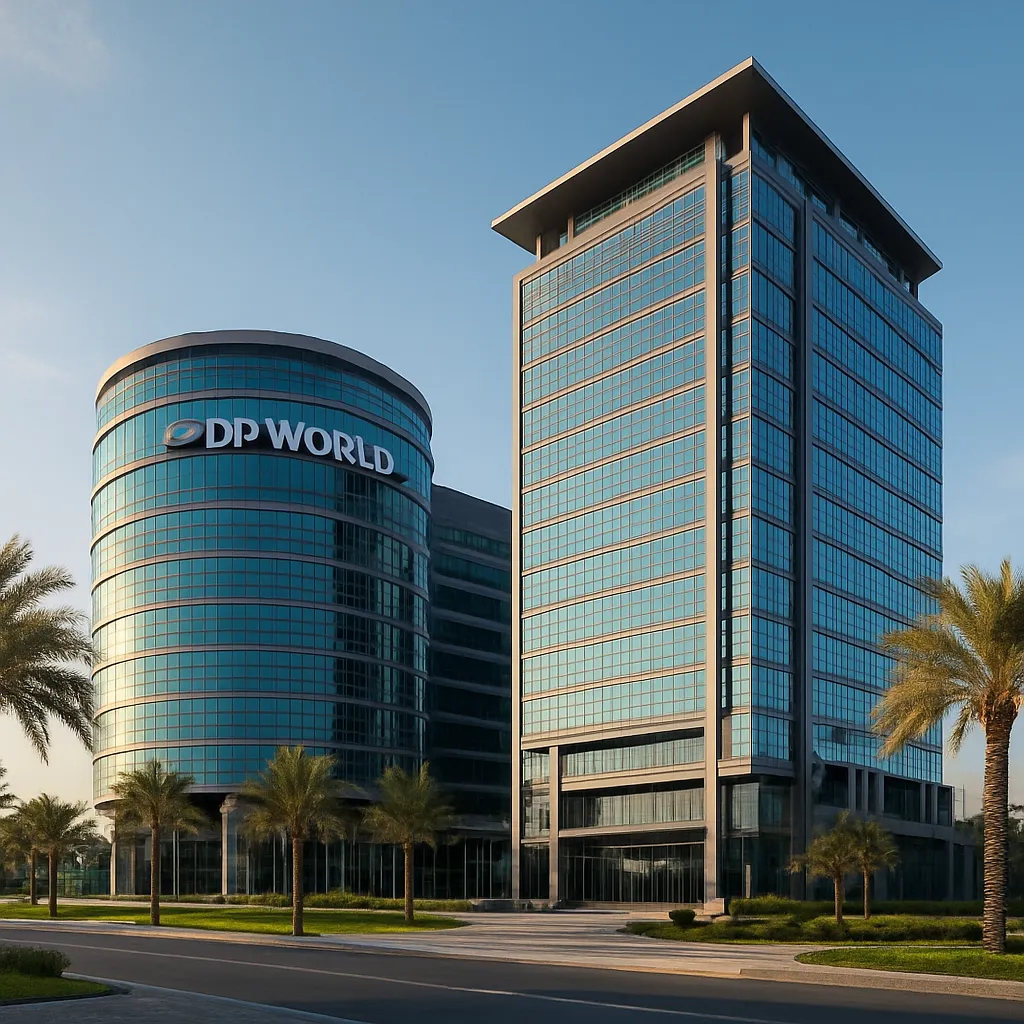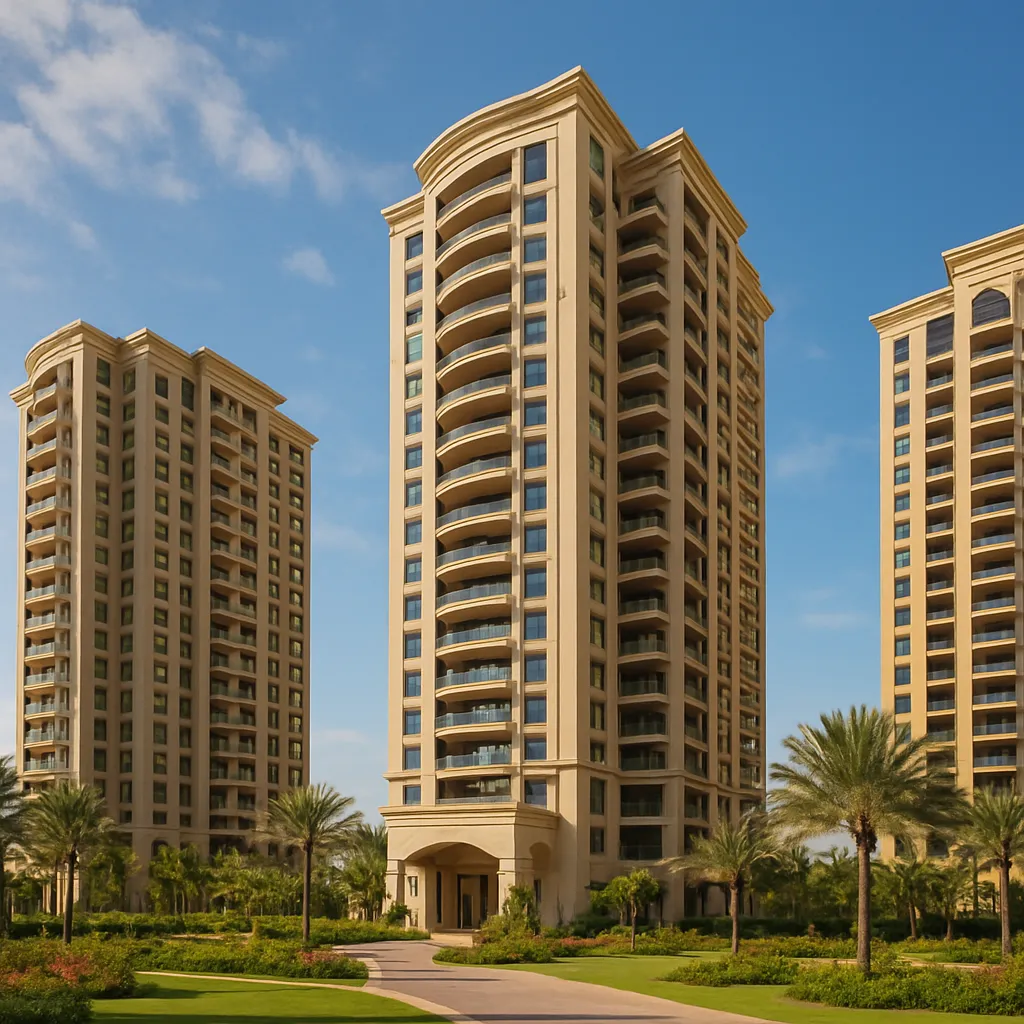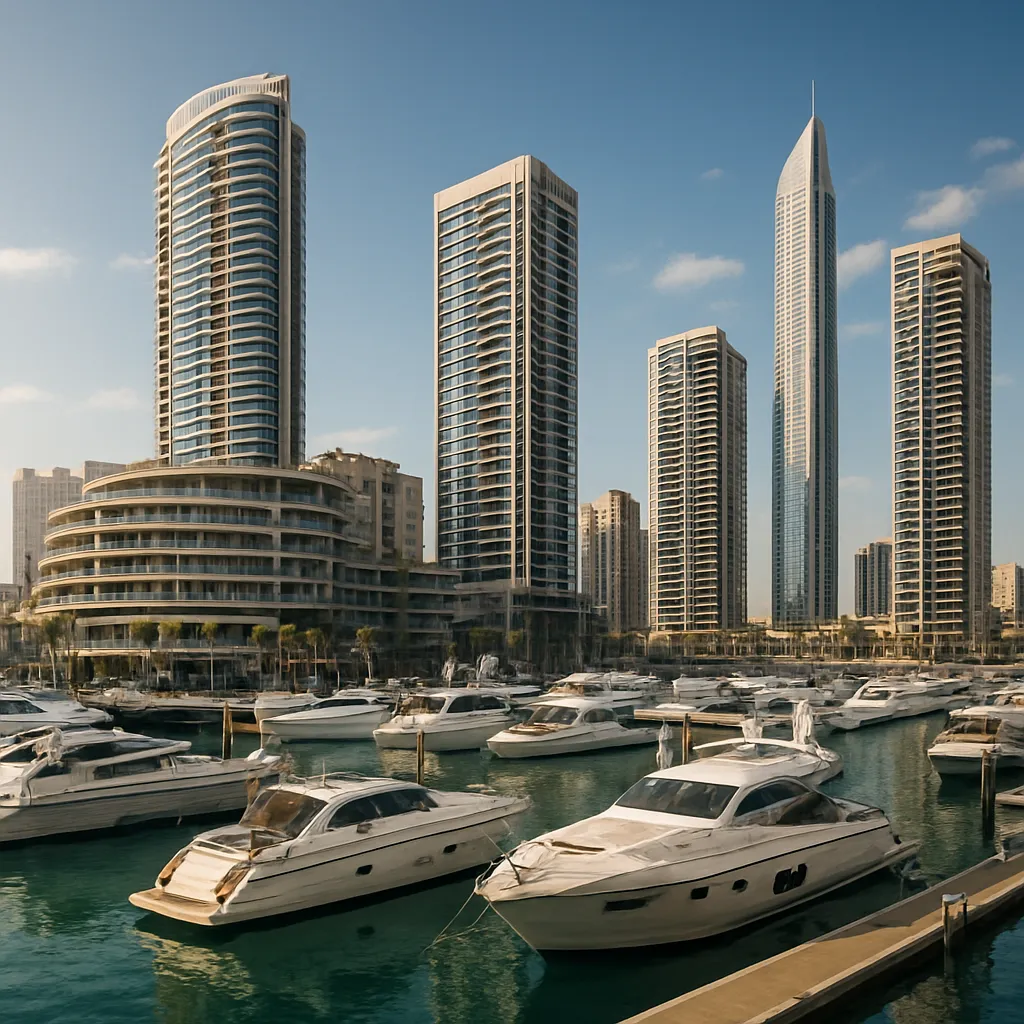
The Creek Marina Yacht Club at Creek Harbour represents a modern fusion of maritime lifestyle, urban design and waterfront leisure. Located within the ambitious Creek Harbour masterplan, this complex aims to be a destination for boating enthusiasts, residents and visitors who seek a combination of luxury amenities, community activities and direct access to the historic watercourse of the creek. The following article explores the location, architecture, facilities, environmental considerations and cultural significance of this yacht club and its associated buildings, offering both descriptive context and practical details where publicly available.
Location and urban context
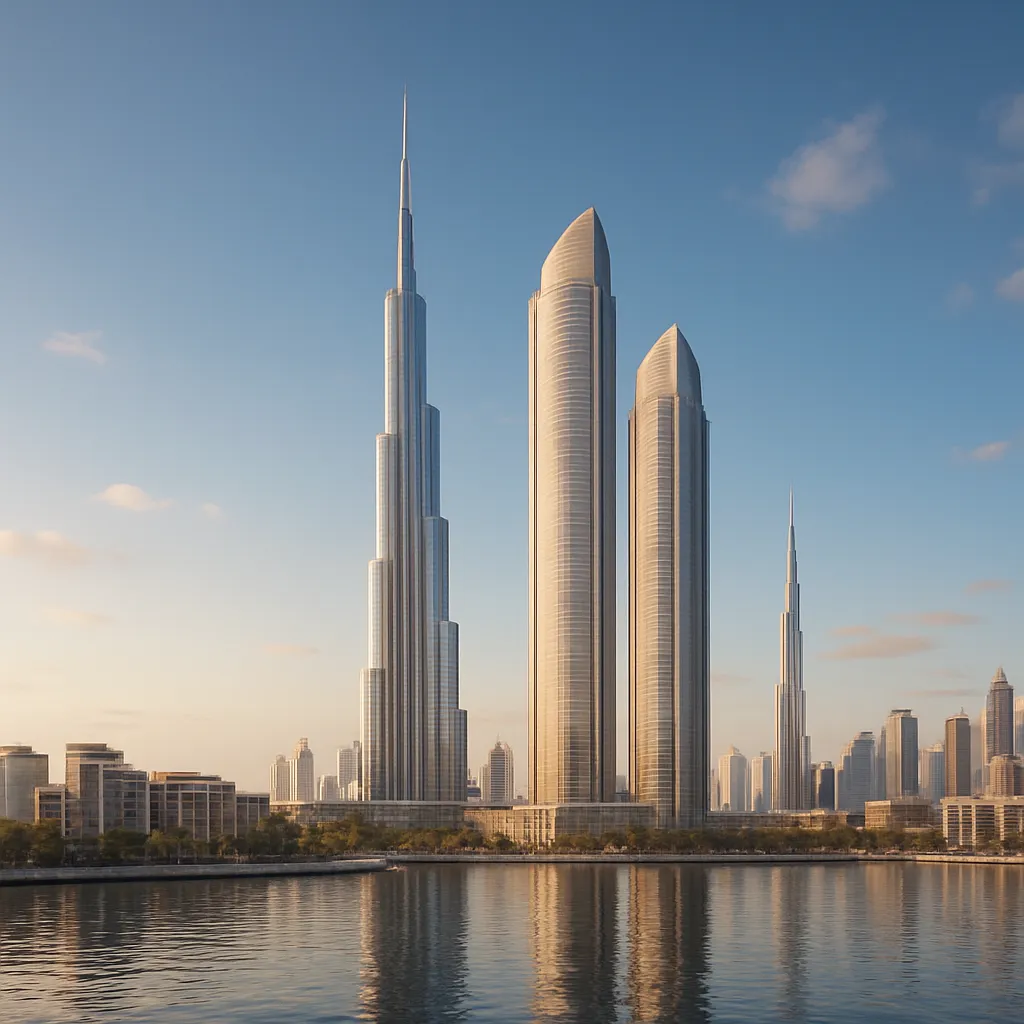
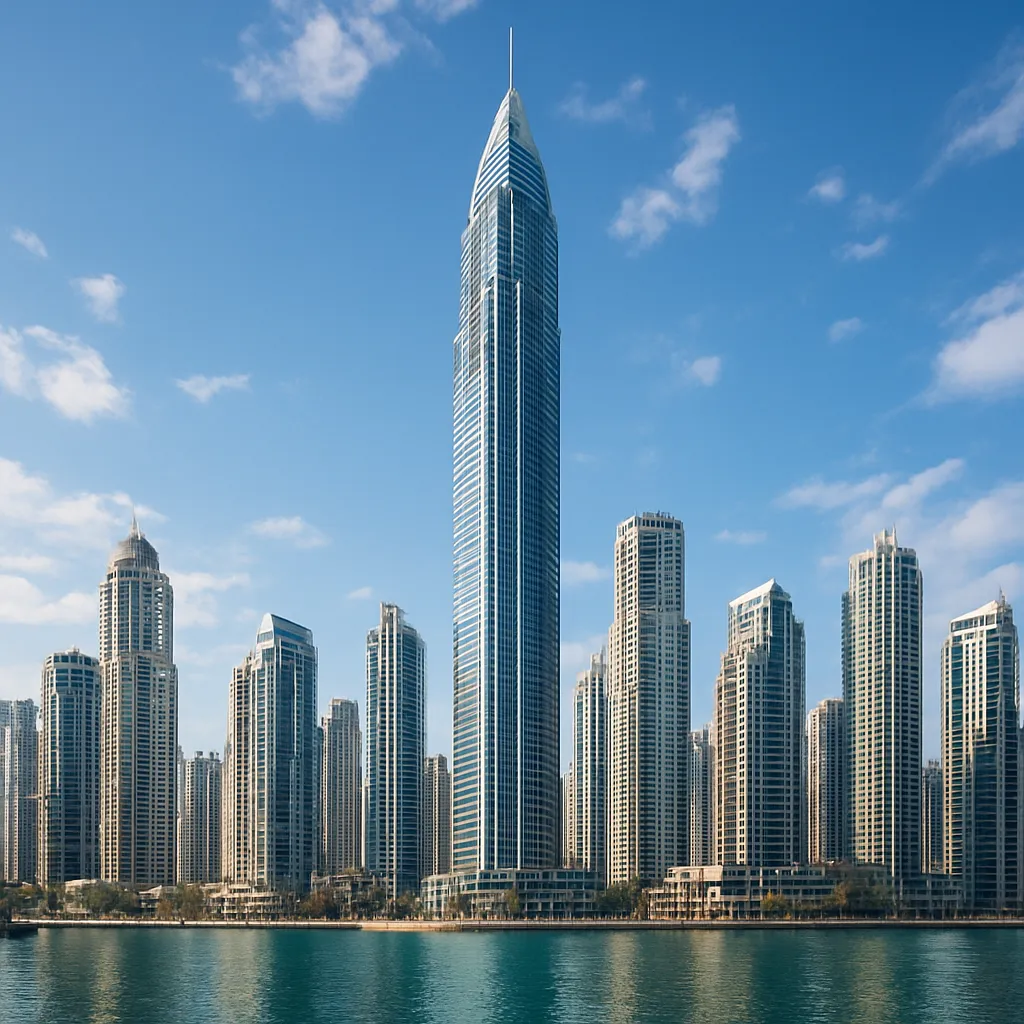
The Creek Marina Yacht Club sits within the larger Dubai Creek Harbour master development, positioned along the banks of the historic Dubai Creek. The site enjoys a strategic location that connects the city’s traditional trade route with new urban expansion: to the north lies Ras Al Khor and its protected wetlands, to the west the older creek-side neighbourhoods and souks, and across the water one can see the silhouettes of Downtown Dubai and other modern districts.
As part of a waterfront masterplan, the yacht club benefits from a long promenade and direct water access. This placement is designed to serve both small recreational craft and more substantial private yachts, providing berthing within a sheltered basin that opens onto the creek’s navigable channels. Proximity to major roads and Dubai’s international airport makes the site accessible to international visitors, while good pedestrian connections to adjacent residential towers and retail precincts integrate the club within a mixed-use neighbourhood.
Architecture and buildings
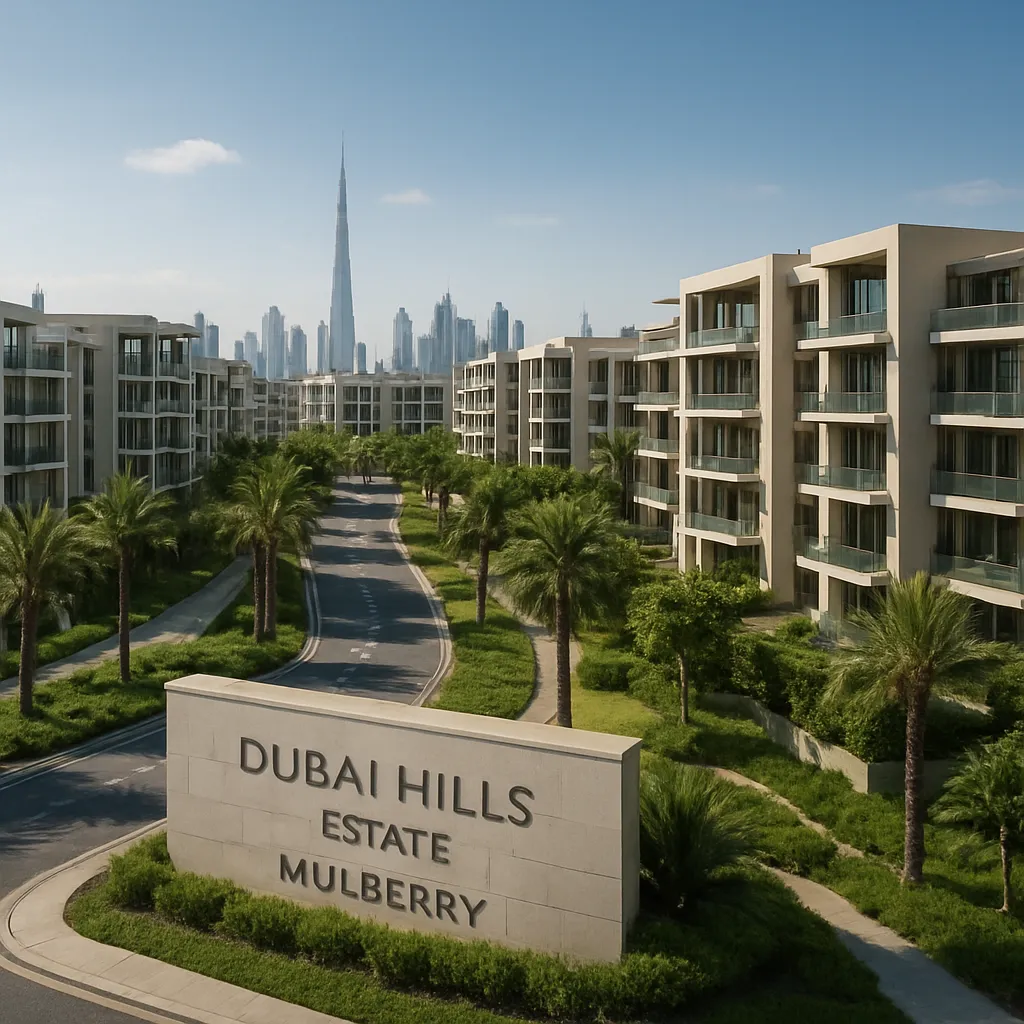
The buildings associated with the Creek Marina Yacht Club combine contemporary architectural language with references to maritime tradition. The architecture typically emphasizes horizontal lines, glazed façades, and terraces that face the water, creating an interplay of indoor and outdoor spaces optimized for views and breezes. Developers and designers aim to balance aesthetic quality with functionality, equipping structures to support marina operations while providing elevated leisure experiences.
Clubhouse and support buildings
The central clubhouse is the focal point of the complex. It usually contains reception and concierge areas, lounges, changing rooms, meeting and event spaces, as well as restaurants and cafés with terraces overlooking the marina basin. Service buildings include administrative offices, marine maintenance workshops, storage and chandlery facilities for supplies and equipment. Wherever possible, public areas are designed to be transparent and inviting, encouraging interaction between boat owners, residents and visitors.
Residential and mixed-use towers
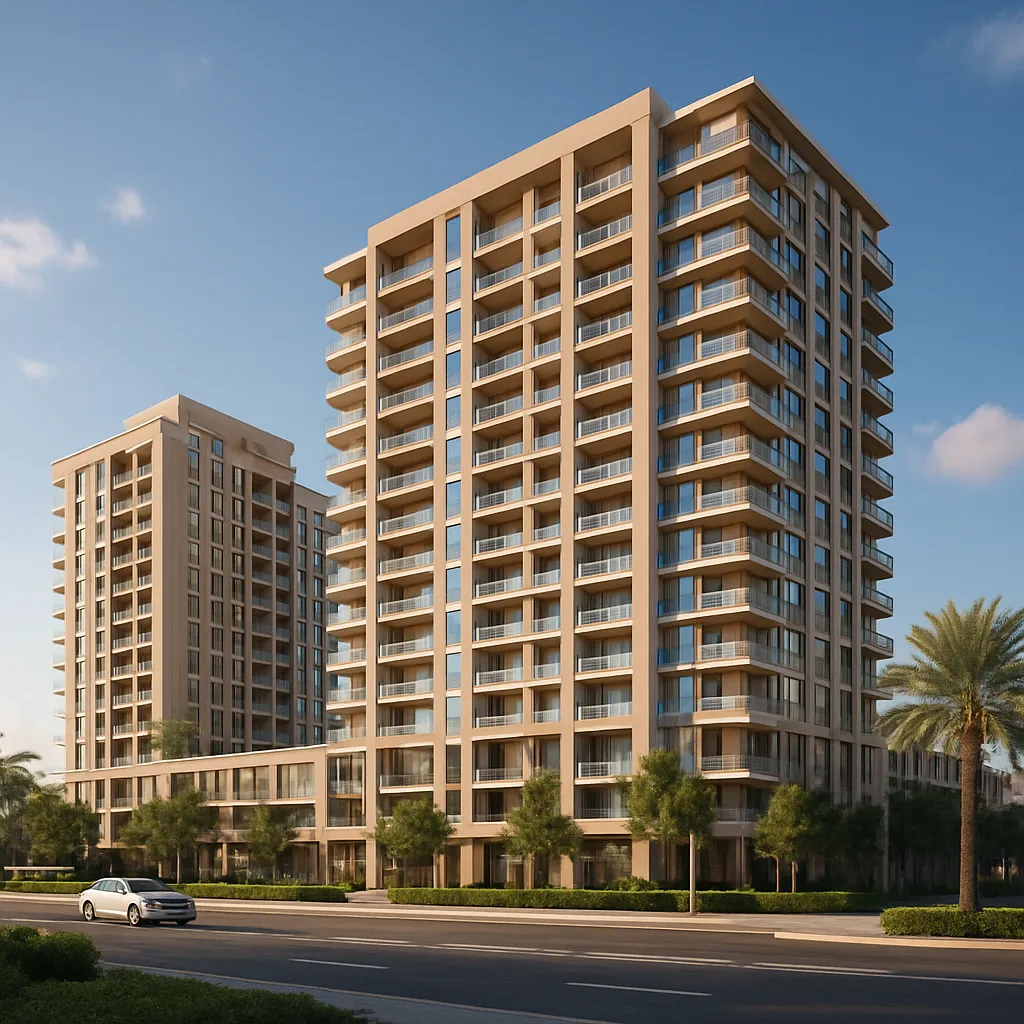
Adjoining the yacht club are often residential towers and mixed‑use buildings that take advantage of waterfront location and marina views. These buildings typically feature podium levels with retail and dining, landscaped terraces, and rooftop amenities such as pools and gyms. The integration of residential units with marina functions creates an active, 24-hour neighborhood that nurtures a sense of community around the water.
Facilities, services and amenities
The Creek Marina Yacht Club aims to provide a comprehensive set of amenities attractive to both the local boating community and international visitors. Core services are designed to support vessel operations as well as lifestyle needs.
- Berthing and moorings: A sheltered basin with finger piers offering wet berths, pontoons and service pedestals for water, electricity and fuel.
- Marine services: On-site maintenance workshops, boat repair, detailing, and a chandlery supplying parts and gear.
- Clubhouse amenities: Lounges, changing and shower facilities, private locker rooms, meeting and event spaces, and dining outlets.
- Hospitality services: Concierge, valet parking, marina management office, and guest berthing reservations.
- Recreation: Swimming pools, fitness centers, waterfront promenades, bicycle paths and landscaped parks.
- Retail and F&B: Restaurants, cafés, boutique retail stores and specialty shops serving both boaters and the public.
- Security and safety: 24/7 security, CCTV, fire protection systems and emergency response arrangements tailored for waterfront operations.
These facilities are commonly operated to the standards expected of premium marina destinations: efficient berthing operations, professional crew support, and hospitality services tuned to a luxury experience while also serving community-focused activities such as sailing schools or local regattas.
Marina layout and nautical features
Marina design is guided by both functional and environmental considerations. Typically, the marina basin at Creek Harbour is organized to maximize sheltered berthing while allowing for safe vessel circulation. Floating pontoons, fixed piers and breakwaters form the structure of the marina, and navigational channels are laid out to provide comfortable approach paths aligned with the creek’s tidal behaviour.
Key nautical features often include:
- Protected entrance: A controlled marina mouth that reduces wave action and provides a calm internal basin.
- Pontoons with utilities: Power and water supply, sewage pump-out stations and lighting on floating walkways.
- Depth and dredging management: Ensuring adequate depth for the range of vessels intended to use the marina while maintaining environmental balance.
- Navigation aids: Markers, buoys and lighting for night-time operation and safe transit to the creek.
Operationally, many modern marinas offer online reservation platforms, on-call docking assistance and coordination with local harbour authorities for customs or port clearance when required.
Sustainability and environmental management
Because the yacht club is situated near ecologically sensitive areas such as the Ras Al Khor wetlands and associated mangroves, environmental stewardship is a crucial component of both design and operation. Developers and operators often adopt strategies to reduce ecological impact while promoting the long-term health of the creek’s marine and bird life.
Typical sustainability measures include:
- Mangrove protection and restoration: Buffer zones and planting programs to support local flora and fauna.
- Water quality monitoring: Regular testing, wastewater management and pump-out facilities to prevent marine pollution.
- Low-impact construction: Measures to minimize dredging disturbance and sediment runoff during building phases.
- Energy efficiency: LED lighting on pontoons, energy-efficient club systems and consideration for renewable energy sources.
- Waste management: Recycling programs and proper handling of hazardous boat-related waste (oil, batteries, antifreeze).
These practices help balance the recreational and economic benefits of the marina with the responsibility to conserve local ecosystems and reduce carbon footprint associated with waterfront development.
Economic and social role
The presence of a marina and yacht club in a waterfront masterplan contributes to the local economy through a range of channels. Beyond direct employment in marina operations, hospitality and retail, the facility stimulates demand for marine services, boat sales, tourism and property investment. Marina-side residences tend to command a premium due to desirable views and lifestyle access.
On a social level, the yacht club can become a hub for community events, sport and education. Sailing clubs, youth sailing programs and regattas create avenues for community engagement and skills development, while public promenades and restaurants make the waterfront accessible to a wider audience, not only boat owners.
Events and cultural programming
Marinas often host a variety of events across the year. Creek Marina Yacht Club could typically be expected to be involved in:
- Regattas and races: Competitive and amateur sailing events that draw participants from the region.
- Boat shows and expos: Display and demonstration events featuring new vessels, marine equipment and lifestyle products.
- Cultural festivals: Waterfront festivals, food markets and public concerts organized in partnership with local authorities.
- Charity and community days: Outreach and fundraising events that engage the broader public.
Events enhance the profile of the marina as a living place and help establish its reputation as a regional attraction.
Statistics and technical data (available information and estimates)
Publicly available numerical data specifically for the Creek Marina Yacht Club is limited and often integrated into broader figures for the encompassing Creek Harbour development. However, some general and contextual statistics can be offered:
- The overall Creek Harbour masterplan is a large-scale waterfront development involving multiple residential towers, open spaces and infrastructure; media coverage and developer materials have pointed to a multi-billion-dollar investment scale.
- Marina capacity in similar urban waterfront projects in the region typically ranges from several hundred up to over a thousand berths depending on the scale; Creek Harbour’s marina facilities are intended to serve a substantial number of leisure craft, from small recreational boats to medium-sized private yachts.
- Buildings associated with the marina commonly provide mixed-use floorplates: retail on podium levels, hospitality and club facilities, and residential apartments above. Unit sizes and tower heights vary according to project phases.
- Infrastructure planning anticipates utility provisions (electricity, potable water, sewage) scaled to support both marina operations and adjacent residential communities, with supplementary services for visitors and events.
Because exact berth counts, floor areas and financial figures are often published by developers at specific milestones, those seeking precise technical statistics should consult the latest official project releases or marina management publications, which are periodically updated as development phases progress.
Interesting facts and lesser-known aspects
Several aspects of living and operating by a modern creek-side marina are particularly noteworthy:
- Historical continuity: Dubai Creek has served as a maritime artery for centuries. Modern marinas at Creek Harbour are part of a long tradition of riverine and coastal activity in the region, linking contemporary leisure boating with older trade and fishing practices.
- Design for the climate: Waterfront architecture often incorporates design strategies to mitigate heat, such as shaded outdoor areas, orientation to take advantage of sea breezes, and landscaping that reduces thermal gain.
- Birdlife and biodiversity: Despite urban expansion, nearby wetlands support significant bird populations. Responsible marina management can coexist with wildlife through careful lighting, noise control and habitat buffers.
- Connectivity innovations: Many modern marinas are integrating digital services—mobile berth booking, marina apps for guest services and digital concierge systems—to streamline visitor experiences.
- Community integration: A well-conceived yacht club often positions some areas for public enjoyment, making waterfront leisure accessible beyond exclusive memberships and fostering a lively public realm.
Practical information for visitors and boat owners
For those planning to visit or berth their vessel at the Creek Marina Yacht Club, a few practical tips are helpful:
- Contact the marina in advance to confirm berth availability and any required documentation for visiting vessels, especially if international clearance or customs procedures are involved.
- Confirm utilities and services offered at your berth—power, water, wifi, fuel and waste pump-out—and whether those are included or charged separately.
- Check marina rules for speed limits, quiet hours, guest access and any community-specific regulations aimed at protecting the marine environment and resident comfort.
- Explore on-site and nearby amenities—restaurants, shops, parks and transportation links—to plan logistics for supplies and entertainment.
- Consider seasonal factors like temperature and prevailing winds when planning overnight stays or events; marina staff can usually advise on the best practices for securing vessels.
Future prospects and development outlook
The strategic vision for Creek Harbour positions the marina and yacht club as integral elements of a growing waterfront metropolis. As the surrounding residential, retail and leisure components mature, the marina is likely to increase its activity and service offering. Potential future developments could include expanded berthing capacity, enhanced public programming, upgraded marine service facilities and continued improvements in sustainability technologies.
Regional demand for premium waterfront living and leisure boating suggests a positive outlook for the marina’s long-term viability, provided that operational excellence, environmental stewardship and strong community integration remain priorities.
Conclusion
The Creek Marina Yacht Club at Creek Harbour embodies the convergence of modern waterfront living, marine recreation and thoughtful urban design. While specifics such as berth counts and building floor areas are released periodically by project developers, the core identity of the yacht club is clear: a hub for boating, hospitality and community activity anchored to a historic waterway. With a focus on quality architecture, comprehensive marina services and environmental responsibility, the complex is designed to be more than a functional harbor—it aims to be a vibrant waterfront destination that enhances the social and economic fabric of the district while respecting the natural systems that define the creek.
Key terms: Dubai Creek Harbour, marina, yacht club, Emaar, waterfront, sustainability, berths, architecture, promenade, mangroves, events