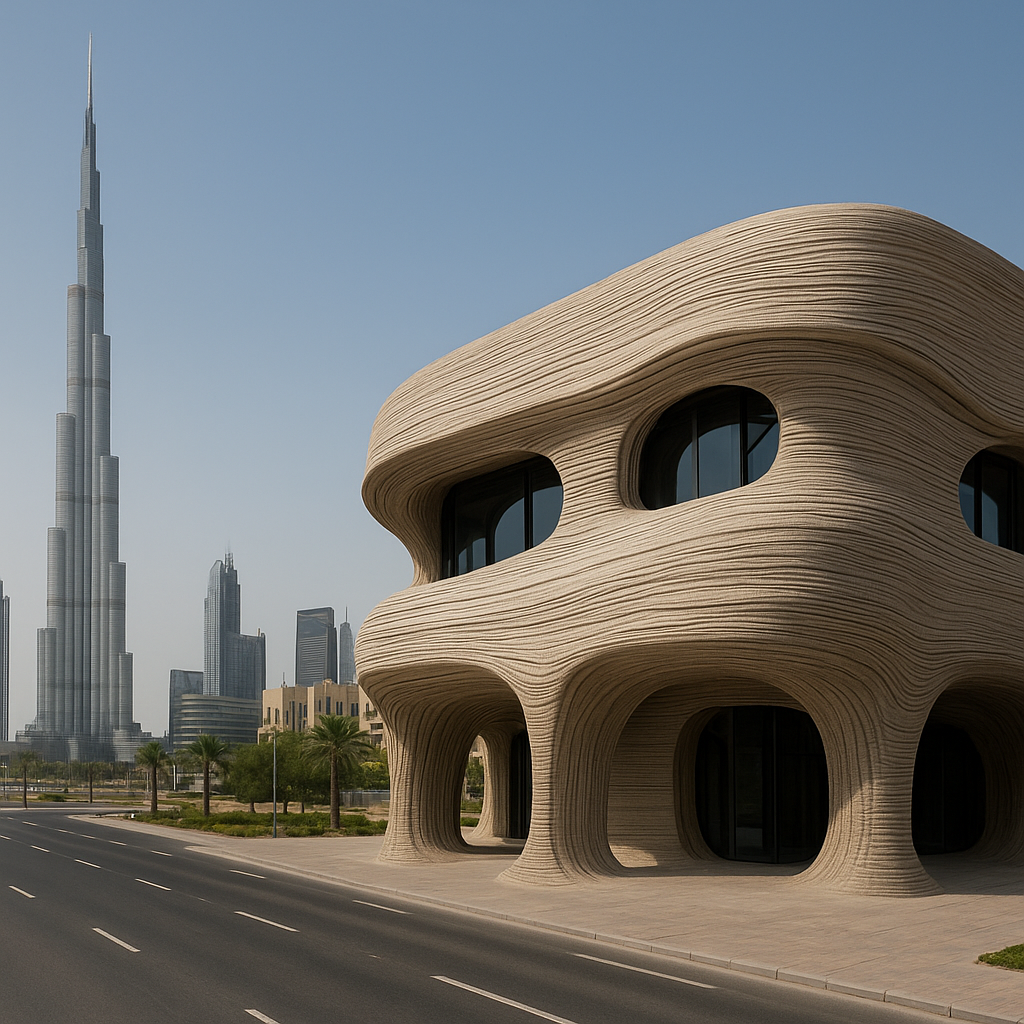
As Dubai accelerates into a new era of architectural brilliance, the city is embracing 3D-printed construction to deliver ground-breaking solutions. This cutting-edge approach is driven by a commitment to sustainability, unparalleled efficiency, and inventive design that challenges conventional methods. By combining advanced robotics, novel materials, and supportive regulations, Dubai is positioning itself as a global pioneer in building the cities of tomorrow.
Technological Advances Driving 3D Printing in Dubai
State-of-the-Art Machinery
Dubai’s construction sector has witnessed a surge in investment toward automation and high-precision 3D printers capable of extruding large volumes of concrete and composite materials. These industrial-scale devices can produce entire building shells within days rather than weeks, significantly reducing labor demands and human error. Equipped with multi-axis arms and integrated sensor arrays, printers in Dubai deliver structures with millimeter-level accuracy, setting new benchmarks for speed and quality.
Innovative Materials
Beyond hardware, material science plays a pivotal role in the future of additive construction. Dubai-based research labs are experimenting with:
- Geopolymer concrete mixtures infused with recycled aggregates
- Hybrid polymers blended with silica for enhanced tensile strength
- Lightweight foamed admixtures for improved thermal performance
These innovations reduce waste, minimize carbon output during production, and yield structures that perform exceptionally in the region’s arid climate. Trials have demonstrated thermal conductivity reductions of up to 40%, making buildings more energy-efficient under the desert sun.
Automation and Robotics Integration
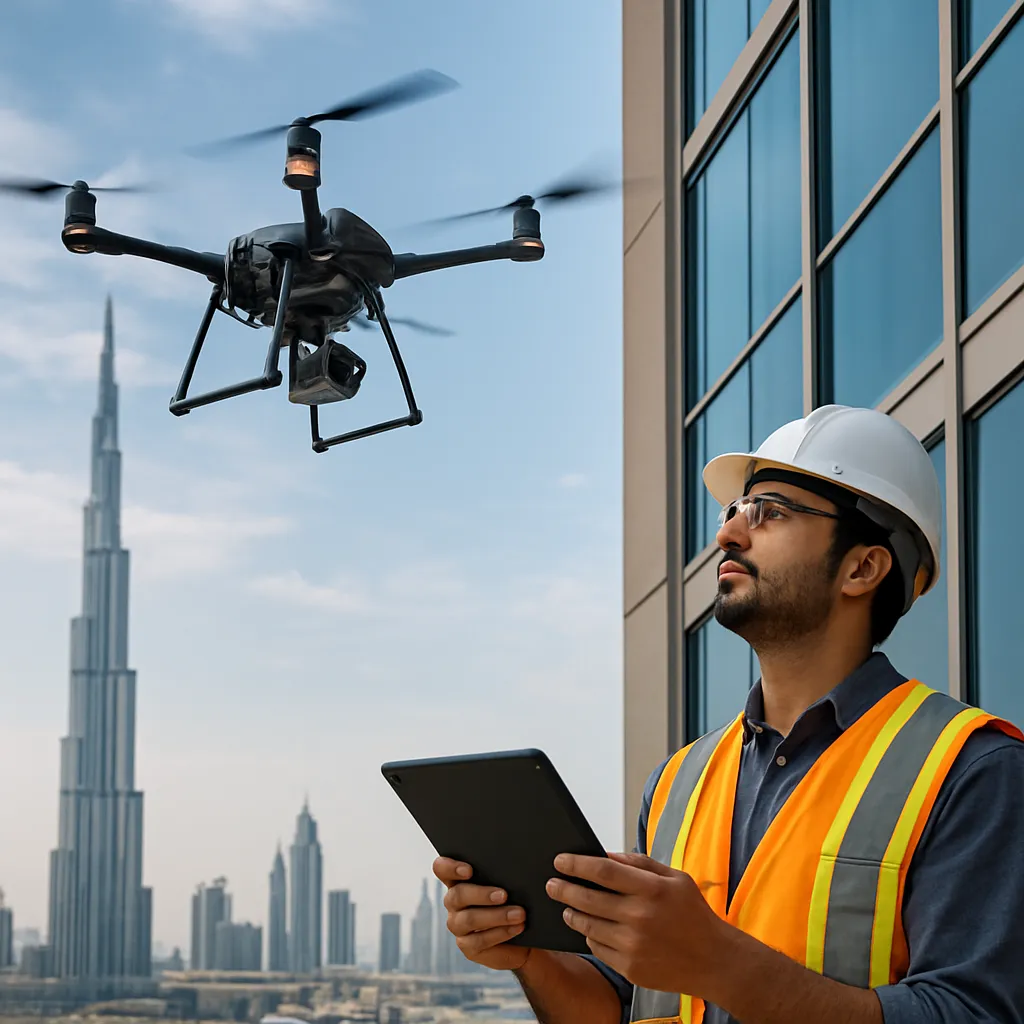
Robotic arms, autonomous vehicles, and artificial intelligence platforms are seamlessly integrated into Dubai’s construction sites. Drones perform real-time inspections of printer progress, while AI algorithms optimize structural designs for load distribution and material usage. This interconnected ecosystem enhances on-site safety, frees human workers from hazardous tasks, and continuously refines printing parameters to achieve optimal results. The synergy between technology layers accelerates project timelines and ensures consistent quality that is nearly impossible to replicate with traditional methods.
Urban Development and Sustainability
Reducing Construction Waste
One of the most compelling advantages of 3D printing is its ability to drastically cut material waste. Traditional construction methods often see up to 30% of materials discarded due to on-site cutting and errors. In contrast, digital printing deposits material only where needed, lowering waste volumes by more than 60%. Dubai’s commitment to circular economy principles has driven pilot programs that recycle leftover extrusion paste and reintroduce it into new printing batches, closing the loop on resource usage.
Speed and Cost Efficiency
Shortened construction schedules translate directly into cost savings. Projects that once required months of groundwork, formwork, and manual labor can now be completed in weeks with fewer personnel. This affordability factor makes 3D-printed buildings attractive not only for luxury developments but also for affordable housing initiatives. In one recent pilot, an entire villa was printed in under 72 hours at nearly 50% lower labor expense compared to conventional construction.
Energy-Efficient Designs
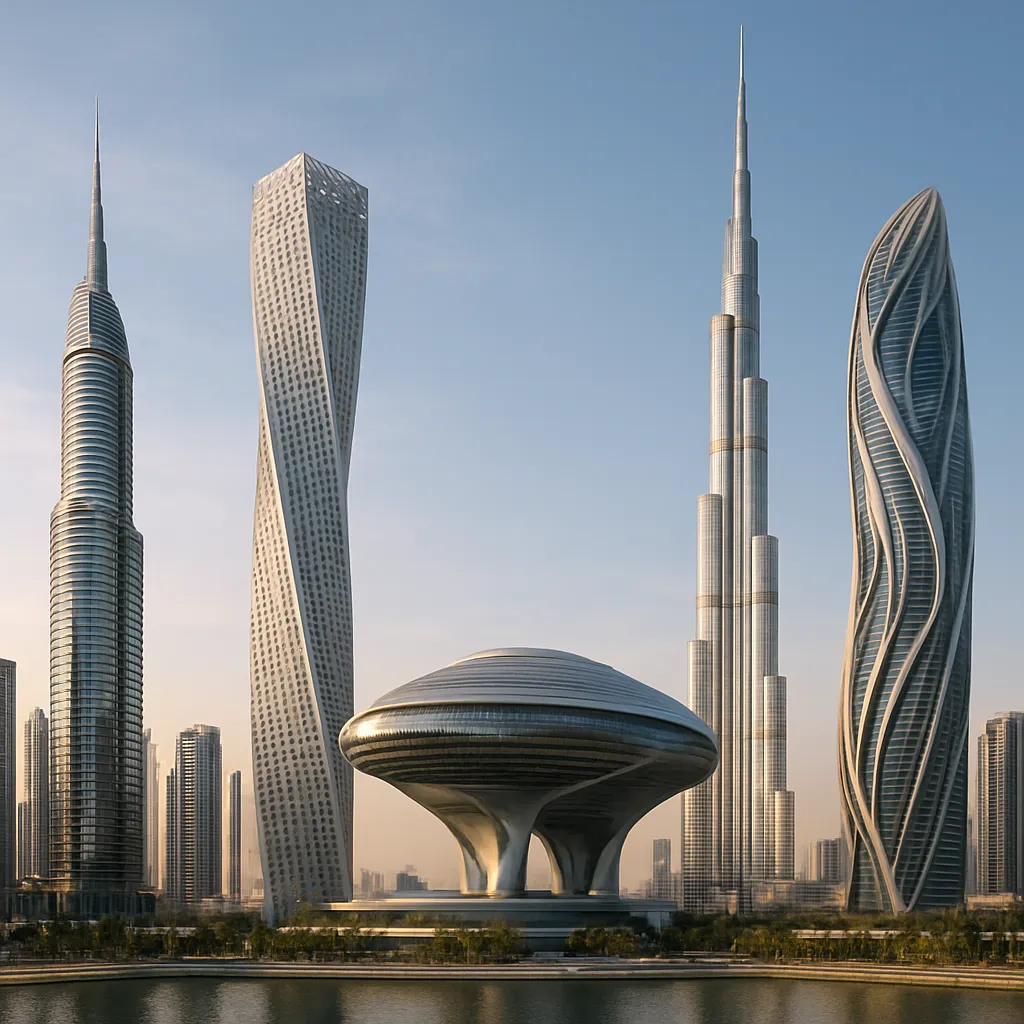
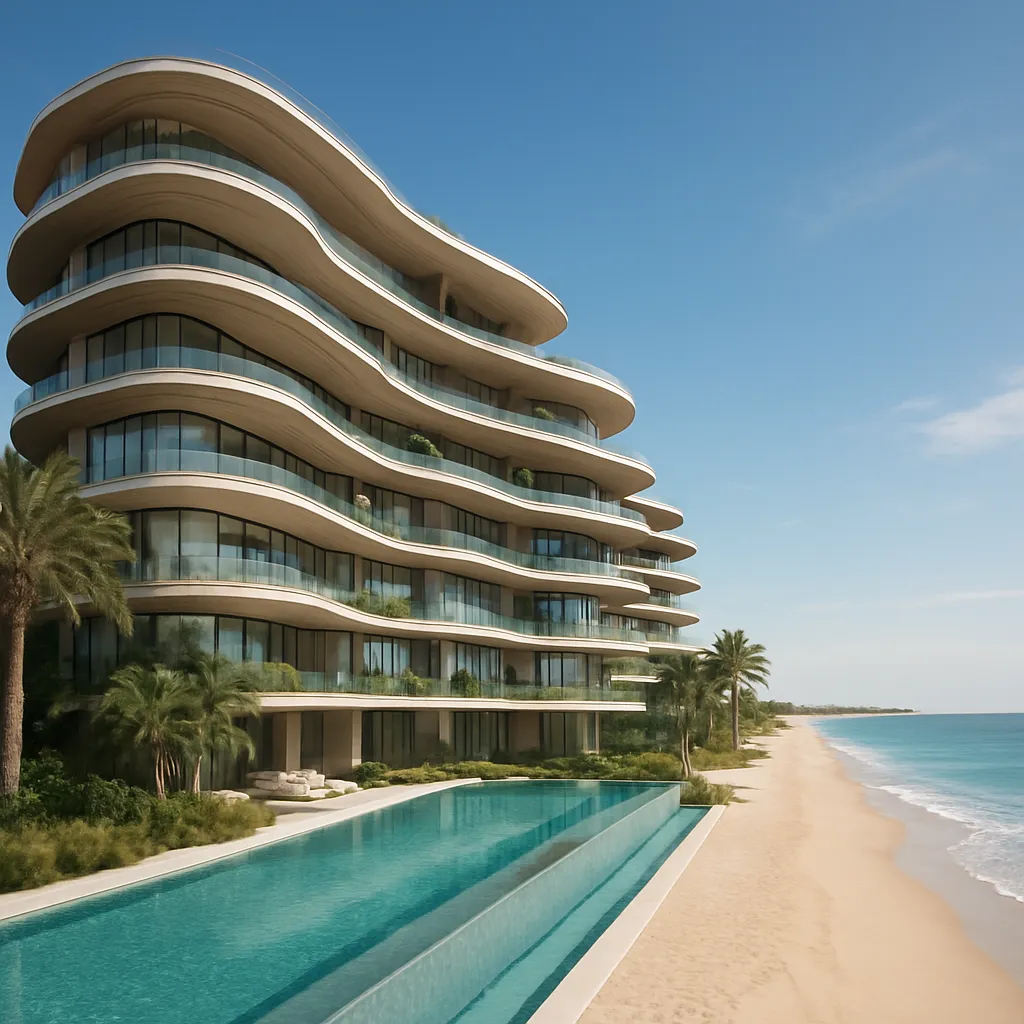
Architects are leveraging the freedom of 3D printing to incorporate organic shapes and internal voids that improve airflow and passive cooling. Complex lattice structures, impossible to craft by hand, channel breezes through façades and communal spaces, reducing reliance on air conditioning. Dubai’s hot climate benefits immensely from these bespoke geometries, which can be tailored to local wind patterns and solar trajectories, delivering innate thermal comfort and lowered energy consumption.
Regulatory Landscape and Future Prospects
Government Initiatives
Public-Private Collaborations
The Dubai Municipality and Dubai Future Foundation have championed regulations that fast-track approvals for experimental 3D-printed structures. Through sand-to-structure grants and innovation accelerators, public funds are matched with private expertise to pilot new printing techniques. The “Dubai 3D Printing Strategy” aims to have 25% of all buildings 3D printed by 2030, a bold target that demonstrates the city’s resolve to lead globally.
Challenges and Solutions
Despite significant progress, several hurdles remain:
- Standards and certifications for novel materials
- Skilled workforce training in digital design and machine operation
- Integration of plumbing, electrical, and HVAC systems into printed shells
To address these issues, Dubai’s academic institutions are developing specialized curricula, while industry consortia refine building codes to include performance-based criteria rather than prescriptive rules. Pilot sites now host mixed-use demonstrations where printing specialists collaborate with MEP engineers from the project’s inception, ensuring seamless systems integration.
The Road Ahead
Looking forward, Dubai’s vision extends beyond residential and commercial towers to infrastructure such as bridges, emergency shelters, and even space-age habitats. Concepts are already under development for 3D-printed floating platforms and off-world colony prototypes. As the city’s skyline evolves, the convergence of digital fabrication, geo-engineering, and environmental stewardship promises to create resilient communities that thrive in harmony with their surroundings.
By investing in research, forging strategic partnerships, and enacting adaptive regulations, Dubai is crafting a future where urban landscapes are not just built but intelligently grown—championing a new chapter in sustainable, high-performance architecture.