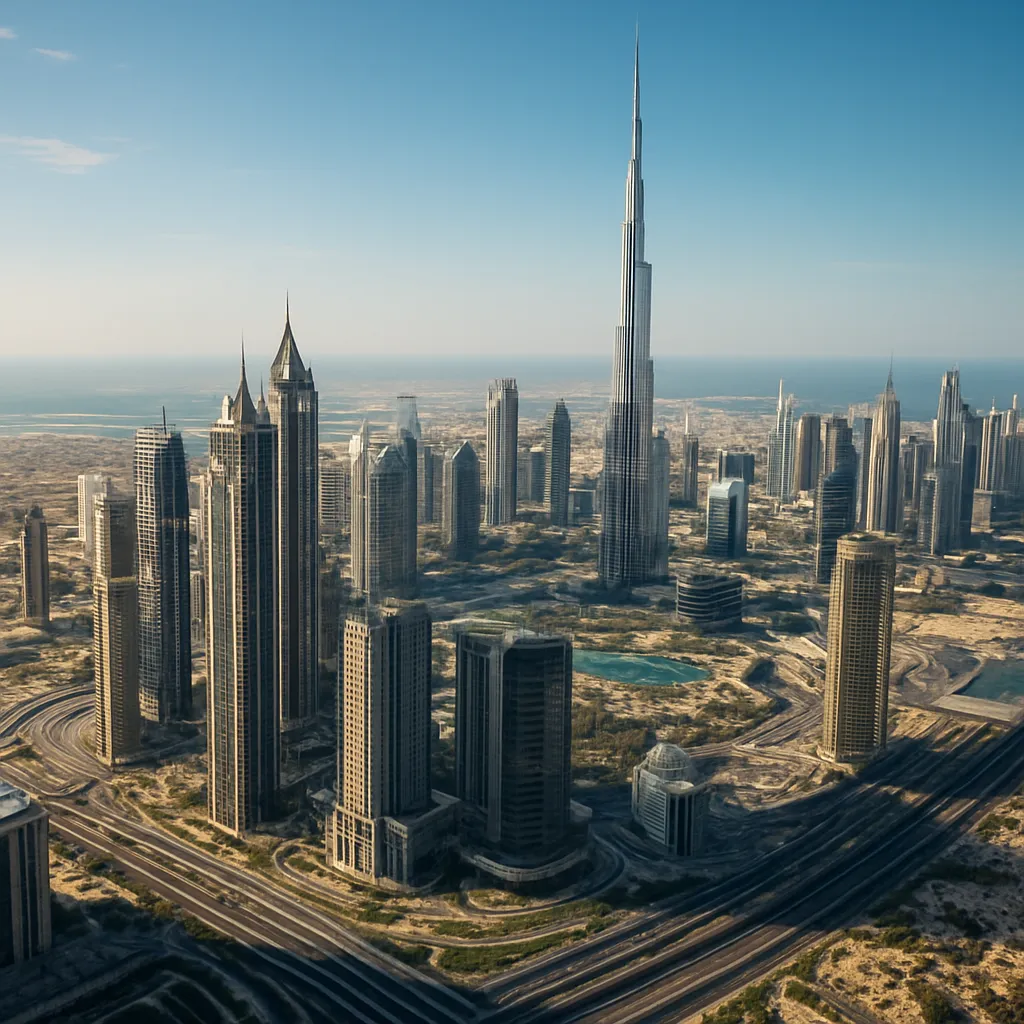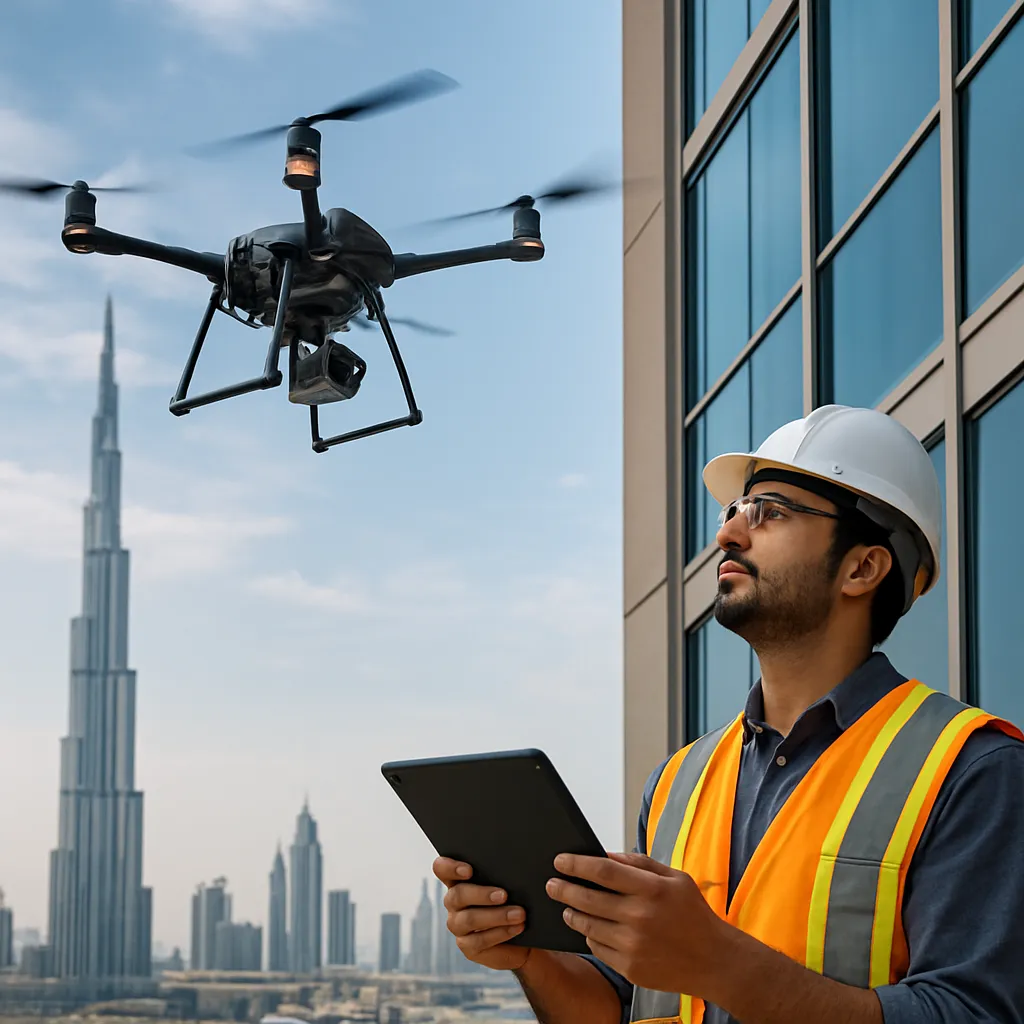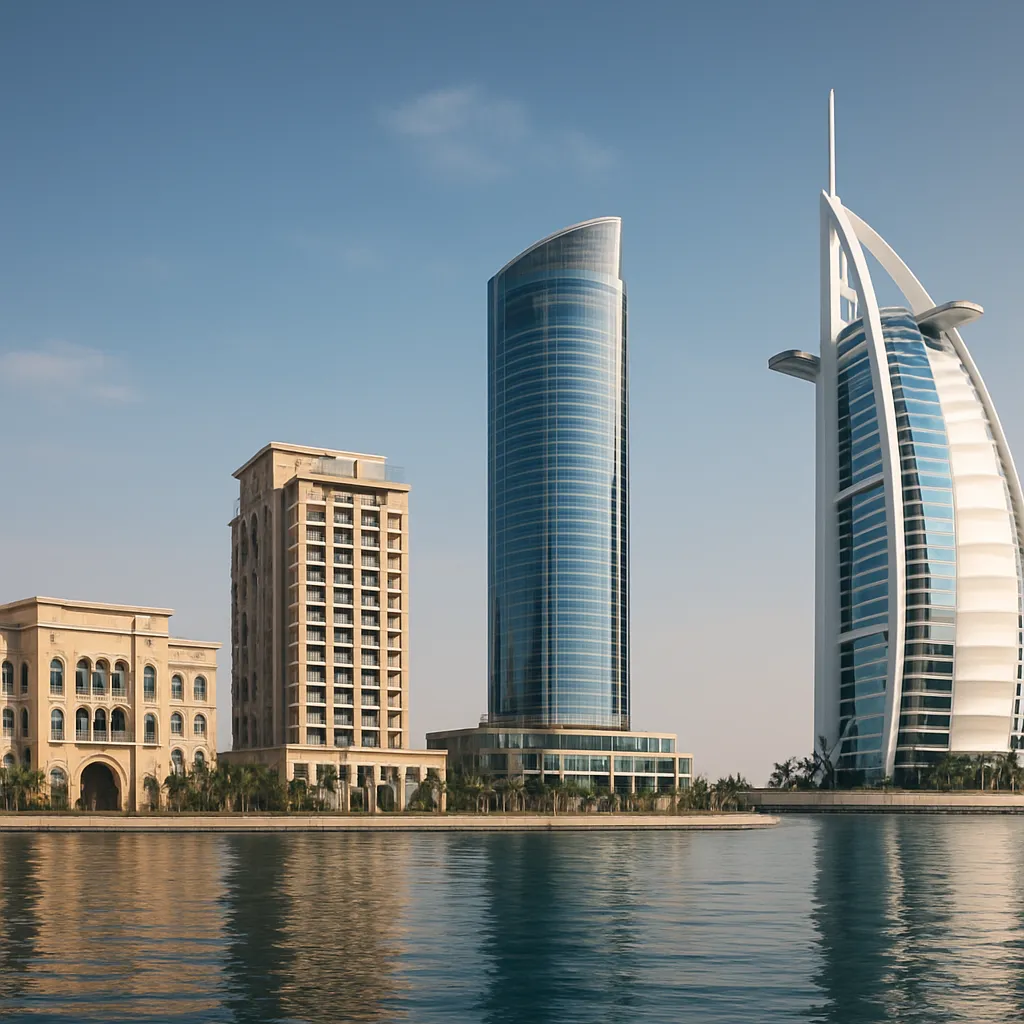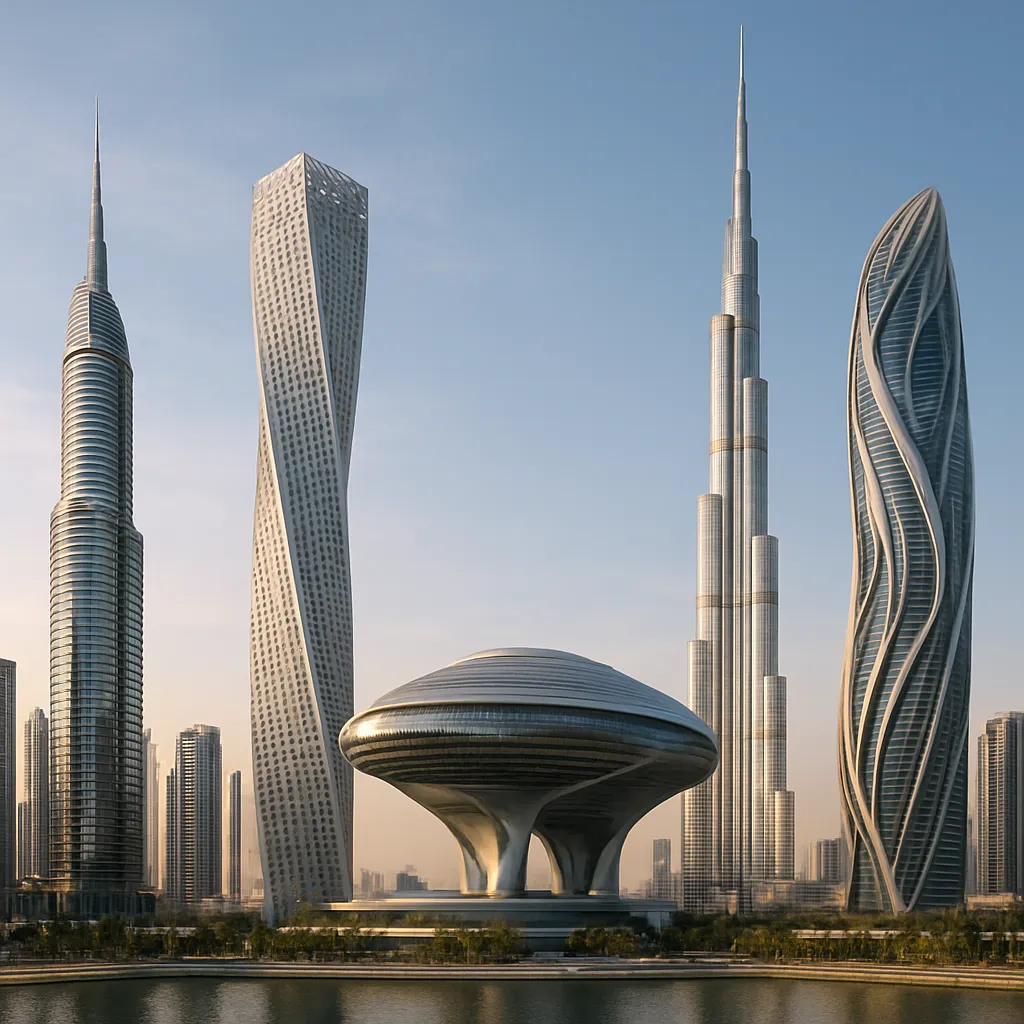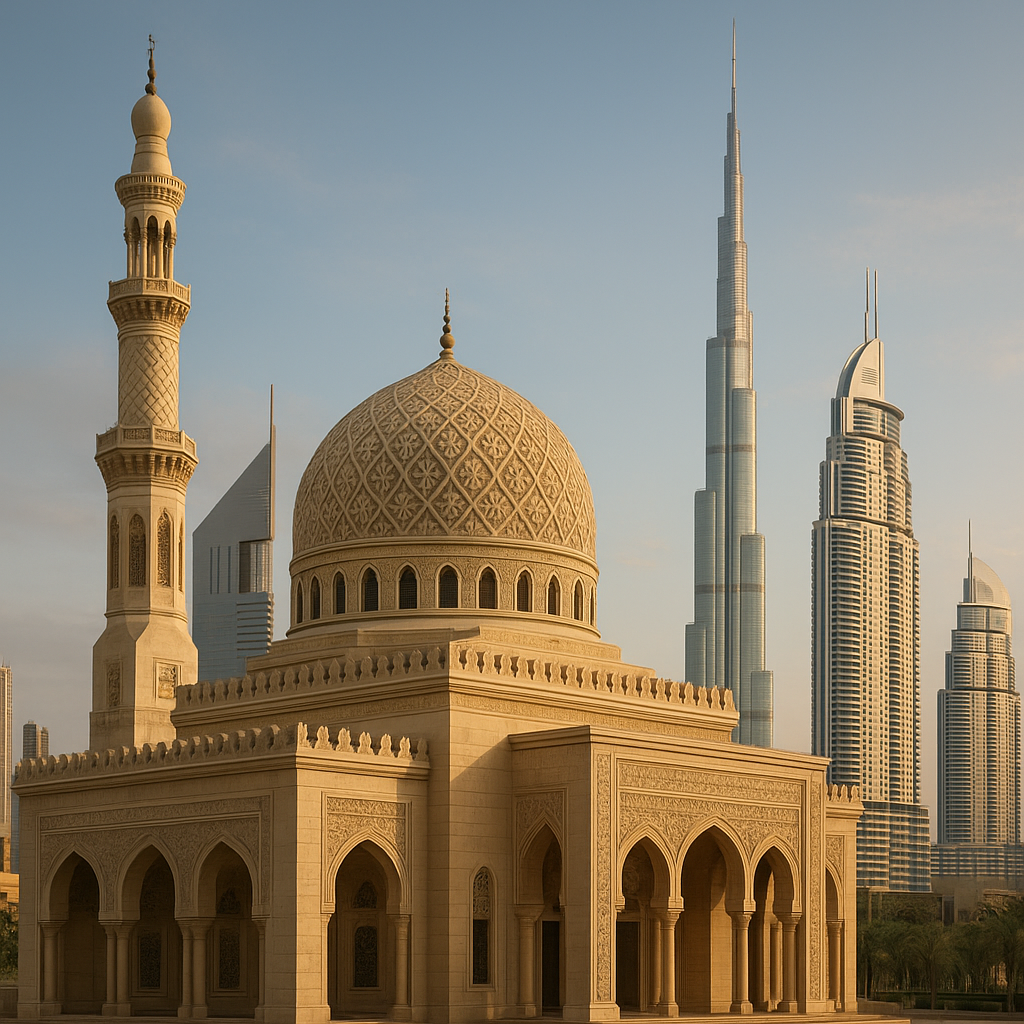
Dubai’s skyline stands as a testament to a city that marries tradition with cutting-edge technology, where every towering structure carries echoes of a rich architectural past. The Influence of Islamic Design on Dubai’s Modern Buildings explores how centuries-old motifs and principles have been reinterpreted to create a unique urban landscape. From intricate screen patterns to grand geometric compositions, each project weaves a narrative of continuity and progress.
Historical Roots of Islamic Architecture
The foundations of Islamic architecture are deeply interwoven with religious, cultural, and environmental considerations, giving rise to a distinctive vocabulary of forms and details. At the heart of this tradition lies an emphasis on geometry, symmetry, and rhythmic repetition. Early mosques, palaces, and caravanserais across the Middle East and North Africa showcased these elements through:
- Muqarnas – Three-dimensional decorative vaulting that creates intricate honeycomb patterns.
- Mashrabiya – Perforated wooden screens that provide privacy, shade, and ventilation.
- Arabesque – Interlacing plant motifs symbolizing the infinite nature of creation.
Over centuries, craftsmen refined techniques in stone carving, tilework, and stucco relief, embedding ornamentation with spiritual significance. The result was a built environment where light played across surfaces, shadows transformed facades into dynamic canvases, and spatial sequences guided visitors through both the physical and the metaphysical realms.
Geometric Principles Reimagined in the Skyline
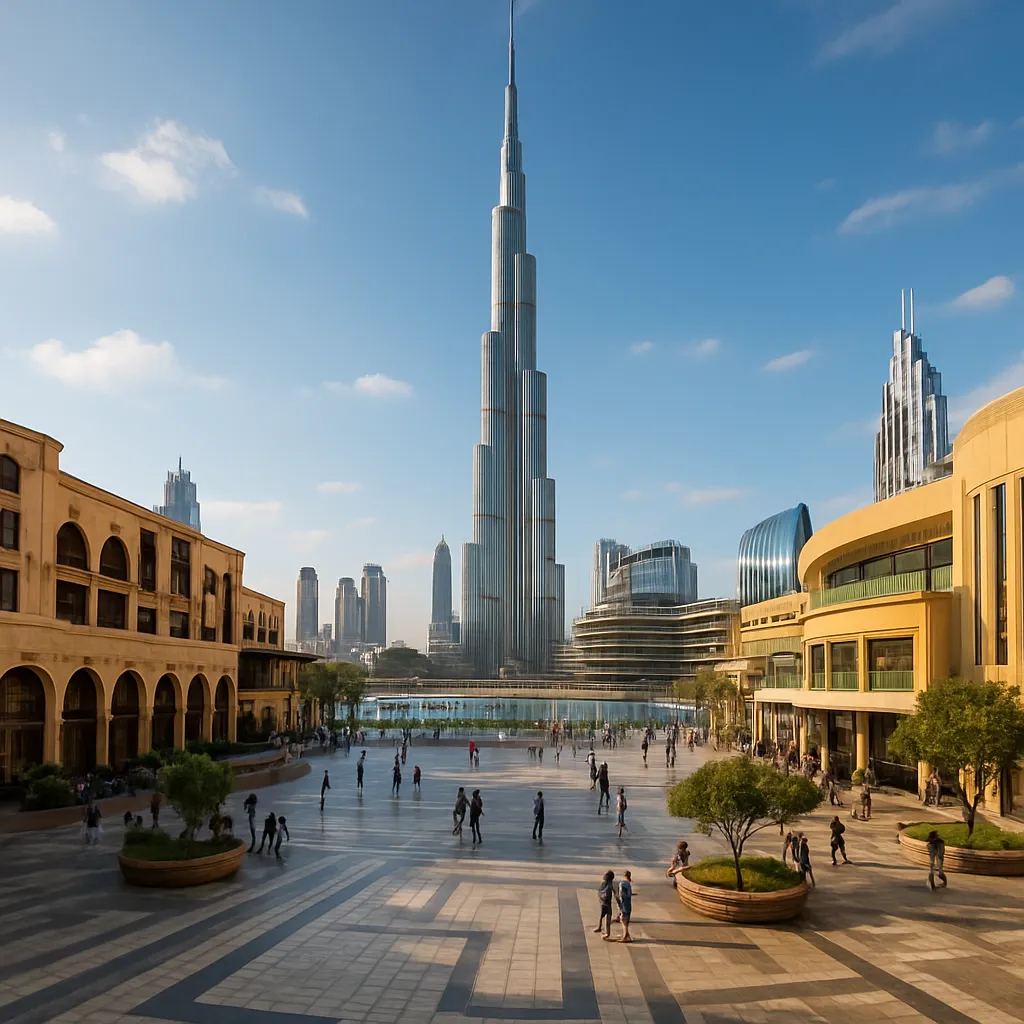
Dubai’s modern architects have drawn inspiration from these age-old geometric rules to shape soaring towers and sprawling mixed-use complexes. The iconic Burj Khalifa, for instance, employs a buttressed core inspired by the Hymenocallis flower, translating abstraction into structural stability. This fusion of form and function reflects a deep respect for heritage while pushing the envelope of engineering.
The Burj Al Arab and Islamic Silhouette
Often described as a sail against the Gulf horizon, the Burj Al Arab’s curved profile also nods to the gentle arches seen in traditional Islamic arcades. Its layered facade evokes the idea of sequential courtyards found in desert palaces, offering a modern reinterpretation of inward-looking spatial hierarchies. Here, craftsmanship meets mass production: reflective glass panels are meticulously arranged to capture shifting sunlight, reminiscent of mosaic tile surfaces in medieval mosques.
Museum of the Future: Parametric Patterns
The Museum of the Future exemplifies how digital tools can amplify classical motifs. Its torus-shaped envelope is perforated with calligraphic panels that contain inspiring quotes by UAE leaders. Each phrase is transformed into a complex array of star polygons and interlacing lines, creating a facade that is both structural and symbolic. Through parametric design, architects have elevated the patterns of Islamic art into a three-dimensional, load-bearing lattice.
Integration of Mashrabiya and Light Control
The concept of the mashrabiya serves as an enduring model for passive climate control. Contemporary interpretations appear in facades that filter solar gain while offering panoramic views. Developments like the Al Bahar Towers in Abu Dhabi (often referenced by Dubai’s planners) use dynamic shading systems composed of umbrella-like components that open and close in response to sunlight—reimagining ancient strategies with modern materials.
- Responsive sun shades modeled on mashrabiya geometry
- Double-skin facades incorporating ventilated cavities
- Local stone cladding combined with high-performance glazing
These solutions underscore the continued relevance of sustainability in a desert climate, demonstrating how vernacular wisdom can inform the eco-responsiveness of ultramodern towers.
Cultural Identity and Contemporary Public Spaces
Beyond skyscrapers, Dubai’s public buildings and cultural institutions also bear the imprint of Islamic design. The Jumeirah Mosque, though traditional in form, stands alongside the Museum of the Future, creating a dialogue between the past and the future. In civic projects, architects often emphasize:
- Identity – Using local materials and motifs to anchor buildings in regional context
- Spatial hierarchy – Organizing movement through courtyards, arcades, and portals
- Light modulation – Harnessing natural illumination to evoke spiritual atmospheres
Take the Dubai Opera House: its sloped, triangular roof subtly references both the dhow sailing vessels and the pitched roofs of traditional Arabian homes. Inside, a stepped seating arrangement recalls the tiered arrangement of ancient amphitheaters, yet acoustic technologies place it firmly in the 21st century.
Case Studies in Urban Development
Expo 2020 Pavilions
The Expo 2020 Dubai pavilions showcased a spectrum of design approaches, many of which integrated Islamic principles. The UAE Pavilion, known as the ‘Al Wasl Plaza Dome’, featured a spherical trellis of steel and glass, enabling projections onto a perforated surface. Its dome form harkens back to the domed mosques of the medieval period, while state-of-the-art projection mapping technology transformed it into an immersive narrative stage.
Dubai Frame
Rising 150 meters above Zabeel Park, the Dubai Frame operates as both observation deck and symbolic portal between old and new Dubai. Its rectangular outline evokes the framing devices found in Islamic art, where calligraphy and arabesque patterns often border central compositions. Here, innovation meets metaphor: visitors traverse transparent sky bridges that connect past cityscapes to present-day panoramas, stepping through an architectural frame of time.
Future Directions: Authenticity Meets Technology
As Dubai continues to expand, architects and planners face the challenge of balancing globalization with cultural continuity. Advances in digital fabrication—such as robotic carving of stone panels and 3D-printed mashrabiya screens—allow for unprecedented precision in recreating traditional patterns. Meanwhile, emerging materials like translucent ceramics and smart glazing offer new ways to reinterpret light-filtration strategies.
Yet the quest for authenticity remains at the forefront. Developers are increasingly commissioning local artisans to collaborate with international design firms, ensuring that the intangible heritage of pattern making, calligraphy, and spatial sequencing is passed to new generations. Workshops and academic partnerships foster a vibrant dialogue between scholars, craftsmen, and technologists.
In this evolving context, the essence of Islamic design endures—not as a static set of decorations, but as a living framework that continues to shape Dubai’s ambitions. Every arch, every screen, and every geometric grid testifies to a city in motion, one that honors its past while forging pathways into the future.