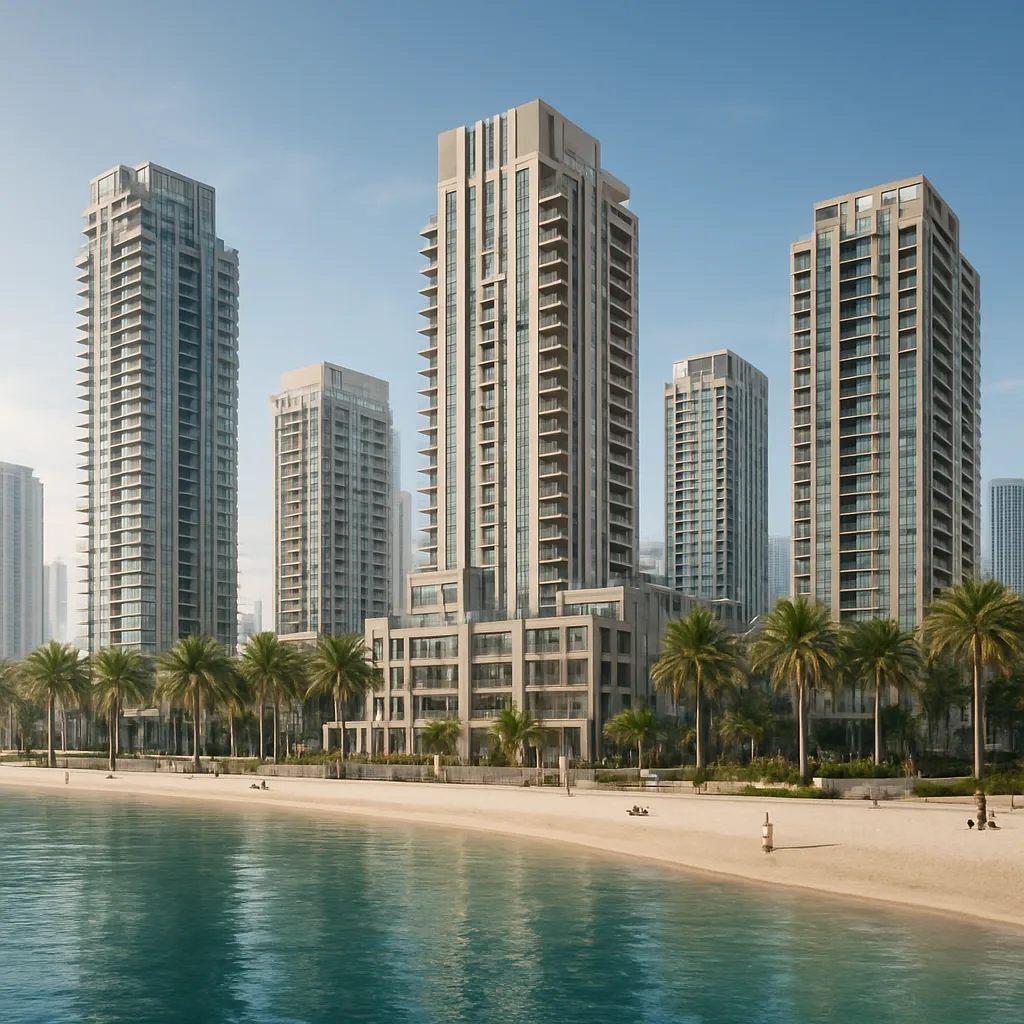
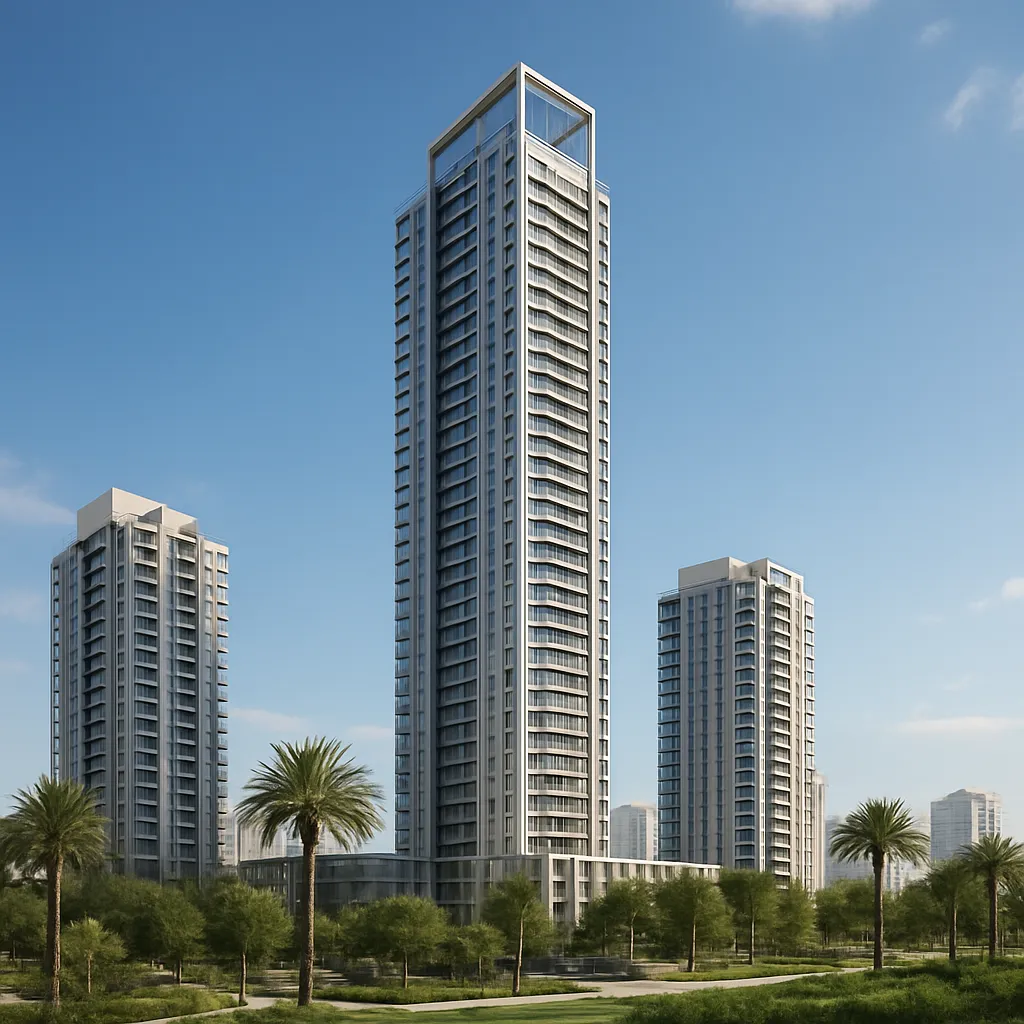
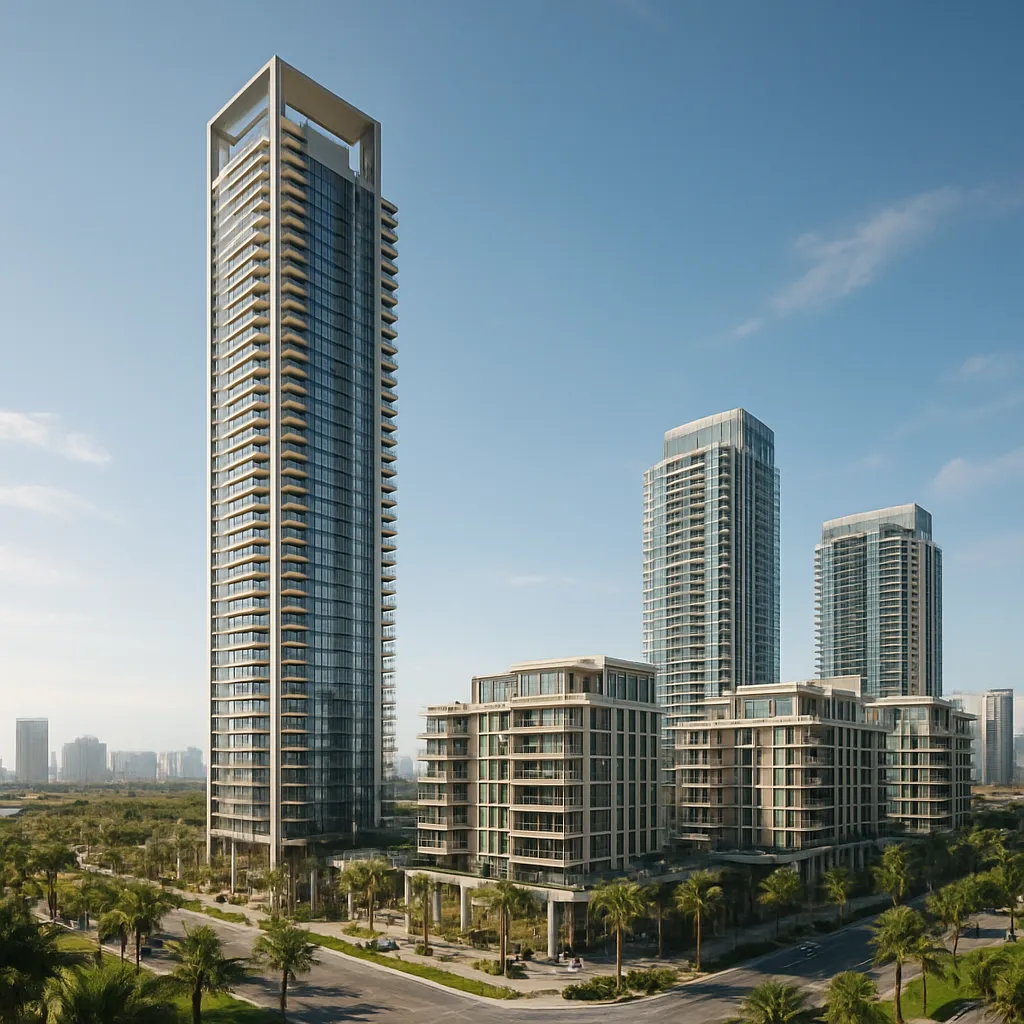
The Index Tower, located in Dubai’s prominent financial quarter, stands as a distinctive element in the evolving skyline of the emirate. Combining residential and commercial functions with a clear emphasis on thoughtful form and urban presence, the building has become an identifiable landmark within the Dubai International Financial Centre (DIFC) area. This article explores the tower’s location, design, functional characteristics, sustainability ambitions, and the data and anecdotes that make it noteworthy.
Location and urban context
Positioned along one of Dubai’s main arteries, the Index Tower sits adjacent to the Dubai International Financial Centre — a global hub for banking, law firms, asset managers, and professional services. The tower’s site benefits from immediate access to major transport links on Sheikh Zayed Road, pedestrian connections within DIFC and proximity to cultural and business destinations such as the Dubai Mall, Burj Khalifa and multiple five-star hotels. Its placement was conceived to give both office tenants and residents easy access to the amenities and the professional ecosystem of the financial district.
The tower’s urban role is twofold. On one level it contributes a vertical concentration of mixed uses within a high-value precinct, supporting the densification goals of the DIFC masterplan. On another level it acts as a visual counterpoint to neighboring high-rises, creating a distinctive silhouette that reads clearly from multiple vantage points across the city. The Index Tower’s integration into the urban fabric includes podium retail that interfaces with street life and lobby spaces that mediate between the public realm and private, secure areas for tenants and residents.
Design and architectural character
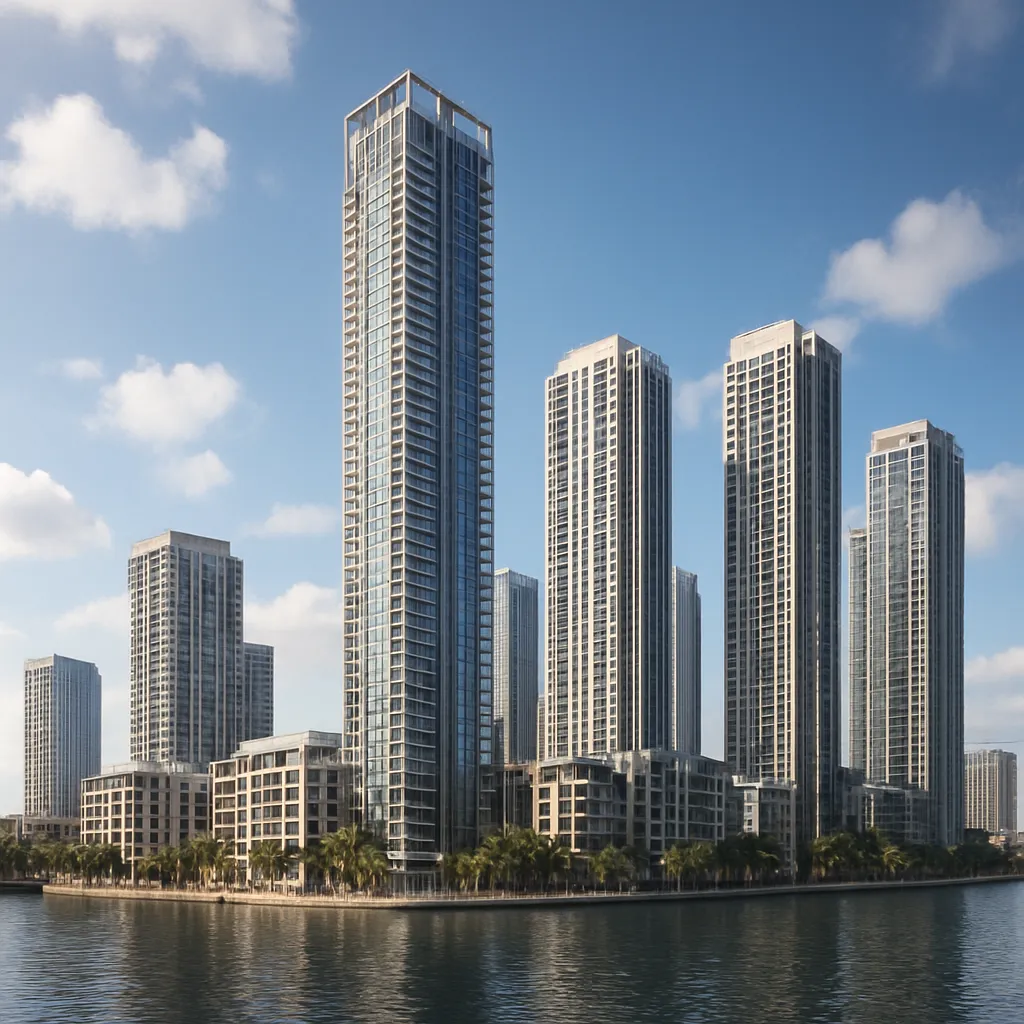
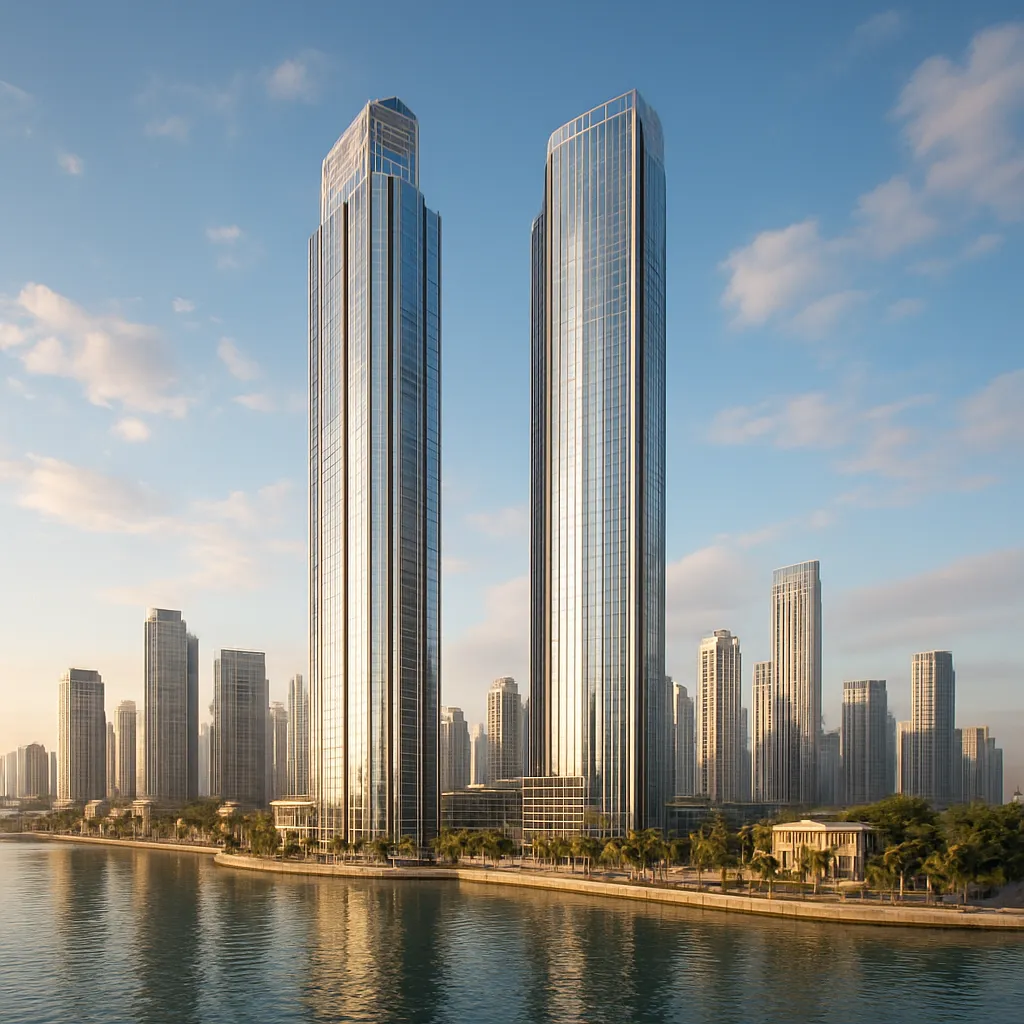
The Index Tower is widely recognized for its elegant, stepped massing and its refined approach to high-rise form. Designed with a clear focus on proportion, daylight and views, the tower departs from a monolithic block by introducing setbacks and terraces which enrich its profile. These architectural moves do more than create visual interest: they produce outdoor spaces, reduce wind loads at certain elevations, and break down scale for occupants.
Key design characteristics include a strong vertical emphasis softened by lateral modulation and terraces that create opportunities for outdoor amenity space. The façade treatment balances a transparent glazing approach with shading elements to control solar gain while preserving panoramic views of the city. The result is a building that feels contemporary yet contextual, integrating high-performance glazing with shading that responds to Dubai’s intense sun.
Architecture and urban presence in the Index Tower are carefully choreographed: the tower announces itself as a corporate and residential address while retaining a calm dignity that aligns with the financial district’s character. The podium and ground-level composition encourage interaction with the city, supporting retail, cafés and service functions that contribute to a lively streetscape.
Materials and construction approach
While detailed proprietary construction data is often held by developers and contractors, the Index Tower employs standard high-rise materials suited to Dubai’s climate: structural reinforced concrete for the primary frame, high-performance curtain wall systems for the façade and durable finishes for high-traffic public areas. The use of high-specification glazing and shading devices reflects an intention to balance transparency and thermal control. Construction methodologies typical to Dubai’s high-rise sector — advanced formwork systems, staged core construction, and rigorous quality control — were applied to achieve both structural performance and finish quality.
Spatial organization and mixed-use planning
The Index Tower is organized to support multiple uses in vertical adjacency. Lower podium levels accommodate retail and building services while upper podium and tower floors are zoned for offices, residential apartments and amenities. Vertical circulation is designed to provide secure, efficient access for different user groups via separate lobbies, lifts and service cores. This mixed-use strategy enhances the building’s economic viability while offering flexibility for long-term occupancy changes.
Sustainability and technical innovations
From the outset the Index Tower was presented as a response to both aesthetic and environmental challenges typical of Dubai’s climate. The project emphasizes passive strategies that reduce energy consumption and improve occupant comfort. These include façade shading, optimized glazing, and the stepped massing that creates terraces and reduces direct solar exposure on some façades.
While precise certification and performance metrics vary by source, the design intent was to achieve enhanced environmental performance compared with conventional towers of the period. Sustainable design measures reported in association with the building include:
- Shading and solar control through façade articulation and recessed terraces to limit direct sunlight on glazed surfaces.
- Maximizing daylight penetration to reduce artificial lighting needs while controlling glare for occupant comfort.
- High-efficiency mechanical systems and zoning to optimize energy use across office and residential components.
- Integrated building management systems to monitor energy consumption and support operational efficiency.
These measures reflect a broader trend in Dubai toward integrating sustainability into high-rise design, acknowledging that climatic responsiveness can be as important as technological solutions in improving building performance.
Uses, occupants and lifestyle within the tower
The Index Tower serves as a mixed-use vertical community, housing office tenants, long- and short-term residential apartments, and retail amenities. This blend creates a 24-hour presence in the building: professionals working in the financial district by day, residents and visitors occupying the upper floors and enjoying panoramic views of the city by night.
Amenities typically found in such developments include wellness and fitness facilities, swimming pools, multi-purpose rooms, landscaped terraces and parking. The combination of residential and corporate tenants fosters a dynamic internal atmosphere and supports ongoing demand for high-quality urban living close to major employment centers.
For office occupants, the building’s location in DIFC provides immediate access to a network of professional services and international business connections. For residents, the tower offers proximity to cultural institutions, restaurants and concierge services, creating a lifestyle that balances convenience and prestige.
Statistics, timeline and reported data
Publicly available sources and architectural references typically associate the Index Tower with the following broad figures and milestones. Note that figures may vary slightly between sources but the ranges below reflect commonly cited information:
- Approximate completion period: early 2010s (commenced in the late 2000s and delivered around 2010–2011).
- Floor count: often listed in the range of roughly 70–80 storeys, reflecting the tower’s vertical program which accommodates multiple floor typologies.
- Height: commonly reported to be in the order of 300–330 meters; portrayed as a high, slender tower within DIFC’s skyline.
- Use: mixed-use — including residential apartments, commercial office space and retail amenities at podium level.
- Developer and architect: the project is associated with internationally recognized practices and developers known for high-rise work in the region. The architectural design emphasizes refined massing and climatic responsiveness.
These statistics give a sense of the building’s scale and role within Dubai’s collection of high-rises. The Index Tower is not the tallest in the city, but its distinctive silhouette and strategic location make it a notable component of the urban composition.
Notable events and cultural presence
Since its completion, the Index Tower has featured in discussions of Dubai’s mid-turn 21st-century expansion — a period when the city consolidated its role as a global financial hub while also pursuing residential and cultural ambitions. The building is frequently photographed from viewpoints along Sheikh Zayed Road and from public plazas in DIFC, contributing to its recognition among local and visiting audiences.
Architecturally, the Index Tower is sometimes cited in publications and urban studies as an example of integrating mixed uses at high density while addressing climatic and urban design considerations. It has been included in architecture tours, photography features and real estate analyses that profile flagship developments in the DIFC district.
Challenges, maintenance and longevity
High-rise buildings in hot climates face specific operational challenges over their lifetimes: façade maintenance, glazing performance, mechanical system efficiency, and occupant comfort management. The Index Tower, with its large glazed areas and mixed-use program, requires ongoing attention to maintenance regimes and energy performance tuning. Building management practices — including regular façade cleaning, scheduled mechanical servicing and upgrades to lighting and controls — are essential to preserve the building’s value and performance.
Another ongoing consideration is adaptability. Mixed-use towers need to accommodate changing market demands and evolving tenant expectations. The Index Tower’s planning foresight — separate cores, flexible floorplates and amenity-rich environments — supports adaptability by enabling different tenancy arrangements and lifestyle offerings over time.
Comparisons and influence within Dubai’s skyline
Within the rich ensemble of Dubai towers, the Index Tower holds a position distinguished by proportion rather than sheer height. Compared with supertall neighbors, its design language leans toward subtlety: a controlled palette, carefully resolved massing and emphasis on verticality tempered by terraces. The tower’s influence is seen less in copycat form than in a broader appreciation for contextual high-rise design — projects that consider both cityscape and micro-climatic responses.
- It represents a balanced approach between commercial ambition and residential amenity.
- Its design demonstrates how stepped massing can create outdoor spaces even at great height.
- The tower’s presence in DIFC helps define the district’s character as a compact, internationally minded, mixed-use precinct.
Visitor experience and observation points
Visitors and occupants often remark on the panoramic views offered from the tower’s higher floors: vistas sweep across the DIFC cluster, toward downtown Dubai and, in some directions, out to the sea. Ground-level approaches to the building emphasize concierge and arrival experience, with landscaped entries and podium retail that activate the street. For those interested in contemporary architecture, the tower is an accessible case study in how modern high-rises can mediate between corporate identity and residential livability.
Final reflections on the Index Tower’s role
The Index Tower stands as a statement about the possibilities of quality high-rise development in a demanding climate. Rather than seeking simply to dominate through height, it pursues legibility and restraint: carefully considered massing, a focus on views and daylight, and a mixed-use program that amplifies its relevance to DIFC’s economic life. While it is one of many notable buildings in Dubai, its particular combination of architecture, environmental ambition and urban positioning ensures that it continues to be discussed by professionals, residents and visitors alike.
In a city known for rapid development and occasional flamboyance, the Index Tower is notable for its measured contribution — a tower that blends innovation with practicality and that anchors part of Dubai’s financial quarter with dignity and purpose.