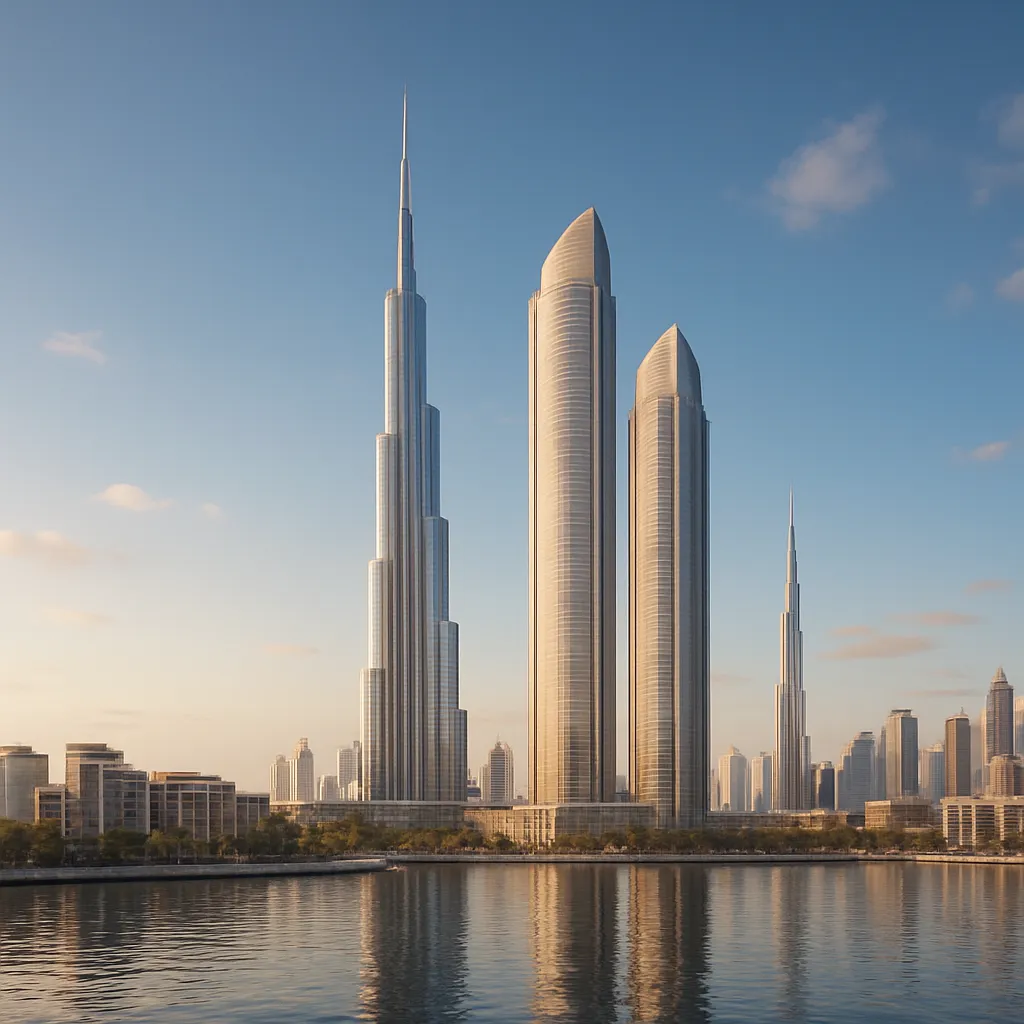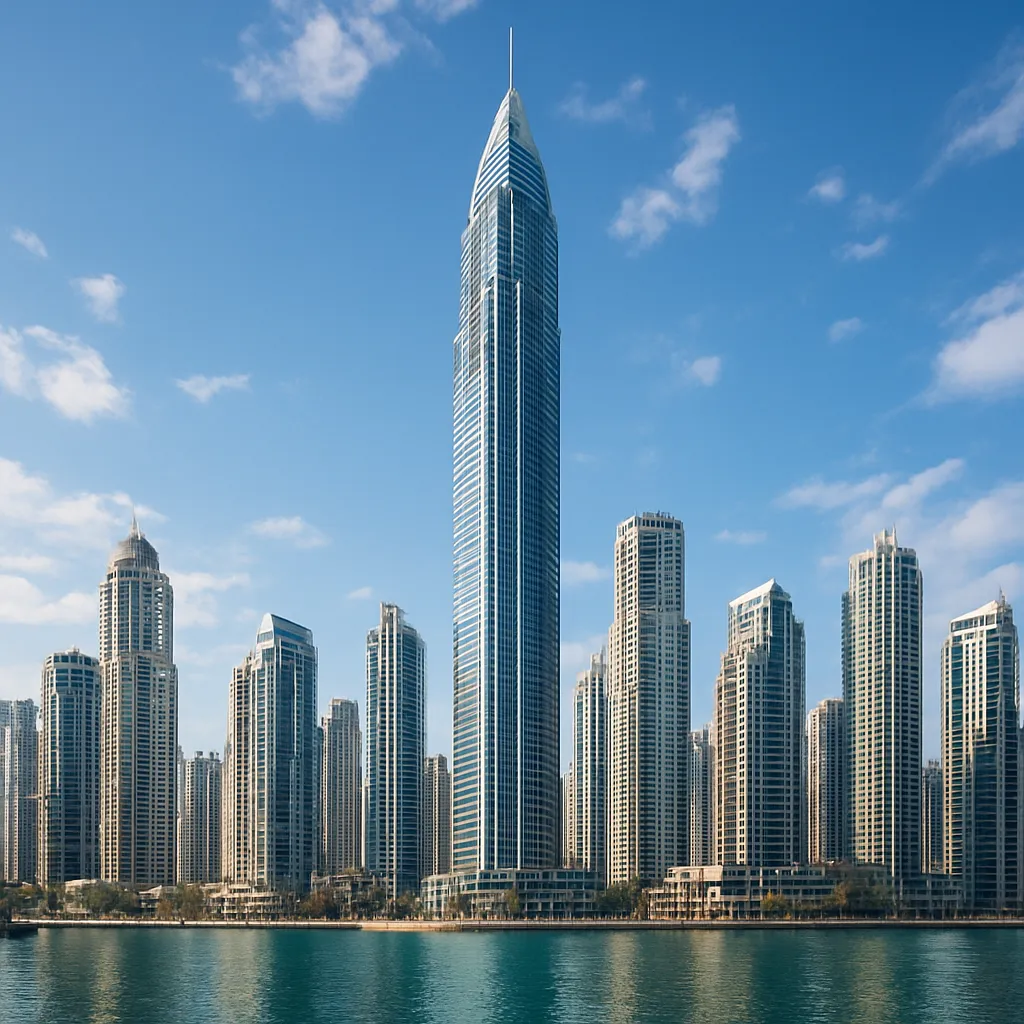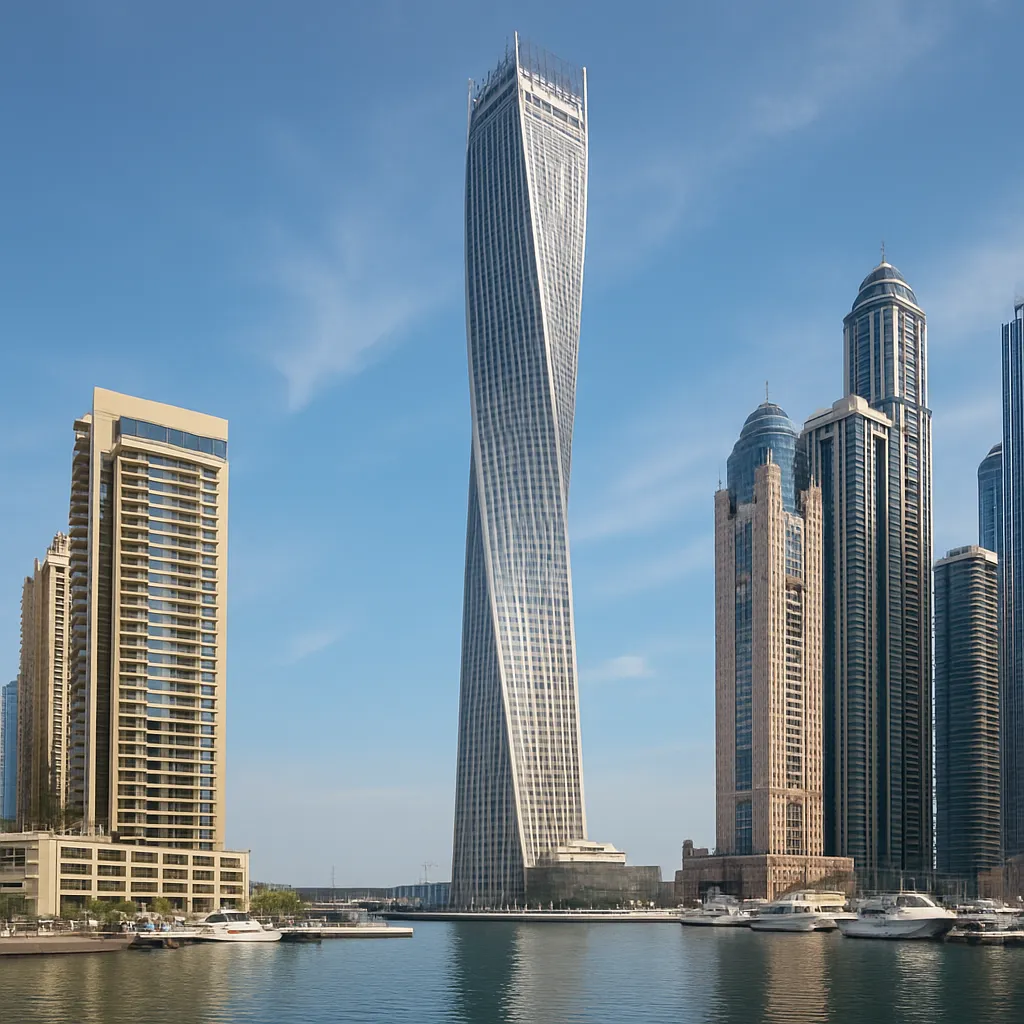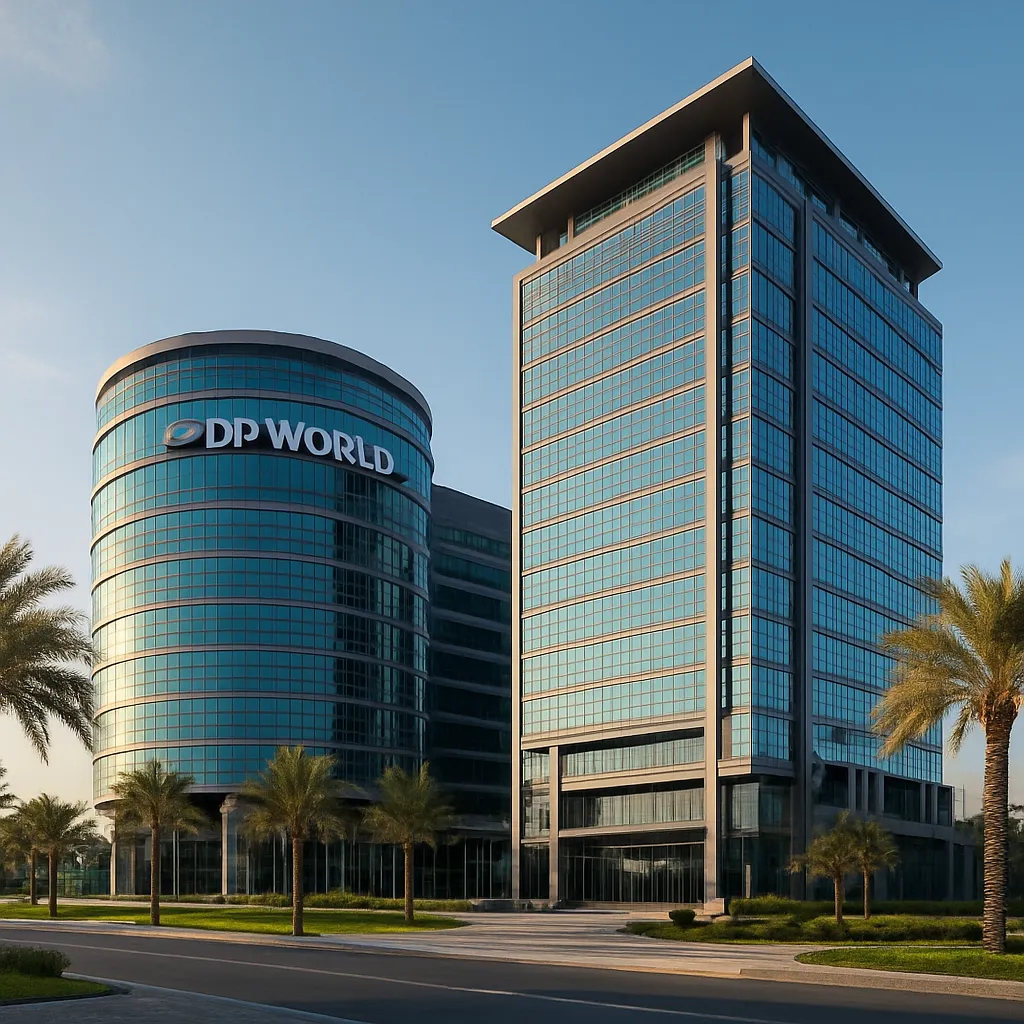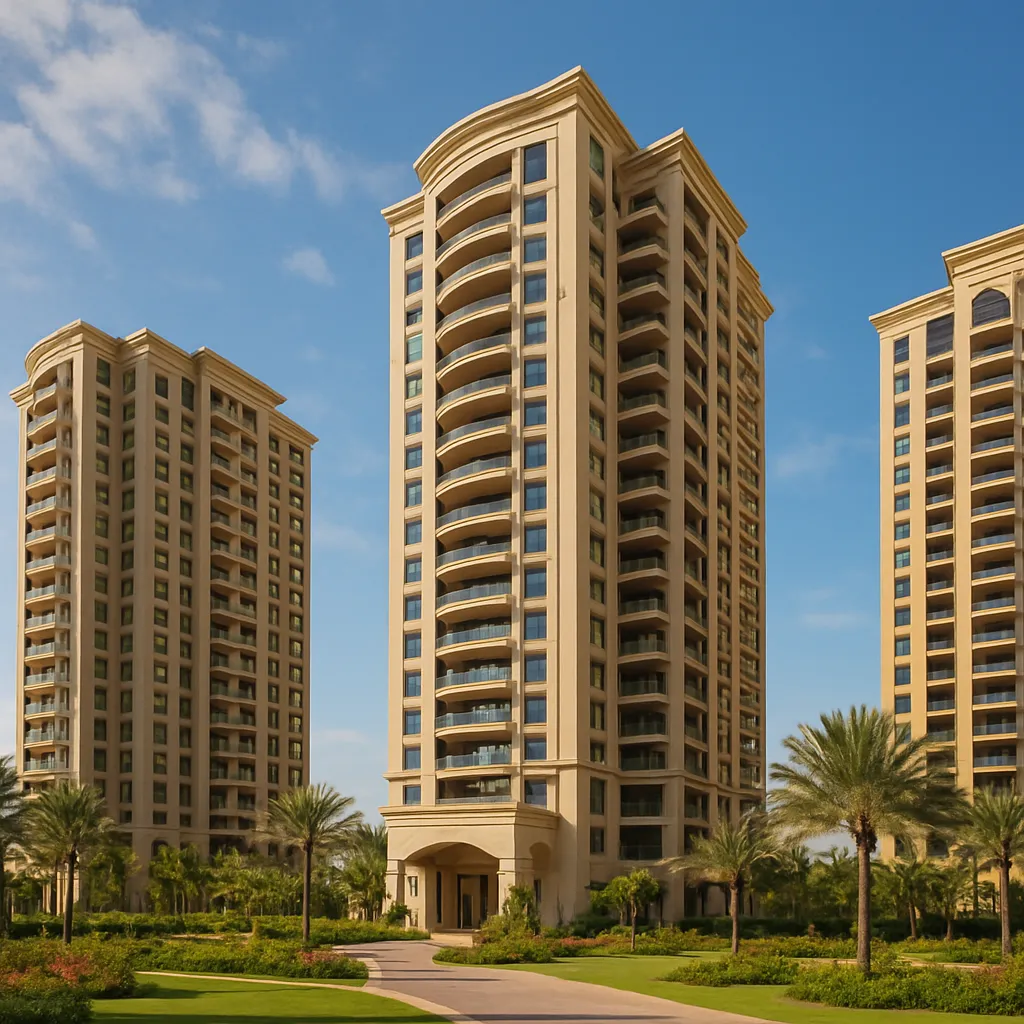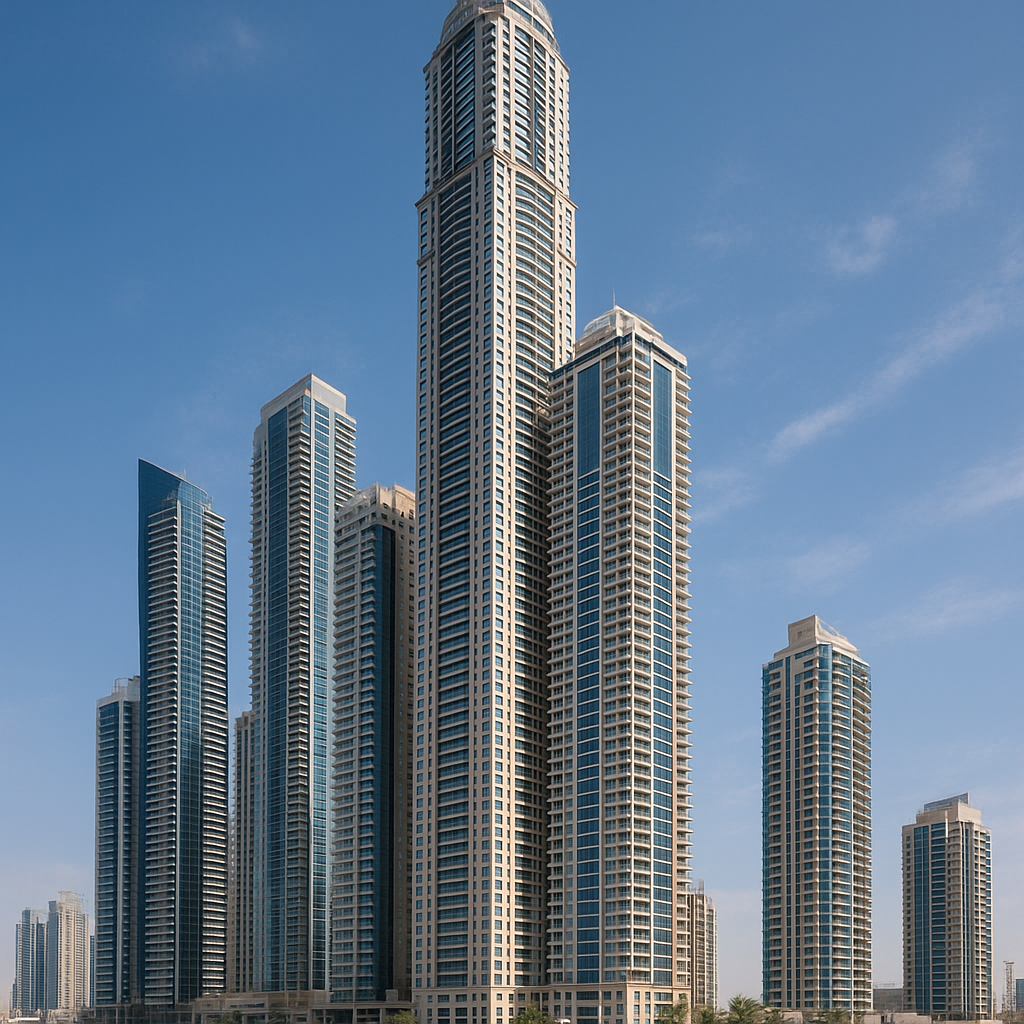
Elite Residence in Dubai Marina stands as one of the most recognizable high‑rise residential projects in the United Arab Emirates. This skyscraper exemplifies the rapid vertical growth that transformed Dubai’s coastline into a dense cluster of mixed‑use towers, offering an intersection of modern architecture, high‑end living and spectacular waterfront panoramas. The following article explores the building’s location, architectural features, amenities, historical context and significance within the Dubai real estate landscape.
Location and Urban Context
Elite Residence occupies a prime position in the heart of Dubai Marina, a waterfront district developed along an artificial canal that stretches for several kilometres beside Sheikh Zayed Road. The tower overlooks the Dubai Marina promenade and is within walking distance of The Beach at JBR, Bluewaters Island and key retail and dining destinations. Its setting provides residents with immediate access to leisure, hospitality and transport nodes: tram connections, bus routes and the Dubai Metro (a short drive away) link the neighbourhood to greater Dubai.
The neighbourhood around Elite Residence is characterized by a high density of residential towers, yachts moored along the marina and an active street life on the promenade. This urban fabric transformed a once‑sparse coastline into a sought‑after residential enclave offering a mix of local and international residents and visitors. The proximity to major employment corridors along Sheikh Zayed Road and to leisure destinations such as Palm Jumeirah contributes to the tower’s sustained appeal.
Design, Construction and Key Statistics
Architectural Vision and Developers
The tower was conceived as a premium high‑rise housing project delivered by developer Tameer Holding. Designed under the direction of Adnan Saffarini’s architectural office, Elite Residence sought to combine high density living with distinctive verticality and a sculpted crown that contributes to the skyline silhouette of Dubai Marina. The exterior language favors a combination of glass and light‑coloured cladding, along with a slender, tapering profile that accentuates height while maximising balcony and view opportunities for apartments.
Principal Technical and Statistical Data
- Height: approximately 380 meters (about 1,247 feet).
- Floors: roughly 87 floors above ground.
- Usage: predominantly residential with retail and podium facilities.
- Developer: Tameer Holding.
- Architect: Adnan Saffarini (and associated consultants).
- Completion year: 2012 — the tower was completed and delivered to residents in the early 2010s.
At the time of its completion, the building was frequently referenced among the tallest residential towers globally, and it remains a significant presence in Dubai’s skyline. The structure is supported by a reinforced concrete core and perimeter columns, typical of large residential towers, while curtain wall glazing and balcony articulation provide residents with visual connectivity to the marina and the Arabian Gulf.
Interior Layouts, Apartment Types and Living Experience
Elite Residence was developed to accommodate a broad range of apartment sizes and typologies to meet the needs of singles, families and investors. Units range from compact studios and one‑bedroom apartments to large multi‑bedroom layouts and duplex penthouses. Many residences include generous balconies and floor‑to‑ceiling glazing to maximise natural light and capture the sweeping panoramic views of the marina, Palm Jumeirah and the distant city skyline.
Typical Apartment Features
- Open‑plan living and dining areas that flow out to private balconies.
- Modern fitted kitchens with integrated appliances (varies by unit and finish specification).
- Multiple bathrooms in larger apartments, with en‑suite master bathrooms.
- High ceilings in selected units and duplex arrangements for premium apartments.
- Access to high‑speed elevators, secure lobbies and controlled access systems.
The interior finishes and management standards differ across ownership and management regimes—some owners opt for bespoke fitouts and interior upgrades. The concierge and building management focus on consistent maintenance, given the tower’s scale and the expectations of residents in a premium waterfront location.
Amenities and Resident Services
The building’s amenity offering is designed to support a lifestyle aligned with luxury residential **living** in Dubai. Typical amenities include:
- Multiple outdoor swimming pools and pool decks suitable for family and recreational use.
- Fully equipped fitness centre and wellness areas such as sauna and steam rooms.
- Children’s play areas and dedicated family spaces.
- Secure underground and podium parking for residents and guests.
- Retail units at podium level providing convenience shopping, cafes or services.
- 24‑hour security, CCTV surveillance and concierge services.
In addition to building‑level amenities, the immediate vicinity offers marinaside promenades, restaurants, gyms, supermarkets and schools—an ecosystem that complements the building’s internal facilities and supports daily life without long commutes.
Market Position, Investment Considerations and Community
Elite Residence occupies an interesting niche in Dubai’s property market: a high‑density residential tower that benefits from prime waterfront location, iconic skyline presence and a large mix of apartment types. These factors make it attractive for both end‑users seeking lifestyle amenities and investors targeting rental incomes driven by Dubai Marina’s popularity.
Rental and Sales Dynamics
While specific prices fluctuate with broader market cycles, properties in Dubai Marina—especially those with direct marina views and premium amenity access—tend to command stronger rents and resale values compared with more peripheral locations. Elite Residence units frequently appeal to expatriates working along Sheikh Zayed Road or those seeking proximity to leisure and hospitality zones. Rental yields in Dubai depend on global economic conditions and local supply; however, towers like Elite Residence typically achieve steady occupancy due to their brand recognition and location advantages.
Community and Lifestyle
The resident community spans a diverse demographic mix. Young professionals, families and investors coexist within the tower, attracted by the marina lifestyle: yacht watching from the balcony, evening promenades, restaurants and an active outdoor culture. Building management and resident associations often coordinate events, seasonal decorations and community notices, enhancing social cohesion in a high‑rise environment.
Engineering Challenges and Vertical Living Solutions
Constructing a building of Elite Residence’s height and capacity presented a number of engineering and logistical challenges typical for tall residential projects in coastal, high‑growth cities. Key considerations included:
- Foundations and ground engineering to ensure stability on reclaimed or engineered coastal soils.
- Wind engineering to mitigate sway and ensure occupant comfort, using tuned mass dampers or structural design strategies where needed.
- Vertical transportation planning to provide efficient elevator service and reduce waiting times across dozens of floors.
- Fire‑safety systems tailored for tall residential towers, including protected staircores, pressurisation and evacuation planning.
- Facade performance against high solar exposure and salt‑laden marine air, requiring durable glazing and cladding solutions.
Maintenance regimes for tall coastal towers also include periodic facade cleaning, corrosion management and mechanical system overhauls—important factors both for operating budgets and long‑term asset value.
Notable Records, Recognition and Cultural Presence
After its completion in the early 2010s, Elite Residence was frequently cited in lists of the world’s tallest residential buildings. Although newer projects have since altered rankings, the tower still features prominently in portrayals of Dubai Marina’s skyline, often appearing in architectural photography, promotional material and visitor guides. Its slender, illuminated crown contributes to the nightly image of Dubai as a city of vertical lights and modernity.
In pop culture and tourism media, towers like Elite Residence are symbolic of Dubai’s rapid urban transformation—from desert to cosmopolitan skyline within a few decades. Photographers and architecture enthusiasts appreciate the way the building frames views of the marina and the nearby Palm Jumeirah when captured from vantage points along the coastline.
Sustainability, Retrofitting and the Future
Large residential towers completed in the past two decades face opportunities and pressures to adopt more sustainable practices. For Elite Residence, as with comparable towers, this includes:
- Improvements to energy efficiency through lighting upgrades, HVAC optimisation and building management systems.
- Water conservation measures such as efficient plumbing fixtures, greywater reuse (where feasible) and landscape irrigation controls.
- Waste management programs focusing on recycling and resident education to reduce landfill loads.
- Retrofitting opportunities for glazing, insulation and shading to reduce thermal loads in a hot, desert climate.
Retrofitting and managed upgrades help preserve the building’s competitiveness in the market while aligning with Dubai’s broader sustainability goals. Many property owners and associations in the emirate are increasingly focused on operational savings and environmental impact, which drive incremental improvements over time.
Practical Information for Residents and Visitors
For prospective residents or visitors considering Elite Residence, practical aspects to keep in mind include:
- Location advantages: immediate access to waterfront amenities, dining and leisure along the marina promenade.
- Transport: while walking and tram access serve local mobility, convenient car access to Sheikh Zayed Road makes commuting to other parts of Dubai straightforward.
- Living costs: service charges, cooling costs and parking provisions should be factored into monthly budgets.
- Community standards: as with many managed towers, adherence to building rules regarding noise, pets and balcony usage supports a comfortable residential environment.
Prospective buyers or tenants are advised to inspect units in person to assess finishes, view orientation and floor level (which influences wind, light and noise exposure). Local real estate agents familiar with Dubai Marina can provide up‑to‑date market comparables, service charge details and typical tenancy terms.
Interesting Facts and Lesser‑Known Details
Beyond its height and location, Elite Residence offers several compelling aspects that attract curiosity:
- It was developed at a time when Dubai Marina was transitioning from concept to a fully realised, internationally recognised district—thus the tower is part of the first major wave of super‑high‑rise residential development in the area.
- Many apartments have uniquely shaped balconies that follow the tower’s facade articulation, offering varied outdoor spaces even in high floors.
- Because of its height and proximity to the coastline, residents on high levels often experience different microclimates, with cooler breezes and less street noise compared with low‑level units.
- The tower’s busy podium and retail areas have catered to evolving local demand—shops that opened with the building have sometimes been replaced over the years as the neighbourhood matured.
Conclusion
Elite Residence remains a significant symbol of Dubai’s residential skyline—an imposing, vertically concentrated community offering a lifestyle defined by waterfront access, panoramic views and urban convenience. With its approximate height of 380 meters and around 87 floors, it has played an important role in positioning Dubai Marina as a global address for high‑rise living. Whether viewed as an investment, a family home or a cosmopolitan pied‑à‑terre, the tower continues to attract attention for its scale, location and the living experience it provides.
As Dubai’s built environment continues to evolve, Elite Residence stands as both a milestone of an earlier phase of rapid development and as an enduring residential destination whose future will be shaped by management choices, market dynamics and wider urban strategies aimed at sustainability and liveability.