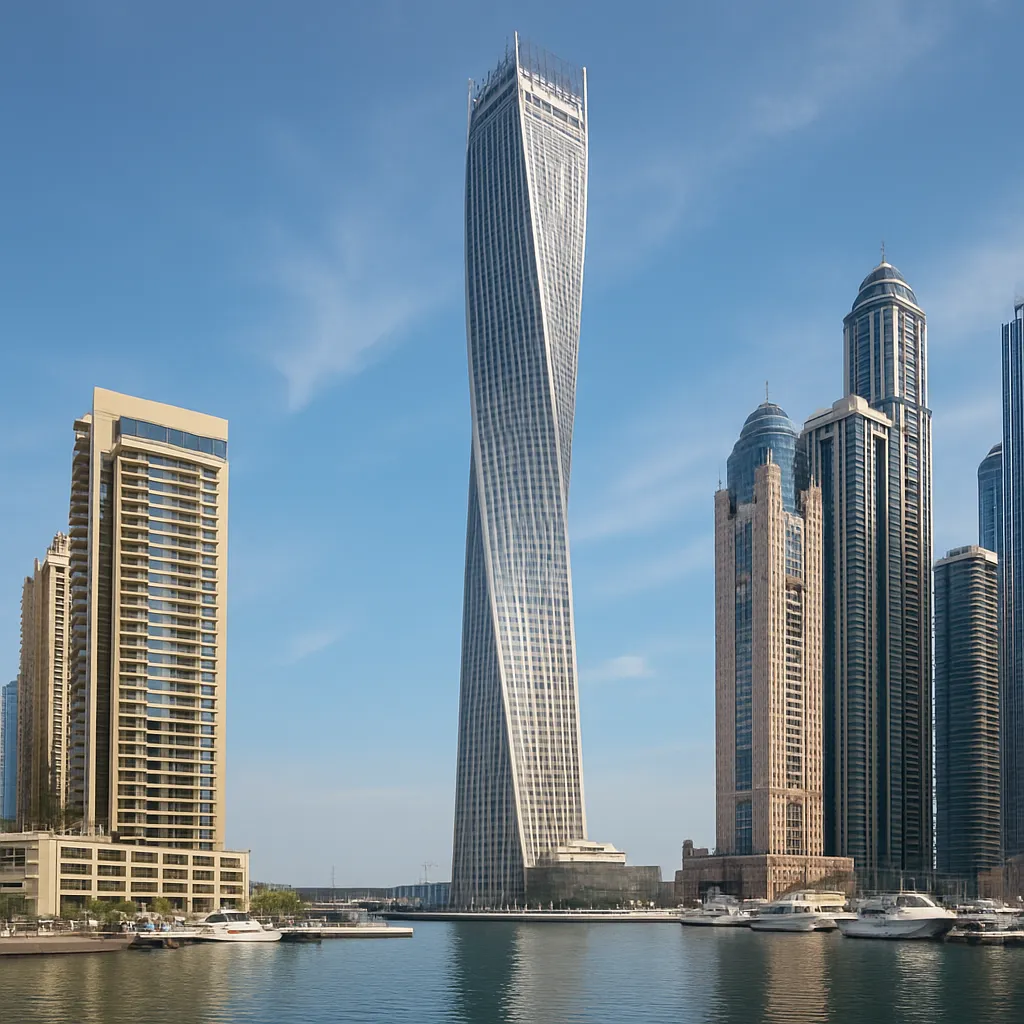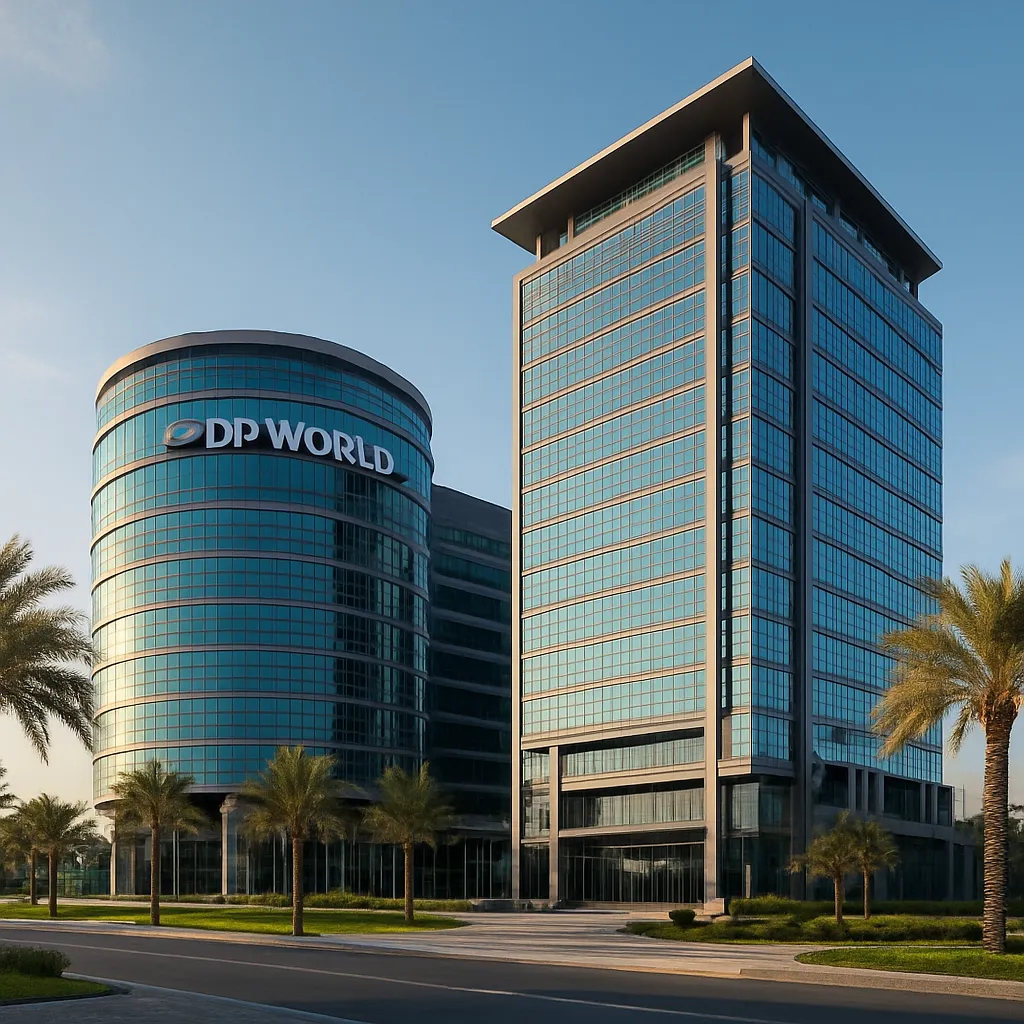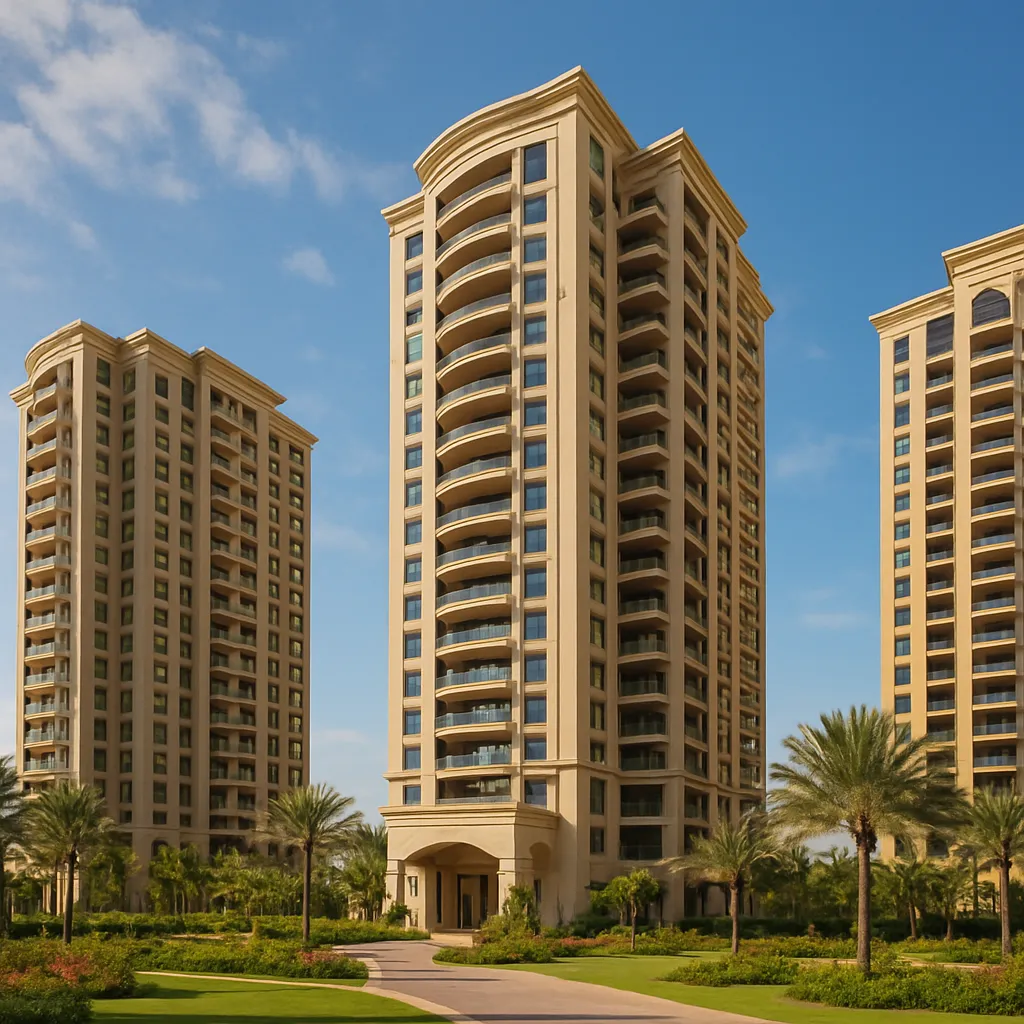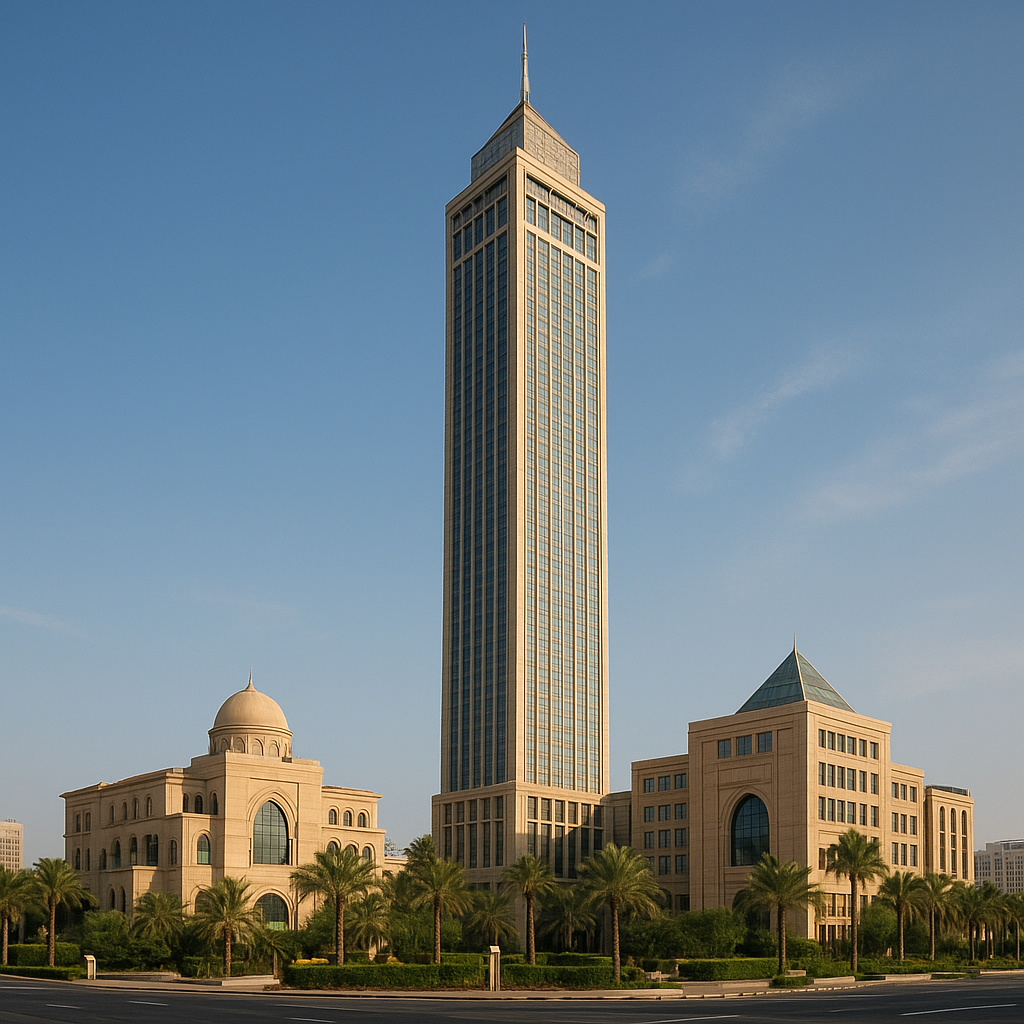
The Sofitel Dubai The Obelisk at Wafi City is a striking example of contemporary hospitality that blends modern luxury with historical motifs. Located within the Wafi City complex in Dubai, United Arab Emirates, this property has quickly become recognizable for its distinctive design, thematic references to ancient Egyptian forms, and comprehensive range of guest services. The following article explores the building’s setting, design influences, facilities, and its role in Dubai’s urban and tourism landscape.
Location and Urban Context
Situated in the heart of Wafi City, one of Dubai’s mixed-use lifestyle and retail destinations, the hotel benefits from a prominent urban position that links leisure, culture, and commerce. Wafi City itself is well known for its themed architecture, shopping arcades, and proximity to cultural districts. The Sofitel property occupies a visible plot that complements other iconic structures in the complex, creating a cohesive destination experience.
The hotel lies within the Oud Metha area, adjacent to major road arteries that provide convenient access across Dubai. Travelers typically find the location appealing because it offers an intermediary position between the older parts of the city near Dubai Creek and the more modern commercial and entertainment districts. It is also close enough to Dubai International Airport to be practical for short stays while being far enough away to avoid most airport noise.
Because of its situation within Wafi City, guests have easy access to a variety of retail and leisure opportunities: upscale boutiques, themed dining venues, and indoor entertainment. The complex attracts both local residents and international visitors, adding to the hotel’s appeal for diverse markets — from business travelers seeking proximity to corporate centers to tourists eager to explore Dubai’s unique blend of traditional and ultramodern attractions.
Architectural Character and Design Inspiration
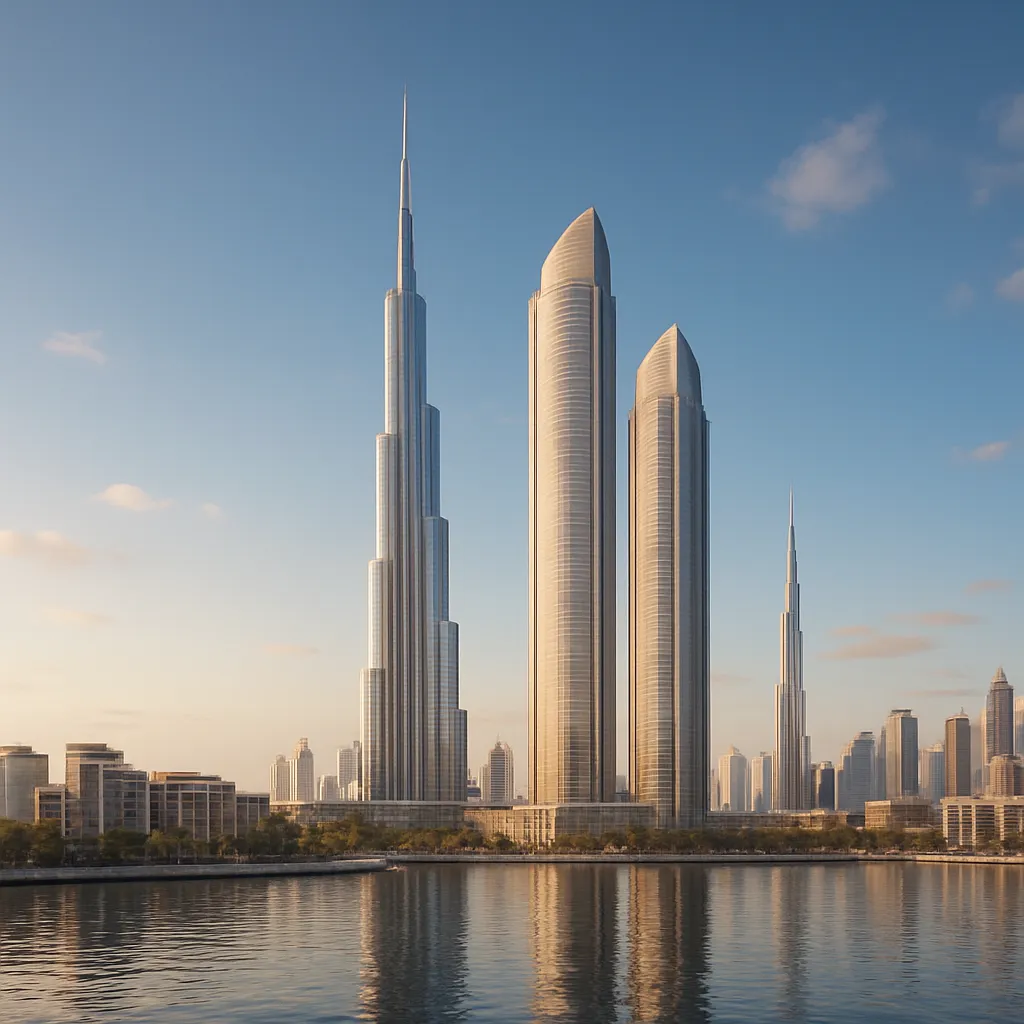
The name The Obelisk signals the hotel’s deliberate design references to ancient Egyptian monumentality, and the building’s external and internal aesthetics echo that theme. The architecture fuses monumental forms with refined contemporary detailing to generate a memorable silhouette within the Wafi precinct.
The overall concept emphasizes verticality and sculptural form, drawing subtle parallels with obelisks and other funerary or commemorative structures from antiquity. However, the approach remains firmly modern: clean lines, elegant stonework, and large glazed surfaces combine to create both a sense of permanence and an inviting transparency. Internally, public spaces are designed to feel both grand and intimate, with high ceilings, layered lighting schemes, and a material palette that references natural stone, metals, and warm textiles.
Interior design typically leverages motifs from the region’s cultural heritage, reinterpreted through a luxury hospitality lens. Decorative patterns, reliefs, and carefully chosen artworks evoke historical narratives without resorting to pastiche. The result is a carefully curated atmosphere that feels rooted in place while delivering the expectations of a contemporary five-star hotel.
Spatial Planning and Guest Flow
Public zones—lobby, restaurants, lounges, and meeting areas—are arranged to facilitate both social interaction and privacy. The lobby acts as a transitional threshold, with seating clusters, concierge services, and visible access to dining outlets. Guest rooms and suites are located on upper levels to maximize views and minimize street-level noise, with circulation cores and service areas designed to ensure operational efficiency.
Materiality and Finishes
Materials emphasize durability and tactility: natural stones for flooring in main atria, textured wall finishes, and bespoke joinery in guest rooms. Lighting is used strategically to accentuate architectural features and to provide a comfortable ambiance at night. Landscape and water features around the building create microclimates, softening hard urban edges and adding sensory appeal.
Facilities, Services, and Guest Experience
As a luxury property, the hotel offers a broad array of amenities designed to appeal to leisure and business guests alike. Although specific outlet names and operational configurations may evolve, a typical Sofitel property of this scale provides:
- Stylish guest rooms and suites with modern in-room technology and premium bedding
- Multiple dining outlets, including an all-day dining restaurant, specialty fine-dining venues, and casual cafes
- Well-appointed event and meeting spaces suitable for conferences, weddings, and social gatherings
- A full-service spa and fitness center with treatment rooms, sauna/steam facilities, and a selection of wellness programs
- Indoor and outdoor swimming pools, terrace spaces, and landscaped courtyards
- Concierge services, luxury retail partnerships, and bespoke guest experiences
Guest rooms are designed to provide both comfort and a sense of place, often incorporating local textures and artworks. Technology in rooms typically includes high-speed internet, integrated entertainment systems, and convenient connectivity for business travelers. Suite offerings expand on privacy and space, with separate living areas, enhanced services, and premium views over the Wafi complex or the wider Dubai skyline.
Dining and Culinary Offerings
Dining is a focal point for guests and local visitors. The culinary program seeks to balance international cuisine with regional flavors, offering contemporary interpretations of Middle Eastern dishes alongside global classics. Beverage programs, including thoughtfully curated bars and lounges, create social hubs where guests can gather for light meals, cocktails, and afternoon tea. The food and beverage concept aims to be both a draw for the hotel and an attraction within Wafi City.
Art, Culture, and Thematic Programming
The Obelisk motif is more than an architectural gesture; it informs the hotel’s narrative and cultural programming. Art installations within the hotel typically reference ancient motifs—stylized reliefs, contemporary sculptures, and curated collections that explore the dialogue between past and present. This emphasis on art and storytelling helps create unique stay experiences that go beyond standard hospitality offerings.
Public programming often includes rotating exhibitions, special events tied to regional festivals, and collaborations with cultural institutions. By engaging with the wider cultural ecosystem of Dubai, the hotel fosters a sense of place and supports the city’s reputation as a global cultural hub.
Accessibility, Transport, and Connectivity
The hotel’s central position within Wafi City makes it well-connected to Dubai’s main transport routes. Road access is straightforward for private vehicles and taxis, while public transport options—buses and nearby metro stations—link guests to the city’s principal districts. The proximity to Dubai International Airport (typically within a short drive depending on traffic) adds to the property’s appeal for international travelers on short stays or transits.
For business travelers, the availability of meeting rooms, high-speed internet, and business support services ensures that the hotel is positioned as a practical choice for conferences and corporate stays. Leisure travelers can easily access nearby attractions, shopping venues, and cultural sites while enjoying the calm and privacy of a luxury hotel setting.
Sustainability and Operational Practices
Like many modern luxury hotels, there is a growing expectation that new properties will integrate sustainable design and operational strategies. While specifics can vary by property and operational year, typical measures might include:
- Energy-efficient systems for heating, ventilation, and air conditioning
- LED lighting and smart controls to reduce electricity consumption
- Water-saving fixtures and landscape irrigation practices
- Waste management and recycling programs to reduce landfill contributions
- Sourcing of local and seasonal food to lower transport-related carbon emissions
Public communications from international hotel brands increasingly emphasize such commitments. Guests today often value transparency about sustainability efforts, and luxury hotels respond by incorporating measurable initiatives that align hospitality with environmental responsibility.
Events, Meetings, and Social Functions
The hotel’s flexible event spaces position it as an attractive venue for destination weddings, cultural receptions, and corporate events. Large ballrooms provide capacity for high-profile gatherings, while smaller boardrooms and breakout spaces accommodate more intimate meetings and workshops. Event services typically include bespoke catering, audiovisual support, and event management teams that tailor experiences to client needs.
Wafi City’s retail and entertainment context enhances event appeal by offering attendees easy access to shopping and leisure options. This combination of on-site hospitality infrastructure and surrounding amenities creates synergies that event planners value when selecting venues in Dubai.
Market Positioning and Competitive Landscape
In Dubai’s competitive hospitality market, the Sofitel property positions itself as a luxury option that emphasizes thematic design, cultural resonance, and modern comforts. The brand’s French hospitality roots—combined with a localized design response to the Wafi environment—contribute to a differentiated guest proposition.
Competitors range from large international luxury chains to boutique hotels that offer niche experiences. The Obelisk’s advantage lies in its integration with Wafi City’s unique environment and its emphasis on design-driven hospitality that appeals to discerning travelers seeking both comfort and character.
Practical Information and Tips for Visitors
- Reservations: Advance booking is recommended during peak travel seasons and major Dubai events.
- Events Calendar: Check the hotel’s event listings for special cultural programs, seasonal menus, or exhibitions that may coincide with your stay.
- Transportation: Taxis and ride-hailing services are readily available. If arriving by air, allow extra travel time during rush hours.
- Local Etiquette: Dubai is culturally diverse; dress and behavior in public spaces should respect local customs, particularly during religious observances.
- Explore Nearby: Wafi Mall, local cafés, and cultural attractions are within walking distance or a short drive.
Notable Facts and Observations
Several aspects of the hotel are frequently noted by guests and commentators:
- Design Identity: The deliberate embrace of the obelisk theme gives the property a distinct identity among Dubai’s many hotels.
- Integrated Destination: Being part of Wafi City means guests can combine shopping, dining, and leisure without long transfers.
- Service Standards: As part of an international luxury brand, the hotel maintains consistent service protocols and guest relations practices.
The hotel reflects Dubai’s broader trend of creating immersive hospitality experiences that blend design, culture, and convenience. For travelers interested in architecture, themed environments, or a central base for exploring the city, the property offers a compelling mix of attributes.
Conclusion
The Sofitel Dubai The Obelisk at Wafi City is a contemporary luxury hotel that stands out through its thematic architecture, strategic location, and diverse range of facilities. Emphasizing both cultural references and modern comforts, it serves as a notable example of how hospitality projects in Dubai can integrate design narrative with practical guest services. Whether visiting for business or leisure, guests can expect a property that balances the spectacle of inspired architecture with the quiet efficiencies required by modern travel—an offering that is very much in tune with Dubai’s role as a global city of tourism and design.