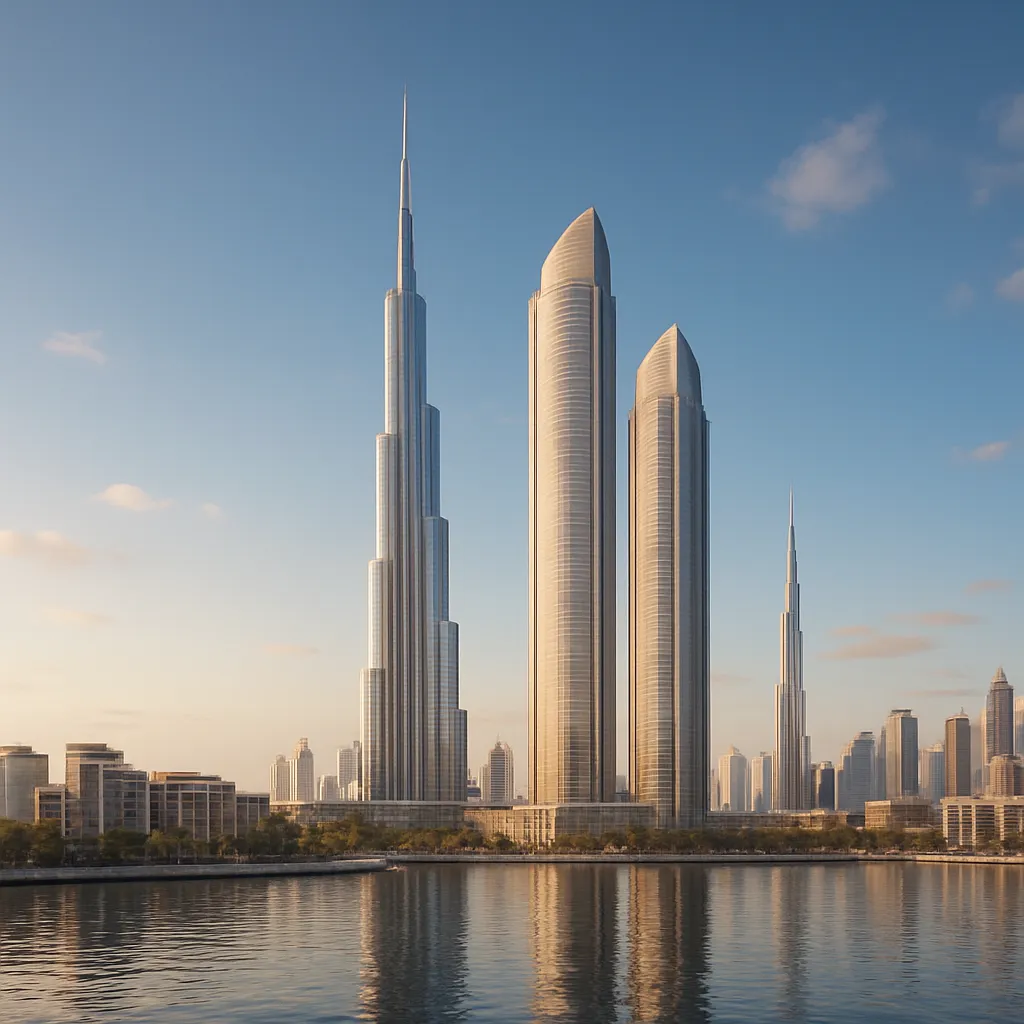
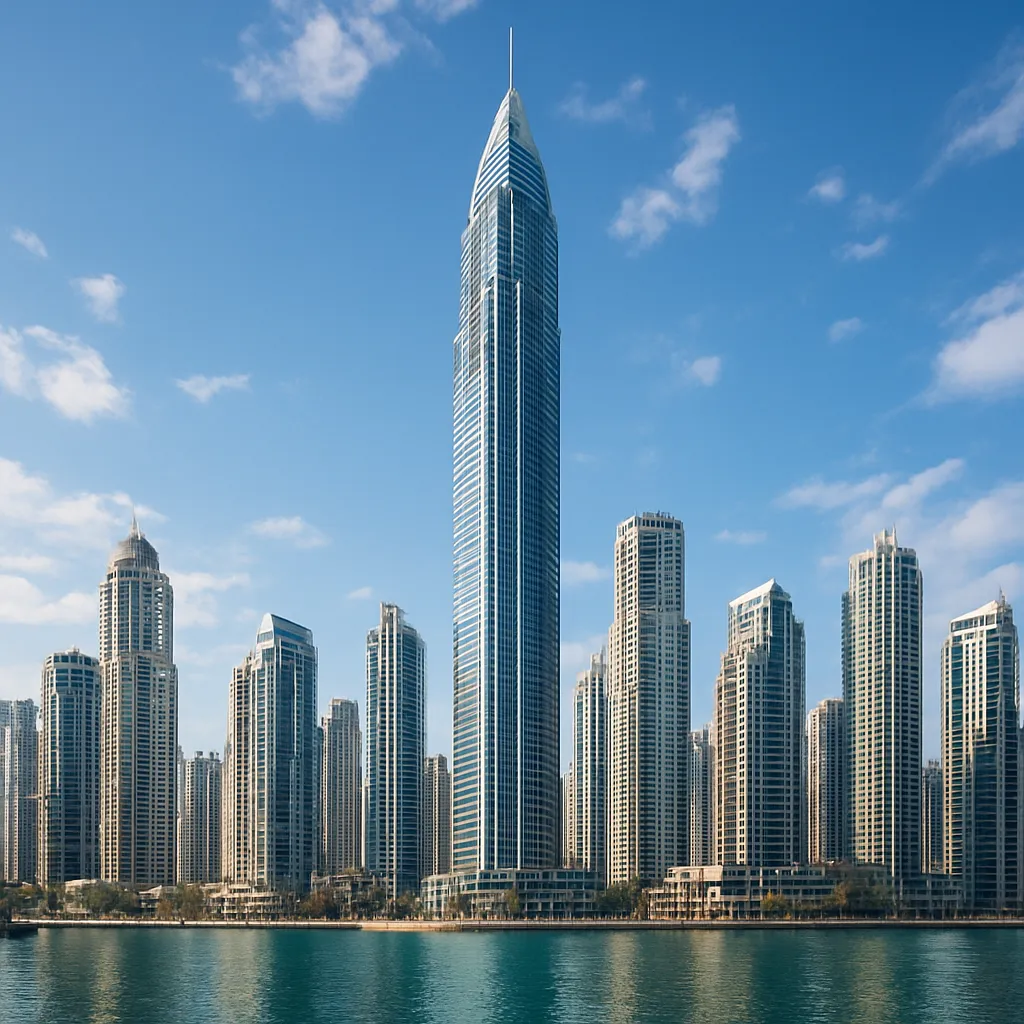
The Dubai Creek Tower, a proposed centerpiece of the Dubai Creek Harbour development, is one of the most talked-about architectural projects announced in Dubai during the 2010s. Conceived as a new icon intended to complement — and in height surpass — the Burj Khalifa, the building blends sculptural architecture with ambitious engineering objectives and an urban regeneration scheme along Dubai’s historic creek. This article outlines the tower’s location, design concepts, technical features, public role and known statistics, and discusses the controversies, challenges and potential future of the project.
Location and urban context
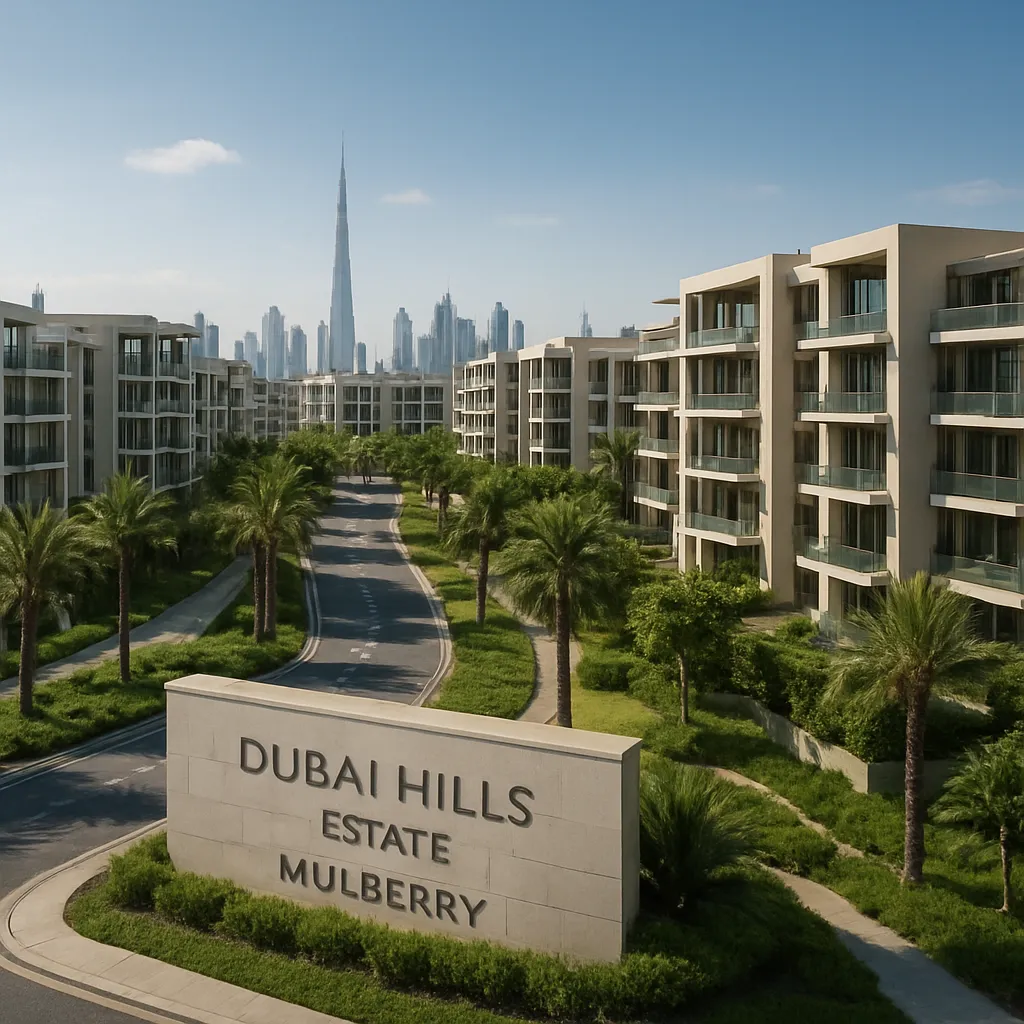
The tower is sited within the larger masterplan of Dubai Creek Harbour, a waterfront development located on the eastern side of Dubai Creek, roughly between the traditional districts of Deira and Dubai International Airport. Dubai Creek Harbour itself is a mixed-use scheme developed by a joint venture that includes Emaar Properties and Dubai Holding, and was conceived to create a new dense, walkable waterfront community adjacent to protected natural areas such as the Ras Al Khor Wildlife Sanctuary.
The choice of this particular location is significant for several reasons. Historically, Dubai Creek is the cradle of the city’s maritime and mercantile history; placing a monumental tower here references a continuity between Dubai’s trading past and its 21st-century global ambitions. At the same time, the masterplan emphasizes public promenades, marinas, parks and cultural facilities, positioning the tower as both a skyline marker and an organizing element for a larger urban district designed to attract residents, businesses and tourists.
Design and architectural concept
The Dubai Creek Tower was designed by the Spanish architect and engineer Santiago Calatrava, known for expressive, biomorphic structures that often combine architecture with structural art. Calatrava’s concept for the tower draws on evocative references — including natural forms such as organic petals or lilies and architectural precedents like minarets and observation masts — to achieve a slender, soaring silhouette.
Key design characteristics include a central mast or spire surrounded by an array of radial “petal” elements and a web of supporting cables. The tower’s appearance is deliberately skeletal and elegant: the supporting elements form an open, tapered lattice that reduces the apparent mass while allowing structural loads to be transferred efficiently to the foundations.
- Central spire: A tall, slender core that carries the tower’s principal vertical loads and anchors the cable system.
- Cable-net system: Tensioned cables connecting the outer fins to the central mast to stabilize the tower and support sky platforms.
- Tiered observation platforms and terraces integrated into the radial structure, intended to provide panoramic views.
- A podium and landscaped base that link the tower to adjacent public spaces, plazas and the waterfront.
The aesthetic aim was to create a structure that is both monumental and lightweight in appearance — an object that reads as sculpture from a distance while offering a carefully modelled experience at ground and podium levels. Calatrava’s language of sinuous curves and exposed structural expression is apparent throughout the concept, giving the tower a distinctive identity that clearly differs from typical rectilinear supertall skyscrapers.
Engineering features and technical challenges
The technical approach for the Dubai Creek Tower involved several innovative and complex engineering elements. Because the project aspired to exceed the height of the Burj Khalifa and be among the world’s tallest structures, the design team had to reconcile extreme slenderness with stability, occupant comfort and constructability.
Some of the principal engineering considerations included:
- Wind and vortex shedding: At supertall heights, wind effects and resulting oscillations are critical. The tower’s tapered, perforated form and cable system are intended to reduce wind-induced vibrations and to distribute aerodynamic loads more favorably than a simple monolithic shaft.
- Cable-stayed stabilization: The network of radial cables functions similarly to guy-wires, providing lateral restraint and enabling a slimmer central mast. This reduces the amount of material required for a heavy core but requires extremely precise tensioning and anchorage systems.
- Foundations: Given the size and loads, deep pile foundations and raft systems were necessary to transfer forces into the ground. The site’s proximity to the creek and the presence of marine sediments meant geotechnical investigation and specialized piling techniques were central to the early works.
- Seismic and differential settlement: While Dubai is not in a high-seismic zone, differential settlement due to soil variability and the enormous vertical load necessitate careful design and construction monitoring.
- Construction sequencing and logistics: Erecting a tower using a cable-net approach requires a staged methodology — constructing the core, installing radial fins and progressively tensioning cable arrays. Precision fabrication, on-site assembly, and heavy-lift operations are part of the challenge.
To meet these challenges, the project team combined advanced structural analysis, wind tunnel testing and specialized construction engineering. Detailed system integration was needed for elevators, mechanical systems, fire and life safety provisions, and visitor circulation through high-altitude public spaces.
Proposed functions, uses and visitor experience
The Dubai Creek Tower was intended to be a mixed-use observation tower rather than a conventional office skyscraper. The primary public program would be a visitor experience focused on panoramic observation, hospitality and public amenity.
- Observation decks and sky gardens: Multiple viewing platforms at different heights were proposed, offering staged experiences — from enclosed observation decks to open-air terraces — with uninterrupted views over the Dubai skyline, the creek and the gulf.
- Hospitality components: Plans mentioned premium dining and hotel-related facilities integrated into the podium or upper platforms, creating exclusive venues for guests and residents.
- Cultural and public spaces: At ground level, the tower would anchor plazas, landscaped parks and waterfront promenades intended for public gatherings, events and recreation.
- Retail and commercial: Supporting retail outlets, cafés and visitor amenities at the base would complement the tower’s role as a tourist magnet within Dubai Creek Harbour.
The visitor journey described in promotional materials emphasized not only the height and views but also the architectural poetry of ascending through a framed, openwork structure — a staged ascent culminating in lofty vantage points that engage both sight and sensation.
Statistics, announced figures and known data
When the tower was unveiled in 2016 there was a considerable focus on its height and symbolic ambition. However, the developer did not publish an exact final height during the initial announcement; instead they stated it would be taller than the Burj Khalifa, which stands at 828 metres. Because of this, many media and industry commentators offered estimates and widely circulated figures based on renderings and schematic data.
- Declared aim: To surpass the Burj Khalifa in height and to provide a new signature for Dubai’s skyline.
- Official height: Not publicly disclosed by the developer as of the last confirmed public materials released in 2019–2021. Various independent estimates placed the tower’s likely height in the range of approximately 800–1,000+ metres; a commonly cited estimate by commentators and some engineering observers clustered around 928 metres (3,041 feet), though this number remained unofficial.
- Footprint and podium: The tower was planned to sit on a substantial, landscaped podium integrated into the Dubai Creek Harbour waterfront, linking to marinas and public spaces.
- Cost estimates: No official publicized figure specifically for the tower’s construction was widely confirmed. Independent commentary suggested the cost would range in the high hundreds of millions to more than a billion US dollars depending on final height, finishes and systems — but precise budget figures were not released.
- Timeline: Announced in October 2016. Initial enabling and piling works began in the following years, but visible superstructure progress has been limited in comparison to the rapid pace of other Dubai skyscraper projects. As of mid-2024 there was no completed vertical extension beyond the early stage works visible to the public; the project experienced pauses and periods of slow activity for reasons including design refinement, market considerations and global economic conditions.
Urban, economic and cultural significance
The Dubai Creek Tower was promoted as more than an isolated height competition; it was presented as the keystone of a new urban district intended to diversify Dubai’s city centre economy and to create a public-facing waterfront with cultural and environmental sensitivity. The project ties into several broader themes:
- Iconography and branding: Like many signature towers, the building’s role was as a visual emblem — a way of signaling ambition, attracting tourism and creating a new image for the eastern side of Dubai Creek.
- Tourism and hospitality: By providing observation platforms, restaurants and event spaces, the tower was expected to attract high-value tourism, offering an experience that complements existing attractions such as the Burj Khalifa, Dubai Mall and Dubai Marina.
- Public realm and placemaking: Dubai Creek Harbour’s masterplan emphasized green spaces, promenades and connectivity. The tower was designed to be a focal point for these public amenities rather than a gated corporate block.
- Environmental sensitivity: The proximity to important wetland habitat created an imperative to manage development impacts carefully — in areas such as lighting, runoff and human-wildlife interface — although precise sustainability certifications for the tower were not publicly declared in detail in early project materials.
Controversies, delays and critical perspectives
The project generated both excitement and skepticism. Several issues that arose in public discussion include the following:
- Unconfirmed height: The developer’s decision not to publish an official final height led to speculation and varied estimates. For some observers, ambiguity fueled intrigue; for others, it raised questions about transparency and the practicality of the ambition.
- Construction pace and pauses: Compared with some high-profile Dubai projects built rapidly, the Creek Tower did not show sustained, visible vertical progression in the years following its announcement. Market factors, technical refinement and the broader economic environment (including global events such as the COVID-19 pandemic) were cited as reasons for slower progress or temporary stopping of works.
- Cost and allocation: Large, iconic projects generate debate about priorities in urban investment — whether a city should prioritize spectacle versus housing, infrastructure or social amenities. Critics argued that signature towers can be financially risky, while proponents emphasized their catalytic urban and economic effects.
- Environmental concerns: The tower’s close relationship with the creek and adjacent wetlands invited scrutiny regarding construction impacts, light pollution and increased human activity near sensitive habitat.
Comparison with other supertalls and global context
Dubai Creek Tower belongs to a lineage of “observation towers” and supertall buildings around the world that combine tourism, architecture and engineering spectacle. When compared to other renowned projects, several points stand out:
- Scale ambition: Dubai Creek Tower’s aspiration to exceed the Burj Khalifa positions it in a global dialogue about vertical competition: cities and developers often use height as a proxy for prestige.
- Architectural approach: Unlike many glazed-box supertalls, the tower’s express structural language and cable-net strategy suggest a different typology — more akin to monumental masts or symbolic minarets than to high-density office towers.
- Program focus: The emphasis on observation decks and visitor experience makes the tower more comparable to structures such as the CN Tower in Toronto or the Tokyo Skytree than to mixed-use supertall towers dominated by office floors.
Timeline summary and known milestones
Below is a concise chronology of public events associated with the project:
- October 2016 — Formal unveiling of the Dubai Creek Tower concept with concept imagery and announcements by the developer and architect.
- 2016–2018 — Site enabling works and early piling and foundation activities were advanced. Publicity and promotional materials continued to describe the project as a centerpiece of Dubai Creek Harbour.
- 2019–2021 — Continued design development and intermittent construction activity; however, visible tall-structure progress remained limited compared with initial expectations.
- 2020–2023 — Global economic slowdown and pandemic-related factors contributed to project reassessment; reports indicated planning refinement and pauses in major on-site assembly work.
- As of mid-2024 — No official confirmed final height had been published; public materials still referred to the tower as a future landmark, but the project’s completion date remained uncertain.
Future outlook and potential scenarios
The future of the Dubai Creek Tower depends on a combination of financial decisions, market demand for visitor attractions, engineering resolution of complex technical systems, and the broader strategic priorities of the masterplan stakeholders. Several plausible scenarios exist:
- Completion as originally envisioned: If financing, materials and technical work proceed, and if market conditions support continued investment in tourism infrastructure, the tower could be completed as a tall, observation-focused monument, bringing the intended skyline impact and visitor revenues.
- Revised program or height: Developers sometimes adapt iconic projects to changing circumstances. The tower could be built to a reduced but still significant height, or its program could be altered to accommodate new economic realities while retaining its role as a focal point.
- Indefinite postponement: If economic or policy priorities shift, the project could remain on hold until conditions are favorable for high-profile construction. This would postpone the urban objectives tied to the tower but leave the masterplan’s other elements progressing independently.
Interesting facts and little-known points
- The architect described the tower’s aesthetic as combining references to a minaret and a natural bloom; this dual inspiration sought to link cultural symbolism with organic form.
- Unlike many supertalls where the floor area is dominated by office or residential floors, the Creek Tower’s program emphasizes vertical public experience — observation, dining and events — meaning a different economic model focused on tourism and hospitality.
- The development around the tower was deliberately planned to preserve nearby wetlands, and the masterplan included significant public green space to balance urban density with ecological sensitivity.
- Because the project’s final height was not publicly confirmed, it has been a subject of architectural intrigue — a rare instance where a major project’s exact key metric remained officially undisclosed for extended periods.
Conclusion
The Dubai Creek Tower stands as an emblem of Dubai’s continuing drive to create world-class landmarks and to reimagine urban waterfronts as both economic engines and public spaces. Designed by Santiago Calatrava with a bold, sculptural language, the project promised a new form of observation tower — one rooted in structural expression, public amenity and urban placemaking. However, the combination of technical complexity, market conditions and a deliberate strategy to withhold certain precise figures (including the final height) has meant that the project’s path to completion has been cautiously managed.
Whether realized to its initially conceived scale or adjusted to new circumstances, the tower’s conceptual impact on Dubai’s architectural narrative is already evident: it represents an attempt to blend engineering ingenuity, cultural symbolism and a high-quality public realm in a single, visible object on the city’s skyline. The precise details and ultimate outcome will continue to be of interest to architects, engineers, urbanists and visitors tracking the evolution of one of the most ambitious urban waterfronts in the world.