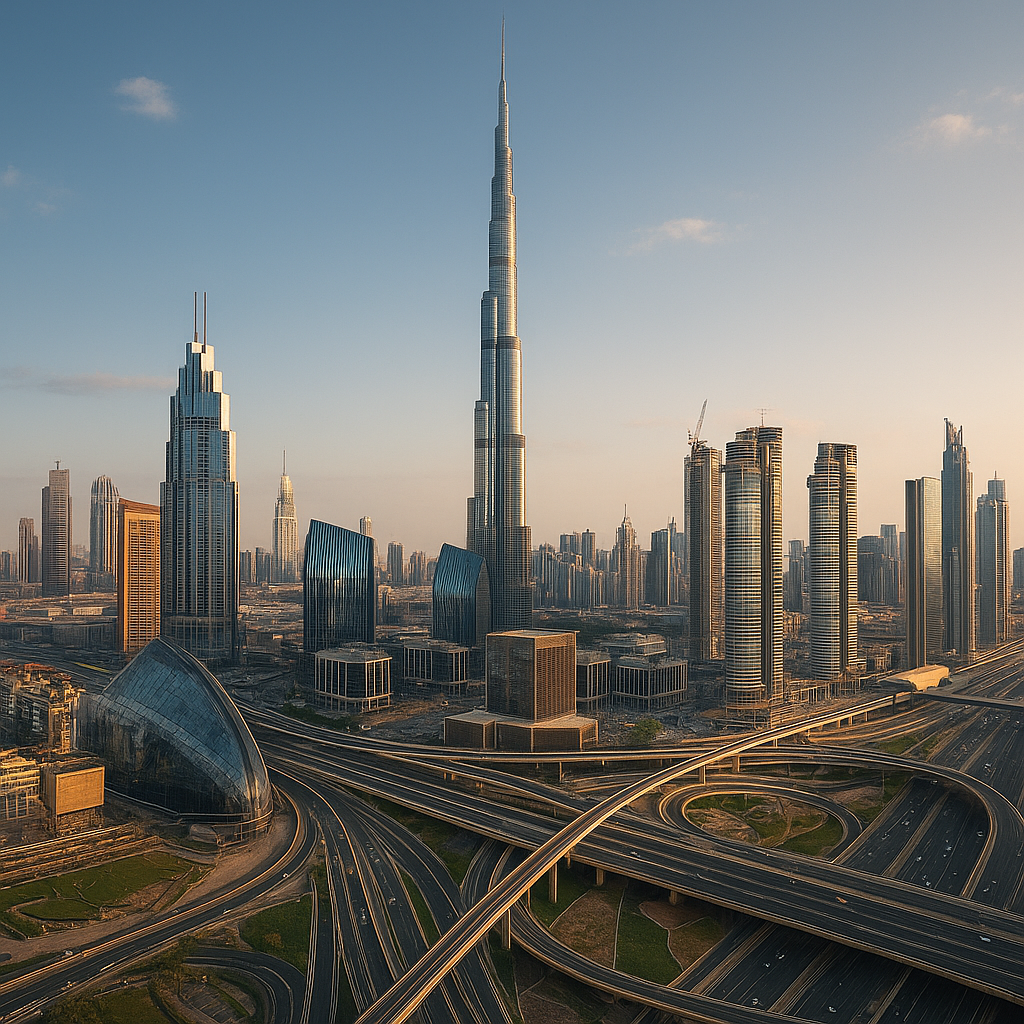
Dubai’s architectural landscape is a vivid reflection of its unwavering ambition and transformative journey from a modest trading port to a cosmopolitan powerhouse. Every soaring spire and innovative structure frames a narrative of progress, weaving together tradition and modernity. This is a city that not only competes on the world stage but continually raises the bar for what is possible in urban design and engineering.
The Rise of a Futuristic Skyline
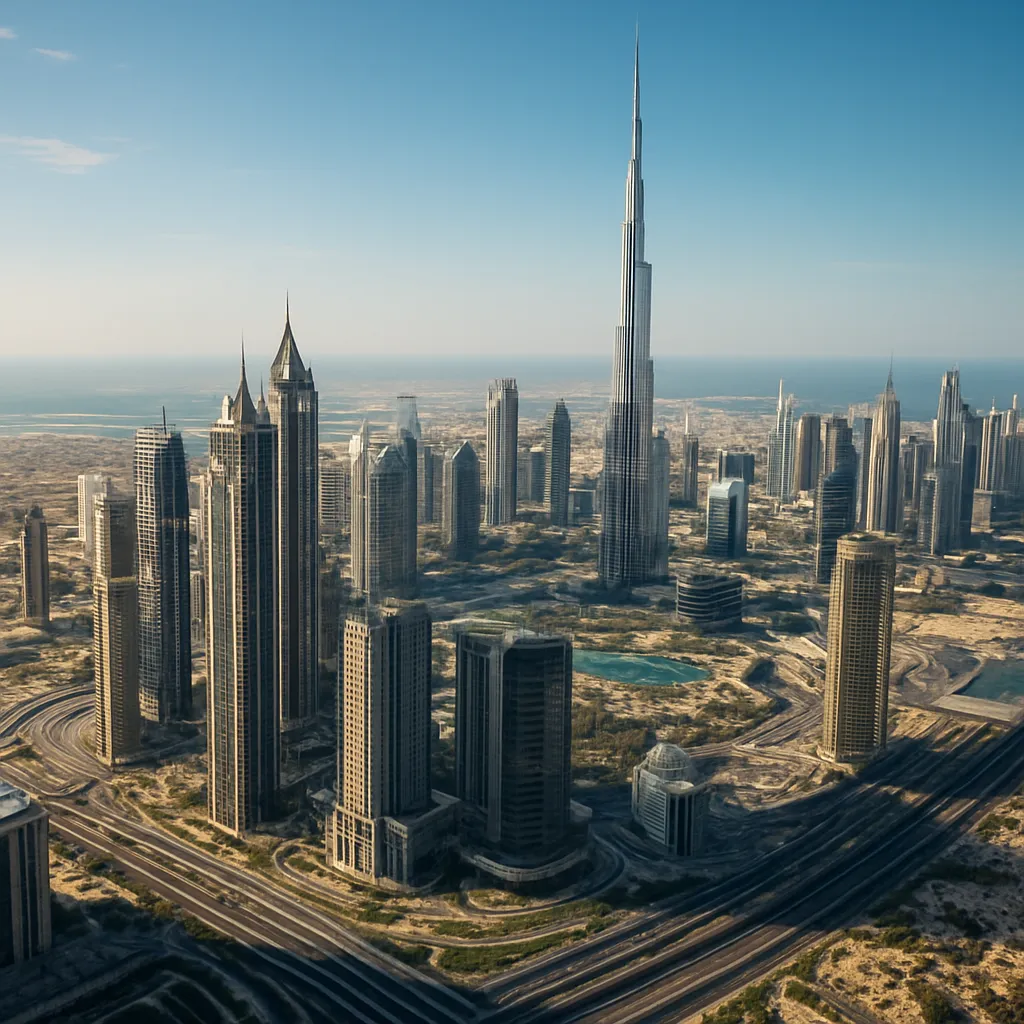
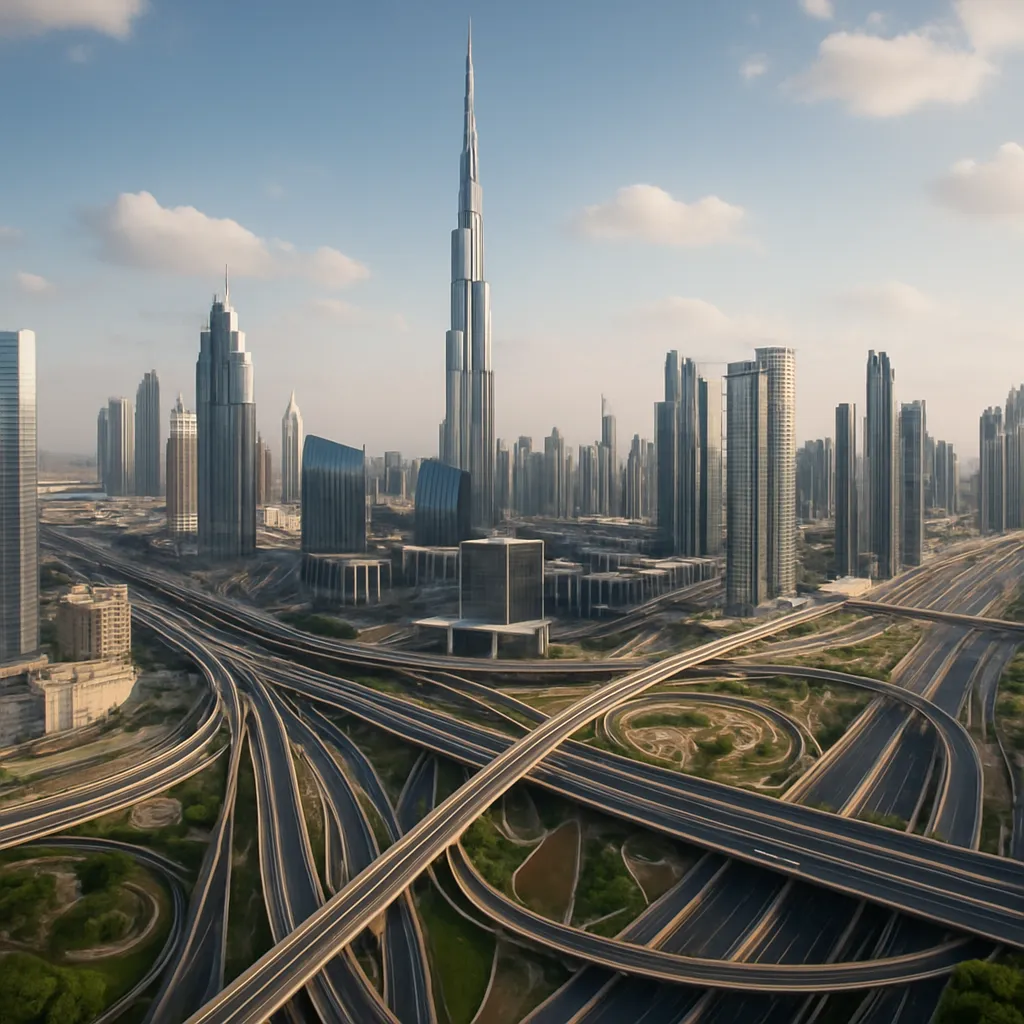
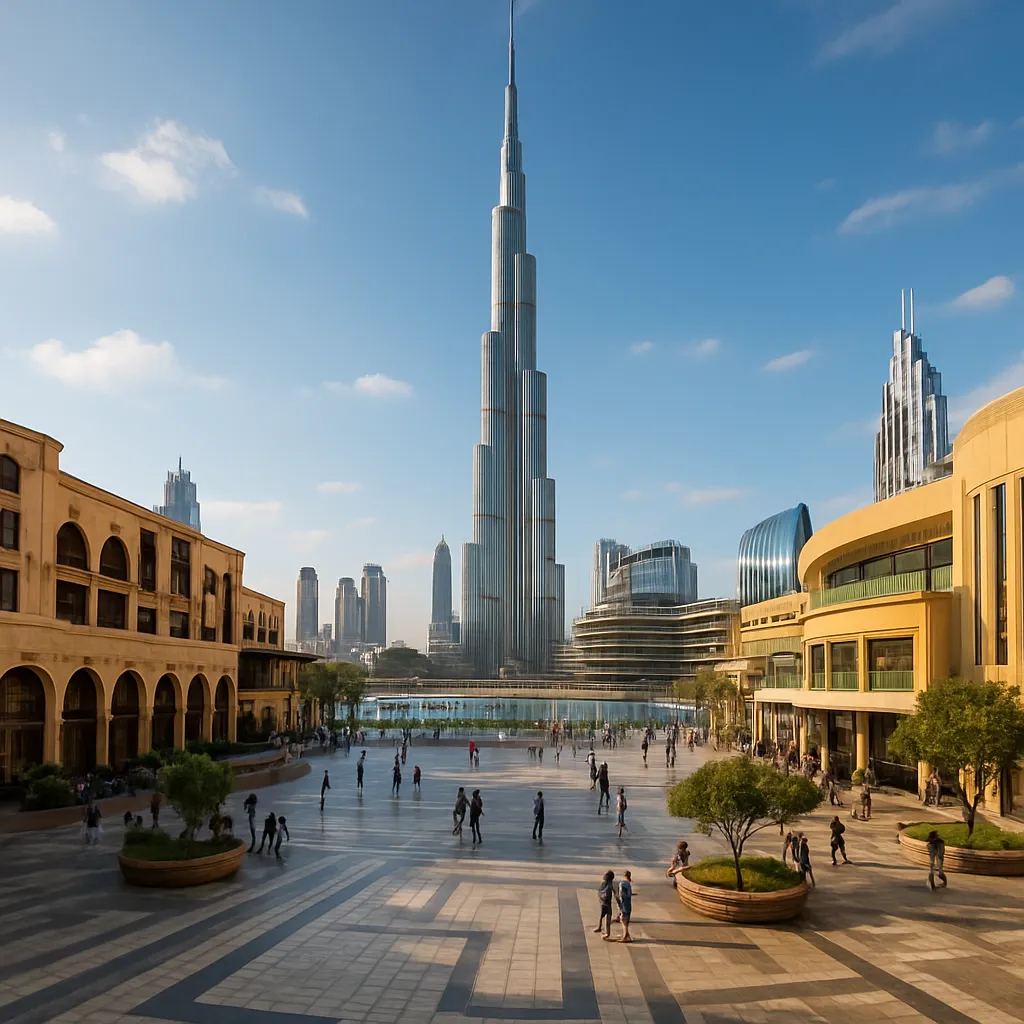
The rapid metamorphosis of Dubai’s skyline has been nothing short of spectacular. What was once a panorama dominated by sand dunes and low-rise buildings is now punctuated by towering skyscrapers that push the boundaries of engineering. At the center of this ascent stands the Burj Khalifa, the tallest building on the planet. It embodies Dubai’s visionary spirit and serves as a daily reminder of human potential. Each floor of this structure not only offers breathtaking views but also symbolizes the city’s capacity to transform ambitious ideas into reality.
Behind the Burj Khalifa’s glass façade lies a complex network of advanced materials and systems specifically designed to endure the desert climate. Enhanced thermal insulation and a state-of-the-art cooling system ensure that residents and tourists experience comfort despite external temperatures that can soar above 50°C. Such technical prowess extends beyond mere functionality; it is a testament to Dubai’s commitment to pioneering innovation in architectural design.
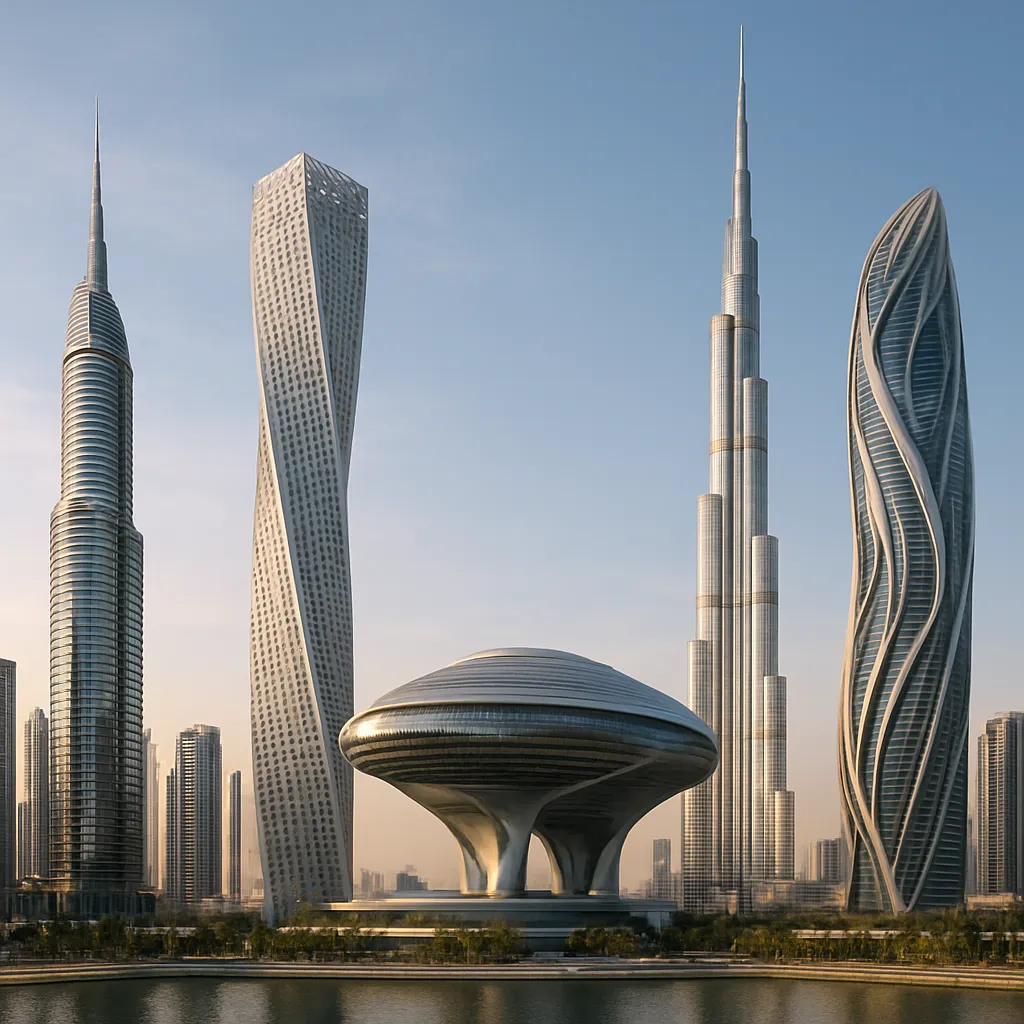
Alongside the Burj Khalifa, the twisting form of the Cayan Tower adds an artistic flourish to the city’s profile. With its distinctive 90-degree rotation, the building exemplifies how Dubai is redefining the very notion of residential living in vertical cities. These structures, among many others, collectively illustrate the emirate’s relentless drive to cultivate an ever-evolving, dynamic skyline that captures global attention.
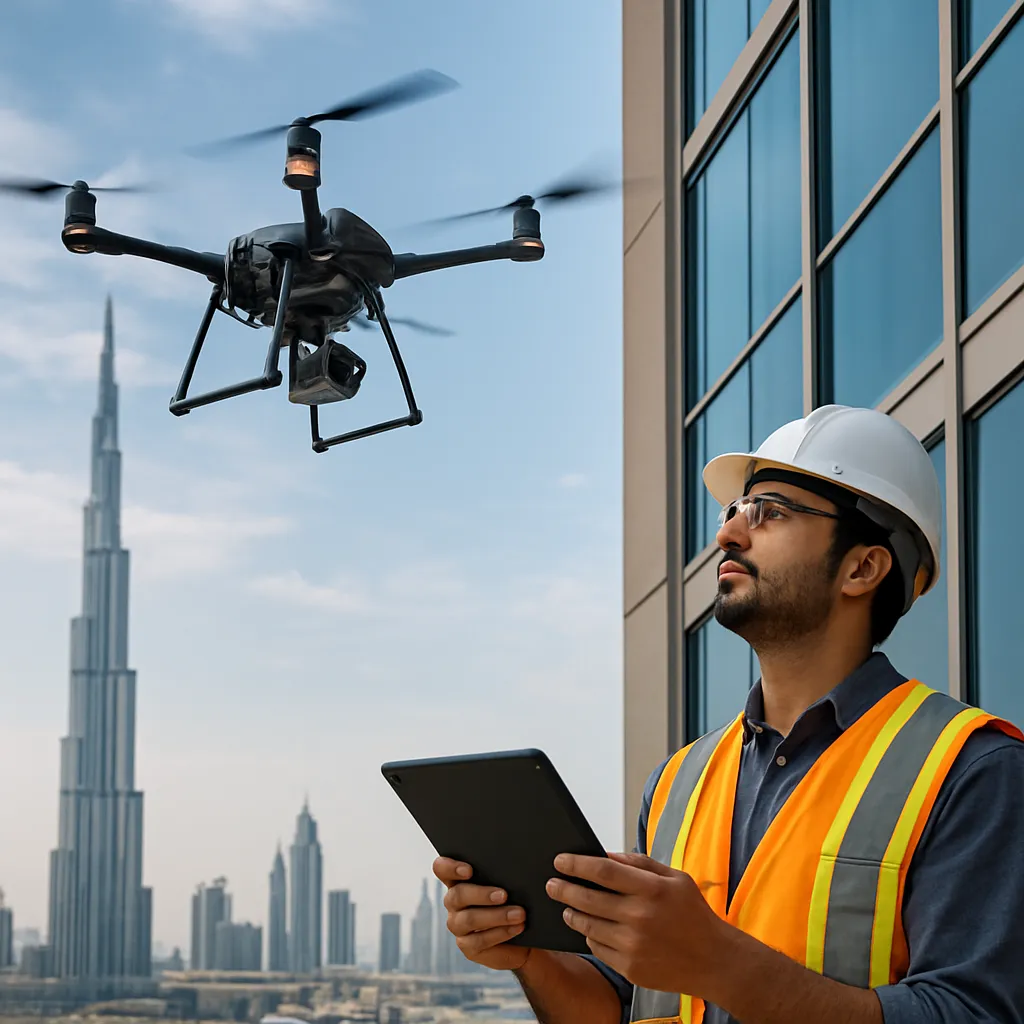
Urban planners in Dubai utilize cutting-edge digital modeling techniques and artificial intelligence to optimize building shapes and orientations. This integration of technology not only enhances aesthetic appeal but also addresses concerns such as wind turbulence and solar heat gain. By pushing architectural limits, Dubai underscores its role as a global incubator for creative problem-solving and futuristic design.
Architectural Icons and Global Branding
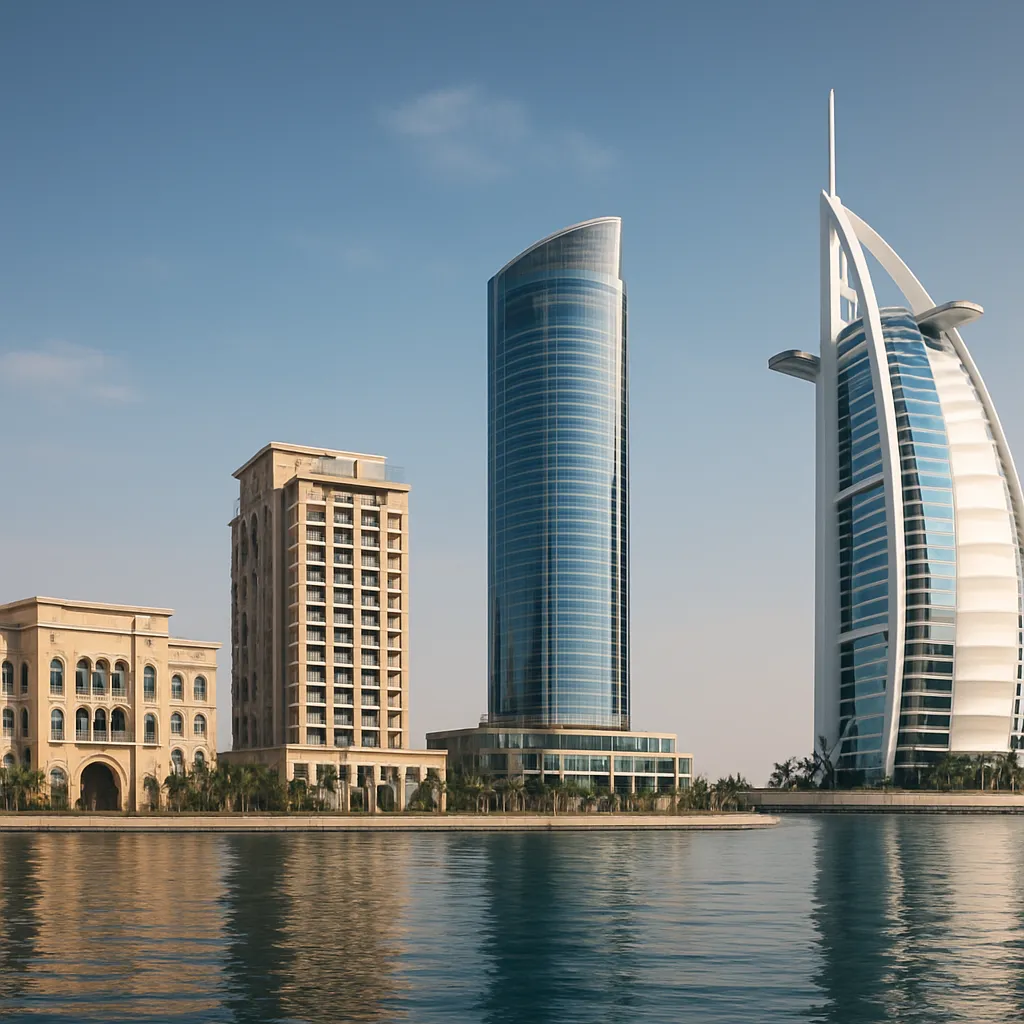
Beyond height and form, Dubai uses its buildings as instruments of global branding. Each new project is envisioned as an international icon, intended to attract tourists, investors and talent from around the world. The Palm Jumeirah, a colossal man-made archipelago, stands out as a masterstroke of both urban planning and marketing. From aerial view, its palm-tree shape resonates with cultural heritage, while its luxurious villas and resorts cater to the global elite.
Similarly, the World Islands project transforms Dubai’s coastline into a miniature archipelago shaped like a world map. Though still under development, it showcases the city’s flair for grand gestures and its determination to position itself as a nexus of global exchange. Each “continent” island is marketed with unique themes and bespoke real estate offerings, illustrating the emirate’s capacity to tailor experiences for diverse international tastes.
- Dubai Mall: One of the largest retail destinations globally, featuring an aquarium, ice rink, and indoor waterfall.
- Madinat Jumeirah: A resort complex that fuses traditional Arabian architectural motifs with contemporary luxury amenities.
- The Museum of the Future: A steel-and-glass torus that explores advanced science and innovation, serving as a beacon for cutting-edge research.
These developments contribute to Dubai’s economic diversification, attracting billions in foreign direct investment and solidifying its reputation as a finance and tourism hub. By blending commercial objectives with architectural grandeur, the city leverages its built environment to drive growth across multiple sectors.
Dubai’s real estate strategy often involves public-private partnerships that incentivize global developers to bring their signature techniques to the region. This collaborative approach fosters a melting pot of design philosophies, enriching the city’s urban tapestry and strengthening its status as a world-class destination.
Sustainability and Technological Innovation
While luxury and spectacle define much of Dubai’s architecture, recent projects demonstrate a shift toward sustainability and environmental responsibility. The Expo 2020 site, repurposed into District 2020, features modular pavilion designs that can be deconstructed and relocated. This adaptive reuse model reduces waste and underscores the emirate’s commitment to resource efficiency.
Dubai is also pioneering large-scale solar power integration within its built environment. Initiatives like the Mohammed bin Rashid Al Maktoum Solar Park are gradually powering residential and commercial towers with renewable energy. Meanwhile, smart building management systems monitor and optimize energy consumption, ensuring that operational performance remains both cost-effective and eco-friendly.
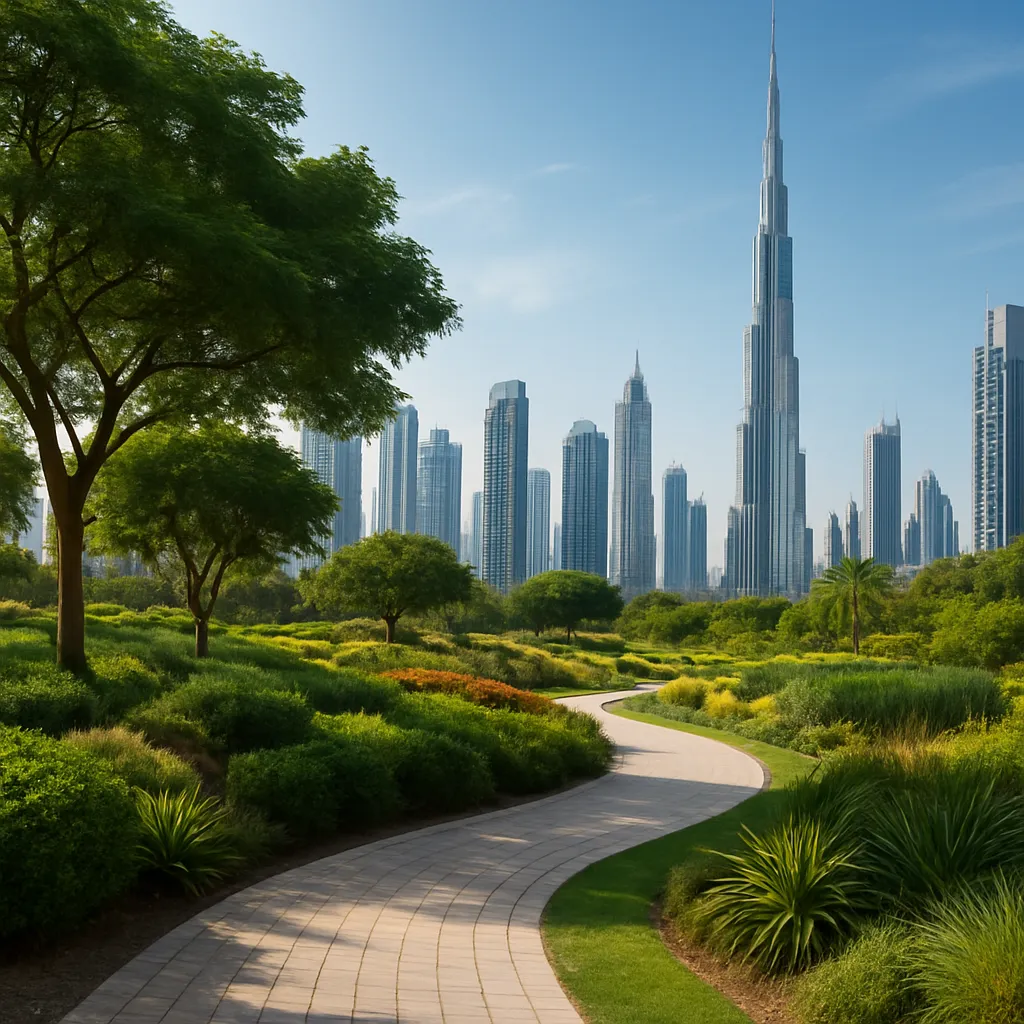
Green roofs and vertical gardens have become increasingly common on new developments, mitigating the urban heat island effect. Advanced water recycling and desalination technologies support extensive landscaping in a region long challenged by freshwater scarcity. By embedding these features into its architectural DNA, Dubai is setting new standards for resilient urban design in arid climates.
Moreover, urban researchers in Dubai are experimenting with 3D-printed construction methods using sustainable concrete mixtures derived from recycled materials. This technique promises to reduce both material costs and carbon footprints, aligning with global efforts to decarbonize the construction industry. Such innovations reinforce the city’s determination to merge environmental stewardship with engineering excellence.
Cultural Fusion and Local Identity
Despite its relentless modernization, Dubai remains deeply connected to its heritage. Traditional wind towers, known as barjeels, have inspired passive cooling systems in contemporary buildings. The revival of Arabic geometric patterns adorns façades and interiors, creating a dialogue between past and present.
Neighborhoods like Al Fahidi Historic District preserve late 19th-century architecture made from coral stones and gypsum. These restored structures host art galleries, museums, and boutique hotels, giving residents and visitors a tangible link to the emirate’s origins. Such spaces foster a sense of cultural continuity amid rapid urban growth.
Public art installations, infused throughout new developments, celebrate regional narratives and local craftsmanship. By engaging Emirati artists alongside international talents, Dubai cultivates a pluralistic cultural scene that reflects its diverse population. This fusion of influences demonstrates how the city’s built environment can serve as a canvas for storytelling and community building.
In educational realms, institutions like the Dubai Design District (d3) and the upcoming Dubai Sustainable City emphasize interdisciplinary collaboration between architects, engineers, and historians. These initiatives equip the next generation with the skills necessary to preserve heritage while pioneering novel solutions for tomorrow’s urban challenges.
Continuing the Architectural Evolution
As Dubai looks beyond its desert beginnings, it remains steadfast in its pursuit of architectural excellence. Through daring skyscrapers, globally branded icons, sustainable practices, and reverence for tradition, the city articulates its resilience and enduring quest for progress. Every new project is a chapter in a larger story—one of relentless innovation, strategic ambition, and the power of design to shape societies on a global scale.