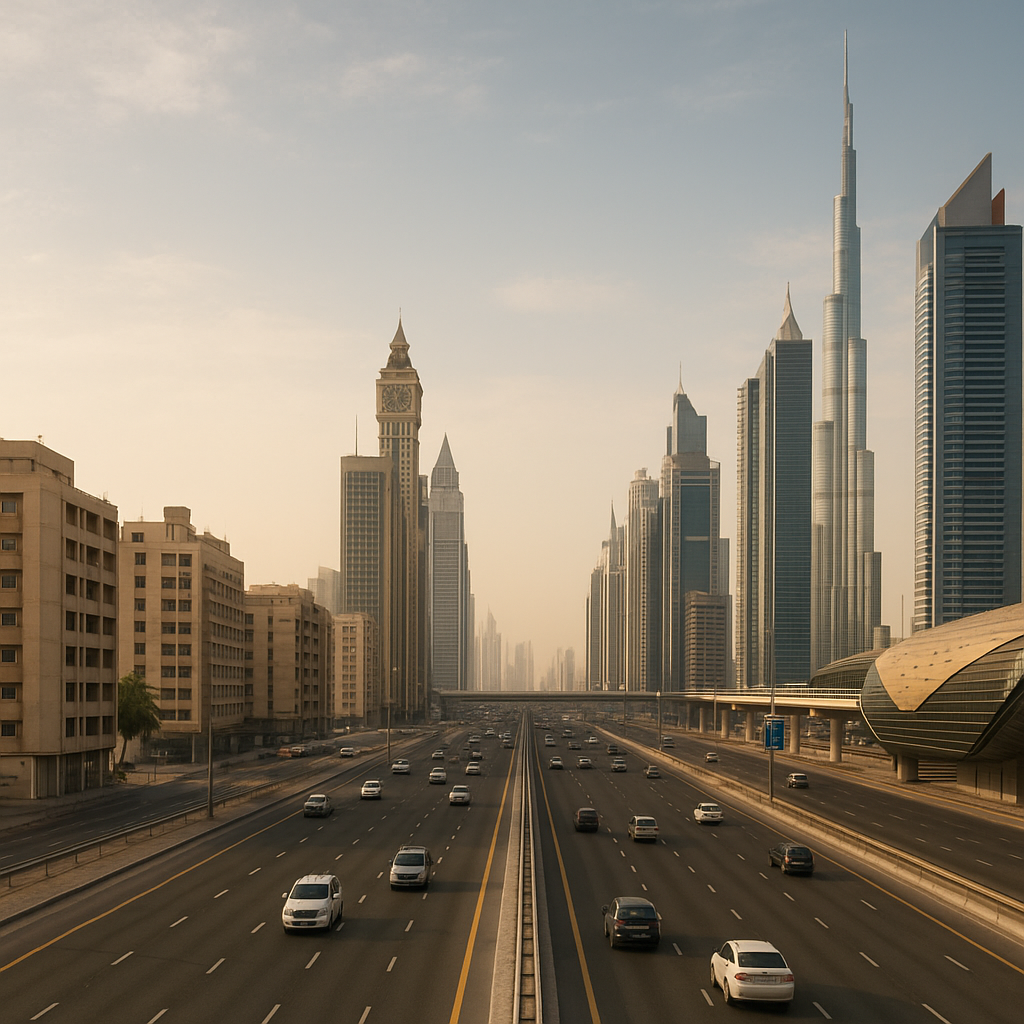
The Architectural Evolution of Sheikh Zayed Road illustrates how a single artery can redefine an entire city’s identity and skyline. Stretching over 55 kilometers through the heart of Dubai, this iconic corridor has transformed from a simple highway into a canvas of innovation, sustainability, and urban grandeur. In this exploration, we delve into the factors that shaped its original design, trace the rise of landmark skyscrapers, examine the integration of public spaces and transport, and look ahead at emerging trends that will continue to reshape Sheikh Zayed Road.
Early Conception and Strategic Planning
Sheikh Zayed Road began as a modest two-lane desert highway in the late 1970s. Its initial purpose was to connect Dubai to Abu Dhabi, serving as a vital link for commerce and mobility. However, visionary planners quickly recognized the potential of this route to become more than just a transport link. Key decisions in the 1980s laid the groundwork for its architectural destiny:
- Designation of a dedicated zoning corridor promoting mixed-use development
- Implementation of stringent building regulations to ensure structural safety in desert conditions
- Integration of aesthetic guidelines highlighting regional heritage while embracing futuristic forms
- Coordination with international architects to introduce global expertise
These strategic choices turned Sheikh Zayed Road into a fertile site for architectural experimentation, attracting investors eager to create landmarks that would rival those in New York, London, and Shanghai. The emphasis on connectivity and public amenities ensured that development would serve both local residents and the growing number of global visitors.
The Rise of Iconic Skyscrapers
As Dubai’s economy diversified in the 1990s and 2000s, Sheikh Zayed Road became synonymous with record-breaking skyscrapers. The quest to hold the title of the world’s tallest building fueled a competitive spirit among developers and architects. Major milestones include:
Burj Khalifa and the Quest for Height
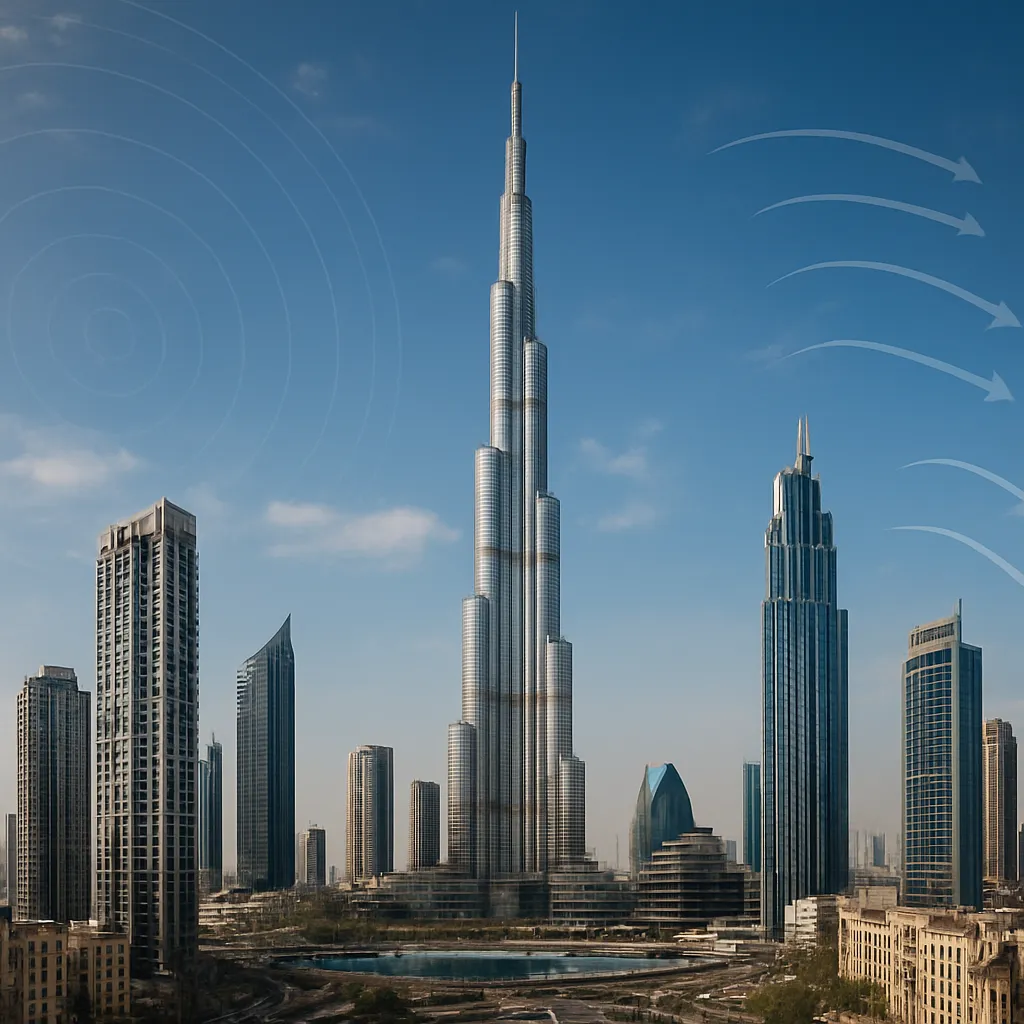
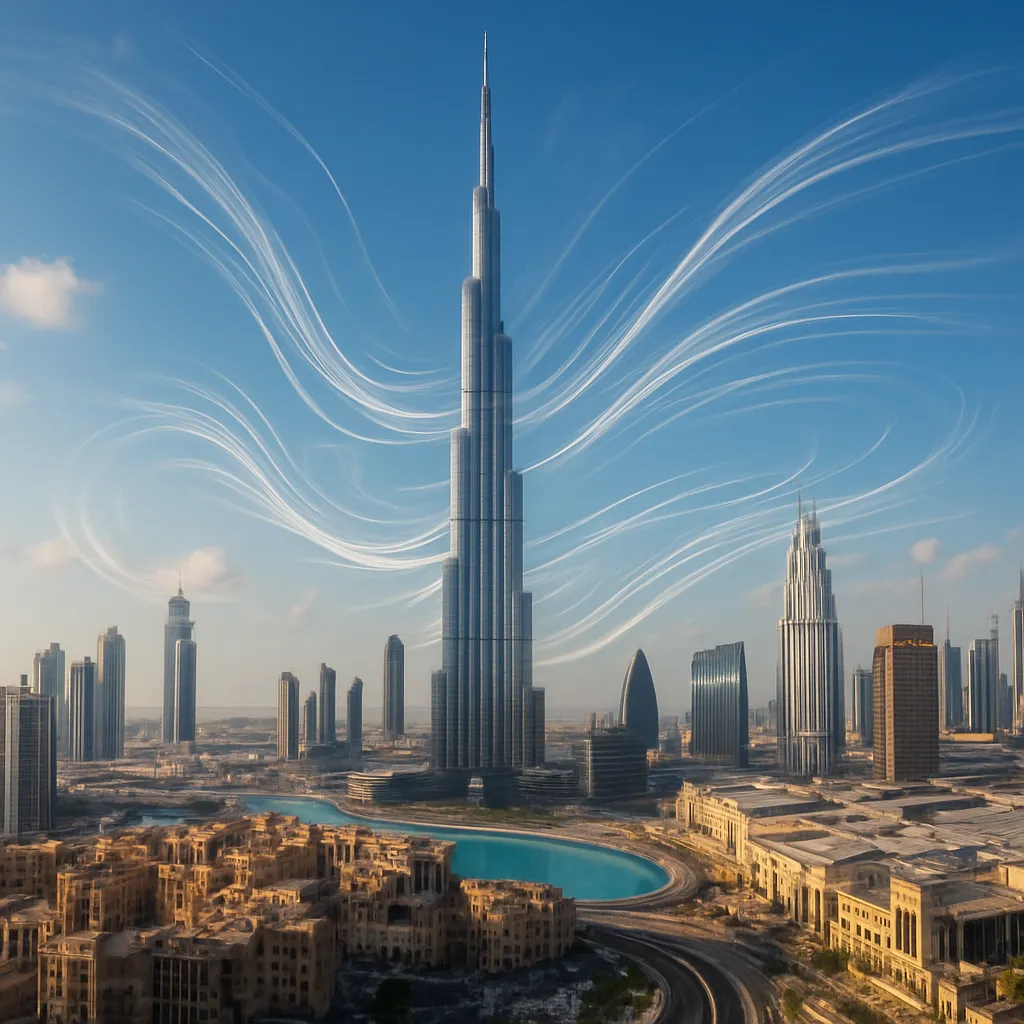
Opened in 2010, Burj Khalifa redefined what was structurally possible. Its tapering, triple-lobed design drew inspiration from the Hymenocallis flower and responded to wind tunnel data to minimize vortex shedding. Standing at a staggering 828 meters, it remains the tallest structure on Earth and became the catalyst for a new wave of supertall developments along Sheikh Zayed Road.
Emirates Towers and Minimalist Elegance
The Emirates Towers, completed in 2000, symbolized a shift toward sleek modernism. Comprising an office tower and a hotel tower connected by a central podium, the project demonstrated a refined approach to mixed-use architecture. Clad in reflective glass and aluminum, it projected an image of luxury and corporate prowess, setting the tone for subsequent towers.
Address Boulevard and Vertical Communities
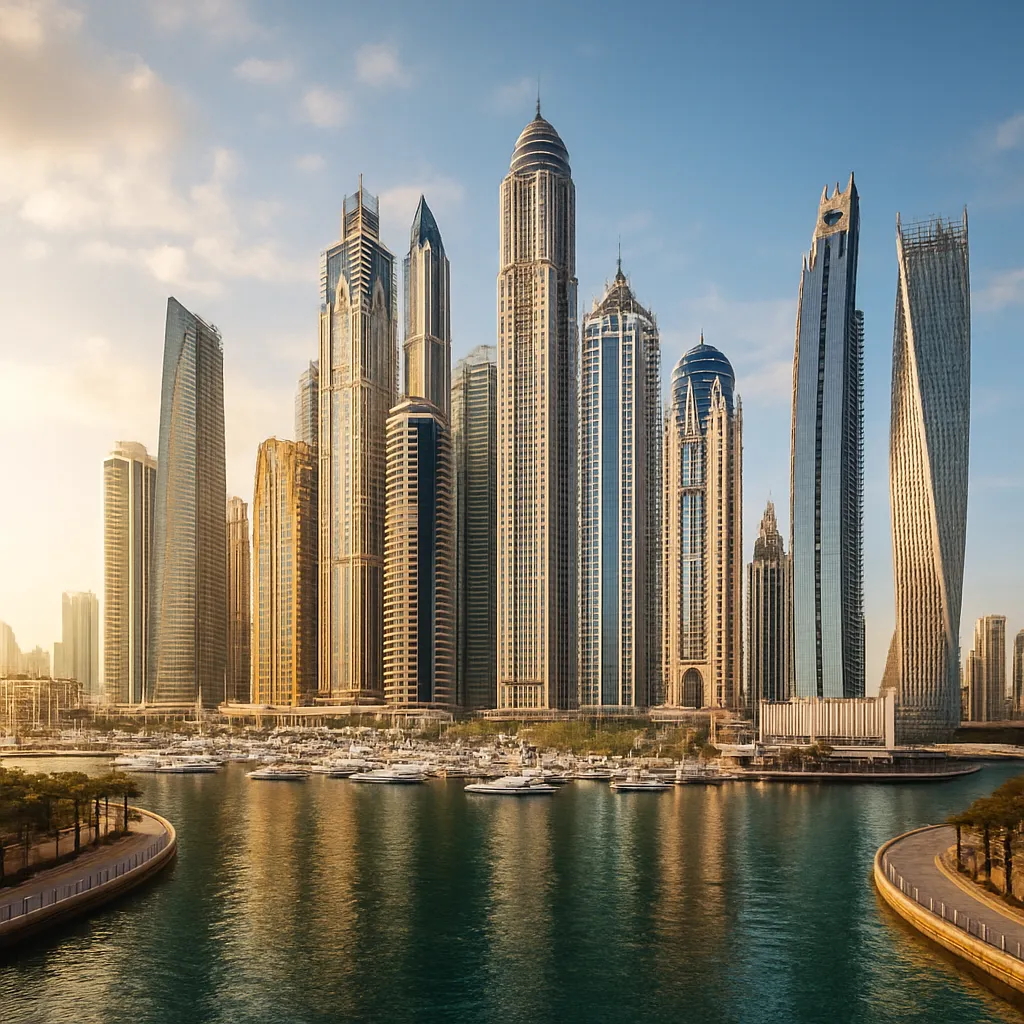
With the Address Boulevard, developers introduced the concept of vertical neighborhoods. Beyond hotel suites and corporate offices, this tower integrated retail podiums, leisure facilities, and outdoor terraces. Residents and guests accessed communal gardens and fitness centers at elevated levels, showcasing an early commitment to amenity-rich high-rise living.
Integration of Transit and Public Spaces
By the mid-2000s, urban planners recognized that supertall towers alone could not sustain a healthy urban environment. Attention turned to multimodal transport, pedestrian connectivity, and public spaces. Key initiatives included:
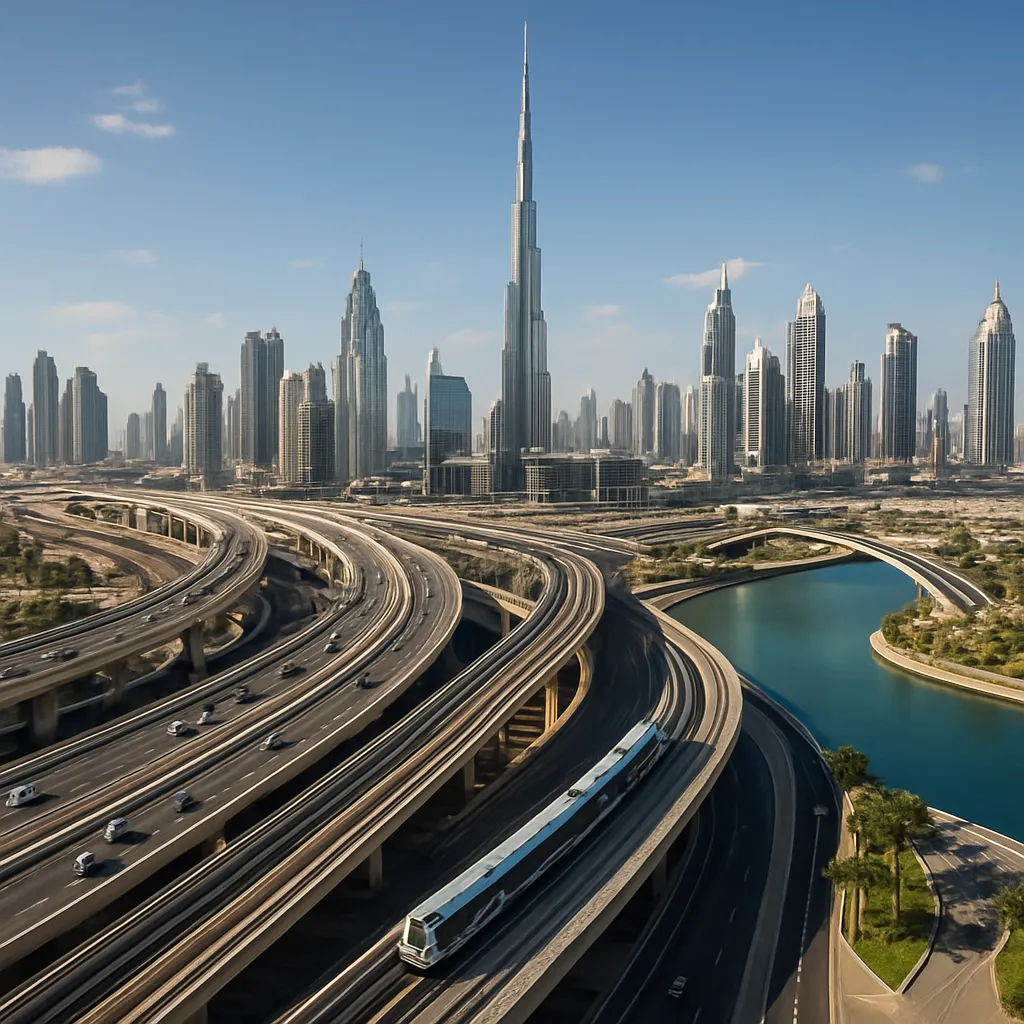
- Dubai Metro’s Red Line: Elevated tracks run parallel to Sheikh Zayed Road, offering efficient, air-conditioned commute options.
- Pedestrian Bridges: Strategically placed skywalks connect towers, reducing street-level congestion and heat exposure.
- Public Plazas: Ground-level plazas with water features and shaded seating areas create inviting urban oases.
- Landscaping: Drought-tolerant trees and native shrubs line the roadside, emphasizing green integration in a desert climate.
These measures turned Sheikh Zayed Road into a comprehensive urban corridor rather than a mere highway. Surrounding precincts evolved into walkable districts, and the synergy between transportation and architecture encouraged sustainable travel behavior.
Sustainable Innovations Along the Corridor
In recent years, developers have placed a premium on environmentally conscious design. The extreme heat and arid environment of Dubai challenge architects to reduce energy consumption and enhance occupant comfort. Notable sustainable features include:
High-Performance Facades
Advanced glazing systems now incorporate low-emissivity coatings and smart tinting technologies that adjust to sunlight intensity. Many towers feature double-skin facades, creating an insulating buffer that lowers cooling loads and diminishes glare.
Renewable Energy Integration
Solar panels adorn rooftops and canopies of selected buildings, offsetting a portion of electricity demand. Waste heat recovery systems and efficient chiller plants leverage ground-source cooling where feasible.
Water Conservation Systems
Greywater recycling and condensate collection from air-conditioning units support irrigation of landscaped areas. Innovative drip irrigation techniques minimize water waste while ensuring the survival of native plant species.
Smart Building Technologies
Real-time energy monitoring dashboards and automated shading controls optimize resource usage. Occupant-centric lighting systems adjust illumination based on natural light availability and room occupancy, enhancing both comfort and efficiency.
Future Prospects and Urban Synergies
Looking ahead, Sheikh Zayed Road continues to evolve. Emerging technologies and shifting urban priorities hint at the next chapter in its story:
- Hyperloop and Autonomous Transit: Preliminary studies suggest integrating future high-speed transit corridors beneath existing lanes, reducing travel times between Dubai and Abu Dhabi to mere minutes.
- Vertical Farming Towers: Proposals for mixed-use towers with hydroponic farms could address local food security while adding biophilic elements to the skyline.
- Adaptive Reuse Projects: As some older towers approach mid-life, retrofitting strategies will embrace circular economy principles, converting office floors into residential units or co-working spaces.
- Enhanced Public Realm: Plans for landscaped linear parks, artistic light installations, and interactive media facades promise to make the corridor more engaging after dark.
Each new endeavor along Sheikh Zayed Road builds upon the legacy of its predecessors, demonstrating a balance between ambition and responsiveness to local conditions. This dynamic corridor exemplifies how thoughtful architecture and urban planning can transform a simple highway into a living, evolving masterpiece of modern citycraft.