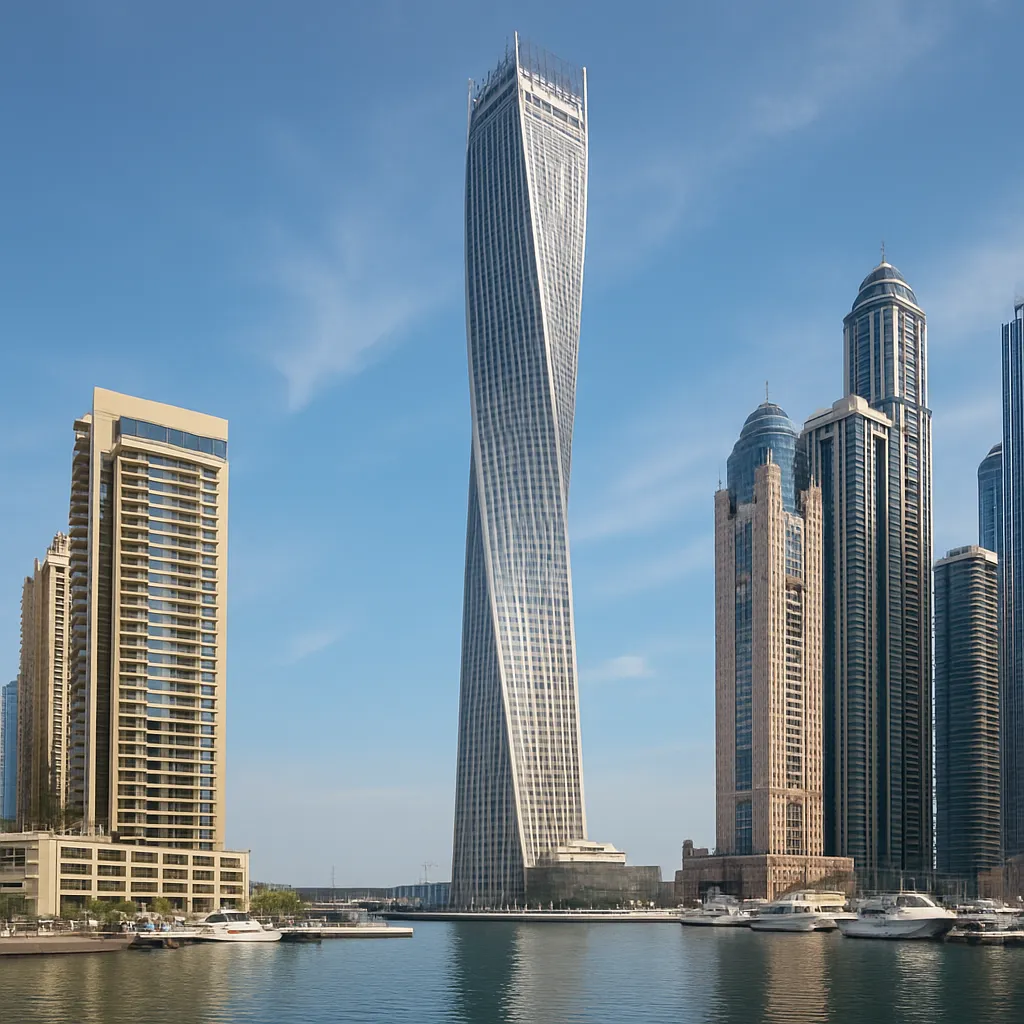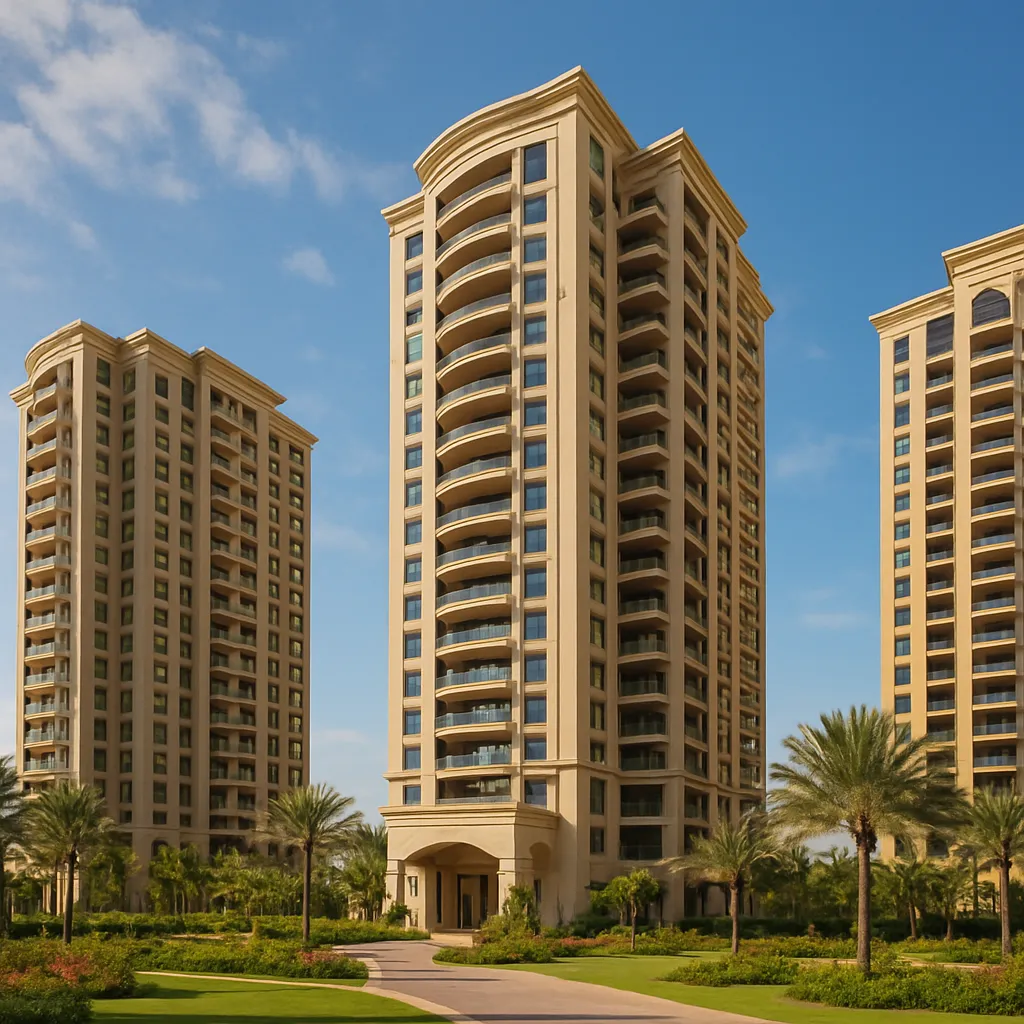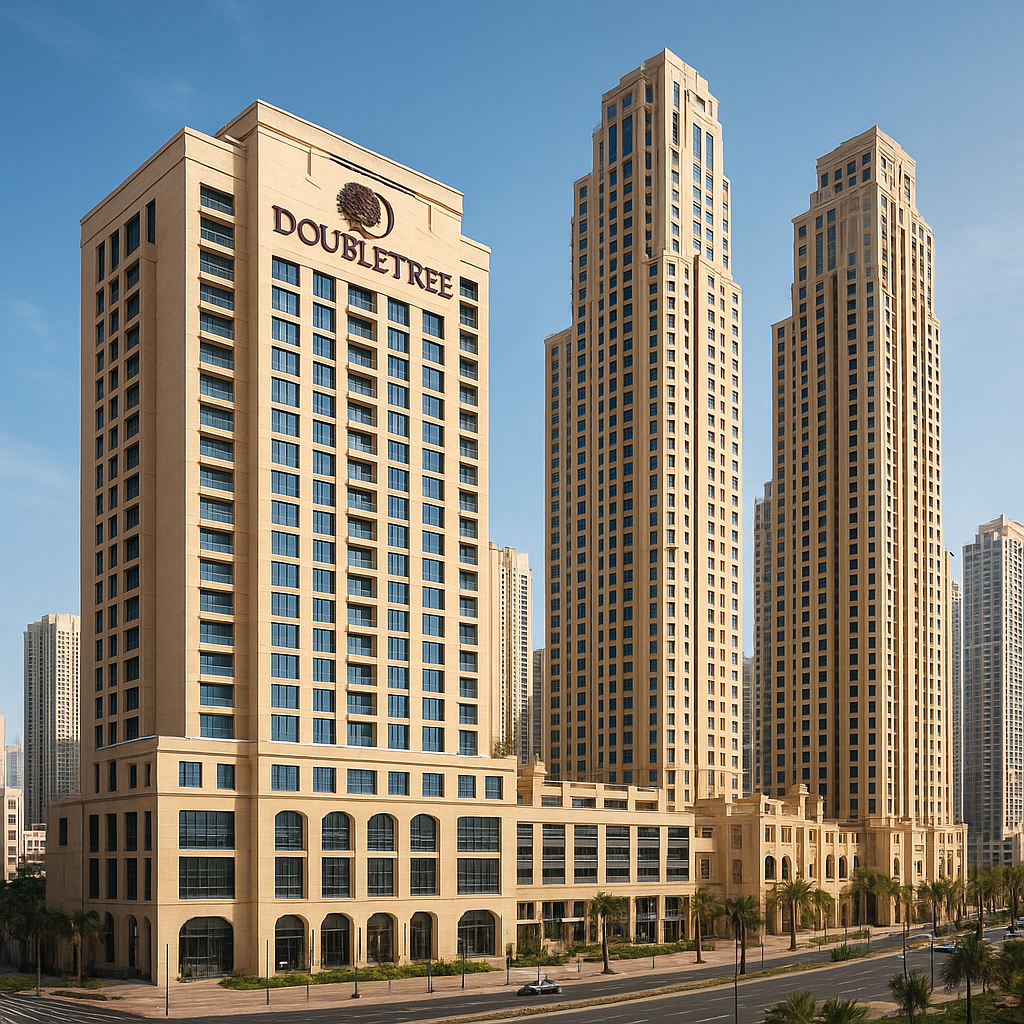
The DoubleTree by Hilton JBR stands as a recognizable part of Dubai’s vibrant Jumeirah Beach Residence (JBR) district, where beachfront leisure meets cosmopolitan city life. This article explores the hotel’s location, its role in the local urban fabric, architectural and hospitality features, nearby attractions, and a collection of interesting facts and statistics that illustrate why this property is a notable stop for visitors to Dubai. The aim is to give a rounded picture of what makes DoubleTree by Hilton JBR distinctive within one of the city’s most dynamic coastal neighborhoods.
Location and urban context
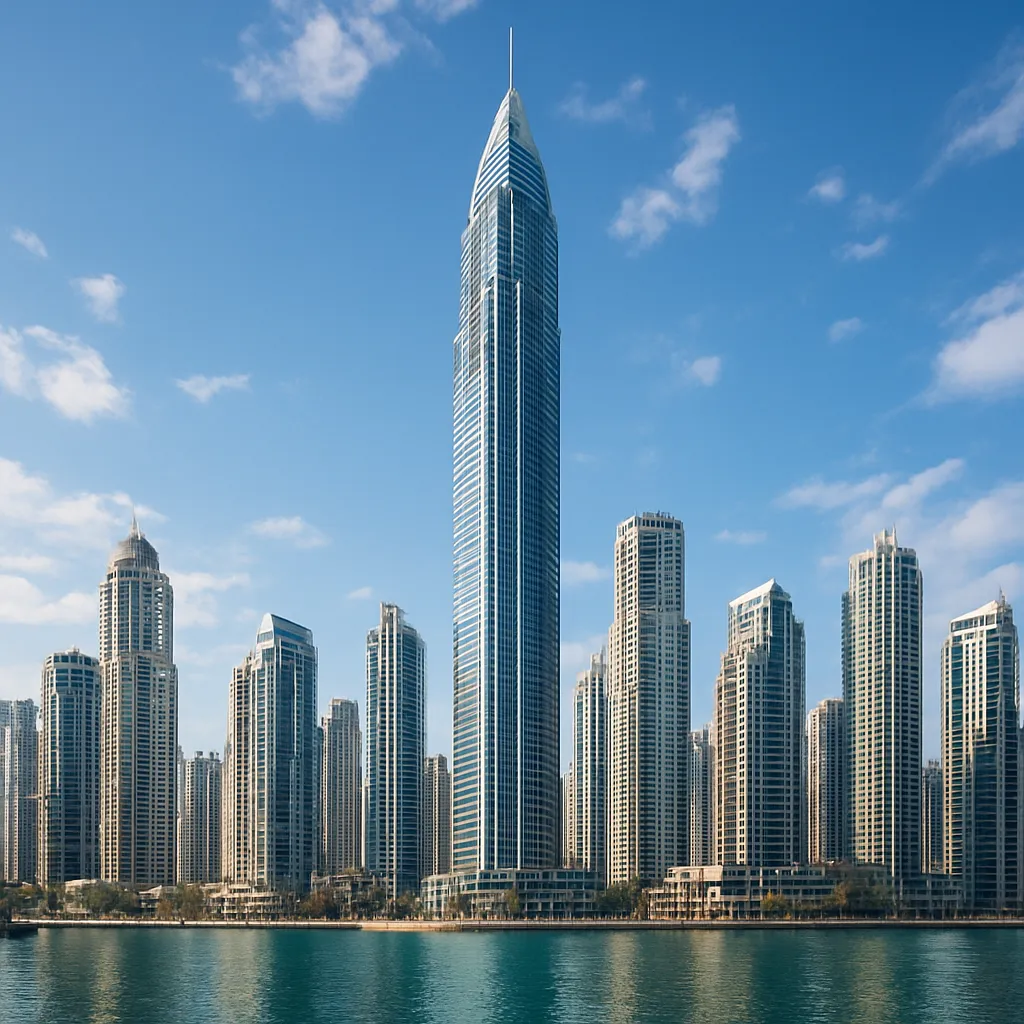
DoubleTree by Hilton JBR is situated within the Jumeirah Beach Residence complex, a mixed-use waterfront community that lines the Persian Gulf in the Dubai Marina area. JBR is one of Dubai’s most active beachfront neighborhoods, beloved for its pedestrianized promenade known as The Walk, sandy beaches, cafés, retail, and a lively atmosphere day and night. The hotel’s proximity to both the beach and Dubai Marina places it at a practical crossroads for tourists wanting easy access to leisure, dining, nightlife, and sea-based activities.
Neighborhood snapshot
- Jumeirah Beach Residence (JBR) comprises a large cluster of towers and mixed-use buildings developed to provide both residential apartments and hospitality services.
- The Walk at JBR is a roughly 1.7-kilometer beachfront promenade lined with shops, restaurants, and entertainment — a major draw for visitors and residents alike.
- Nearby attractions include the Dubai Marina, Bluewaters Island (home to Ain Dubai, the observation wheel), and a wide range of water sports operators and leisure vendors along the shore.
- Transportation links are strong: easy access to Sheikh Zayed Road, local tram and metro services in the marina area, and frequent taxi and ride-hailing options for exploring the wider city.
Design, architecture and accommodation
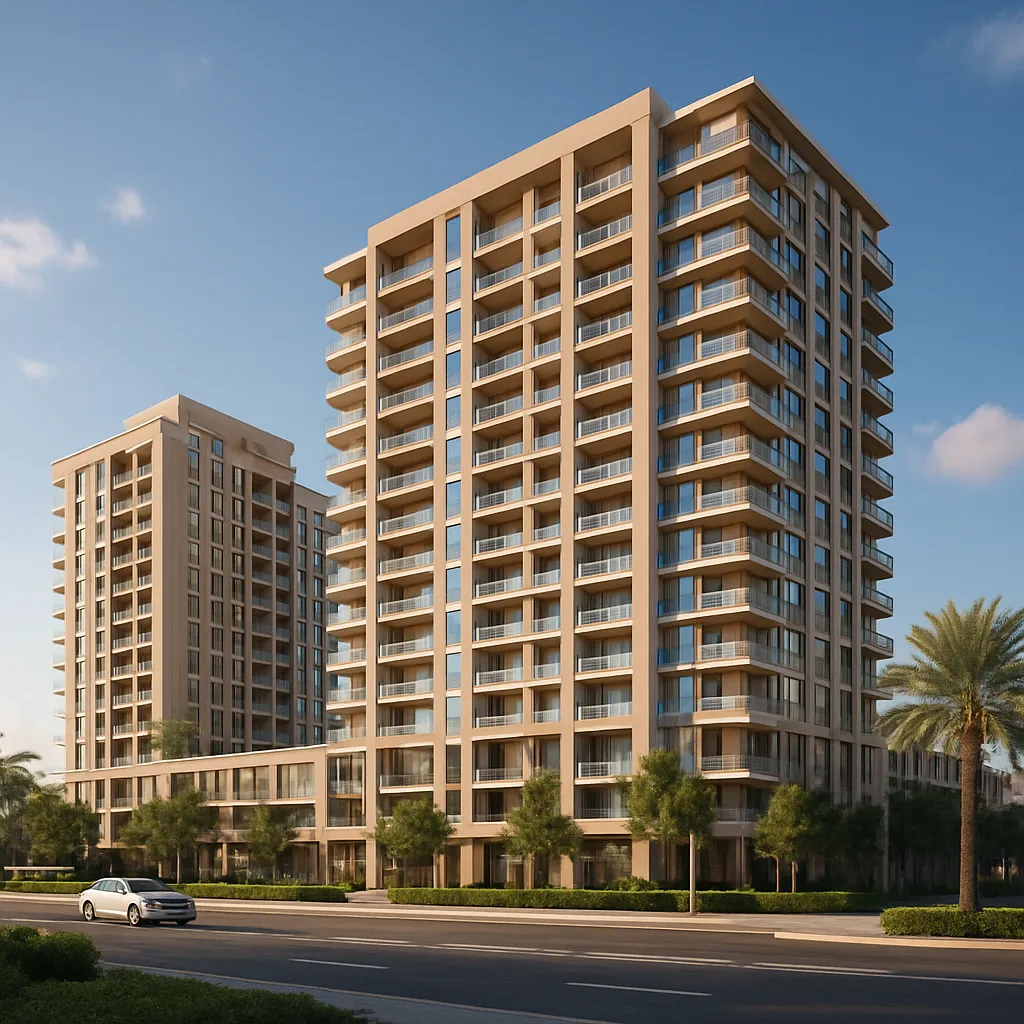
The DoubleTree by Hilton JBR presents a contemporary, hospitality-focused design typical of international mid- to upper-scale hotels in Dubai. While the development integrates into a skyline dominated by residential towers, the hotel emphasizes comfort, functionality, and a sense of coastal luxury tailored to holidaymakers and business travelers alike.
Architecture and style
The overall aesthetic favors modern materials and clean lines with an emphasis on glass, light, and ocean-facing orientation where possible. Public spaces are designed to be inviting and practical: a lobby that balances formality and warmth, public dining areas with indoor/outdoor options, and recreational terraces that take advantage of the mild winter climate and ocean views.
Rooms and hospitality features
- Guestroom categories typically range from standard rooms to suites with enhanced living space and panoramic views of the sea or marina.
- Rooms are equipped with contemporary hospitality amenities — comfortable beds, work desks, modern bathrooms, and in many instances balconies or large windows to maximize natural light.
- DoubleTree by Hilton properties are globally known for their signature warm chocolate chip cookie served at check-in — a small but memorable hospitality gesture that contributes to guest satisfaction.
Facilities and guest experience
DoubleTree by Hilton JBR is designed to cater to a blended audience of holidaymakers, families, and business travelers. Facilities typically include pools, fitness centers, meeting rooms, and multiple food and beverage outlets, aiming to provide a full-service stay on-site while being a short walk from JBR’s external attractions.
Recreation and dining
- Outdoor and rooftop swimming pools and sun terraces for relaxing with sea breezes and views.
- Fitness and wellness facilities: a gym with cardio and weight equipment, and often space allocated for yoga or other classes.
- On-site restaurants and bars offering international and regional cuisines, with many outlets opening onto terraces or offering views toward the beach.
Business and events
For business travelers and event planners, the hotel typically supplies meeting rooms and banquet facilities suitable for small to medium-sized conferences, business meetings, and private celebrations. Flexible meeting spaces and contemporary audiovisual equipment make it convenient for corporate functions tied to Dubai’s business calendar.
Connectivity and local attractions
One of the hotel’s strongest selling points is immediate access to the beach and to JBR’s energetic promenade. Guests can move easily between sunbathing and shopping, or choose to venture to nearby neighborhoods that are equally rich in attractions and dining options.
Key nearby highlights
- The Walk at JBR — promenade shopping, street performances, cafés, and an evening atmosphere ideal for families and young visitors alike.
- Dubai Marina — a short stroll or ride away, offering marinaside dining, cruising opportunities, and accessible nightlife.
- Bluewaters Island and Ain Dubai — within easy reach for those seeking panoramic city and sea views.
- Beach activities — jet-skiing, parasailing, stand-up paddleboarding, and organized boat trips depart frequently from the JBR shoreline.
Sustainability, operations and management
Hotels in Dubai, including international branded properties, have progressively focused on sustainability measures driven by guest expectations, corporate standards, and local regulations. DoubleTree by Hilton properties generally follow brand-wide programs for energy efficiency, waste reduction, and responsible water use. This can include LED lighting, modern HVAC systems designed for efficiency in hot climates, water-saving fixtures, and waste management programs.
Brand standards and local adaptation
As part of the Hilton portfolio, the DoubleTree at JBR operates under global standards for service, cleanliness, and guest safety. Local teams adapt these standards to Dubai’s climate, cultural norms, and the expectations of international travelers. This combination of global consistency and local sensitivity helps maintain consistent guest experiences while respecting regional practices and regulations.
Interesting facts, performance indicators and statistics
While exact operational statistics vary over time and with market conditions, there are several measurable aspects worth noting about the hotel and its environment.
Community and development statistics
- Jumeirah Beach Residence is a large-scale waterfront community developed to combine residential towers with hospitality and retail. The district includes dozens of towers and thousands of residential units, creating a dense, active seaside population that supports restaurants, shops, and leisure operators.
- The Walk’s length is commonly cited as approximately 1.7 kilometers, making it one of the most walkable and tourist-oriented beachfront promenades in Dubai.
- Visitor footfall on weekends and holiday seasons along JBR and The Walk is typically high, reflecting the area’s popularity among both tourists and Dubai residents.
Hotel performance indicators (typical ranges)
- Occupancy: Hotels in prime JBR locations often experience seasonal fluctuations, with higher occupancies during cooler months (November–April) and lower occupancy in the hottest months. Typical average occupancies for well-rated beachfront hotels can vary widely by year and market conditions.
- Guest ratings: Branded mid- to upper-scale hotels in this area frequently achieve guest review scores in the higher range on major travel platforms, often between 4.0 and 4.5 out of 5, depending on service levels and recent renovations.
- Average length of stay tends to be multiple nights for leisure travelers, with many visitors combining beach time with city sightseeing and short excursions to desert or cultural sites.
Role in Dubai’s tourism and economic landscape
DoubleTree by Hilton JBR contributes to Dubai’s broader tourism economy by adding room supply in a prime leisure location. Hotels in JBR support local employment, indirect economic activity in retail and dining, and provide venues for meetings and events that attract business tourism.
Economic and social contributions
- Employment: Hotels generate jobs in front-line hospitality, maintenance, F&B, sales, and administration.
- Ancillary spending: Guests contribute to local retail, food and beverage, leisure excursions, and transport services.
- Seasonality and diversification: Properties in JBR help smooth tourism flows by offering beach and family-friendly experiences complementing Dubai’s cultural, business, and shopping attractions.
Practical tips for guests
Travelers considering a stay at DoubleTree by Hilton JBR can enhance their experience with a few practical tips:
- Book in advance for stays during the high season (November–April) to secure preferred room types and rates.
- Check whether your room includes beach access or if public beach facilities are used; this can change by property and season.
- Take advantage of the JBR promenade for evening walks, dining, and street entertainment — it offers a convenient alternative to hotel nightlife.
- Use public and shared transport options to reach other parts of Dubai: the Dubai Tram and Metro combined with tram-to-metro connections make sightseeing straightforward without relying solely on taxis.
Conclusion: what makes DoubleTree by Hilton JBR stand out
DoubleTree by Hilton JBR is more than a building; it is part of a well-known beachfront community that blends leisure, hospitality, and coastal living. The property leverages its location on the JBR strip to offer convenient access to the beach, dining, and entertainment while delivering a brand-consistent hospitality experience marked by warm service gestures and practical amenities. For travelers seeking a base that balances seaside relaxation with easy access to Dubai’s wider attractions, this hotel remains an attractive, reliable choice within a dynamic urban seaside setting.