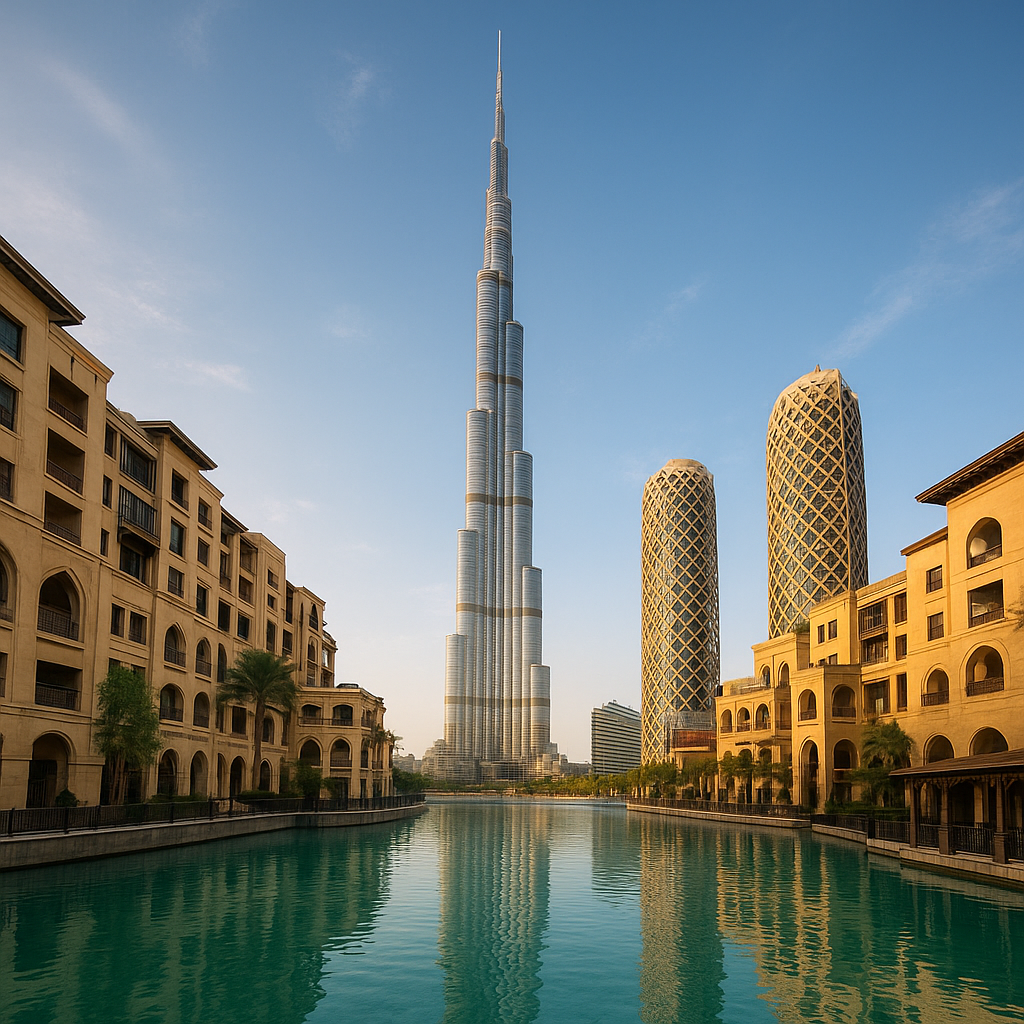
Located at the heart of Downtown Dubai, the Souk Al Bahar complex occupies a distinctive place among the city’s skyline and urban experiences. Nestled beside the Burj Khalifa and connected to the Dubai Mall by a pedestrian bridge, Souk Al Bahar combines traditional Arabian market aesthetics with contemporary retail and dining. This article explores the building and its surroundings, offering historical context, architectural insights, visitor information, and interesting facts that highlight why this corner of Downtown Dubai remains one of the city’s most visited and photographed spots.
Location and urban context
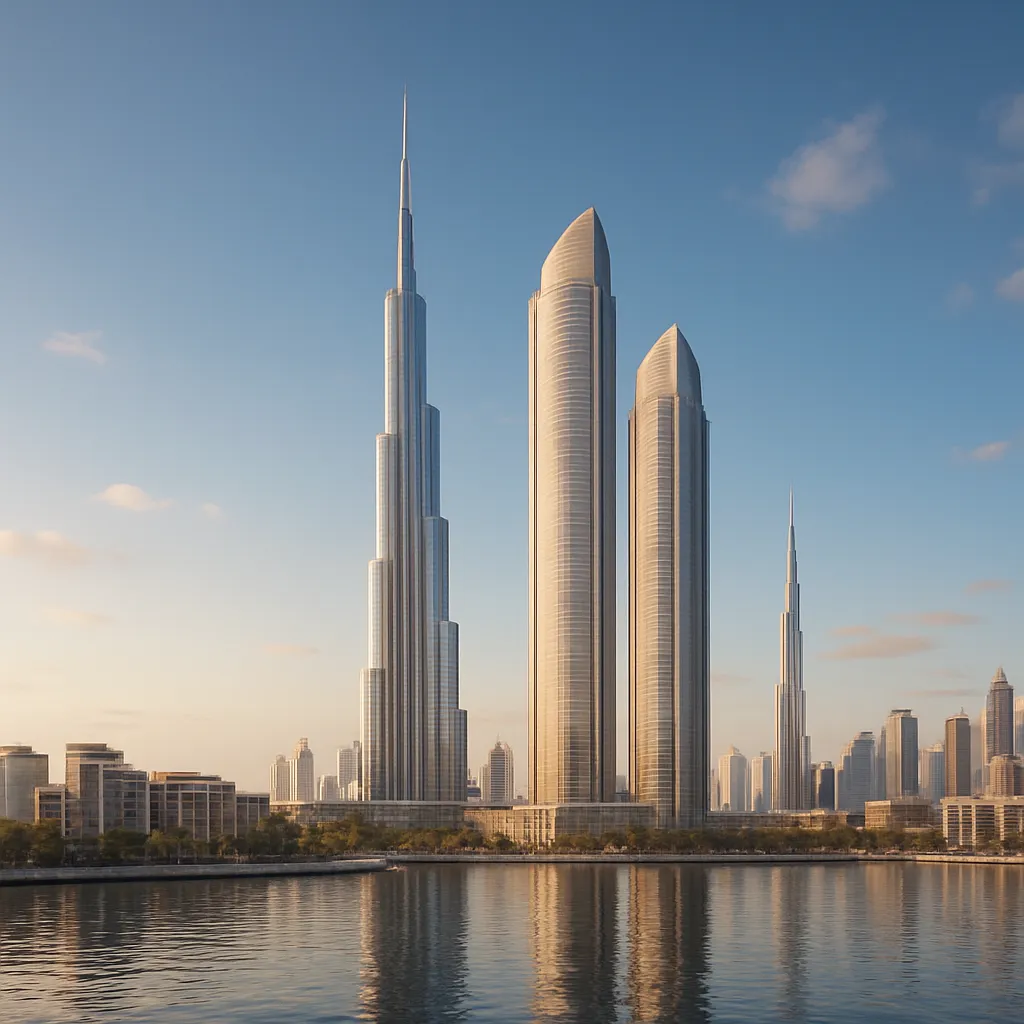
Souk Al Bahar sits on a man-made island adjacent to the Dubai Fountain and the Burj Khalifa Lake, forming a visual and functional extension of the Downtown Dubai district. The area is a deliberately planned mixed-use precinct that includes some of the world’s most iconic landmarks, such as the Burj Khalifa, the Dubai Mall, and the choreographed Dubai Fountain shows. The mall’s position on the waterfront gives it commanding views of the fountain performances and easy access to the main pedestrian routes that connect the district’s hotels, residential towers, and attractions.
The complex is often mistaken for older, traditional markets because of its design language; however, it is a modern development aimed at evoking the ambience of an old Arabian souk. Its proximity to major transport nodes, including Dubai Metro stations and the city’s extensive taxi and ride-hailing networks, makes it accessible to both residents and tourists. Within the Downtown area, Souk Al Bahar acts as a quieter, more intimate counterpart to the bustling Dubai Mall while still benefiting from the same high footfall generated by the surrounding attractions.
Architecture and design
Traditional inspiration, modern execution
The design intent behind Souk Al Bahar is rooted in a reinterpretation of the classic Arabian marketplace. Instead of glass-and-steel minimalism, the complex uses textured facades, archways, courtyards, wooden detailing, and lantern-style lighting to create a sense of place reminiscent of historic souks. This approach provides a sensory contrast to the glossy interiors of neighboring mega-malls and helps create an environment suited to leisurely dining and evening promenades.
Material palette and urban form
Externally, the complex uses warm-toned materials and finishes that harmonize with the desert palette and the artificial waterfront’s reflective qualities. While the construction techniques and services are fully modern—HVAC, reinforced concrete, and contemporary building systems—the visible architecture emphasizes human-scale passageways and outdoor terraces. The building’s terraces and balconies, many overlooking the Dubai Fountain, are a defining feature and a major reason for its popularity as a dining destination.
Connectivity and public realm
One of the project’s strengths is its seamless connectivity to the surrounding public realm. A prominent pedestrian bridge links Souk Al Bahar to the Dubai Mall, facilitating visitor circulation between two very different retail experiences. The waterfront promenade around the lake acts as a public amenity, drawing people to the fountain area and creating continuous sightlines to the Burj Khalifa. The scale and rhythm of the walkways, arcades, and bridges are intended to encourage exploration on foot, reinforcing the traditional market model where discovery is part of the experience.
Functions: retail, dining, and leisure
Souk Al Bahar is primarily a lifestyle and dining destination rather than a large-format retail mall. It hosts a curated mix of restaurants, cafes, boutique shops, and art galleries, with a heavy emphasis on venues that offer waterfront views of the Dubai Fountain. The atmosphere leans toward upscale casual, with many restaurants open late to coincide with fountain showtimes and the vibrant evening life of Downtown Dubai.
- Dining: A wide selection of cuisines—Middle Eastern, Mediterranean, Asian, and international—make the souk a popular destination for both special occasions and casual dinners. Many venues provide outdoor terraces overlooking the fountain, which are highly sought after for their views during the choreographed performances.
- Retail: Instead of large international brand anchors, Souk Al Bahar focuses on boutique retail, artisanal goods, traditional crafts, and specialty stores that complement the atmospheric architecture.
- Leisure: The complex hosts events, seasonal markets, and occasional cultural performances. Its galleries and exhibition spaces showcase regional art and rotating displays that appeal to visitors seeking cultural experiences beyond shopping and dining.
The mix of uses creates a destination that feels less like a single-purpose mall and more like a compact, curated district—one that encourages lingering and social interaction rather than rapid transactions.
Visitor statistics and practical data
Exact, up-to-date publicly released statistical data for Souk Al Bahar (such as annual visitor numbers or gross leasable area) is limited in the public domain. However, several practical metrics and contextual figures are useful for understanding its scale and role within Downtown Dubai:
- Scale: Souk Al Bahar is a mid-sized complex compared with mega-malls such as the Dubai Mall. It comprises a few levels of retail and dining space arranged around courtyards and terraces, designed for high-quality hospitality rather than high-volume retail.
- Footfall: While there are no precise public tallies, footfall is significant, driven primarily by tourists visiting the Burj Khalifa, Dubai Mall, and Dubai Fountain. The waterfront restaurants and the pedestrian bridge ensure steady visitor circulation throughout the day and into the evening.
- Operating hours: Most retailers and restaurants operate on hours comparable to major shopping centers in Dubai—typically opening mid-morning and extending late into the evening to match fountain shows and dining demand.
- Access: Direct pedestrian connection to Dubai Mall and proximity to key hotel and residential towers create strong accessibility. Public transport via Dubai Metro’s Burj Khalifa/Dubai Mall station and comprehensive taxi services make it easy to reach for visitors across the city.
These contextual statistics highlight that Souk Al Bahar’s importance stems less from raw numbers and more from the quality of its setting, its complementary role to surrounding attractions, and its success as a waterfront dining and leisure destination.
Cultural and urban significance
Souk Al Bahar’s significance goes beyond its retail footprint. It functions as a cultural and social interface between traditional Arab marketplaces and Dubai’s contemporary urbanism. By referencing local architectural elements and fostering outdoor, communal spaces, it contributes to a narrative of place-making in Downtown Dubai, where global icons meet regional identity.
As a venue that frequently hosts cultural events, seasonal markets, and public performances, Souk Al Bahar helps activate the lakefront beyond the scheduled Dubai Fountain shows. It is the kind of development that supports both everyday urban life for residents and curated experiences for tourists, strengthening Downtown Dubai’s appeal as a 24-hour destination.
Notable features and interesting facts
- Waterfront terraces: One of the most distinctive experiences at Souk Al Bahar is dining on terraces that offer direct views of the Dubai Fountain and the Burj Khalifa, especially at dusk and during evening performances.
- Bridge connection: The pedestrian bridge linking Souk Al Bahar to the Dubai Mall not only provides convenience but creates a cinematic route between two contrasting retail environments—one vast and modern, the other intimate and traditionally inspired.
- Night atmosphere: Unlike many shopping centers that wind down at night, Souk Al Bahar comes alive in the evenings when restaurants fill and fountain shows attract crowds; the lighting and architecture amplify the nocturnal ambiance.
- Culinary diversity: The souk is known for a collection of restaurants ranging from fine dining to more casual cafes, often featuring regional specialties as well as international menus.
- Event programming: Seasonal markets, festive decorations, and cultural exhibitions periodically transform the souk into an event hub that complements the programmed attractions of Downtown Dubai.
Practical visitor tips
Visiting Souk Al Bahar is best planned around the Dubai Fountain schedule for those seeking the full sensory experience. Here are practical tips to enhance the visit:
- Timing: Arrive at least 30 minutes before a major fountain show if you want a prime terrace seat; many restaurants reserve the best vantage points for diners with reservations.
- Reservations: During weekends and holiday periods, make restaurant reservations in advance, especially for terrace seating.
- Accessibility: The complex is pedestrian-friendly and connected to surrounding attractions; it is wheelchair-accessible with ramps and elevators to support mobility-impaired visitors.
- Transport: The Dubai Metro’s Burj Khalifa/Dubai Mall station is the nearest rapid transit stop; from there, covered walkways and shuttle options lead toward the souk and the mall.
- Dress and etiquette: While Dubai is cosmopolitan, moderate dress is advised in public and restaurant spaces, particularly during religious holidays. Respectful behavior in public spaces ensures a comfortable visit for all.
Comparisons and local context
Within the context of Downtown Dubai’s dense cluster of attractions, Souk Al Bahar functions as a complementary asset rather than a competitor. Compared with the Dubai Mall’s sheer scale and international retail offering, Souk Al Bahar emphasizes atmosphere, dining, and cultural touches. This complementary role is strategic: many visitors combine a trip to the Dubai Mall with an evening meal or stroll at Souk Al Bahar, creating a flow between the vast indoor retail experience and the social, outdoor-oriented souk environment.
It’s also helpful to distinguish Souk Al Bahar from other similarly named projects in the UAE. For instance, “Al Bahr” or “Al Bahar Towers” refers to towers in Abu Dhabi famous for dynamic shading facades—a very different project and location. The Souk Al Bahar in Downtown Dubai is focused on waterfront retail and hospitality, anchored by its relationship to the Dubai Fountain and Burj Khalifa.
Environmental and urban sustainability elements
While not widely promoted as a model of green architecture, Souk Al Bahar incorporates common Dubai urban design strategies that respond to the climate and visitor comfort. Shaded walkways, orienting outdoor spaces toward breezeways, and using materials and overhangs that reduce direct solar exposure contribute to a more comfortable microclimate. Additionally, the building’s integration with public transport and pedestrian connections supports walkability and reduces short car trips within the Downtown precinct.
Developments in Downtown Dubai are increasingly evaluated through sustainability lenses, and amenities such as energy-efficient lighting, waste management programs, and water-conserving landscaping raise the overall environmental performance of the area. As policies and tenant practices evolve, complexes like Souk Al Bahar are likely to adopt further sustainability measures to align with the emirate’s green objectives.
Future prospects and role in Downtown Dubai
Downtown Dubai continues to evolve as a high-profile mixed-use district. Souk Al Bahar’s future prospects are tied to the vitality of the precinct: its role as a refined dining and cultural destination positions it well to benefit from ongoing tourism and residential growth. Potential opportunities include expanded event programming, curated retail pop-ups, and partnerships with cultural institutions to diversify offerings while preserving the souk’s distinctive atmosphere.
Continued investment in transport access, wayfinding, and digital services (such as reservation platforms and visitor apps) will help Souk Al Bahar maintain relevance in a competitive leisure market. Its waterfront location remains a strategic asset, ensuring that the complex will continue to attract both casual visitors and destination diners for years to come.
Summary
Souk Al Bahar is a carefully conceived component of Downtown Dubai’s urban fabric. Combining references to traditional Arabian souks with contemporary amenities, it provides a complementary experience to neighboring mega-attractions. Known for its waterfront terraces, dining options, and pedestrian connectivity, Souk Al Bahar occupies a unique niche—one that emphasizes atmosphere, views of the Dubai Fountain, and an intimate shopping and cultural environment. While large-scale statistical disclosures about the complex are limited, its importance is evident in visitor patterns, its integration with the broader downtown precinct, and its contribution to Dubai’s global image as a city where tradition and modernity meet.