The architectural landscape of Dubai has transformed dramatically over the past few decades, giving rise to a unique urban phenomenon: vertical communities within towering skyscrapers. In a city where land is at a premium and the skyline continuously reaches higher, developers have reimagined the concept of neighborhood living. This article explores how these vertical enclaves foster social interaction, address urban challenges, and contribute to the innovative character of Dubai’s built environment. We will examine the evolution of the skyline, the defining features of vertical communities, the role of sustainability and technology, as well as the challenges and prospects that shape the future of these lofty habitats.
Skyline Evolution and Architectural Marvels
From Desert to Vertical Cities
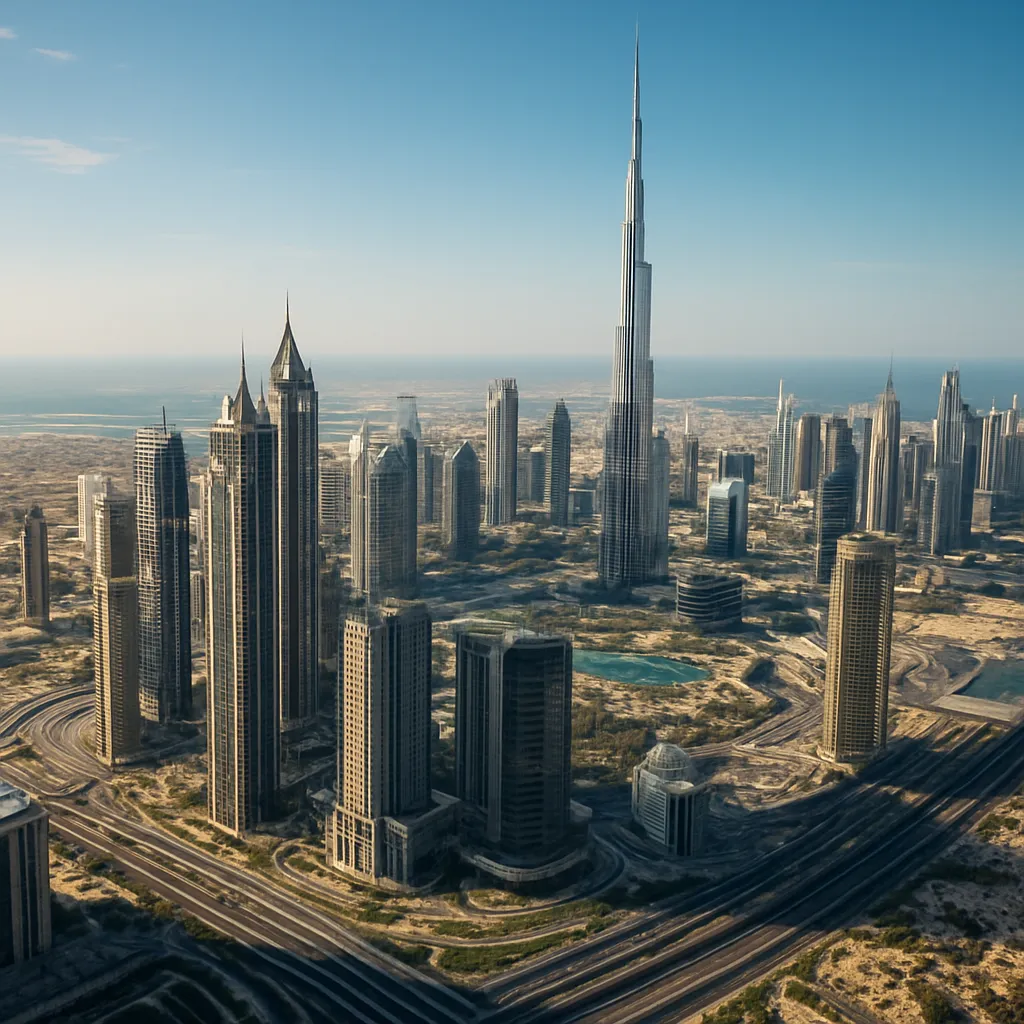
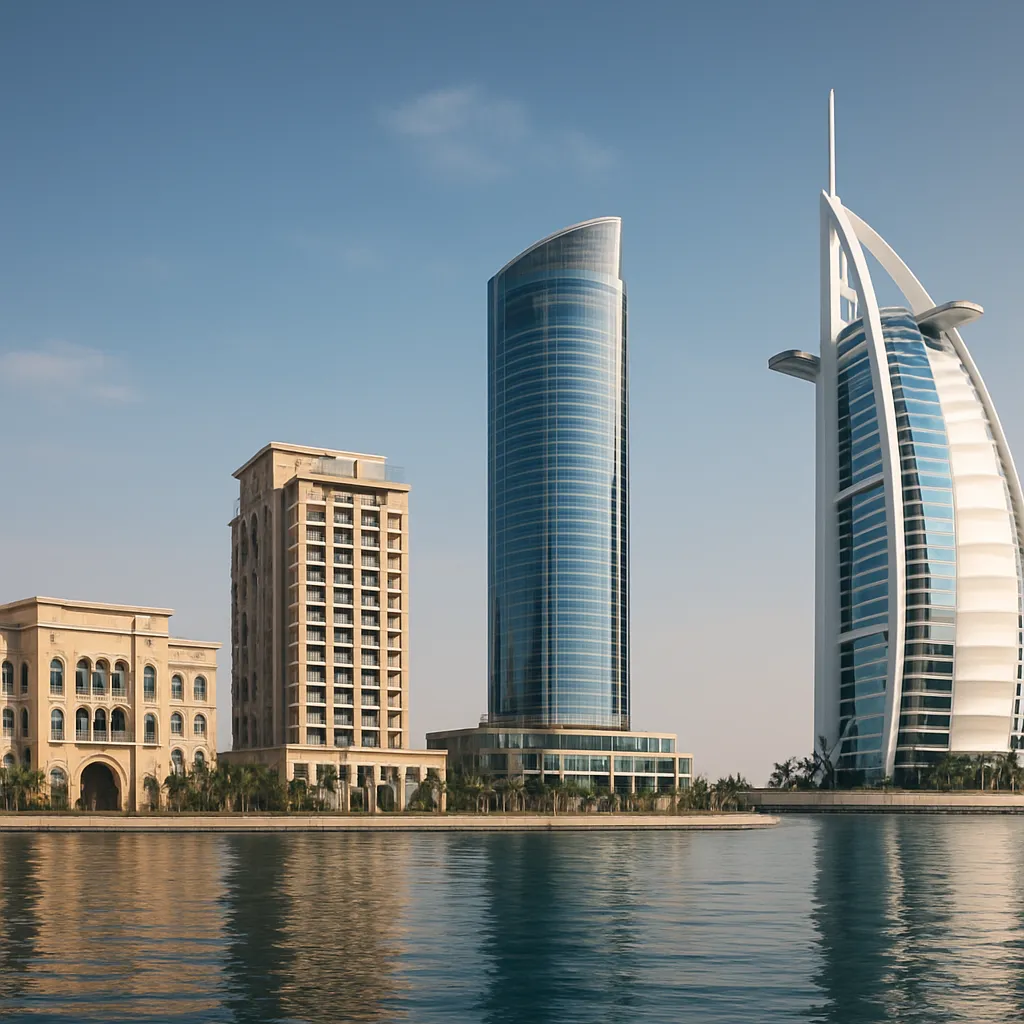
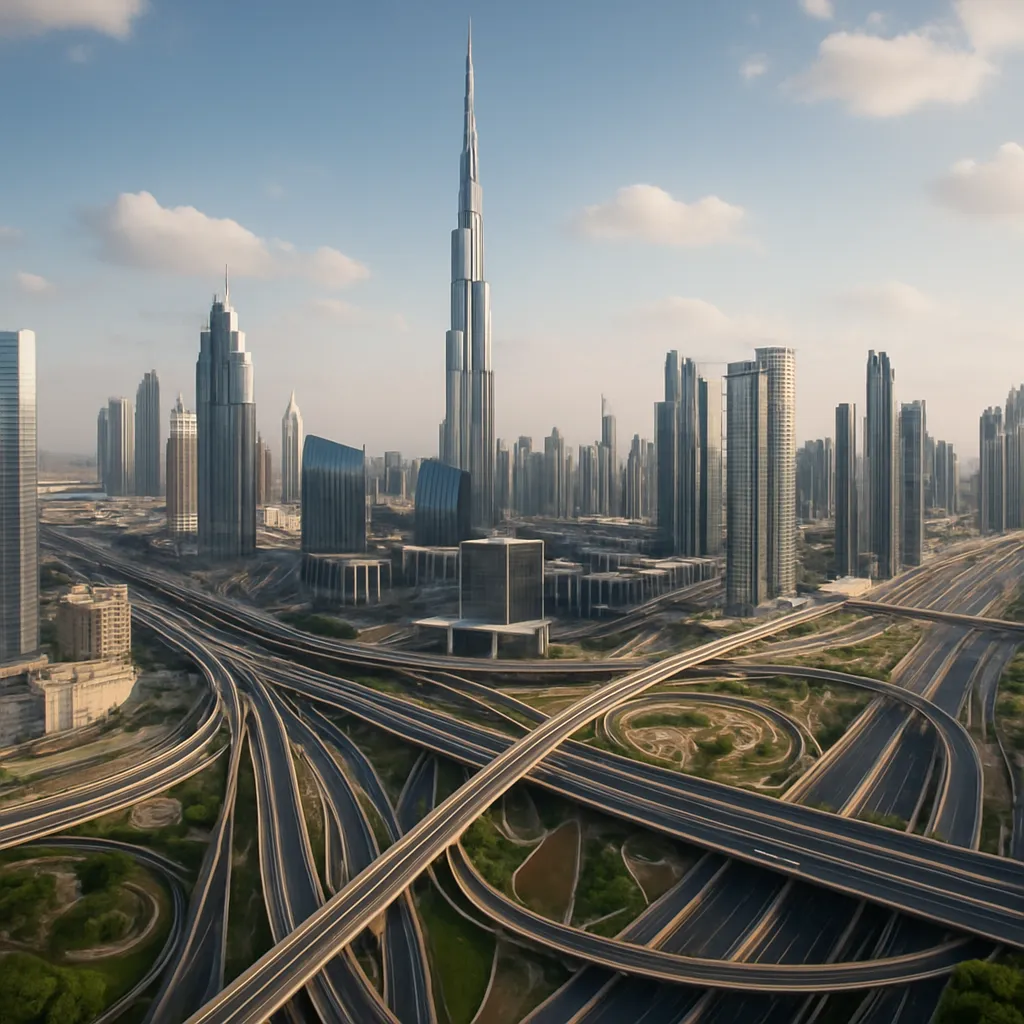
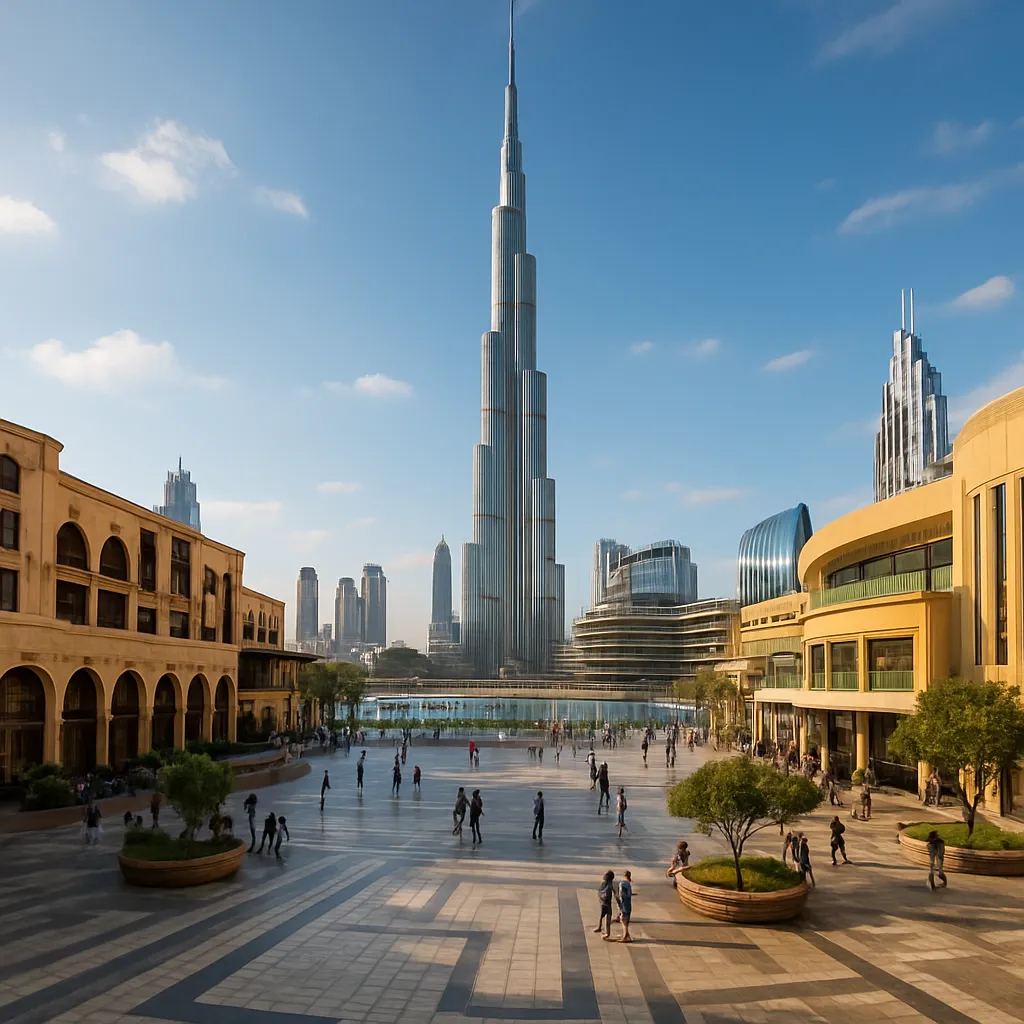
Dubai’s rapid urban growth over the last 50 years has turned empty desert into one of the world’s most recognizable skylines. Innovations in engineering and design have allowed architects to push boundaries, creating structures that are as much symbols of ambition as they are functional living spaces. The shift from traditional low-rise neighborhoods to expansive high-rises reflects a vision of urban density that prioritizes maximizing land use. Iconic structures such as the Burj Khalifa and Princess Tower serve not only as landmarks but also as inspiration for integrating mixed-use developments where residential, commercial, and leisure components coexist in the same footprint.
Key Drivers of Vertical Growth
- Land scarcity: With limited ground area, building upwards is the optimal strategy for accommodating population growth.
- Tourism and investment: International interest fuels demand for luxury apartments and office spaces in landmark projects.
- Regulatory frameworks: Pro-development policies allow for rapid approvals and innovative zoning concepts.
Defining Vertical Communities
Structure and Social Fabric
Unlike conventional apartment blocks, vertical communities in Dubai towers are designed to foster a sense of belonging among residents. Floors are grouped into clusters that share dedicated sky lobbies, communal gardens, and coworking zones. This approach encourages spontaneous encounters and strengthens social networks. The vertical model replicates traditional neighborhood dynamics by creating identifiable “neighborhoods in the sky,” each with its own identity and amenities, rather than a sterile corridor of doors.
Shared Spaces and Amenities
Shared facilities are the backbone of these communities. Carefully curated to cater to diverse interests and age groups, they include:
- Fitness centers and jogging tracks perched hundreds of meters above the ground.
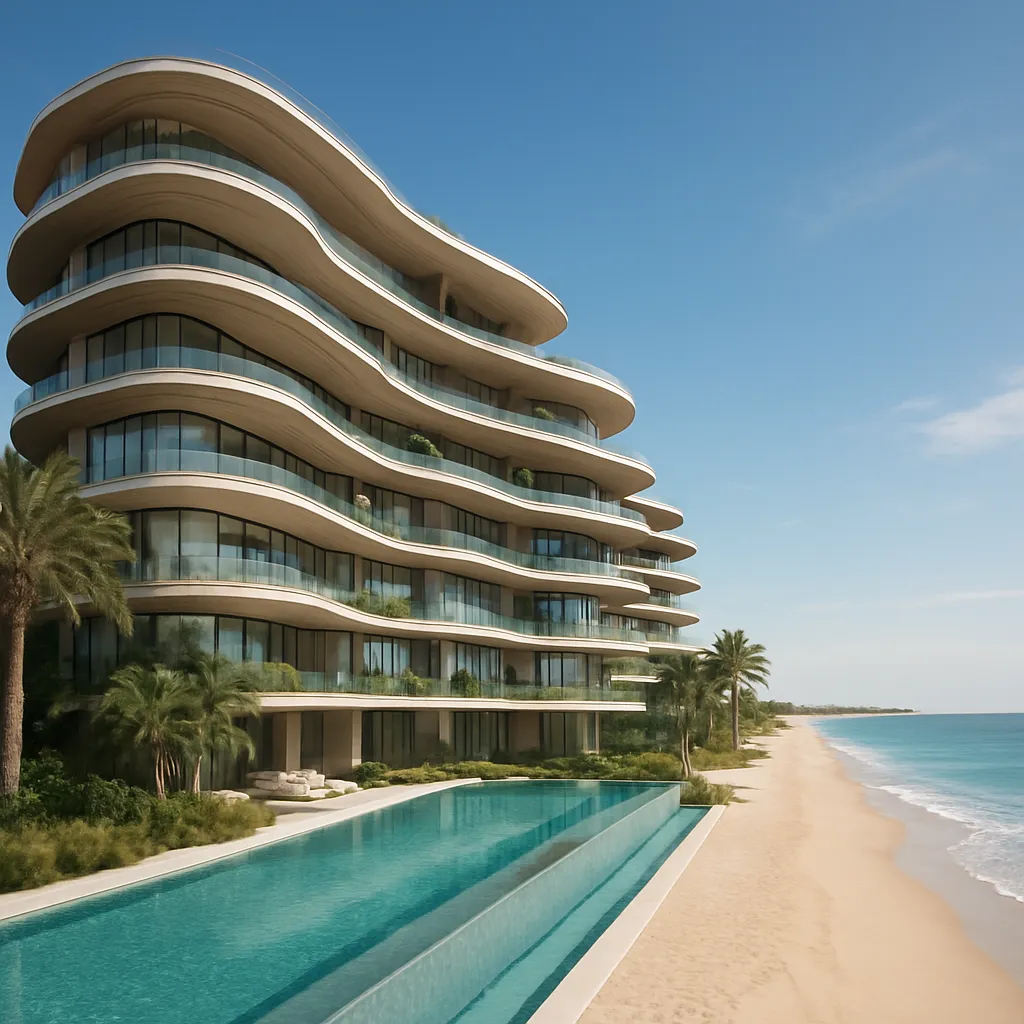
- Swimming pools with infinity-edge views that blur the line between building and skyline.
- Community kitchens, barbecue terraces, and rooftop gardens where residents can connect over urban farming.
- Children’s play areas, pet-friendly zones, and dedicated art studios.
- Multipurpose event halls for cultural gatherings, workshops, and networking events.
These amenities transform the tower from a mere residence into a thriving microcosm, where people can live, work, and socialize without leaving the building.
Sustainability and Smart Integration
Green Towers and Energy Efficiency
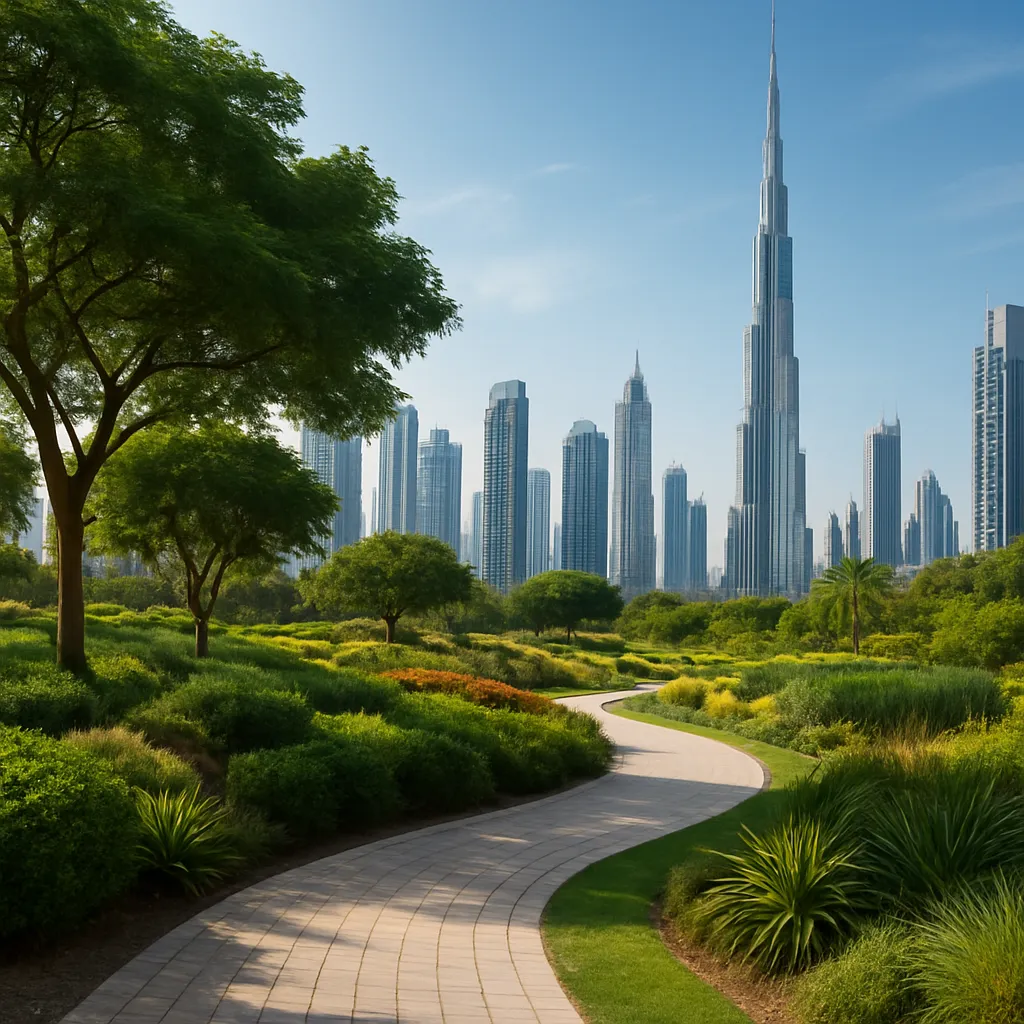
In response to the harsh desert climate, Dubai’s architects incorporate sustainable solutions from the outset. Facades equipped with high-performance glass reduce heat gain, while shading devices and reflective materials minimize cooling loads. Vertical gardens act as natural insulation, improve air quality, and provide psychological benefits by bringing greenery into the urban core. Some towers harvest rainwater and reuse greywater for irrigation, reducing overall demand on municipal supplies.
Smart Technologies
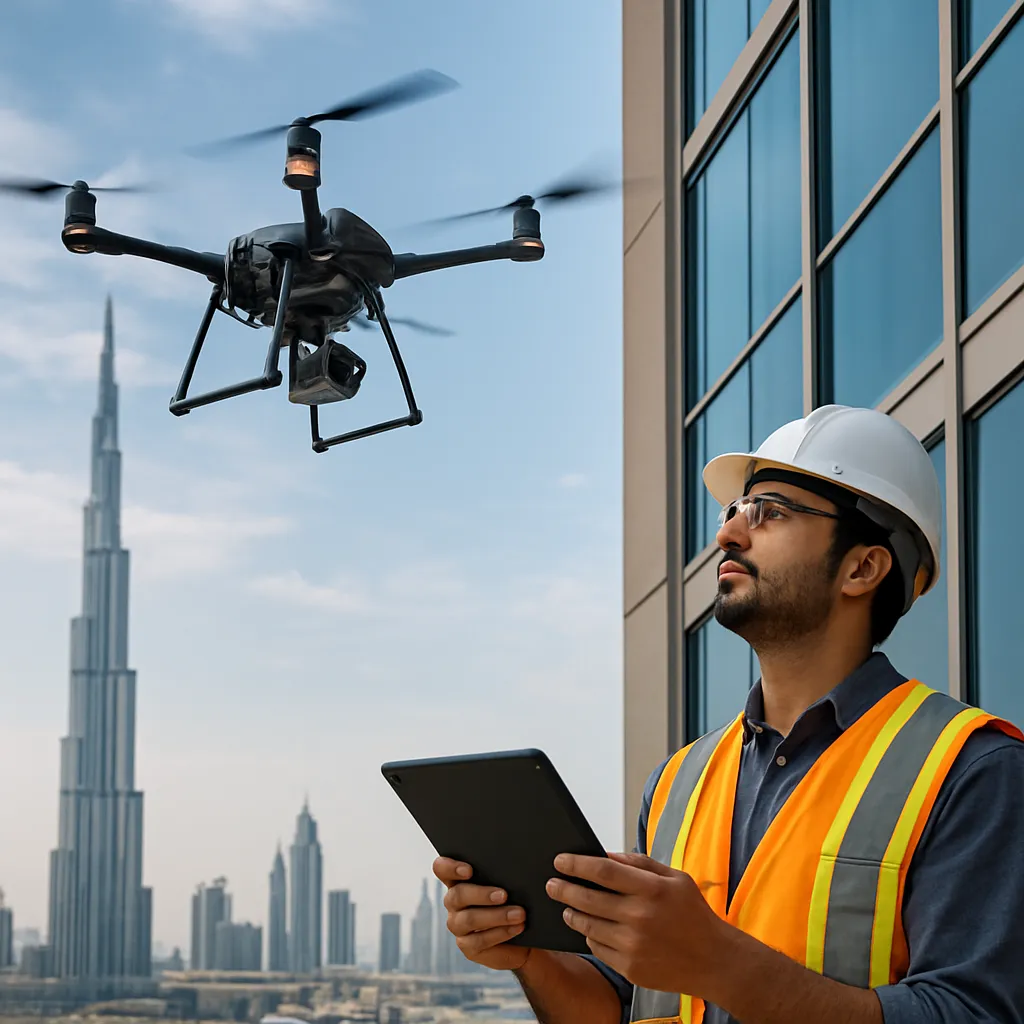
Dubai is at the forefront of integrating smart systems into building management. Internet of Things (IoT) sensors monitor interior environmental conditions—temperature, humidity, air quality—and adjust HVAC systems in real time. Residents can control lighting, climate, and security via mobile apps, fostering convenience and energy conservation. Predictive maintenance algorithms analyze structural data to foresee equipment failures before they occur, enhancing safety and operational efficiency.
Challenges and Future Perspectives
Density and Infrastructure
While vertical living offers solutions to urban sprawl, it also presents challenges. High population density in a single tower can strain utilities, elevators, and emergency egress systems. To mitigate this, developers employ double-decker elevators and sky bridges that distribute foot traffic across multiple cores. District cooling plants supply chilled water to clusters of towers, centralizing energy generation and reducing per-unit consumption. Effective infrastructure planning ensures that these skyscraper communities remain resilient under peak loads.
Social Cohesion and Cultural Influence
Creating genuine community bonds in a transient, cosmopolitan city like Dubai requires intentional design. Many towers host cultural events, language classes, and volunteer initiatives to bridge gaps between residents of diverse backgrounds. Management offices organize festivals that celebrate Emirati heritage alongside international holidays, promoting cultural exchange. As the population evolves, designers are exploring modular units that adapt to changing family sizes and lifestyles, ensuring that vertical communities remain inclusive and enduring.
Emerging Trends and Innovations
Vertical Mixed-Use Ecosystems
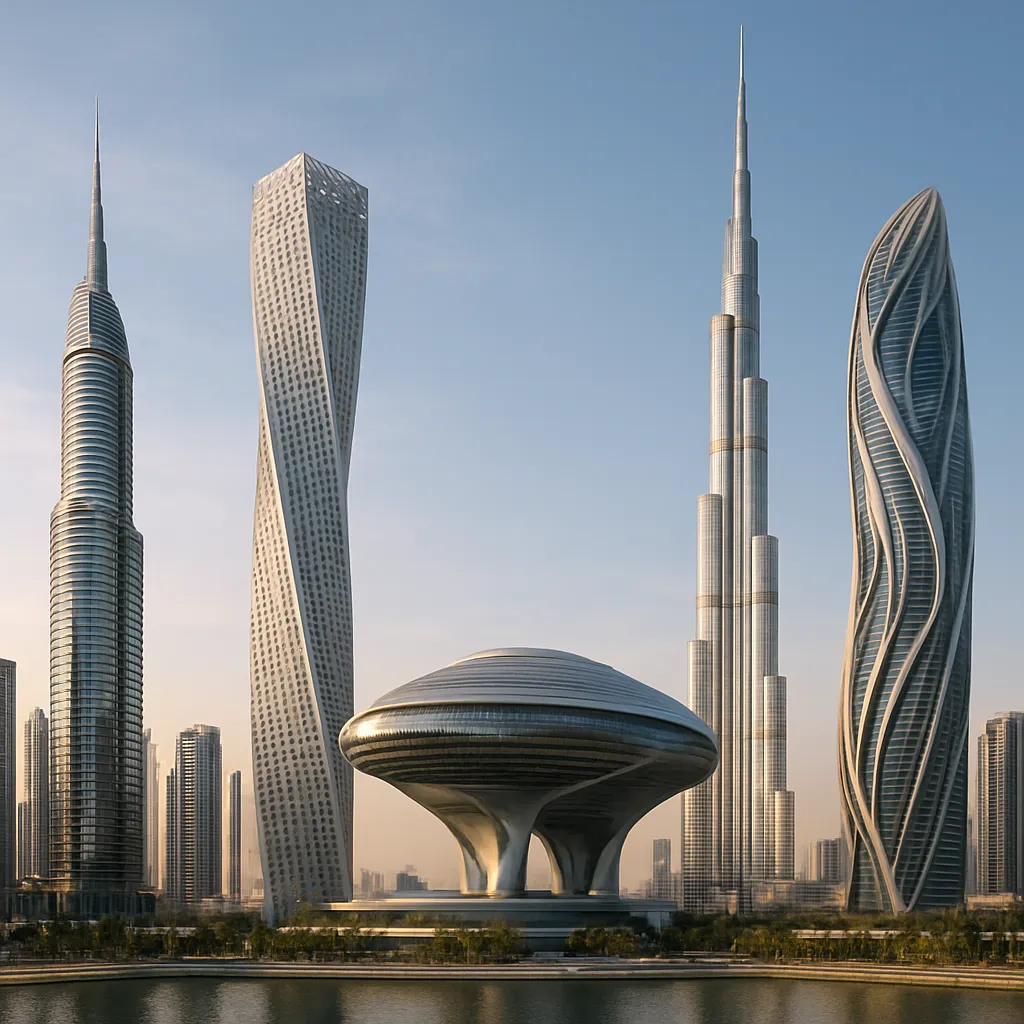
Future towers will blur the lines further between living, working, and entertainment. Developers are planning full-fledged mixed-use ecosystems where retail outlets, co-living spaces, boutique hotels, and educational facilities coexist under one roof. Residents might stroll from their apartment to a coworking hub, to a cinema, and then to a Michelin-starred restaurant—all within the same structure.
Sky Villages and Community Networks
Concepts like “sky villages” propose linking multiple towers through interconnected sky bridges, creating horizontal communities high above street level. These networks allow residents to traverse an entire district without touching the ground, fostering a new dimension of integration and mobility. Shared drone delivery stations and autonomous shuttle services will enhance convenience and reduce congestion at street level.
Implications for Urban Planning
Policy and Governance
As vertical communities become central to Dubai’s urban identity, municipal authorities are adapting regulations to ensure safety, accessibility, and quality of life. Policies emphasize resilience to climate shocks, mandating emergency response drills and robust evacuation strategies. Public-private partnerships fund community programs that enrich social life within towers.
Global Influence
Dubai’s pioneering approach to vertical living serves as a model for other fast-growing cities worldwide. From Shanghai to New York, urban planners study its combination of luxury, technology, and sustainability to inform future high-rise developments. The city’s willingness to experiment with zoning, design incentives, and smart-building trials creates a blueprint for managing density without sacrificing livability.