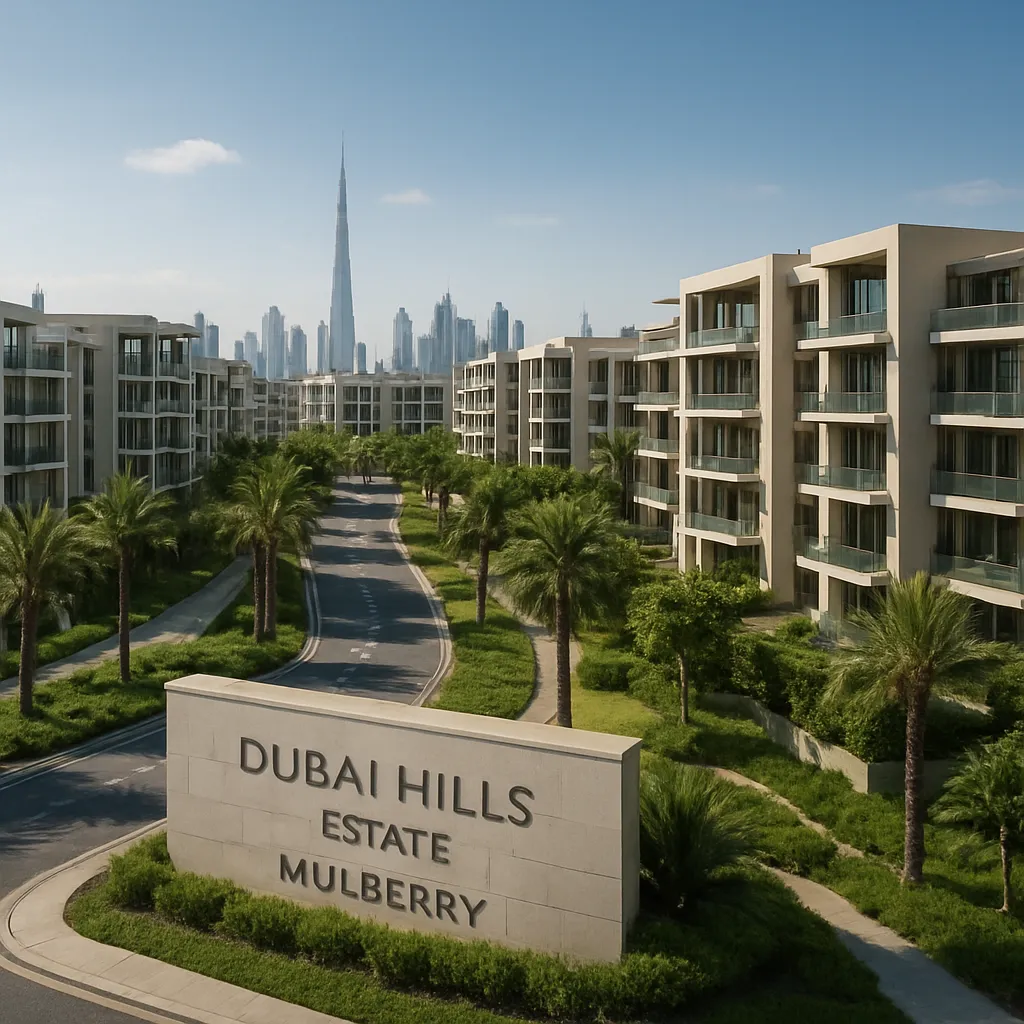
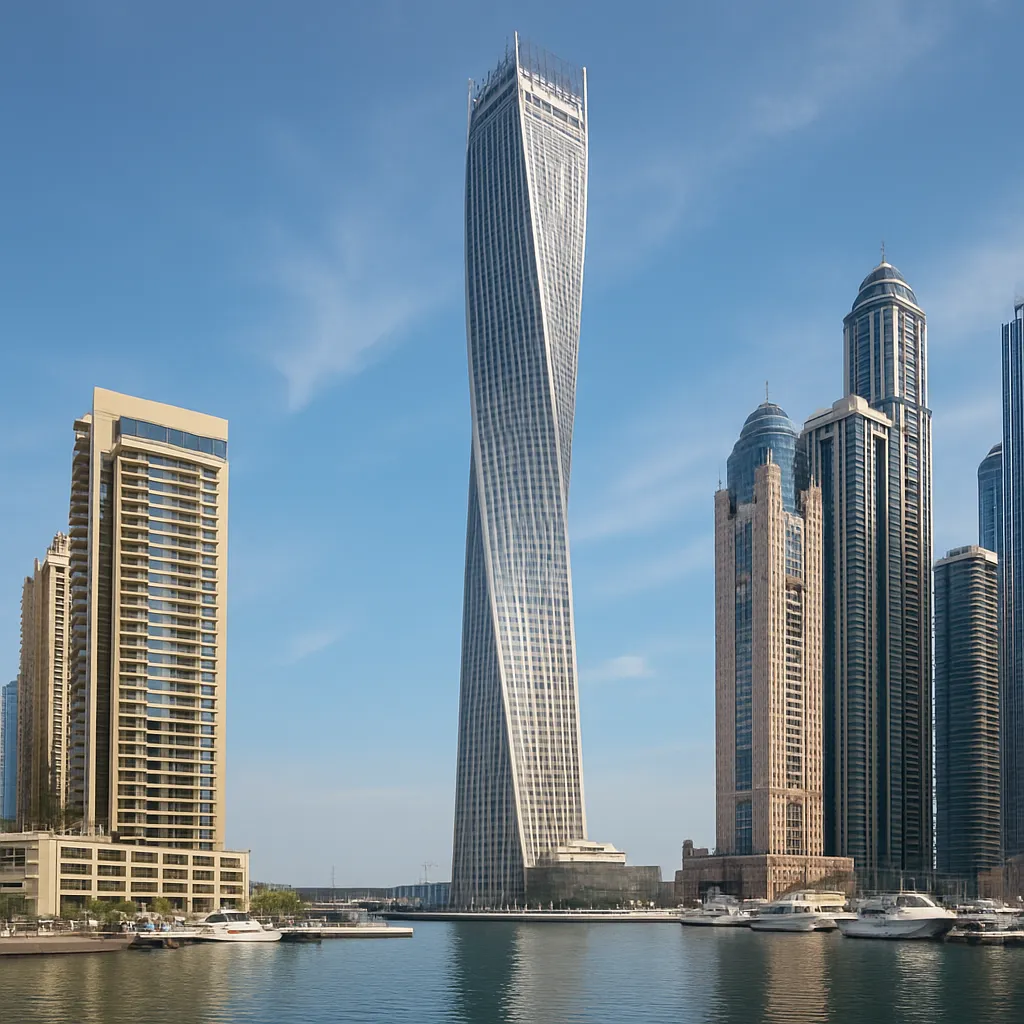
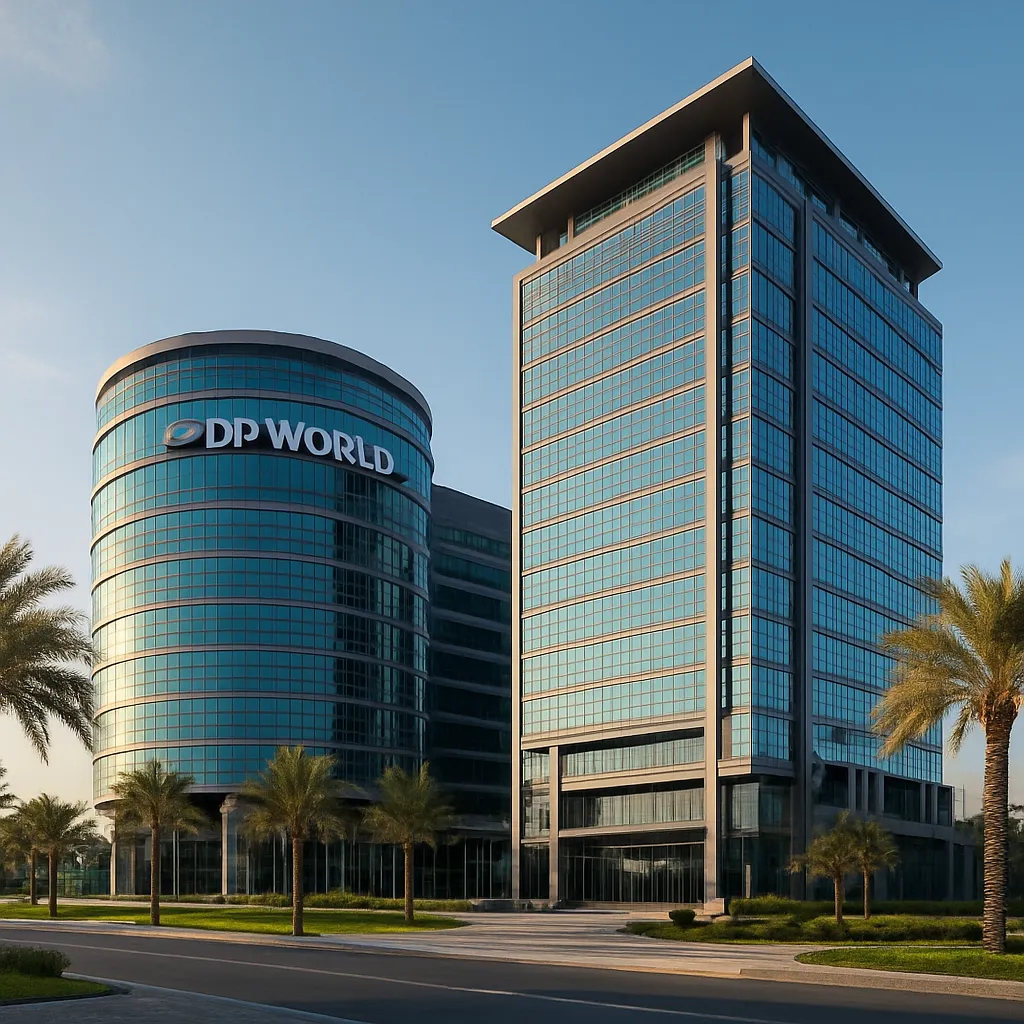
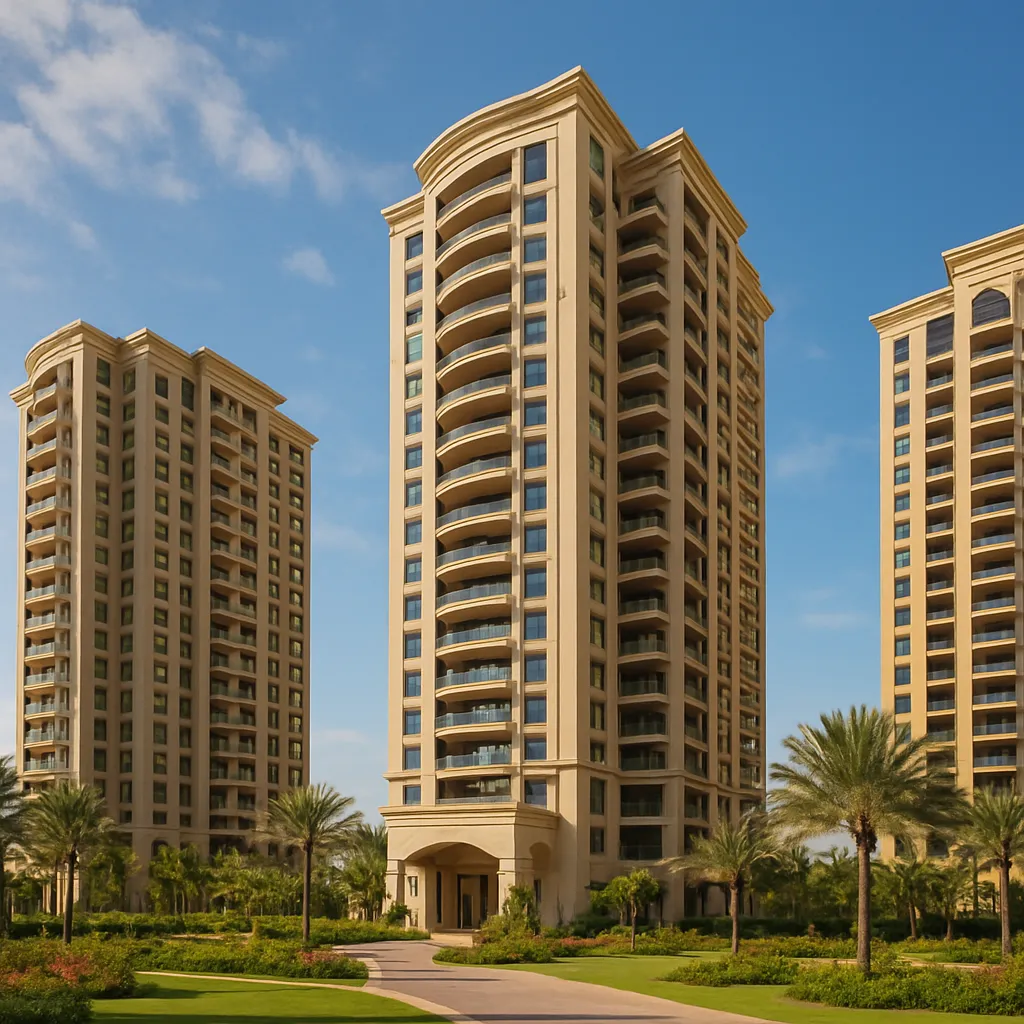
Dubai Internet City Building 1 is a recognizable component of the Dubai Internet City (DIC) business district — a purpose-built technology free zone on the outskirts of central Dubai. This article explores where the building sits within the urban and commercial fabric of Dubai, what makes it notable, and a selection of interesting operational, historical and contextual facts. The discussion covers location and access, architectural and facility features, the building’s role within the larger Dubai Internet City campus and the technology ecosystem it supports. Throughout the text a number of key terms and concepts are emphasized for clarity.
Location and access
Dubai Internet City Building 1 is located within the Dubai Internet City free zone complex, which itself sits along the major transport corridor of Sheikh Zayed Road and the surrounding commercial districts of Dubai. The DIC complex is adjacent to Dubai Media City and Dubai Knowledge Park, forming a contiguous cluster of creative, technology and education-focused free zones often referred to collectively as the TECOM (now part of Dubai Holding’s business communities) cluster. The cluster’s strategic placement offers direct road access to Dubai’s primary business spine, while also providing relatively quick links to Dubai International Airport and the city’s residential neighborhoods.
One of the practical advantages of the DIC location is public transport connectivity. The area is served by the Dubai Metro Red Line through the Dubai Internet City metro station, which reduces commuting friction for professionals and visitors. In addition to the metro, numerous bus routes, taxi services and ride-hailing platforms operate in the district, and internal shuttle services or walking connections link neighboring free zones.
Architecture, layout and facilities
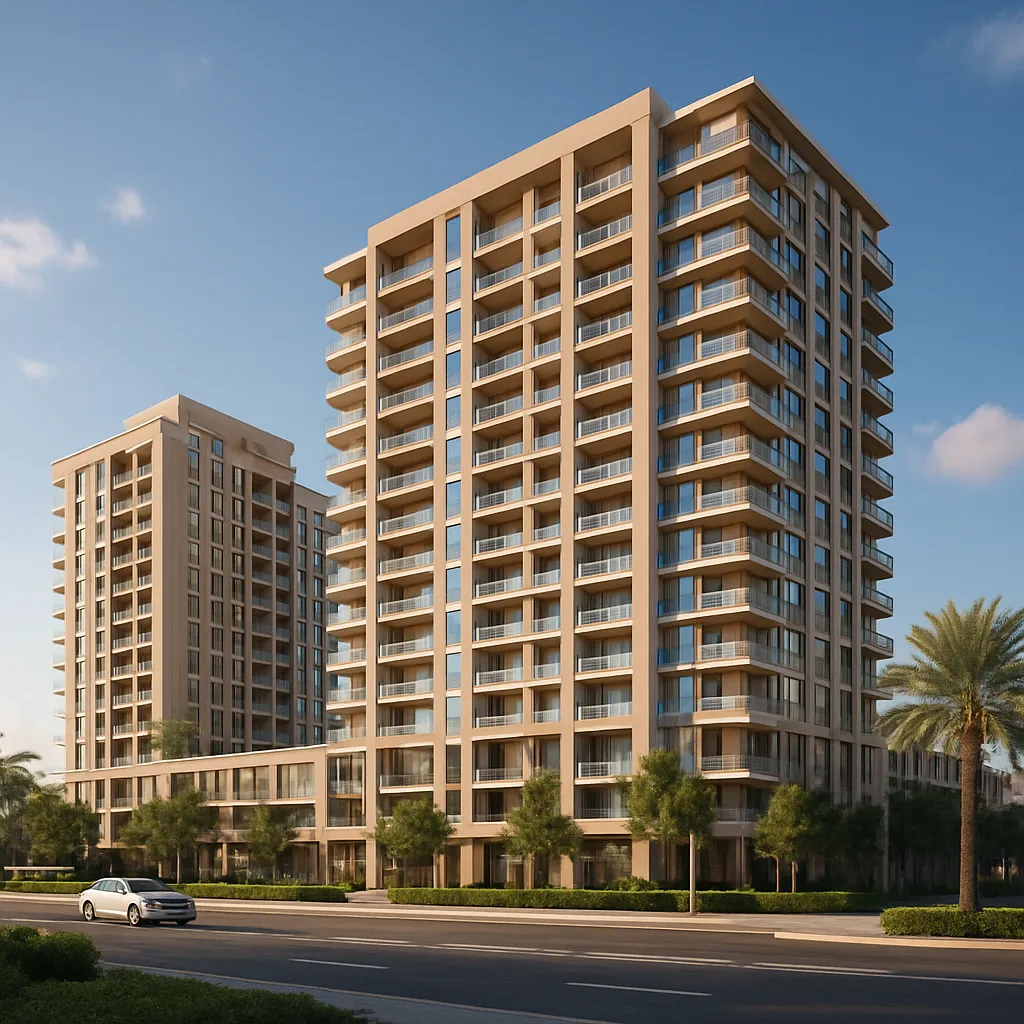
Building 1 follows the general typology of mid-rise modern office buildings common in Dubai’s free zones: a corporate façade, secure lobby, and a mix of full-floor and multi-tenant office suites. While specific floor counts and exact dimensions can vary between buildings in the DIC campus, facilities are optimized for technology and service companies and typically include the following:
- High-capacity connectivity — fiber-optic backbones and multiple service provider options to ensure robust internet and leased-line connectivity.
- Secure access control systems, 24/7 security and CCTV common in corporate office buildings to meet multinational compliance and data security expectations.
- On-site and nearby amenities such as cafeterias, coffee shops, convenience retail, banking services and business support centres that serve both employees and visiting clients.
- Parking facilities for tenants and visitors, with provisions for bicycle parking and drop-off areas.
- Meeting rooms, boardrooms and conferencing spaces that can be booked by tenants for client presentations and collaboration.
- Maintenance and facilities management arranged through the estate operator, ensuring reliable operations for HVAC, electrical and lifts.
Many tenants choose Building 1 and similar DIC properties because the interiors are easily configurable for both small startups and larger corporate regional offices. Fit-out options range from classic partitioned offices to open-plan layouts and modern coworking/serviced office configurations.
Role within Dubai Internet City and the tech ecosystem
Dubai Internet City is a cornerstone of the UAE’s strategy to diversify from oil-based revenues into a knowledge-based, technology-led economy. Building 1 functions as part of that larger campus ecosystem, offering physical office space where global companies, regional headquarters, and local startups can co-locate. The combined presence of multiple firms within DIC fosters networking, business development and an environment that accelerates technology transfer and innovation.
Key advantages that the DIC campus — and by extension Building 1 — offer to occupiers include:
- Free zone benefits: access to business licences designed for ICT companies, 100% foreign ownership (subject to zone regulations), and tax incentives.
- An ecosystem of multinationals, regional headquarters and service providers that simplifies partnerships, hiring and client acquisition across the Middle East, Africa and South Asia.
- Access to industry events, networking meetups, accelerators and incubators that often operate within the broader TECOM cluster.
- Proximity to legal, financial and real estate services experienced in setting up and supporting technology firms in the GCC region.
Tenants, business activity and economic impact
Although Building 1 is one of many addresses within Dubai Internet City, its importance comes from hosting a mixture of tenants — including established technology firms, local service companies and smaller firms that serve as suppliers or partners to larger corporates. DIC as a whole is widely recognized for attracting regional offices for global technology brands, and it fosters a business-to-business environment where consultancy, software development, ICT services, and digital media companies coexist.
The broader Dubai Internet City free zone has become a magnet for companies seeking regional headquarters or representative offices serving the MENA region. Tenants choose the campus for operational reliability, regulatory clarity and concentrated access to talent. Many global vendors maintain regional operations from DIC addresses, which helps strengthen cross-border trade and OPEX efficiency for firms operating in the area.
Statistics and measurable characteristics
Some quantifiable aspects associated with Dubai Internet City (the wider zone where Building 1 sits) are well-documented in public records and industry coverage, while exact proprietary details for a single building may not always be published. The following points summarize measurable characteristics of the DIC ecosystem:
- Year of establishment: DIC was launched in 1999 as part of Dubai’s strategy to create sector-specific free zones.
- Campus composition: DIC forms part of a cluster of specialized zones (including Media City and Knowledge Park) developed to serve technology, media, education and innovation sectors.
- Tenant mix: The free zone hosts both global firms and local startups, enabling cross-pollination between established corporates and emerging companies. (Exact tenant counts fluctuate with leasing cycles and new company registrations.)
- Transport integration: The presence of the Dubai Internet City metro station on the Red Line provides a direct public transit link that reduces commuting times and supports daily inflows of employees and visitors.
Note: precise per-building metrics such as floor area, number of tenant companies located exclusively within Building 1, or exact headcount may be available through the landlord (TECOM Group / property management) or commercial real estate listings. Those sources provide up-to-date leasing plans, floor plates and occupancy levels for prospective tenants and brokers.
Interesting facts and historical context
The story of Dubai Internet City is closely tied to the UAE’s broader economic transformation. A few notable points:
- Strategic vision: The creation of DIC was a deliberate policy move to attract knowledge-based businesses, supporting the UAE’s long-term economic diversification agenda.
- Cluster effect: Co-location with media and education-focused free zones creates a unique synergy; for example, digital media firms benefit from close links to software and internet service companies, while educational entities can tap into industry demand for talent and internships.
- Business facilitation: Over the years, DIC has introduced business support services oriented to technology firms’ needs — from licensing frameworks to support for intellectual property and cross-border contracts.
- Innovation enablers: The ecosystem around DIC hosts accelerators, mentorship programs and events that nurture startups and early-stage companies, helping many founders scale into regional players.
Practical considerations for tenants and visitors
If you plan to visit, lease or operate within Building 1 or the wider DIC campus, keep the following pragmatic points in mind:
- Business setup: Companies intending to operate from a DIC address typically must obtain an appropriate licence from the free zone authority. Licensing categories are tailored to software development, ICT services, consulting, e-commerce and similar activities.
- Visa and staffing: Free zone licences are commonly paired with visa quotas and sponsorship arrangements that facilitate hiring expatriate staff; however, precise limits and processes should be verified with the zone authority or a local PRO.
- Fit-out and IT: Tenants often plan for specialized fit-outs to support server rooms, secure communications and collaboration spaces. Building 1 is designed to support such technical layouts through robust infrastructure and reliable power systems.
- Costs and leasing: Rental rates and service charges vary depending on floor level, fit-out condition and lease length. Prospective tenants should compare serviced office solutions, flexible leases and longer-term standard office leases when evaluating options.
Future outlook and strategic relevance
As digital transformation accelerates across the Middle East, Dubai Internet City — and the buildings within it such as Building 1 — remain strategically important. The free zone serves as a gateway for international technology companies entering the region and for regional firms scaling internationally. Several structural trends support continued relevance:
- Growth of cloud computing, cybersecurity and enterprise software creates sustained demand for professional office and operational space.
- The UAE’s regulatory evolution in areas like data protection, fintech licensing and digital trade can elevate the appeal of well-connected, compliant campuses such as DIC.
- Investment in transport and urban infrastructure — including improved public transit, pedestrian linkages and mixed-use developments — enhances the attractiveness of DIC locations to talent.
For those reasons, Building 1 is likely to maintain its role as a practical, well-positioned office node within a vibrant technology cluster for years to come.
Practical travel tips and neighborhood highlights
Visitors and employees of Building 1 benefit from a range of neighborhood amenities and short-distance destinations:
- Dining and cafes: A broad choice of food and beverage options exists inside the DIC campus and in adjacent free zones, suitable for quick meetings or client lunches.
- Nearby hospitality: Several hotels and serviced apartments within a short drive provide convenient accommodation for visiting executives and clients.
- Recreation and retail: Shopping centers, leisure facilities and parks are accessible in nearby districts, enabling a balanced work-life experience for staff.
- Events and conferences: While major expos take place at Dubai World Trade Centre or other venues, many smaller industry events, meetups and product launches occur within the DIC campus and its event spaces.
Summary
Dubai Internet City Building 1 is more than a standalone office structure; it is a component of a carefully cultivated technology ecosystem that has been central to Dubai’s ambitions to become a regional digital and innovation hub. Combining strategic location on Sheikh Zayed Road, strong public transport links, modern office facilities and proximity to complementary free zones, Building 1 offers tenants a pragmatic blend of operational reliability and ecosystem advantages. Its broader value lies in access to a dense network of industry partners, talent and services that support both established multinationals and emerging startups. For precise technical details (floor plates, current availability, or tenant-specific statistics), the building’s property management or the TECOM/landlord leasing team provide the authoritative, up-to-date information required by prospective tenants and researchers.