Dubai Internet City Building 2 sits at the heart of one of the Middle East’s most significant technology clusters. Located within the Dubai Internet City (DIC) free zone, the building is part of a planned campus that has reshaped Dubai’s economic landscape by attracting multinational tech firms, startups, and regional offices. This article explores the building’s location and context, its architectural and functional features, the ecosystem it supports, and the practical and statistical details that define its role in Dubai’s ongoing transformation into a global technology hub.
Location and context within Dubai Internet City
Dubai Internet City is a dedicated business park developed to promote the growth of the information and communications technology sector in the United Arab Emirates and the wider Middle East and North Africa (MENA) region. Dubai Internet City Building 2 is situated within this campus, positioned along one of Dubai’s main arteries near Sheikh Zayed Road, in proximity to Dubai Marina, Knowledge Village and Dubai Media City. The location benefits from direct road links and easy access to public transport, including the Dubai Metro Internet City station on the Red Line, which serves the cluster and provides efficient connections to Downtown Dubai, Dubai International Airport and other business districts.
The surrounding district is a mixed-use environment that blends corporate offices, cafés, retail outlets and serviced apartments. This urban composition creates a live-work-play atmosphere that has been central to DIC’s success: companies can recruit international talent that expects modern amenities and professionals can access lifestyle services without lengthy commutes. Building 2, as part of this campus, leverages the synergy of neighboring clusters such as Dubai Media City, Dubai Knowledge Park and TECOM’s broader portfolio.
Architecture, design and facilities
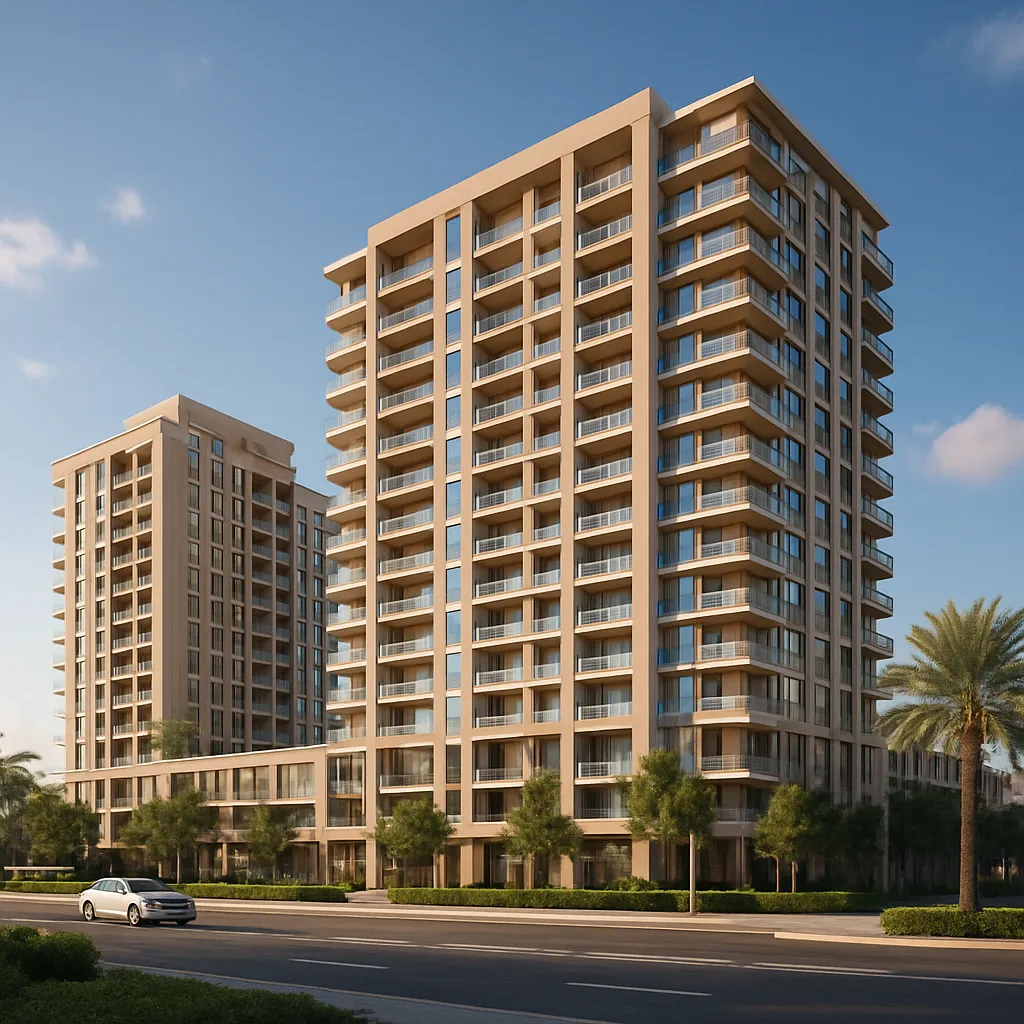
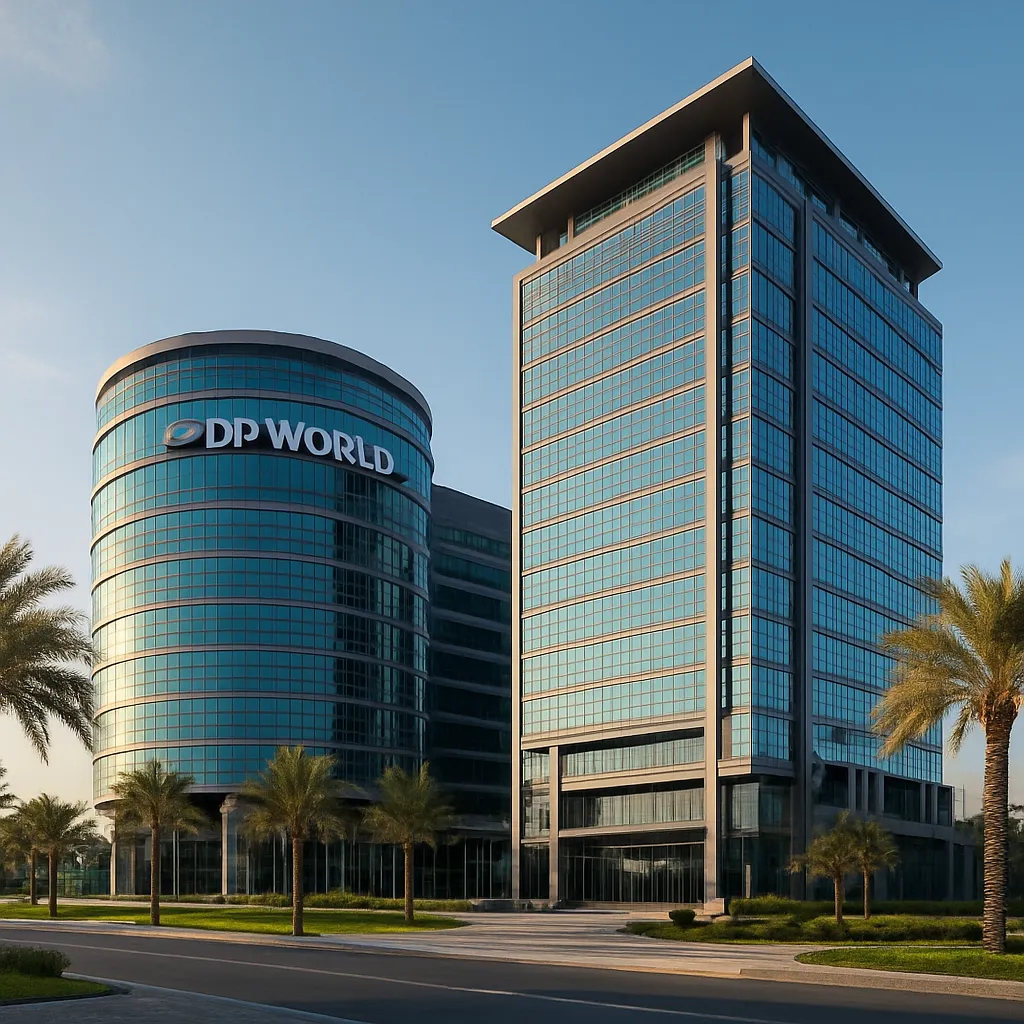
While Building 2 is primarily an office building, the design reflects the contemporary aesthetic common to DIC: glass and steel façades, reflective surfaces to limit solar gain, and flexible floor plates suited to a range of corporate tenants. The interior layouts focus on efficiency and adaptability, with open-plan office spaces, conference facilities and meeting rooms that can be reconfigured to suit multinational corporations, regional headquarters or co-working operators. Typical features include raised floors for easy re-cabling, advanced HVAC systems designed for Dubai’s climate, and secure access control tailored to corporate needs.
- Ground floor retail and food & beverage outlets that serve employees and visitors
- Multi-level parking and dedicated visitor bays
- On-site IT and telecom infrastructure to support high-capacity connectivity
- Meeting and training facilities suitable for regional events and workshops
Building 2 and other structures in DIC prioritize connectivity and technological readiness. Data centers and private network points of presence in and around the campus allow tenants to interconnect with local and international service providers. This has been crucial for companies in software development, cloud services, data analytics and managed services.
The business ecosystem and notable tenants
Dubai Internet City has been intentionally curated as a magnet for technology businesses. Over the years, global multinationals, regional enterprises and nimble startups have co-located to access talent, markets and one another. Building 2 participates in this concentration by hosting a variety of companies that range from established Fortune 500 firms to small and medium-sized enterprises.
The campus is known for housing regional offices or branches of major technology companies, along with numerous systems integrators, digital agencies, and cloud service providers. The presence of multinational firms creates a strong network effect: vendors, partners and service providers set up nearby to support their clients and to recruit skilled professionals. This concentration supports a dynamic environment for knowledge transfer and cross-border projects.
Typical tenant profile
- Regional headquarters and sales offices for technology vendors
- Software development and R&D teams focusing on regional product localization
- Telecommunications and managed services providers
- Startups and scale-ups leveraging co-working and accelerator programs
- Professional services and consultancies specializing in IT and digital transformation
Because DIC operates as a free zone, many international companies choose the location for its business-friendly environment, which facilitates 100% foreign ownership of entities established within the zone, streamlined company setup processes, and frameworks for cross-border service delivery across the MENA region.
Connectivity, transport and access
One of Building 2’s strengths is the accessibility that comes with its placement in a planned technology park. The campus is integrated into the city’s transport network and benefits from multiple modes of mobility:
- Dubai Metro (Red Line) access via Dubai Internet City station, connecting to major urban nodes
- Well-served arterial roads including Sheikh Zayed Road for private vehicles and taxis
- Extensive parking facilities typical of DIC buildings and shared parking solutions for peak demand
- Proximity to public bus routes and feeder services
For international travel, Dubai International Airport and Al Maktoum International are readily reachable by road, which reinforces DIC’s appeal to companies doing regional business or hosting frequent visiting delegations. The campus layout emphasizes pedestrian access and shared amenities, encouraging short walks between office buildings, cafés and meeting venues.
Sustainability initiatives and building performance
In recent years, Dubai’s built environment has increasingly focused on sustainability and energy efficiency. Within DIC, many buildings have adopted measures to reduce energy consumption, improve water efficiency, and manage waste more effectively. While Building 2’s specific certification status may vary depending on internal upgrades and tenant fit-outs, the overall campus has seen investment in the following areas:
- High-efficiency HVAC systems and building controls to limit energy use during peak heat
- LED lighting retrofits and motion-sensor controls in common areas
- Efforts to source water-efficient fixtures and introduce greywater recycling where feasible
- Waste management programs and tenant awareness initiatives
The push for greener buildings is part of Dubai’s broader strategy to align with global sustainability targets and to make commercial real estate more cost-efficient for tenants. Tenants in Building 2 often incorporate their own sustainability goals in fit-outs, such as efficient server rooms, renewable energy procurement, and green office certifications for tenant spaces.
Events, community and innovation programs
Dubai Internet City is not just a collection of office blocks; it functions as an ecosystem that supports networking, learning and innovation. Building 2 benefits from DIC’s calendar of events, which includes technology meetups, accelerator programs, hackathons and conferences that attract entrepreneurs, investors and corporate leaders. The campus environment facilitates informal collaboration—companies often co-sponsor events, host workshops, and participate in mentorship programs.
Programs run in the wider DIC ecosystem often involve partnerships with government entities, universities and international organizations. This blended approach helps create pipelines for local talent and fosters links between research institutions and commercial development. Building 2, as an accessible and well-located venue, frequently hosts client meetings, training courses and regional launch events.
Statistics and practical information
Some useful figures and practical points that frame the significance of Building 2 within DIC and the region:
- Dubai Internet City was launched in 1999 as part of Dubai’s strategy to diversify its economy beyond hydrocarbons and to develop a knowledge-based economy.
- Since its inception, DIC has grown into a major technology cluster, attracting hundreds to thousands of companies and employing a large, internationally diverse workforce. The campus supports global firms, regional headquarters and dynamic startups.
- TECOM Group (the developer/operator behind DIC) has continually invested in the infrastructure and services of the campus to maintain its competitiveness in the global market.
- For visitors, Building 2 typically provides ground-floor retail and cafes, secure lobby access, and reception services that support corporate operations. Visitor policies reflect the security standards expected in corporate parks.
- Office tenure arrangements in Building 2 can include conventional lease agreements, as well as serviced office or co-working arrangements through third-party operators, depending on tenant preferences.
Because Building 2 serves a corporate market, practical details such as parking allocation, security clearances, and data cabling are usually handled at the building management level in coordination with tenant fit-outs. Companies considering occupancy should engage with the property management team and with TECOM’s business setup services to understand licensing, visa procedures for employees, and local compliance requirements.
Urban role and cultural significance
Beyond serving as an office address, Building 2 is part of a symbolic shift in Dubai’s urban identity. The city has positioned itself as a destination for innovation, investment and talent mobility; the clusters in TECOM’s portfolio—including DIC, Dubai Media City and Dubai Knowledge Park—have become emblematic of this approach. For many international businesses, a Dubai Internet City address signals a strategic commitment to the Middle East market and provides access to regional customers across retail, government and enterprise sectors.
Culturally, the campus stimulates a cosmopolitan professional environment where global and local influences intersect. Cafés and business events often host discussions on technology adoption, regulatory changes, and market expansion strategies. This cultural vibrancy has contributed to Dubai’s reputation as a place where business and lifestyle converge.
Challenges and considerations for tenants
Occupying workspace in Building 2 offers many advantages but also requires careful planning. Cost structures in Dubai can be higher than in other regional cities, especially for premium office space close to central thoroughfares. Tenants must account for:
- Operating costs, including utilities and air conditioning during hot months
- Fit-out costs to meet technical and branding requirements
- Recruitment and retention strategies to secure skilled local and international staff
- Regulatory compliance for business operations and employment law
Mitigation strategies include selecting flexible lease terms, leveraging co-working spaces for early-stage operations, and using local business facilitation services offered by DIC and TECOM Group. Many enterprises also collaborate with regional partners to manage overheads while scaling their presence in the Middle East.
Future outlook and potential developments
Looking forward, Dubai Internet City Building 2 remains well-positioned for continued relevance. The demand for digital services, cloud computing, cybersecurity, and AI-driven solutions is growing rapidly across the MENA region, creating ongoing demand for office and R&D space that supports such activities. Key trends likely to affect Building 2 and the broader campus include:
- Increased demand for hybrid working spaces and flexible office solutions
- Greater emphasis on infrastructure resilience, including redundant connectivity and cyber protections
- Investment in sustainability upgrades to reduce operating costs and meet corporate ESG targets
- Enhanced integration with smart city technologies and urban mobility initiatives
Developers and campus managers may retrofit existing buildings, including Building 2, to support these trends—upgrading electrical capacity, enhancing fiber connectivity, and implementing building management systems that optimize energy and space usage. Additionally, as Dubai’s regulations and incentives evolve, DIC’s role as a gateway to the region is likely to remain significant for companies seeking market access.
Summary
Dubai Internet City Building 2 is more than an address; it is part of a vibrant technology cluster that has played a central role in Dubai’s economic diversification strategy. The building benefits from strategic location, robust connectivity, and proximity to a broad array of tech companies and service providers. Its strengths include adaptable office space, on-site amenities, and access to a talent-rich ecosystem. Challenges such as operational costs and the need for sustainable upgrades are balanced by the strategic advantages of being located in a recognized regional hub. For companies targeting the MENA market, Building 2 represents a pragmatic and prestigious base from which to grow.