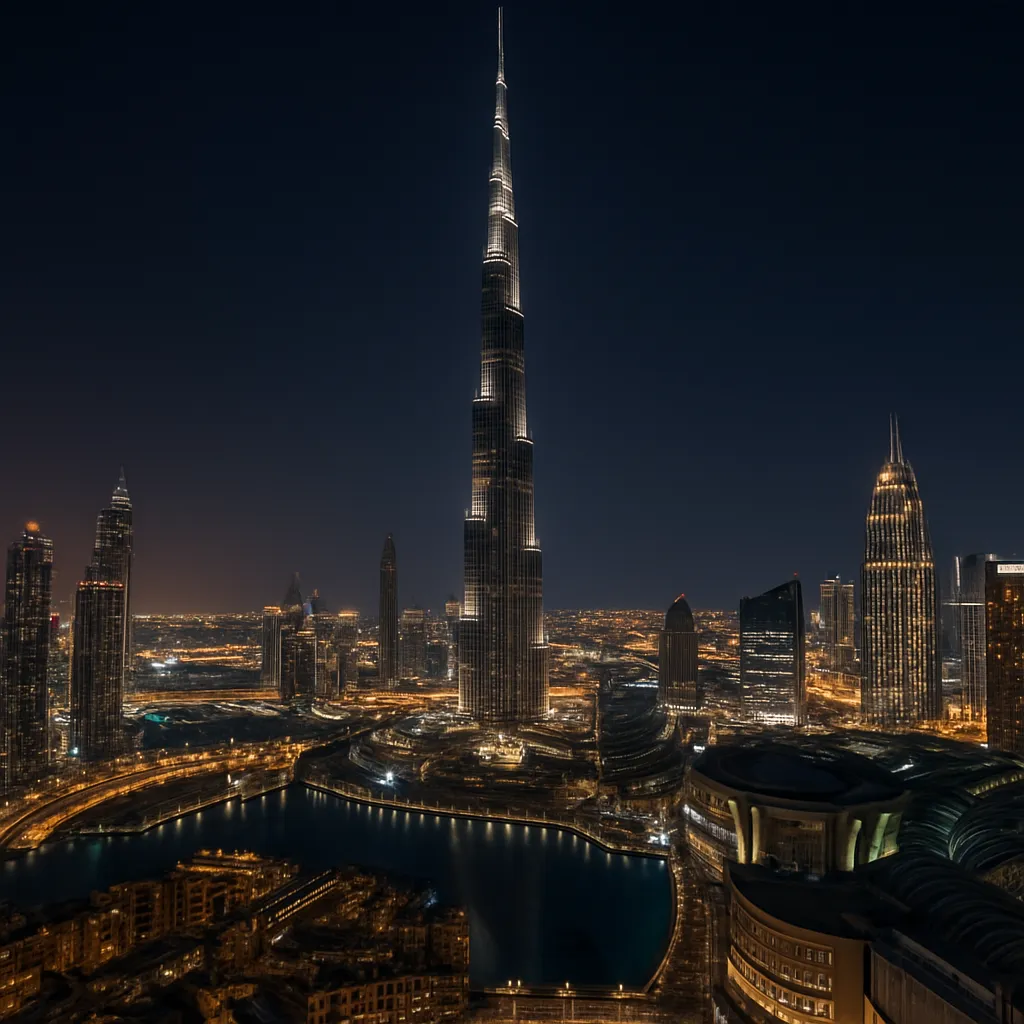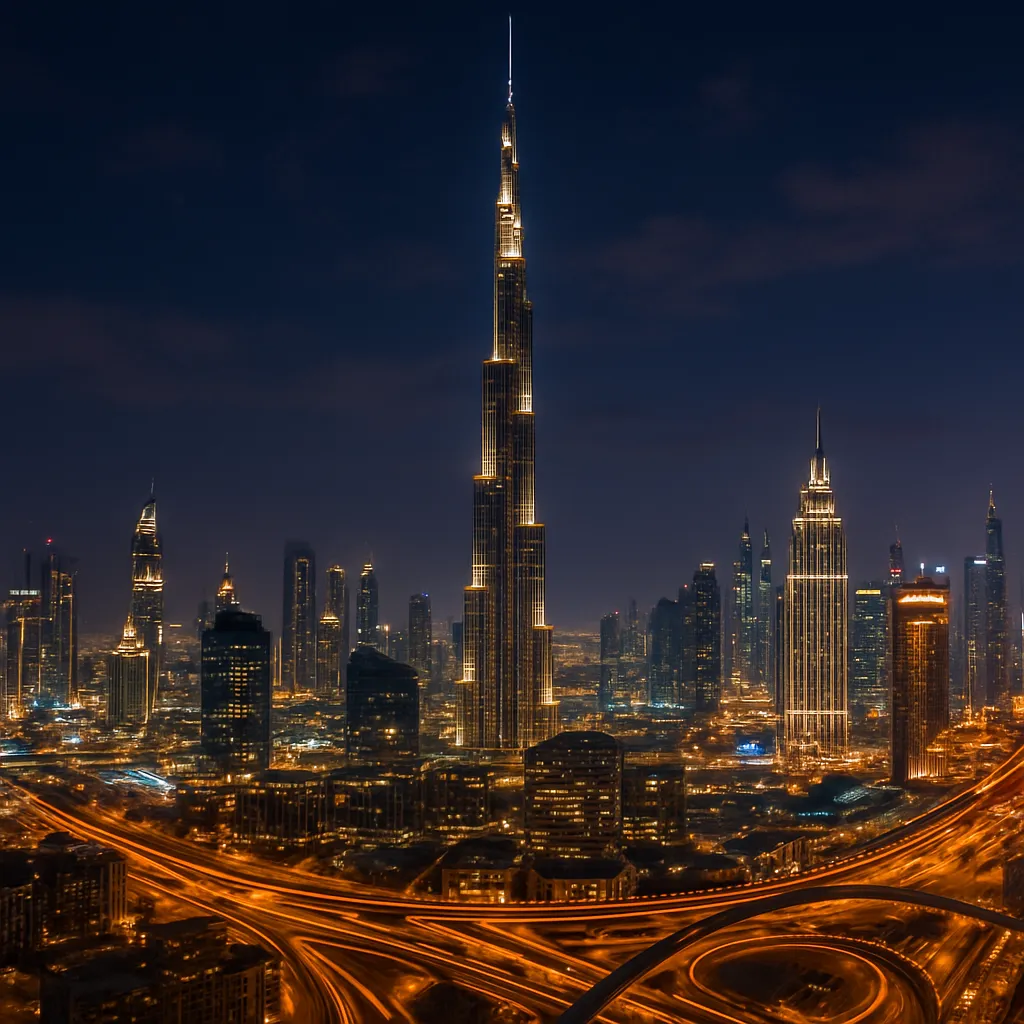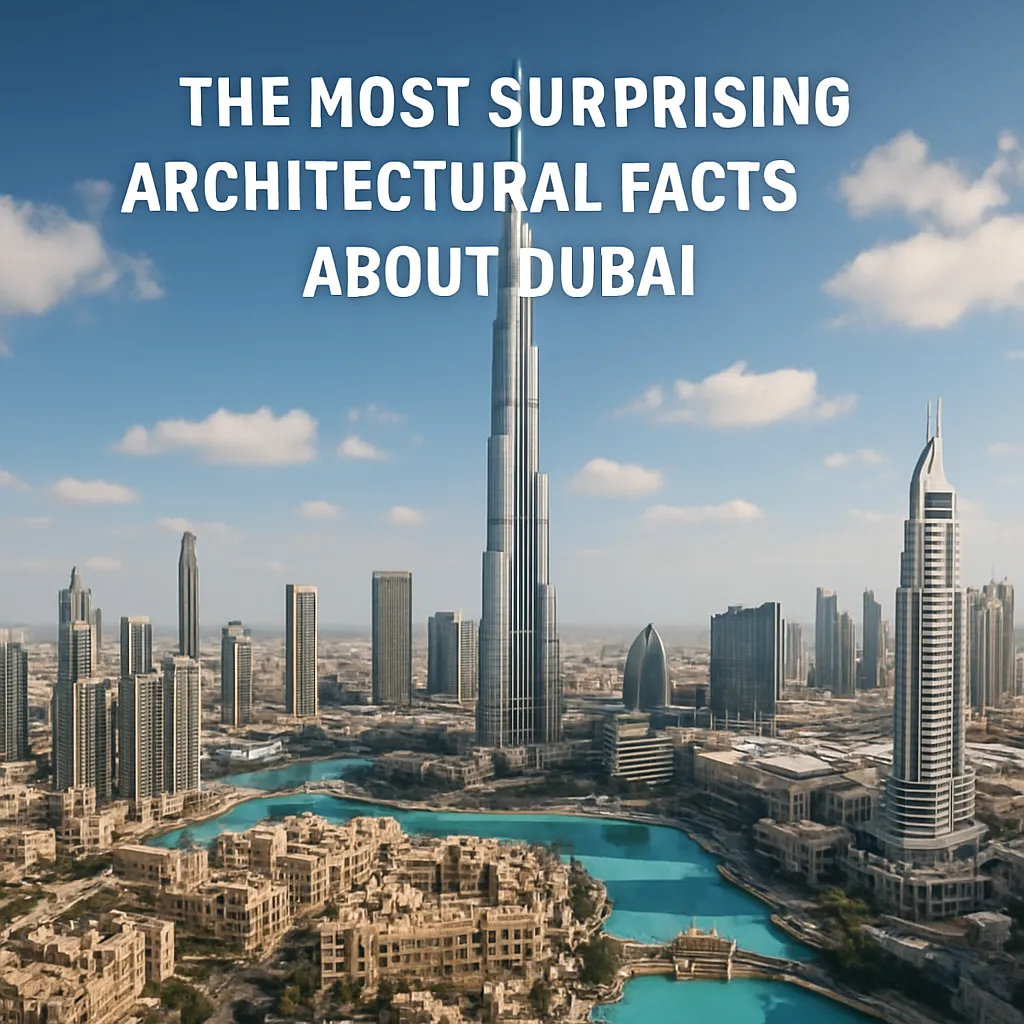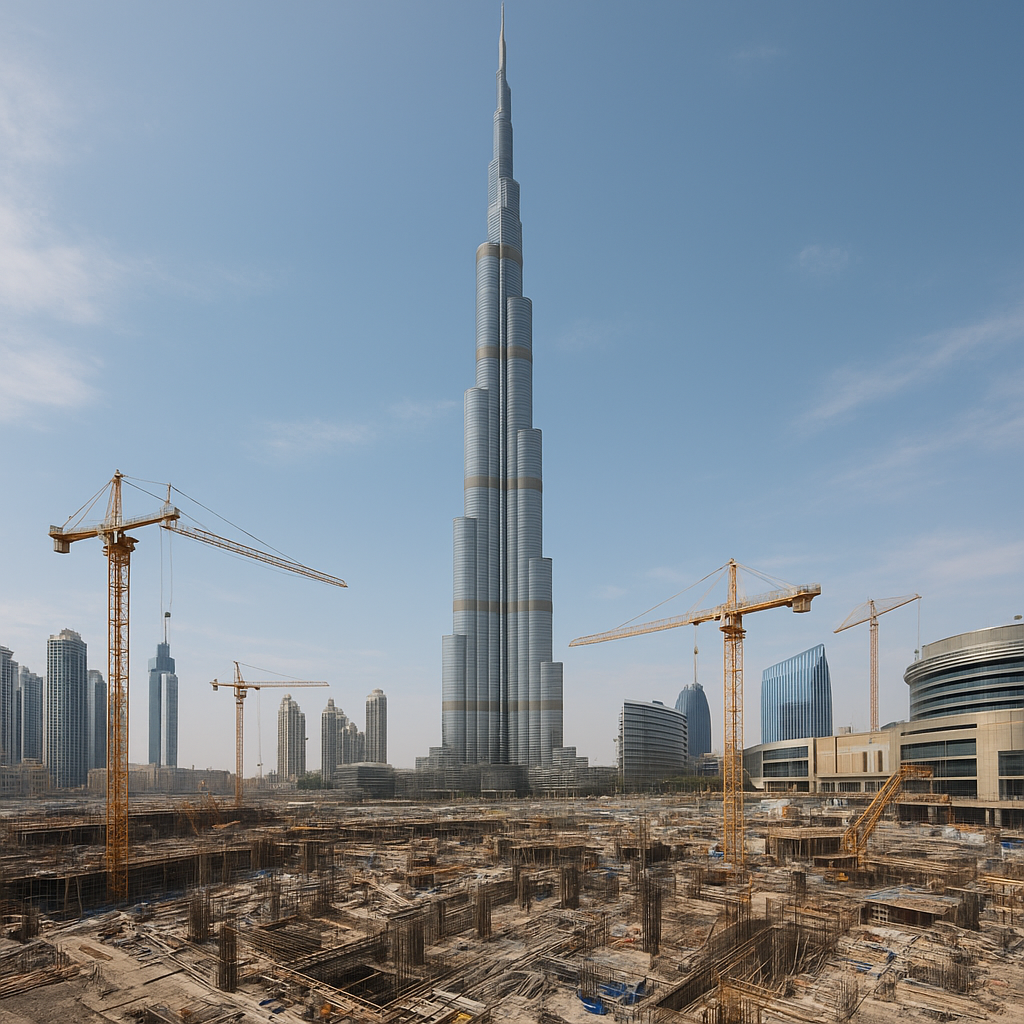
The soaring silhouette of Burj Khalifa not only redefines Dubai’s skyline but also embodies decades of relentless ambition, management acumen, and cutting-edge engineering solutions. While most visitors admire the tower’s breathtaking observation decks or its shimmering façade, few recognize the labyrinth of technical obstacles that engineers overcame. This exploration uncovers the unseen layers—from the subterranean foundation that anchors the giant to the aerodynamic tweaks that tame fierce desert winds. Each section delves into a key domain behind Burj Khalifa’s triumph and highlights how Dubai’s building boom has pushed the frontier of modern construction.
Geotechnical Marvels Beneath the Surface
Supporting the world’s tallest skyscraper demanded an unwavering look into the ground below. Dubai’s coastal soils consist mainly of loose sand and weak calcareous sediments, a far cry from the rocky basements used for many supertall towers worldwide. To counter this, engineers instituted a deep piling system, transferring colossal loads to stable strata.
Deep Pile Network
More than 192 reinforced concrete piles extend up to 50 meters into the earth. Each pile is cast in place, with diameters of nearly 1.5 meters, to ensure uniform load distribution. This system not only supports the immense high-strength concrete core but also grants resistance against differential settlement—a key factor when working on near-coastal, water-saturated soils.
Groundwater Management
Excavation for the basement levels encountered a high water table. Engineers implemented an extensive dewatering plan using wellpoints and submersible pumps. Temporary cut-off walls and slush grouting sealed off water ingress, allowing dry conditions during concrete pours. Such measures prevented soil liquefaction risks and maintained overall site stability.
Aerodynamic Tactics to Tame Desert Winds
As height increases, so does vulnerability to lateral forces. While Dubai’s climate lacks the hurricane-level storms of some coastal cities, it still generates significant wind gusts that can induce severe sway at over 800 meters in elevation. Achieving stability without over-stiffening the structure or adding mass became an innovative balancing act.
- Wind Tunnel Testing: Scaled models of the tower and its surroundings underwent rigorous tests in boundary-layer wind tunnels. Researchers refined the form in small increments, identifying vortex shedding patterns and establishing a stepped, setback profile.
- Aerodynamic Shaping: The building’s distinctive three-lobed footprint rotates 120 degrees at each setback. This geometry breaks up wind vortices, reducing oscillation amplitudes and mitigating potential occupant discomfort.
- Supplemental Damping: An advanced Tuned Mass Damper (TMD) system was integrated near the top floors. This massive steel-and-concrete unit shifts opposite to tower movements, absorbing up to 90% of lateral kinetic energy.
These combined strategies exemplify the utmost precision in balancing structural flexibility with occupant comfort, a hallmark of contemporary supertall design.
Vertical Transportation and Human Flow
Efficient movement inside a supertall building represents another dimension of complexity. Burj Khalifa features one of the fastest elevator networks ever built, ensuring smooth vertical circulation for thousands of staff, residents, and tourists.
Multi-Zone Elevator System
Rather than deploying a single monolithic lift traveling the entire height, engineers divided the building into zones. Passengers transfer between express and local elevators at transfer lobbies, minimizing wait times and mechanical load on individual shafts.
- Double-deck elevators serve two floors simultaneously, maximizing capacity during peak periods.
- State-of-the-art destination control technology groups passengers heading to similar floor ranges, reducing stops and energy usage.
- Pressurized elevator cabins maintain comfortable air pressure differences and ensure smooth rides despite rapid altitude changes.
Emergency Egress and Safety
Fire safety in a megatall structure demands redundant evacuation routes. The stairwells are pressurized to prevent smoke ingress, and refuge floors appear every 50 to 75 stories. These designated zones include life-support equipment, secure communication lines, and independent power supplies.
Thermal Challenges in Extreme Climate
Dubai’s scorching summers push materials and mechanical systems to their limits. From concrete curing to façade thermal expansion, keeping the tower functional year-round required comprehensive heat-mitigation strategies.
Concrete Curing Under Heat
Pouring thousands of cubic meters of concrete in ambient temperatures exceeding 45°C risked rapid setting and microcracking. Engineers used chilled mixing water and ice flakes, along with high-range water reducers, to control hydration heat. Continuous temperature monitoring through embedded sensors ensured each pour stayed within safe thermal gradients.
Façade and Expansion Joints
The tower’s cladding consists of reflective glazing and aluminum panels. To accommodate daily temperature swings of over 30°C, designers incorporated flexible expansion joints every few floors. This prevents stress buildups that could warp panels or compromise sealant integrity. Additionally, high-performance coatings reflect over 70% of solar radiation, significantly reducing interior cooling loads.
HVAC and Energy Efficiency
A network of high-efficiency chillers and dedicated outdoor air systems (DOAS) deliver conditioned air to residential and commercial zones. Waste heat recovery units capture thermal energy from exhaust air, pre-cooling fresh air streams. Smart building automation adjusts airflow and temperature setpoints in real-time, striking a delicate balance between occupant comfort and sustainability.
The Broader Impact on Dubai’s Skyline
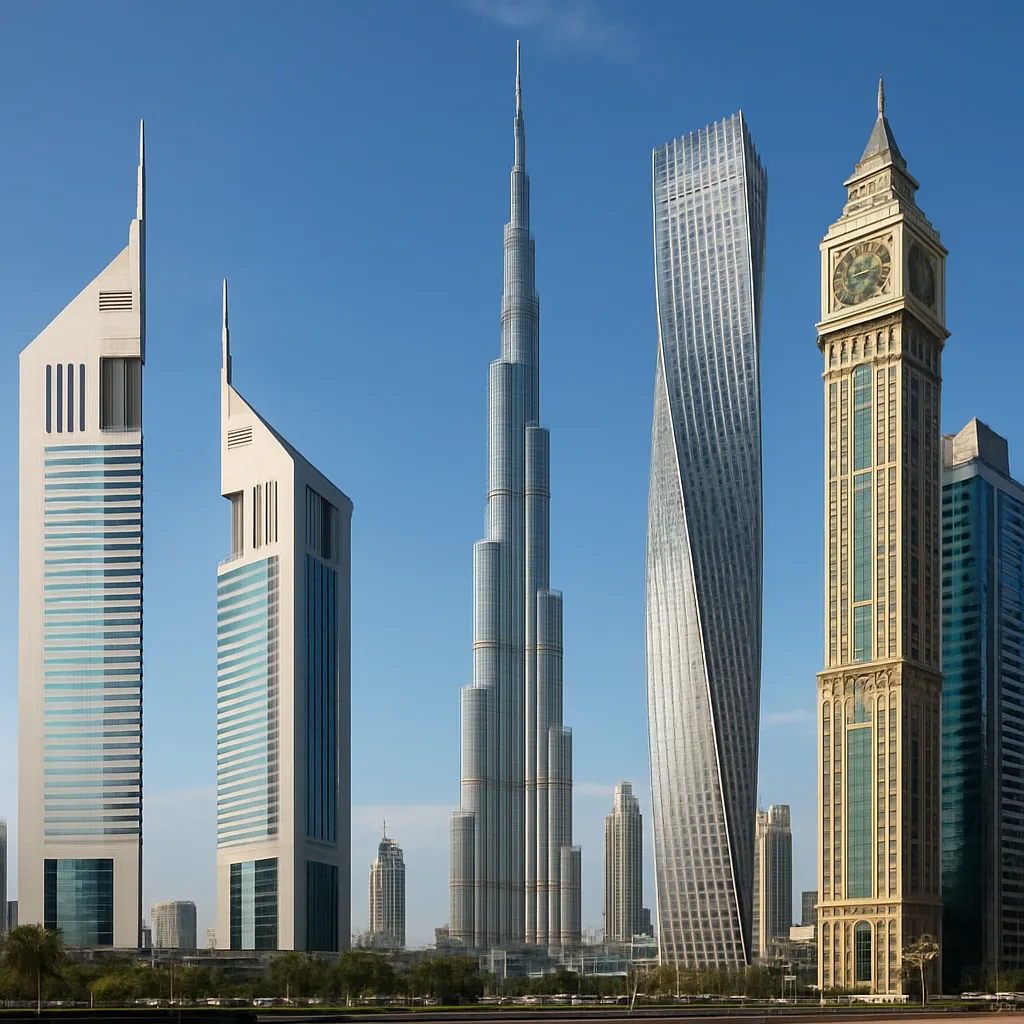
Burj Khalifa’s success catalyzed a wave of ambitious structures across Dubai, each pushing new limits in height, design, or mixed-use integration. Projects such as Dubai Creek Tower and the Ocean Heights towers incorporate lessons learned, from deep foundation innovations to vertical transportation refinements. The city’s rapid urbanization demands holistic planning—melding aesthetics with robust engineering to withstand environmental stressors.
Lessons for Future Developments
Key takeaways include:
- Invest early in comprehensive site investigations for tailored foundation systems.
- Leverage wind-tunnel analytics to refine building massing and facade geometry.
- Integrate advanced mechanical systems to adapt to extreme temperatures while minimizing energy footprints.
- Design flexible evacuation and safety protocols to meet the challenges of supertall occupancy.
As Dubai continues its pursuit of architectural marvels, the hidden engineering feats behind Burj Khalifa stand as a testament to meticulous planning, cross-disciplinary collaboration, and the relentless drive to redefine possibility.