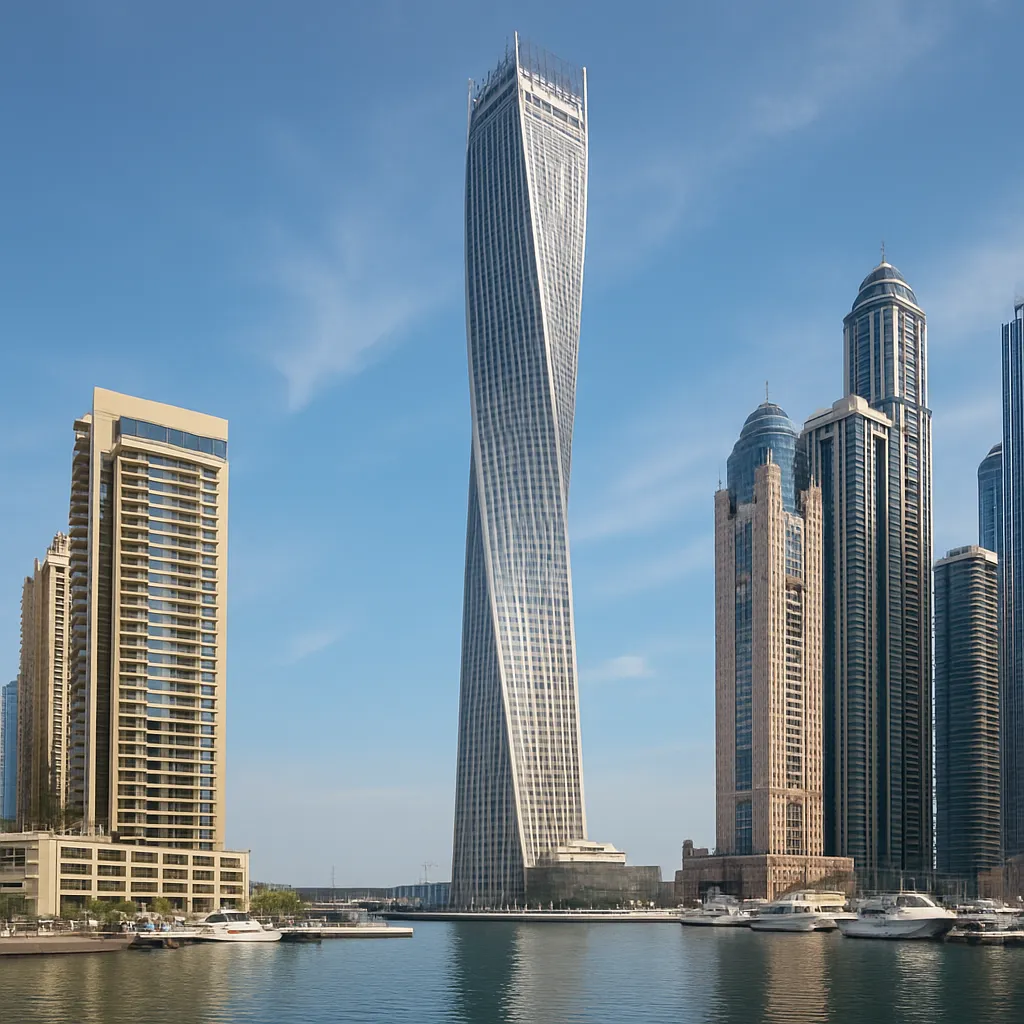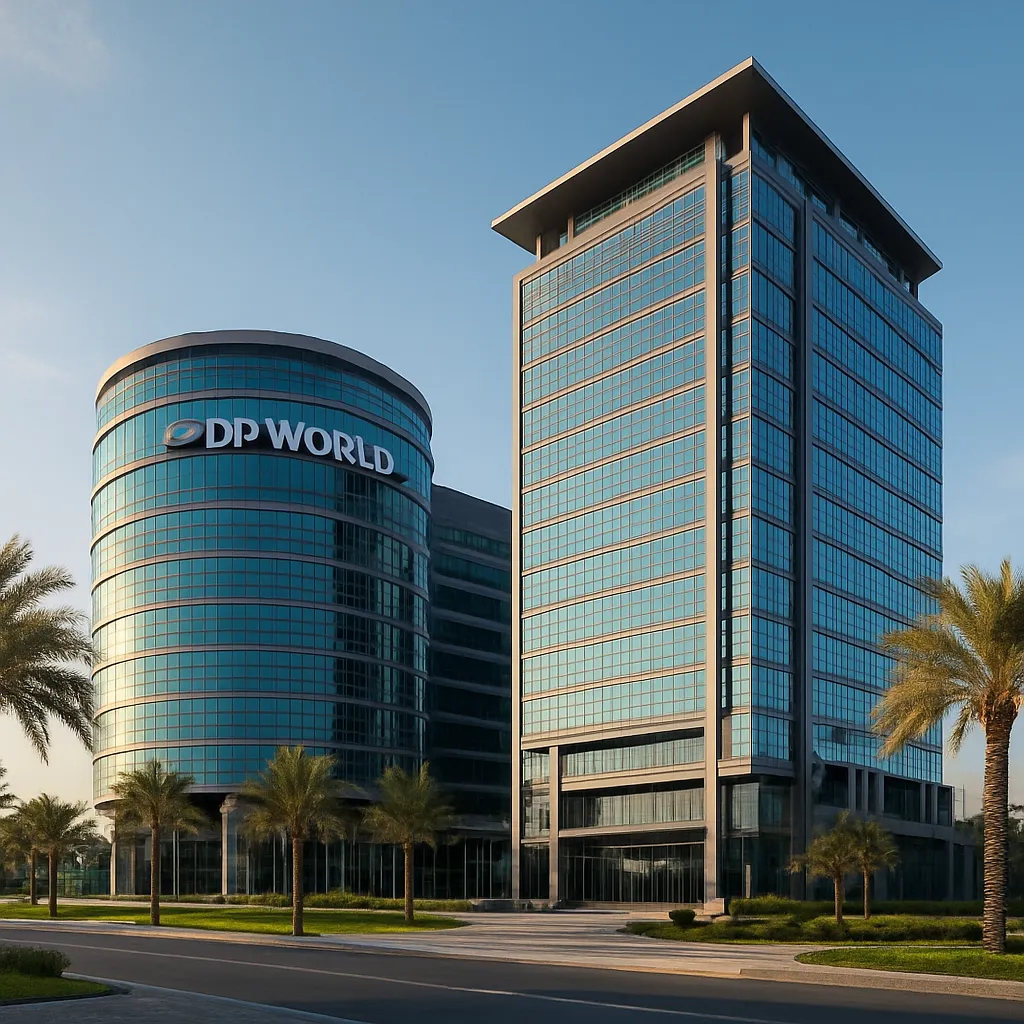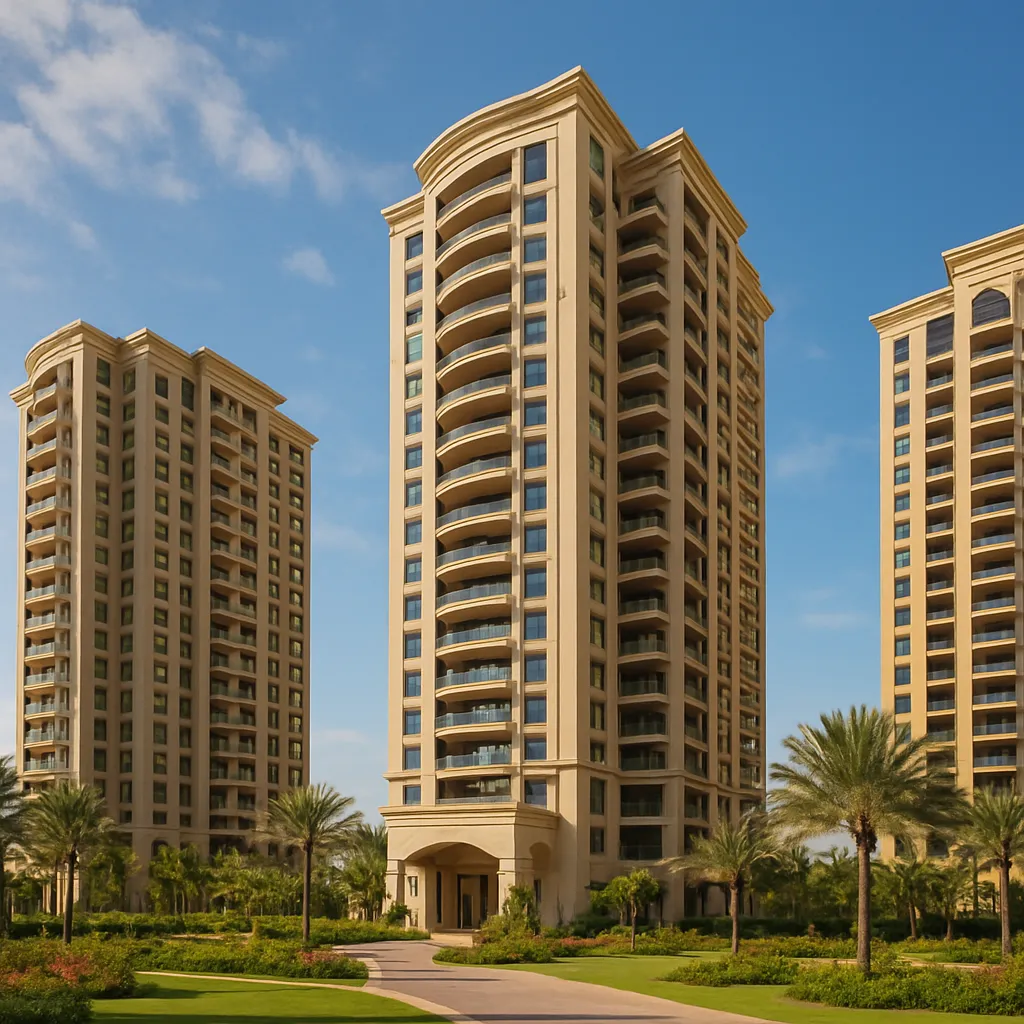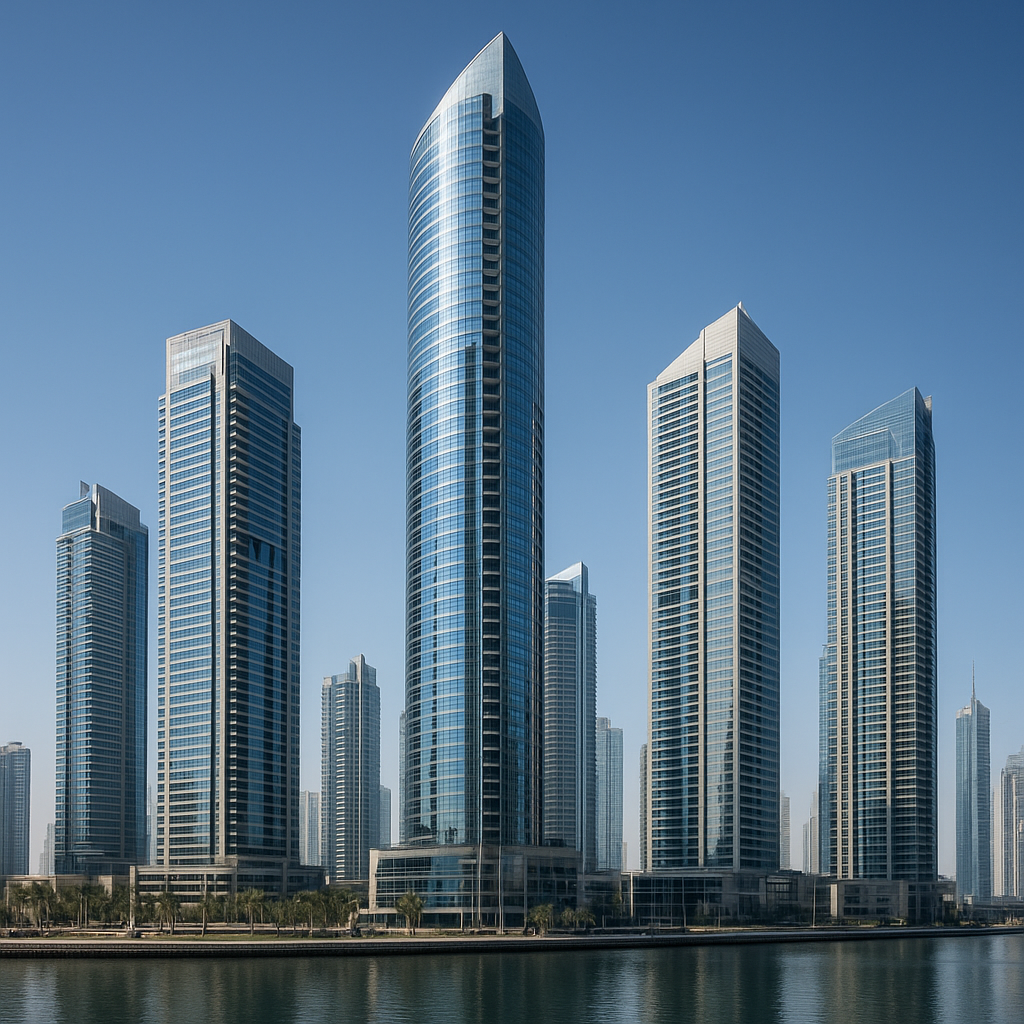
Executive Towers in Business Bay is a prominent mixed-use complex in the heart of Dubai, combining residential, commercial and retail functions within a cluster of high-rise buildings. Situated near Downtown Dubai and the Burj Khalifa, the development has become a recognizable element of the city’s rapidly evolving skyline. This article explores the location, design, history, amenities and broader significance of Executive Towers, offering both factual information and contextual observations for readers interested in Dubai’s urban landscape.
Location and urban context
Executive Towers occupies a strategic position inside the Business Bay district, one of Dubai’s most important modern urban developments. Business Bay lies immediately southwest of Downtown Dubai and runs parallel to Sheikh Zayed Road, the emirate’s main arterial highway. The towers are close to key landmarks and infrastructure: the Burj Khalifa, Dubai Mall and the newly formed Dubai Water Canal are all within easy reach. Business Bay itself was envisioned as a central business district and mixed-use corridor, designed to cater to both international companies and Dubai’s growing residential population.
The presence of Business Bay metro station on the Dubai Metro Red Line, extensive road links and multiple bus routes give Executive Towers robust connectivity to the rest of the city. Many residents and tenants value the proximity to Downtown’s cultural and entertainment attractions alongside Business Bay’s own dining and retail offer. The area is pedestrian-oriented in parts, with waterfront promenades and landscaped public spaces lining the canal that add amenity value and urban character to the district.
Architecture, composition and scale
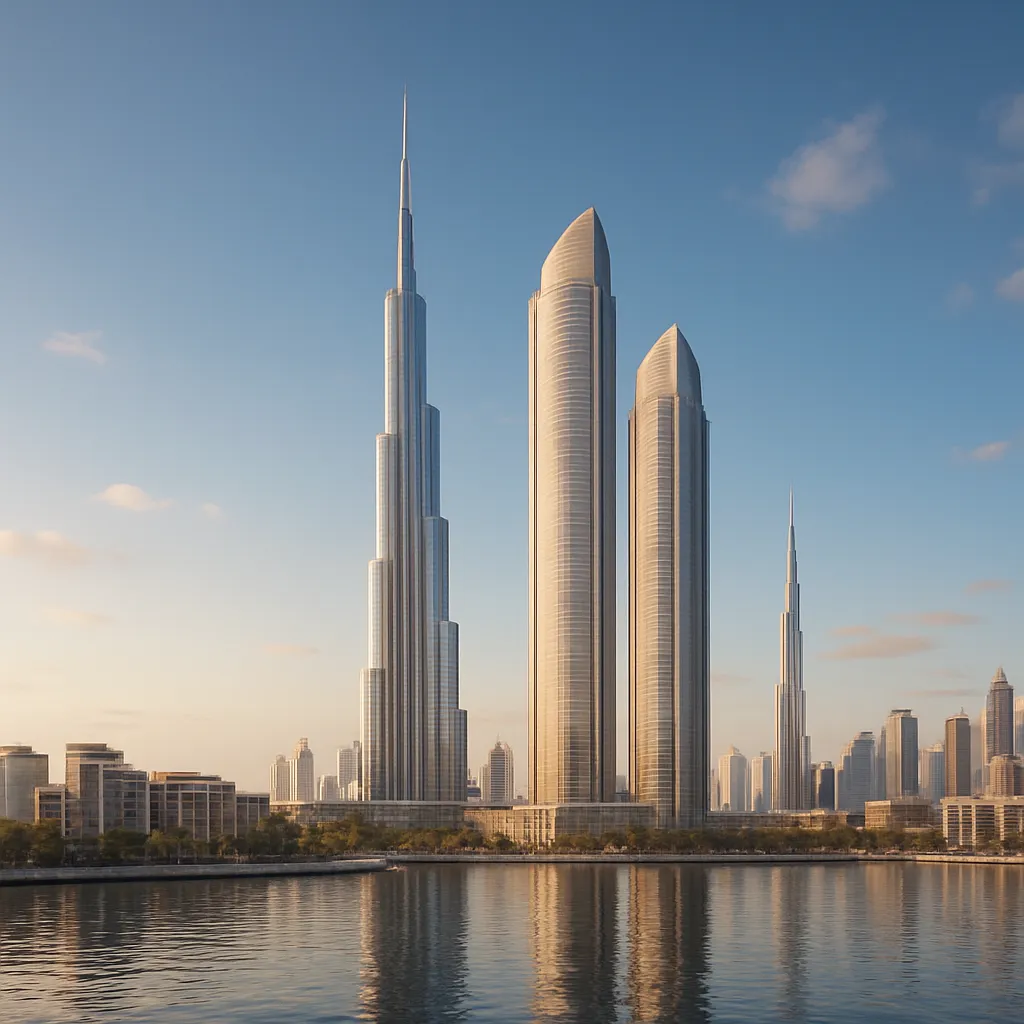
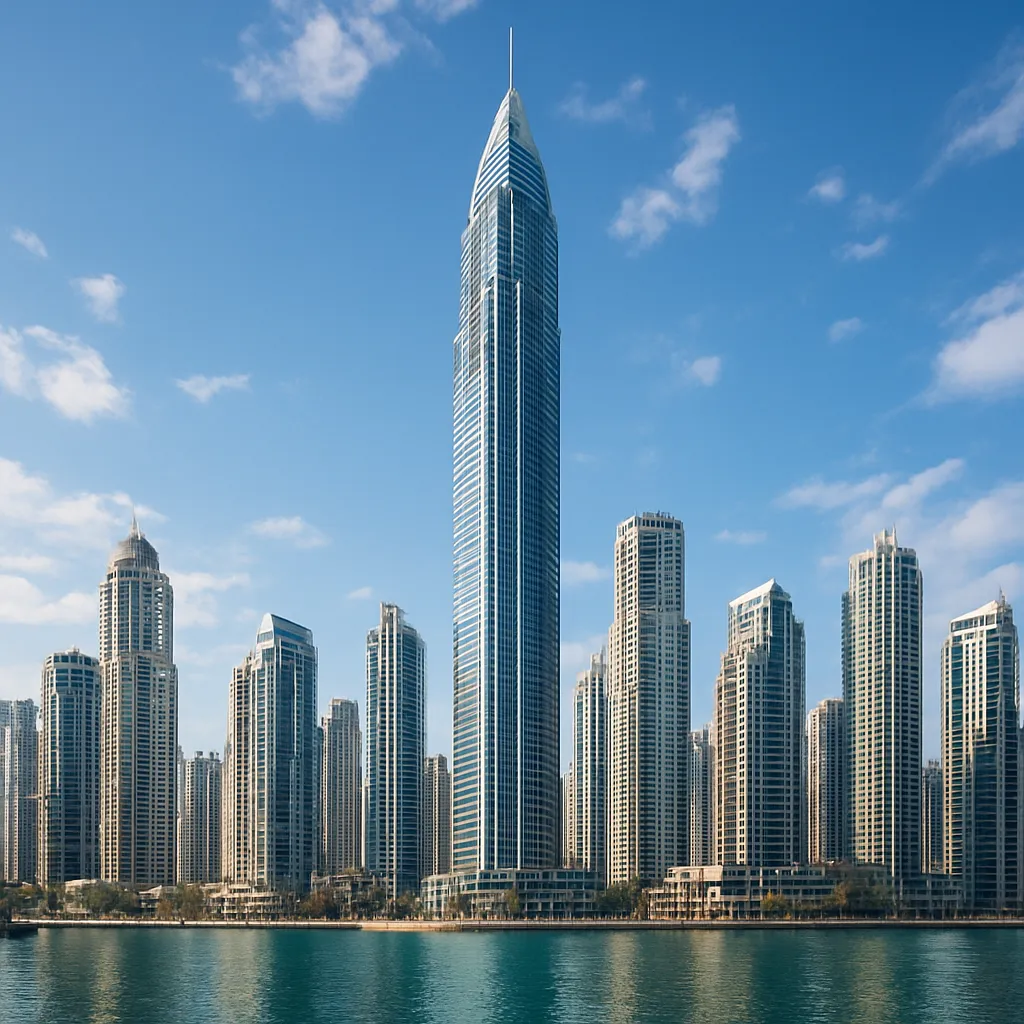
Executive Towers is a cluster development composed of multiple towers arranged around a shared podium and landscaped plaza. The complex is widely described as a set of roughly twelve towers — a configuration that blends residential apartments, office floors, and retail spaces into a single integrated complex. Tower heights vary, creating a stepped silhouette that contributes to the varied profile of Business Bay’s skyline.
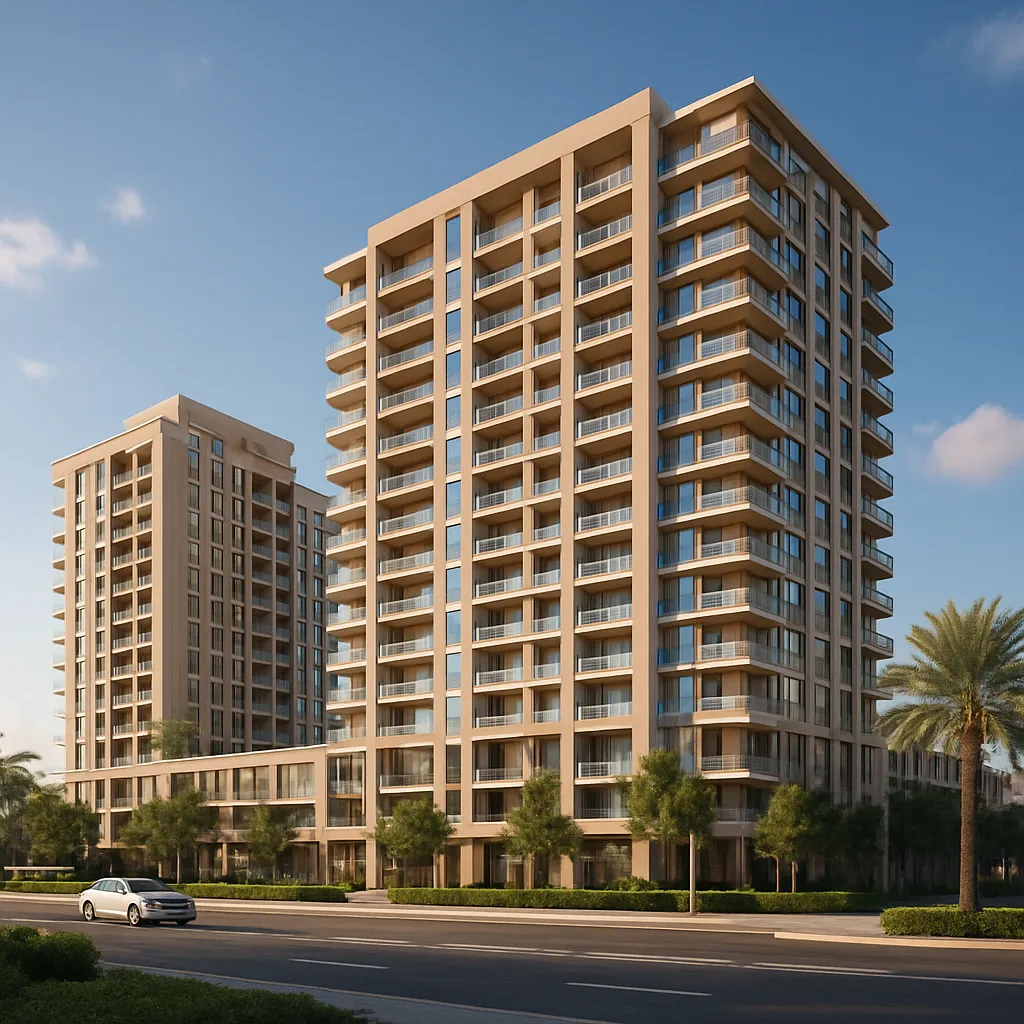
Architecturally, the towers follow contemporary high‑rise design cues: extensive glass curtain walls, aluminum cladding, and balconies that provide views across the canal and towards Downtown Dubai. The podium level typically houses retail outlets, cafes and service facilities, creating an active street edge. Multi-level basement and podium parking are standard features, designed to accommodate private vehicles in a city where car ownership remains widespread.
Floor plate sizes and unit mixes differ across the towers, with studio, one-, two- and three‑bedroom apartments catering to a range of residents — from young professionals to small families. Select towers also contain serviced apartments and small to mid-sized office floors, reflecting the mixed‑use intent of the development. Communal facilities such as gyms, swimming pools and children’s play areas form part of the amenity package in many of the residential buildings.
Development history and key statistics
Executive Towers was delivered as part of the broader Business Bay masterplan in the late 2000s and early 2010s. The development was realized under the auspices of prominent Dubai developers as the city expanded its supply of modern mixed‑use high‑density complexes. While precise delivery dates for individual towers vary, the complex reached practical completion and occupancy over several stages, with most towers open to residents and tenants by the early to mid‑2010s.
Key statistics associated with Executive Towers (approximate and widely reported) include:
- Number of towers: about 12 (cluster configuration around a central podium)
- Unit count: estimated in the low thousands overall, with a mix of studios up to larger multi-bedroom apartments (commonly reported estimates place the total residential units between roughly 1,500–2,500)
- Typical floor counts: towers range roughly from 20 to 45 floors depending on the individual block
- Land use: mixed-use — residential, commercial offices, retail podium
- Common facilities: swimming pools, fitness centers, retail arcades, multi-level parking and landscaped public areas
Because Executive Towers is a multi-building complex, aggregate figures can vary by source and by the inclusion or exclusion of commercial/serviced apartment components. The rough numbers above provide a useful sense of scale: the development houses several thousand residents at full occupancy and supports a daily working and visiting population who use its retail and service amenities.
Notable features and amenity offer
One of the defining strengths of Executive Towers is the blended amenity environment that serves both residents and office occupants. The podium and plaza spaces function as communal hubs, with retail outlets, cafés and convenience services that cater to everyday needs. Specific amenities commonly associated with towers in the complex include:
- Outdoor and rooftop swimming pools, providing recreational space and city views
- Dedicated fitness centers and sometimes small wellness/spa facilities
- Secure access, concierge and property management services in selected towers
- Retail arcades at podium level — grocery stores, pharmacies, cafés and specialist shops
- Landscaped public realm adjacent to the canal and pedestrian promenades
Beyond the immediate offerings within Executive Towers, the district’s overall amenity set is a major draw: fine dining, international restaurants, hotels, banks and cultural venues in nearby Downtown Dubai are easily accessed on foot or by a short drive. Those seeking leisure and shopping options benefit from proximity to Dubai Mall and several destination hotels that line the Business Bay and canal corridor.
Market position, residents and commercial use
Executive Towers sits in a competitive segment of Dubai’s property market: mid-to-upper range mixed-use towers in a prime urban location. The complex tends to attract a mix of expatriate professionals, young families, and investors looking for rental income. Lease tenancies are common, with tenancy profiles varying from short-term serviced apartments to standard residential leases of one year or more.
From a commercial perspective, the office floors and retail podiums provide small and medium enterprises with central addresses in Business Bay. Corporate occupiers in the district range from regional corporate offices to local service providers. The cluster’s location makes it suitable for businesses that need a central presence with good road and metro access.
Urban design and public realm interaction
Executive Towers contributes to Business Bay’s identity as a dense, vertical urban precinct. The podium and plaza design encourage street-level interaction, while the development’s relationship to the canal enhances its visual and recreational appeal. The canal promenade is a particularly important element in the district’s public realm strategy, giving office workers and residents a place to walk, exercise or dine al fresco.
In Dubai’s climate, shaded arcades, water features and thoughtfully landscaped courtyards help make outdoor spaces usable for much of the year. Many high-rise complexes in Business Bay, Executive Towers included, have integrated shaded walkways, tree planting and seating to improve outdoor comfort and encourage pedestrian circulation between buildings.
Transport, access and sustainability considerations
Executive Towers benefits from multiple transport modes: easy access to Sheikh Zayed Road for private vehicles, proximity to Business Bay and Downtown metro stations for public transit, and taxi and ride‑hailing services widely available across Dubai. For those commuting to other business districts such as DIFC, Dubai Media City or Dubai International Financial Centre, travel times are typically short due to the district’s central location and the efficient road network.
On sustainability, Dubai’s high-rise developments increasingly incorporate energy‑efficient systems, high‑performance glazing, and modern building management systems to control energy use. While Executive Towers predates some of the most recent sustainability standards, many high-rise buildings in Business Bay have retrofitted or upgraded systems over time to improve efficiency and occupant comfort. The district’s compact, high-density form can support sustainable mobility choices such as walking and transit use when well integrated with public transport and pedestrian infrastructure.
Economic role and investment outlook
As a component of Business Bay, Executive Towers plays a role in Dubai’s broader economic strategy of expanding its service economy and providing modern office and residential capacity for an international workforce. For investors, mixed‑use complexes in central neighbourhoods often offer diversified income streams from both residential leases and retail/office tenancies. Market performance depends on macroeconomic conditions, tourist inflows, and policy factors affecting expatriate residency and business licensing.
Historically, Business Bay has attracted strong developer and investor interest because of its centrality and the potential for rental demand from professionals working in Downtown and nearby free zones. Prospective investors in properties like those in Executive Towers typically evaluate rental yields, occupancy rates, and long-term capital appreciation potential — all of which can be influenced by new supply, regulatory changes, and broader economic cycles.
Resident experience and lifestyle
Living in Executive Towers offers a city‑centre lifestyle with immediate access to work, leisure and retail. Residents frequently highlight advantages such as:
- Walking distance to major attractions and a wide range of dining options
- Panoramic views toward the Burj Khalifa and the canal
- Modern building facilities including pools and gyms
- Convenient connectivity to other parts of Dubai
At the same time, potential downsides commonly noted in dense urban towers include traffic congestion during peak hours, variable noise levels depending on unit orientation, and parking pressures in periods of high demand. Quality of life is often linked to specific tower management standards — good property management tends to produce higher resident satisfaction.
Future prospects and the role in Dubai’s urban evolution
Business Bay remains a focus for ongoing urban refinement and investment. Executive Towers’ location ensures it will continue to be relevant as the district evolves, benefiting from planned improvements to public transport, pedestrian networks, and canal-side amenities. As Dubai continues to diversify its economy and promote live‑work districts, mixed‑use complexes that combine residences, offices, and retail are likely to retain strategic importance.
Future upgrades or repositioning of parts of the complex may include enhancements to retail offerings, digital building services, or energy efficiency retrofits — approaches commonly pursued across Dubai’s mature urban areas to maintain competitiveness and appeal.
Summary
Executive Towers in Business Bay is a representative example of Dubai’s mixed‑use, high‑density urbanism. With approximately twelve towers clustered around a shared podium, the complex offers a blend of residential units, offices and retail that benefits from a prime location adjacent to Downtown Dubai and the canal. Its combination of connectivity, amenity, and central city living has made it a notable address for residents and businesses alike. While precise statistics can vary by source, the development’s scale — housing several thousand residents across multiple towers — and its role in Business Bay’s ongoing transformation make it an enduring part of Dubai’s modern urban fabric.