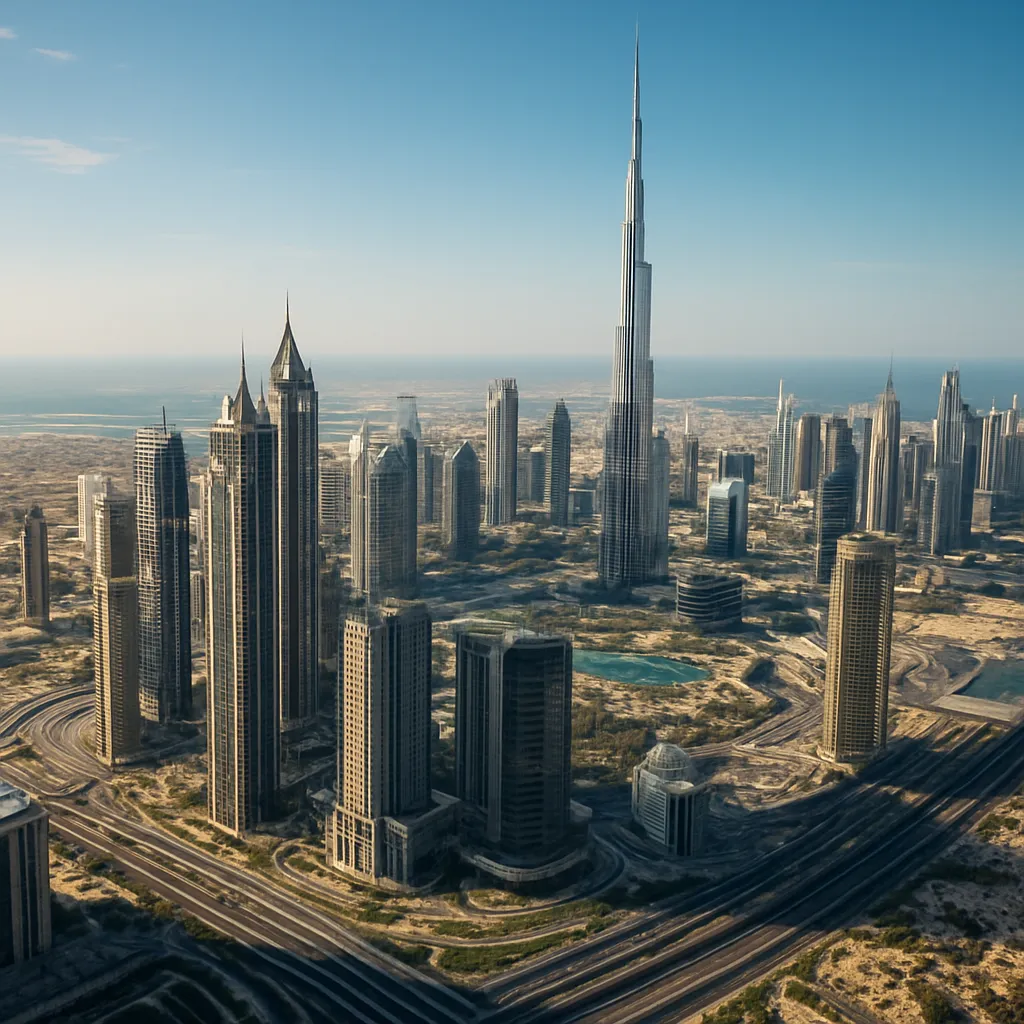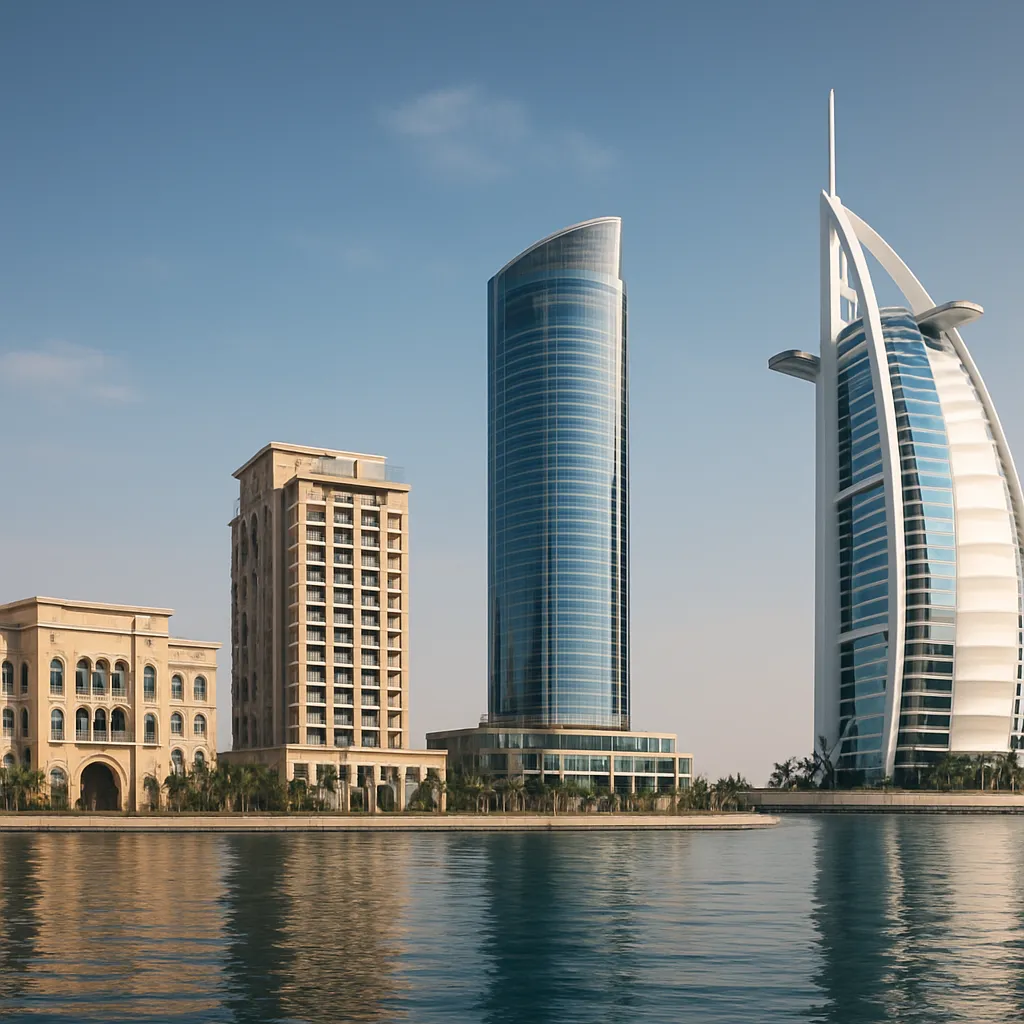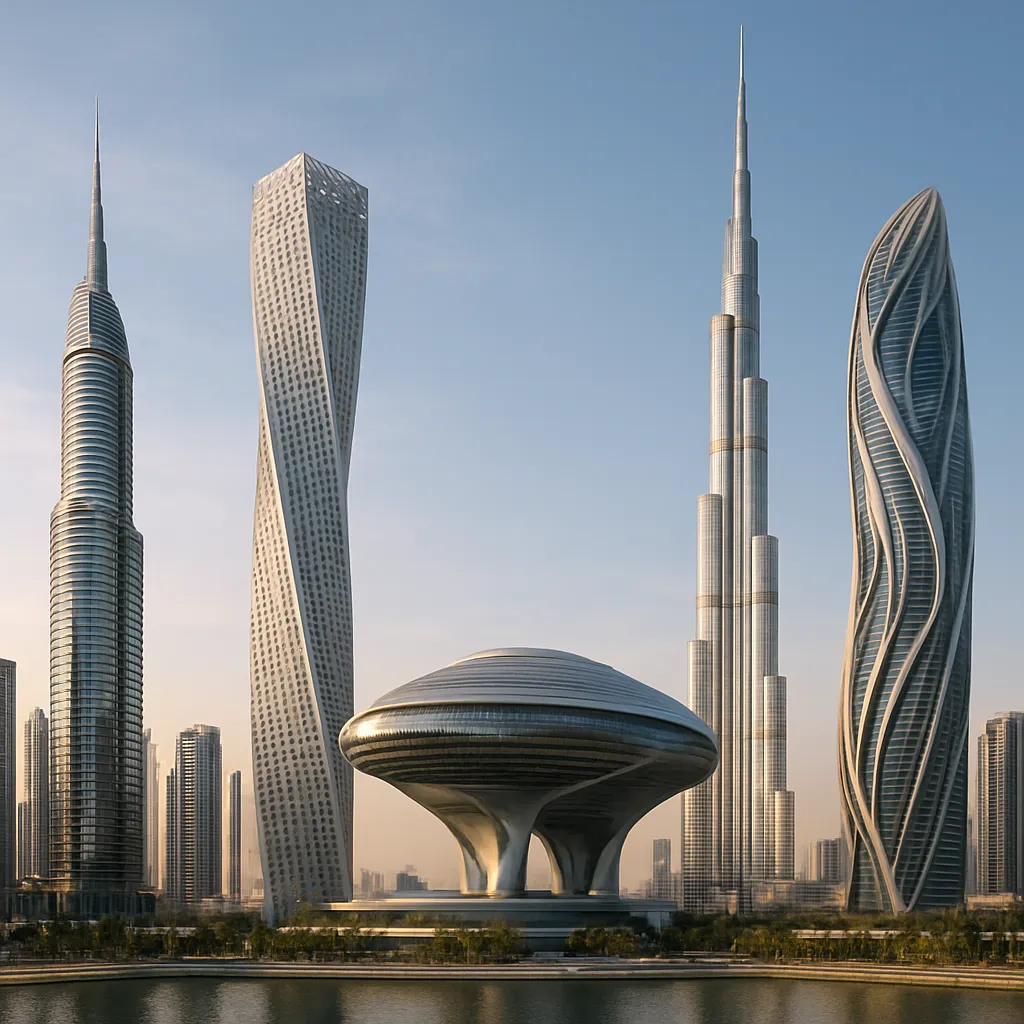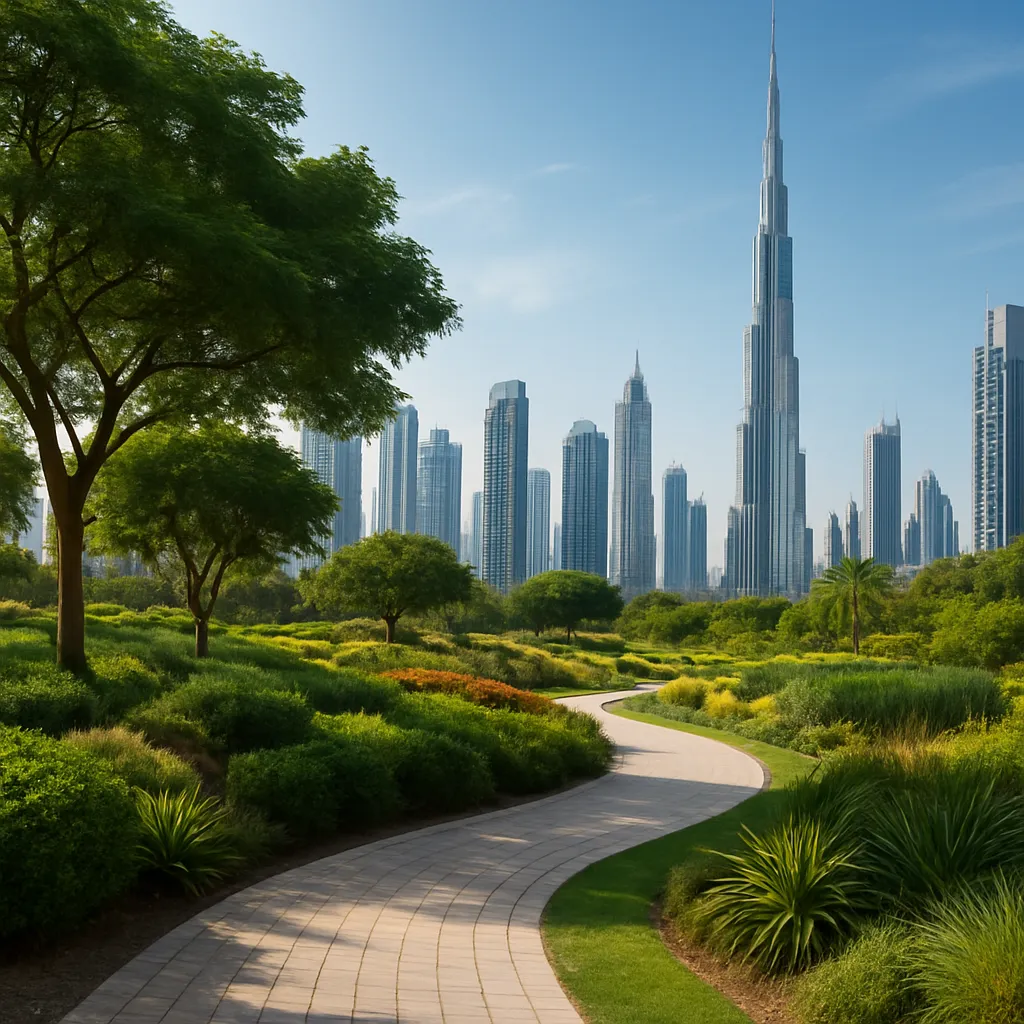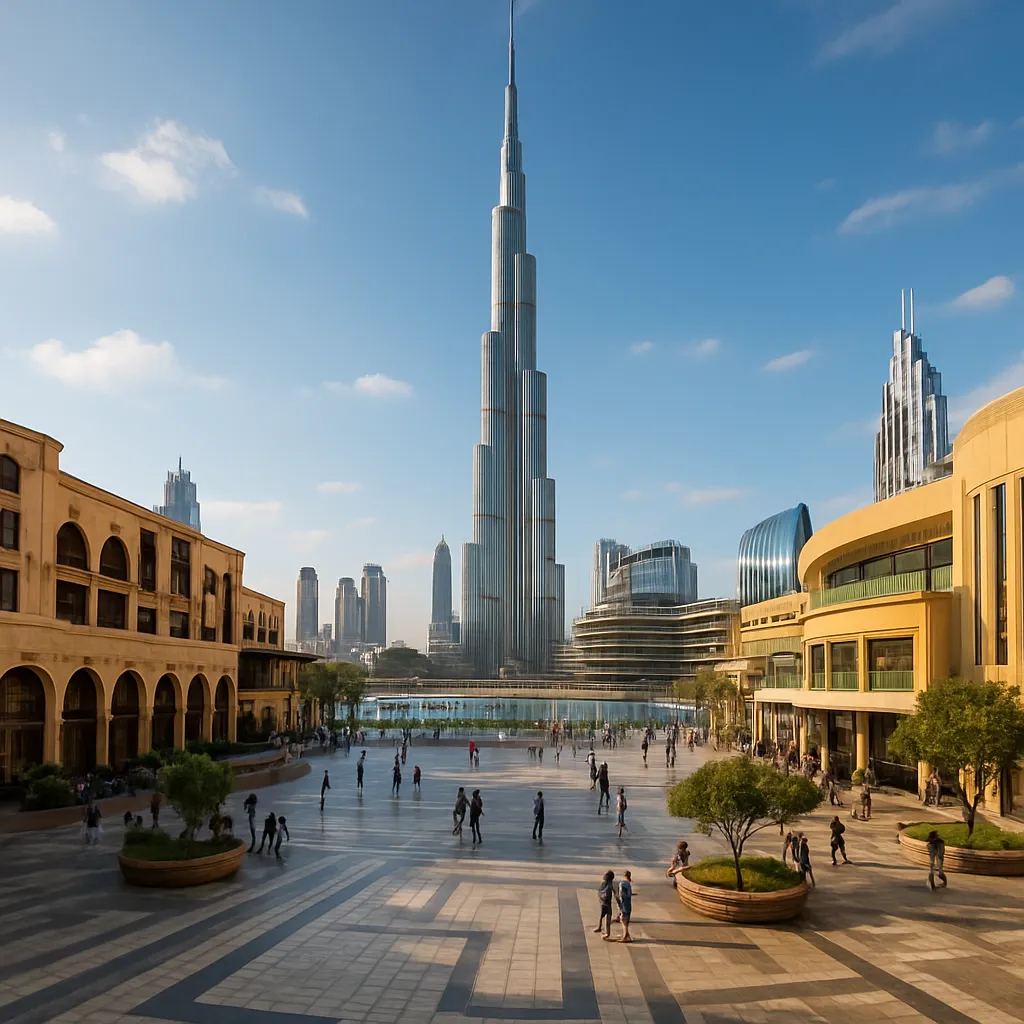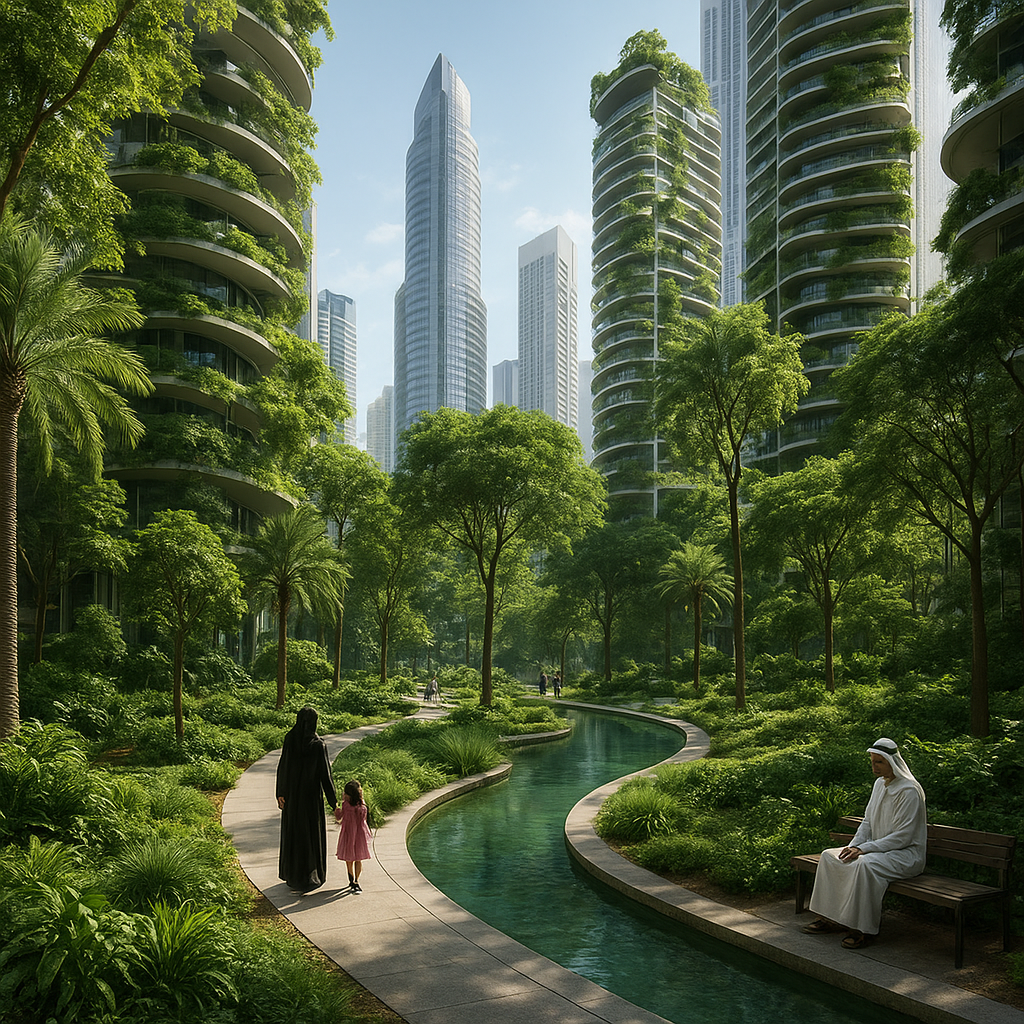
Dubai’s skyline is renowned for its bold architecture and towering skyscrapers, but beneath the gleaming façades and glass panels lies a network of surprisingly lush green retreats. These hidden oases are more than ornamental add-ons; they represent a strategic shift toward integrating sustainability, biodiversity, and improved microclimate into the heart of the desert metropolis. From vertical gardens clinging to high-rise exteriors to expansive rooftop parks, these spaces redefine what it means to live and work amid the dunes.
Vertical Gardens and Living Walls
In pursuit of innovative solutions to combat rising urban temperatures, several Dubai developments have adopted vertical greenery systems. These living walls are not only eye-catching but serve critical environmental functions:
- Thermal Insulation: Vegetation layers reduce heat transfer through building surfaces, lowering energy consumption for cooling.
- Air Purification: Plants absorb pollutants and particulate matter, improving air quality in densely populated zones.
- Noise Reduction: Foliage dampens urban noise, creating quieter and more peaceful indoor and outdoor environments.
At landmarks like the Almas Tower and Jumeirah Beach Residences, designers have integrated modular planting panels that can be maintained with minimal water use, relying on efficient drip-irrigation and sensors that monitor moisture and sunlight. These systems foster eco-friendly maintenance regimes, ensuring the façades remain verdant year-round despite Dubai’s arid climate.
Case Study: The Middle East’s Largest Living Wall
One of the most ambitious projects to date is the living wall at Dubai’s upcoming Dubai Creek Harbour development. Spanning over 2,000 square meters, this installation features:
- Over 50 species of native and adaptive plants
- Automated nutrient management
- Integration with on-site greywater treatment
By adopting native flora and water recycling, Dubai Creek Harbour sets a new standard for climate resilience in mega developments.
Rooftop Parks and Sky Gardens
Beyond the façades, the upper levels of many Dubai towers have been reimagined as elevated parks. These urban greenery zones transform otherwise underutilized rooftops into communal refuges, offering residents and workers a taste of nature amid high-altitude vistas.
Features of Dubai’s Rooftop Escapes
- Recreational Spaces: Jogging tracks, yoga platforms, and children’s play areas invite wellness activities at height.
- Edible Landscaping: Community herb gardens and fruit trees promote local food production and hands-on interaction with nature.
- Solar Shading: Pergolas covered in climbing vines provide shade, reducing ambient temperatures by up to 5°C.
- Water Features: Reflecting pools and rills contribute to evaporative cooling and a soothing atmosphere.
The Marina Gate towers boast one of the most expansive sky gardens in Dubai, complete with panoramic viewing decks and a café nestled among palms. Meanwhile, the Jumeirah Lakes Towers community has converted several multi-storey podium roofs into a continuous green carpet, interlinked by pedestrian bridges.
Social and Psychological Benefits
Access to green spaces at home and work has been shown to:
- Lower stress levels and improve mood
- Boost creativity and cognitive function
- Encourage social interaction among residents
In a city where daily life can feel fast-paced and enclosed, these sky-high gardens provide critical mental health benefits, nurturing a sense of calm and community.
Subterranean Green Atriums and Courtyards
Contrary to the common perception that underground spaces are dim and gloomy, Dubai has pioneered the integration of light-filled courtyards and atriums below grade. These subterranean gardens harness architectural ingenuity to deliver lush oases away from the direct desert glare.
Architectural Strategies for Underground Greenery
- Sunken Light Wells: Vertical shafts channel natural light into lower levels, supporting plant growth without electrical lighting.
- Chromatically Tuned Glass: Filtered glass panels adjust the spectrum of sunlight, optimizing photosynthesis.
- Thermal Mass Efficiency: Earth-sheltered walls maintain stable underground temperatures, reducing HVAC loads.
- Controlled Humidity: Integrated misting systems sustain humidity to support tropical and temperate species alike.
Projects such as the Dubai Mall Extension now feature indoor gardens that span multiple basement floors, complete with cascading waterfalls and tropical palms. These spaces act as sanctuaries for shoppers and employees, offering an unexpected connective tissue between retail hubs and office blocks.
Green Integration in Waterfront Developments
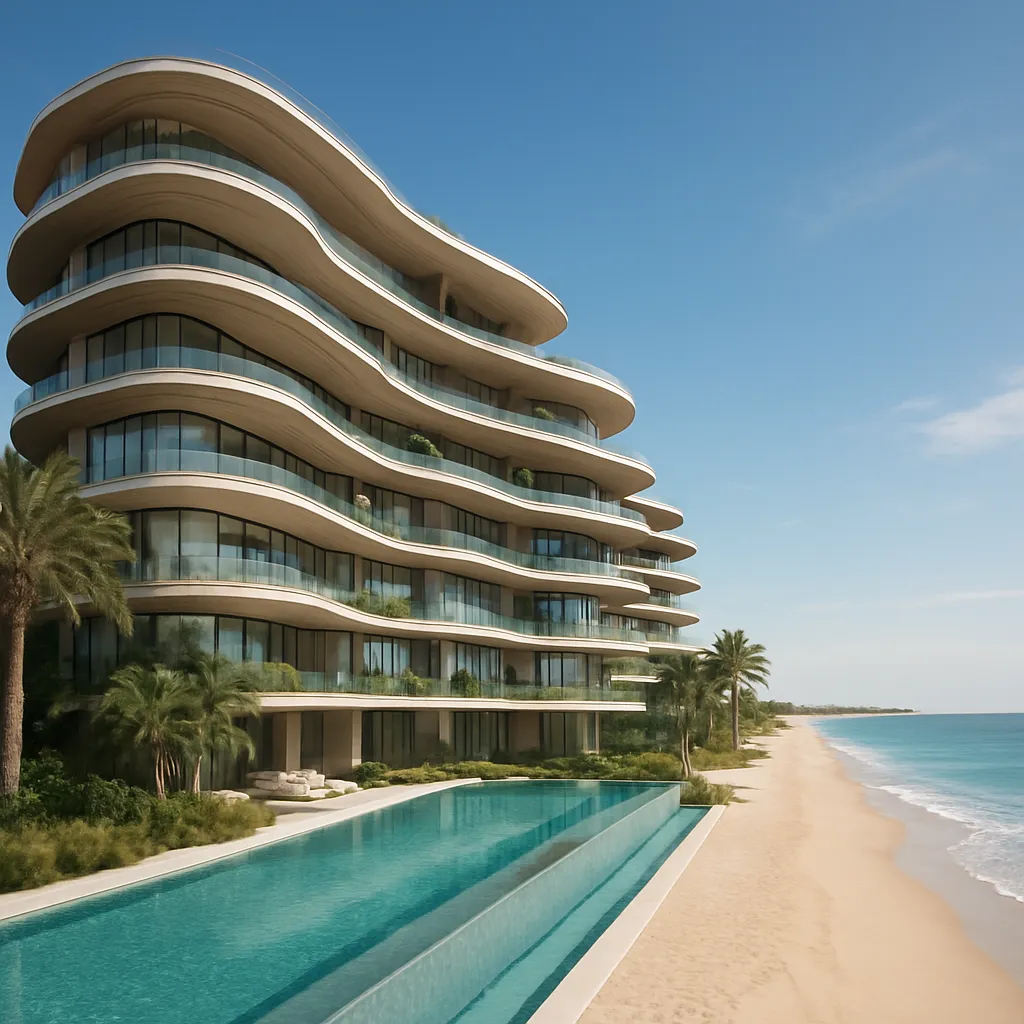
Dubai’s waterfront projects, from the Palm Jumeirah to Bluewaters Island, have leveraged their proximity to water to enhance green space initiatives. Promenades lined with shaded planting beds, mangrove reforestation zones, and waterfront green corridors illustrate a commitment to preserving and celebrating coastal ecology.
Enhancing Biodiversity in Marine Adjacent Zones
Key efforts include:
- Replanting native mangrove stands to support fish nurseries and coastal protection
- Creating salt-tolerant planting platforms for dune stabilization
- Installing submerged artificial reefs that integrate with above-water parkland
The Dubai Marina waterfront incorporates boardwalks punctuated by landscaped alcoves, where drought-tolerant shrubs and aromatic grasses soften the urban edge. Meanwhile, the luxury residences on Palm Jumeirah feature private plunge gardens and tidal pools that echo natural tidal flats.
Challenges and Future Directions
Despite the remarkable progress, integrating extensive green spaces in a severe desert climate comes with challenges:
- Water Scarcity: Balancing lush landscaping with sustainable water management remains critical.
- Maintenance Costs: Specialized care for exotic plants can elevate operational budgets.
- Heat Stress: Selecting resilient species capable of withstanding extreme temperatures is essential.
Looking ahead, developers are exploring advanced solutions such as:
- Genetically optimized plants for enhanced drought tolerance
- Agrivoltaics combining solar panels with vertical farms
- AI-driven irrigation scheduling for zero-waste watering
As Dubai continues to redefine its urban fabric, these hidden green enclaves demonstrate how architecture and nature can converge to create healthier, more resilient, and visually striking environments. The city’s mega projects are no longer just emblems of economic prowess; they are laboratories for pioneering sustainable urbanism, proving that even in the heart of the desert, verdant life can flourish in the most unexpected places.