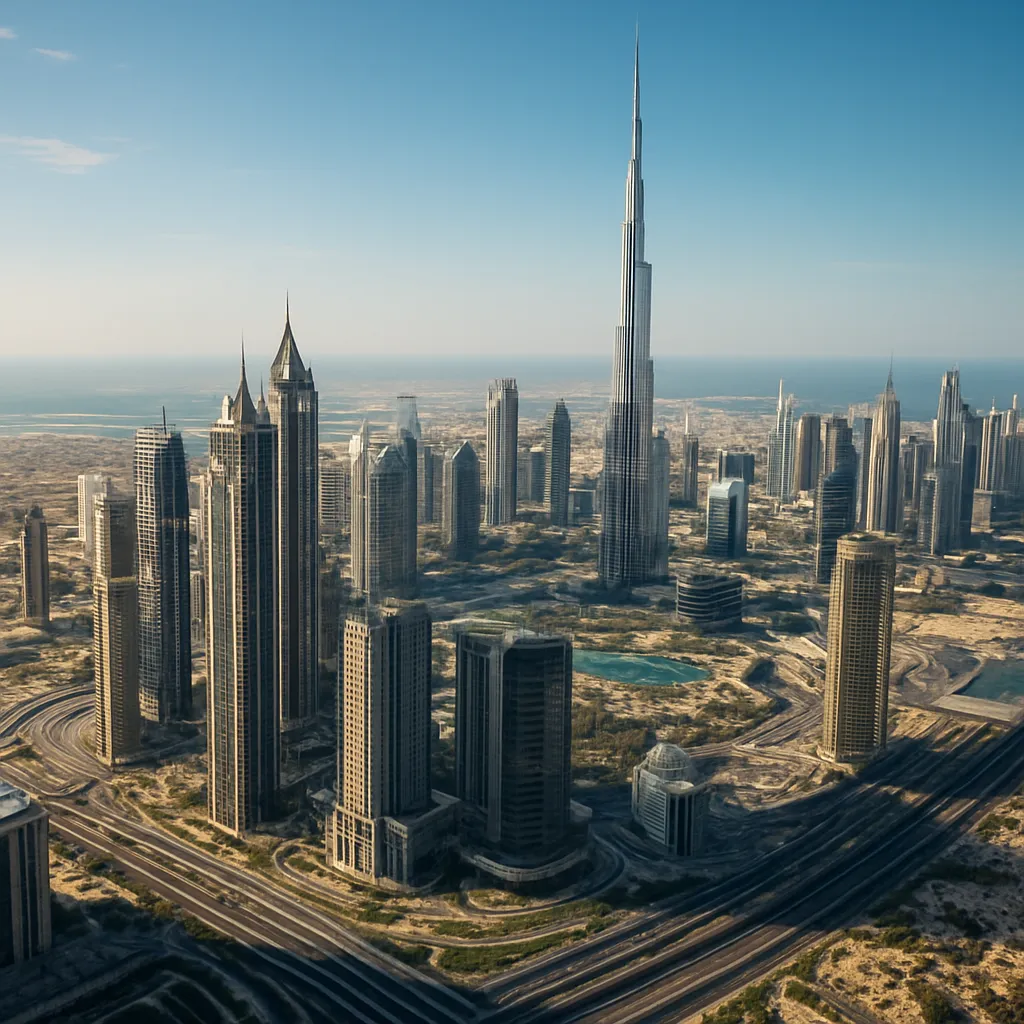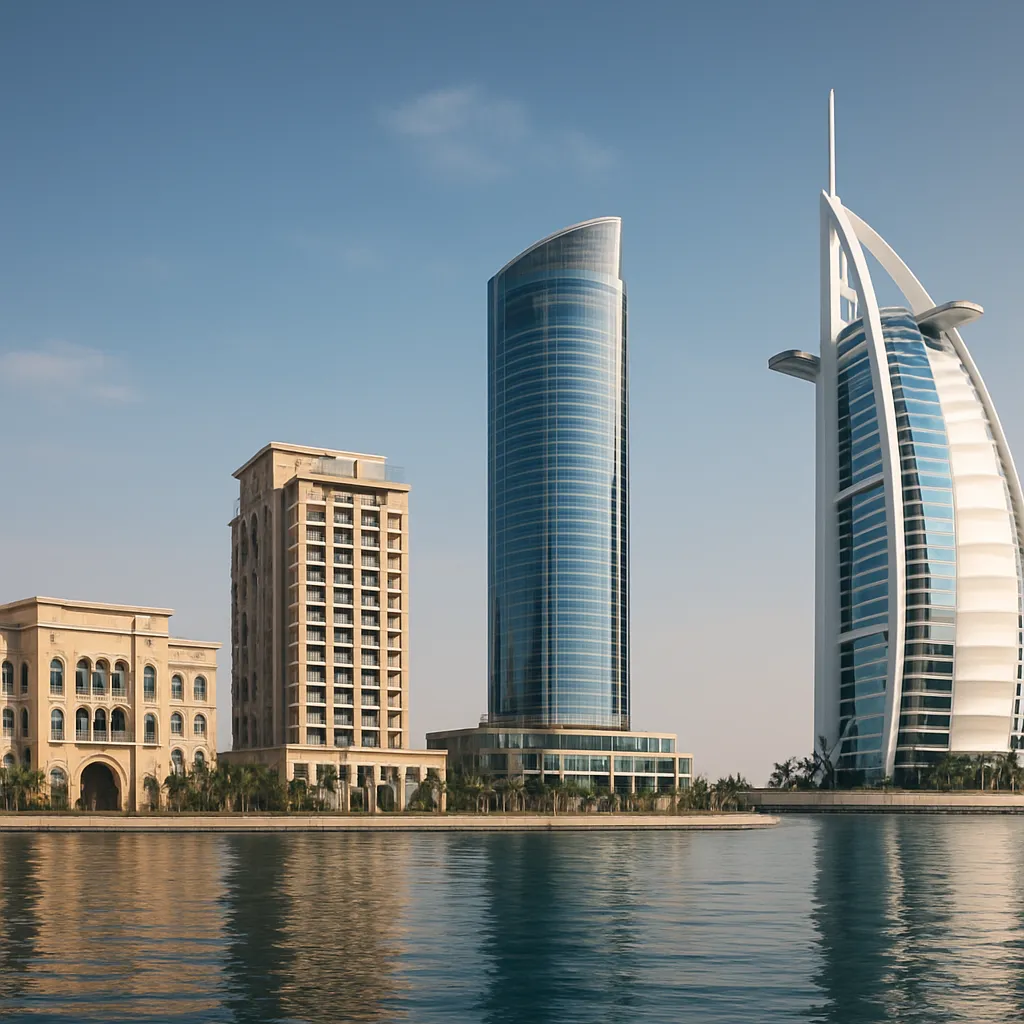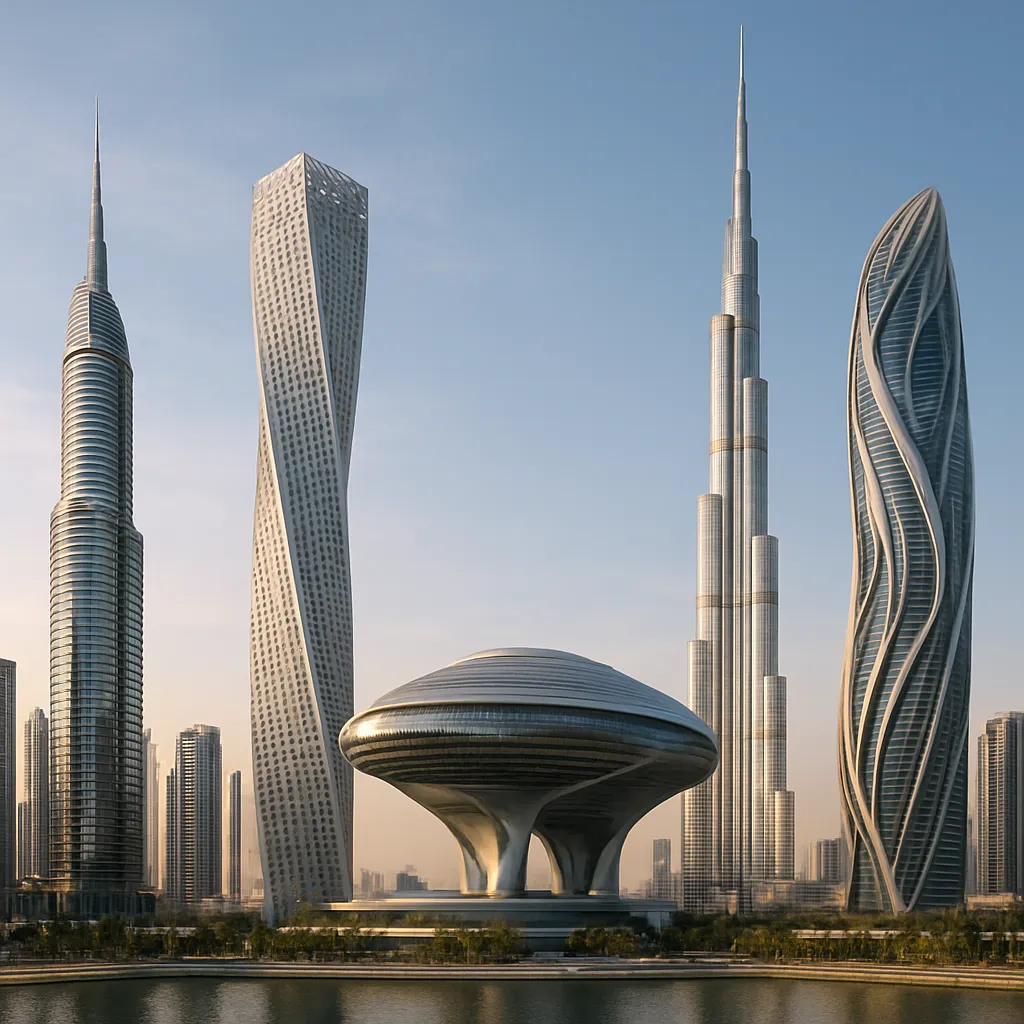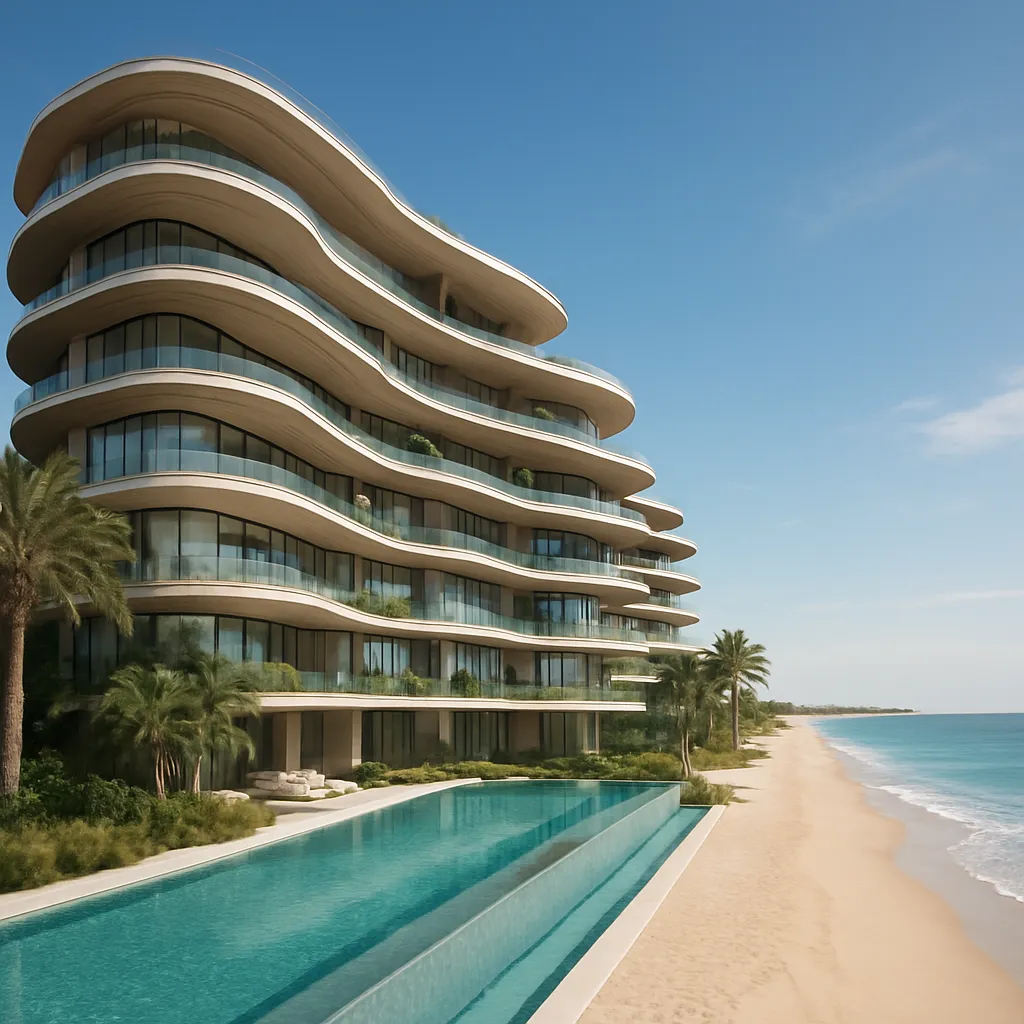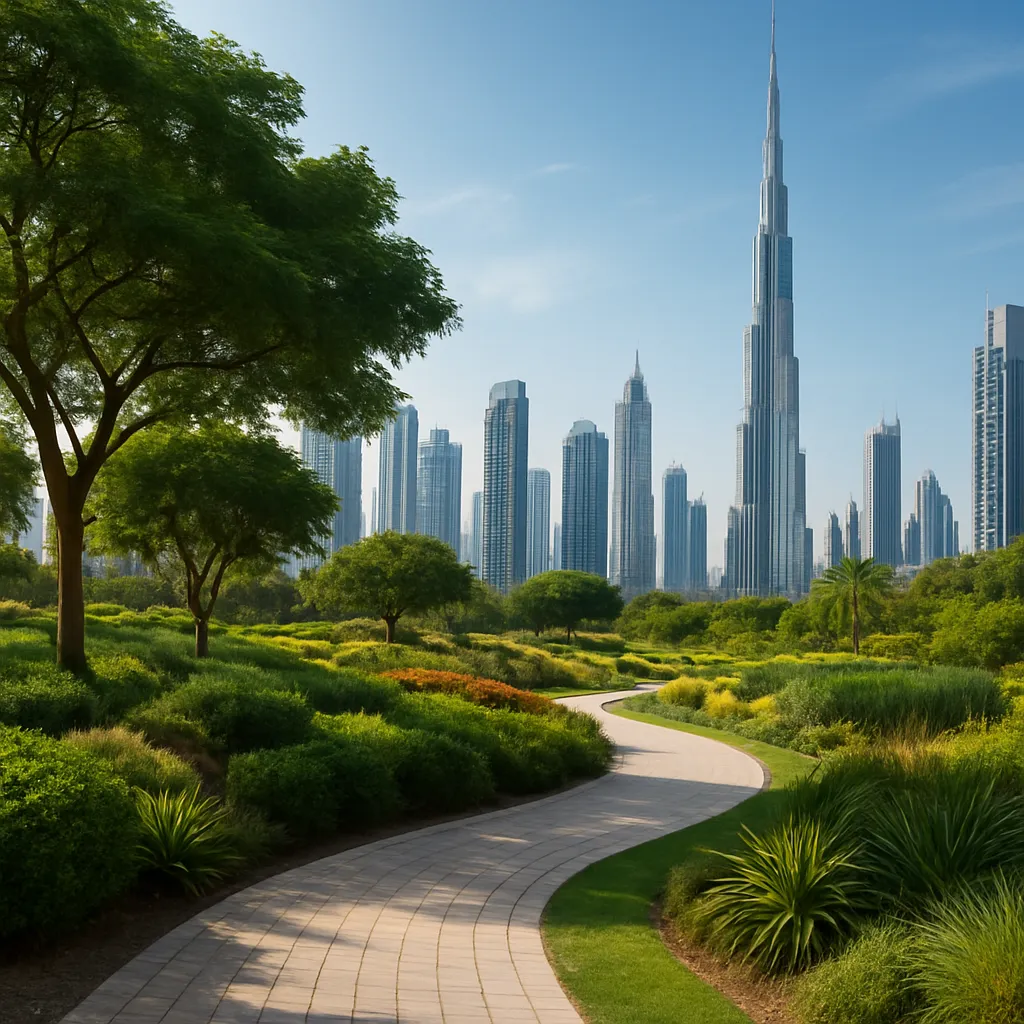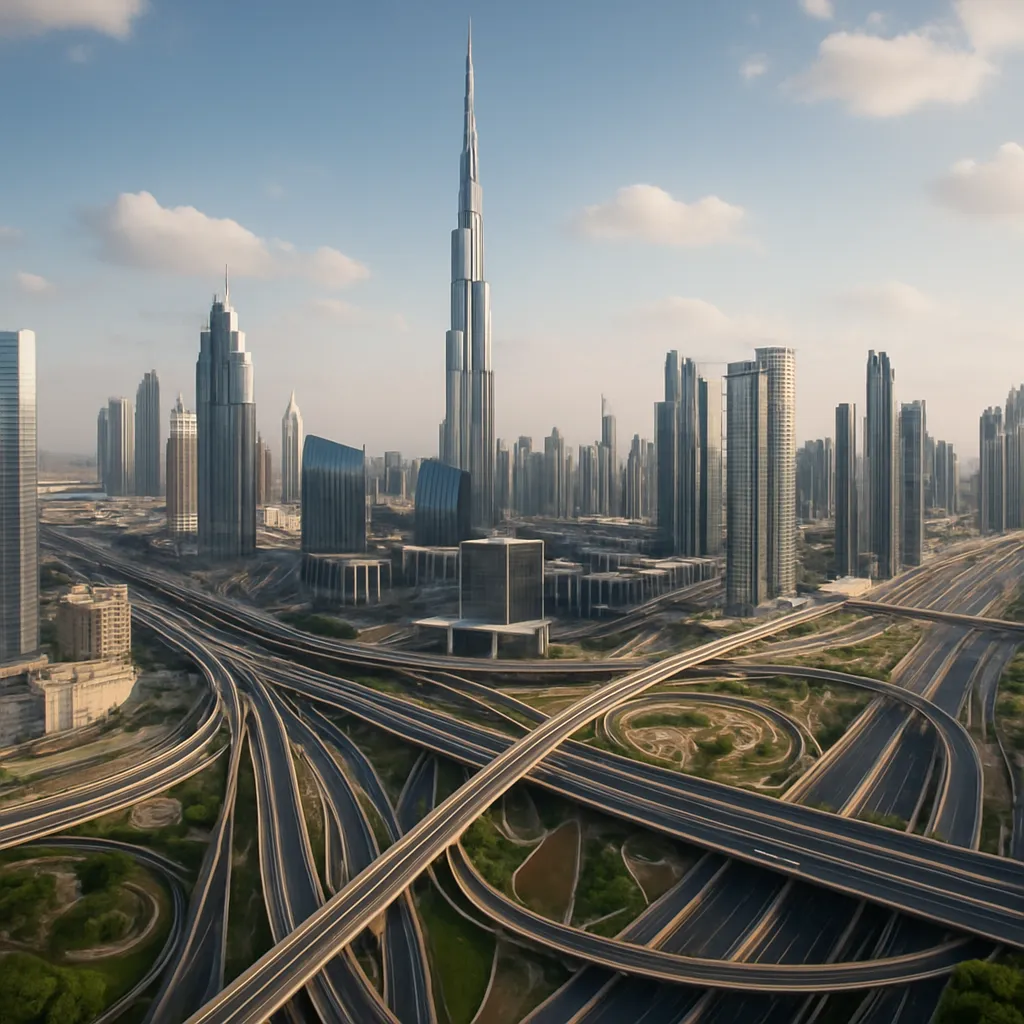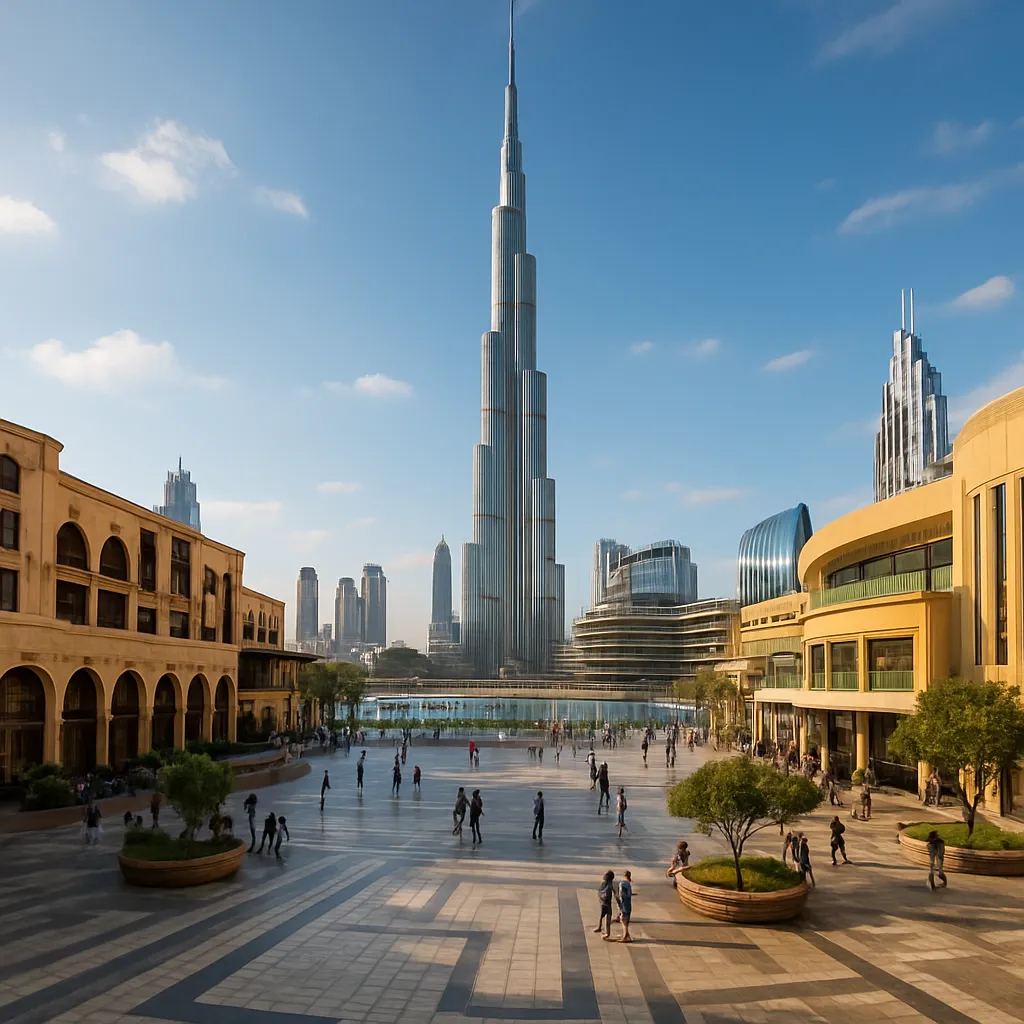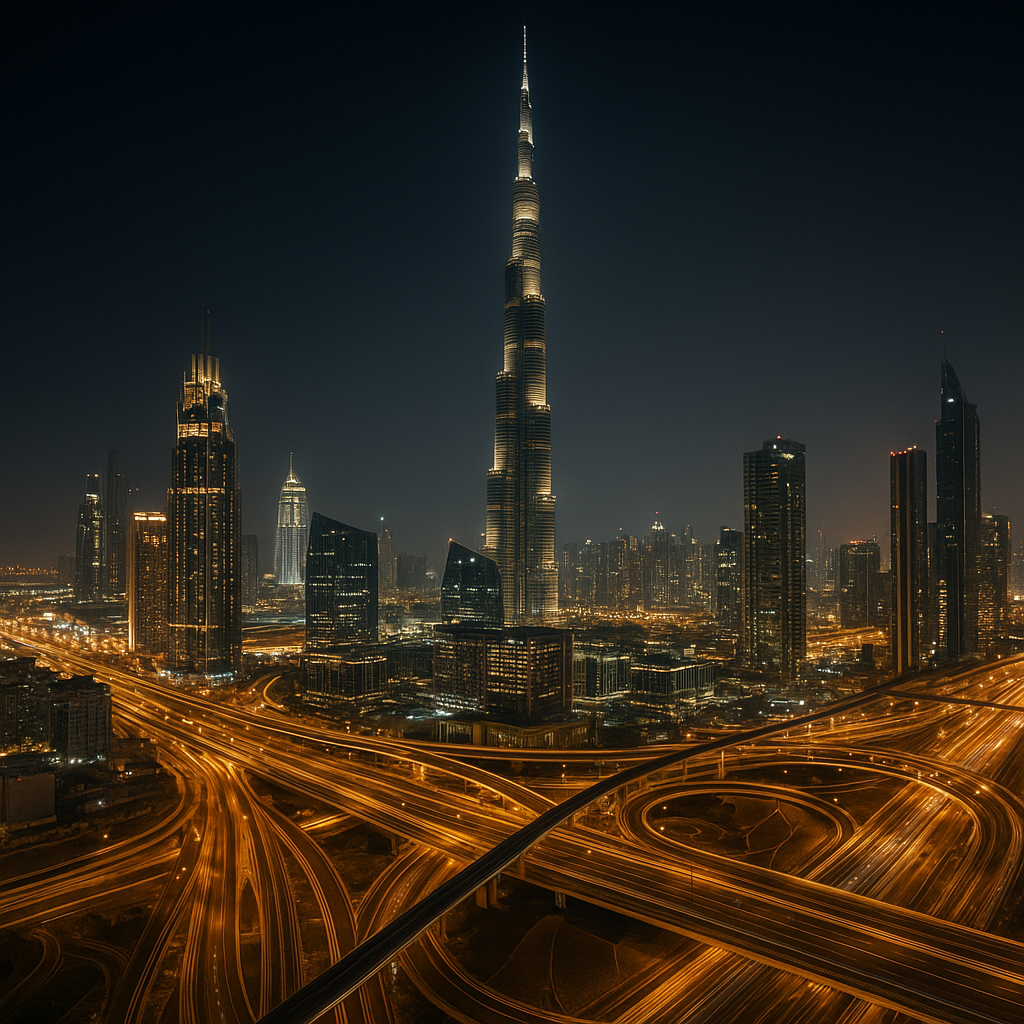
The city of Dubai is renowned for its architectural marvels and cutting-edge urban development. Among the many factors that shape the city’s distinctive identity, lighting plays a pivotal role in enhancing both form and function. From the dramatic silhouette of the Burj Khalifa piercing the night sky to the subtle glow of pedestrian promenades along Dubai Marina, illumination elevates the urban fabric and redefines 24-hour city living. This article explores how lighting strategies are integrated within Dubai Buildings to deliver safety, sustainability, and aesthetic impact.
Historical Evolution of Urban Illumination
Dubai’s journey from a modest fishing port to a global metropolis has been mirrored by the transformation of its lighting infrastructure. In the early days, simple street lamps and modest coastal beacons were sufficient to guide fishermen and traders. As the city expanded rapidly in the 1990s and 2000s, developers and municipal authorities recognized the power of light to convey prestige and modernity. Iconic projects such as Sheikh Zayed Road and The Dubai Mall incorporated custom-designed catenary lighting systems that showcased the city’s ambition. By the late 2000s, LED technology began to replace conventional sodium-vapor lamps, offering unparalleled color versatility and energy efficiency. This shift marked the beginning of a new era in which Dubai’s skyline would be not only tall and bold but also brilliantly illuminated.
Functional and Aesthetic Roles of Lighting
In Dubai’s dense urban context, lighting must balance multiple objectives. Far beyond simple visibility, contemporary schemes integrate safety, wayfinding, energy management, and artistic expression.
- Safety and Security: Well-lit streets and public spaces reduce crime rates and increase pedestrian confidence. Motion-sensitive fixtures and CCTV-integrated poles ensure that residents and visitors feel secure, even during late-night hours.
- Wayfinding and Orientation: Dynamic lighting cues guide people through complex developments such as Downtown Dubai and Bluewaters Island. Color-coded pathways and illuminated signage improve navigation in sprawling mixed-use zones.
- Energy Efficiency: Dubai’s commitment to sustainability is reflected in its adoption of high-efficiency LEDs, solar-powered bollards, and advanced controls that dim or switch off lights in underutilized areas. Smart sensors adjust output based on ambient light conditions and foot traffic.
- Aesthetic Enhancement: Architectural facades become canvases for light, with programmable fixtures that create captivating patterns. From the golden hues of the Museum of the Future to the cool-blue gradients on Dubai’s financial district towers, illumination fosters a unique identity after dark.
Psychological and Social Impacts
Research indicates that thoughtfully designed lighting can influence mood, encourage social interaction, and even boost commercial activity. Retail districts such as City Walk benefit from a blend of accent lights, spotlights, and ambient glow that draw shoppers while providing a welcoming environment. Public plazas like Al Seef use warm, low-level lighting to create intimate gathering spaces where families and friends linger into the evening.
Technological Innovations Shaping the Skyline
Dubai continues to push the boundaries of innovation in lighting technology, collaborating with international manufacturers and research institutions. Notable advancements include:
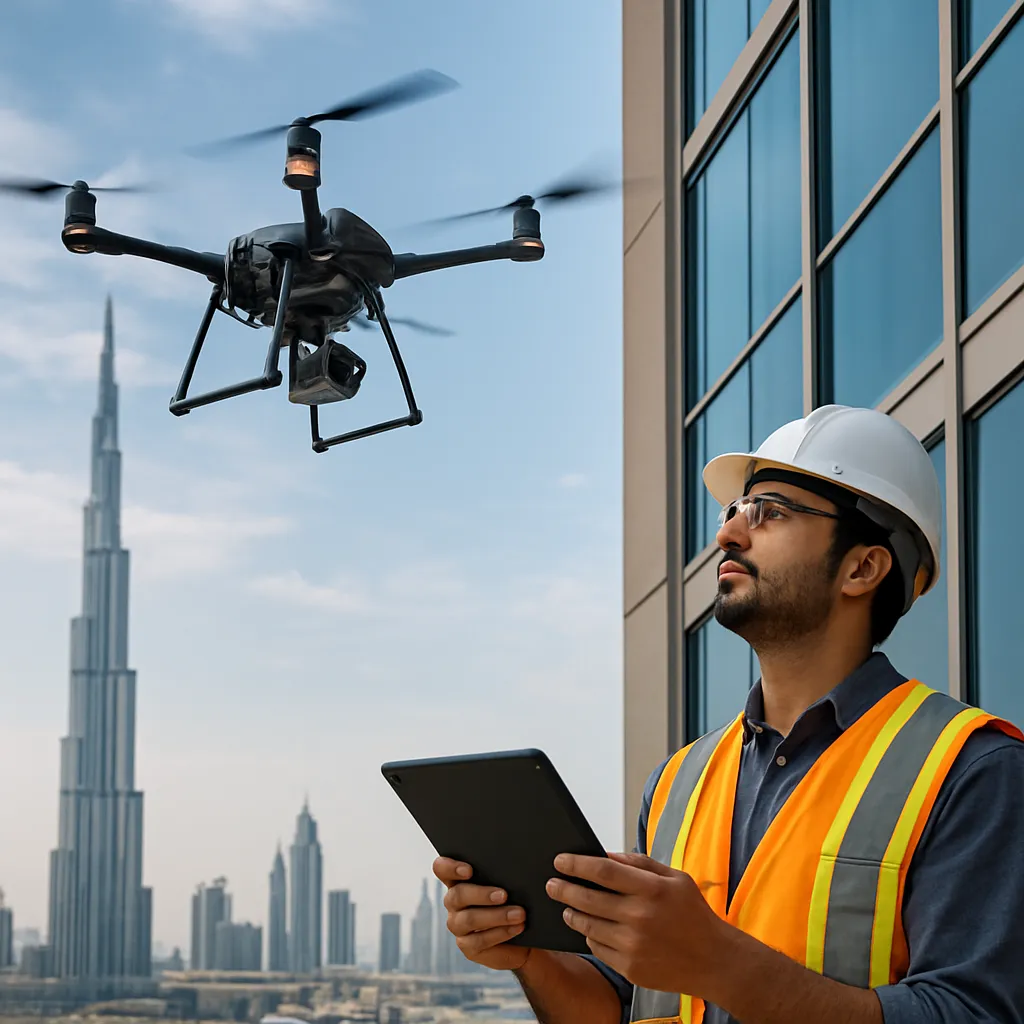
- Smart Networked Lighting: IoT-enabled fixtures communicate in real time, allowing centralized management of thousands of points of light. City-wide dashboards display performance metrics and energy consumption.
- Adaptive Color Temperature: Tunable white LEDs shift between warm and cool tones to match human circadian rhythms or to complement seasonal events. Streets around the Burj Khalifa, for instance, transition from daylight-like 5000K during peak hours to a gentler 3000K after midnight.
- Interactive Installations: Digital art projects use motion tracking and responsive LEDs to engage the public. The waterfront promenade at Dubai Creek Harbour features an immersive light tunnel that reacts to movement, encouraging exploration.
- Renewable Integration: Photovoltaic panels embedded in street furniture power perimeter lighting around parks such as Zabeel and Safa. Excess energy is stored in micro-grids that can back up adjacent building systems.
Case Studies of Iconic Buildings
Several landmark structures exemplify how lighting transforms architecture into global icons.
Burj Khalifa
The tallest tower in the world leverages an elaborate external network of high-intensity LED fixtures. Coordinated light shows celebrate national holidays, international events, and charitable campaigns. Designers programmed sequences that can be seen from 95 kilometers away, making the tower an ever-changing beacon on the horizon.
Dubai Frame
Shaped like a monumental picture frame, this structure uses edge-lighting to accentuate its geometric silhouette. By placing LEDs along the inner contours, the Frame appears to float against the night sky, symbolizing the connection between Dubai’s past and future.
Palm Jumeirah Monorail and Boardwalk
Linear lighting lines the elevated tracks, providing both guidance for the train system and a continuous ribbon of light across the island. The adjacent boardwalk features recessed floor fixtures that cast gentle uplights onto palm trees, creating a serene oasis atmosphere.
Future Trends in Dubai’s Urban Lighting
Looking ahead, Dubai’s lighting schemes will evolve to address emerging challenges and aspirations. Anticipated developments include:
- Human-Centric Lighting: Systems that adapt spectral output and intensity to improve well-being in workplaces, residential towers, and hospitality venues.
- Biophilic Integration: Warm, organic lighting designed to mimic natural environments, fostering a stronger connection between city dwellers and the outdoors.
- Data-Driven Optimization: Machine learning algorithms will refine light schedules based on real-time analytics of pedestrian flows, weather conditions, and energy tariffs.
- Vertical Green Facades with Embedded LEDs: Combining vegetation and integrated lighting to create dynamic living walls that purify air while serving as visual attractions.
Dubai’s commitment to excellence ensures that urban lighting remains at the forefront of its architectural narrative, illuminating a path toward a sustainable, vibrant future.