Jumeirah Lake Towers (commonly abbreviated as JLT) is one of Dubai’s most distinctive mixed‑use districts, notable for its dense cluster of high‑rise towers arranged around a series of man‑made lakes and landscaped promenades. Located close to the heart of Dubai’s western corridor, JLT has grown into a dynamic urban community that combines residential, commercial and leisure uses, and has attracted a wide range of international businesses, residents and visitors since its inception. This article explores the location, architecture, daily life, statistics and interesting facts about JLT, and touches on the idea of a “Dubai Arch” as an architectural concept associated with the area.
Location and overview
Jumeirah Lake Towers sits on the Sheikh Zayed Road corridor, directly opposite Dubai Marina and within easy reach of major business districts and leisure destinations. The development occupies a prominent position on Dubai’s urban map, providing quick access to the city’s key arteries and public transport systems. Administratively, JLT falls within the bounds of the wider Jumeirah/desert fringe but functions as a largely self‑contained neighborhood with its own mixture of offices, homes, hotels and retail.
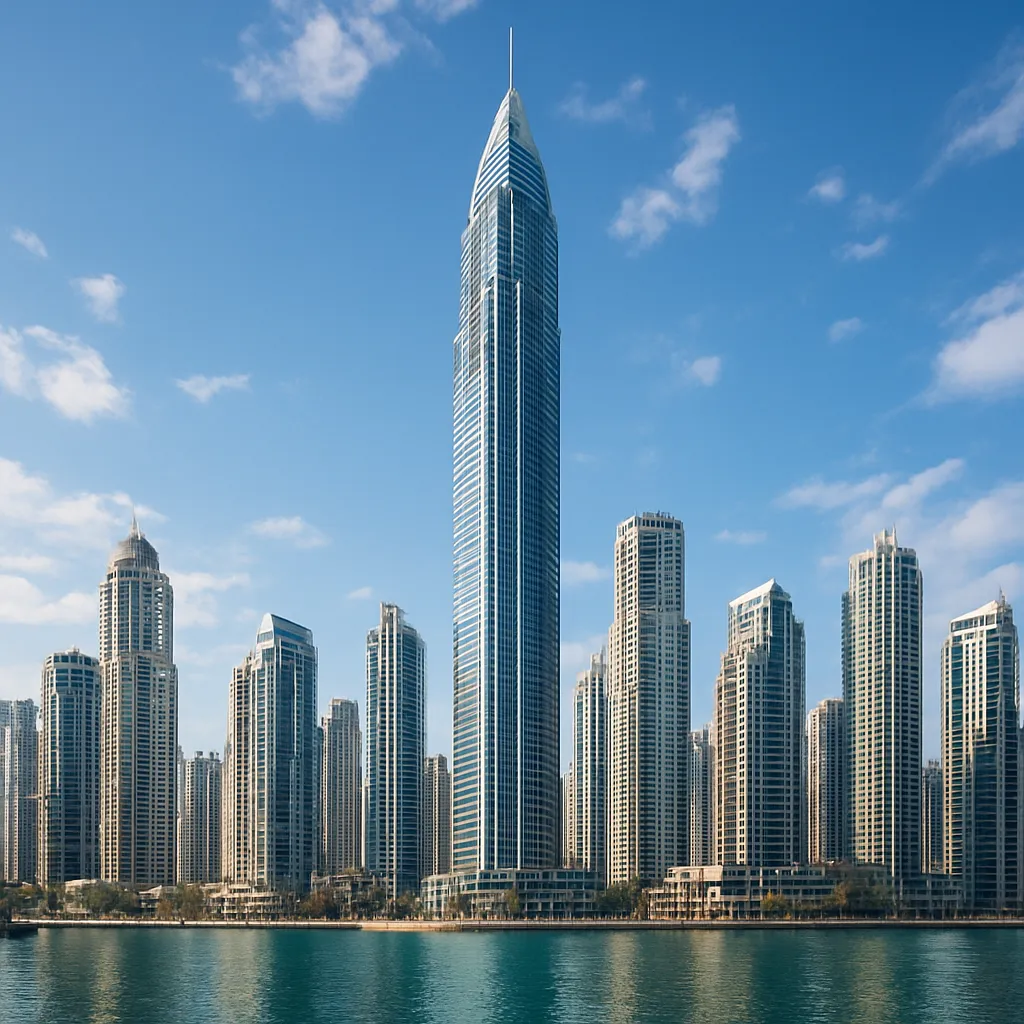
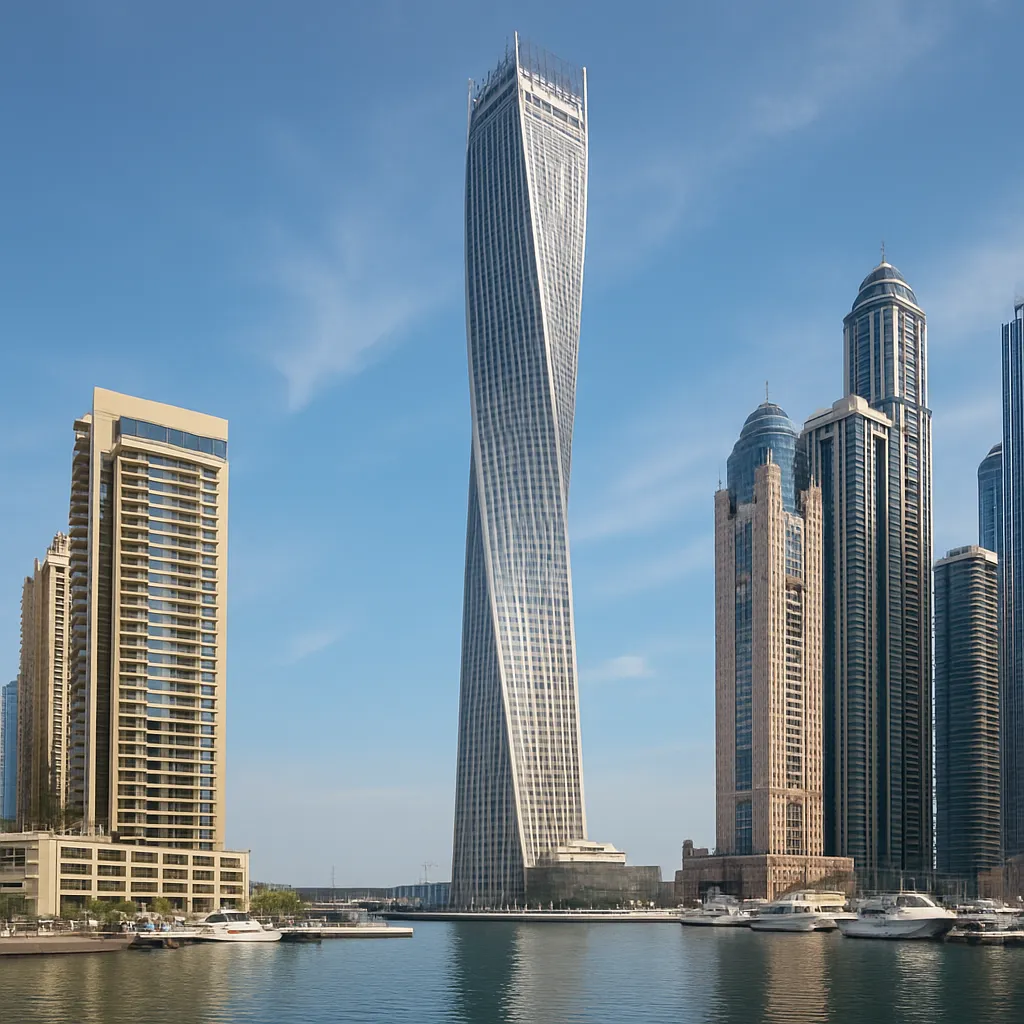
The masterplan of the area is centered on a set of three artificial lakes and a long central park or promenade, around which multiple tower clusters were built. The towers themselves are organized into named clusters (commonly identified by cluster letters), forming a grid of vertical elements that give JLT its characteristic skyline. Many of the buildings are mixed‑use: lower floors host retail, lobbies and public services, while upper floors contain office suites or apartments.
JLT’s role in Dubai is multifaceted: it is a residential community for thousands of people, a base for many regional and international offices, and a leisure destination with cafes, restaurants and public spaces. Over time the area has become known as a practical, relatively affordable alternative to Dubai Marina for both businesses and residents who want proximity to the coast and to the city’s economic hubs without the premium seen in some adjacent neighborhoods.
Architecture, notable buildings and the “Dubai Arch” idea
The architectural language of JLT is varied, featuring a mix of contemporary tower designs, reflective glass facades, and repeated motifs that create visual unity across the development. Most towers were built in the 2000s and 2010s by a range of developers; although there isn’t a single signature architect for the whole masterplan, the collection of towers forms a coherent high‑density skyline that interacts with the water and the promenade below.
Key landmarks and towers
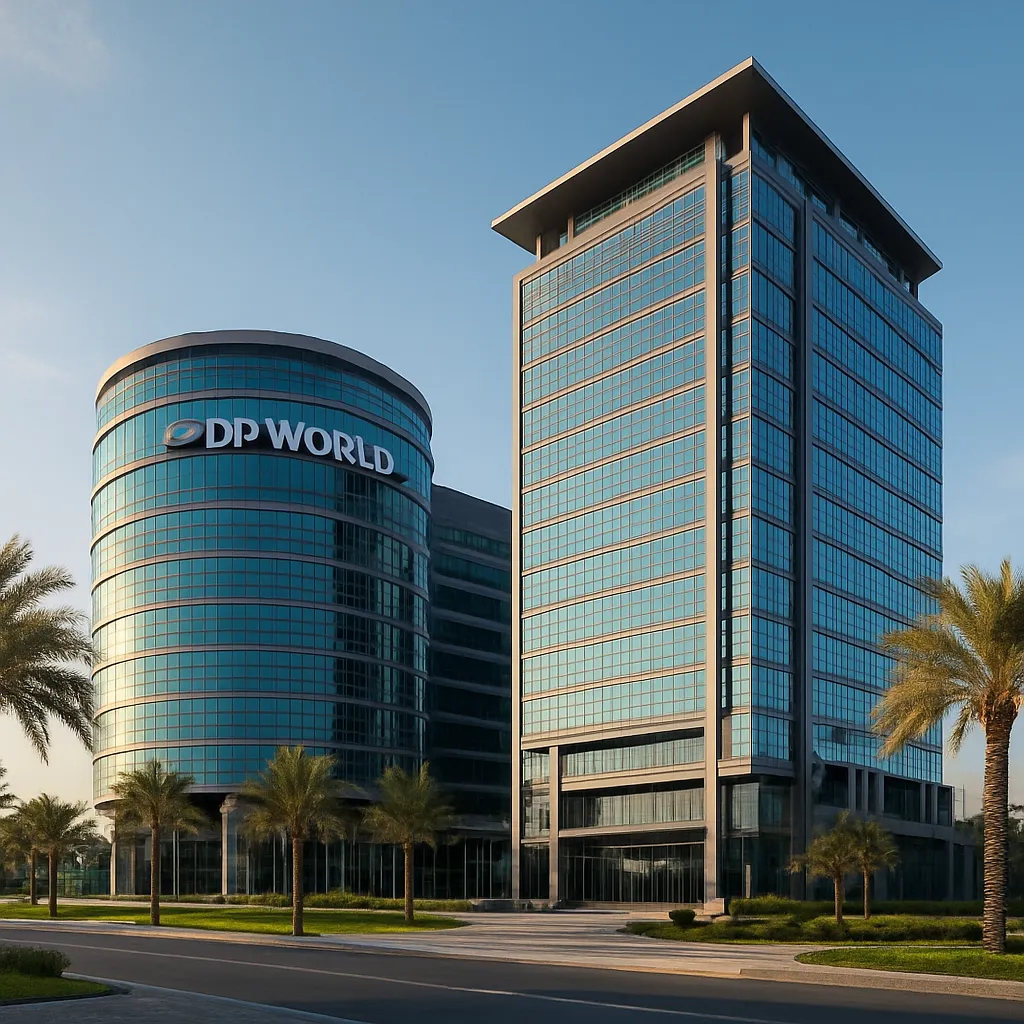
- Almas Tower — Often cited as the most prominent tower in JLT, Almas Tower is a high‑profile office building that serves as a hub for commodity trading and corporate offices in the district. The tower’s presence contributes to JLT’s reputation as a serious business location.
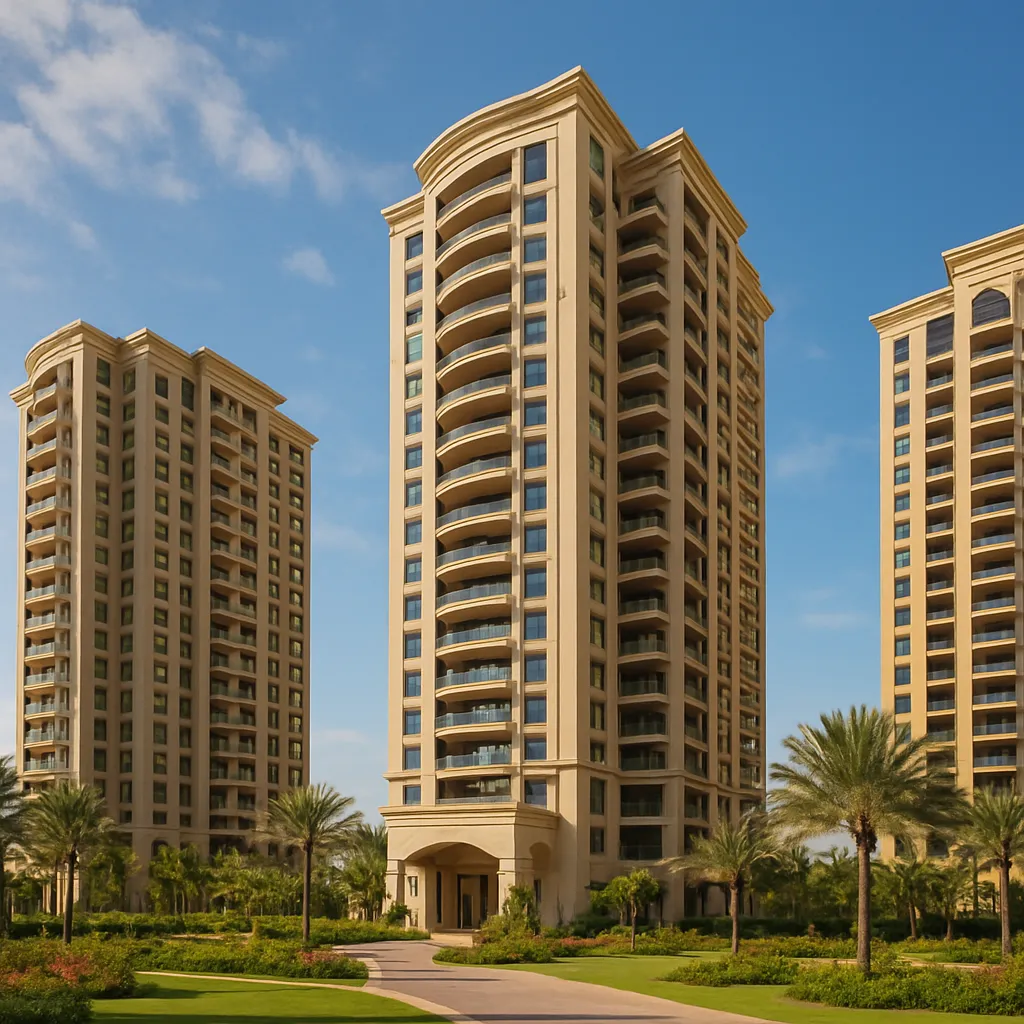
- Cluster towers — Each cluster contains multiple towers that serve residential or commercial functions. The clusters are often referred to by their letter or by iconic towers within them.
- Podium retail and hotel buildings — At street level, several towers connect to podiums containing shops, cafes and hotel lobbies, providing day‑to‑day services for residents and office workers.
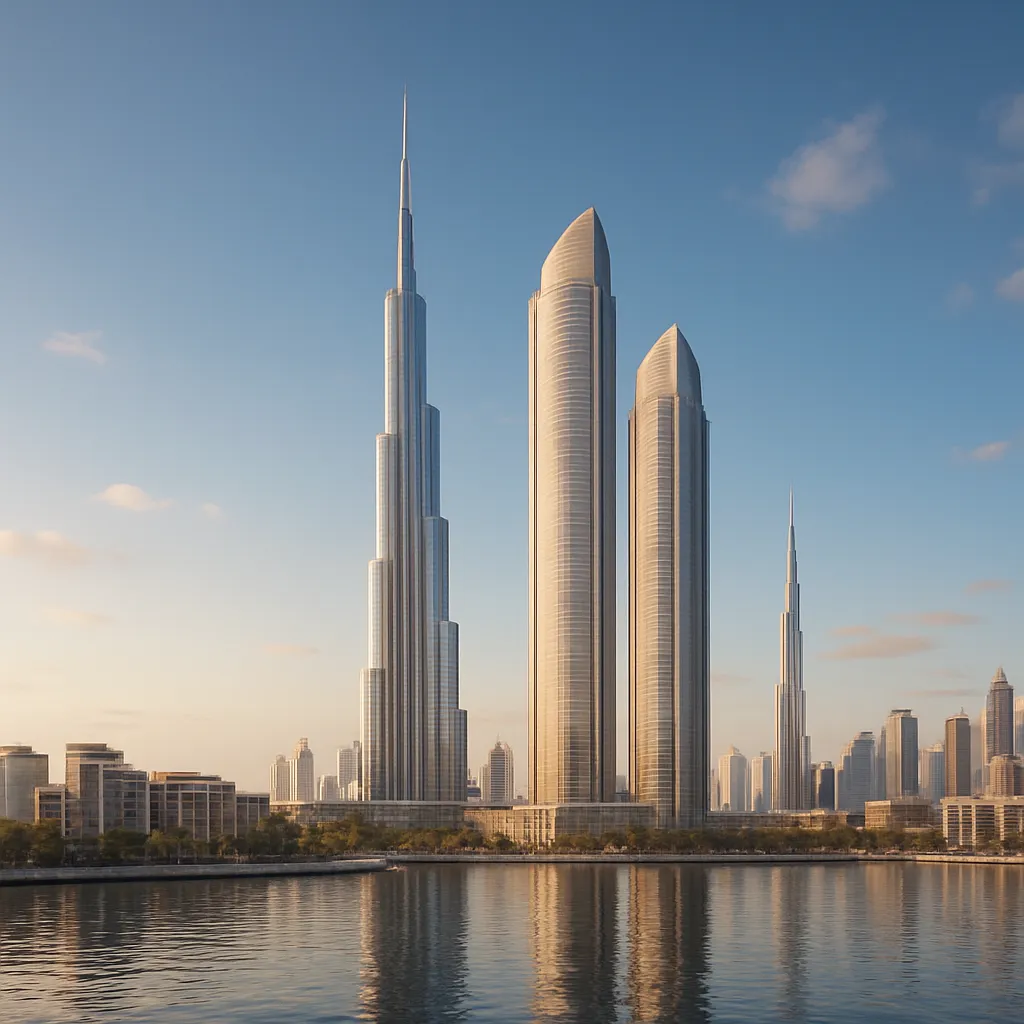
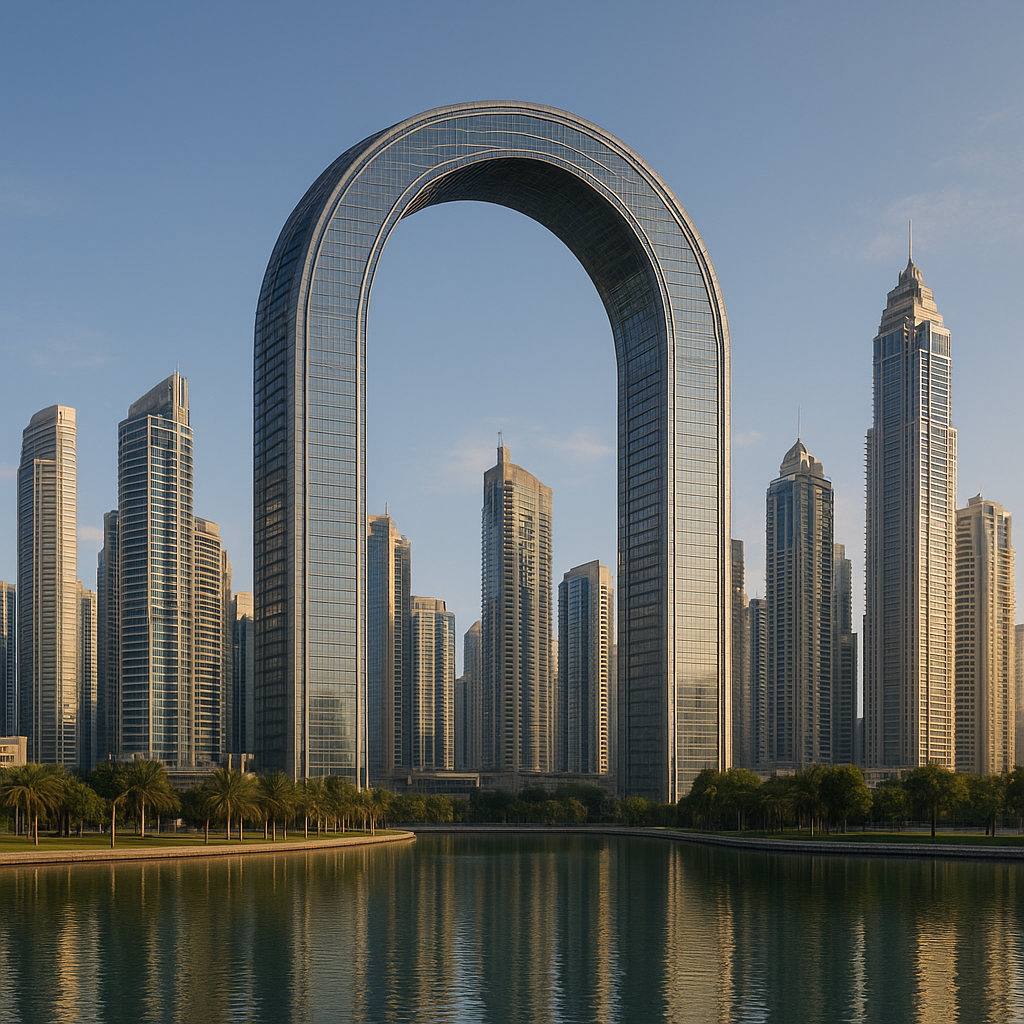
One recurring theme in discussions about JLT has been the potential for signature architectural gestures that could act as gateways or landmarks. The term “Dubai Arch” has been used informally to describe several proposed or conceptual projects that would create an arch‑like structure — two towers connected at the top — to provide an eye‑catching landmark and a symbolic entrance to the JLT precinct. Proposals and renderings of arch‑like buildings periodically appear in architectural competitions and developer concept studies; however, the exact status of any single “Dubai Arch” project can vary from concept to active proposal to an idea that has not reached construction.
The arch concept appeals because it combines the verticality of skyscrapers with an architectural gesture that reads as a civic gateway. An arch structure typically invites dramatic structural and engineering solutions, and when executed can become a district symbol. Whether realized or remaining a concept, the “arch” idea reflects JLT’s evolution from a practical cluster of towers toward a place that also seeks distinctive identity and public recognition.
Urban life, amenities and connectivity
Life in JLT is shaped by the close proximity of work, home and leisure. The district’s promenade and lakes provide places for walking, exercise and outdoor dining, and the ground‑level retail within the podiums creates busy streets that support local businesses.
Transport and connectivity
- Public transport: JLT is served by Dubai’s metro network and a range of bus routes, making it straightforward to reach other parts of the city without a car. The cluster layout places many residential and office towers within a short walking distance of a metro station.
- Road access: Immediate access to Sheikh Zayed Road connects JLT to Dubai’s major nodes, including Dubai International Financial Centre (DIFC), Downtown Dubai, and Dubai Marina.
- Pedestrian circulation: The lakeside promenade and landscaped areas encourage walking and social interaction. Many residents prefer the walkable scale of JLT compared to more car‑dependent districts.
Amenities and services
JLT contains a broad mix of amenities tailored to both families and professionals:
- Restaurants, cafes and food outlets that reflect Dubai’s cosmopolitan dining scene.
- Retail conveniences, supermarkets and personal services located in podiums and at street level.
- Fitness centers, swimming pools and health clinics often integrated into residential towers.
- Conference and meeting spaces within office buildings, making JLT a practical location for regional business events.
Because JLT developed as a mixed‑use district within a free zone context nearby, it attracts a combination of corporate tenants and small to medium enterprises. The presence of the free zone and related services supports commodity trading, logistics, professional services and numerous start‑ups operating from flexible office space.
History, development timeline and statistics
Jumeirah Lake Towers began as a large masterplanned development in the early 2000s. Construction took place in several phases during the mid‑2000s through the early 2010s; like many Dubai projects, the district experienced the effects of the global financial crisis and market adjustments, but it continued to grow and densify afterwards.
Some widely reported facts and figures about JLT include the following:
- Number of towers: The development is often described as comprising around 80 towers in multiple clusters; the exact count can vary slightly as additional podiums or small buildings are added or reclassified.
- Mixed uses: The towers collectively include a mixture of residential apartments, office suites and hotel rooms, reflecting JLT’s role as a mixed‑use neighborhood.
- Public spaces: Central to JLT’s masterplan are the man‑made lakes and a long promenade that serve as communal recreational space for residents and visitors.
- Business presence: JLT hosts a significant number of small and medium enterprises as well as branches of multinational firms. The proximity to the DMCC free zone and easy transport links make it attractive for business.
Precise and up‑to‑date statistical metrics such as total residential units, exact population, or current office occupancy rates change frequently and are often tracked by local property analysts and municipal planners. In general terms, JLT supports tens of thousands of residents and thousands of businesses across its towers, making it one of Dubai’s denser mixed‑use communities.
Sustainability, public spaces and community initiatives
While early high‑rise developments in Dubai often prioritized rapid construction and skyline impact, recent years have seen a stronger emphasis on sustainability, walkability and community amenities in many neighborhoods including JLT. The lakes and promenade are key elements in creating a microclimate and comfortable outdoor areas for residents. Developers and community managers have taken steps to maintain landscaping, manage waste and enhance public safety so that JLT can function as a year‑round neighborhood.
Community engagement is visible through local events, outdoor fitness classes, and seasonal markets. Many tower management offices collaborate with community committees to coordinate maintenance, security and neighborhood programming. This has led to a sense of local identity despite the high turnover typical of metropolitan high‑rise environments.
Challenges and opportunities
Like any large urban district, JLT faces ongoing challenges that include traffic management, ensuring sufficient parking, maintaining building standards across many different owners and attracting higher‑value commercial tenants. However, these challenges also create opportunities:
- Upgrading public realm: There is scope to enhance the lakeside and promenade with improved seating, shading and lighting to make outdoor spaces more comfortable.
- Retrofitting buildings: Older towers offer opportunities for modernization, energy efficiency upgrades and upgrades to amenity offerings that can raise property values and appeal.
- Signature architecture: Proposals like the “Dubai Arch” concept — whether realized as a single landmark or as a series of integrated architectural gestures — present opportunities to strengthen JLT’s identity and attract visitors.
Interesting facts and practical tips
For anyone visiting or considering JLT for living or business, here are practical points and interesting details:
- The lakes and promenade create a rare central public outdoor space amid a dense cluster of towers; these areas are busiest in the cooler months and at evening time.
- JLT is often chosen by expatriates and professionals seeking proximity to Dubai Marina without the higher rental premiums of beachfront districts.
- Many towers offer a full suite of resident services (gyms, pools, children’s play areas) and commercial towers provide flexible office arrangements and co‑working spaces.
- Because of the mixture of residential and commercial uses, the environment in JLT changes with the time of day: weekday afternoons tend to be business‑oriented while evenings and weekends become more family and leisure oriented.
Conclusion
Jumeirah Lake Towers has matured from a masterplanned collection of towers into a functioning, lively neighborhood that balances residential life, business activity and public leisure. Its lakes, promenades and grid of towers create a unique urban character in Dubai’s rapidly evolving skyline. While the idea of a distinctive “Dubai Arch” has captured imaginations as a possible landmark, the real success of JLT lies in the day‑to‑day vitality generated by thousands of residents and businesses who use its towers, public spaces and transport links.
If one looks beyond any single building to the district as a whole, JLT exemplifies the modern Dubai approach to dense, mixed‑use development: vertical living, integrated amenities and continual adaptation to the needs of a growing international city. Its towers — from the most prominent office buildings to smaller residential blocks — together form a neighborhood that is both practical and visually striking, a testament to Dubai’s urban evolution.