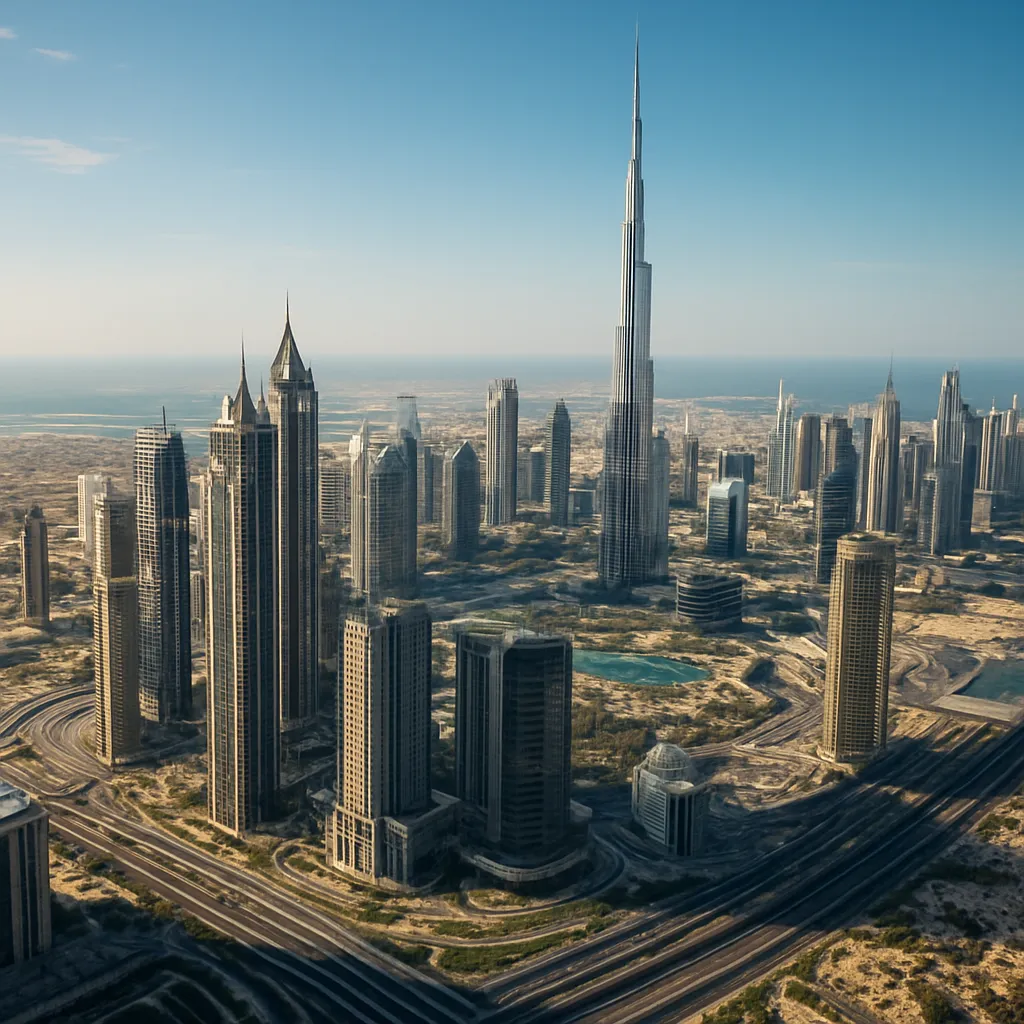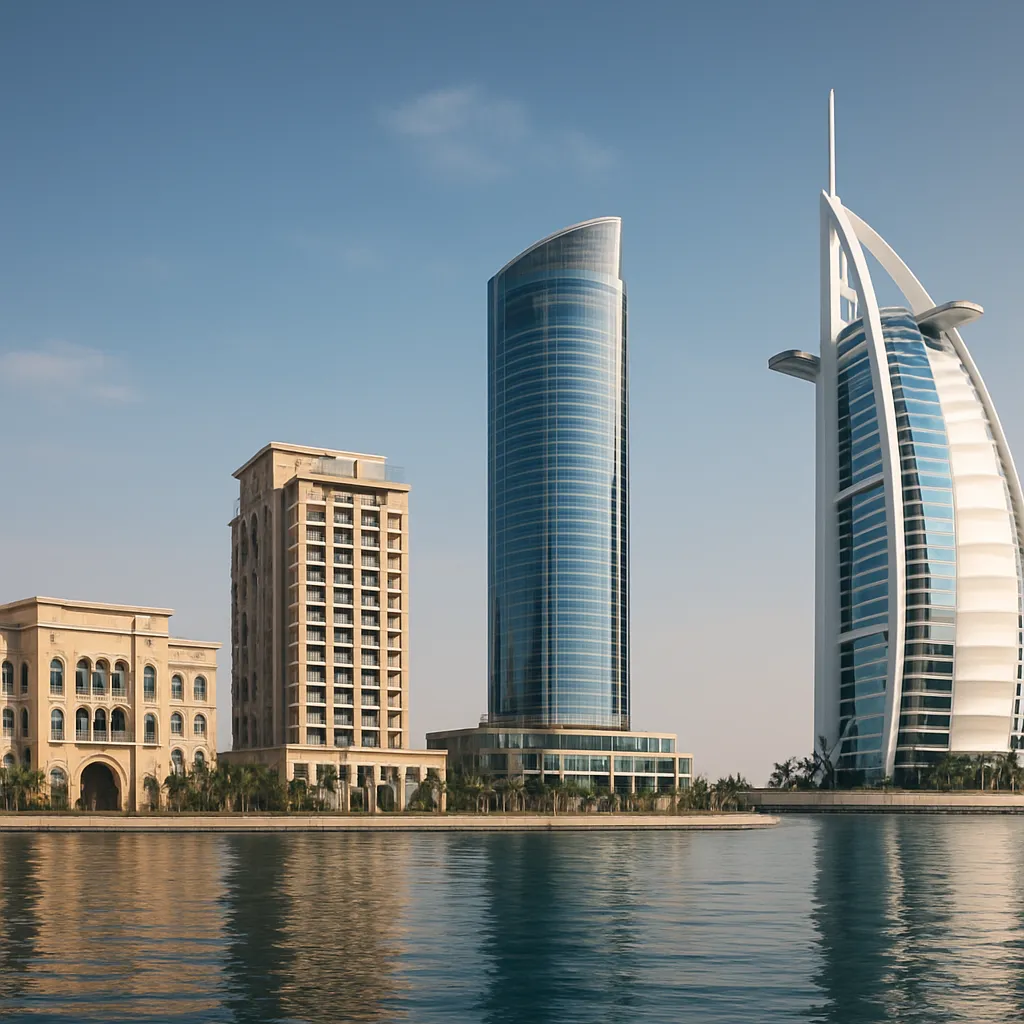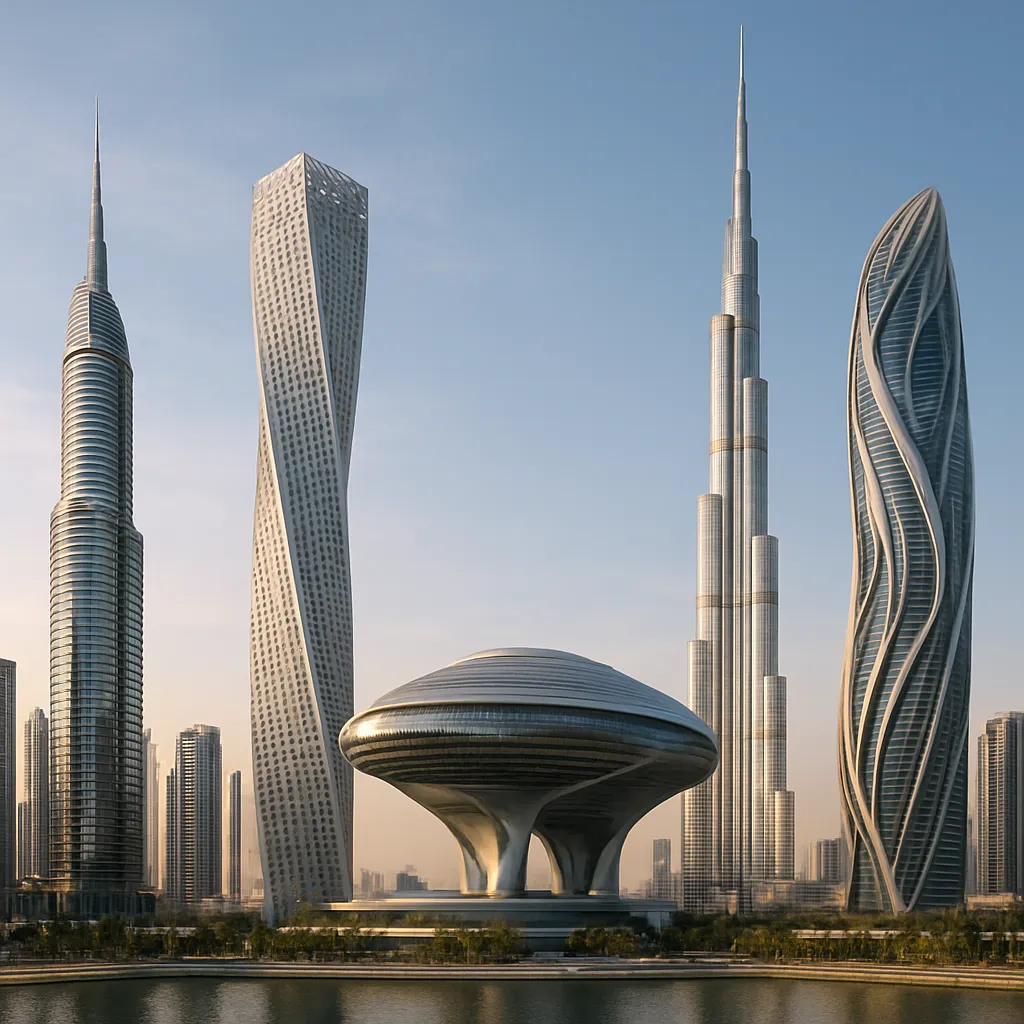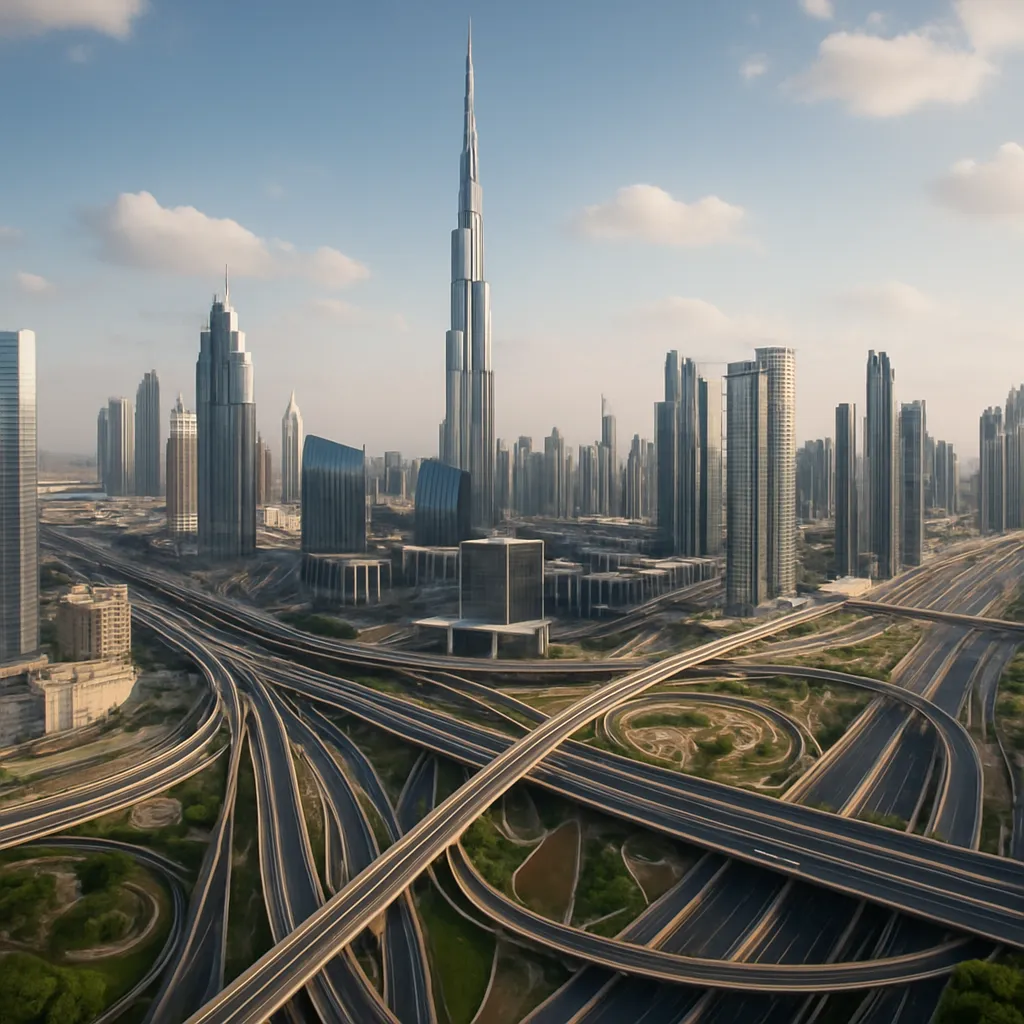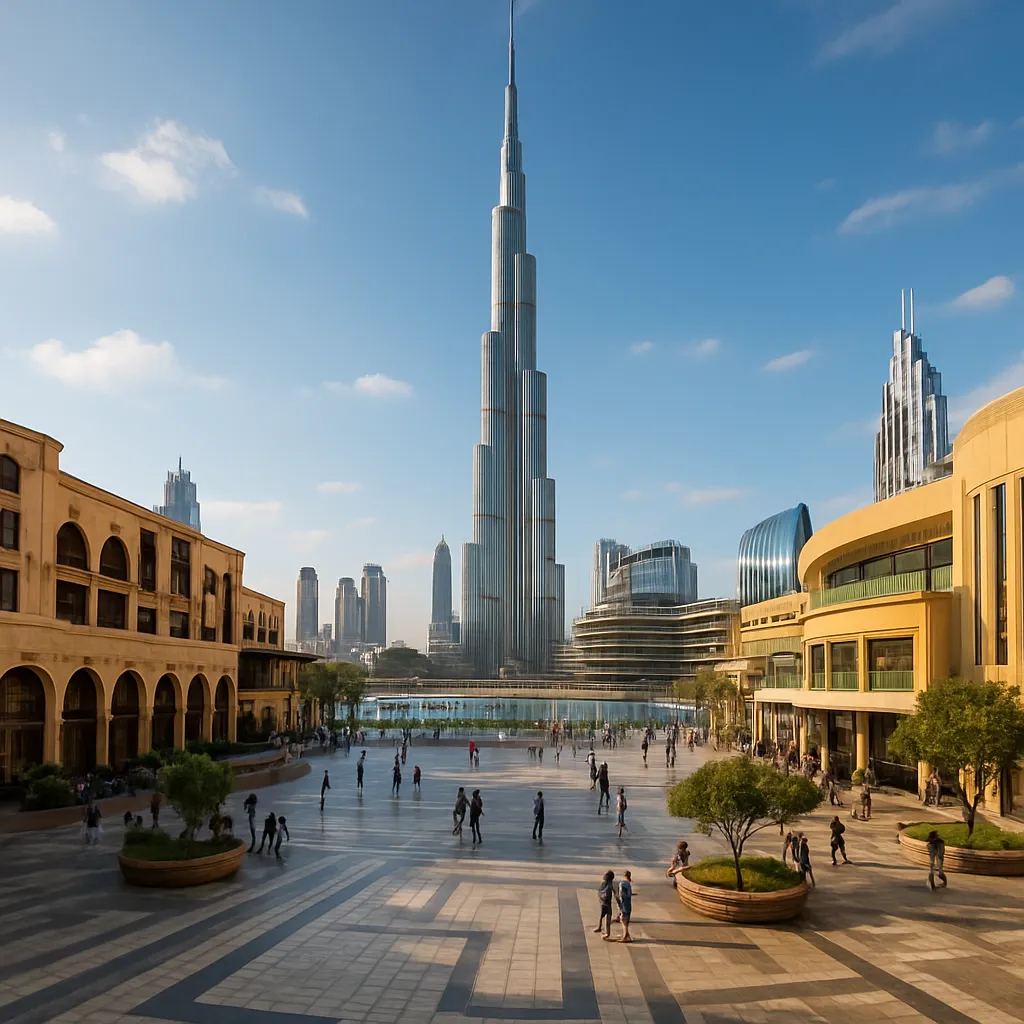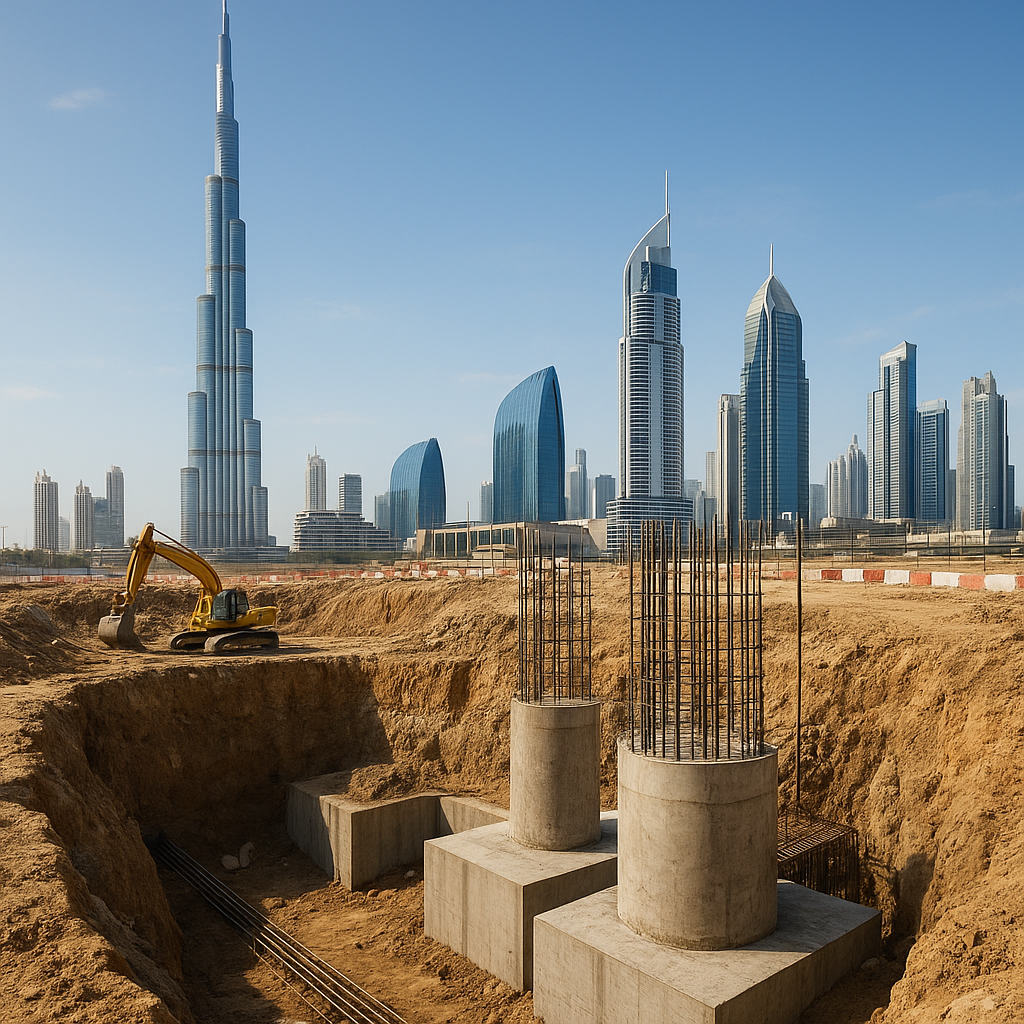
Dubai’s skyline is a testament to human ambition and engineering prowess. Beneath the gleaming towers and sprawling complexes lie the unseen heroes of every structure: the foundations. This article delves into the remarkable methods and collaborations that have made Dubai a global hub for innovation in subterranean engineering.
Innovative Pile Foundation Techniques
Challenges of Soft Soils
The rapid transformation of the desert into an urban oasis has posed unique geotechnical challenges. Much of Dubai’s reclaimed land consists of loose sand and silty sediments, requiring specialized solutions to ensure stability. Engineers often encounter a high water table and low natural bearing capacity, which can lead to uneven settlement if not addressed properly.
Long Pile Installation
Driven and bored piles have become a cornerstone of high-rise construction. Steel-reinforced concrete piles are installed to depths exceeding 50 meters to reach load-bearing strata. Specialized equipment, such as rotary drilling rigs and hydraulic hammers, allow for precision placement even in congested urban sites. This technique provides a reliable transfer of structure loads directly to competent soil layers.
- Precast concrete piles for fast installation
- Continuous flight auger piles to mitigate vibration
- Jet-grouting methods for improved ground support
Advanced Mat and Raft Foundations
Load Distribution Strategies
For super-tall structures like the Burj Khalifa, engineers employ massive mat foundations to evenly distribute immense loads. A thick concrete slab—often over 3 meters in depth—spreads structural forces over a broad footprint, reducing pressure on the underlying soil. Integrated steel reinforcement cages ensure tensile resistance while optimizing material usage.
Case Study: Burj Khalifa Base
The Burj Khalifa’s foundation is a classic example of Dubai’s engineering prowess. Excavation reached a depth of 50 meters, followed by the pouring of a 3.7-meter-thick raft. More than 45,000 cubic meters of concrete and over 110,000 tonnes of steel rebar created a robust base capable of supporting the world’s tallest building.
Deep Basement and Caisson Solutions
Water Table Management
Constructing deep basements in Dubai requires meticulous soil stabilization and dewatering strategies. Wellpoints and deep wells are installed around the excavation perimeter to control groundwater. This system maintains a lowered water table, preventing hydrostatic uplift and ensuring dry working conditions for foundation installation.
Large-diameter Caissons
For heavy-load structures and marine-edge developments, engineers use reinforced bored caisson foundations. These large-diameter cylinders—often 2 to 4 meters wide—are drilled into the ground and filled with high-strength concrete. Caissons provide exceptional lateral and vertical load performance, especially in areas with fluctuating water levels.
- Segmental caisson lining for deep excavations
- Underwater concreting techniques in the Dubai Marina
- Sealing collars to prevent soil infiltration
Emerging Trends and Technological Integration
BIM and Monitoring Systems
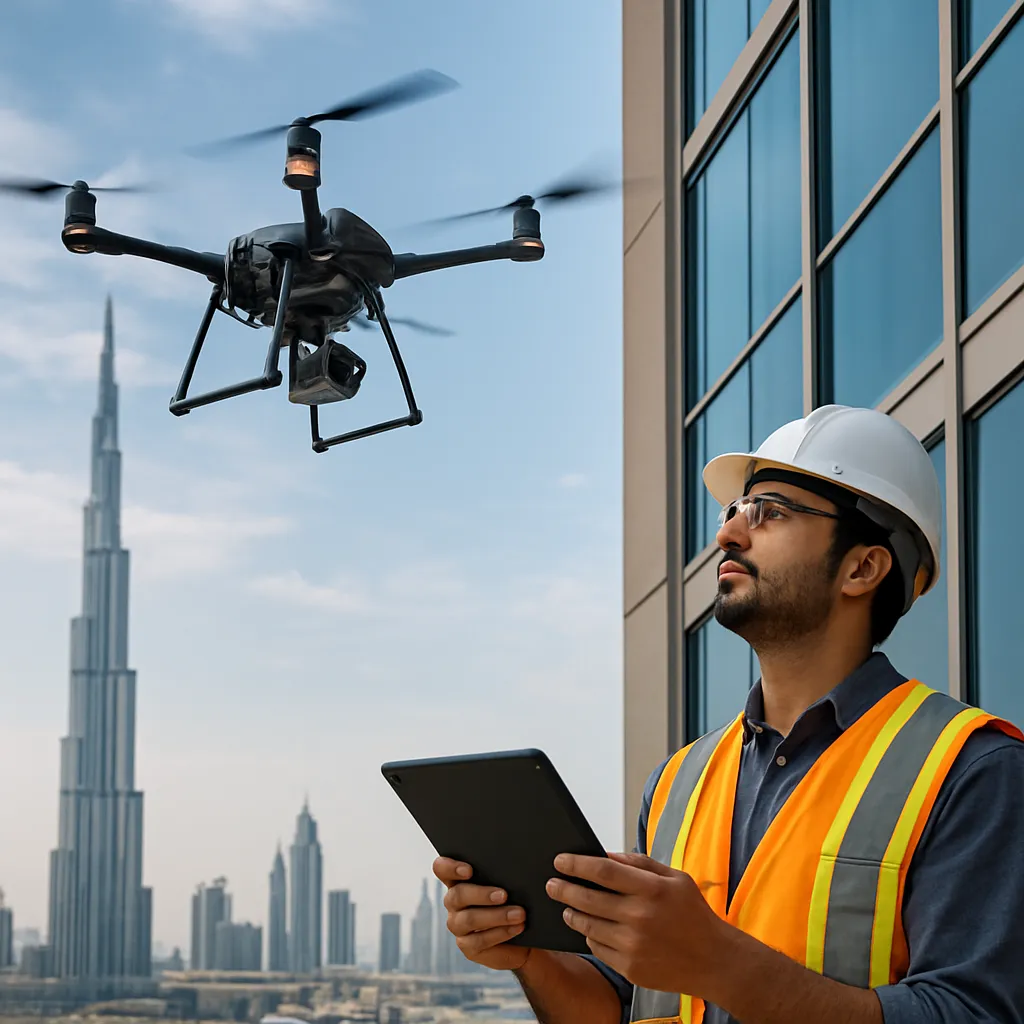
The integration of BIM technology and real-time sensors has revolutionized foundation engineering. Digital models allow multidisciplinary teams to visualize subsurface conditions, simulate load responses, and coordinate piling sequences. Fiber-optic strain gauges and settlement markers deliver continuous feedback, enabling engineers to adjust construction parameters on the fly.
Sustainable Materials and Techniques
With an increasing focus on sustainability, Dubai’s foundation projects are incorporating recycled aggregates and low-carbon cements. Soil improvement methods, such as vibro-compaction and chemical grouting, reduce the need for deep excavation and transport of fill materials. These eco-friendly approaches align with the emirate’s vision for green urban development.
- Use of geopolymer binders for reduced CO₂ emissions
- Recycled steel fibers to enhance concrete ductility
- Local sourcing of aggregates to minimize haulage