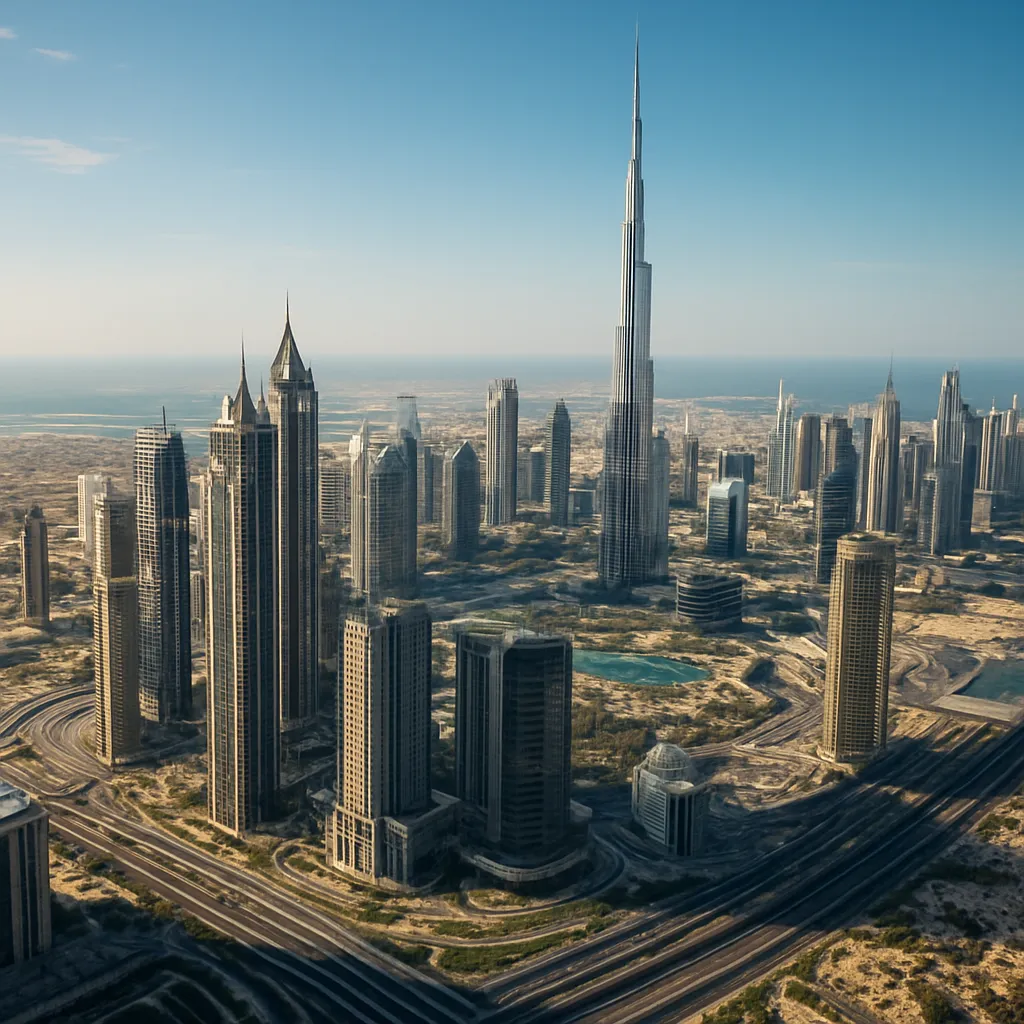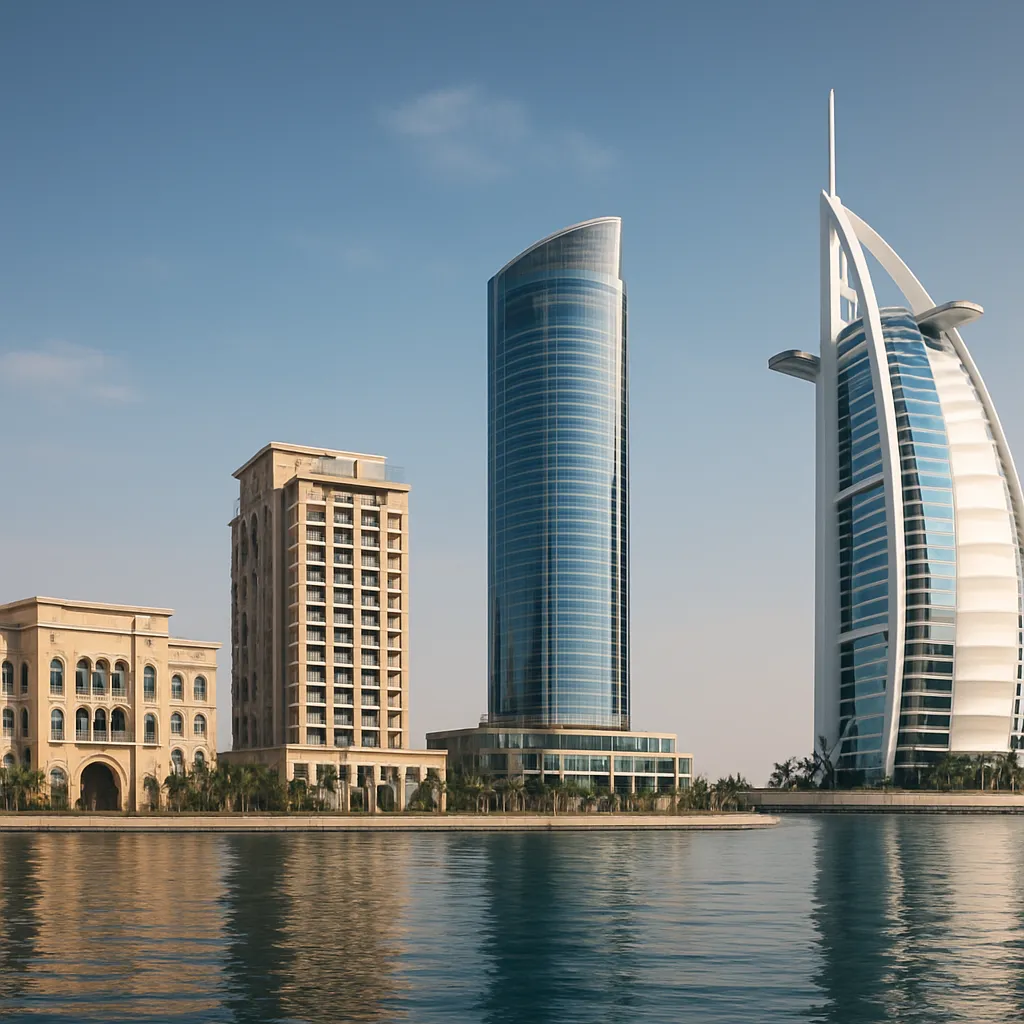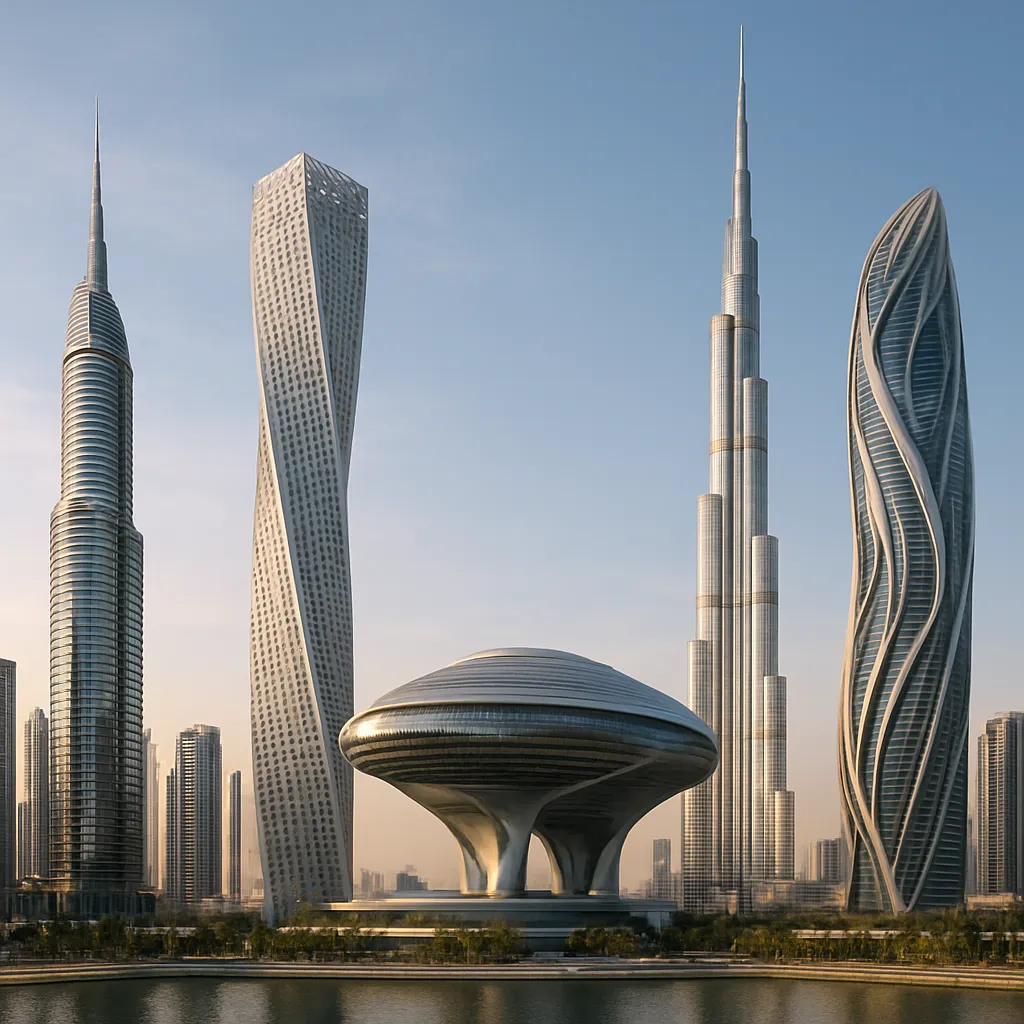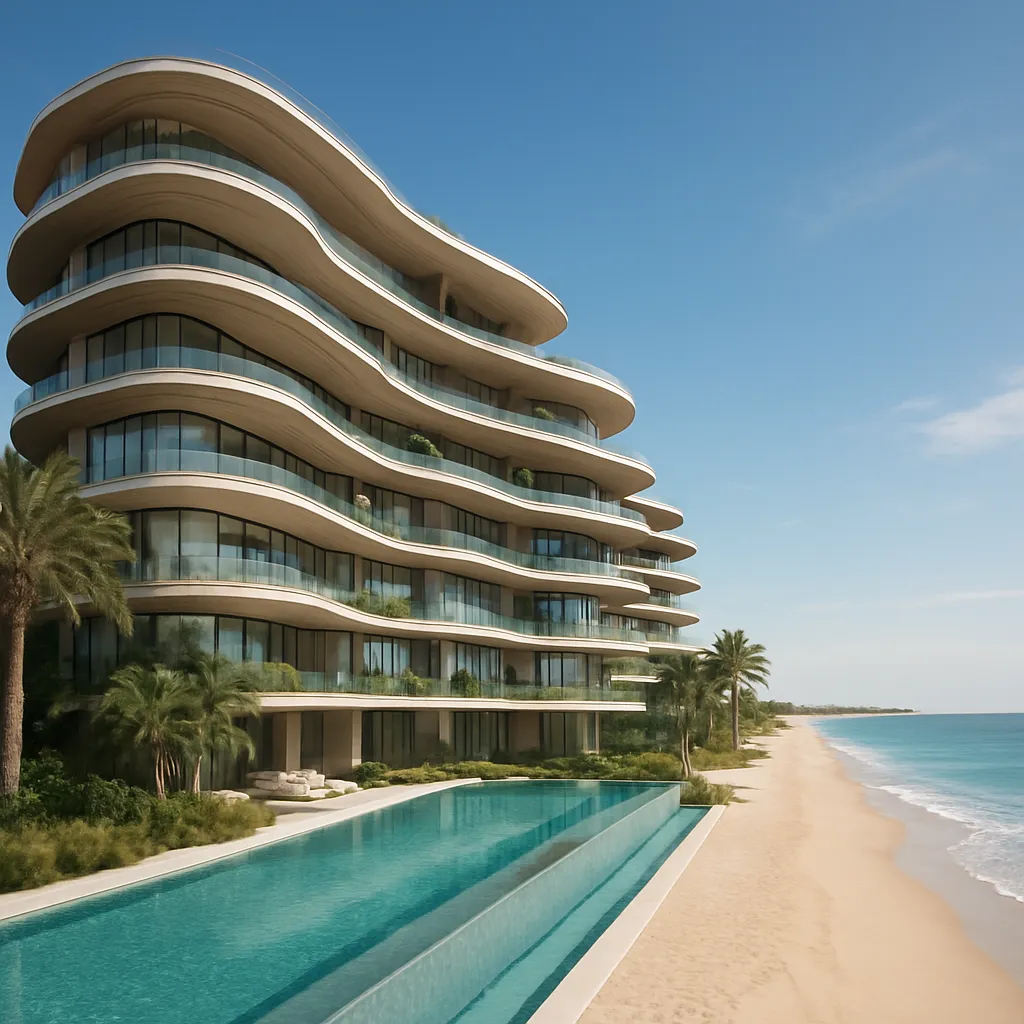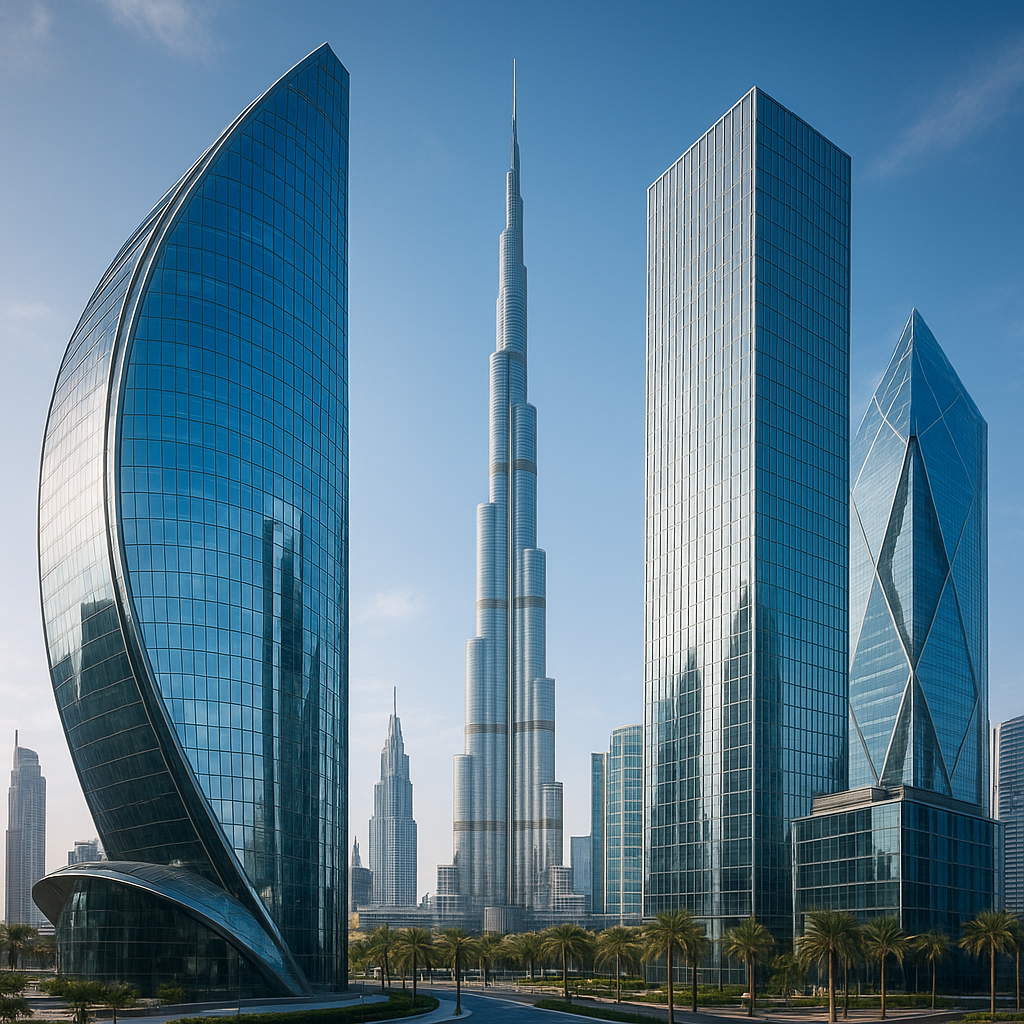
Dubai’s skyline is renowned for its daring designs and towering structures, but often overlooked are the revolutionary uses of glass that transform ordinary façades into mesmerizing spectacles. From shimmering exteriors that reflect the desert sun to dynamic panels that adjust to environmental conditions, the city’s glass architecture pushes boundaries at every turn. This exploration delves into the most inventive glass solutions shaping Dubai’s iconic buildings.
The Evolution of Dubai’s Glass Architecture
Origins of Reflective Exteriors
In the early 1990s, Dubai’s rapid growth spurred a shift from conventional concrete to more striking, light-enhancing materials. Architects began experimenting with large spans of glass to convey modernity. Early projects featured simple mirrored panels, offering both aesthetic appeal and basic sun shading. As projects grew taller and more complex, designers realized that mere reflection was not enough to meet thermal needs in an unforgiving desert climate.
From Curtain Walls to Iconic Skylines
The introduction of the curtain wall system marked a turning point. These non-load-bearing facades allowed vast stretches of glass, creating luminous interiors and uninterrupted views of the Arabian Gulf. The Burj Khalifa, Emirates Towers, and other landmarks embraced multi-layered glass assemblies that blend performance with poise. They demonstrated how innovative glazing could reduce solar heat gain, improve energy efficiency, and still maintain an eye-catching presence against the deep blue sky.
Cutting-Edge Technologies and Materials
Modern projects in Dubai now leverage advanced glazing technologies to address challenges such as extreme heat, sandstorms, and sustainability mandates. Developers and engineers collaborate to test, refine, and implement these materials on a massive scale.
- Low-E Coatings: Ultra-thin metallic layers applied to glass to block infrared rays while preserving visible light transmission. This reduces thermal loads on HVAC systems.
- Vacuum Insulated Glass (VIG): Two glass panes separated by a vacuum, offering unprecedented thermal insulation in a slimmer profile compared to traditional double glazing.
- Photochromic Panels: Glass that darkens automatically in response to sunlight, balancing glare control with daylight harvesting.
- Electrochromic Smart Glass: Managed via sensors or user controls, this glass changes tint instantly, providing adaptive environmental management within office lobbies or luxury residences.
Sustainable and High-Performance Façades
Environmental Goals and LEED Certification
As Dubai aims for heightened sustainability benchmarks, many new structures pursue LEED accreditation or similar standards. Glass façades play a pivotal role. By specifying high-performance glazing with solar control properties, projects can drastically reduce cooling demands — a major factor in the city’s carbon footprint. Innovative shading devices, such as integrated louvers and perforated screen walls behind glass, add an extra layer of sun protection while preserving transparency.
Adaptive Shading and Dynamic Louvres
Adaptive systems, often controlled by building management software, automatically reposition fins or panels to optimize daylight without compromising occupant comfort. Such adaptive shading not only enhances the visual dynamism of the building envelope but also contributes to long-term operational savings. Landmarks like the Museum of the Future and DIFC’s latest towers incorporate these kinetic facades, which respond to solar angles throughout the day.
Iconic Projects Showcasing Glass Innovation
- Museum of the Future: Its toroid shape is clad in stainless steel and punctuated with calligraphic voids filled by double-curved toughened glass. Each panel was custom-engineered, blending artistry with high precision.
- Burj Al Arab: The sail-shaped hotel features a vast atrium sheathed in layered glass that filters sunlight and conceals support trusses, creating an almost weightless interior ambiance.
- Dubai Opera: The multipurpose venue’s façade combines transparent and translucent glass, allowing theatre-goers glimpses of the waterfront while ensuring acoustical and thermal performance.
- Marina 101: One of the tallest residential towers, it uses a mix of triple-glazed windows and smart glass panels that adjust tint, ensuring unobstructed sea views with minimal glare.
Future Trends in Dubai’s Glass Design
Integration of Renewable Energy
Photovoltaic glass is emerging as a dual-function solution. By embedding transparent solar cells within glass panels, building envelopes can generate electricity without sacrificing natural light. These systems promise to advance Dubai’s vision for net-zero energy skyscrapers.
Augmented Reality and Interactive Surfaces
Looking ahead, architects anticipate façades that serve as communication platforms. Interactive glass displays might relay public art, weather data, or wayfinding information. By merging digital content with structural glass, buildings become living canvases that enrich the urban experience.
Biophilic and Health-Centric Glazing
Post-pandemic priorities have spurred glass solutions that foster well-being. Antimicrobial coatings, UV-protective layers, and optimized daylighting algorithms ensure healthier interior environments. Designers are exploring bio-inspired patterns etched into glass to diffuse light softly and evoke natural settings within dense urban cores.
Challenges and Research Directions
Balancing Openness with Climate Control
Ensuring optimal daylight while preventing heat gain remains a key challenge. Researchers at local universities are prototyping nano-engineered glazing, which selectively modulates wavelengths of light. This could redefine standards for transparency without compromising performance.
Cost Versus Performance Trade-Offs
While advanced glass technologies offer dramatic benefits, upfront costs can be high. Factoring life-cycle analyses into project budgets helps stakeholders recognize long-term savings from reduced energy consumption and maintenance.
Regulation and Safety Standards
Dubai’s authorities continuously update building codes to address wind loads, seismic activity, and fire resistance. Glass manufacturers collaborate with certification bodies to develop panels that meet stringent impact and thermal shock requirements. Consistent innovation in testing protocols ensures that future high-rises remain both spectacular and secure.