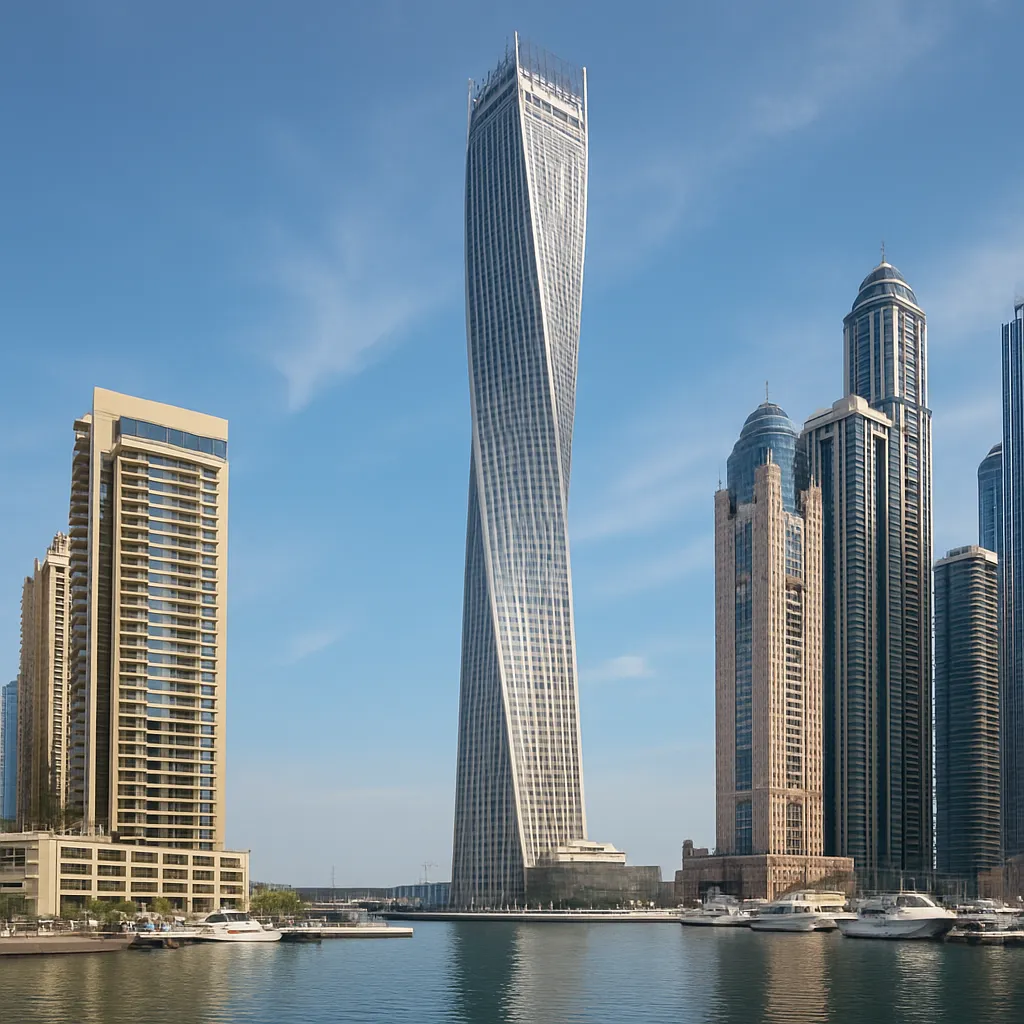
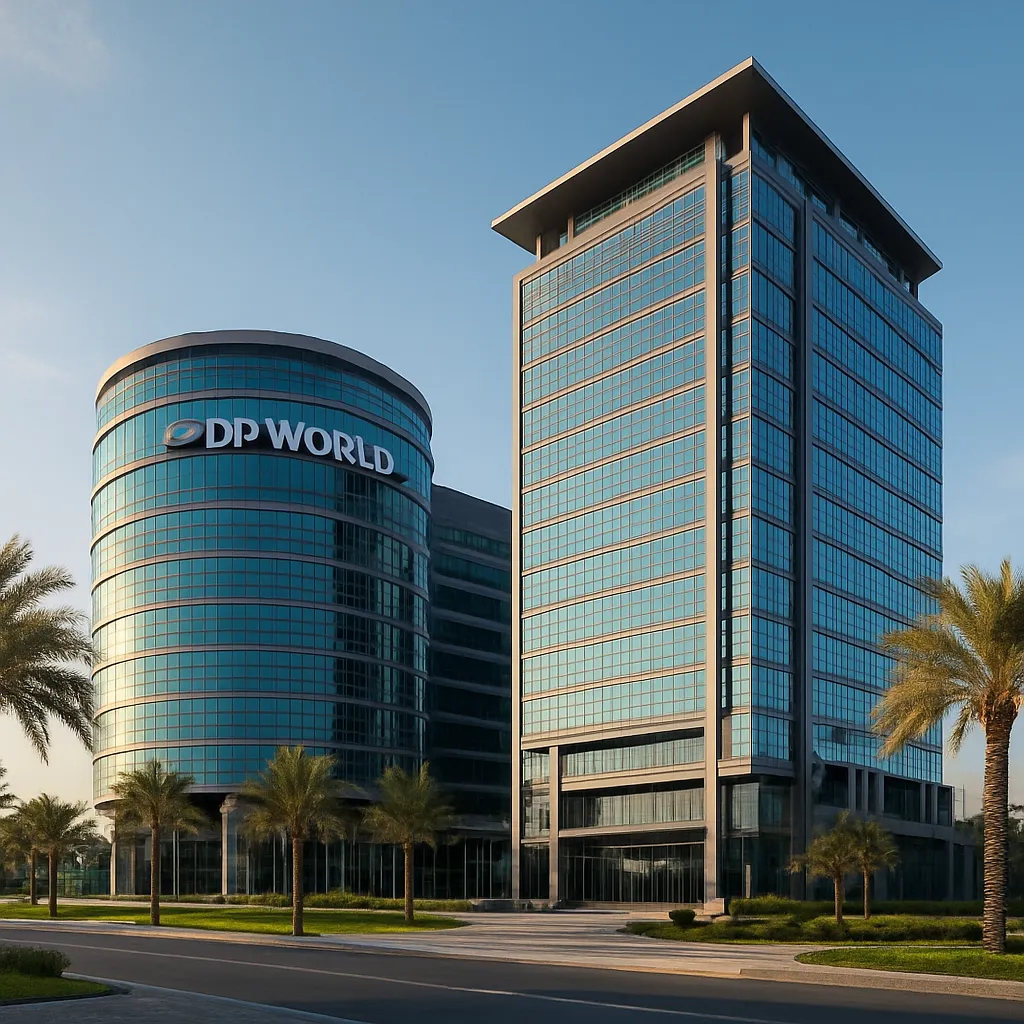
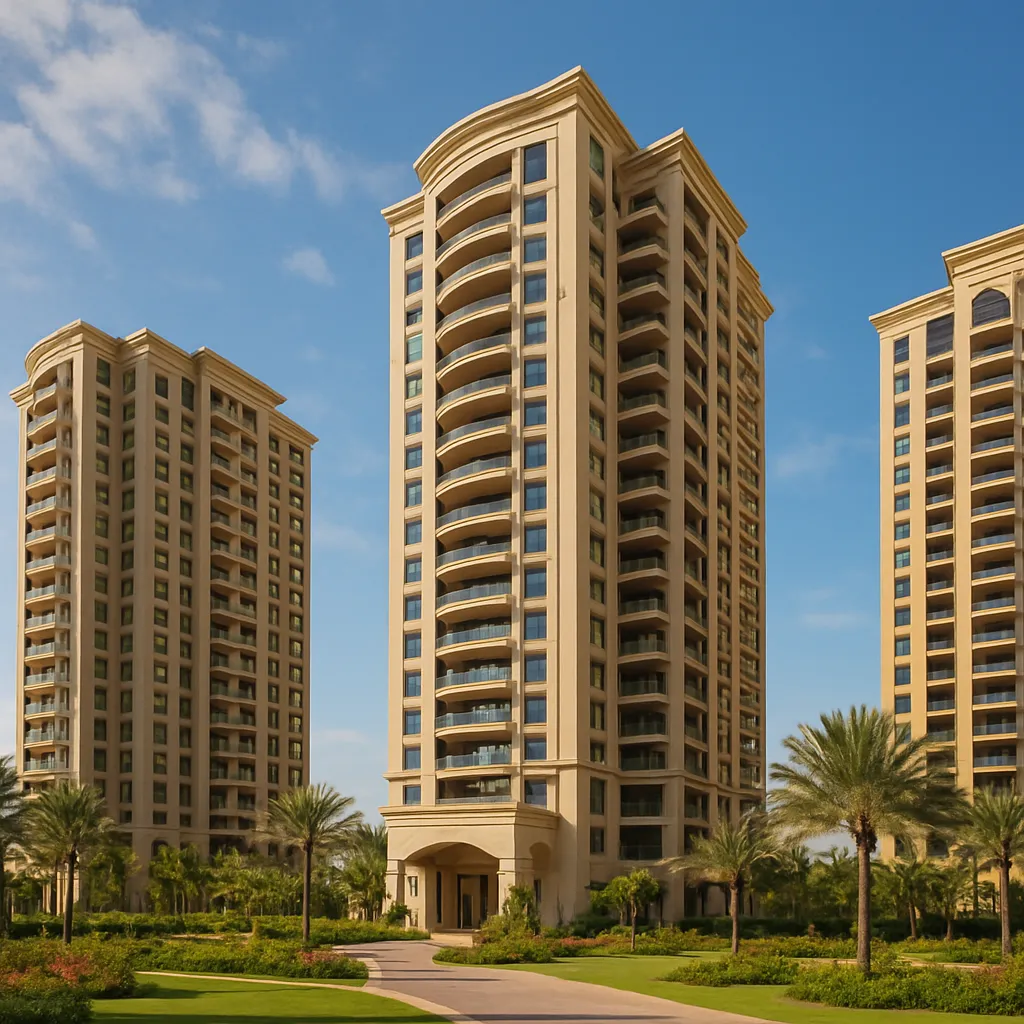
The following article explores The Pad Tower in Business Bay, Dubai — a contemporary high-rise that contributes to the dynamic skyline of one of the city’s fastest-developing districts. This piece covers the building’s location and urban context, architectural characteristics, uses and amenities, available statistical information, and notable facts that make The Pad Tower interesting to both residents and observers of modern urban development. Throughout the text, key terms related to the building’s identity and significance are highlighted to help orient the reader.
Location and urban context
The Pad Tower is situated in Business Bay, one of Dubai’s most prominent commercial and residential corridors that stretches along the western bank of the city’s main waterway. Business Bay is characterized by a dense cluster of mixed-use towers, canals, and arterial roads that connect downtown Dubai with Sheikh Zayed Road. The Pad Tower benefits from a strategic position that places it within easy reach of the Dubai Mall and the Burj Khalifa to the north and provides straightforward access to the financial and hospitality hubs that line Sheikh Zayed Road.
Business Bay was master-planned to function as a central business district and as a high-density residential neighborhood. In this context, The Pad Tower plays a role in accommodating the growing demand for urban living close to workplaces, retail hubs, and leisure facilities. The tower’s proximity to the Dubai Water Canal and the Business Bay promenade enhances its appeal — offering residents and visitors both city views and water vistas, depending on orientation. Access to key transport links, including major road arteries and metro stations within a short drive, further underlines the tower’s integration with the broader urban fabric of Dubai.
Design and architecture
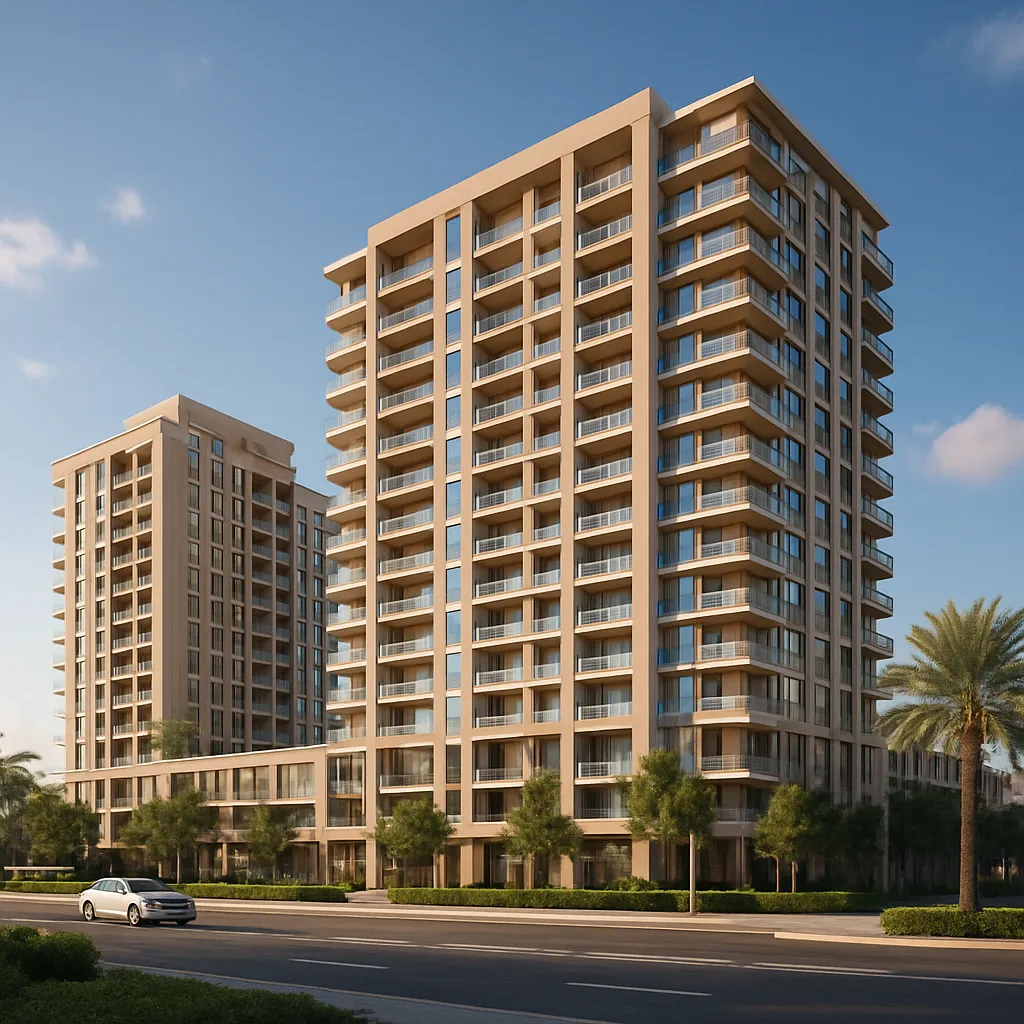
The architectural character of The Pad Tower reflects contemporary trends in high-rise residential design in the Gulf region. The building combines efficient spatial planning with an emphasis on façade articulation and outdoor amenity areas. While specific architectural attribution may vary across developments with similar names, towers of this type often feature a mix of glass curtain walls, recessed balconies, and textured cladding elements that soften scale and create visual interest.
Design priorities in such towers include maximizing natural light and cross-ventilation for residential units, creating communal amenity decks that serve as social hubs, and integrating ground-level retail or lobbies that activate the street. The Pad Tower’s overall silhouette contributes to the varied skyline of Business Bay by juxtaposing vertical lines with stepped or cantilevered elements that break monotony and create a distinctive profile at certain viewing angles.
Materials and façade treatment
- Glass and aluminum curtain wall systems are typically employed to offer panoramic views and to maintain a sleek modern aesthetic.
- Balconies and terraces use tempered glass balustrades or metal railings to preserve sightlines and a sense of openness for occupants.
- Use of textured panels or sun-shading devices helps modulate solar gain — an important consideration in Dubai’s hot climate.
These architectural elements are not only aesthetic but functional: shading devices reduce cooling loads, while double-glazed glazing contributes to acoustic and thermal comfort. The inclusion of landscaped terraces and rooftop amenity spaces creates micro-environments that enrich urban living within the tower.
Function, amenities, and lifestyle
The Pad Tower is typically oriented toward residential use, either wholly or as part of a mixed-use development. Towers in Business Bay often offer a range of unit types — from studio apartments to multi-bedroom residences and penthouses — catering to professionals, families, and investors. The building’s amenity package is designed to support an urban lifestyle where convenience and recreation are close at hand.
Common amenity features found in towers like The Pad include:
- Swimming pools and dedicated children’s pools
- Fully equipped fitness centers and yoga rooms
- Multipurpose rooms, lounges, and co-working spaces
- Landscaped podium gardens and rooftop terraces
- Secure parking, 24/7 security, and concierge services
- Ground-floor retail outlets and cafés that activate the street edge
These amenities are designed to create a self-contained living environment where residents can work out, socialize, and entertain without leaving the building. Additionally, the proximity of Business Bay’s retail and dining scene extends the living experience beyond the tower itself, offering a blend of private and public urban life.
Statistical data and technical specifications
Reliable numerical data about specific towers may vary depending on the developer’s disclosures and public records. Where official figures are published they typically include floor count, overall height, number of residential units, and year of completion. Readers seeking precise numbers for The Pad Tower should consult developer releases, planning authority documents, or authoritative building databases. Below are the kinds of statistics generally associated with a residential tower in Business Bay and indicative ranges that can be expected for a mid-to-high rise property in this district.
- Height and floors: Mid-rise to high-rise residential towers in Business Bay commonly range from 20 to 60+ storeys. The Pad Tower, depending on the specific project iteration, may fit within this range.
- Residential units: A single-tower residential development can include anywhere from 150 to 600 units, depending on tower height, footprint, and unit mix.
- Footprint and plot ratio: Towers in Business Bay are typically developed on compact plots with high plot ratios to maximize leasable or sellable area.
- Parking provision: For residential towers, parking allocation often ranges from one to two spaces per unit, adjusted by unit size and local regulations.
- Completion year: Business Bay has seen waves of development from the mid-2000s onward; individual building completion dates vary widely.
Because exact figures depend on the particular development, prospective buyers or researchers should verify the tower’s specifications through the official sales brochure, the developer’s website, or Dubai’s Municipality and Land Department records. These sources will provide authoritative data on floor counts, built-up area, and other legally registered information.
Cultural and economic significance
The Pad Tower is part of a larger narrative about Dubai’s ambitions to create integrated urban centers that combine business, residential, and leisure functions in walkable districts. Business Bay itself was conceived to decentralize commercial activity from the traditional downtown core while simultaneously offering high-end residential options close to workplaces. Buildings like The Pad contribute to these goals by:
- Increasing housing supply in a central urban location
- Supporting the local economy through retail and service jobs
- Enhancing the architectural diversity of the city’s skyline
- Encouraging mixed-use, 24-hour vibrancy that sustains street-level activity
From an investment perspective, towers in Business Bay attract both local and international buyers seeking rental yields and capital appreciation. The area’s connectivity to Dubai’s major tourist and business nodes helps maintain demand for rental properties, especially in high-quality towers offering comprehensive amenities and professional management.
Accessibility and transport links
One of the strengths of living in Business Bay is the array of transport options available. The Pad Tower is typically served by:
- Major roadways, including proximity to Sheikh Zayed Road, enabling efficient vehicular commutes across Dubai
- Public bus routes that connect Business Bay with adjacent neighborhoods
- Metro access via nearby Dubai Metro stations (within short driving distance), linking to Downtown Dubai and the wider metropolitan rail network
- Pedestrian promenades and cycling-friendly corridors along the Dubai Water Canal in some sections of Business Bay
These transport links not only provide convenience for residents but also enhance the commercial viability of ground-floor retail. Efficient access to airports, business districts, and leisure districts makes towers in Business Bay attractive for both long-term residents and short-term occupants.
Environmental considerations and sustainability
With growing emphasis on sustainability in urban development, modern towers in Dubai progressively incorporate environmental measures to reduce energy and water consumption. While the exact sustainability features of The Pad Tower should be confirmed with the developer, typical strategies include:
- High-performance glazing and thermal insulation to lower cooling loads
- LED lighting and smart controls to reduce electricity usage
- Water-efficient fixtures and irrigation systems to conserve resources
- Waste management and recycling programs for residents
- Green roof or podium planting to mitigate urban heat island effects
Some buildings in Dubai pursue formal certification such as LEED or Estidama, though many adopt sustainable measures informally as part of design best practices. Buyers and tenants interested in environmental performance should request documentation or sustainability statements from the building management.
Notable features and interesting facts
Beyond its primary function as a residential tower, The Pad Tower and similar developments in Business Bay may include a number of features that make them noteworthy:
- Panoramic views: Upper-floor units often offer sweeping views of the Dubai skyline, the Dubai Water Canal, and, in some orientations, the Burj Khalifa.
- Active street frontage: Ground-floor retail and dining spaces contribute to a lively pedestrian environment.
- Concierge services: Many high-end towers provide lifestyle-oriented services such as parcel handling, guest reception, and event coordination.
- Community programming: Managed residential communities often schedule events, fitness classes, and children’s programs to foster social engagement.
- Integration with waterfront amenities: Proximity to the Business Bay promenade amplifies leisure options, from jogging paths to cafés and public art installations.
Architectural identity is a key consideration for buildings in dense urban waterfronts; The Pad Tower’s massing and façade composition are intended to contribute to a balanced skyline rather than dominate it, creating visual variety across the district. Additionally, the tower exemplifies the trend toward compact, amenity-rich urban living that caters to mobile professionals and cosmopolitan families.
Market positioning and target audience
The Pad Tower typically targets a range of market segments from young professionals and couples to families seeking central urban living. Investors are also a key audience given Dubai’s large expatriate population and active rental market. The building’s positioning is shaped by factors such as:
- Unit mix: A diverse mix of studios, one-, two-, and three-bedroom units broadens market appeal.
- Amenity level: Towers with extensive amenities command premium rents and selling prices.
- Management quality: Professional property management enhances long-term value and occupant satisfaction.
- Proximity to business nodes: Short commutes increase appeal for working professionals.
Pricing and rental yields in Business Bay fluctuate with broader market dynamics, including tourism flows, job market trends, and regulatory changes. Prospective buyers and tenants should consult recent market reports and local brokers for up-to-date information on pricing and investment metrics.
Visiting, living, and practical tips
If you plan to visit or live in The Pad Tower, consider the following practical tips to enhance your experience:
- Request a unit tour to evaluate natural light, views, and internal layout — renderings can differ from the built reality.
- Verify parking allocations, visitor parking policies, and any additional fees for amenities or services.
- Check the building’s service charge and what services are included (security, cleaning of common areas, maintenance of facilities).
- Explore nearby retail, supermarkets, healthcare facilities, and schools to assess convenience for daily life.
- Inquire about delivery and courier policies, particularly if you plan to use online shopping frequently.
Understanding both the tangible attributes of the unit and the operational aspects of the building will help you make an informed decision whether you are renting, buying, or evaluating an investment opportunity.
Future prospects and surrounding development
Business Bay is a dynamic district with ongoing development and regeneration. The presence of new commercial towers, hospitality projects, and public realm improvements can influence the long-term desirability and valuation of residential properties like The Pad Tower. Urban trends that may impact the tower’s future prospects include:
- Continued investment in transport infrastructure and public spaces
- Evolving demand for mixed-use and flexible living arrangements
- Regulatory changes affecting ownership, residency permits, and rental markets
- Technological integration in buildings (smart home features, digital concierge services)
These broader forces shape how towers perform as assets and as places to live. Developers and property managers who proactively upgrade building systems and amenities tend to sustain occupancy and maintain competitive positioning in the market.
Summary
The Pad Tower in Business Bay is an example of contemporary urban residential development in Dubai: strategically located, amenity-rich, and designed to serve a diverse urban population. While exact statistical data such as floor count and unit numbers should be confirmed through official sources, the tower’s strengths lie in its integration with the Business Bay ecosystem, access to transport and leisure, and alignment with modern preferences for compact, serviced urban living. For potential residents, investors, or curious observers, The Pad Tower represents a piece of Dubai’s ongoing evolution as a global city where architecture, commerce, and lifestyle converge.