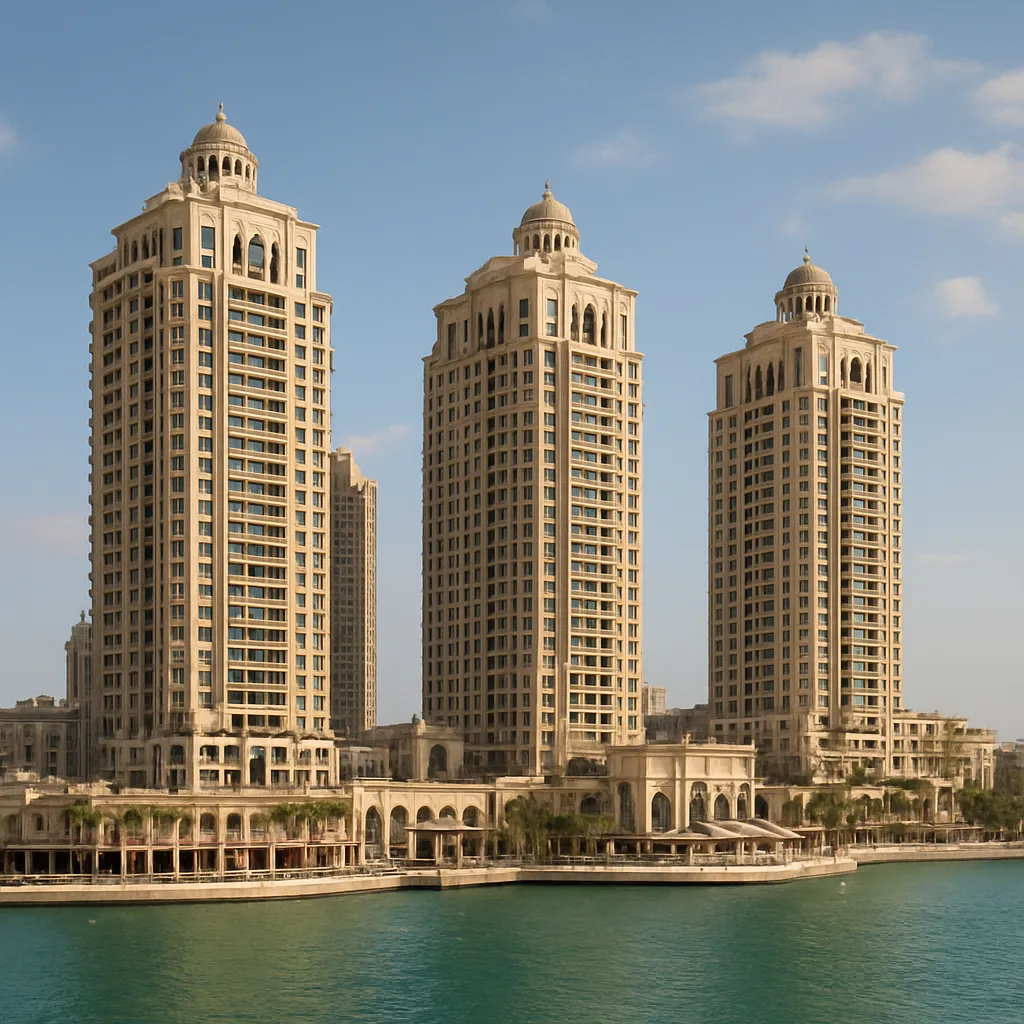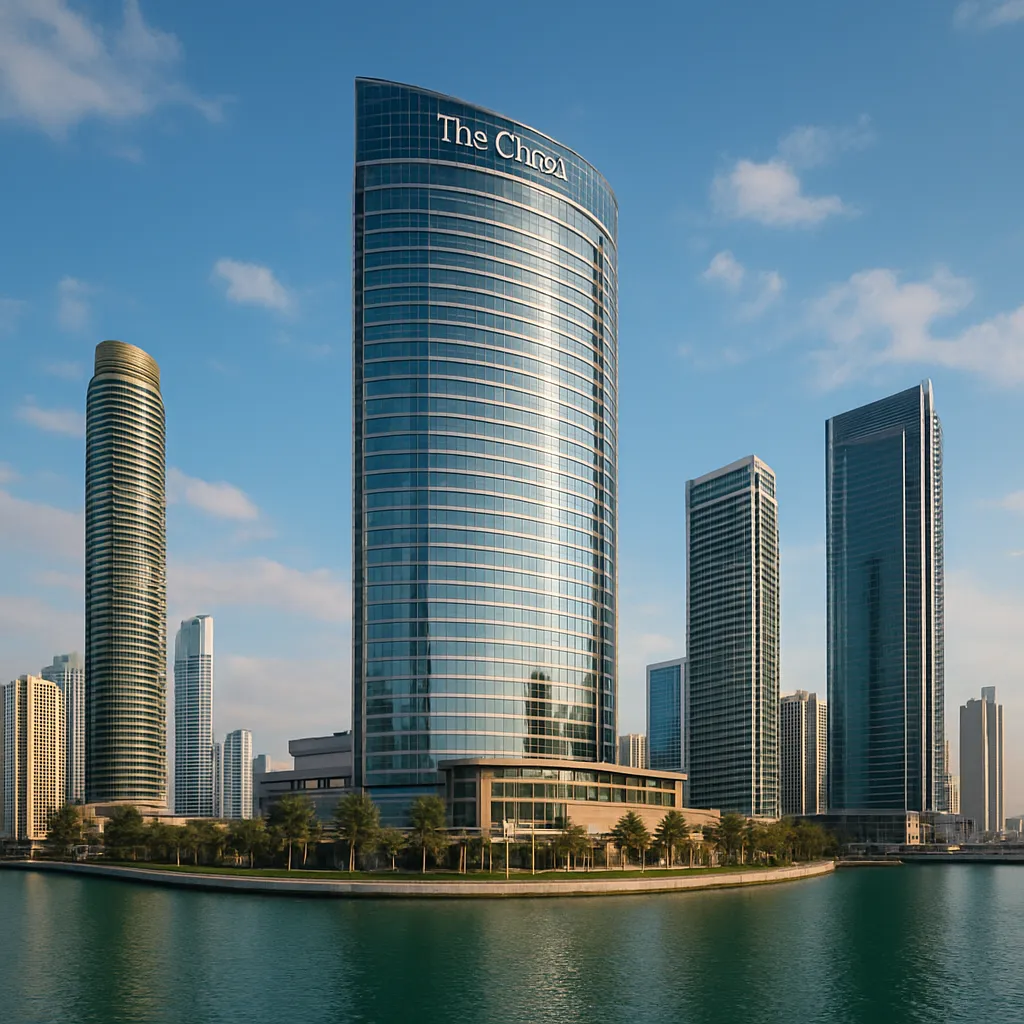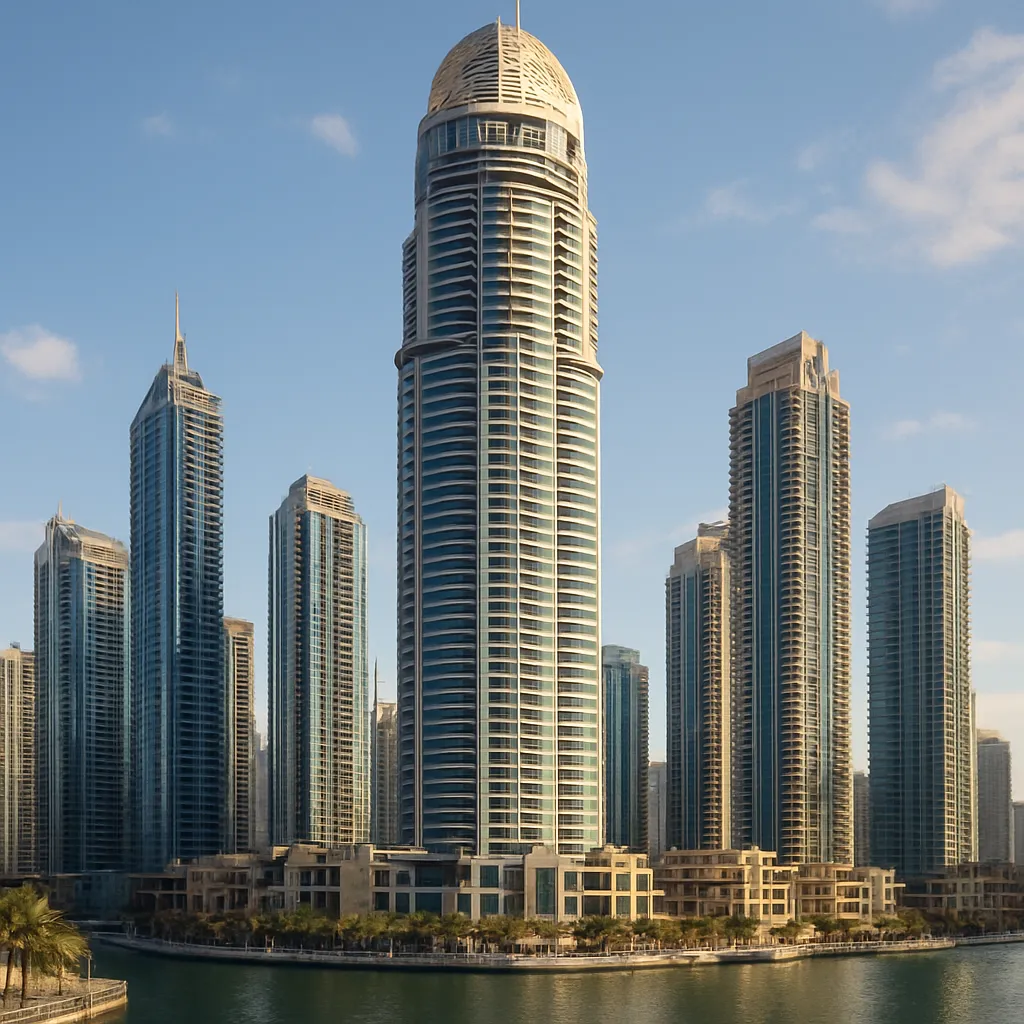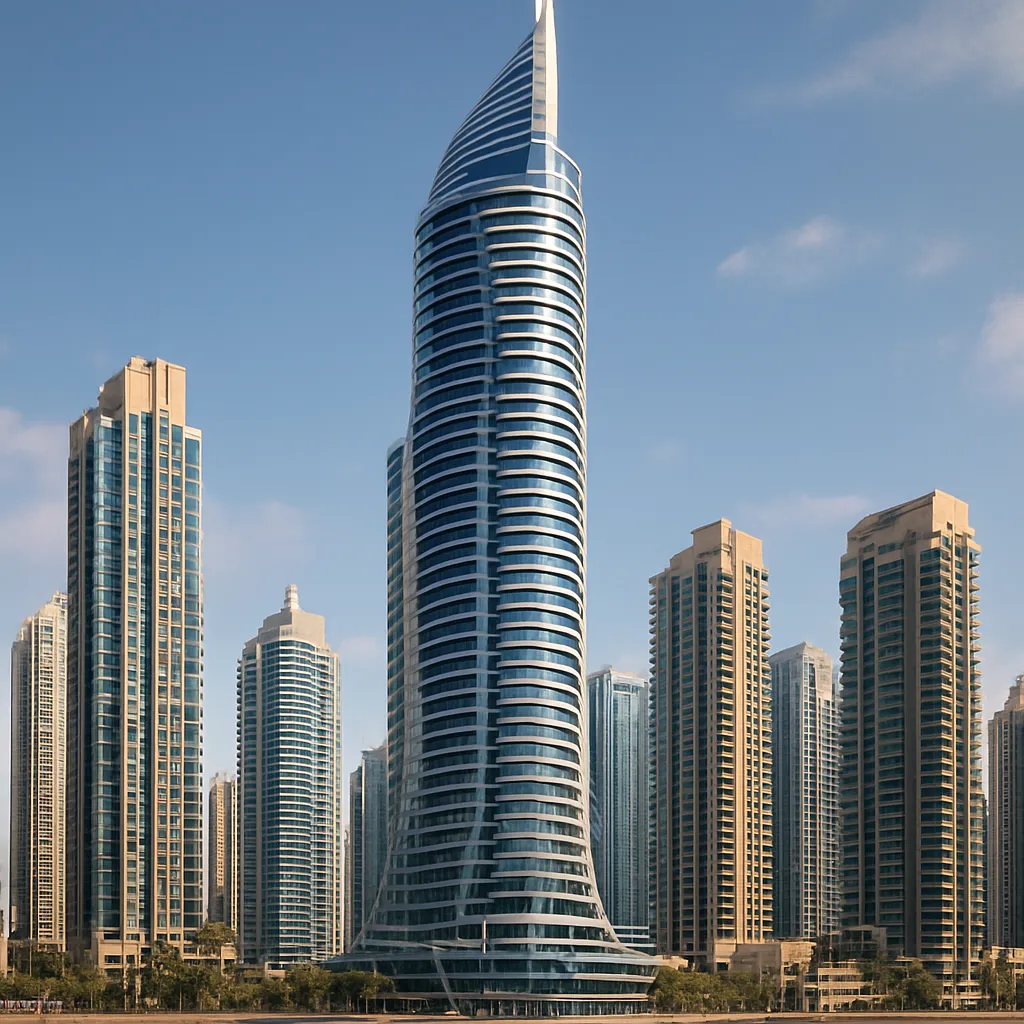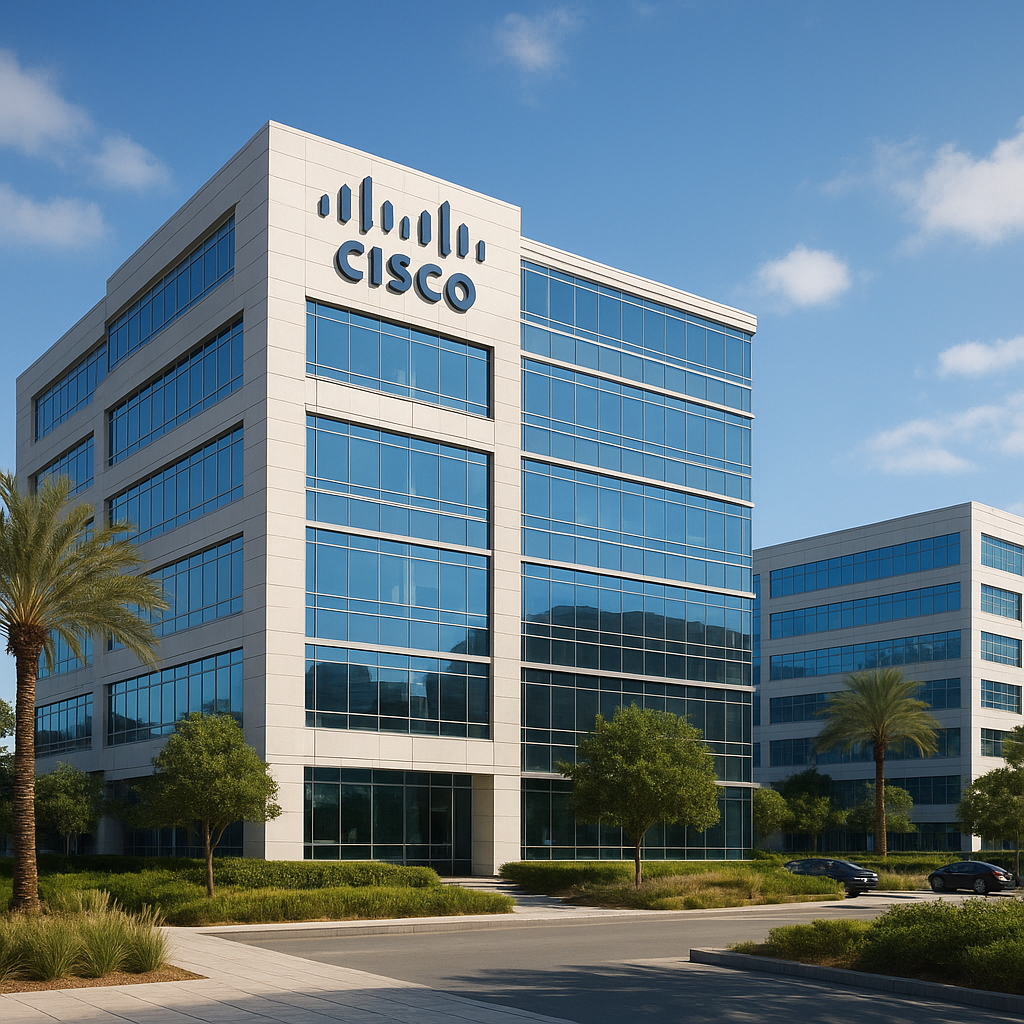
The Cisco Systems office located in Dubai Internet City is an important node in the technology landscape of the Middle East. This building and its operations represent more than a physical address: they are a regional hub for Cisco‘s business activities, a showcase for advanced networking and collaboration technologies, and a contributing asset to Dubai’s ambitions as a global technology and innovation center. The following text explores the building’s location, functions, features, and significance, offering background information, operational details, and a selection of intriguing facts that highlight why this site matters for businesses, governments, and technology professionals across the region.
Location and Urban Context
The Cisco office is situated within Dubai Internet City (DIC), a dedicated technology park in the emirate of Dubai, United Arab Emirates. Dubai Internet City is part of a broader cluster of free zones and business parks developed by TECOM Group to attract technology, media, and knowledge-based companies. DIC was launched in 1999 and has grown into one of the most visible tech ecosystems in the Gulf region.
Geographically, Dubai Internet City sits adjacent to major urban arteries, providing easy access to Sheikh Zayed Road, Dubai Media City, and Dubai Knowledge Park. This positioning places Cisco’s office within a dense network of multinational offices, regional headquarters, incubators, and educational institutions. The proximity to the city’s transportation infrastructure and international airport makes the site well-suited for business travel, regional coordination, and client-facing activities.
Role and Reputation in the Region
Within the Middle East and North Africa (MENA) market, Cisco’s Dubai presence functions as a regional headquarters and a center for sales, professional services, and technical support. The office supports customers in a wide range of industries including telecommunications, finance, government, education, and oil and gas. Because Cisco is globally known as a leader in enterprise networking and security, the Dubai office often serves as a point of contact for regional partners, systems integrators, and large corporate accounts.
The building’s role extends to education and skills development. Cisco’s global initiatives—such as the Cisco Networking Academy—often partner with local institutions and private sector programs, helping to train network engineers and IT professionals in the region. This contributes to capacity-building in a market that is investing heavily in digital transformation and smart-city projects.
Architecture and Workspace Design
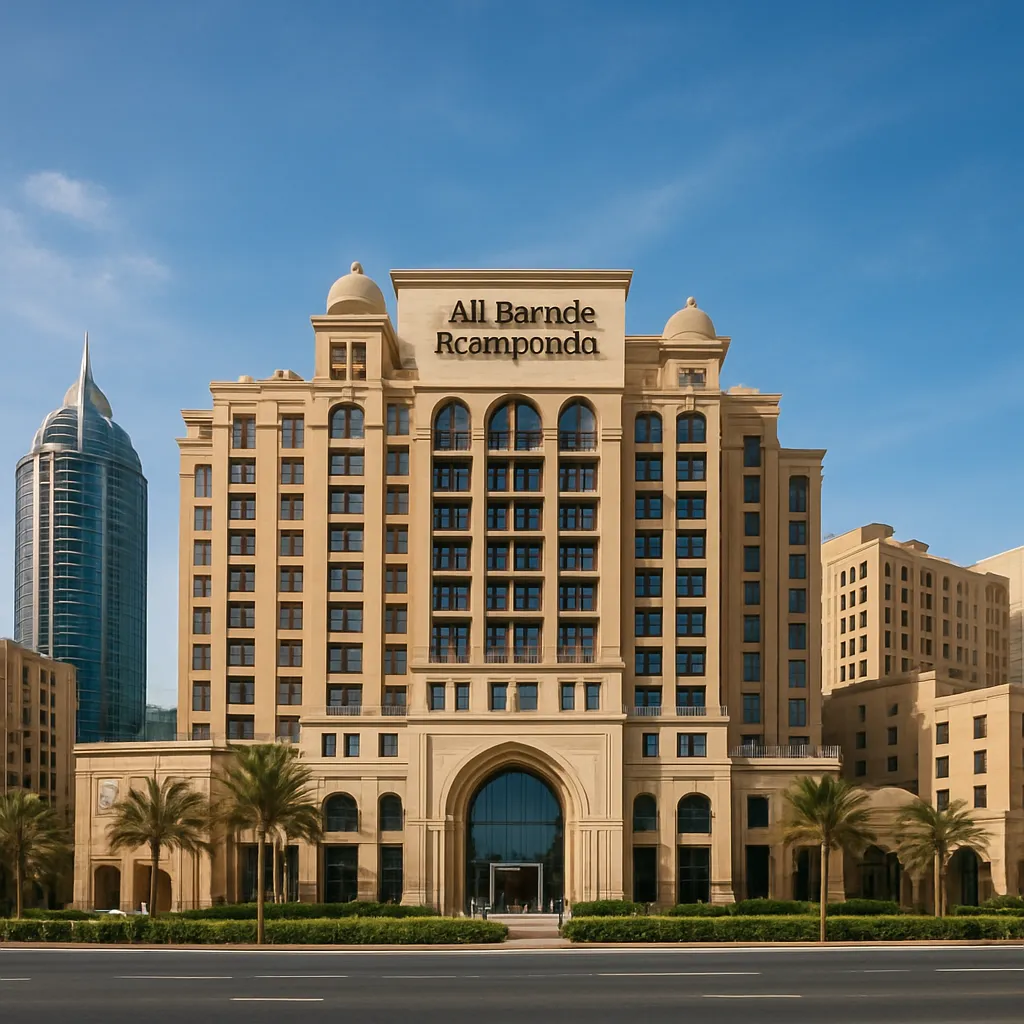
Although the Cisco office in Dubai Internet City is typically located within a commercial complex rather than a signature standalone skyscraper, its internal design reflects modern enterprise priorities: flexible workspaces, collaboration zones, secure meeting rooms, and technical labs. The layout is optimized for both client demonstrations and internal team work, with an emphasis on acoustic privacy, seamless connectivity, and ergonomics.
- Flexible open-plan areas to support agile teams and cross-functional collaboration.
- Dedicated demonstration and lab spaces for showcasing networking equipment, IoT devices, and cybersecurity solutions.
- Meeting and video-conferencing suites equipped with Cisco collaboration tools (including Webex).
- Secure server closets and edge data facilities to support localized testing and proofs of concept.
These facilities enable Cisco to demonstrate end-to-end solutions directly to customers in a controlled environment and to run interoperability tests with partner technologies. The office design is aligned with the firm’s broader approach to digital-first client engagement, where remote collaboration and hybrid meeting formats are supported by advanced audiovisual and network infrastructures.
Technology and Demonstrations
A key reason the Dubai Internet City office stands out is its role as a technology showcase. Cisco traditionally uses regional offices to demonstrate how its products integrate to create secure, scalable, and manageable networks. Visitors and customers can see demonstrations of:
- Networking platforms (switches, routers, and software-defined networking).
- Network security and secure access solutions.
- Collaboration tools such as Webex for virtual meetings and unified communications.
- Smart building and campus solutions that integrate sensors, access control, and building management systems.
- Edge computing and compact data center modules for branch and remote sites.
These showcases serve as practical proof points for public and private sector clients planning large-scale digital transformation programs—particularly for governments pursuing smart-city strategies and enterprises modernizing legacy networks.
Sustainability and Smart Building Features
While the Cisco office in Dubai Internet City may not be a high-profile green landmark on its own, the company’s global emphasis on energy efficiency and network-powered building management is often reflected in regional facilities. Cisco solutions are commonly used to integrate building systems—lighting, HVAC, security, and occupancy sensors—into a single management platform, enabling energy savings and operational efficiency.
Typical smart-building capabilities demonstrated in such offices include:
- Occupancy analytics to optimize space utilization and reduce energy waste.
- IoT-enabled environmental sensors for air-quality and temperature control.
- Automated access systems integrated with identity and policy controls.
- Remote monitoring and predictive maintenance dashboards.
Through these systems, offices can achieve measurable reductions in energy consumption and improve occupant comfort—outcomes that are increasingly important in Dubai’s hot climate and in a business environment focused on corporate responsibility and sustainability.
Economic and Strategic Impact
From an economic standpoint, a regional office such as Cisco’s in Dubai Internet City has multiple impacts:
- It contributes to job creation—both within Cisco and indirectly through partners, resellers, and local service providers.
- It supports the technology supply chain in the region by facilitating partnerships, certifications, and vendor relationships.
- It enhances knowledge transfer by enabling technical training, workshops, and joint innovation projects with local universities and startups.
Dubai Internet City itself functions as a magnet for multinational technology firms and hosts a wide variety of companies—from large global enterprises to early-stage startups and accelerators. The presence of companies like Cisco helps validate the ecosystem for other investors and customers considering regional expansion.
Statistics and Organizational Facts
Some verified and contextual statistics related to Cisco and Dubai Internet City that help quantify the importance of the building and its environment include:
- Cisco was founded in 1984 and is headquartered in San Jose, California.
- Cisco operates globally and employs tens of thousands of people worldwide; it is one of the leading vendors for enterprise networking and security equipment.
- Dubai Internet City was launched in 1999 and has hosted more than a thousand technology companies across software, hardware, and services over the years.
- Dubai Internet City and neighboring technology parks contribute to Dubai’s strategy of becoming a regional hub for technology, with thousands of professionals working in the digital economy within the cluster.
Because these figures can change over time, the specific headcount and revenue figures for any multinational are dynamic. What remains consistent is Cisco’s role as a major international vendor and Dubai Internet City’s status as one of the primary technology free zones in the United Arab Emirates and the Gulf Cooperation Council (GCC) region.
Collaboration, Training and the Startup Ecosystem
The Cisco office often acts as a point of contact for collaboration with local startups and innovation programs. Cisco supports partner ecosystems through technical enablement, co-selling initiatives, and sometimes through targeted investments or accelerators. In Dubai, Cisco has engaged with:
- Local and regional systems integrators and managed service providers.
- Universities and training centers using Cisco Networking Academy curricula.
- Startups and incubators that focus on enterprise software, cybersecurity, and connected devices.
These collaborative activities are mutually beneficial: startups gain access to enterprise-grade technologies and market channels, while Cisco gains insight into local innovations and new use cases emerging from the region. For customers, this ecosystem means a broader range of implementation and support options that are tailored to local requirements.
Accessibility and Visitor Information
Dubai Internet City is easily accessible from major parts of the city, especially via Sheikh Zayed Road and nearby metro stations (such as the Dubai Internet City / DMCC vicinity stops depending on transit developments). The Cisco office typically operates standard business hours and may require prior appointment for client demonstrations, facility tours, and lab access due to security and scheduling considerations.
For visiting clients and partners, it is common to:
- Schedule meetings in advance to ensure technical staff and demonstration equipment are available.
- Work with a local Cisco account team or partner to coordinate logistics and tailor demonstrations to specific scenarios.
- Leverage the surrounding business amenities, including hotels, conference centers, and dining options within Dubai Internet City and nearby business districts.
Interesting Facts and Anecdotes
Several points of interest make the Cisco presence in Dubai Internet City particularly noteworthy:
- As part of a broader global strategy, Cisco often uses regional offices to pilot solutions for emerging-market challenges—such as improving broadband access, enabling secure remote education, or deploying solutions for smart utilities.
- Regional events and roadshows staged out of the Dubai office frequently attract customers from across the GCC and North Africa, making the site a focal point for announcements tailored to those markets.
- Cisco technologies demonstrated in the office can include combinations of hardware, software, and cloud services that reflect the company’s shift toward subscription-based and software-centric business models.
Future Outlook
Looking ahead, the Cisco office in Dubai Internet City is likely to remain an important part of the company’s regional infrastructure as the Middle East accelerates its investments in digital transformation. Key growth areas that will influence activities at the office include:
- 5G-enabled enterprise services and private cellular networks for industrial and logistics sites.
- Edge computing and localized data center solutions to support low-latency applications and regulatory requirements.
- Cybersecurity and secure access architectures as organizations continue to modernize and move workloads to hybrid cloud environments.
- Smart-city and sustainability initiatives, where networking and IoT technologies enable more efficient urban services.
As regional customers adopt cloud-native and distributed architectures, the Cisco presence in Dubai will continue to be relevant for hands-on technical engagement, solution proof of concept, and partner collaboration.
Summary
The Cisco office in Dubai Internet City is more than a regional address: it is a practical hub for demonstrations, customer engagement, and collaborative innovation across the MENA region. Equipped to showcase networking, IoT, collaboration, and security solutions, the site supports customer projects, training, and partnerships. Embedded in one of the Middle East’s most prominent technology parks, the office contributes to Dubai’s broader ambitions to lead in digital transformation and smart-city development while enabling Cisco to remain close to regional clients and partners.