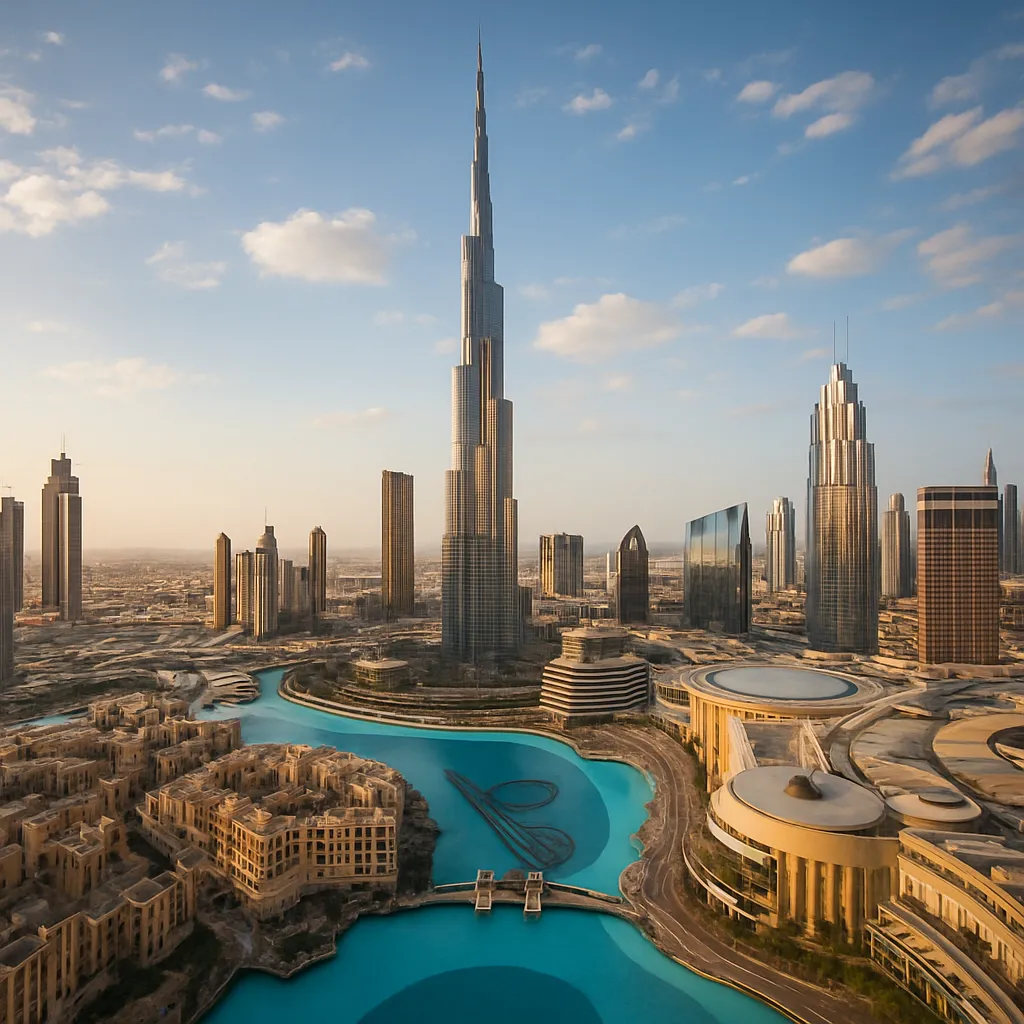
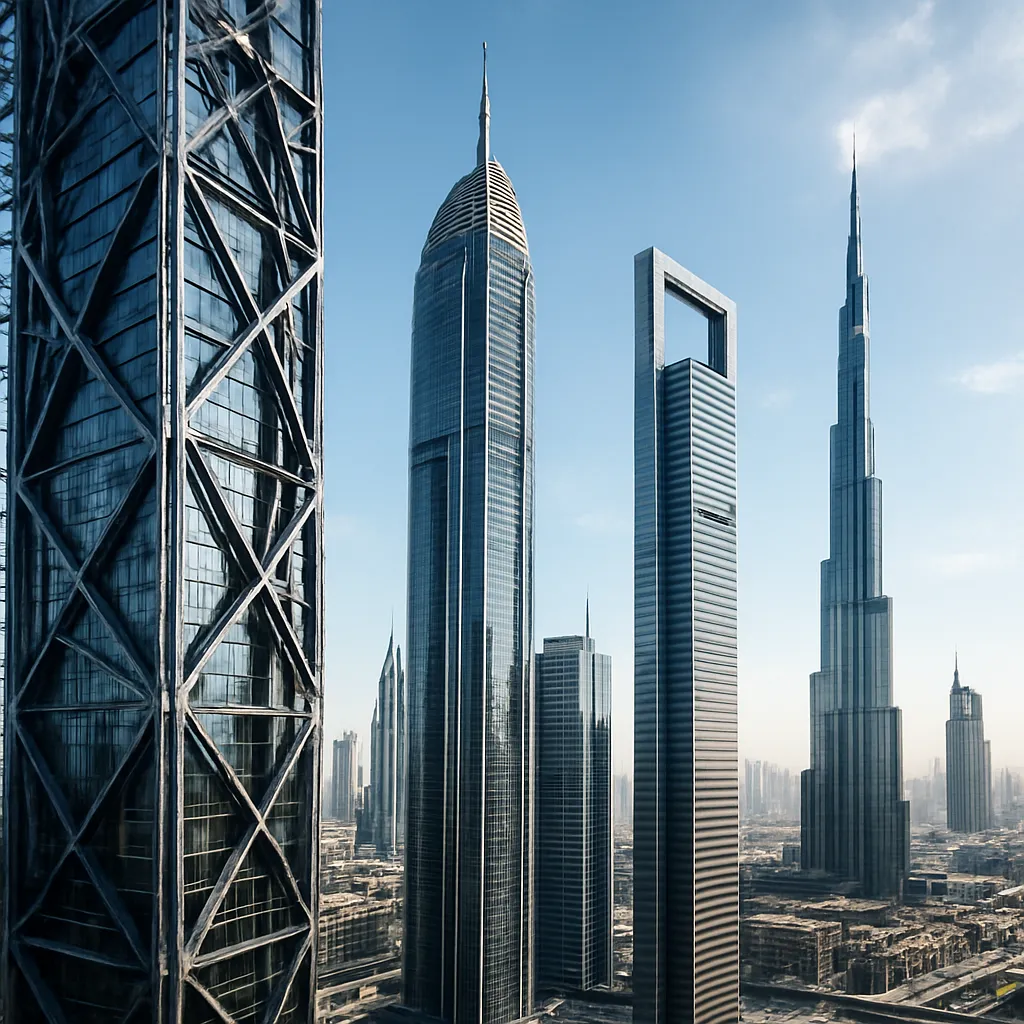
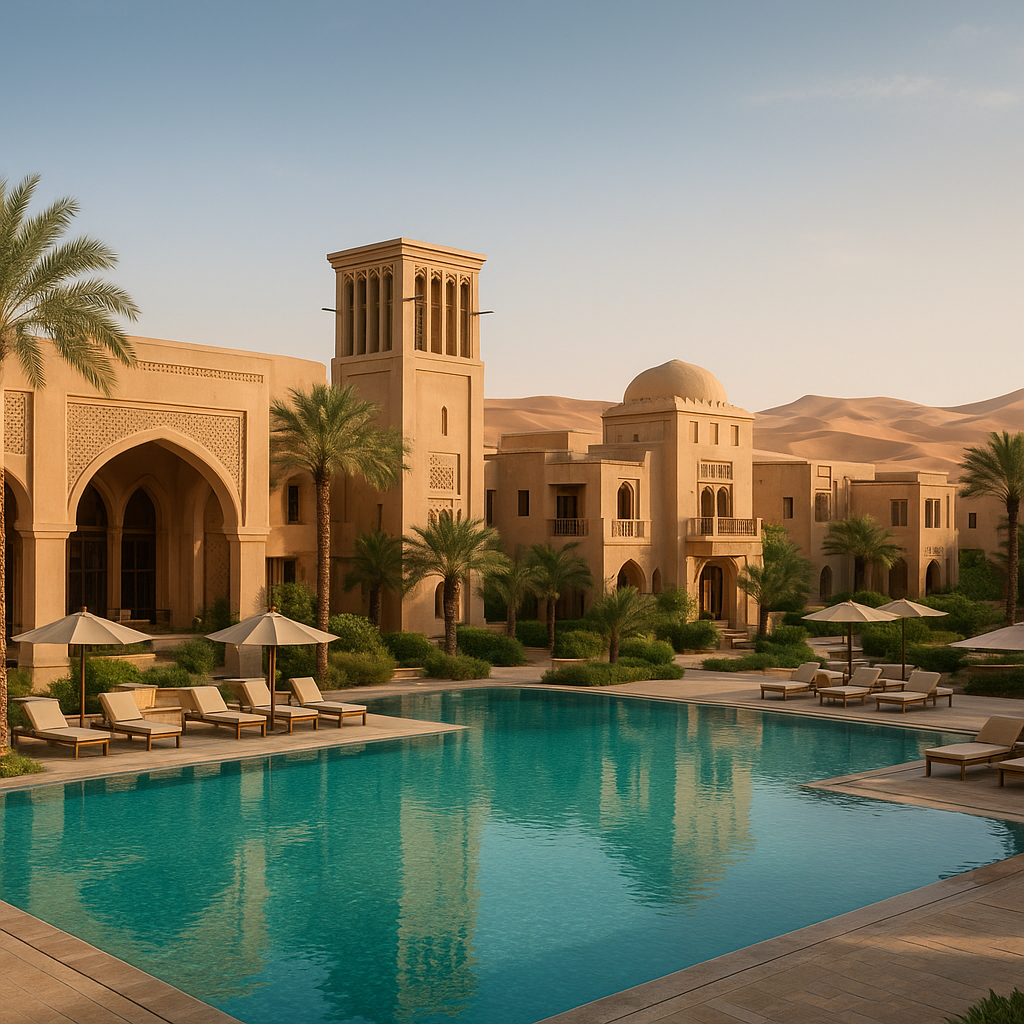
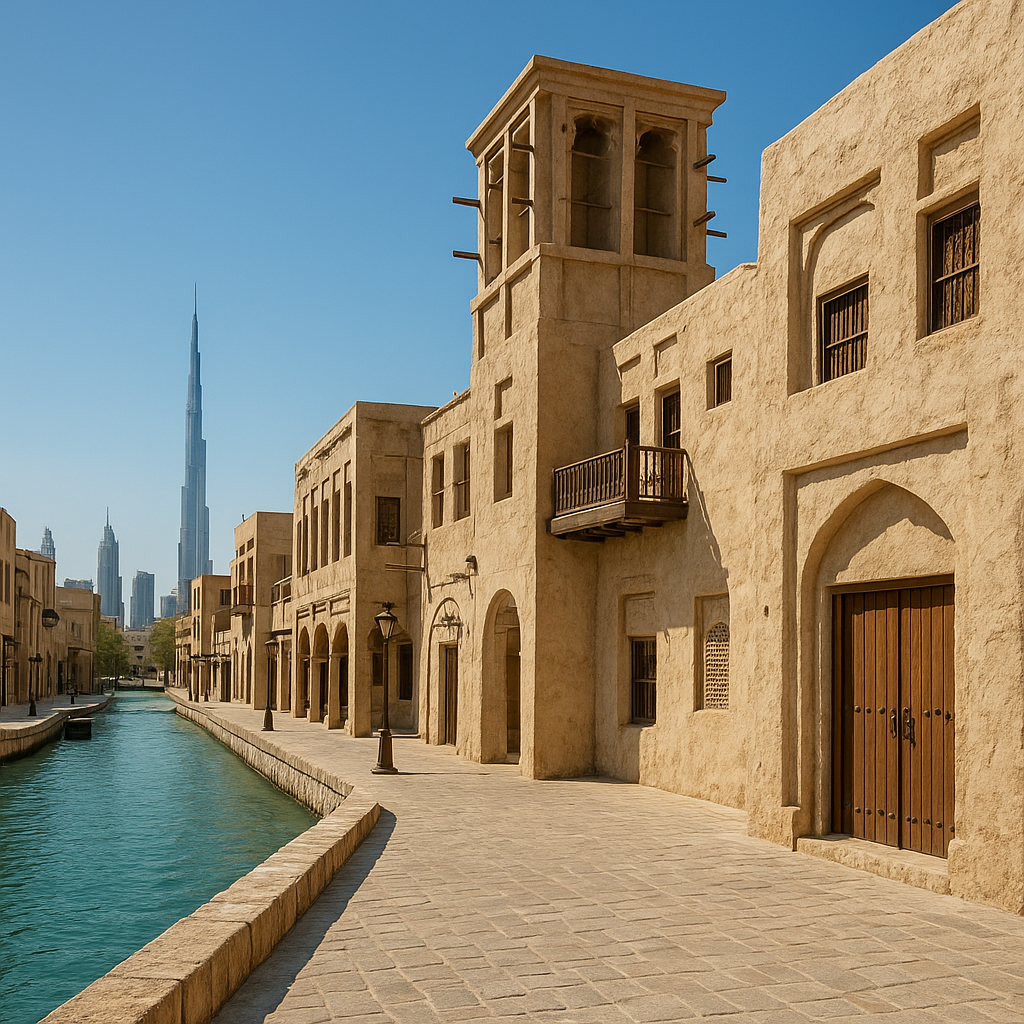
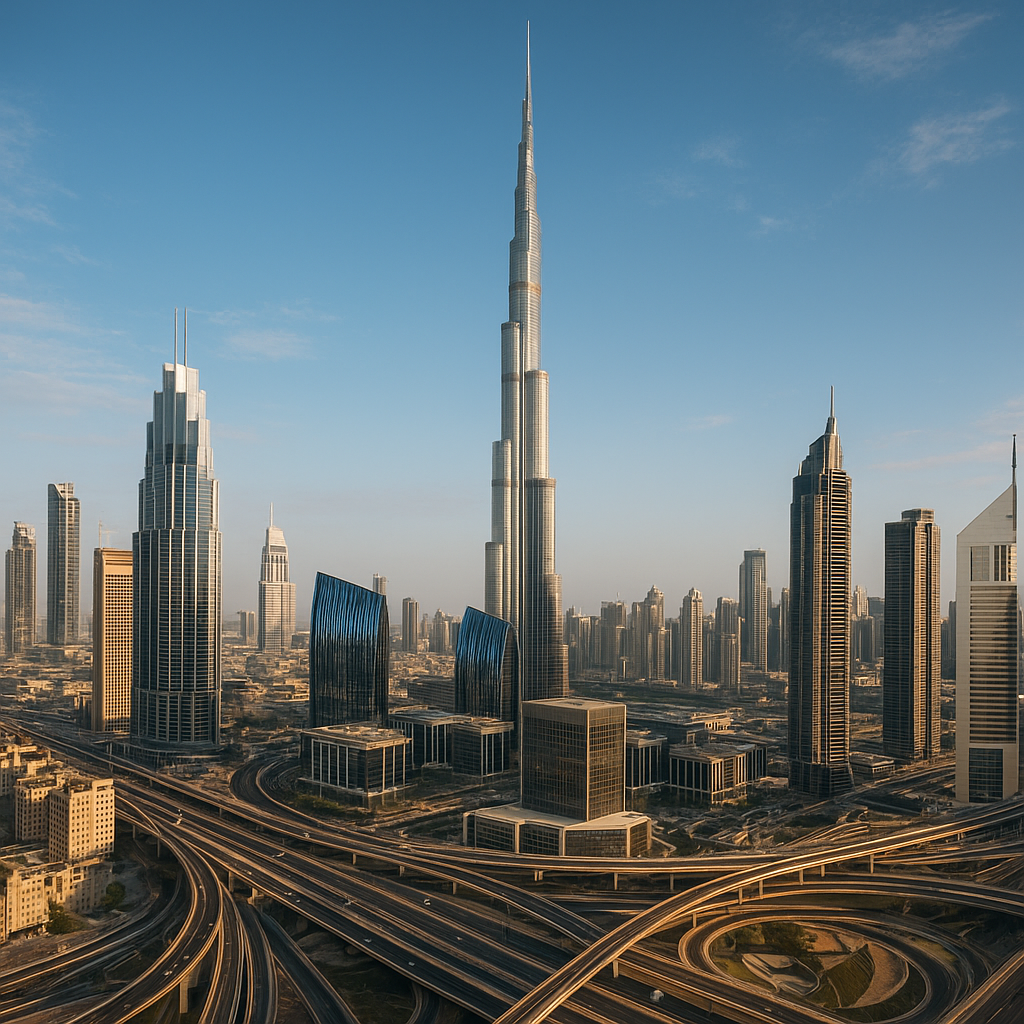
Dubai’s cosmopolitan waterfronts are a testament to its relentless pursuit of innovation and grandeur. From the winding expanse of Dubai Creek to the man-made archipelago of Palm Jumeirah, each development showcases meticulous attention to detail, blending luxury living with avant-garde engineering feats. This exploration dives into the most celebrated waterfront edifices, revealing the design strategies and hidden marvels that make them true urban icons.
Dubai Creek Harbour’s Futuristic Gems
The Creek Tower: Redefining Skyline
The Creek Tower, poised to surpass global records, epitomizes Dubai’s unwavering ambition. Conceived by Santiago Calatrava, its spiraling structure mimics natural forms found in date palms and lilies. This biomimicry not only ensures structural resilience but also imbues the tower with a sense of organic fluidity. The tapering silhouette enhances wind flow management, reducing vortex shedding and optimizing stability under desert gusts.
Internally, high-performance glazing systems and double-skin facades minimize solar heat gain while maximizing daylighting. The observation decks employ a series of cantilevered platforms, offering panoramic vistas of the Arabian Gulf and old Dubai districts. These jutting terraces are buttressed by an intricate lattice of steel ribs concealed within the outer shell, an innovative approach that achieves both elegance and load distribution efficiency.
Harbour Tower Residences: Blending Tradition and Modernity
Nestled along the Creek’s edge, Harbour Tower Residences merge vernacular aesthetics with contemporary comforts. Inspired by traditional wind towers (barjeel), their form allows natural ventilation throughout communal areas. This passive cooling technique, reimagined with modern computational fluid dynamics, reduces reliance on mechanical HVAC systems. The result is a harmonized experience of comfort and eco-conscious design.
Local limestone cladding and mashrabiya-style screens lend a cultural authenticity to the façades. At night, programmable LED strips within the lattice transform the towers into dynamic canvases, reflecting the ebb and flow of the Creek’s marine traffic. Meanwhile, podium gardens on elevated terraces provide lush oases, supported by an advanced drip-irrigation and greywater reuse network that underscores the project’s sustainable ethos.
Palm Jumeirah’s Extravagant Waterfront Residences
Atlantis The Royal: A New Landmark of Luxury
Rising majestically on the Palm’s crescent rim, Atlantis The Royal redefines opulence. Its dual towers are bridged by a sinuous sky deck, crowned by infinity pools that appear to spill into the Gulf. Structural engineers harnessed a complex post-tensioning system to stabilize these expansive cantilevers, ensuring minimal deflection despite their daring geometry.
Interiors feature bespoke marble inlays and floor-to-ceiling glass walls, orchestrated around a central atrium that floods the lobby with natural light. Behind the scenes, an integrated building management system synchronizes lighting, climate control and service robots to deliver personalized guest experiences. This convergence of technology and craftsmanship cements Atlantis The Royal’s status as an iconic destination on Palm Jumeirah.
Signature Villas on the Fronds
Each frond of the Palm hosts an exclusive collection of villas, offering unobstructed sea views. Architects imbue these homes with a minimalist vernacular, characterized by flat roofs, deep overhangs and shaded courtyards—a contemporary nod to Arabian estate living. The strategic placement of louvers and pergolas harnesses prevailing breezes, fostering natural cross-ventilation.
Subterranean parking garages double as thermal buffers, moderating indoor temperatures. Rooftop solar panels power LED landscape lighting and water feature pumps, while smart meters track energy consumption in real time. The result is a refined synthesis of extravagance and environmental responsibility, where every detail contributes to an elevated coastal lifestyle.
Bluewaters Island’s Iconic Attractions
Ain Dubai: Engineering the World’s Largest Observation Wheel
The circular silhouette of Ain Dubai commands attention from every vantage along JBR. At 250 meters tall, its pioneering hub-and-spoke system had to accommodate extreme loads and dynamic passenger cabins. Engineers employed tension-controlled cables anchored to a colossal hub, creating a self-stabilizing structure that mitigates wind-induced sway.
Each cabin incorporates electrochromic glass, allowing passengers to adjust opacity for optimal comfort and privacy. Beneath the pedestrian promenade lies a network of utility tunnels housing climate control, security systems and high-capacity water desalination units. These subterranean arteries ensure uninterrupted operation, even under peak summer temperatures, showcasing an engineering triumph in harsh environments.
The Wharf District: A Mixed-Use Landmark
Adjacent to Ain Dubai, The Wharf blends retail, dining and leisure into an open-air precinct. Its modular pavilions feature tensile fabric roofs, sculpted to emulate drifting sails. This lightweight construction not only evokes maritime heritage but also reduces embodied energy compared to conventional materials.
Floating boardwalks extend over the lagoon, supported by precast concrete pontoons with integrated wave attenuators. These devices dampen boat wake, preserving calm waters for pedestrian enjoyment. Intelligent lighting along the quay adapts to ambient conditions, creating a seamless transition from daylight to nocturnal ambience.
Dubai Marina’s Sustainable High-Rises
Cayan Tower: The Twisting Marvel
Known for its 90-degree rotation along its height, Cayan Tower breaks away from monotony in the Marina skyline. This spiral design enhances ocean views for every unit and disrupts wind flows, reducing vortex concentrations around the base. The tower’s façade comprises prefabricated composite panels, accelerating construction timelines and ensuring precision alignment across the twist.
Underneath the tower, a podium garden collects rainwater for irrigation, while rooftop photovoltaic arrays supply communal lighting and pumping systems. Advanced façade shading devices respond dynamically to sun angles, diminishing cooling loads. Cayan Tower remains a stellar example of how bold form can coexist with sustainable performance.
Sustainable Features Across the Marina
Beyond individual towers, Dubai Marina adheres to a district-wide environmental vision. Seawater cooling systems leverage the adjacent canal to exchange heat, slashing energy consumption by up to 30%. Pedestrian promenades are shaded by solar trees—canopies of photovoltaic leaves that harvest energy to power wayfinding lights and charging stations for electric boats.
Public art installations double as rainwater sculptures, harvesting and filtering runoff for landscape irrigation. Collectively, these systems demonstrate a cohesive approach to waterfront urbanism, where architectural ambition is balanced with ecological stewardship and social vibrancy.