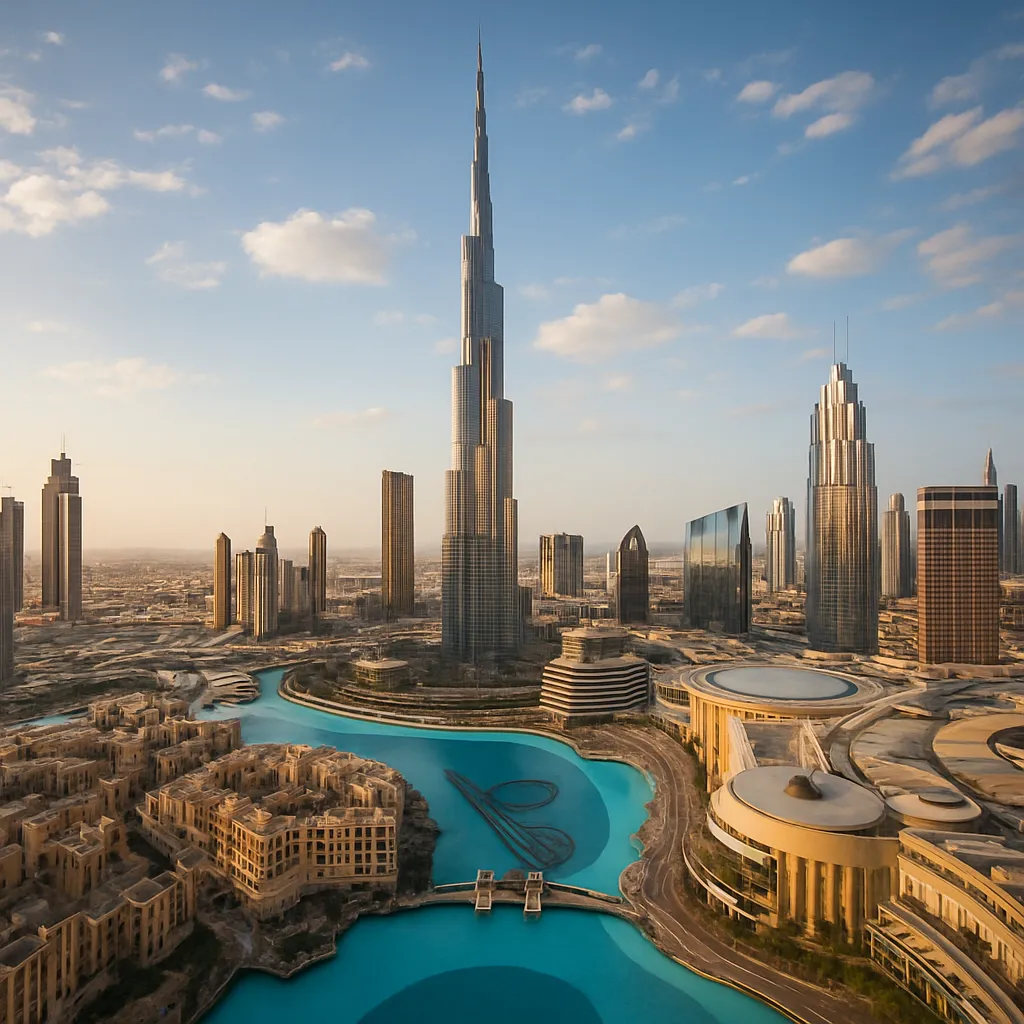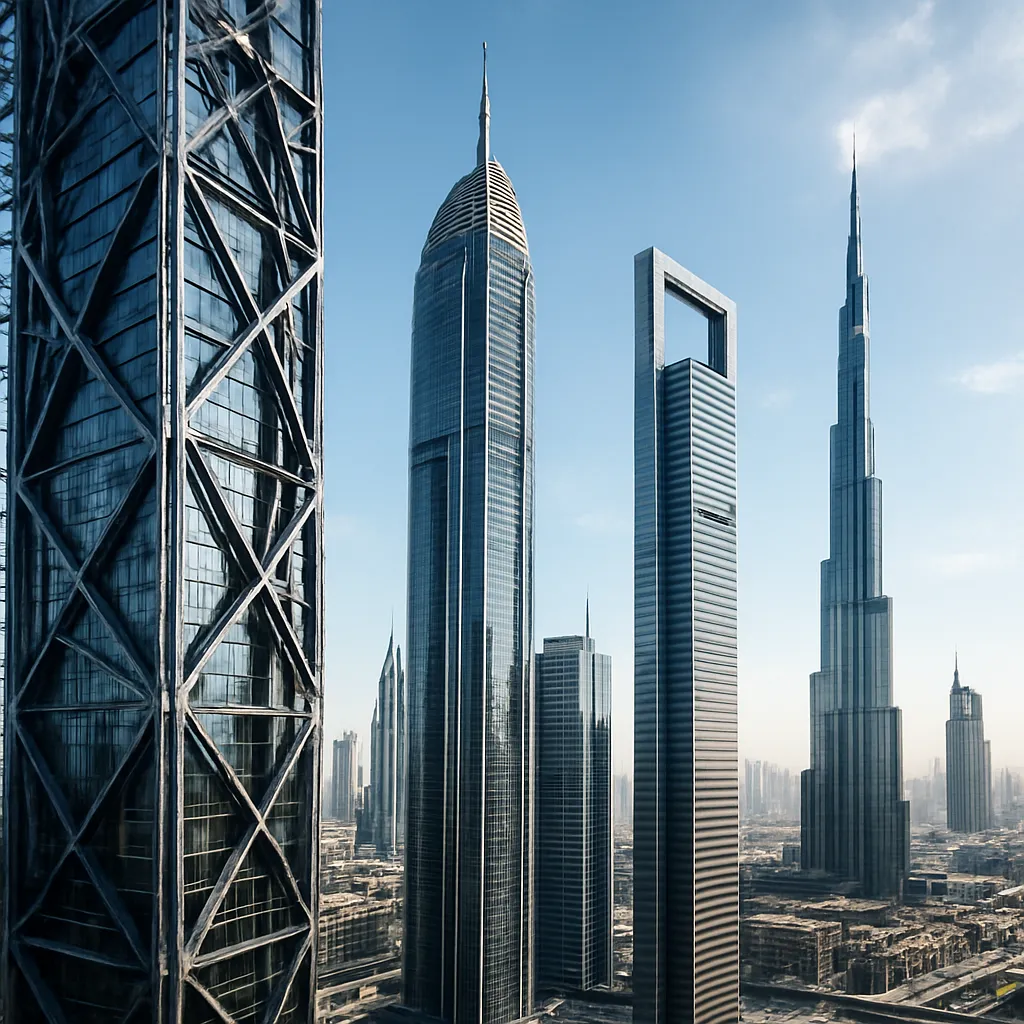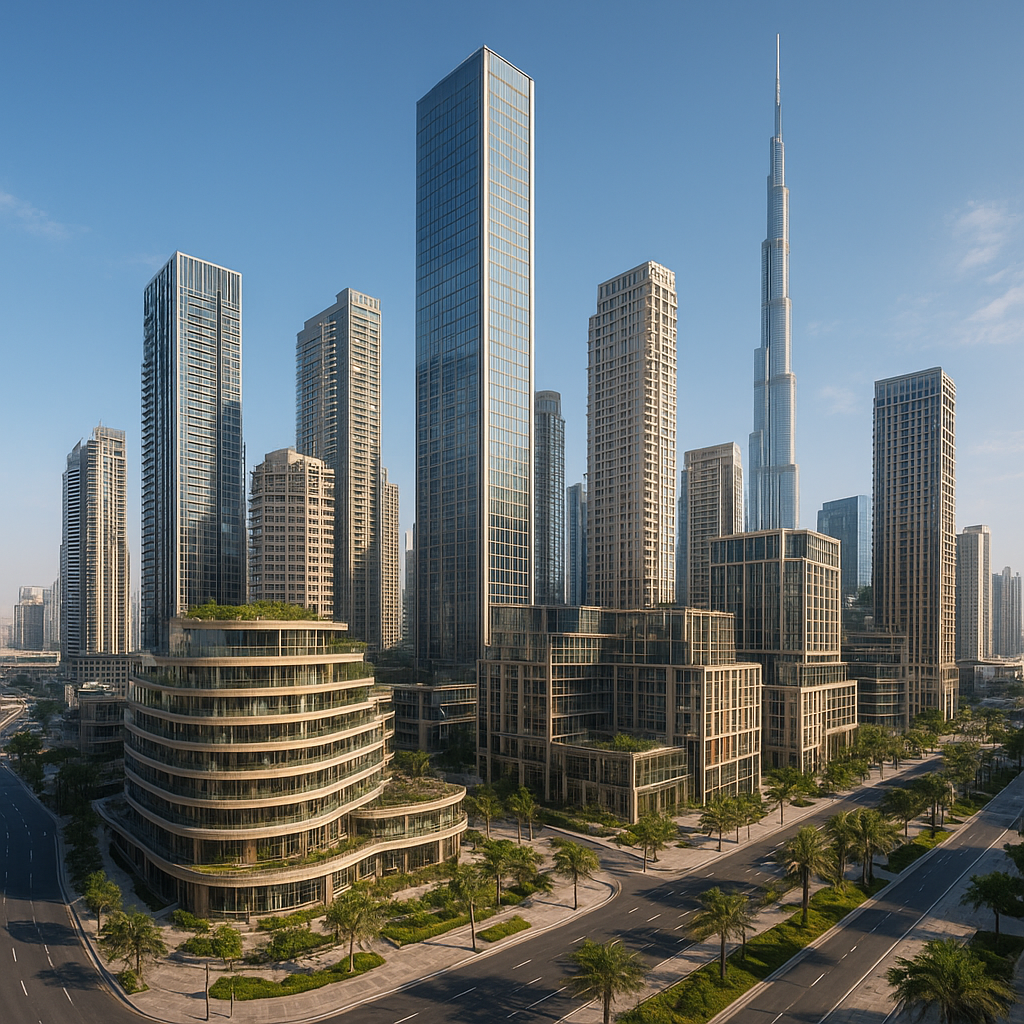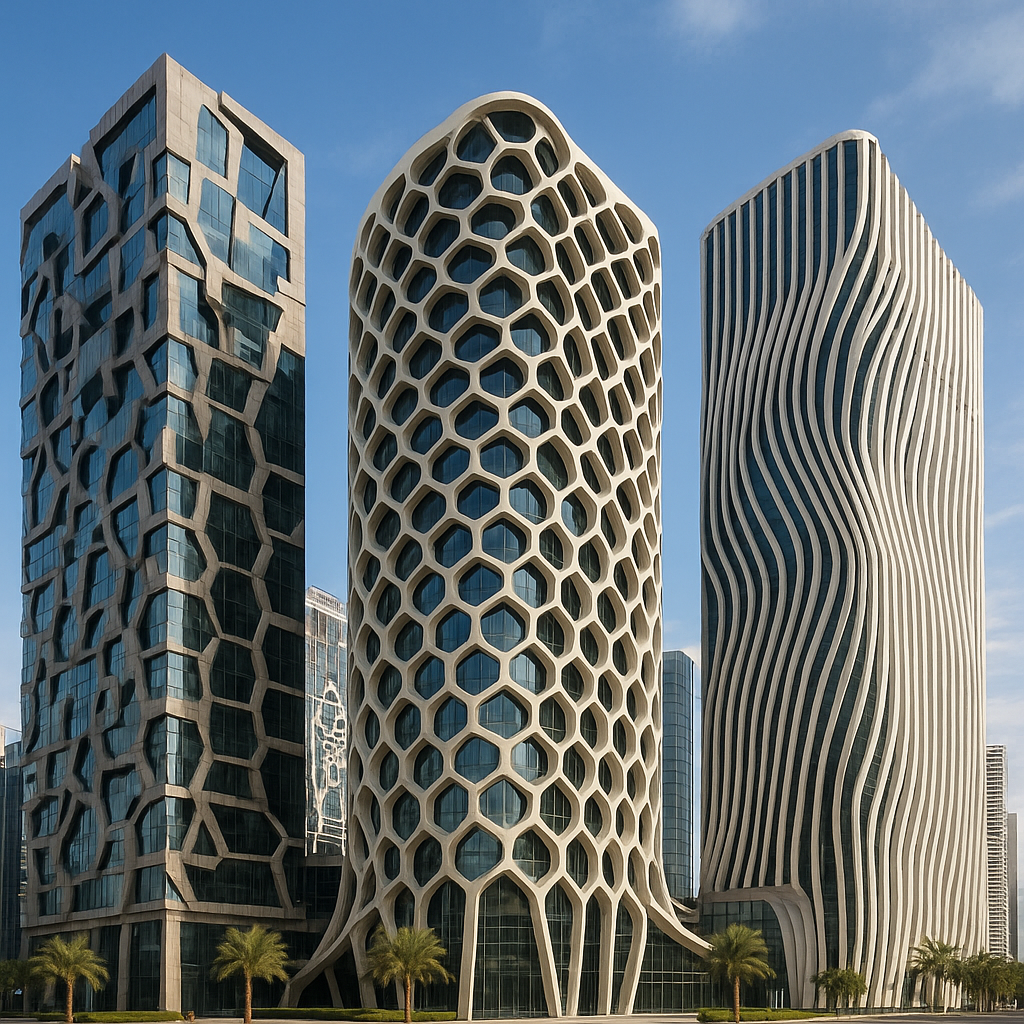
The skyline of Dubai stands as a testament to the city’s relentless pursuit of architectural excellence. From the soaring heights of the Burj Khalifa to the fluid curves of the Opus, each building tells a story of ambition and creativity. This article delves into the most visionary facade designs that have transformed Dubai’s built environment, revealing how technology, art, and tradition converge to shape the emirate’s iconic skyline.
Architectural Marvels of the Burj Khalifa District
Nestled within a cluster of towering skyscrapers, the Burj Khalifa District exemplifies how cutting-edge facade design can amplify a city’s global image. While the Burj Khalifa itself remains the region’s most celebrated structure, its neighboring developments also boast façades that redefine urban aesthetics.
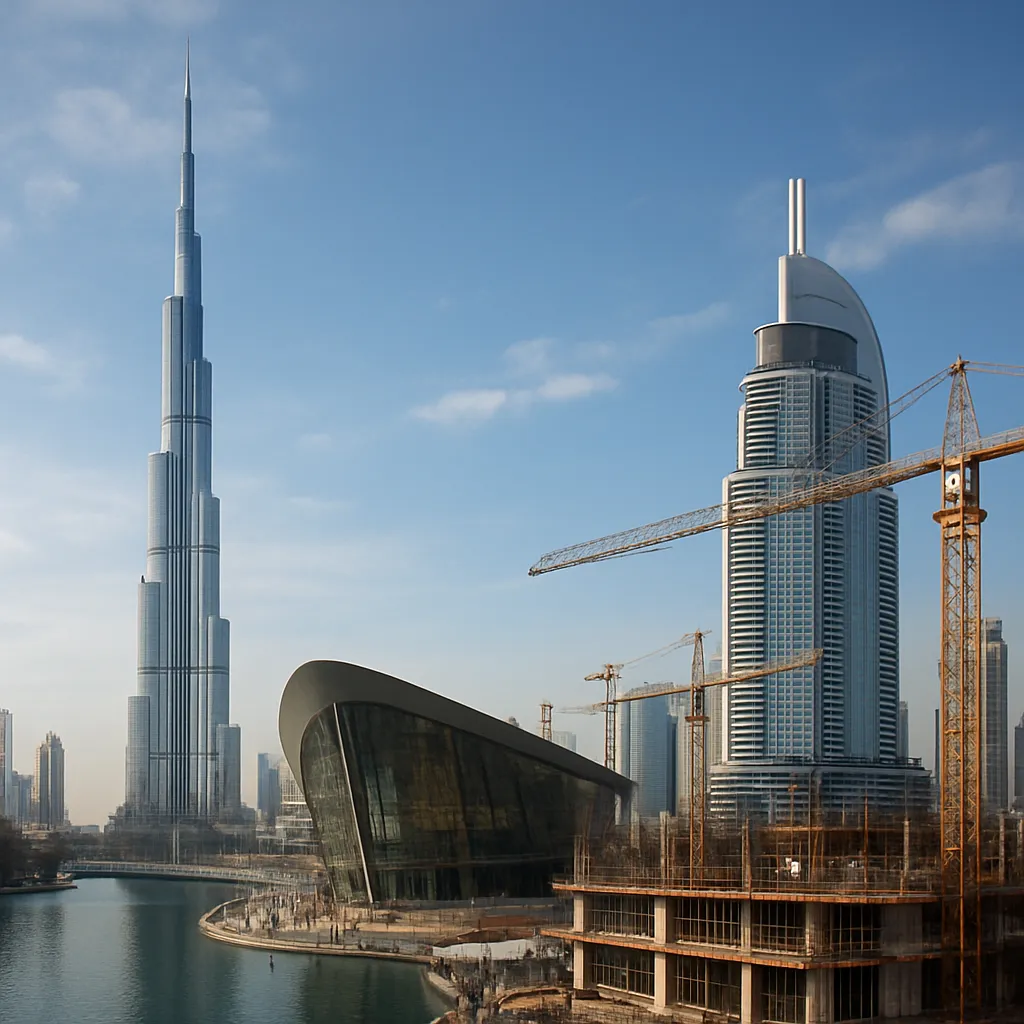
The Address Downtown presents a dynamic curtain wall system composed of high-performance glass panels that respond to solar exposure. This innovation not only maximizes occupant comfort by reducing glare and thermal gain but also creates a shimmering effect that changes throughout the day.
Meanwhile, the Dubai Mall’s external shell incorporates a layered, perforated metal mesh. This screen acts as a canvas for programmable lighting installations, generating spectacular multimedia shows. As twilight falls, thousands of LED modules embedded behind the mesh activate in vibrant patterns that celebrate cultural events and international festivities.
- Burj Khalifa – A tapered, tri-lobed design clad in reflective glass and stainless steel fins.
- Address Downtown – Smart glazing for solar control and panoramic city views.
- Dubai Mall Screen – Perforated metal mesh with LED integration for dynamic lighting.
Reinventing Tradition: The Al Bahar Towers and Mashrabiya Legacy
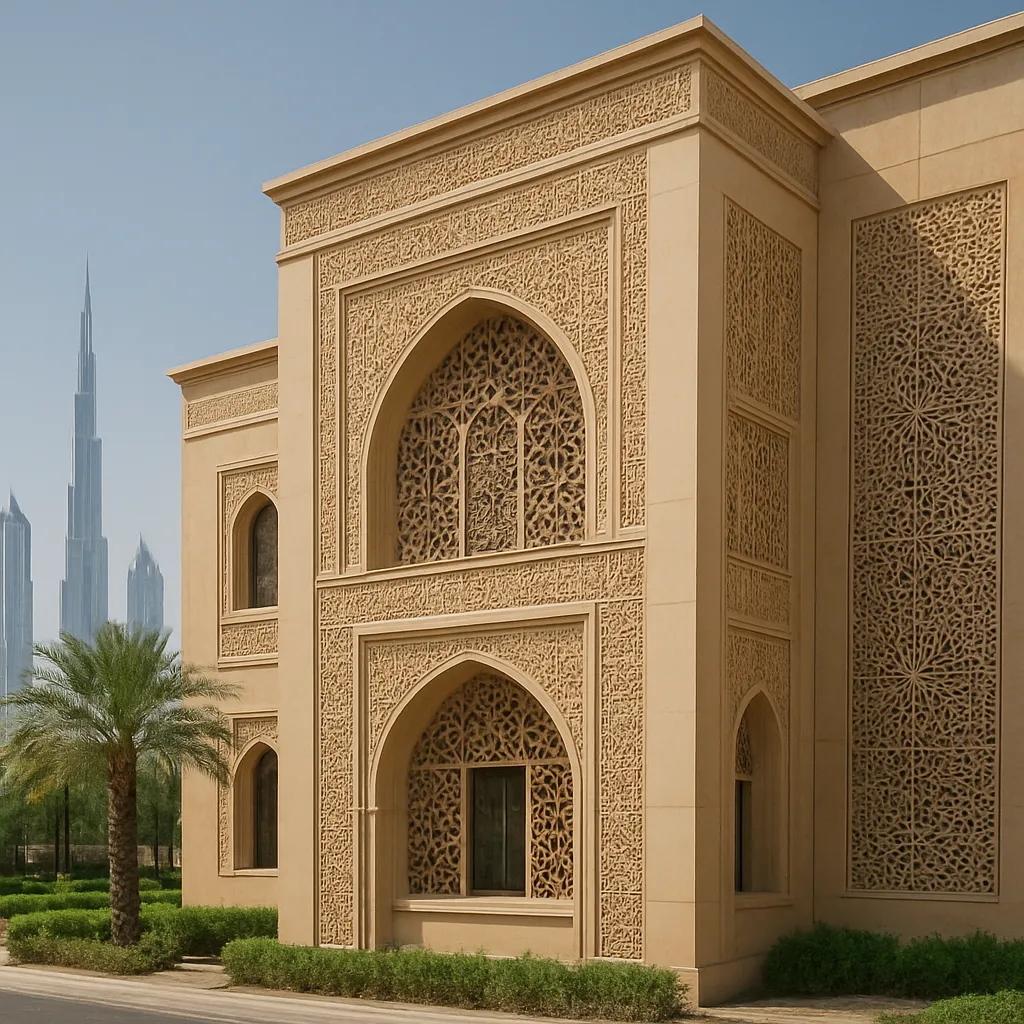
Drawing inspiration from the ancient Islamic motif of the mashrabiya, the Al Bahar Towers introduced a groundbreaking adaptive facade system. Each tower’s exterior features a network of geometric panels that open and close in response to sunlight, creating an ever-changing pattern of light and shadow.
These motifs are more than decorative; they serve a critical sustainability function. By modulating solar heat gain, the adaptive shading reduces the demand on HVAC systems, delivering substantial energy savings. Sensors monitor the angle of the sun, triggering the diamond-shaped modules to adjust automatically throughout the day.
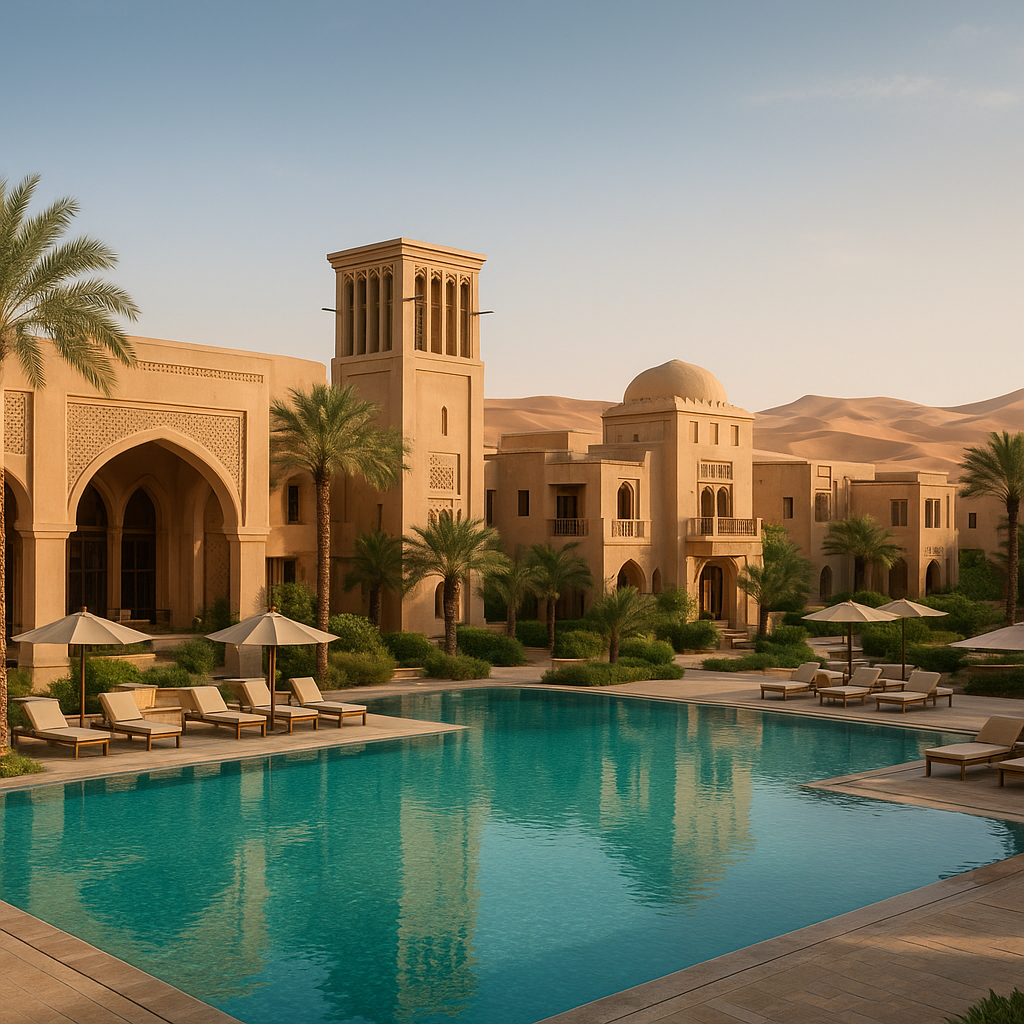
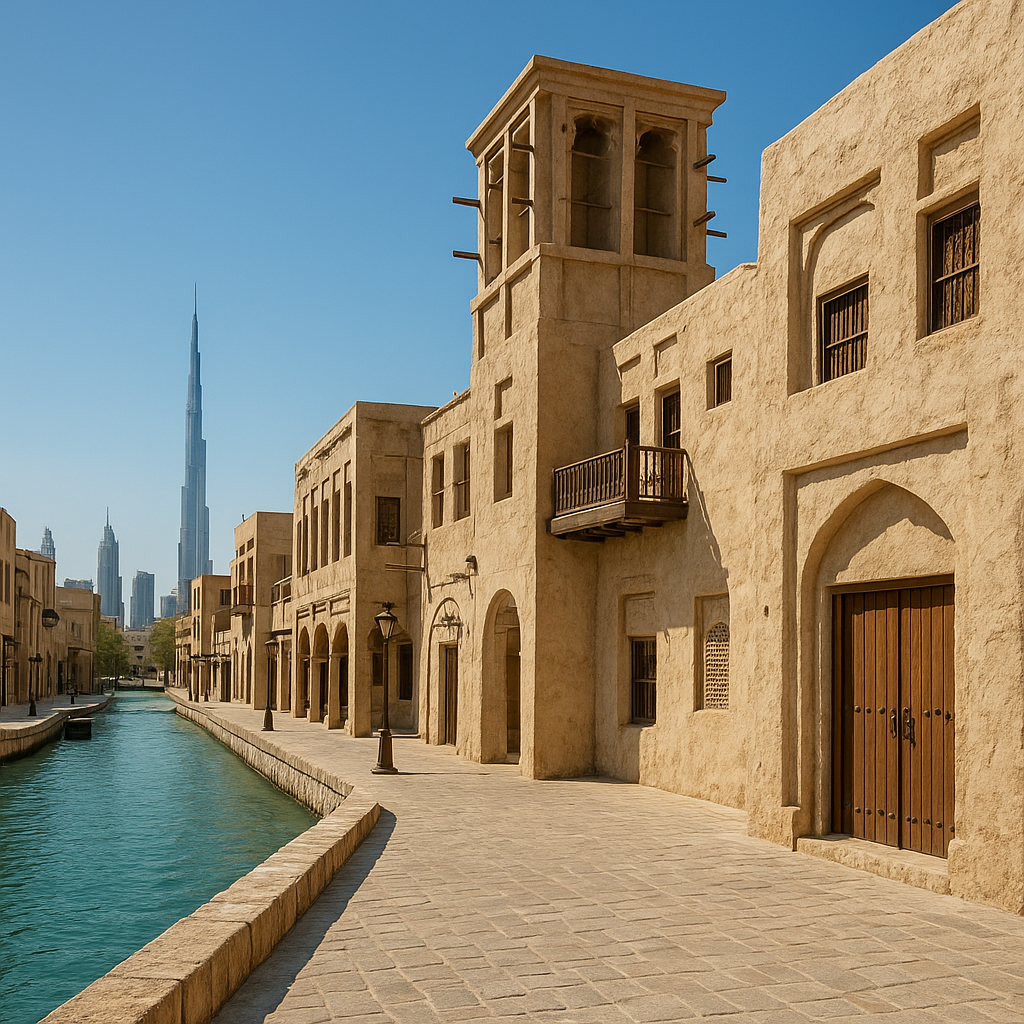
Architecturally, the towers demonstrate how traditional forms can be reinterpreted using modern materials and mechanisms. This marriage of history and technology embodies Dubai’s ambition to respect cultural heritage while forging ahead into the future.
Innovative Materials and Technologies in Facade Construction
Advances in materials science and digital engineering have given rise to façades that were unthinkable a generation ago. In Dubai, developers and architects embrace new solutions to address the harsh desert environment and aesthetic demands.
- ETFE (ethylene tetrafluoroethylene) cushions – Ultra-lightweight, translucent panels that offer superior thermal insulation and day-lighting capabilities. Structures like the Meydan Racecourse grandstand utilize ETFE to create towering canopies that appear to float.
- 3D-Printed Concrete Elements – Customizable formwork enables organic shapes and intricate patterns. Prototypes in the Dubai Design District showcase curved wall panels with parametric perforations that regulate airflow.
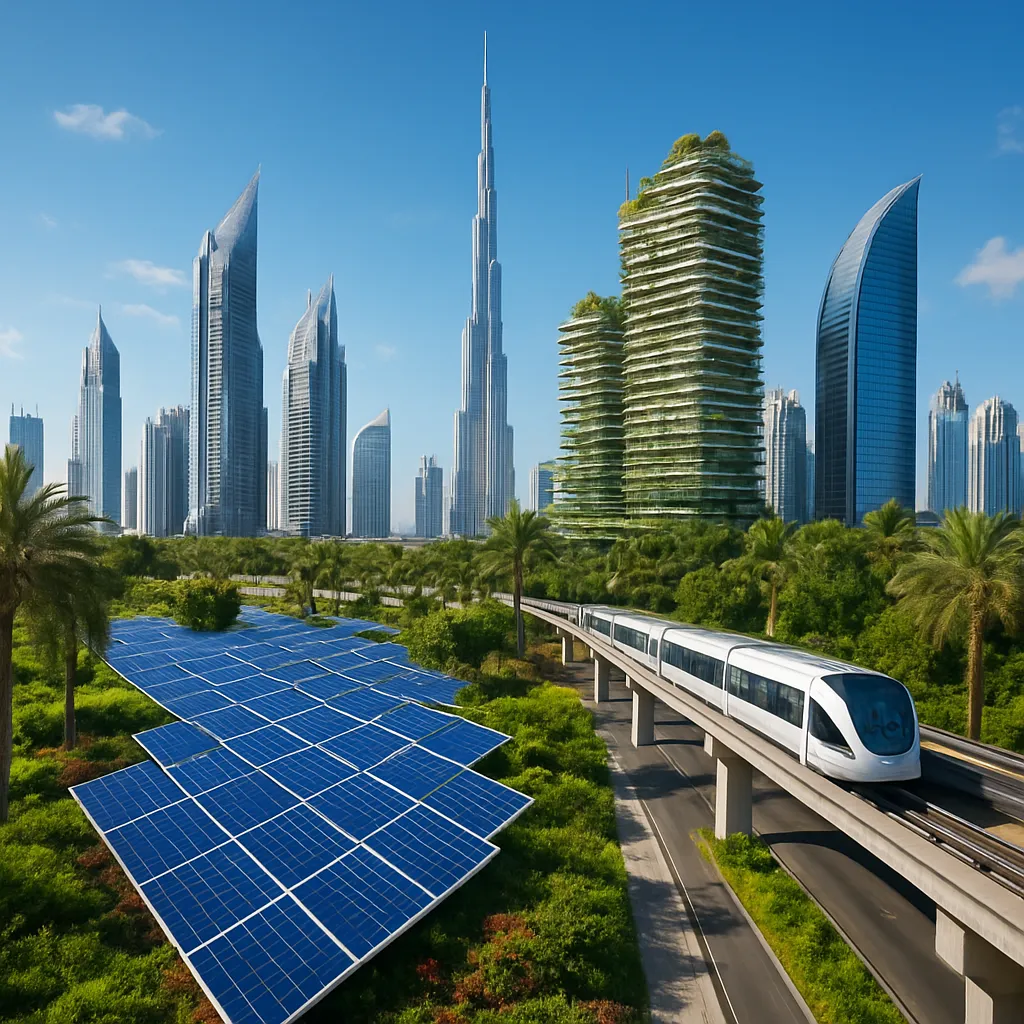
- Photovoltaic Glass – Building-integrated solar panels embedded in curtain walls. Office towers along Sheikh Zayed Road incorporate tinted PV modules, seamlessly converting solar radiation into renewable energy.
- Kinetic Facades – Moving louvers and rotating panels programmed to dance across a building’s face. One high-end residential tower features motorized screens that trace the sun’s path, ensuring constant shade and visual intrigue.
By leveraging these technologies, Dubai’s architects can achieve a balance between form and function, ensuring that each facade contributes to occupant wellbeing, operational efficiency, and environmental stewardship.
Sustainable and Interactive Facades Shaping Dubai’s Skyline
In a city striving for net-zero emissions, innovative facades play a critical role in advancing green building goals. Beyond energy performance, many new projects emphasize interactivity and community engagement.
The upcoming Museum of the Future features a stainless steel shell adorned with Arabic calligraphy, laser-cut through a double-curved surface. More than an aesthetic marvel, the facade’s perforations act as sun filters, shading the interior while inviting dynamic daylight into exhibition spaces. The result is a poetic interplay of light and shadow, transforming the museum into a living artwork.
Another pioneering example is the Dubai Frame, where visitors experience dual views of old and new Dubai through a spectacular skybridge. The frame’s glass floor and panoramic façade offer dizzying perspectives, emphasizing the city’s rapid transformation. LED illumination at night further animates its contours, turning the structure into a beacon of exploration.
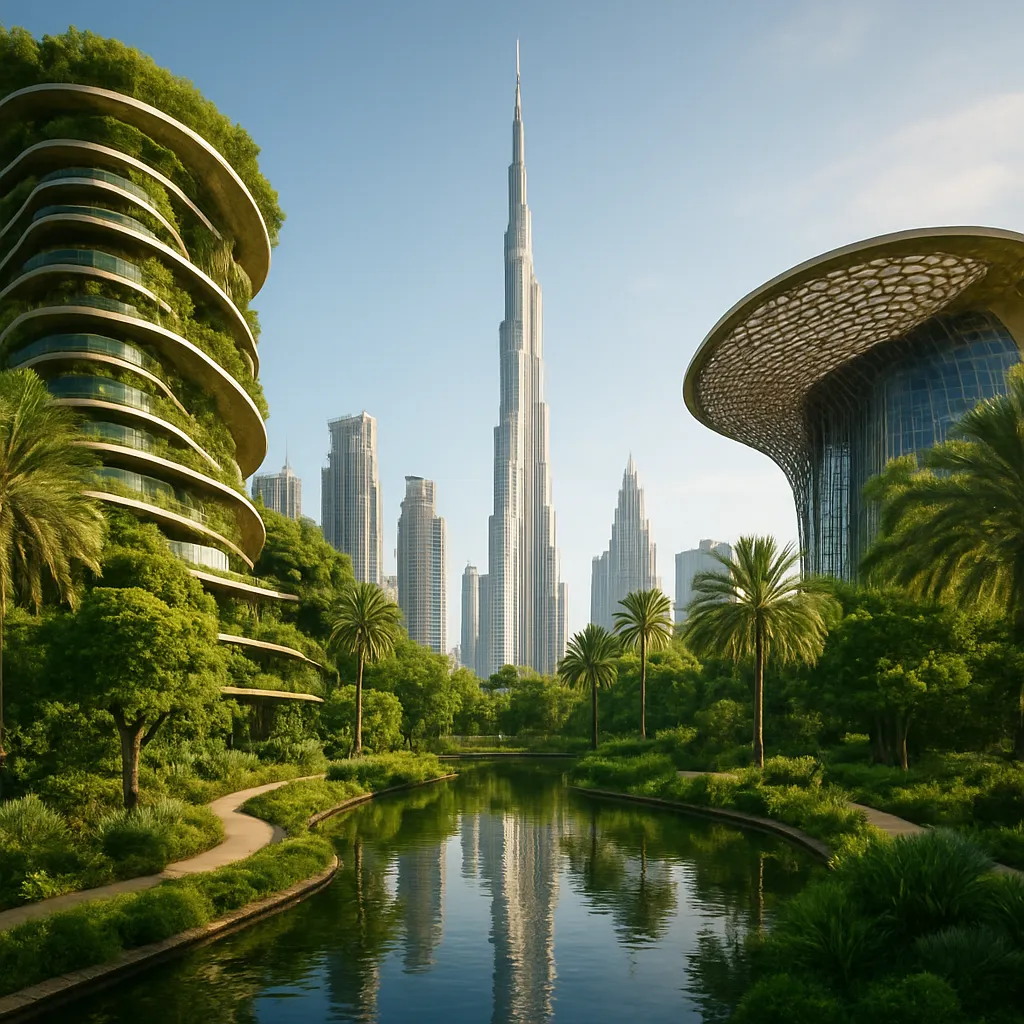
Meanwhile, mixed-use developments in Business Bay experiment with green walls and hanging gardens integrated directly into high-rise facades. Living plants cascade down trellises, improving air quality and creating cooler microclimates around building entrances. These vertical landscapes symbolize the fusion of architectural geometry with the natural environment, highlighting Dubai’s commitment to biodiversity.
- Museum of the Future – Double-curved stainless steel shell with laser-cut patterns.
- Dubai Frame – Panoramic glass skybridge with LED edge lighting.
- Vertical Gardens – Green facades that reduce heat islands and promote wellbeing.
Through these bold experiments, Dubai continues to push the boundaries of what facades can achieve—serving not only as protective exteriors but as interactive canvases that inspire, inform, and delight.