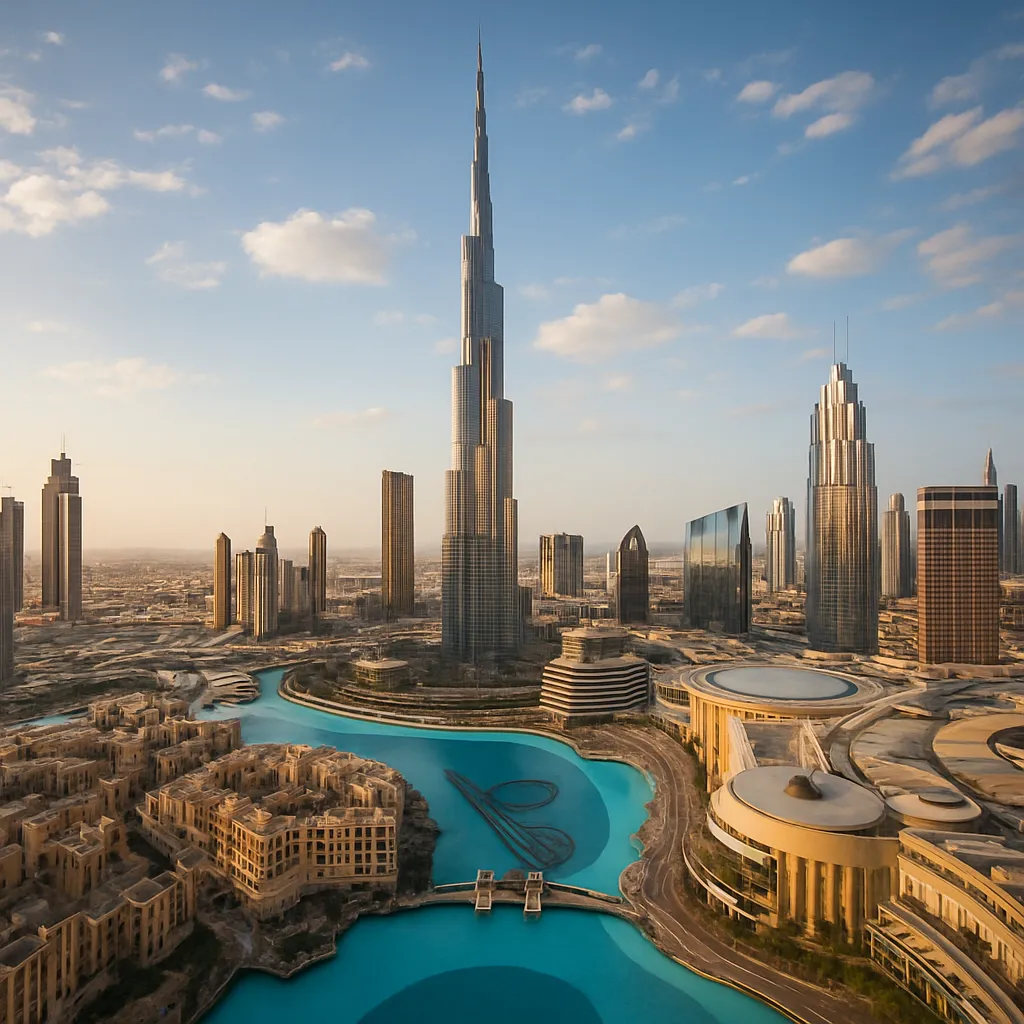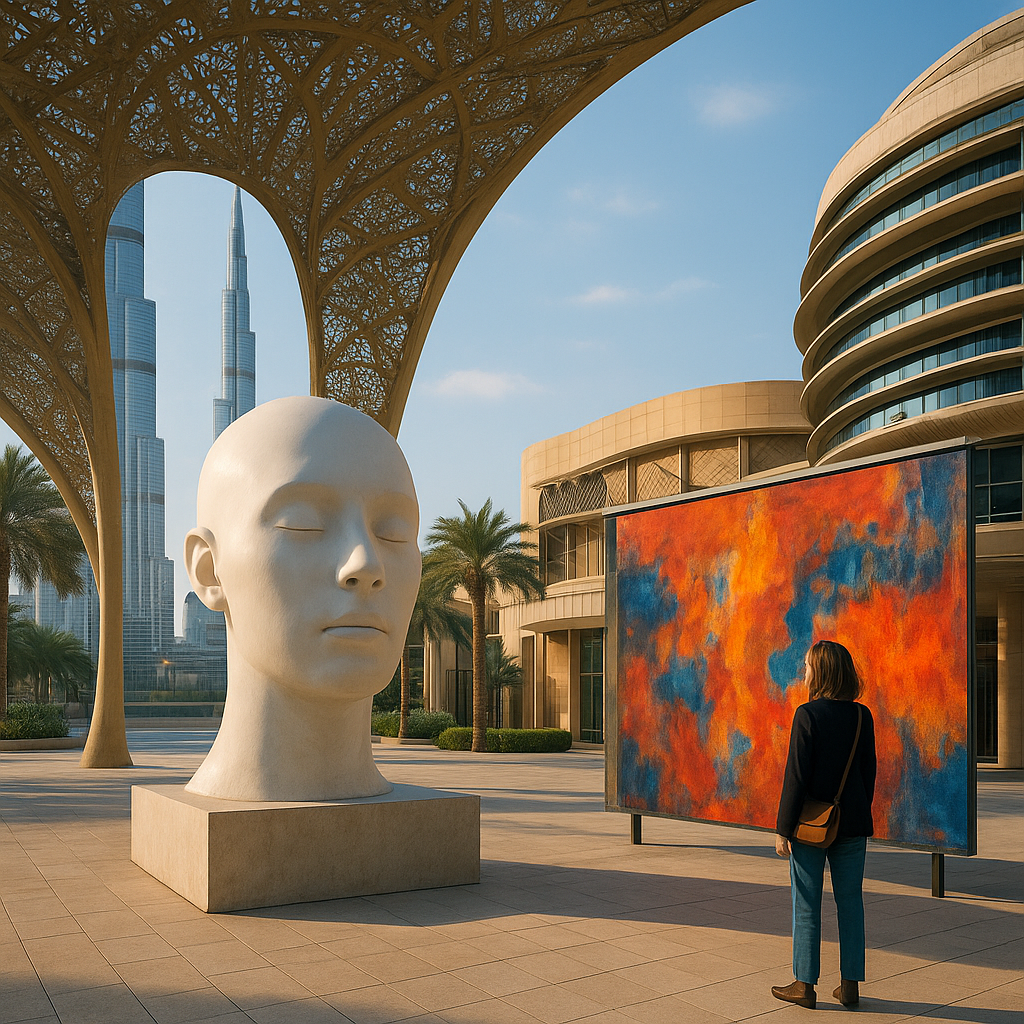
Dubai’s skyline represents a living canvas where art and architecture merge to shape a dynamic urban narrative. From soaring towers to immersive museums, each structure embodies a dialogue between form and function, reflecting the city’s ambition, heritage, and forward-looking spirit. This exploration delves into the multifaceted role that creative expression plays within Dubai’s built environment, revealing how art transforms buildings into cultural landmarks and how architectural mastery elevates the spaces in which people live, work, and gather.
Integration of Art and Design in Iconic Buildings
At the heart of Dubai’s urban metamorphosis stand several signature projects where visionary design meets artistic ingenuity. One of the most emblematic is the Museum of the Future. Its toroidal form, clad in stainless steel and punctuated by Arabic calligraphy, exemplifies a seamless marriage of technology and cultural symbolism. The intricate script, angle-cut and laser-etched onto the facade, serves not only as decoration but as a philosophical invitation to imagine tomorrow’s possibilities.
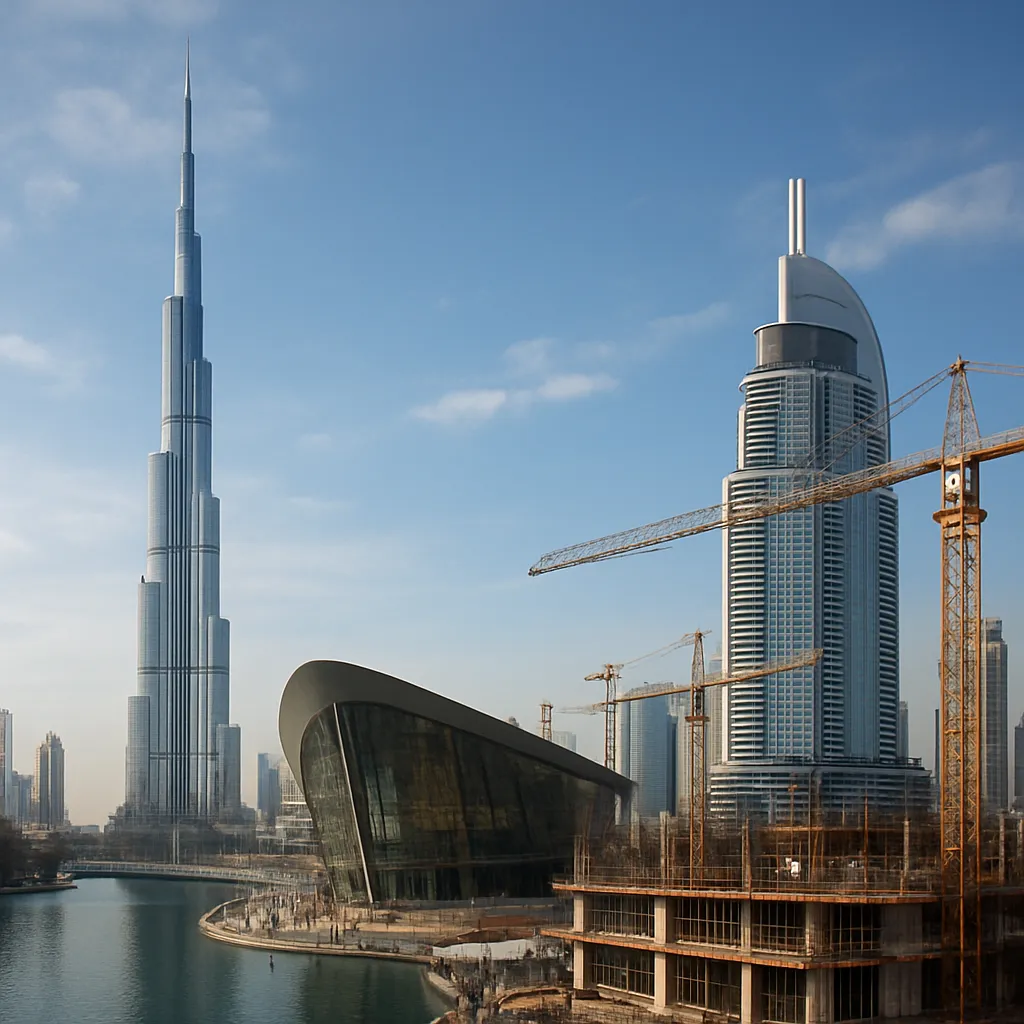
Similarly, the Dubai Opera, crowned with a roof shaped like a dhow’s sail, fuses maritime heritage with contemporary innovation. Inside, the tiered auditorium, capable of transformation into a flat-floor concert hall, features acoustic panels adorned with geometric patterns reminiscent of classic Islamic motifs. This interplay of past and future underlines Dubai’s commitment to carving out a distinct identity through its buildings.
Burj Khalifa’s Artistic Touches
- Facade Lighting: A choreographed LED system that renders dynamic visual stories across the tower’s height.
- Reflection Pools: Strategically placed water features that mirror both structural grandeur and light-based installations.
- Observation Deck Artwork: Abstract sculptures by regional artists that frame panoramic vistas, encouraging contemplation of both city and sky.
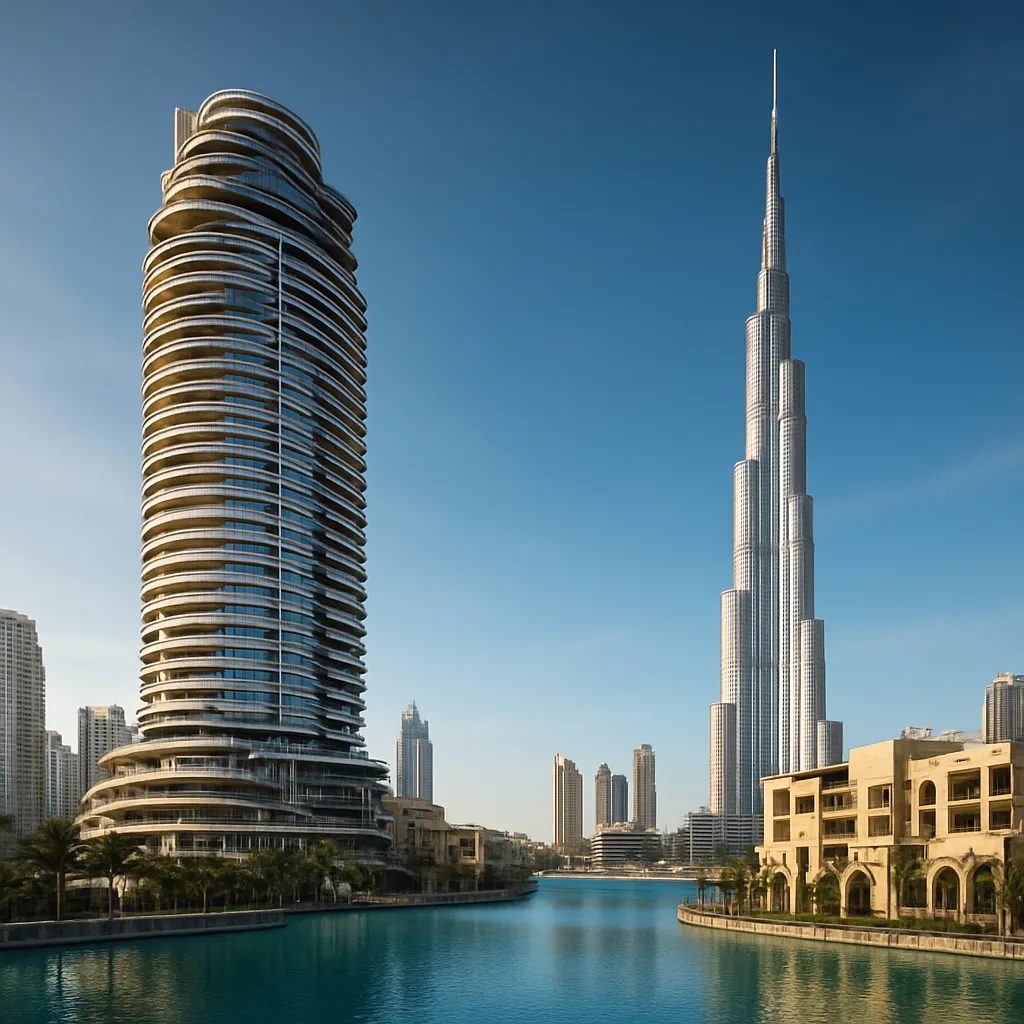
In the Burj Khalifa, these elements transform the world’s tallest structure into a living gallery, demonstrating how even supertall skyscrapers can house art within their monumental form.
Public Art Installations and Urban Landscape
Beyond signature landmarks, Dubai’s streets, plazas, and promenades are enlivened by large-scale installations that invite public interaction. The Business Bay Canal, for instance, is lined with rotating sculptures that vary in material—from polished stainless steel to weathered bronze—reflecting changing light and seasons.
Downtown Dubai’s pedestrian boulevards host interactive digital murals by contemporary artists, merging spaces of commerce with immersive audiovisual experiences. At Bluewaters Island, the Ain Dubai observation wheel is enhanced by a 360-degree LED display, transforming waiting times into participatory art encounters. These projects reshape urban corridors into cultural corridors, fostering a sense of discovery.
Key Installations Across the City
- Dubai Frame Park: A sculptural gateway that frames both old and new cityscapes, anchored by landscaped gardens with carved stone benches featuring calligraphic relief.
- Alserkal Avenue: Converted warehouses showcasing rotating exhibitions, street murals, and performance spaces that showcase regional talent.
- The Creekside Promenade: Sculptural boat-like pavilions that reinterpret traditional dhow hulls as communal reading nooks and micro-galleries.
Architectural Innovation Fueled by Artistic Collaboration
Collaborations between architects and artists have produced experimental prototypes and pavilions that test new materials and forms. The Dubai Design District (d3) often hosts temporary structures built from 3D-printed concrete, showcasing eco-friendly techniques and incorporating embedded artwork within load-bearing walls.
In the hospitality sector, The Opus by Zaha Hadid exemplifies how architecture can become a sculptural statement. The building’s void gallery—a massive cube pierced by an irregular ovoid center—is clad in iridescent panels that change appearance under different lighting, as if breathing. Within, bespoke light fixtures and furniture by local craftsmen emphasize the synergy between global design trends and Emirati cultural threads.
Notable Art-Driven Projects
- One&Only The Palm: Guest villas feature site-specific murals and handcrafted tile mosaics that celebrate indigenous flora and fauna.
- The Sustainable City: Public art integrated with solar canopies and wind-responsive sculptures that generate both aesthetic pleasure and renewable energy output.
- Dubai Expo 2020 Legacy: Pavilions retrofitted as community centers, housing art residencies and interactive gardens.
Cultural Narratives Through Architectural Spaces
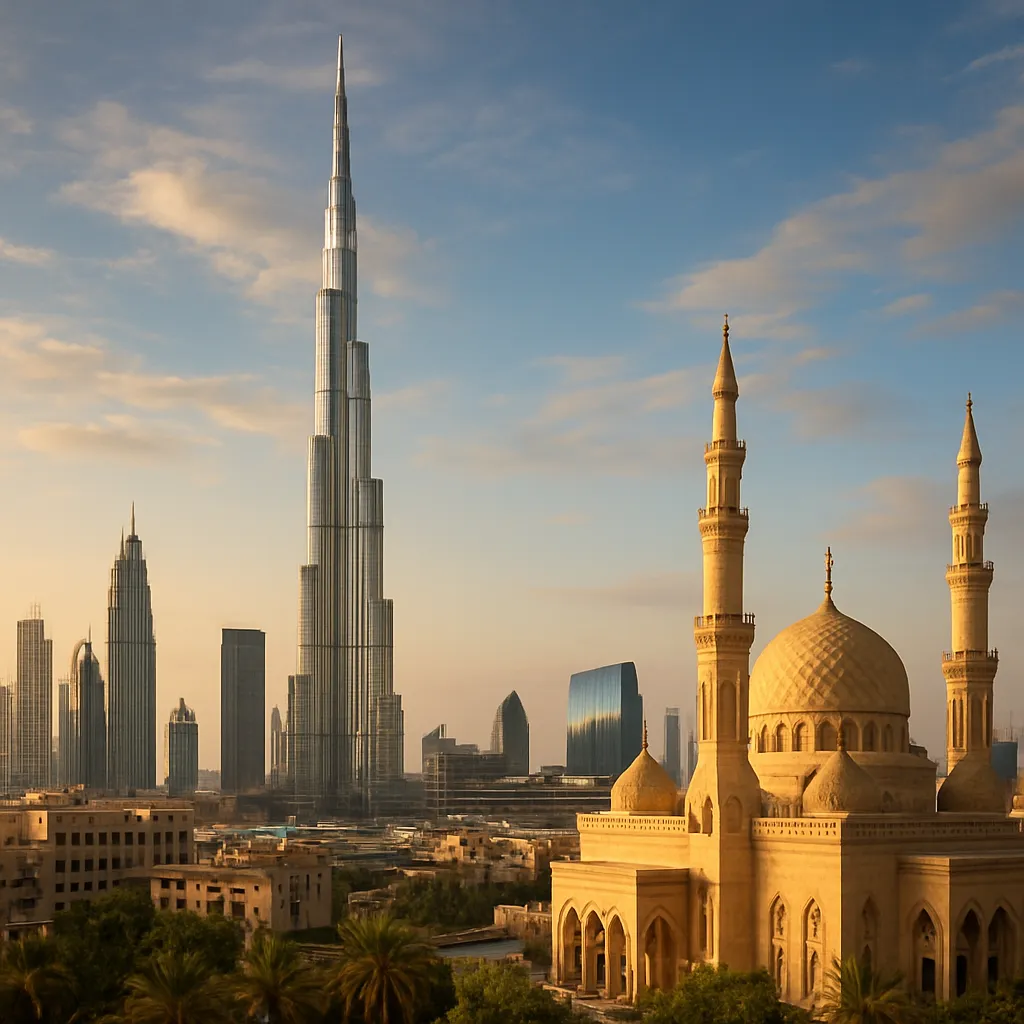
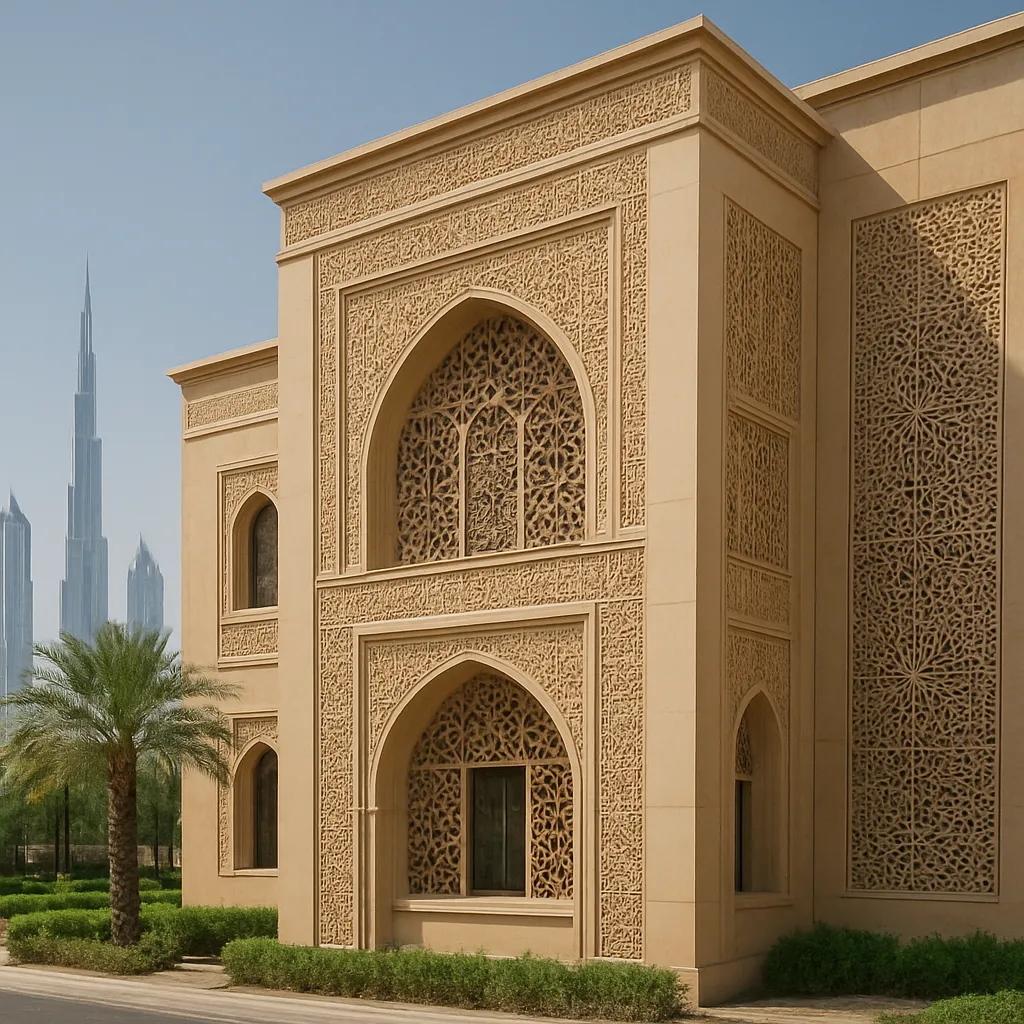
Dubai’s architecture often serves as a storyteller, weaving narratives of its Bedouin roots, Islamic heritage, and cosmopolitan aspirations. The Jumeirah Mosque’s ornate geometric screens cast patterned shadows on courtyards at dusk, evoking spiritual reflections through light. In Al Fahidi Historic District, restored wind towers and traditional coral-stone homes incorporate calligraphic inscriptions and tilework that pay homage to the city’s merchant history.
The new Sheikh Zayed Grand Mosque Exhibition Centre uses parametric design to reinterpret classic arabesques in perforated metal panels, crafting halls that feel both expansive and intimately patterned. Here, every walkway becomes a journey through centuries of craftsmanship, integrated into a landscape of fountains, gardens, and mosaic-lined colonnades.
Community-Centered Design
- Al Khawaneej Walk: A linear park featuring wooden pergolas adorned with laser-cut panels depicting desert wildlife.
- Jaddaf Waterfront Sculpture Park: Selected works reflect Dubai’s maritime trade heritage, from stylized sails to abstract cargo nets.
- Louvre Abu Dhabi Satellite Gallery: Showcases rotating installations that explore interregional dialogues, set within a courtyard framed by collapsed-arch colonnades.
Through these curated environments, art and built form converge to articulate a multifaceted city identity, inviting residents and visitors alike to experience Dubai not just as a global hub of commerce, but as a vibrant tapestry of creative expression.