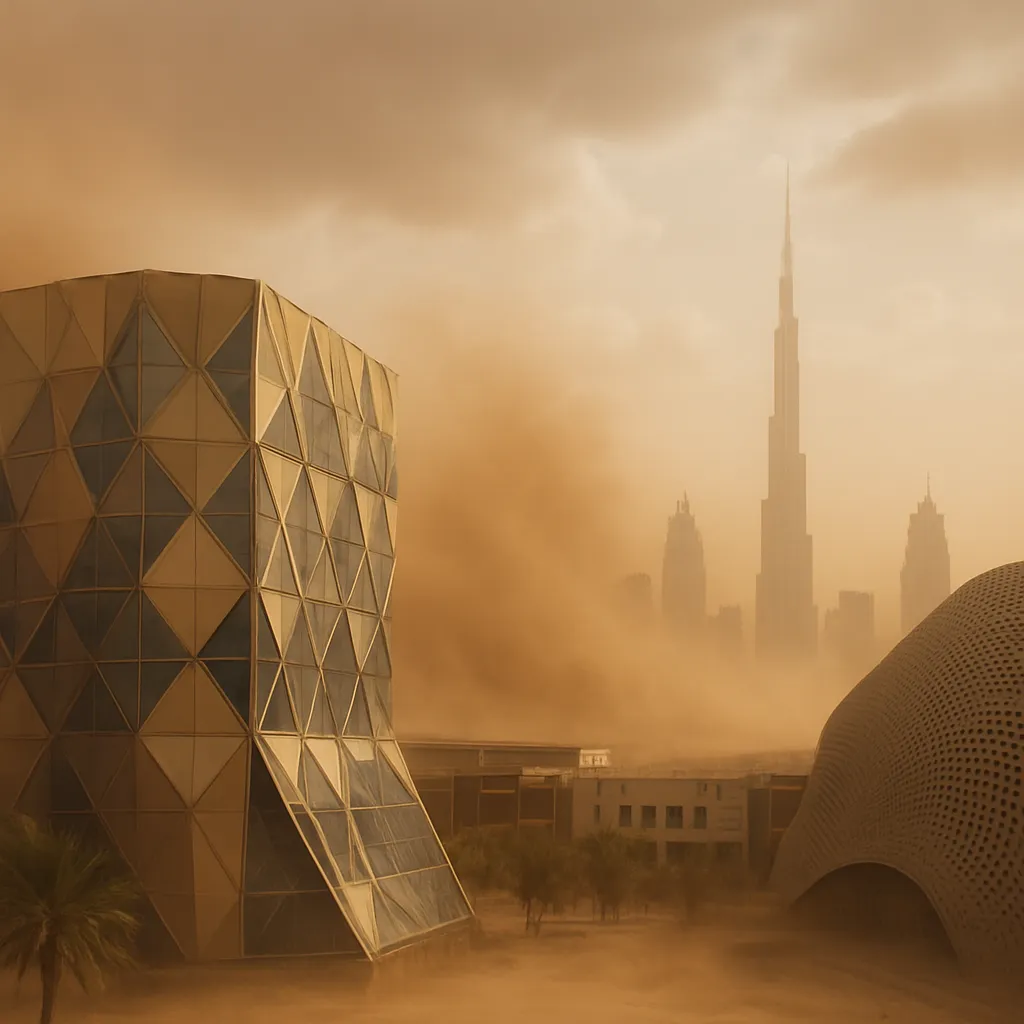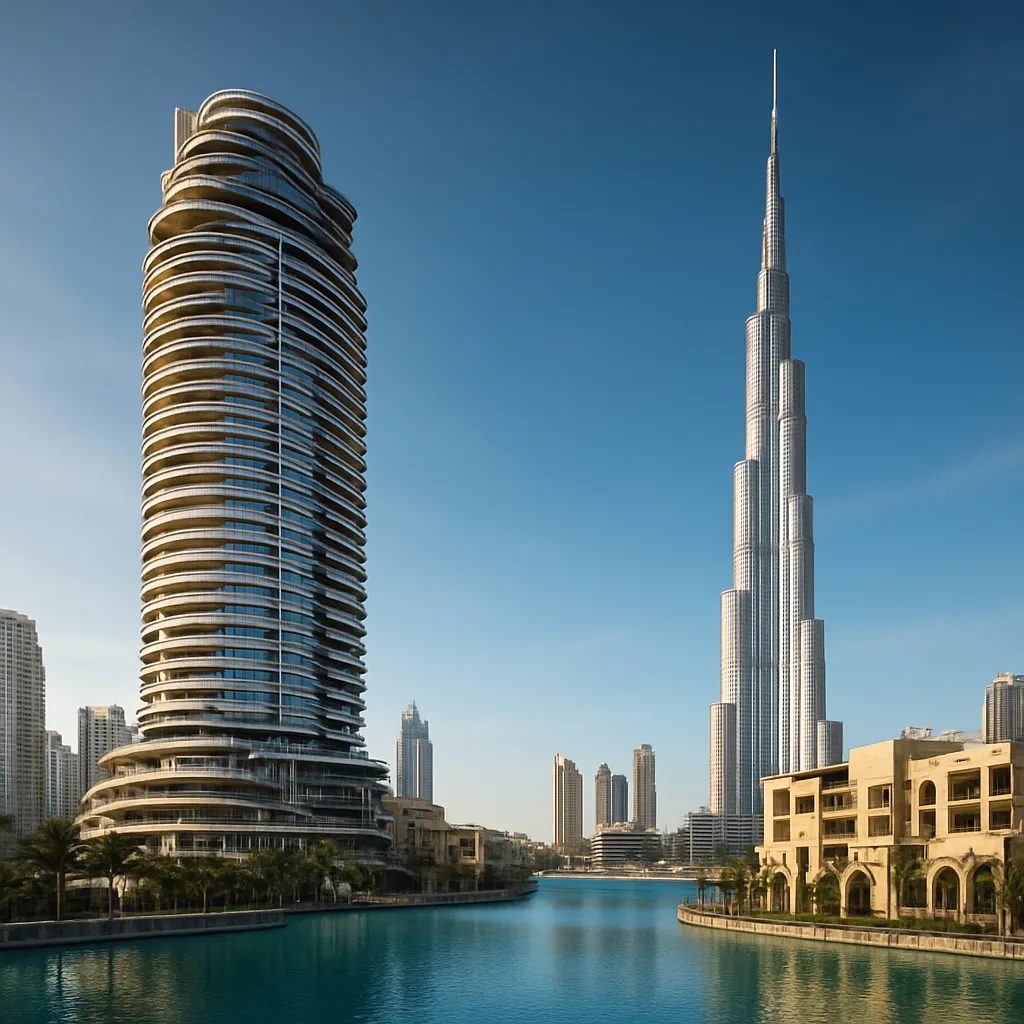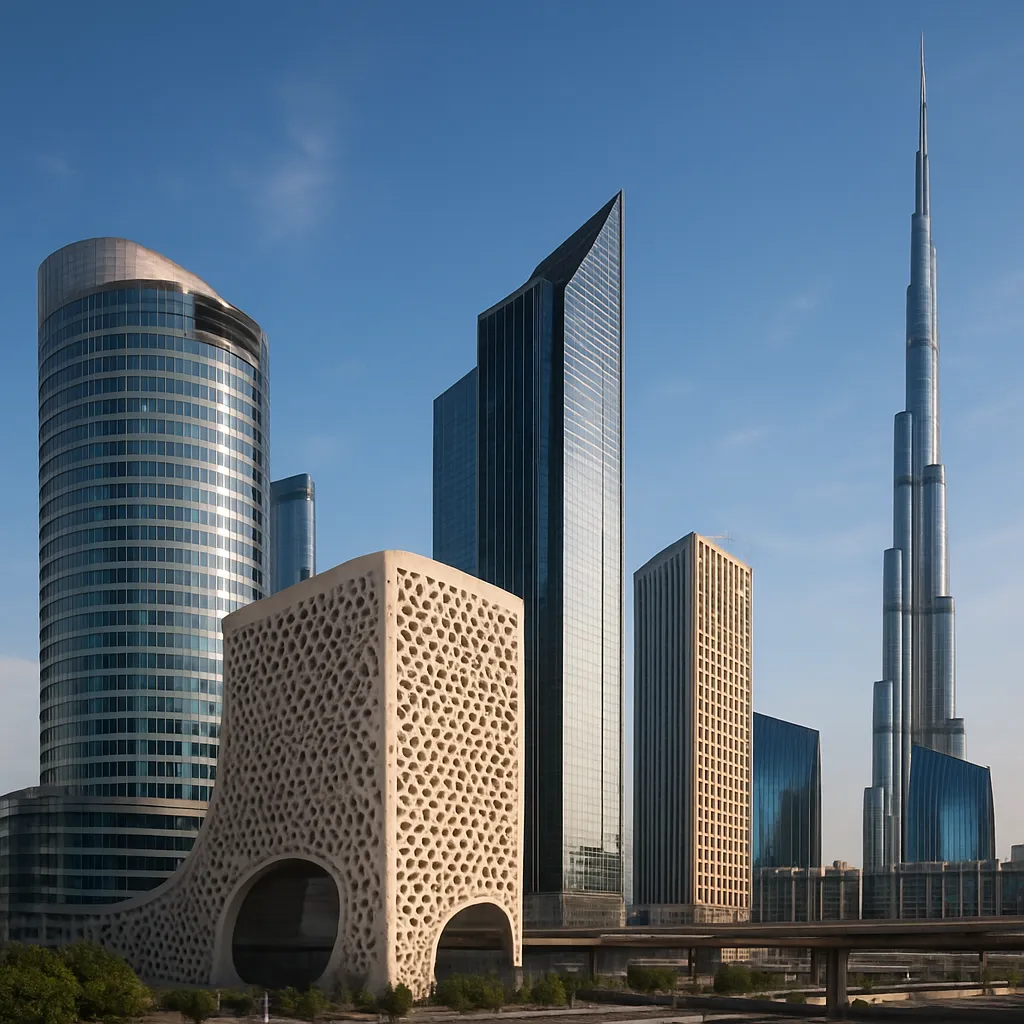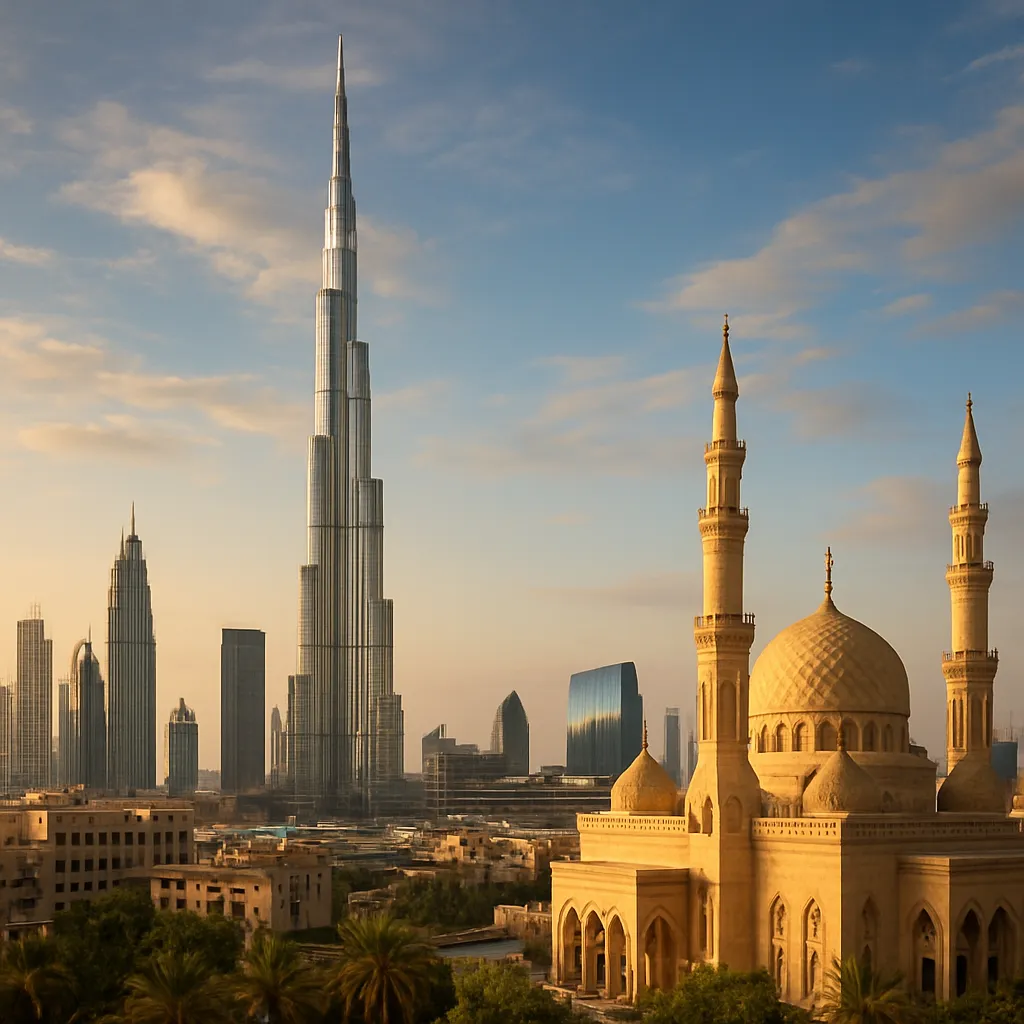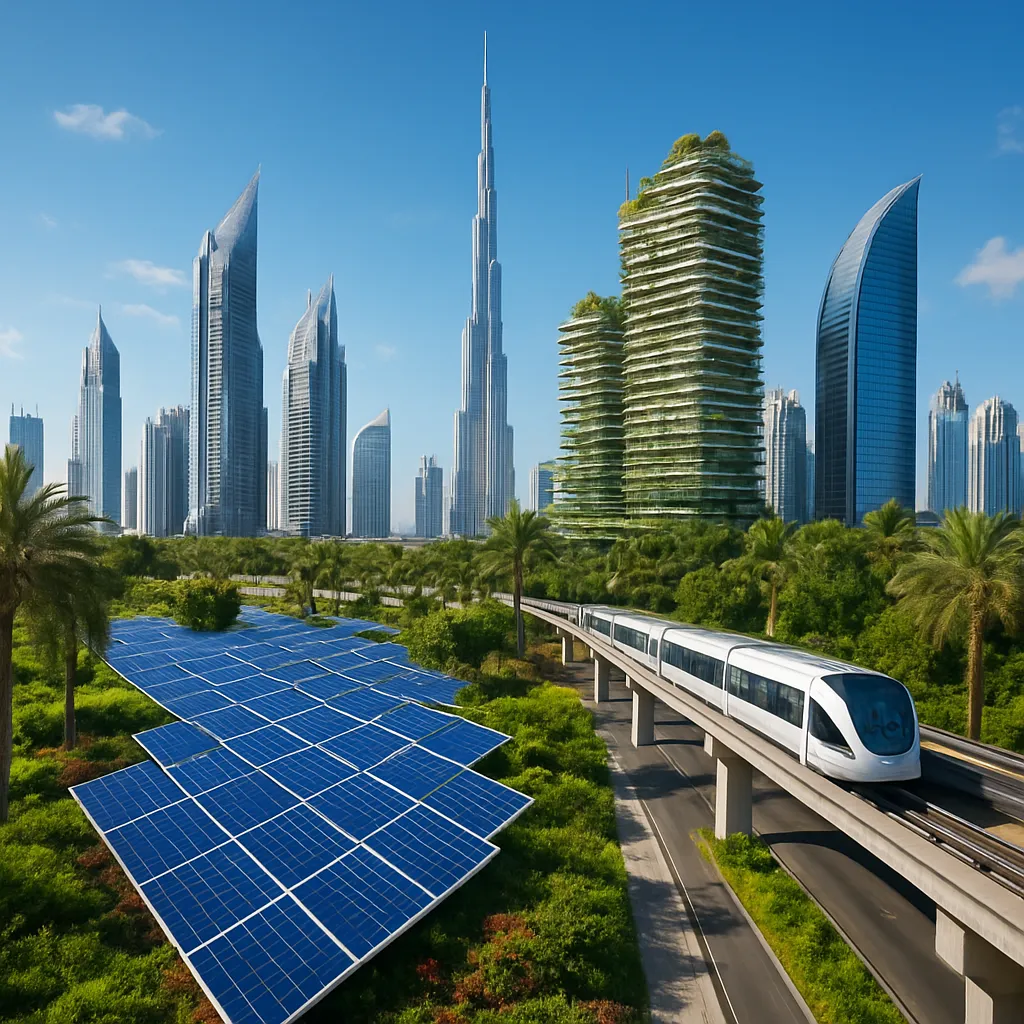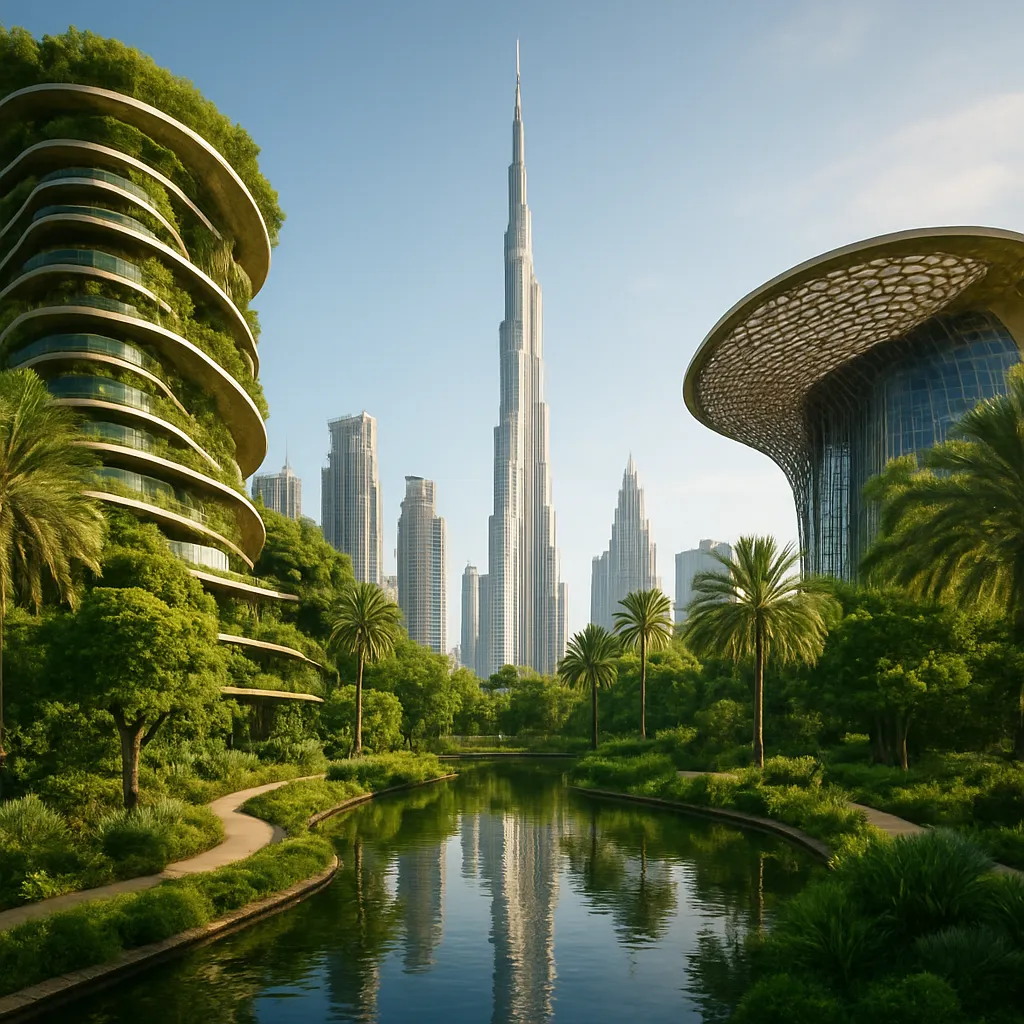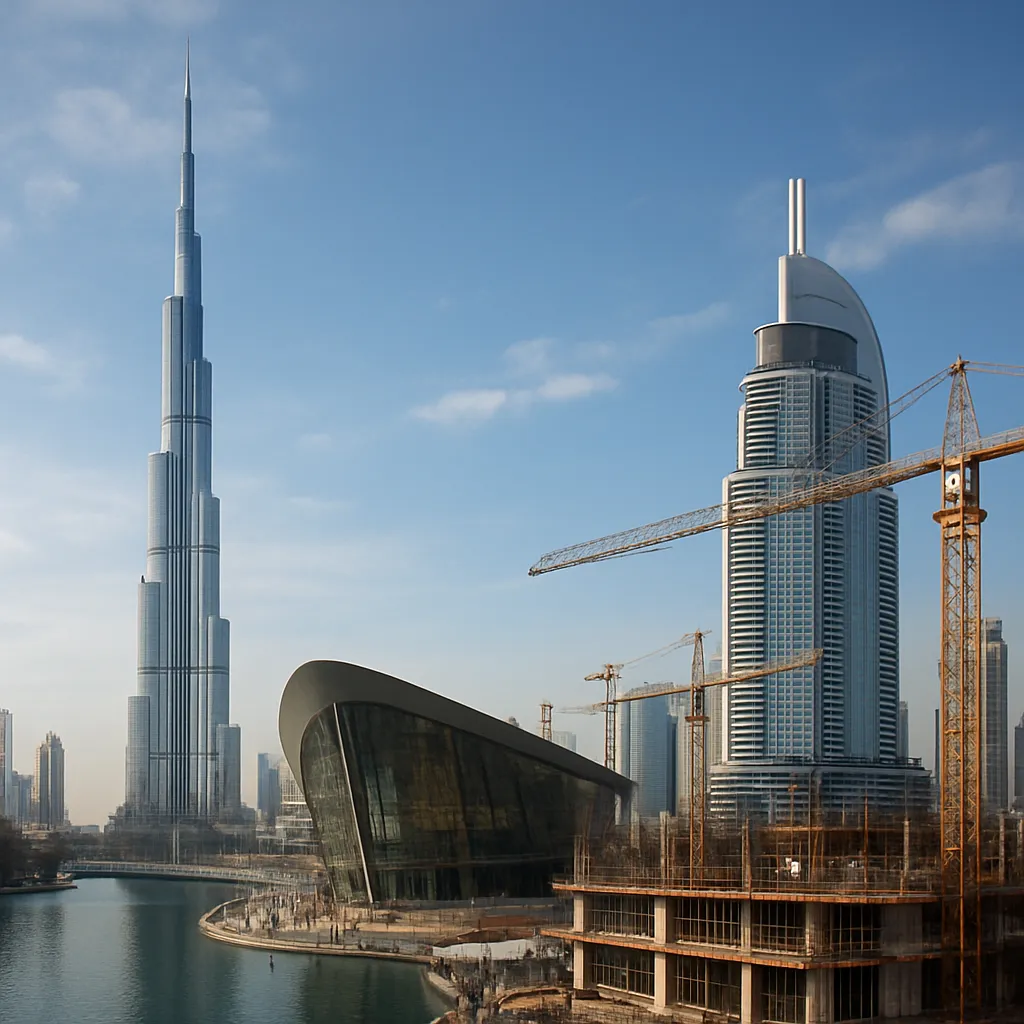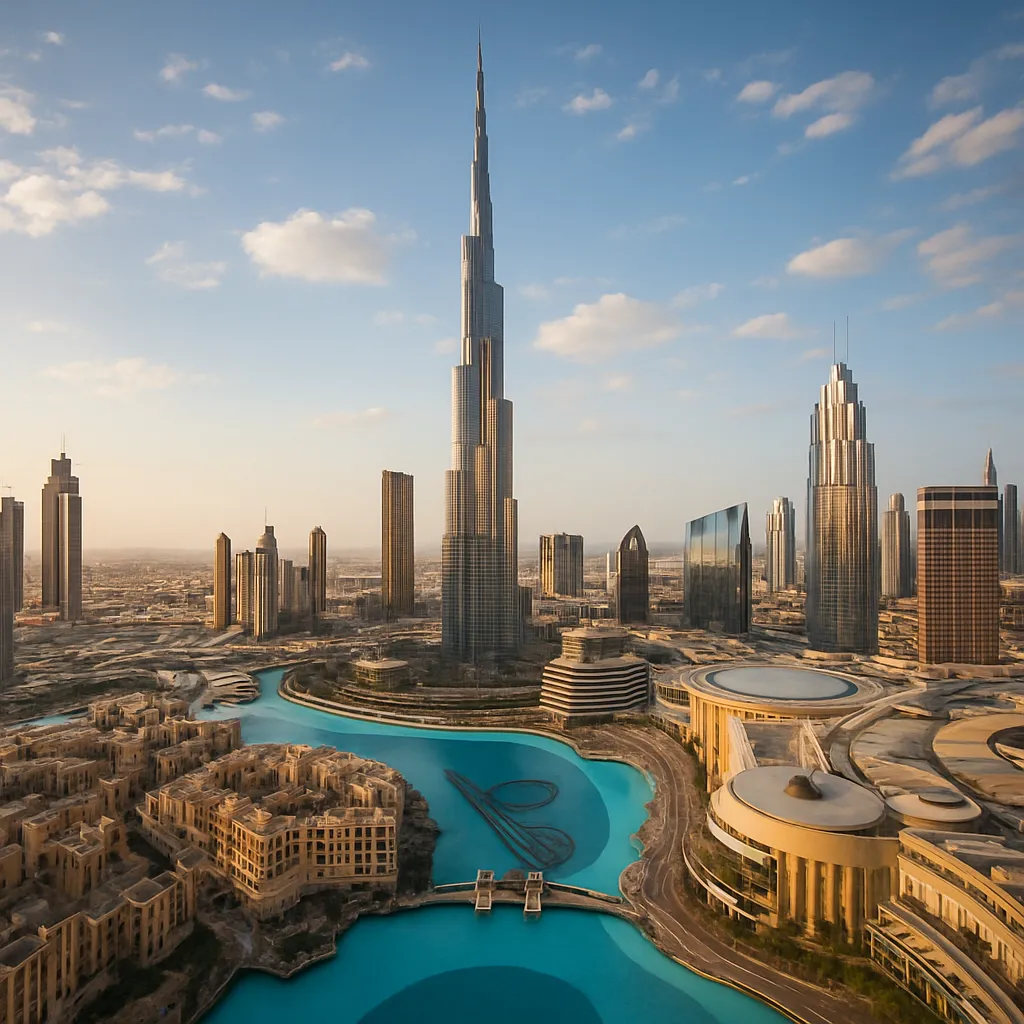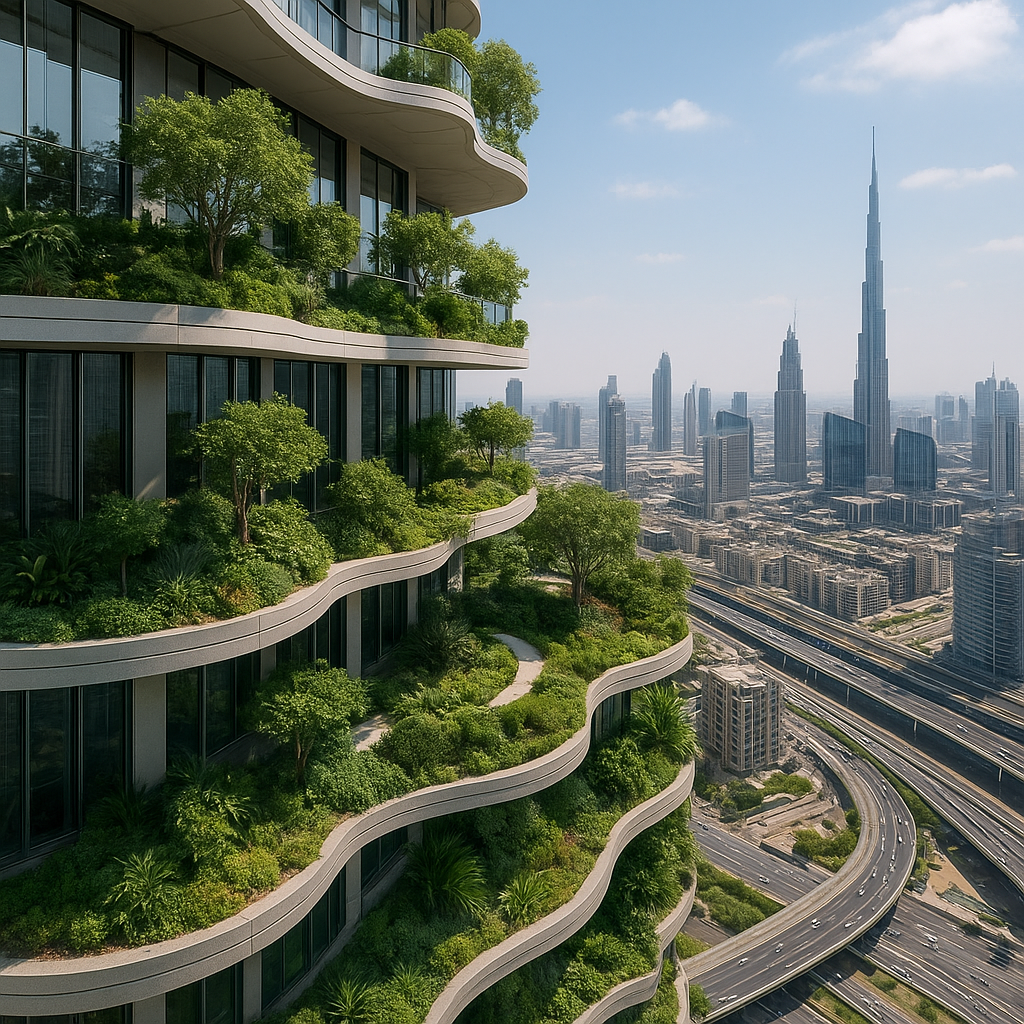
Amid the soaring pinnacles of glass and steel that define Dubai’s skyline, a new architectural phenomenon is taking root: Sky Gardens. These verdant terraces, seamlessly woven into the facades of high-rise towers, offer an oasis above the city’s bustling streets. Combining innovative engineering with lush greenery, they represent a fusion of nature and urban living, redefining how residents and visitors experience metropolitan environments.
Innovative Design and Architecture
The incorporation of elevated gardens in skyscrapers demands cutting-edge solutions to structural challenges. Architects and engineers collaborate closely to ensure each platform can support weight, wind loads, and irrigation systems. Advanced modelling tools simulate the impacts of weather and plant growth over time, guaranteeing longevity and safety.
Key strategies include:
- Reinforced concrete slabs with integrated drainage channels
- High-strength steel framing to anchor planter boxes
- Automated irrigation and water recycling modules
- Lightweight soil substrates designed for extensive root systems
These elements converge to create comfortable and stable terraces. Emphasis on sustainable materials reduces environmental footprints, while architects curate plant species that thrive in Dubai’s climate. Varieties of palms, flowering shrubs, and succulents are selected for their drought resistance and maintenance ease.
Environmental and Social Benefits
Elevated green spaces yield substantial advantages for both ecosystems and human health. By integrating vegetation into vertical structures, developers help combat the urban heat island effect. The foliage absorbs sunlight, lowers surrounding temperatures, and improves air quality through natural filtration. In turn, residents enjoy cooler microenvironments and reduced reliance on air conditioning.
Beyond climate mitigation, sky-level gardens foster greater biodiversity by offering a haven for birds, butterflies, and pollinators. These living corridors connect isolated green patches, contributing to broader ecological networks. In dense urban areas where ground-level parks can be scarce, vertical landscaping ensures every floor contributes to the city’s green cover.
Socially, these terraces serve as communal hubs promoting wellness and interaction. Neighbours gather under shaded pavilions, residents practice yoga among the fronds, and families picnic with panoramic views. The presence of greenery has been linked to reduced stress, improved mental health, and higher levels of productivity in adjacent office spaces.
Engineering Challenges and Solutions
Implementing lavish gardens hundreds of feet above ground poses unique hurdles. Wind speeds at elevation can uproot plants or damage structures, so designers employ windbreaks and aerodynamic screens. These custom components channel air currents safely around terraces, decreasing turbulence and soil erosion.
Water management is another critical focus. Systems must deliver precise irrigation without excessive runoff. Many projects adopt closed-loop technology, capturing rainwater or condensate from HVAC units. This reclaimed water irrigates greenery, enhancing water efficiency in a region where freshwater resources are precious.
Root penetration control is addressed through multi-layer membranes that prevent infiltration into structural slabs. Specialized geotextiles allow moisture passage while blocking root growth. This ensures the integrity of waterproofing layers and prevents leaks into inhabited spaces below.
Aesthetic Integration and Cultural Context
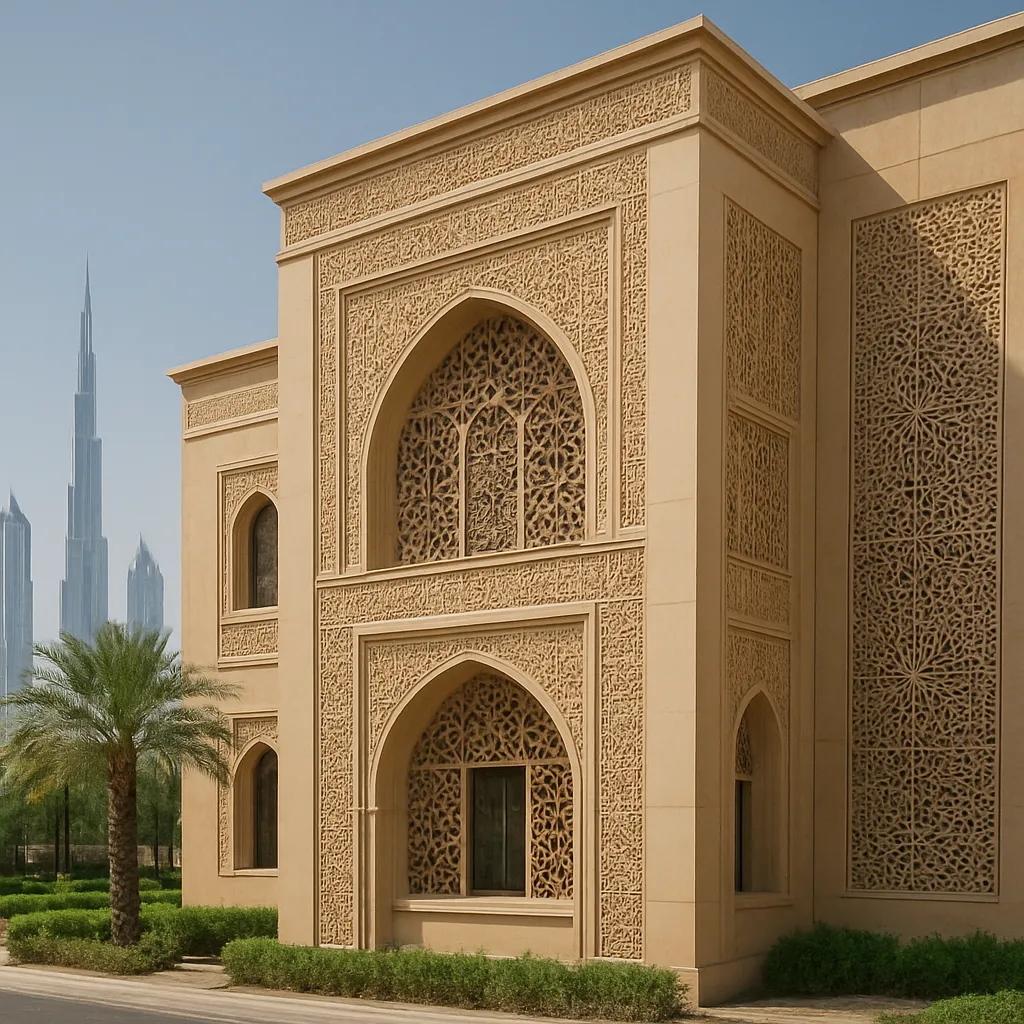
Dubai’s architectural scene has always celebrated grandeur and spectacle. Sky gardens align with this vision, offering a dramatic interplay of emerald foliage against shimmering façades. Designers draw inspiration from traditional Arabic courtyard gardens, reinterpreting them in a vertical dimension.
Artisanal mosaics, water features, and decorative screens evoke regional heritage, merging modernity with ancestral motifs. Curving terraces mimic the dunes of the desert, creating a dialogue between built form and natural landscape. Residents often remark on the meditative quality of these spaces, where the song of water and rustle of leaves transport them far from the city’s hustle.
Lighting design further enhances the effect after dusk. Strategically placed LED fixtures highlight tree trunks and sculptural planters, casting inviting glows that transform gardens into nocturnal sanctuaries. The combination of soft light and lush greenery creates an ethereal ambiance, visible from afar and celebrated in social media feeds worldwide.
Community Engagement and Lifestyle Impacts
Developers recognize that sky gardens can boost property values and curb appeal, but their true success lies in resident satisfaction. Many buildings now feature scheduled horticulture workshops, guided mindfulness sessions, and farm-to-table dining events set amidst the foliage. These activities foster a tight-knit community and encourage stewardship of shared spaces.
Fitness enthusiasts benefit from rooftop jogging tracks winding through landscaped paths, while families use open lawns for outdoor games. The inclusion of barbeque pavilions and children’s play areas addresses diverse lifestyle needs. By elevating communal amenities, towers become more than mere residences; they transform into vibrant neighbourhoods in the sky.
Property managers leverage mobile apps to update gardening schedules, send maintenance alerts, and collect resident feedback. This digital layer ensures that the integration of nature into high-rise living remains dynamic and responsive to occupant desires.
Technological Innovations Shaping the Future
Emerging technologies promise to refine the sky garden concept even further. Drone-based monitoring systems conduct regular inspections of plant health, leaf moisture levels, and pest activity. Data analytics then adjust irrigation or nutrient dispersion remotely, optimizing growth with minimal human intervention.
Vertical farming modules are being tested alongside ornamental gardens, allowing skyscrapers to produce fresh herbs and vegetables for on-site consumption. Hydroponic and aeroponic systems can coexist with traditional soil beds, maximizing the utility of each terrace. Residents benefit from farm-to-fork experiences mere floors away from their kitchens.
Augmented reality is also making inroads. Visitors can use smartphones or AR glasses to learn about individual plant species, view virtual water flow patterns, or engage in interactive guided tours. This blend of physical and digital elements reinforces the educational and entertainment value of sky gardens.
Future Prospects and Challenges
As more towers embrace greenery, developers must balance ambition with practicality. Maintenance costs, water usage, and structural investments remain significant. However, pilot projects in Dubai have demonstrated that long-term savings on energy and enhanced asset desirability often offset upfront expenses.
Regulatory frameworks are evolving to encourage vertical landscaping. Incentives such as floor-area bonuses and green building certifications reward developers for incorporating living elements. As these policies mature, sky gardens may become a standard feature rather than a luxury addition.
Looking ahead, the push for resilience in the face of climate change will further drive green architecture. Elevated gardens not only beautify urban towers but also enhance stormwater management, carbon capture, and occupant comfort. Dubai’s trailblazing efforts serve as a blueprint for cities worldwide seeking to harmonize growth with environmental stewardship.
Conclusion: A New Horizon in Urban Living
The emergence of sky gardens in Dubai towers embodies a shift towards holistic, people-centric design. Through collaborative innovation in architecture, engineering, and landscape horticulture, these vertiginous oases redefine luxury and sustainability. As the city continues to grow, its skyline may soon be recognized as much for its greenery as for its height, setting a precedent for future urban landscapes around the globe.