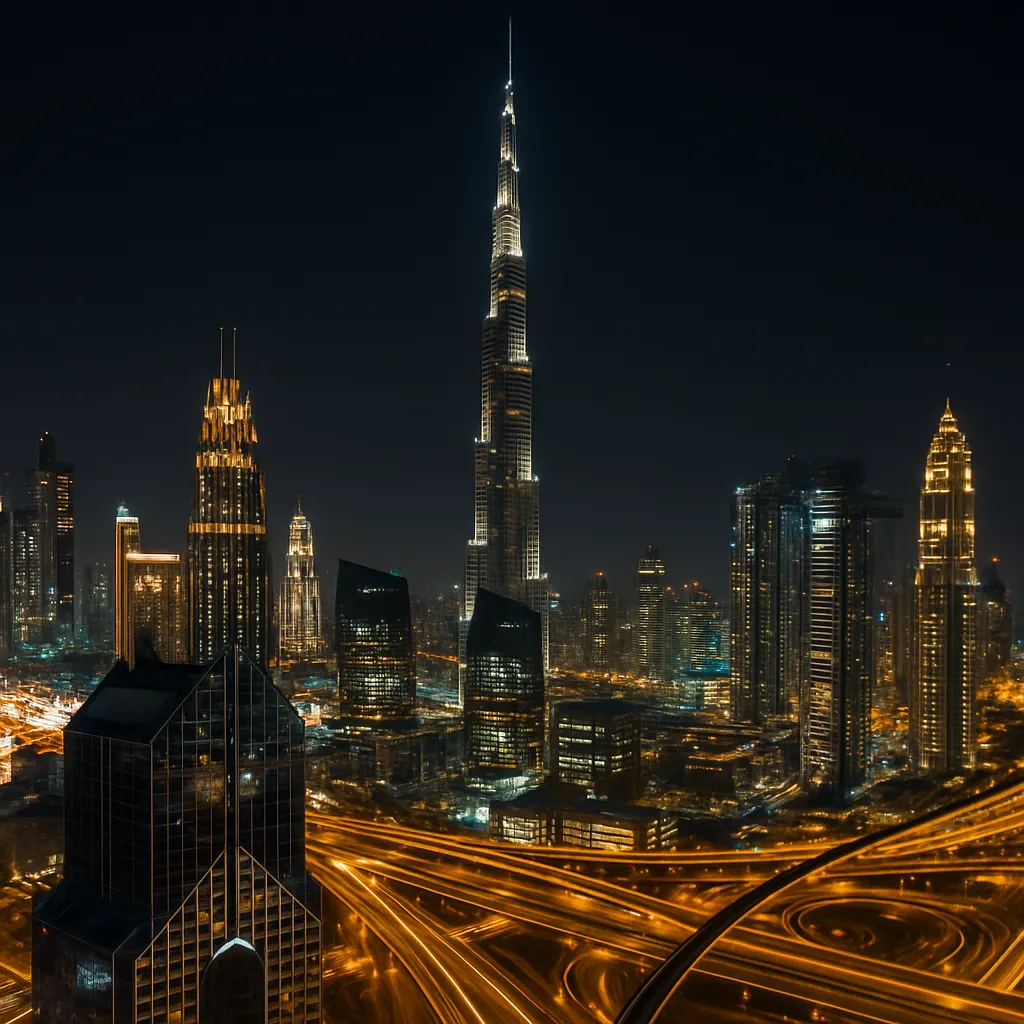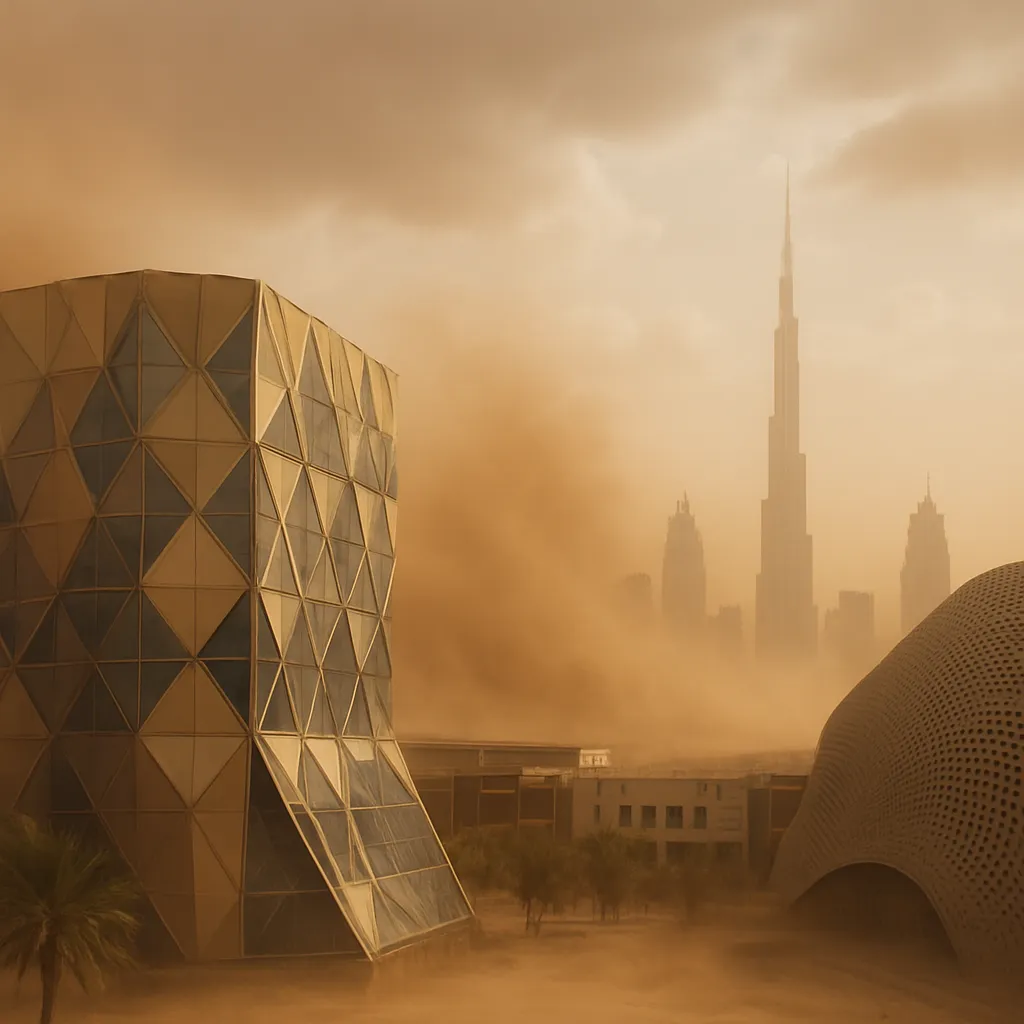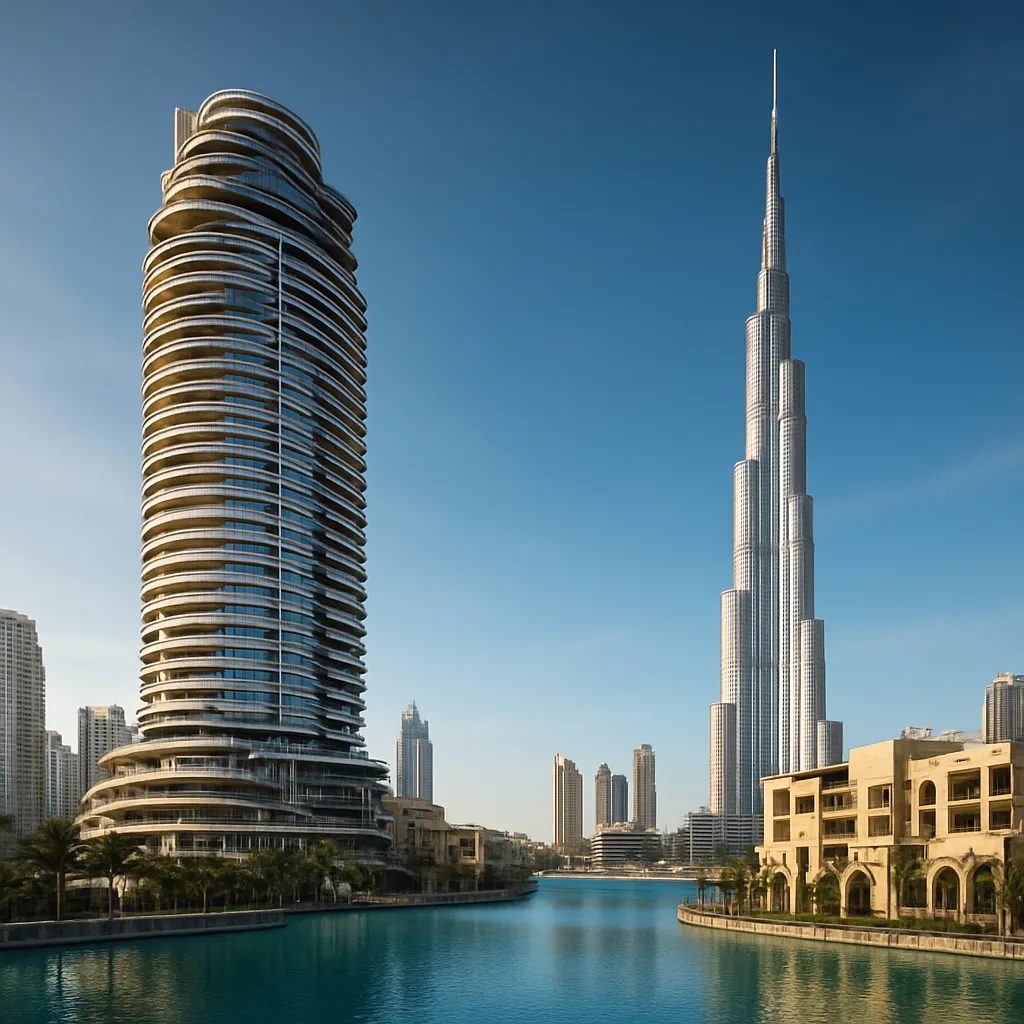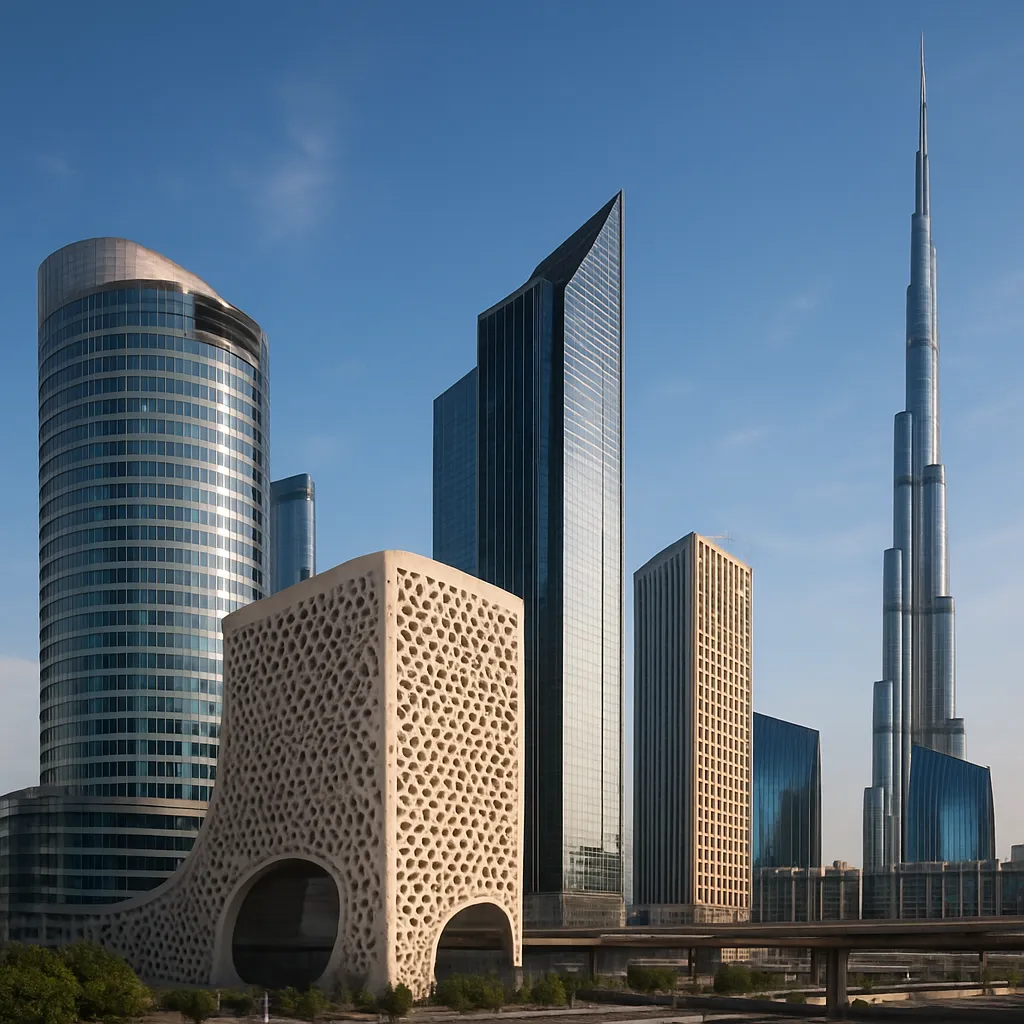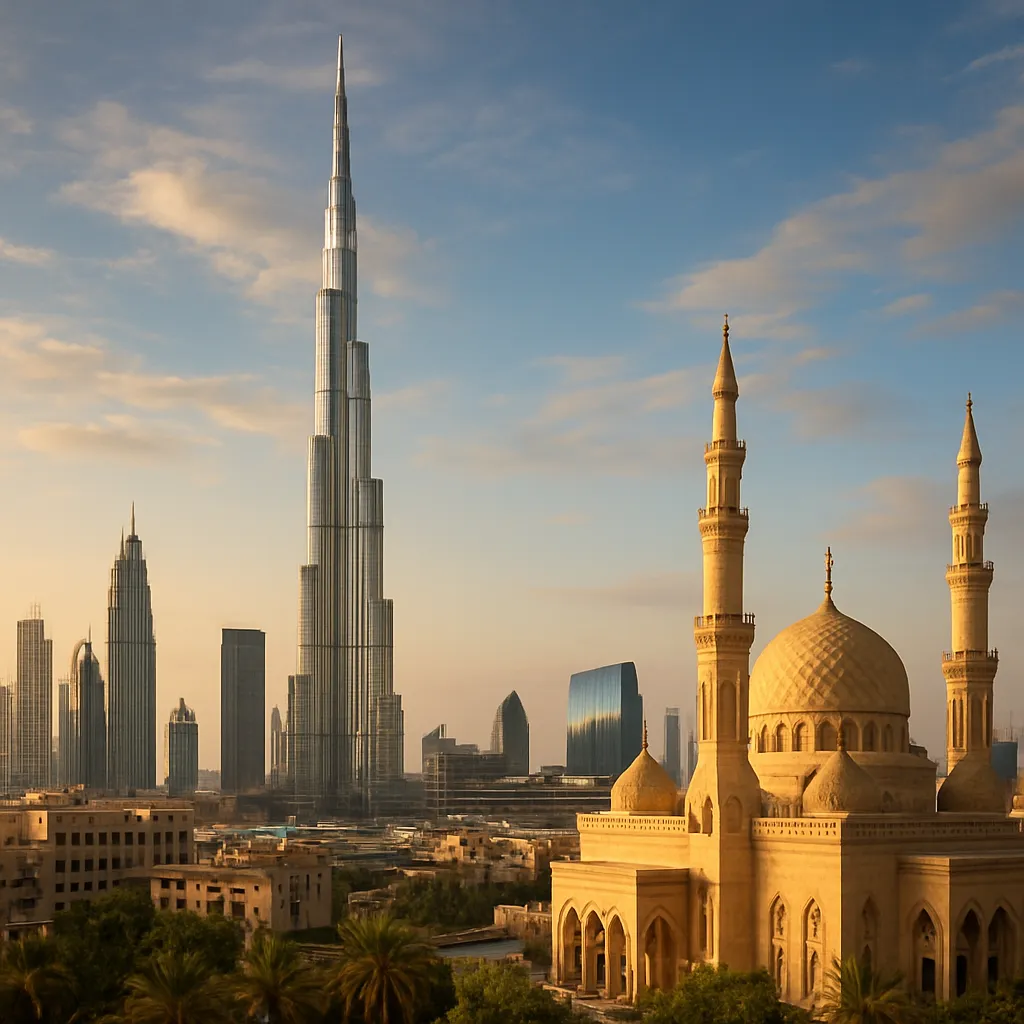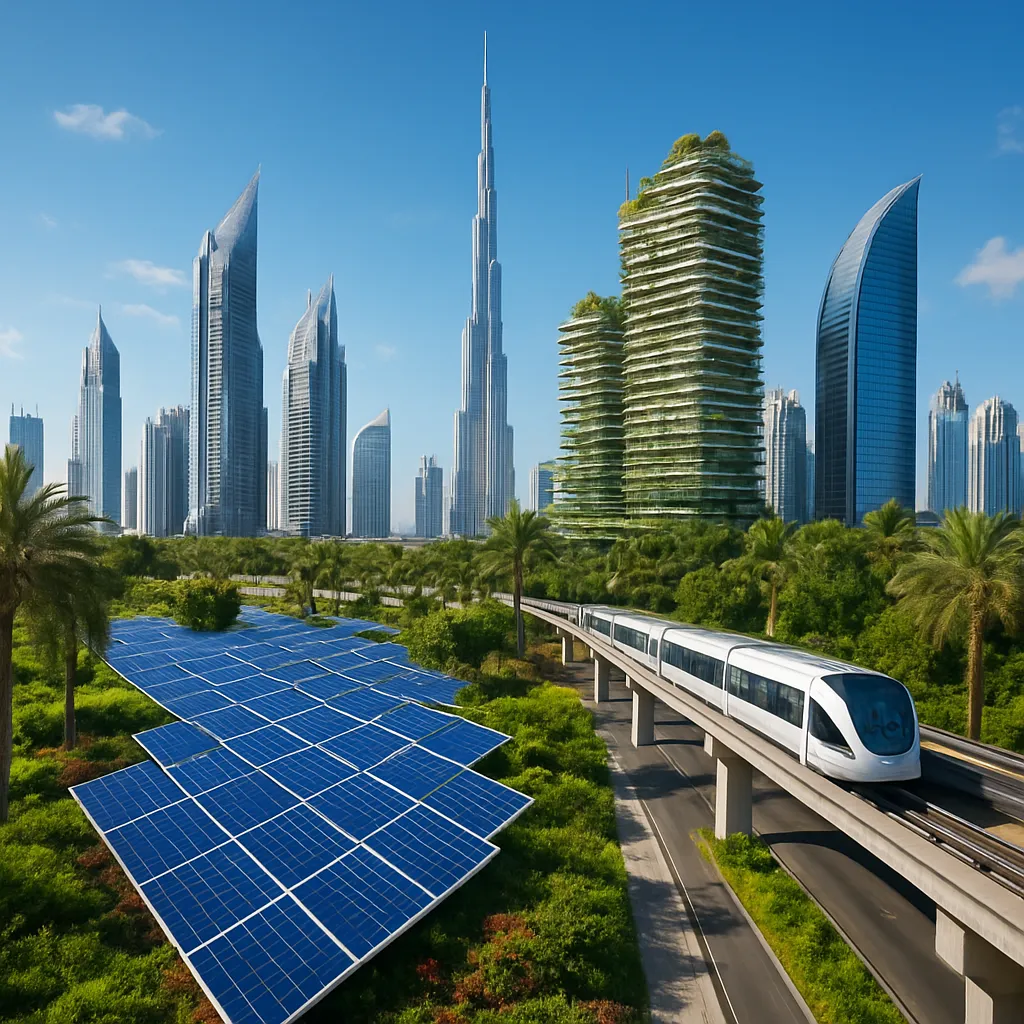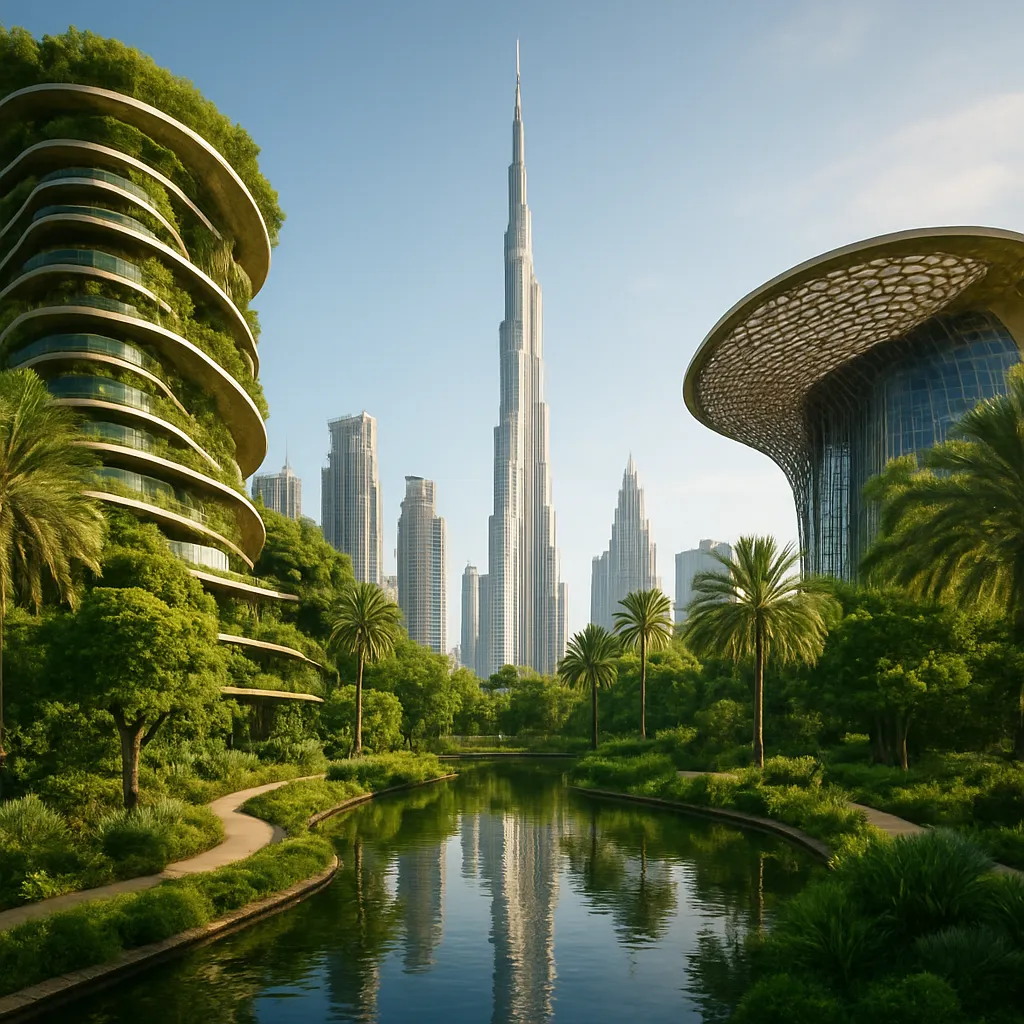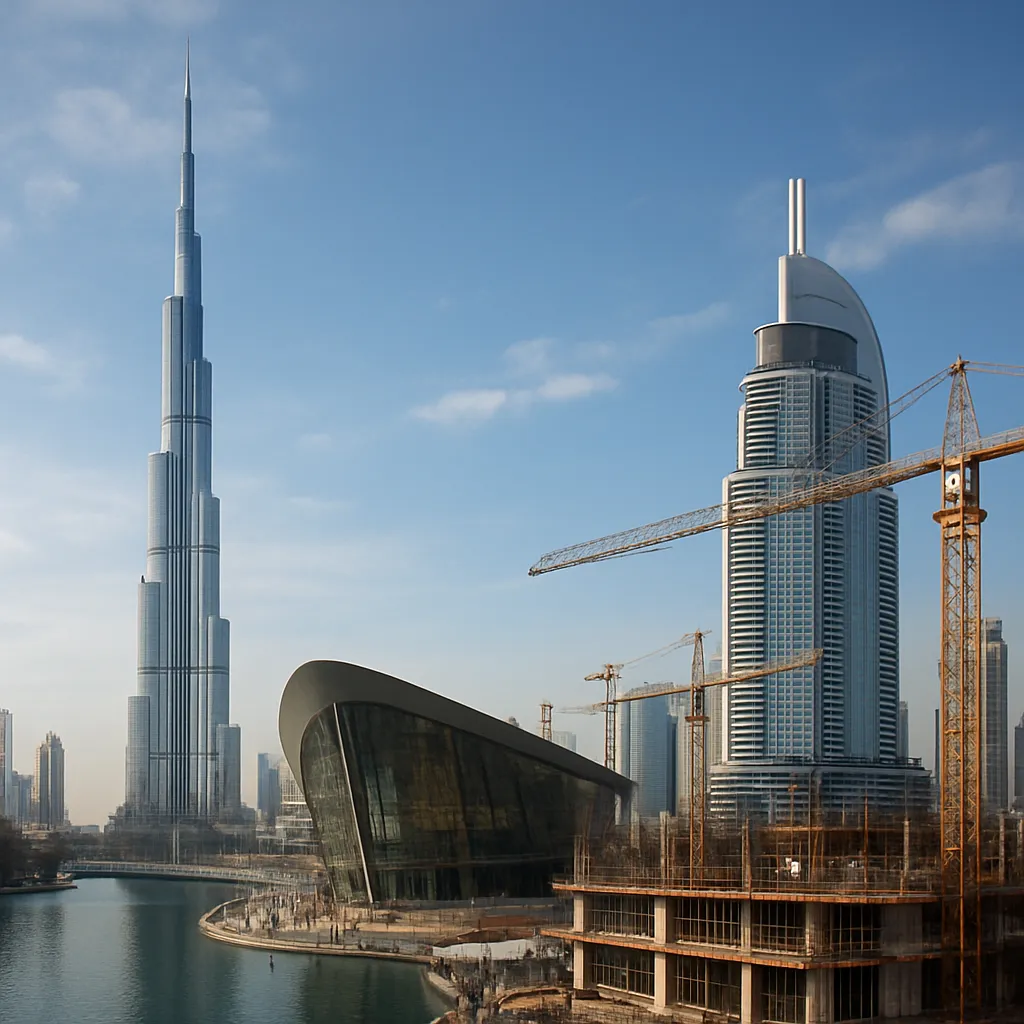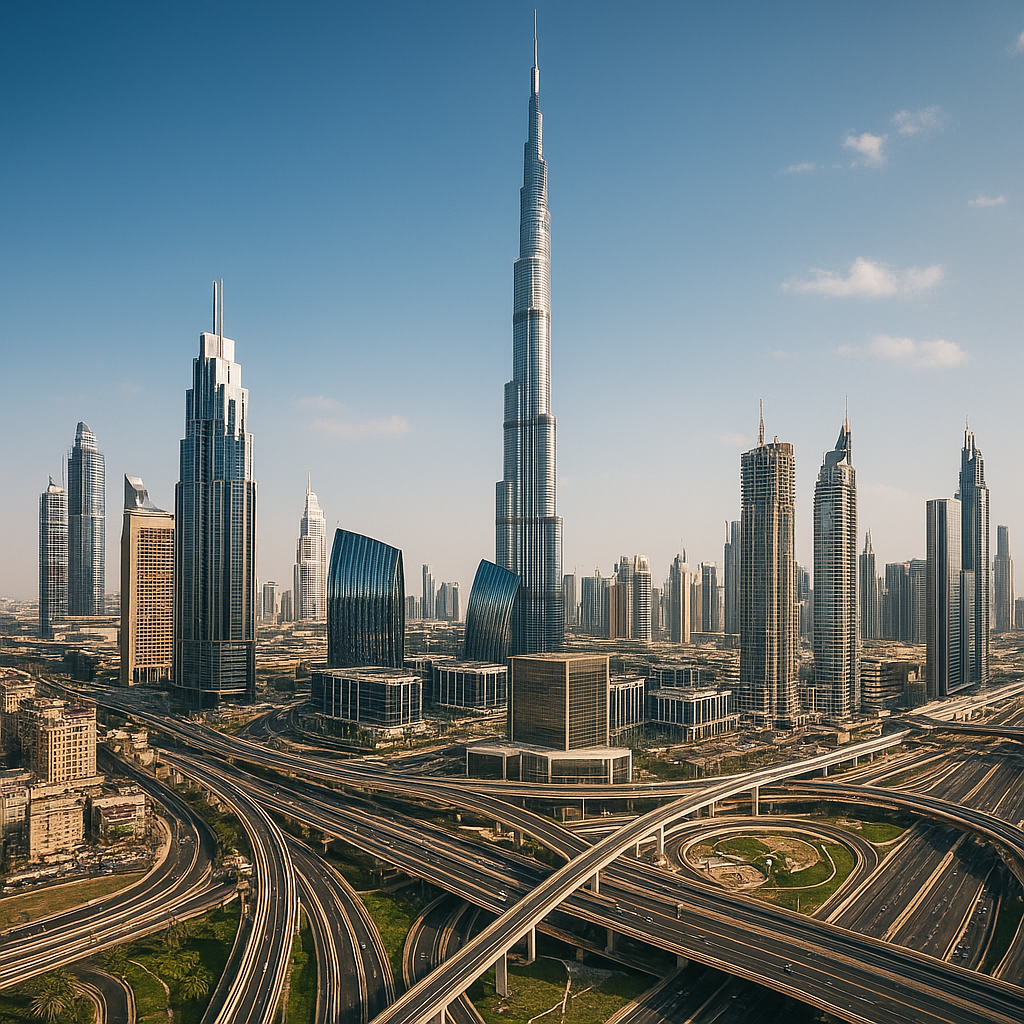
The city of Dubai has undergone a remarkable transformation since the turn of the millennium, emerging as a global nexus for architectural ambition and urban expansion. What was once a modest desert outpost has morphed into a dazzling metropolis dominated by towering structures that push the boundaries of engineering and design. This article delves into the factors that fueled this skyscraper boom, examines the signature projects that have redefined the city’s horizon, and considers the broader economic and environmental implications of Dubai’s vertical evolution.
Rise of Dubai’s skyline
At the start of the 21st century, Dubai embarked on an aggressive campaign of urban renewal. Ambitious leaders and visionaries recognized that a distinctive cityscape could serve as a potent magnet for global attention and foreign investment. The strategic plan focused on transforming key districts such as Downtown Dubai, Business Bay, and the Marina into high-density hubs where residential, commercial, and leisure functions coexist in a compact footprint.
The rapid approval and construction processes attracted major developers from across the globe. Their projects often featured unprecedented heights and daring façades, setting a new standard for metropolitan centers worldwide. Key milestones in this early phase included:
- Completion of the Emirates Towers complex, heralding a new era of twin towers in the Gulf region
- Launch of Downtown Dubai’s master plan, paving the way for ultra-luxury residences and corporate headquarters
- Development of Palm Jumeirah, an artificial archipelago that added exclusive beachfront properties and hotels
The colossal pace of construction during these years ignited global fascination. Photographers, journalists, and tourists flocked to witness cranes and scaffolding rising against the desert sun, documenting Dubai’s ambitions to sculpt its identity through architecture and innovation.
Architectural Marvels and Engineering Feats
Among the myriad projects that reshaped Dubai, several stand out for their pioneering approach to design and technology. These **iconic** structures showcase the synergy of creative vision and advanced engineering methods, often necessitating entirely new construction techniques.
Burj Khalifa: Pinnacle of Vertical Ambition
The crowning achievement of Dubai’s skyline is undeniably the Burj Khalifa. Soaring to 828 meters, it redefined global expectations for what a skyscraper could achieve. Key innovations included a buttressed core structural system, high-performance reflective glazing to mitigate heat gain, and a complex elevator network to transport visitors at speeds exceeding 10 meters per second.
Marina 101 and Beyond: Pushing Boundaries
Marina 101, standing at 425 meters, exemplifies the drive to continually surpass existing records. The tower integrates mixed-use zones, with luxury hotel rooms, serviced apartments, and observation decks offering panoramic views of the Persian Gulf. Engineering challenges such as deep foundation work in reclaimed land demonstrated unprecedented geotechnical solutions.
- Advanced wind tunnel testing to ensure occupant comfort at high elevations
- Use of high-strength concrete capable of curing under extreme heat
- Integration of smart building management systems for efficient energy consumption
These accomplishments underscore Dubai’s commitment to innovation and its willingness to invest in cutting-edge research and development. Each new tower becomes both a spectacle and a laboratory for refining construction methodologies.
Economic and Social Impact
Beyond their aesthetic allure, Dubai’s skyscrapers have driven significant growth in multiple sectors. The influx of multinational corporations established regional headquarters in high-profile office towers, stimulating the local job market and fostering a cosmopolitan workforce. The real estate sector experienced a sustained boom, as investors purchased luxury apartments in hopes of high rental yields and long-term capital appreciation.
Tourism, too, has reaped substantial benefits. Unparalleled observation decks, sky lounges, and rooftop infinity pools attract millions of visitors annually. Iconic hotels housed within supertall buildings offer bespoke hospitality experiences that command premium rates. A selection of recent developments includes:
- Skytel Residences: A cluster of slender towers connected by sky bridges and communal gardens
- Cloud Nine Hotel: Situated on levels 100–110 of a mixed-use tower, featuring immersive virtual reality amenities
- SkyPark Business Center: A dedicated workspace above 300 meters, blending office and leisure functions
These ventures contribute to expanding Dubai’s GDP, diversifying economic activity beyond oil dependence. The synergy of tourism, finance, and property has fortified the emirate’s status as a global business hub.
Challenges and the Path to sustainability
While the vertical ascent has garnered international acclaim, it has also posed environmental and infrastructural challenges. The concentration of supertall towers places heavy demands on water, power, and transportation networks. Addressing these issues requires innovative solutions and long-term planning to ensure that growth remains manageable and equitable.
Water Scarcity and Cooling Demands
Urban heat islands and energy-intensive air conditioning systems have driven water and electricity consumption to record levels. Developers are experimenting with:
- Green façade technologies that reduce solar heat gain
- Wastewater recycling schemes for district cooling plants
- Solar panel integration into tower exteriors to offset grid demand
Urban Mobility and Infrastructure
As skyscraper density increases, so does traffic congestion and strain on public transit. The government has expanded the Dubai Metro and introduced autonomous shuttle services to connect major business districts. Future corridors aim to integrate hyperloop prototypes and elevated cycle lanes, reducing the carbon footprint of daily commutes.
Looking ahead, Dubai aspires to harmonize its towering ambitions with environmental stewardship. Planned projects such as energy-positive skyscrapers and vertical farms embedded within mixed-use towers represent the next wave of development—one that prioritizes the well-being of both residents and the ecosystem.
Vision for the future
Dubai’s relentless pursuit of architectural excellence continues to captivate the world’s imagination. Emerging proposals include floating city concepts, drone-delivered building materials, and AI-driven design platforms that adapt structures in real time to climatic conditions. As the city evolves, its skyline will serve as a living testament to human ingenuity, ambition, and adaptability. The legacy of the post-2000 skyscraper boom will be measured not only in meters of steel and glass but also in the quality of urban life and the harmony between progress and preservation.