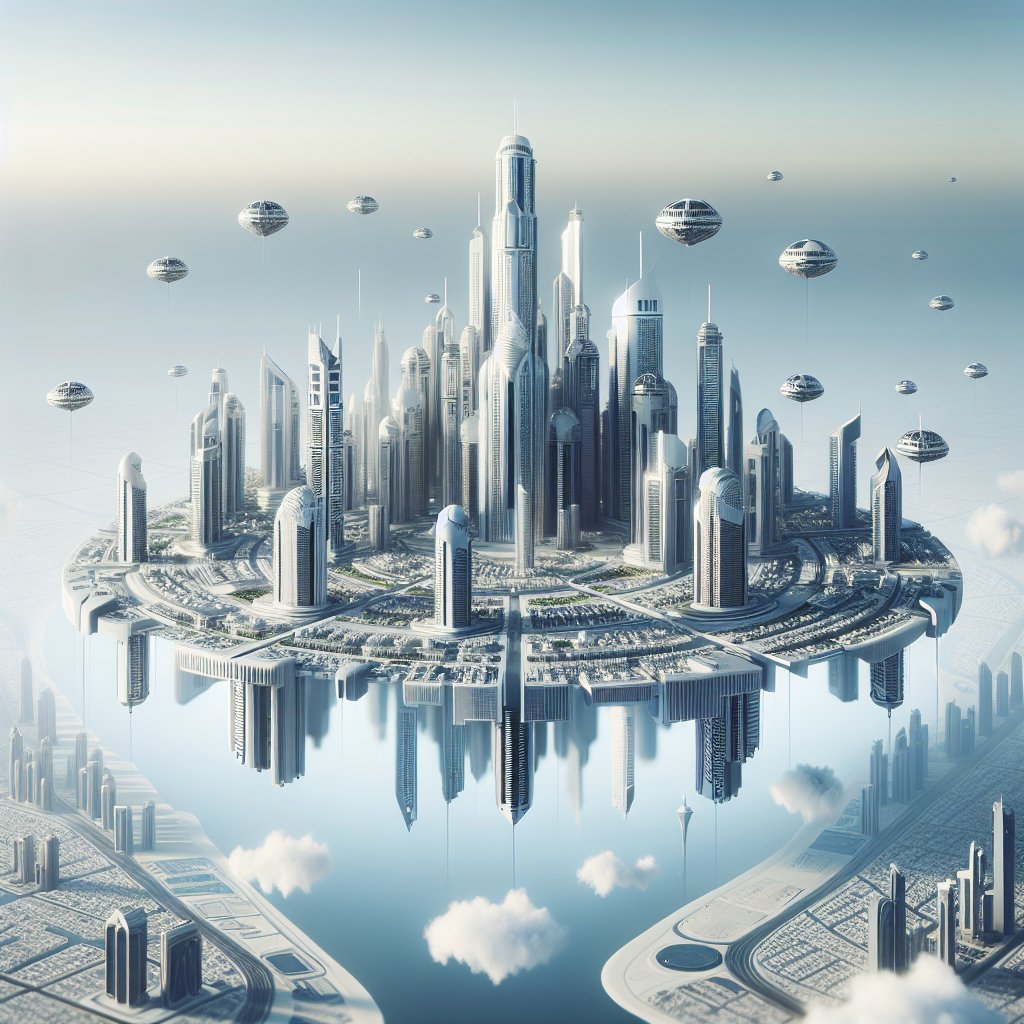
Dubai, a city renowned for its architectural marvels and futuristic vision, is now setting its sights on a new frontier: floating cities. As the world grapples with the challenges of urbanization and climate change, Dubai’s innovative approach to urban living offers a glimpse into a sustainable and adaptable future. This article explores the concept of floating cities, Dubai’s role in pioneering this movement, and the potential implications for global urban development.
The Concept of Floating Cities
Floating cities are an ambitious response to the pressing issues of rising sea levels, overpopulation, and the scarcity of land in urban areas. These self-sustaining, water-based communities are designed to float on the surface of the ocean, providing a novel solution to the challenges faced by coastal cities worldwide. The concept is not entirely new; it has been a subject of science fiction and architectural speculation for decades. However, recent technological advancements and environmental imperatives have brought the idea closer to reality.
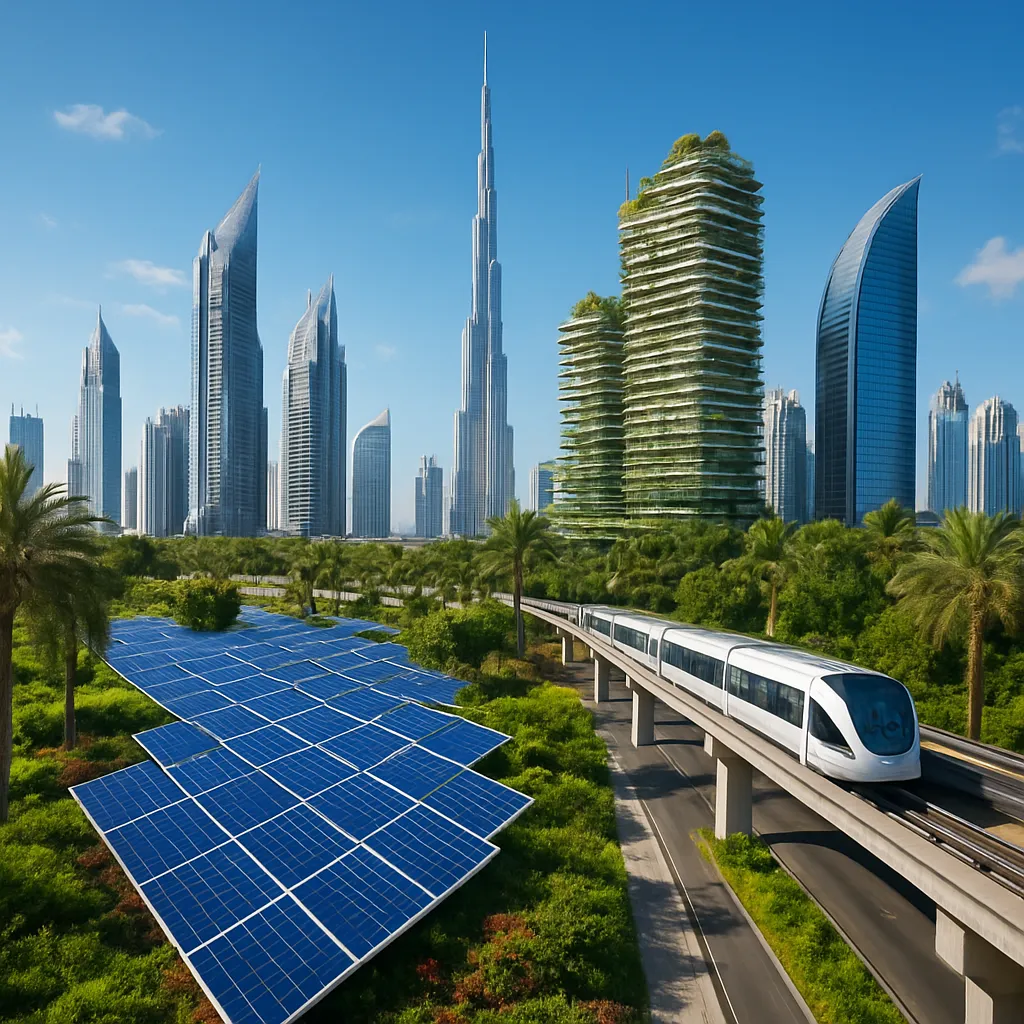
At the heart of floating city design is the principle of sustainability. These cities aim to minimize their environmental impact by utilizing renewable energy sources, such as solar and wind power, and implementing closed-loop systems for water and waste management. The modular nature of floating cities allows for flexibility in design and expansion, enabling them to adapt to changing needs and conditions. Furthermore, their location on the water offers unique opportunities for aquaculture and marine biodiversity conservation.
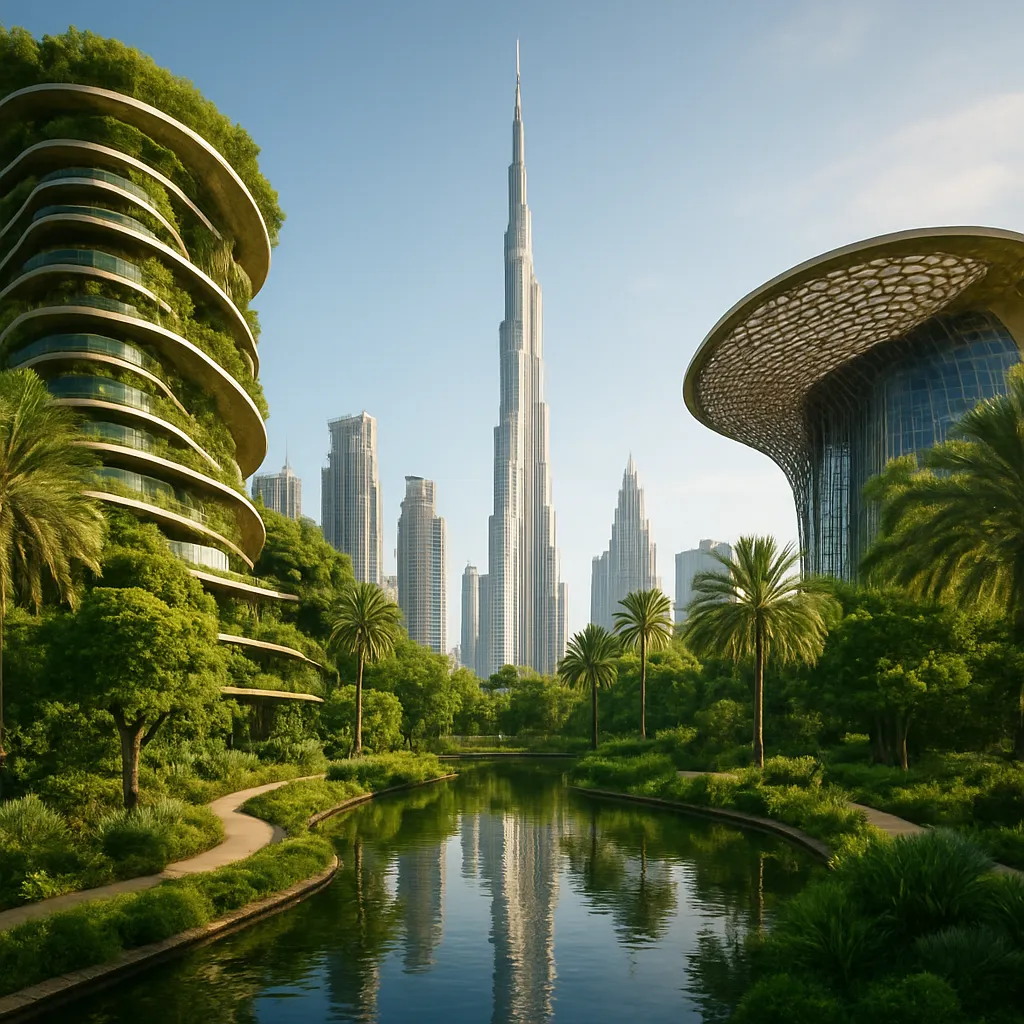
Floating cities also promise to redefine urban living by fostering a closer connection between residents and their natural surroundings. The integration of green spaces, water features, and communal areas encourages a lifestyle that prioritizes well-being and environmental stewardship. As such, floating cities represent a holistic approach to urban development that balances human needs with ecological considerations.
Dubai’s Vision and Initiatives
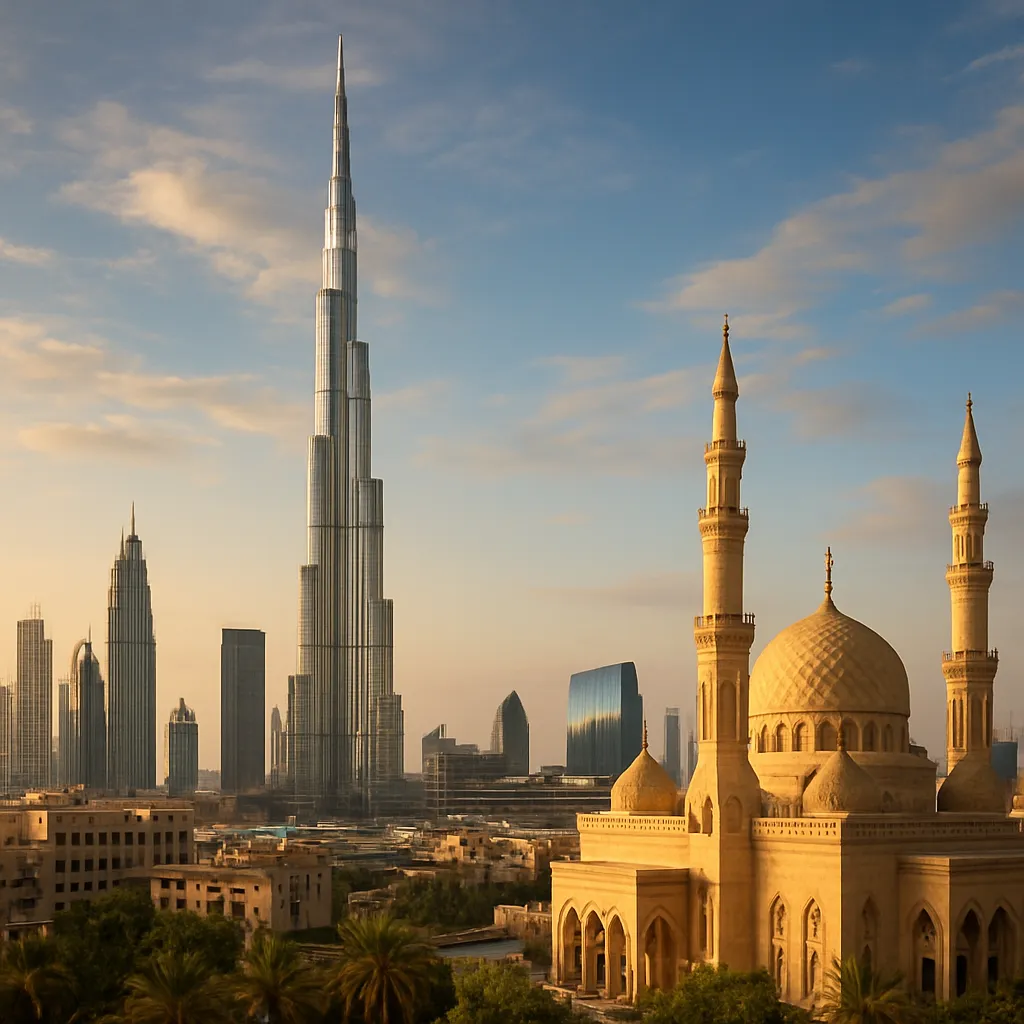
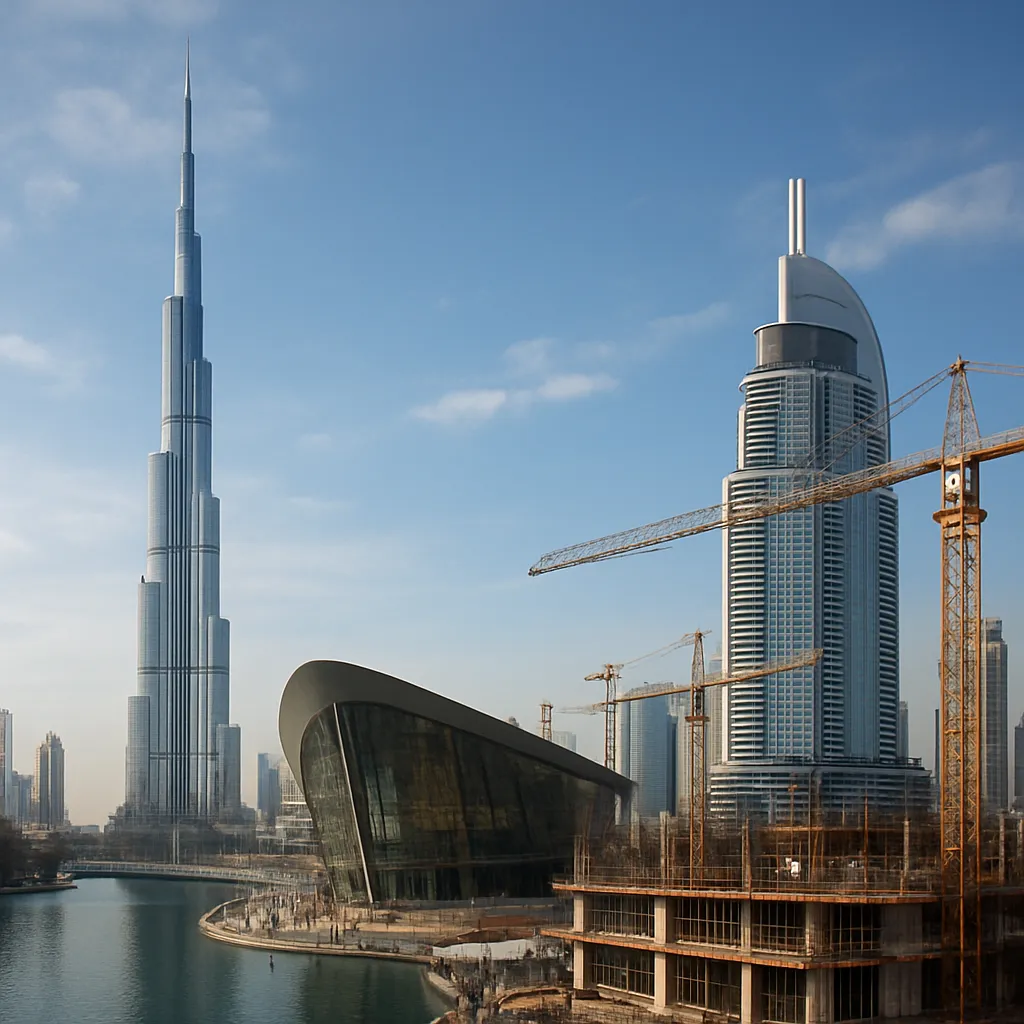
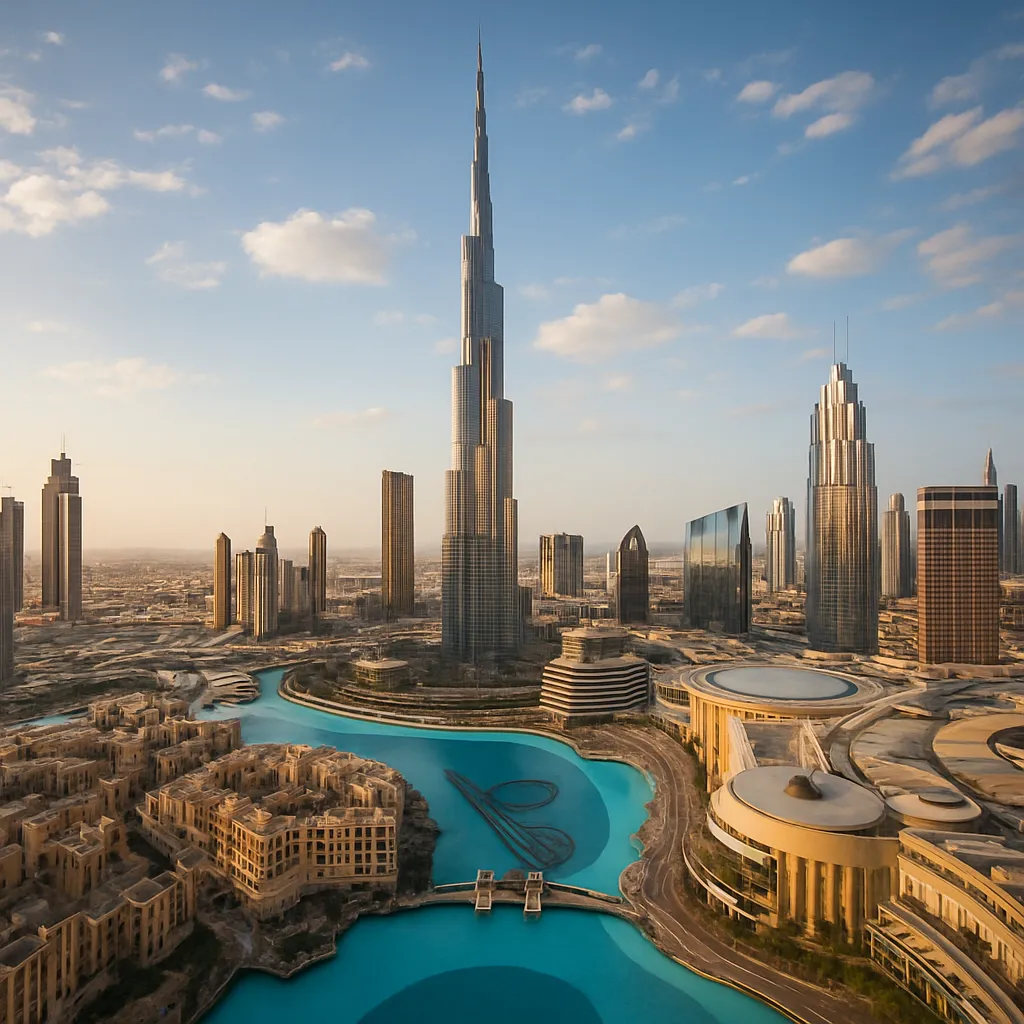
Dubai has long been at the forefront of architectural innovation, with iconic projects such as the Burj Khalifa and the Palm Jumeirah showcasing its ambition and creativity. The city’s interest in floating cities is a natural extension of its commitment to pushing the boundaries of urban design and sustainability. Dubai’s strategic location along the Arabian Gulf, coupled with its expertise in large-scale construction, positions it as a key player in the development of floating urban environments.
One of the most notable initiatives in this realm is the Dubai Floating Seahorse Villas project. These luxury floating homes, part of the larger Heart of Europe development, exemplify Dubai’s vision for high-end, sustainable living on the water. Each villa features underwater bedrooms with panoramic views of marine life, as well as state-of-the-art amenities and eco-friendly technologies. The project not only highlights Dubai’s capacity for innovation but also serves as a prototype for future floating residential developments.
In addition to residential projects, Dubai is exploring the potential of floating infrastructure to support its growing population and tourism industry. Plans for floating hotels, restaurants, and recreational facilities are underway, with the aim of enhancing the city’s appeal as a global destination. These initiatives align with Dubai’s broader goals of economic diversification and resilience in the face of environmental challenges.
Dubai’s commitment to floating cities is further evidenced by its collaboration with international organizations and experts in the field. The city has hosted conferences and workshops on floating urbanism, fostering dialogue and knowledge exchange among architects, engineers, and policymakers. By positioning itself as a hub for innovation and research, Dubai is contributing to the global discourse on sustainable urban development and climate adaptation.
Implications for Global Urban Development
The emergence of floating cities in Dubai has significant implications for urban development worldwide. As coastal cities face increasing threats from climate change, the need for adaptive and resilient solutions becomes more urgent. Floating cities offer a viable alternative to traditional land-based urbanization, providing a means to accommodate growing populations while mitigating the risks associated with rising sea levels.
Moreover, the success of floating cities in Dubai could inspire other regions to explore similar initiatives, leading to a proliferation of water-based communities across the globe. This shift in urban planning could drive innovation in construction techniques, materials, and technologies, ultimately transforming the way cities are designed and built. The emphasis on sustainability and environmental harmony in floating cities also sets a precedent for future urban developments, encouraging a more responsible and forward-thinking approach to growth.
However, the widespread adoption of floating cities is not without challenges. Issues such as regulatory frameworks, financing, and public acceptance must be addressed to ensure the feasibility and success of these projects. Additionally, the social and cultural implications of living on water require careful consideration, as floating cities may necessitate new ways of thinking about community, identity, and governance.
Despite these challenges, the potential benefits of floating cities are undeniable. By offering a sustainable and adaptable solution to the pressing issues of urbanization and climate change, floating cities represent a bold step towards a more resilient and equitable future. As Dubai continues to lead the way in this innovative field, the world watches with anticipation, eager to see how floating cities will shape the urban landscapes of tomorrow.