The spectacular growth of Dubai’s built environment has transformed the city into a global hotspot for travelers seeking both luxury and cultural experiences. With its bold skyscrapers, innovative design strategies, and commitment to environmental sustainability, Dubai has positioned itself at the forefront of architecture that captivates the world. From the iconic outlines of its towers to the immersive experiences offered by its public spaces, each structure tells a story of ambition, creativity, and forward-thinking engineering. In this exploration, we delve into how these monumental creations shape the city’s tourism industry and fuel its ever-expanding economy.
Architectural Marvels Redefining Dubai’s Skyline
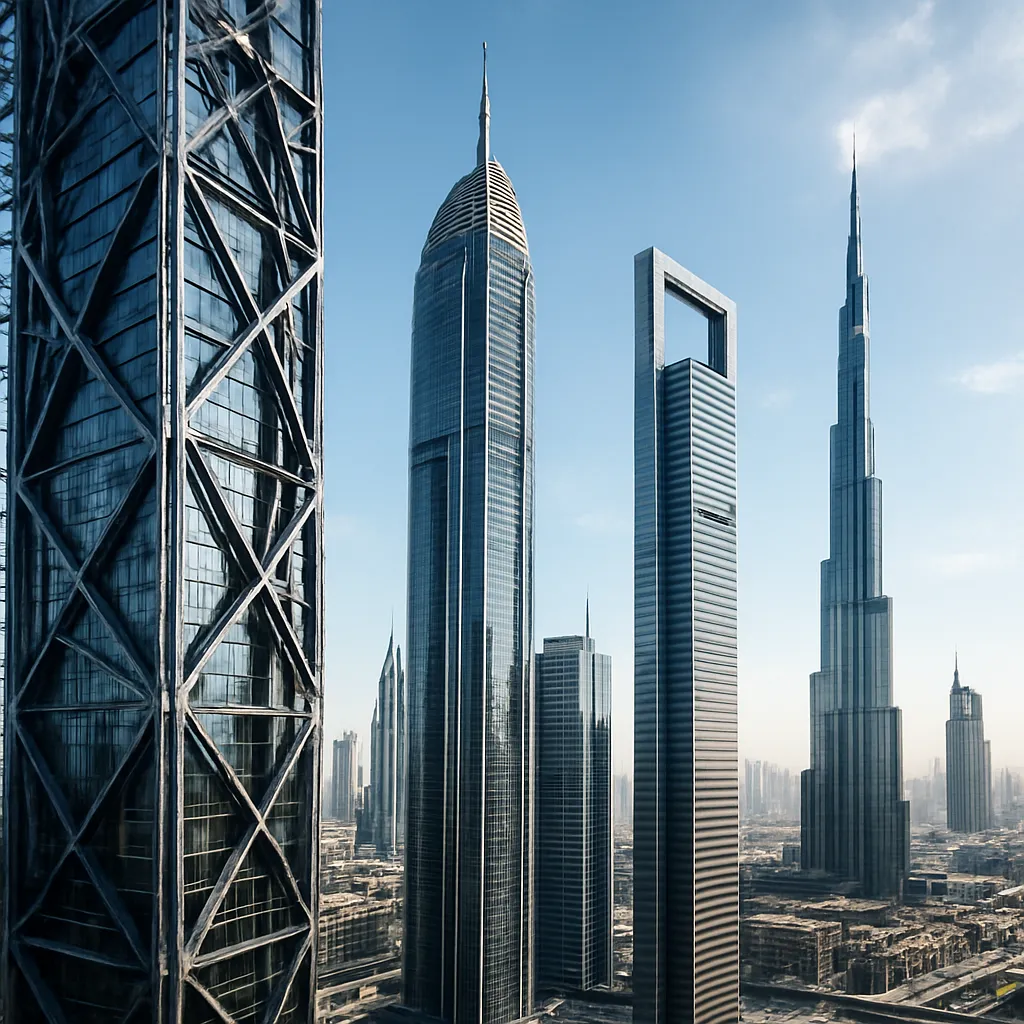
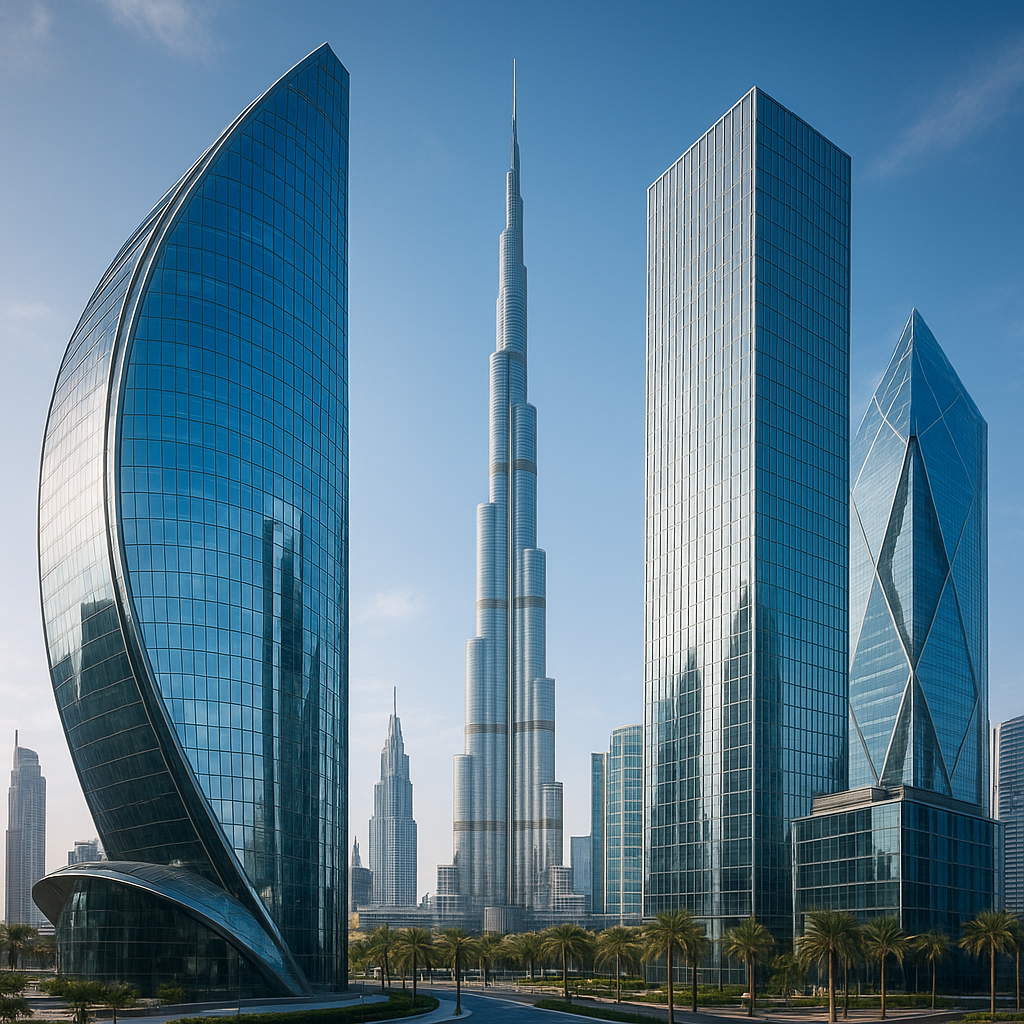
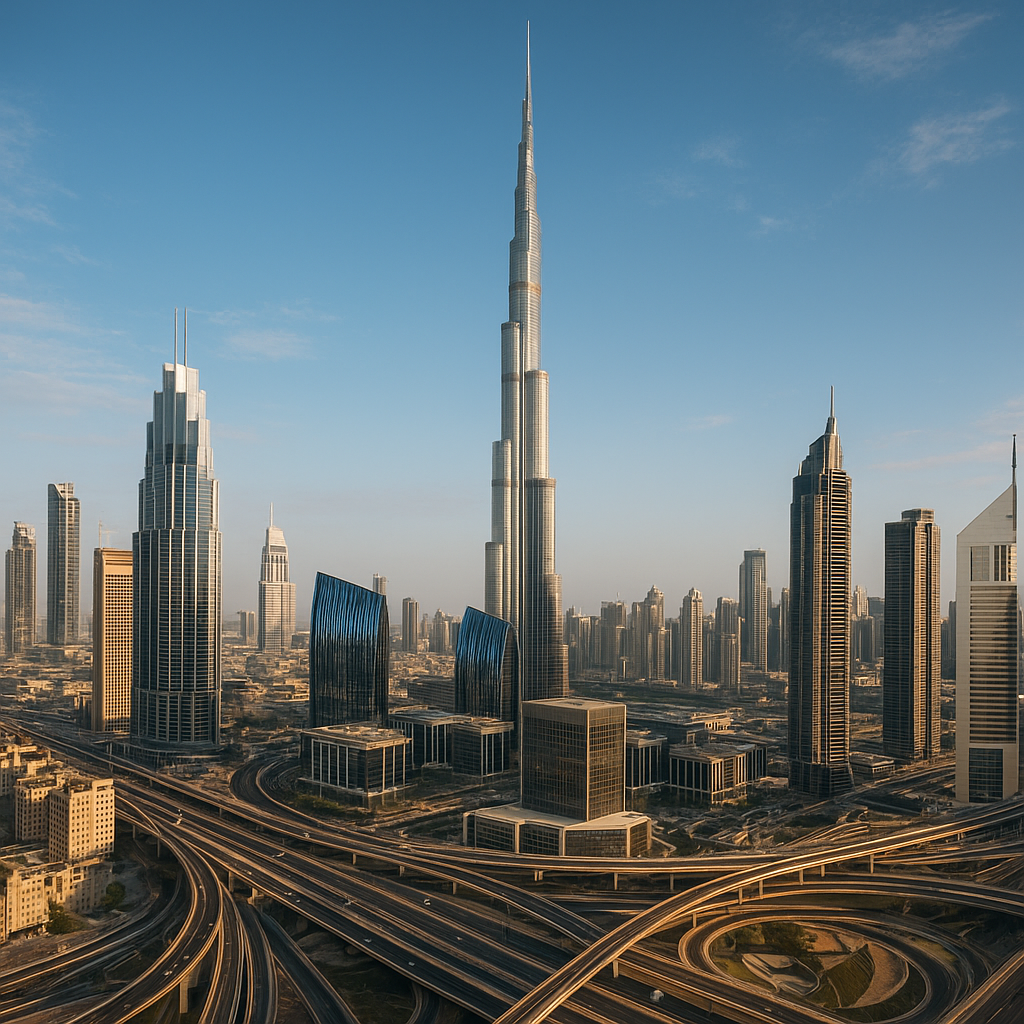
Dubai’s skyline has become synonymous with record-breaking heights and bold silhouettes. From the world’s tallest tower to purpose-built islands, the city demonstrates its prowess in engineering and design innovation. These landmarks not only serve as photogenic backdrops but also act as major drivers of visitor interest, inspiring travelers to witness architectural feats in person.
Burj Khalifa: The Pinnacle of Engineering
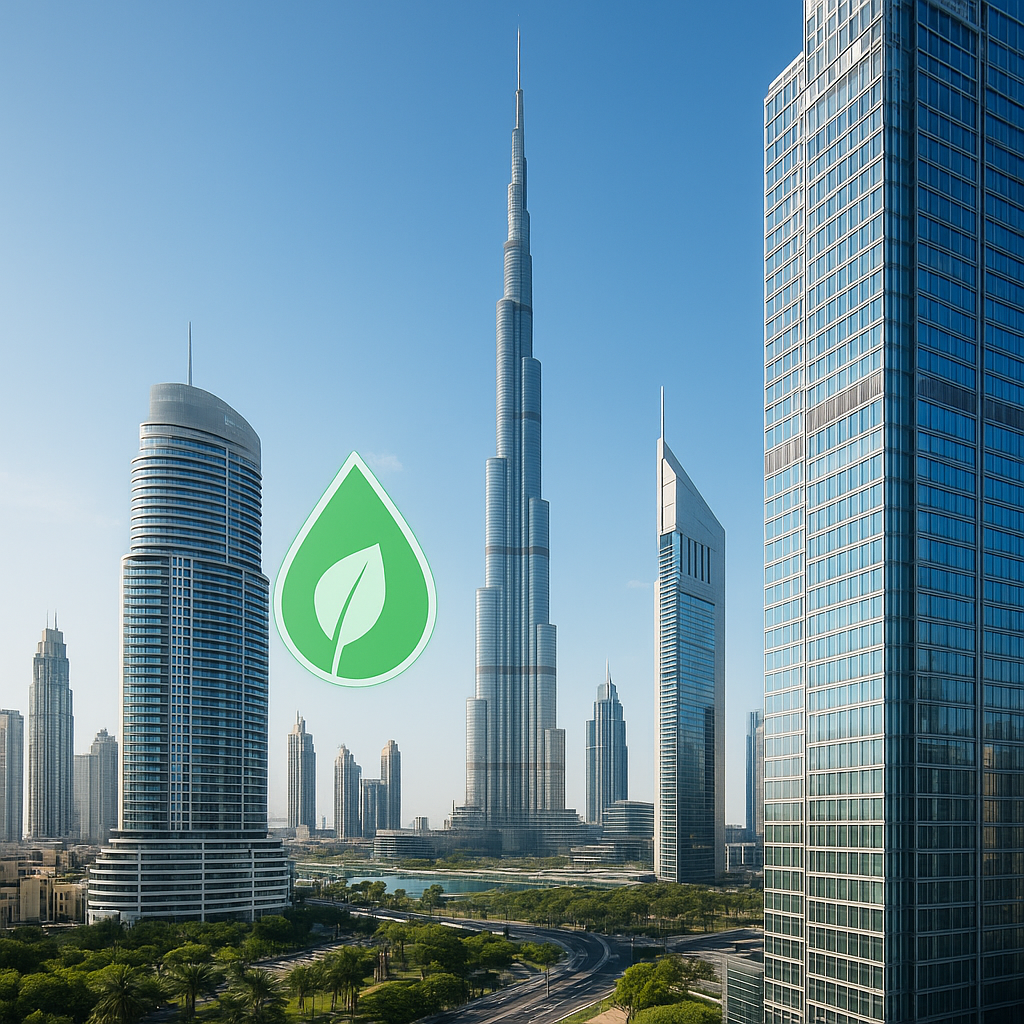
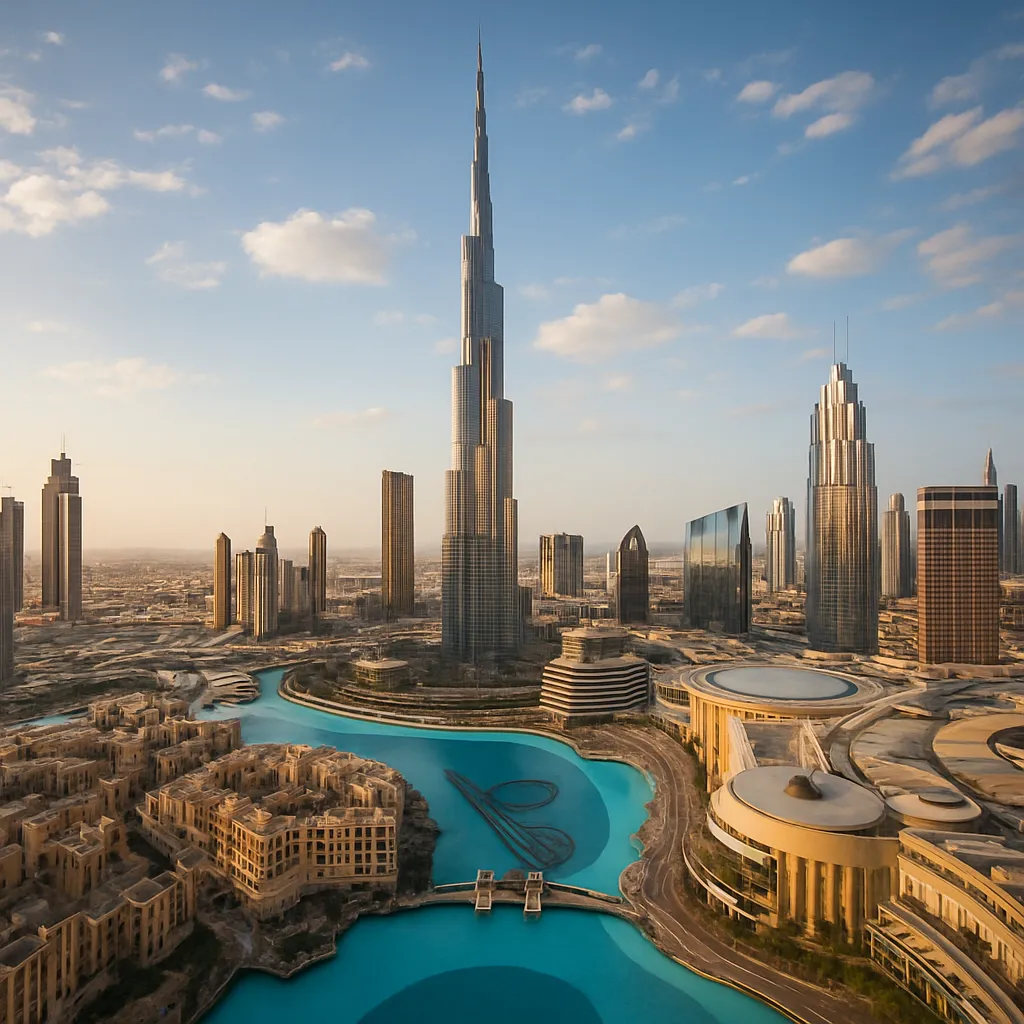
Soaring to 828 meters above ground, the Burj Khalifa stands as the tallest structure in the world. Its Y-shaped plan maximizes panoramic views of the Arabian Gulf, and its triple-lobed footprint reflects regional cultural motifs. The tower’s façade features high-performance glass that mitigates solar gain, exemplifying Dubai’s commitment to sustainability. Visitors flock to the observation decks on levels 124 and 148, drawn by an unmatched vista that blankets the city. The supporting spire, which houses communication arrays, further underscores the Burj Khalifa’s integration of architectural grandeur and technical prowess.
Burj Al Arab: The Icon of Luxury
At the heart of the Persian Gulf’s waters, the Burj Al Arab resembles a billowing sail, symbolizing Dubai’s maritime heritage. Its helipad, perched 210 meters up, has hosted high-profile events that attract global headlines. Interiors lined with 24-carat gold leaf and bespoke furnishings create an environment of opulence sought by celebrities and dignitaries alike. The hotel’s tourism appeal goes beyond accommodation, offering guests exclusive aquatic and leisure activities that blur the line between hospitality and entertainment.
Palm Jumeirah: An Ambitious Land Reclamation
Shaped like a palm tree, Palm Jumeirah is a testament to Dubai’s futuristic vision. This man-made archipelago has expanded Dubai’s coastline by 56 kilometers, providing prime real estate for luxury resorts, villas, and retail districts. The island’s landscaping and artificial lagoons attract yacht enthusiasts and beachgoers seeking exclusivity. The crescent-shaped breakwater enhances wave protection, while innovative dredging techniques ensured minimal ecological disruption, showcasing a blend of creativity and environmental sensitivity.
Innovative Design and Technology-Driven Solutions
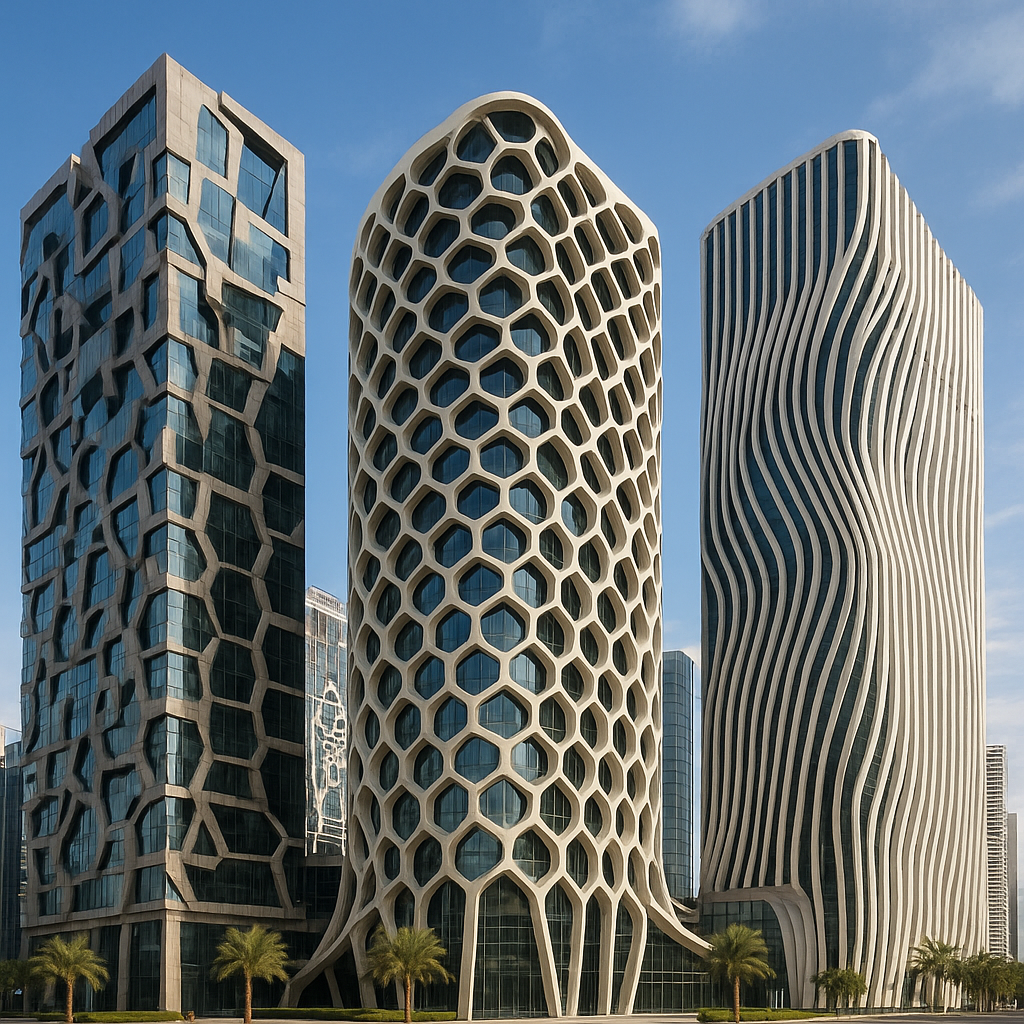
Dubai’s buildings are not merely tall; they embody an ethos of innovation. Architects and engineers collaborate to integrate smart systems, responsive façades, and energy-efficient operations. This synergy spurs a new generation of structures that anticipate occupant needs and reduce environmental impact, positioning the city as a laboratory for advanced building performance.
Eco-Friendly Facades and Adaptive Shading
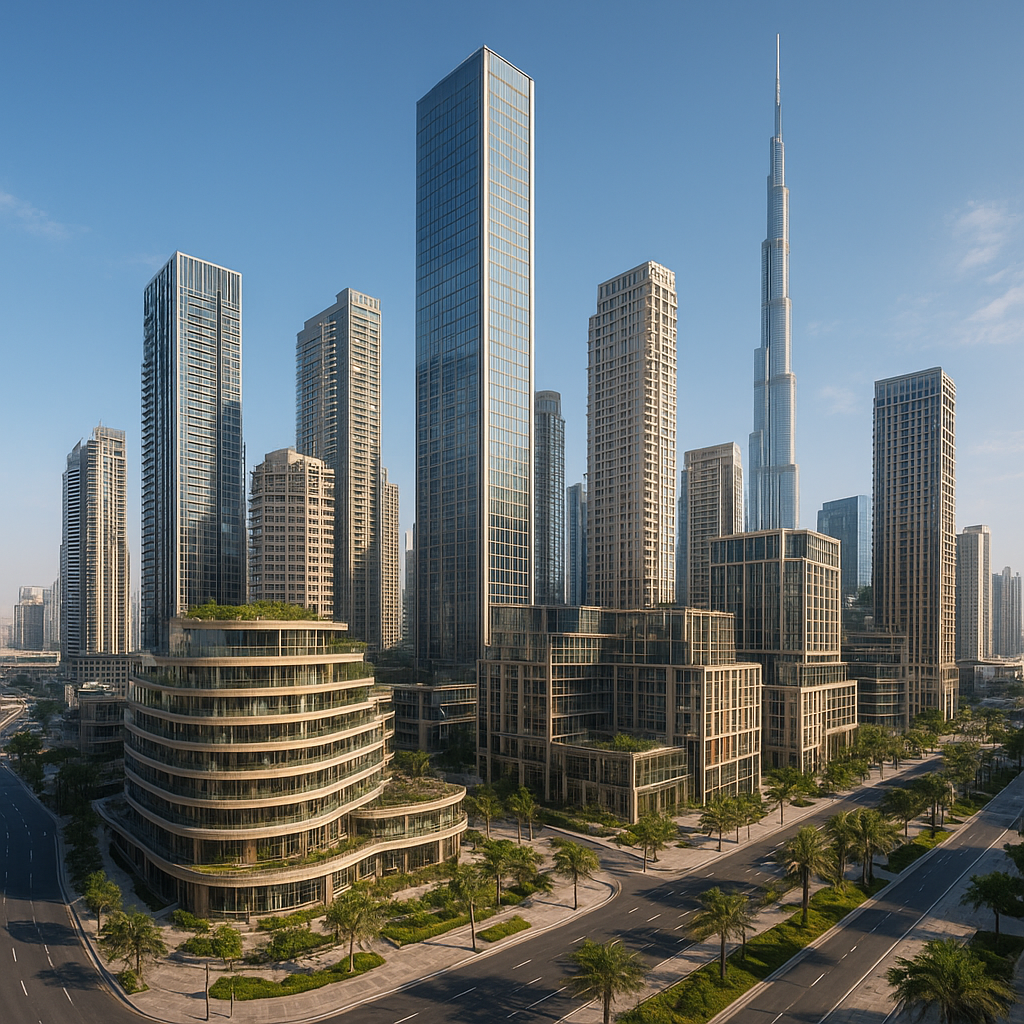
The region’s harsh climate prompted architects to develop dynamic façade systems that adjust shading according to solar orientation. Some towers feature rotating louvers that track the sun, significantly lowering cooling demands. Green walls and rooftop gardens also contribute to urban biodiversity, reduce the urban heat island effect, and provide tranquil oases for workers and tourists amid the city’s bustle.
Smart Building Technologies and IoT Integration
From automated climate control to predictive maintenance, Dubai’s newest developments employ Internet of Things (IoT) sensors to optimize resource use. In smart hotels, guests can personalize lighting, temperature, and entertainment via mobile apps, delivering a seamless hospitality experience. Meanwhile, AI-driven analytics forecast energy peaks and facilitate load balancing, ensuring an uninterrupted stay for visitors while curbing operational costs.
Adaptive Reuse and Heritage Preservation
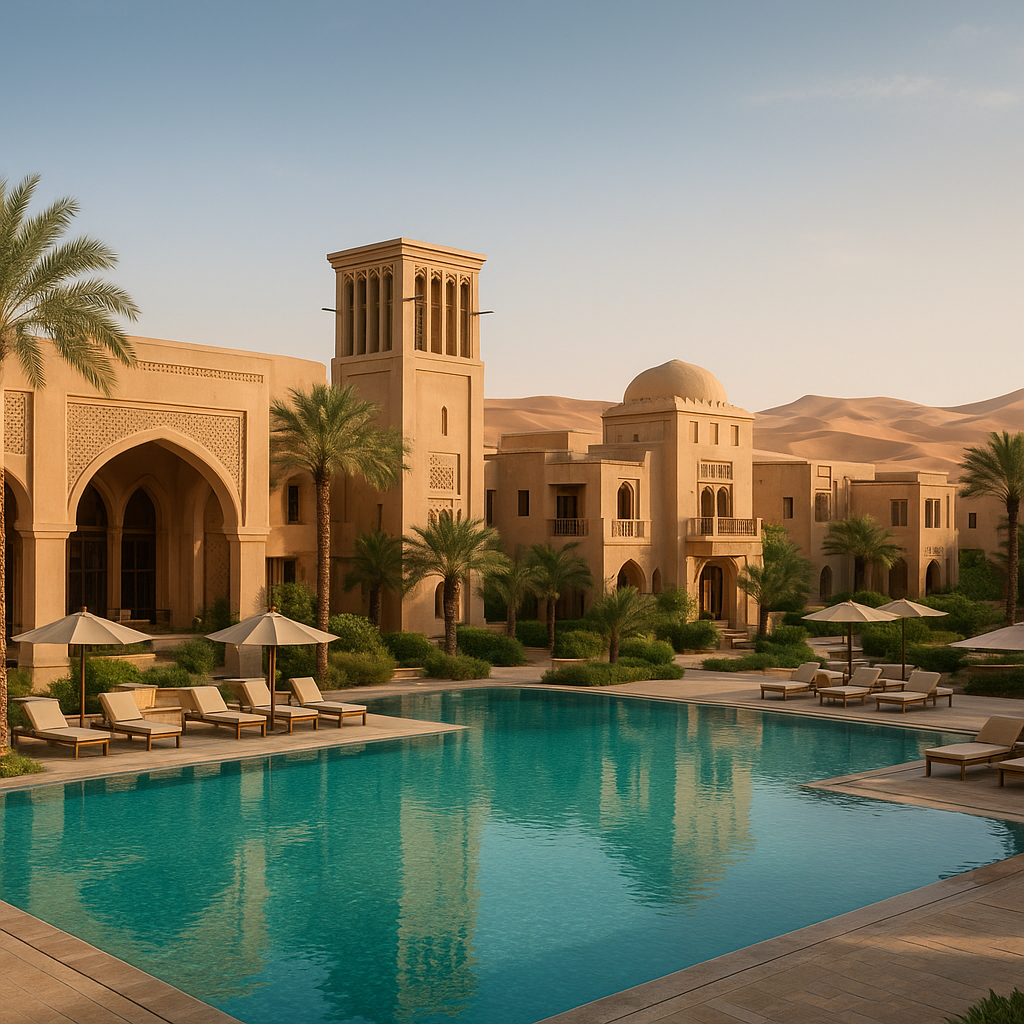
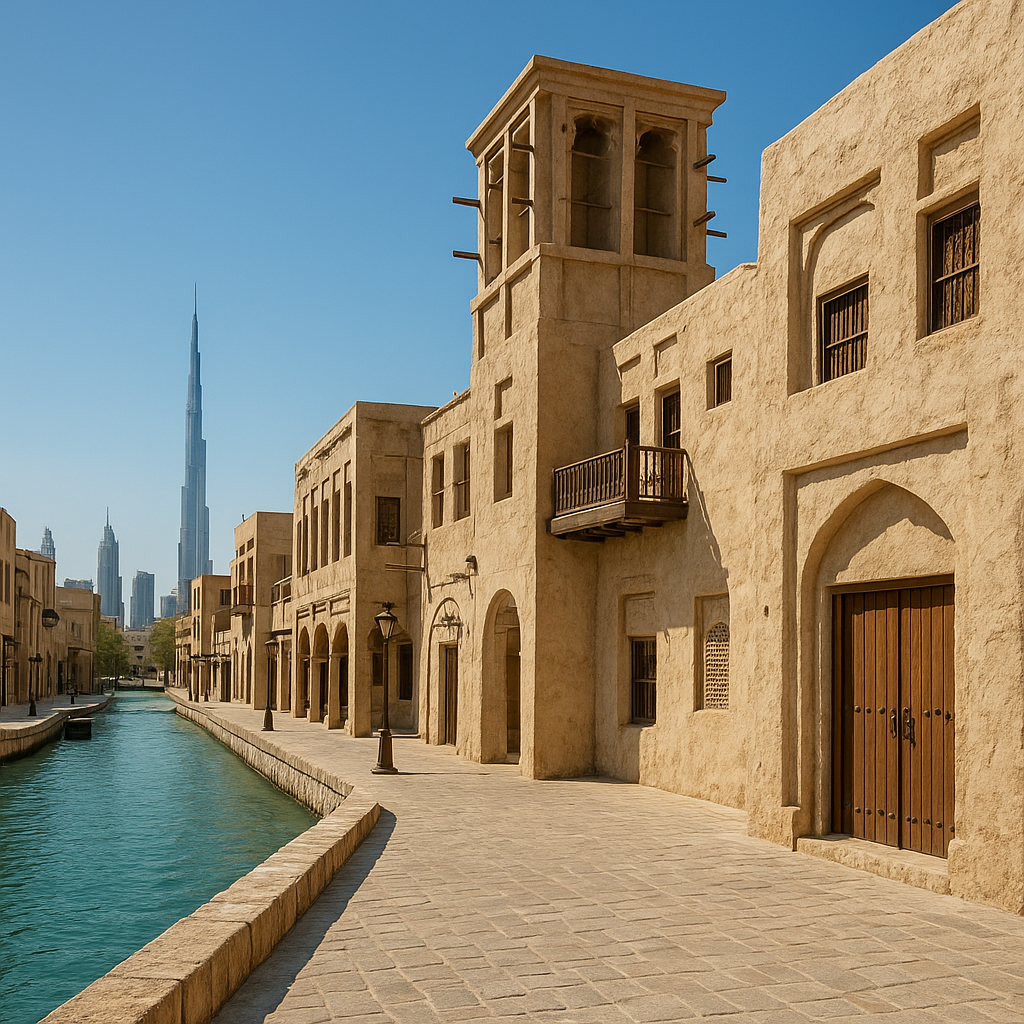
While Dubai’s reputation often centers on new constructions, recent projects have focused on repurposing historic sites. The transformation of Al Fahidi Fort into the Dubai Museum exemplifies how architectural ingenuity can honor heritage while serving modern tourism goals. Similarly, the restoration of wind towers in Al Bastakiya has created lively arts districts, blending tradition with contemporary cultural programming.
Impact on Tourism and Economic Growth
Dubai’s architectural spectacles have become potent marketing tools, drawing millions of visitors each year. These structures foster global recognition, stimulate hospitality investments, and underpin the city’s broader economic diversification strategy. By offering one-of-a-kind experiences, Dubai ensures that tourism remains a vibrant pillar of its fiscal health.
Attraction of International Travelers
Distinctive hotels and observation decks invite international guests eager for bucket-list experiences. High-speed elevators, themed interiors, and exclusive sky lounges heighten the allure. Marketing campaigns leverage aerial footage of the skyline to entice wanderlust-driven explorers, reinforcing Dubai’s image as a must-visit destination.
Event Hosting and Business Tourism
State-of-the-art conference centers and multifunctional venues complement the city’s leisure offerings. Events like Expo 2020 (now Expo 2021) showcased cutting-edge pavilion designs that doubled as tourist attractions. The success of such gatherings amplifies business travel, with attendees extending stays for sightseeing and luxury shopping.
Cultural Festivals and Architectural Tours
Curated walking tours guide visitors through neighborhoods rich in architectural styles, from minimalistic glass towers to neo-Islamic motifs. Annual festivals spotlight urban art installations and light shows projected onto building facades, transforming the cityscape into a living canvas. These events deepen guests’ connection with Dubai’s urban identity.
Future Outlook: Shaping the Next Wave of Hospitality
As Dubai continues to expand, the synergy between design brilliance and guest-centric services will intensify. Upcoming projects promise to integrate artificial intelligence, immersive reality, and community-focused planning to elevate standards in tourism and urban living alike.
Upcoming Mega Projects
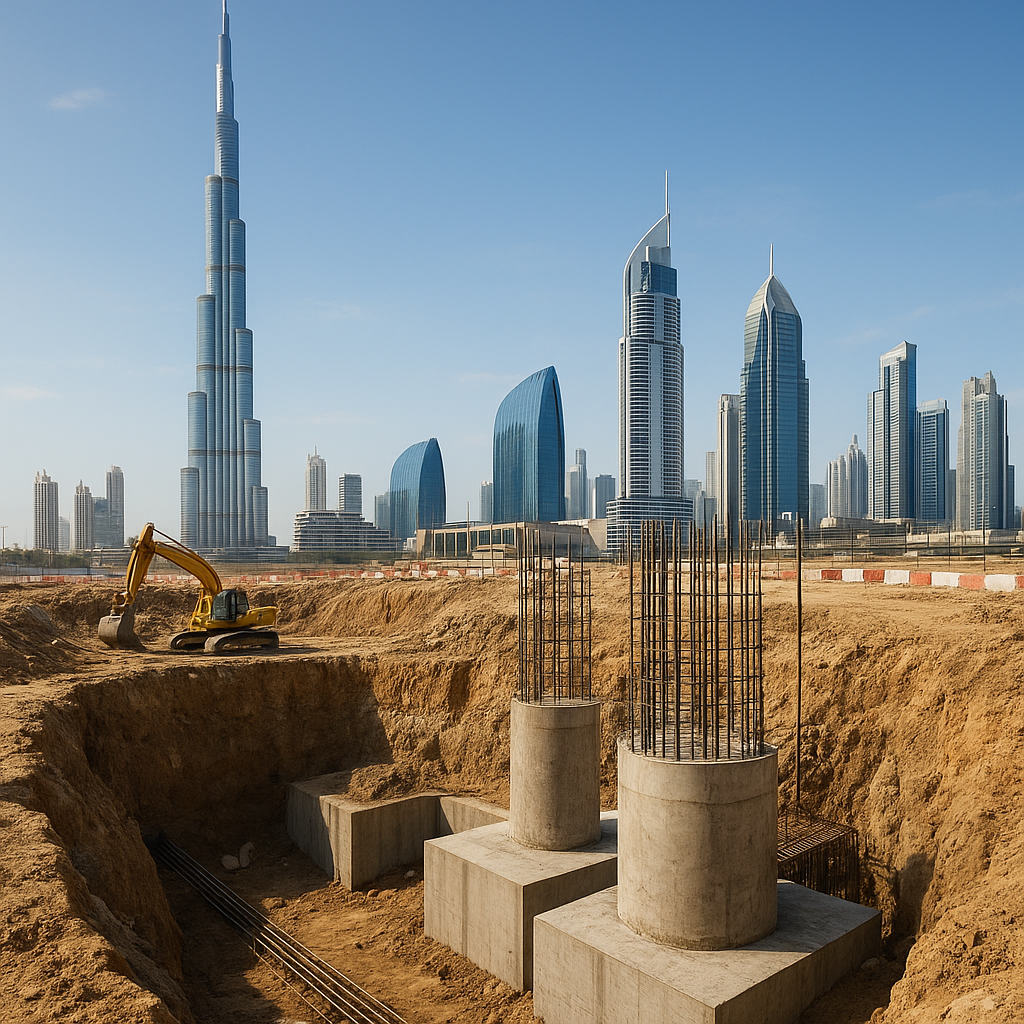
Developments like The Tower at Dubai Creek Harbour and the Museum of the Future push the envelope in form and function. The former will rival current height records, with cantilevered viewing platforms offering new perspectives. The latter will blend experiential exhibits with futuristic architecture, spotlighting human progress and design imagination.
Integration of AI and Virtual Reality
Hotels and retail destinations are experimenting with VR previews that allow prospective visitors to tour rooms or shop virtual stores before arrival. AI-driven concierges provide real-time recommendations, customizing itineraries based on personal preferences. Such tools heighten anticipation and streamline trip planning for discerning travelers.
Community-Centric Urban Planning
Emerging neighborhoods prioritize walkability, green spaces, and mixed-use programming to foster social interaction. “15-minute city” concepts are being tested, ensuring essential amenities lie within short distances. By balancing residential, commercial, and leisure facilities, Dubai aims to cultivate vibrant districts that attract both residents and tourists in search of authentic, everyday encounters.