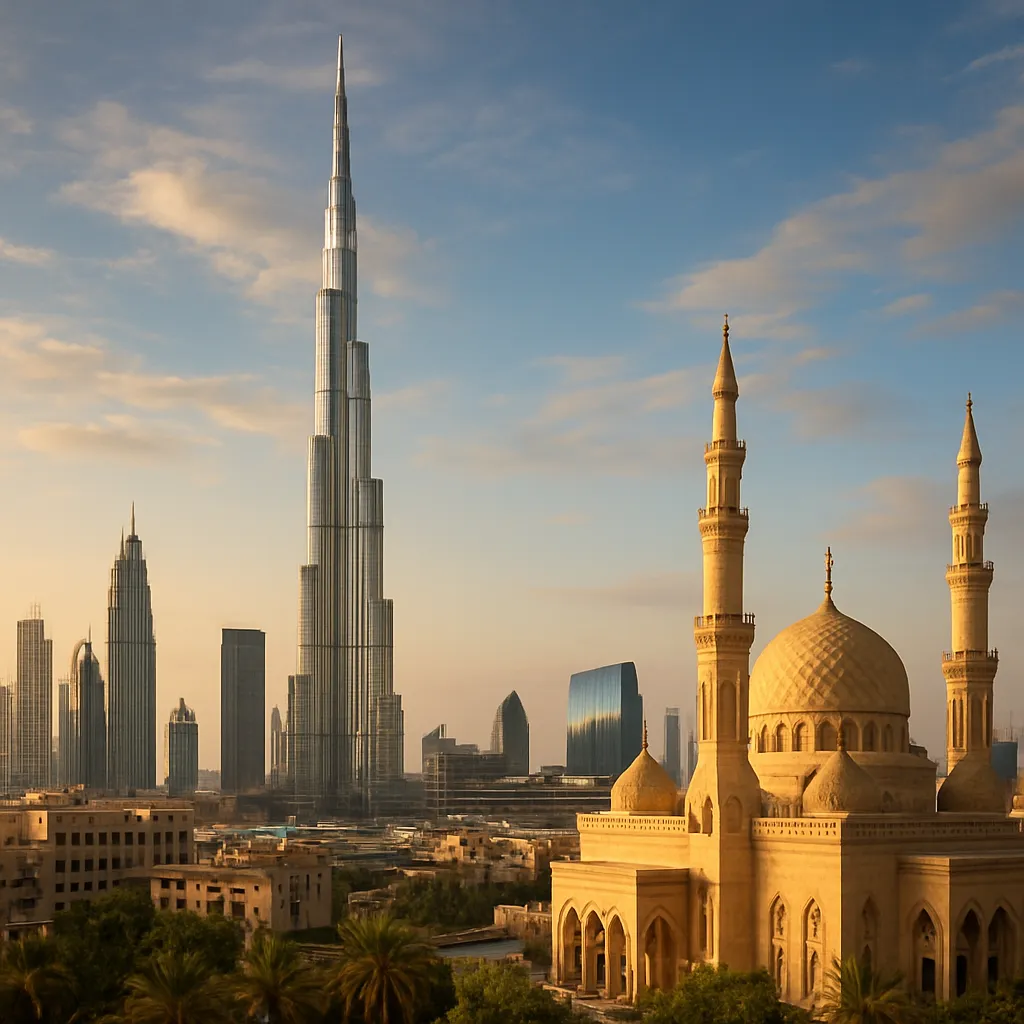
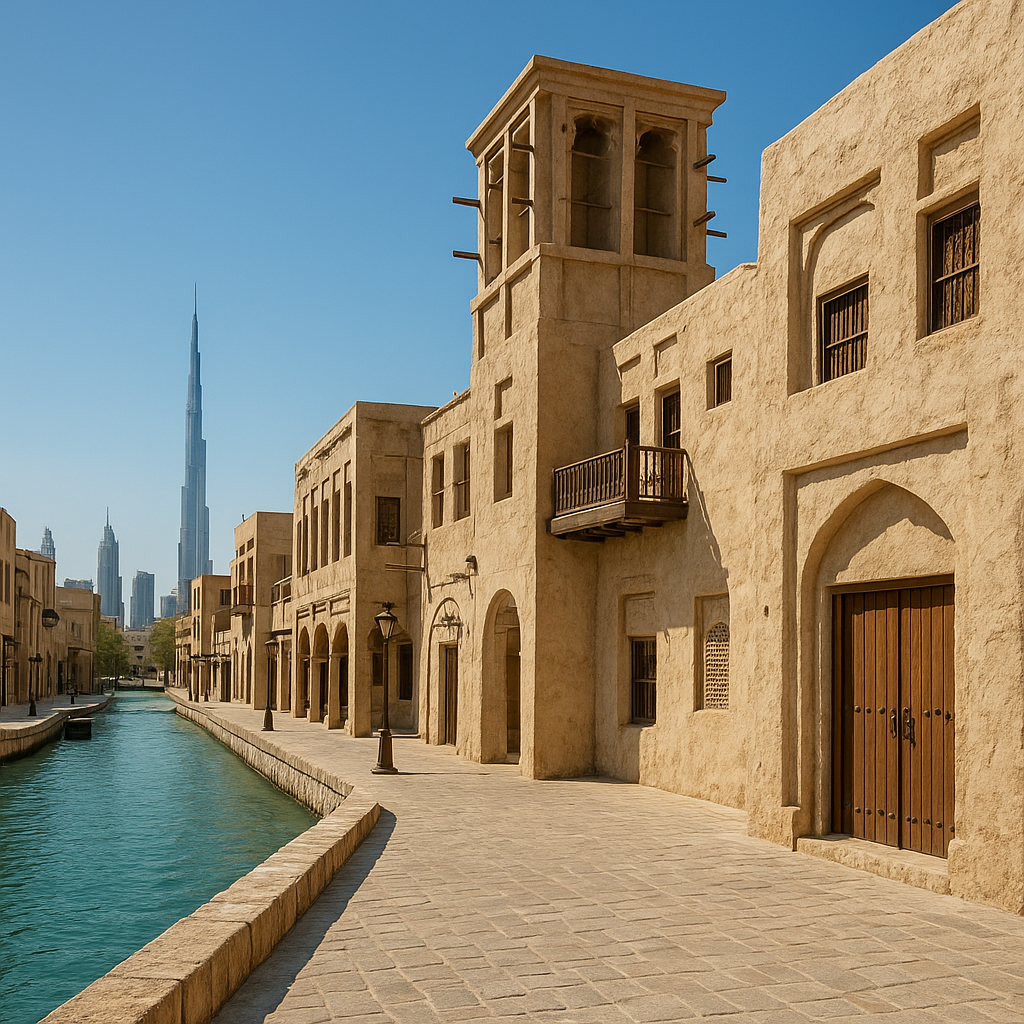
The vibrant cityscape of Dubai stands as a testament to a visionary blend of its deeply rooted past and an ambitious future. From the intricate patterns adorning traditional structures to the soaring heights of contemporary landmarks, the interplay between cultural influences and cutting-edge design defines the emirate’s architectural identity. This exploration delves into how Dubai’s unique **heritage** shapes its modern buildings, creating a seamless dialogue between **tradition** and technological **innovation**.
Historical Foundations and Bedouin Roots
Desert Vernacular and Wind Towers
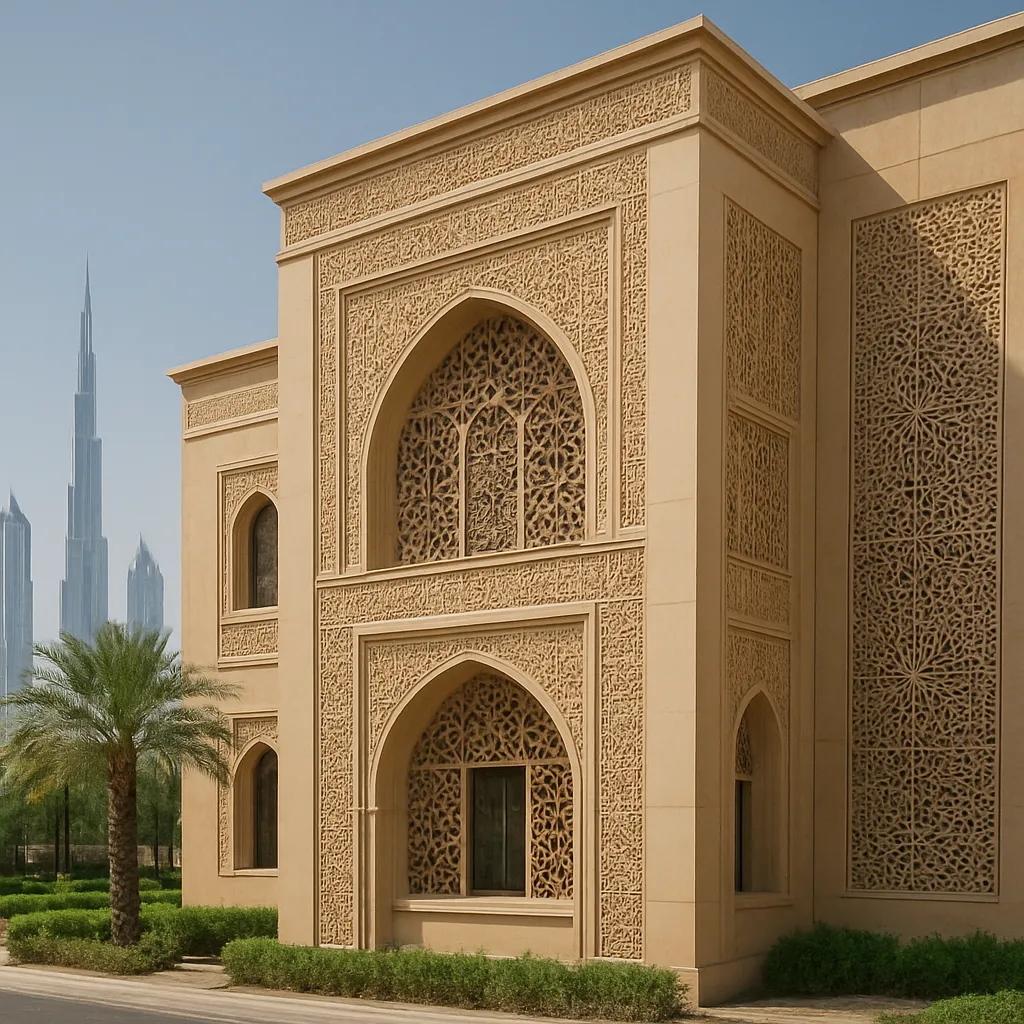
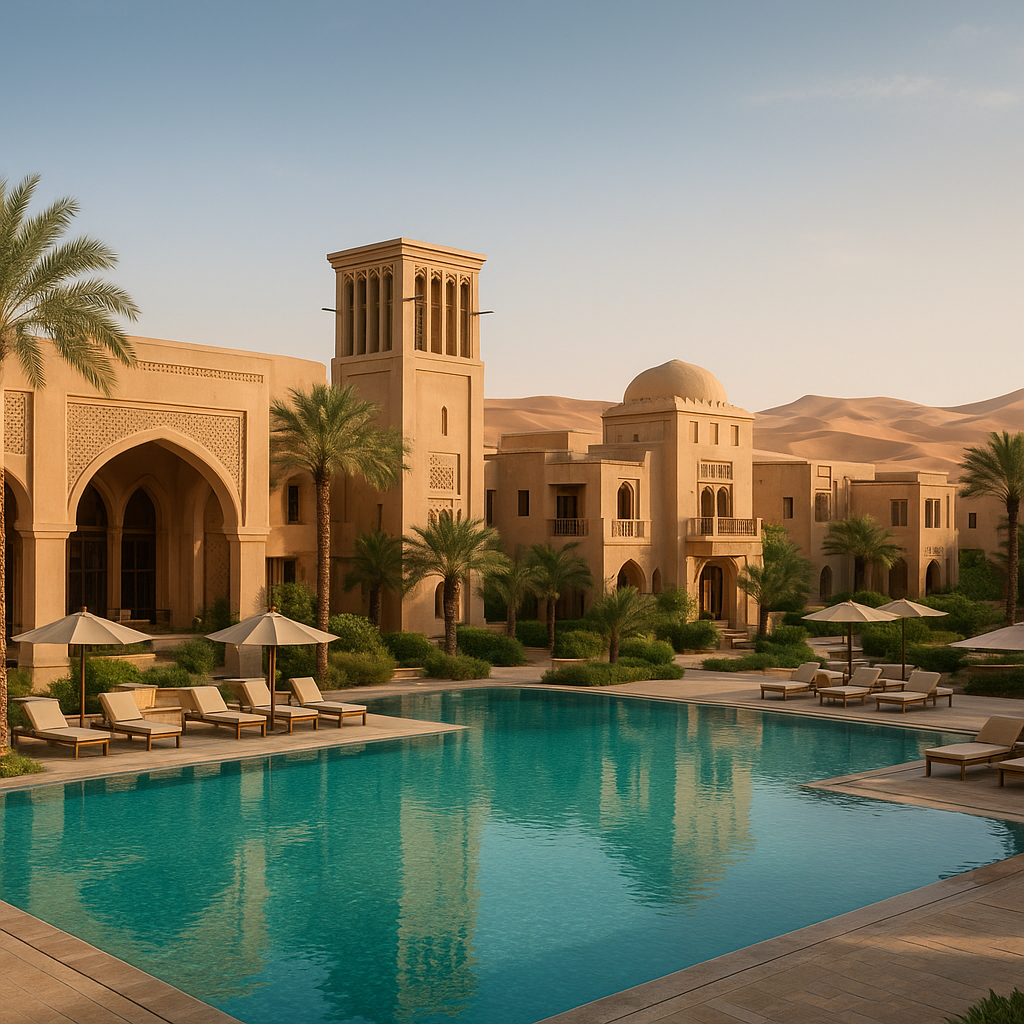
Long before the rise of gleaming skyscrapers, Dubai’s architecture evolved out of necessity. Early settlers and Bedouin tribes fashioned homes using locally available materials such as palm fronds, mud, and gypsum. One of the most enduring elements from this era is the wind tower (barjeel), a passive cooling system that captures and channels breezes into interiors, reducing reliance on artificial air conditioning. Modern architects in Dubai frequently draw inspiration from this ancient technique, integrating operable wind scoops or perforated façades that mimic the functional elegance of their predecessors.
Coral and Stone: Materials of the Past
The traditional use of coral stone harvested from the Gulf’s shores gave buildings a distinctive texture and color, grounding them in their environment. While contemporary structures rely on steel and glass, designers often reference this earthy palette through the choice of cladding materials or decorative craftsmanship. For instance, the restored Al Fahidi Historical Neighbourhood showcases coral walls and wooden beams alongside newer structures that echo these textures in their façade patterns.
Modern Masterpieces: Blending Past and Present
Iconic Skyline and Cultural Symbolism
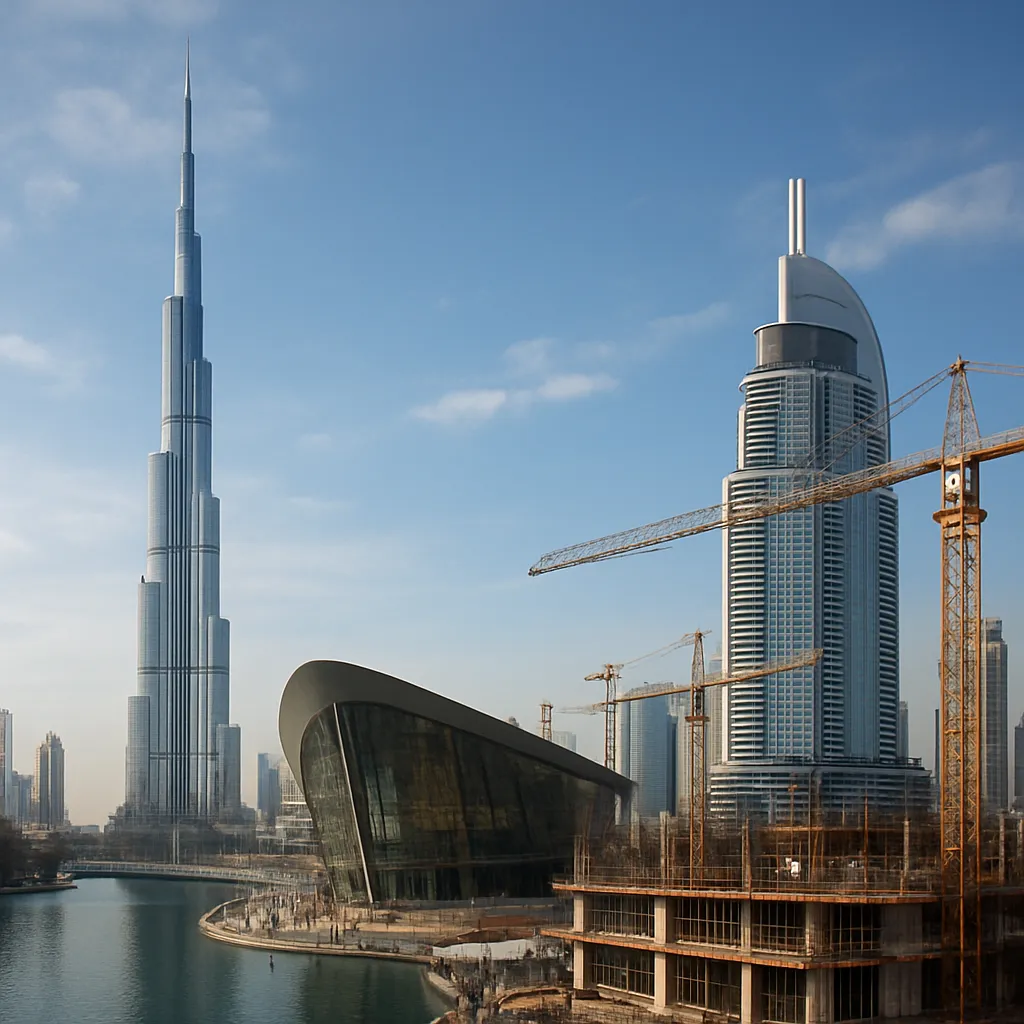
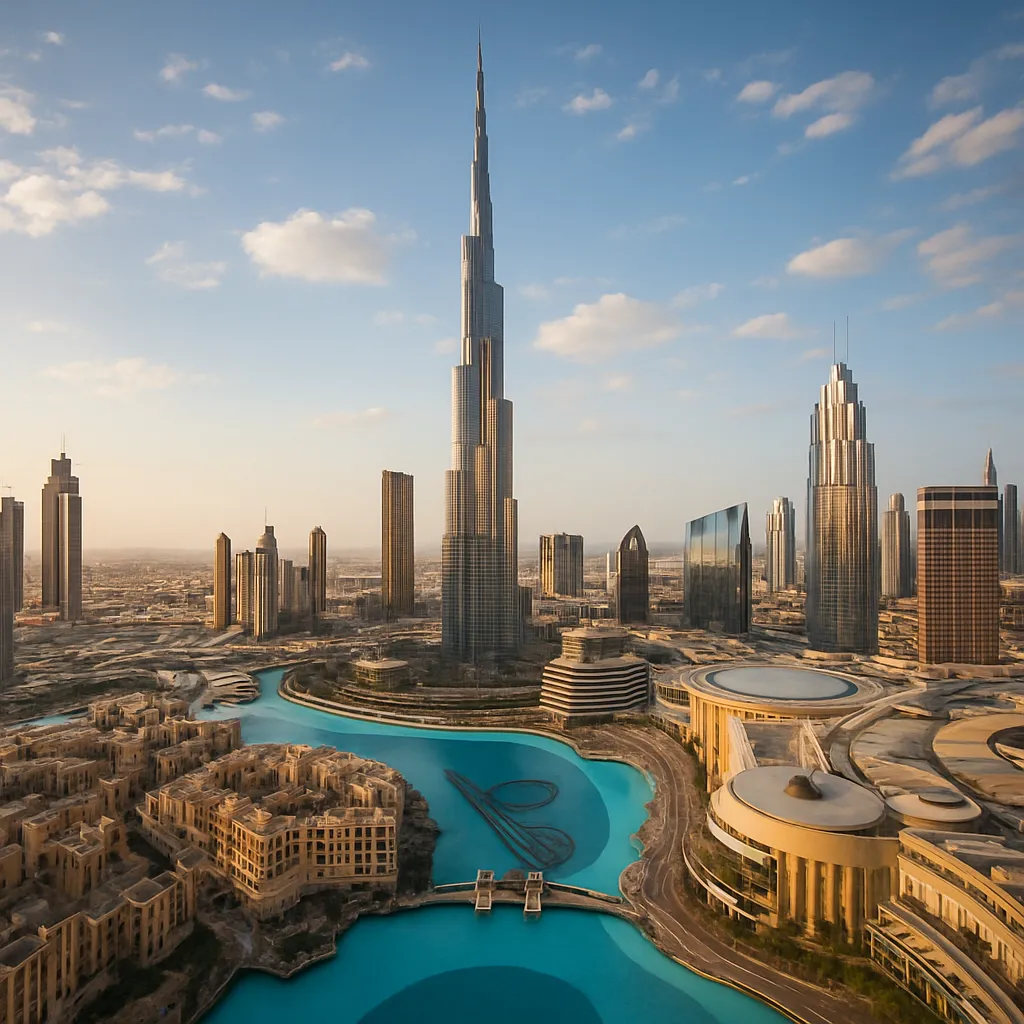
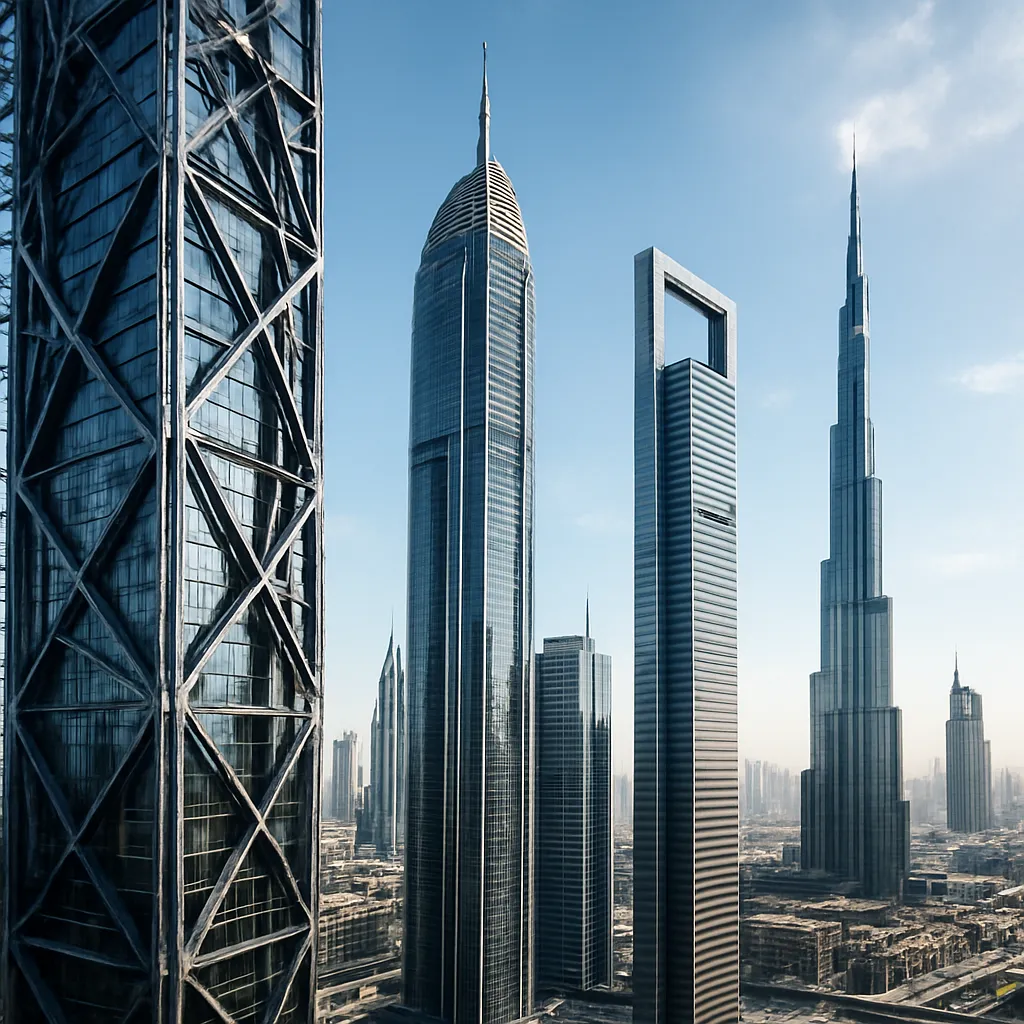
Dubai’s skyline is synonymous with ambition, featuring landmarks like the Burj Khalifa, Burj Al Arab, and the twisting Cayan Tower. Yet, beyond their record-breaking heights and futuristic silhouettes, these edifices often incorporate cultural motifs. The Burj Al Arab’s sail-like form pays homage to the region’s maritime heritage, while the patterning on its interior columns draws from Islamic geometric art. Such gestures ensure that each building resonates with the city’s **cultural** narrative.
Opera, Museums, and Public Spaces
The Dubai Opera, shaped like a traditional dhow boat, stands as a beacon of both form and function. Its exterior curves are reminiscent of the wooden vessels that once dotted the creek, symbolizing the city’s transformation from a humble trading port to a global hub. Similarly, the recently opened Museum of the Future integrates calligraphic art on its façade—each Arabic phrase elevates the structure to a living canvas of knowledge and aspiration.
- Identity through form: Modern buildings reference local iconography.
- Integration of art: Murals, mosaics, and installations recall regional craftsmanship.
- Adaptive reuse: Historic structures repurposed as galleries or cafés enrich new developments.
Contemporary Strategies: Sustainability and Tradition
Environmental Adaptation
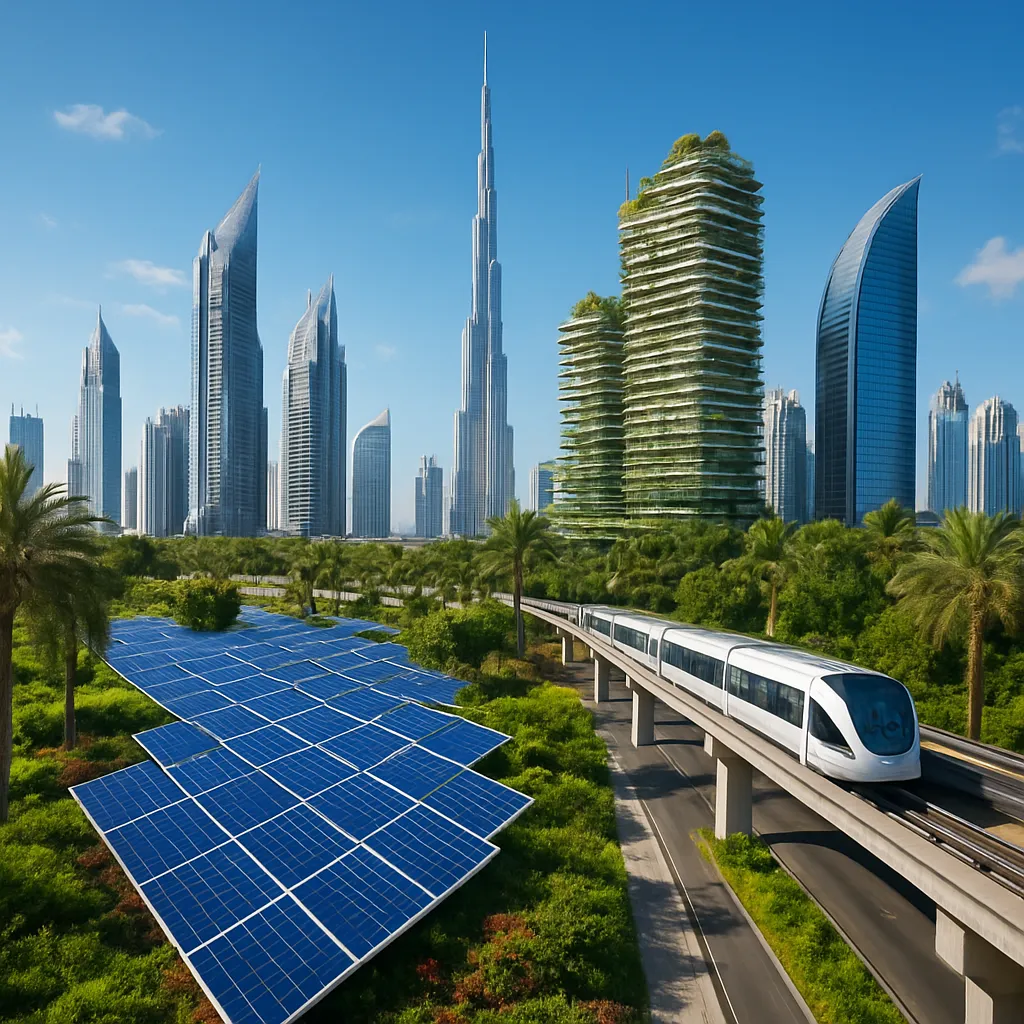
Dubai’s architects are increasingly adopting principles rooted in vernacular design to address environmental challenges. The concept of courtyard houses, which create shaded outdoor spaces, reappears in sustainable residential communities. Green roofs and solar shading devices are often patterned after traditional latticework (mashrabiya), offering both aesthetic beauty and functional heat mitigation.
Community-Centric Planning
Projects such as the Al Seef district and the upcoming District 2020 repurpose historic trade routes and pavilion layouts, fostering a sense of continuity with the past. Pedestrian-friendly walkways, wind-cooled promenades, and intimate plazas evoke the social dynamics of old souks, encouraging interaction and a vibrant street life, much like the gatherings that once defined desert towns.
- Passive design strategies inspired by traditional forms.
- Use of low-emissivity glass and locally sourced stone to reduce carbon footprints.
- Incorporation of water features and shaded arcades from historic caravanserais.
Future Directions: Cultural Continuity in Urban Planning
New Districts with Old-World Charm
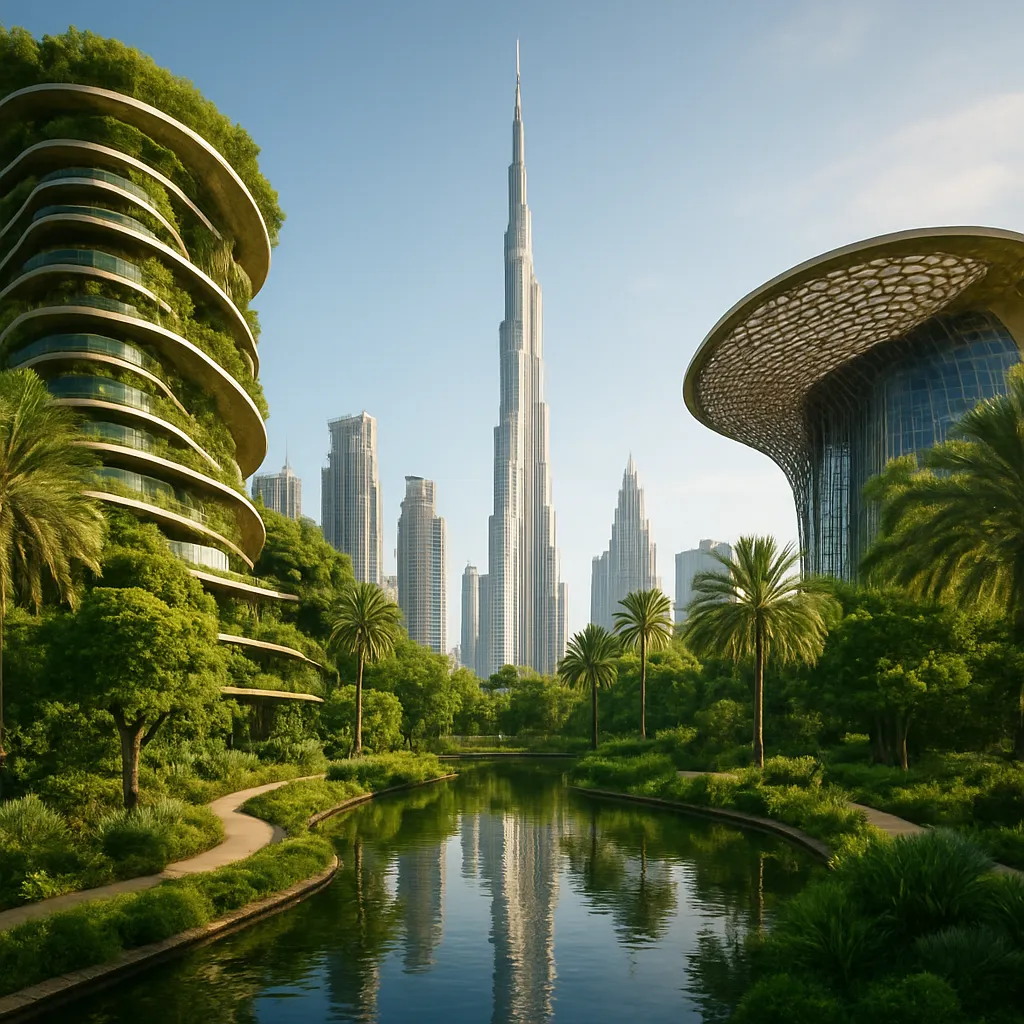
As Dubai expands, master plans increasingly emphasize cultural anchoring. The proposed developments along Dubai Creek include floating gardens, dhow-inspired promenades, and waterfront pavilions decorated with traditional mashrabiya screens. This approach ensures that even the most advanced urban fabric remains tied to its original **identity** and communal rhythms.
Smart Cities and Heritage Preservation
Innovative technologies—such as digital mapping, 3D scanning, and augmented reality—are being employed to document and preserve historical sites. These tools enable architects to incorporate precise details from centuries-old buildings into new constructions, bridging the gap between past and future. Meanwhile, the emphasis on **sustainability** aligns with the eco-friendly ethos of early desert communities.
Looking ahead, Dubai’s architectural narrative will continue to evolve, guided by a deep respect for its cultural roots and an unwavering commitment to modern **innovation**. By harnessing the lessons of traditional design—its passive cooling techniques, locally sourced materials, and communal spatial arrangements—the city reaffirms its role as a global pioneer that never loses sight of its storied past.