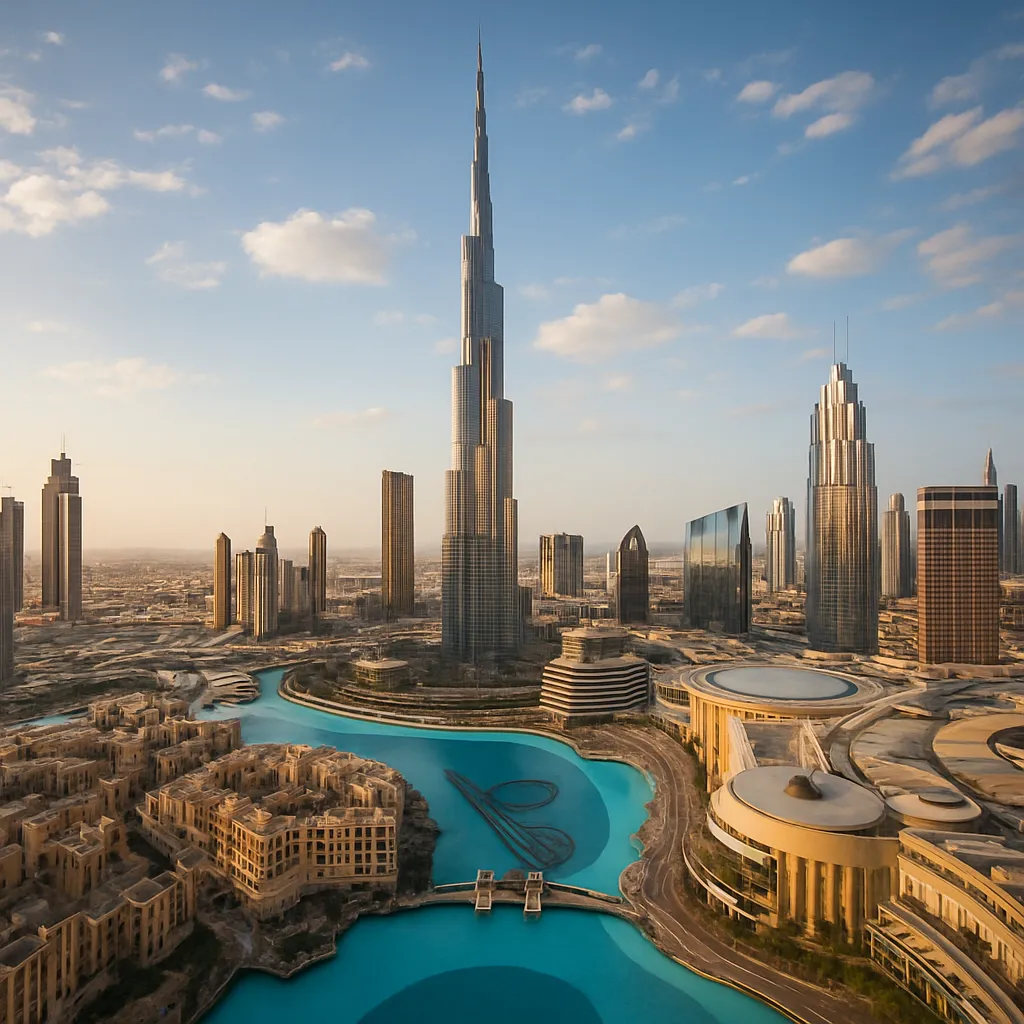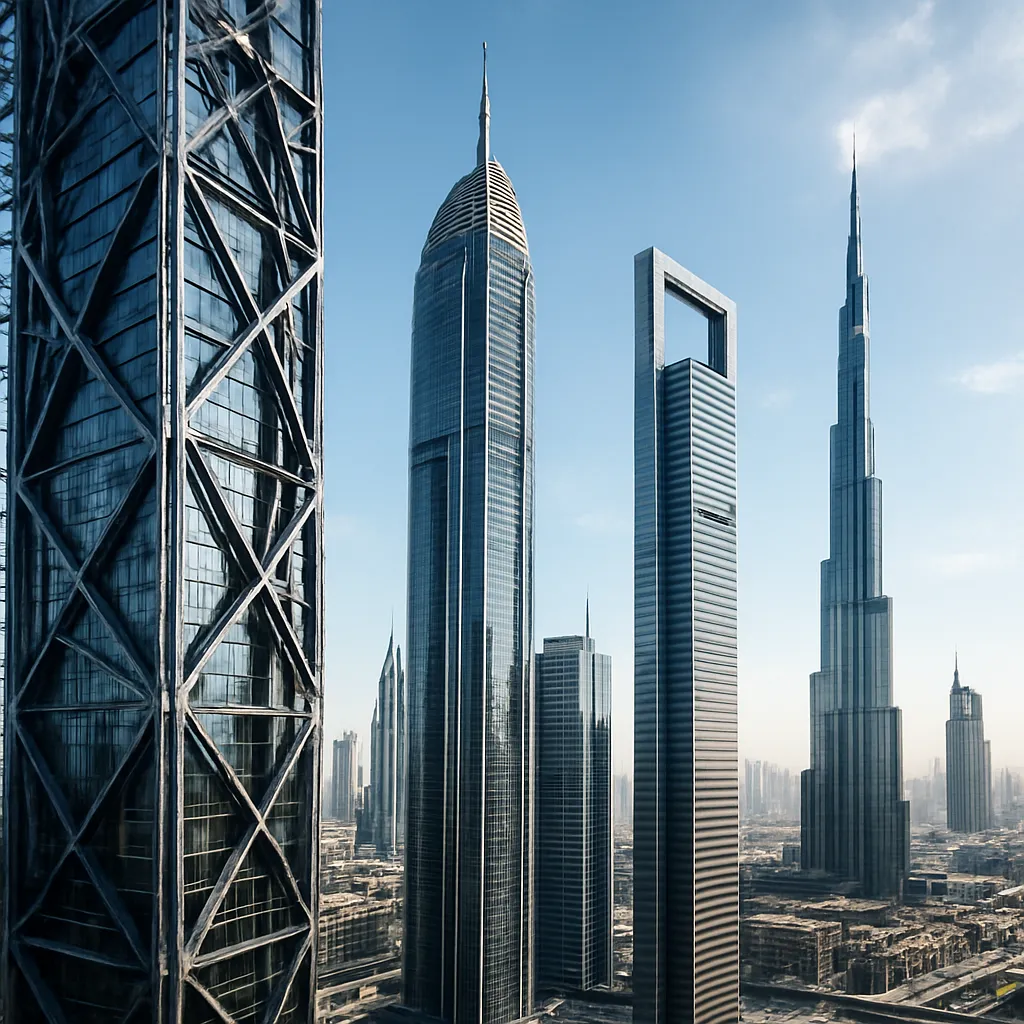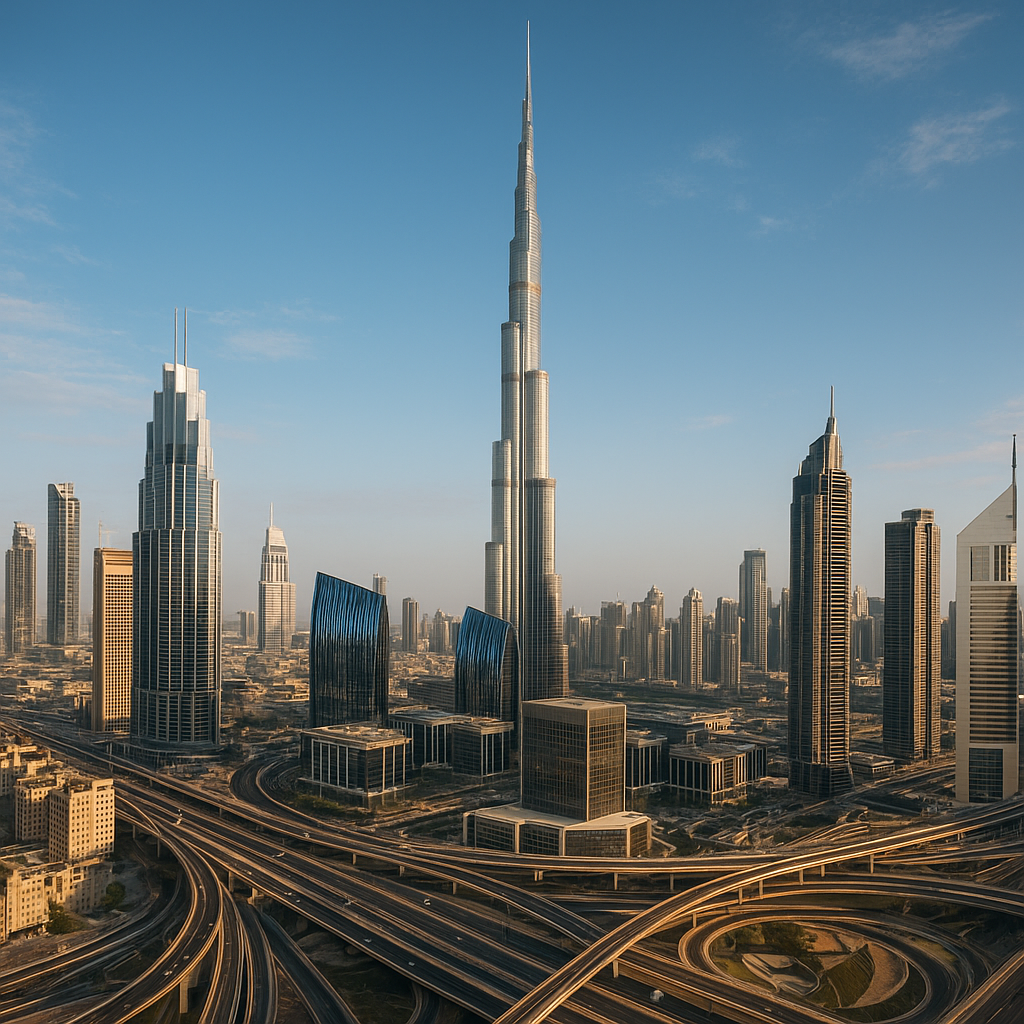
Dubai’s skyline is an architectural marvel where soaring skyscrapers and intricate traditional motifs coexist in a dynamic urban tapestry. Architects in this rapidly evolving city are striving to create designs that seamlessly blend the region’s rich cultural heritage with forward-looking innovation. This article explores how Dubai’s leading designers integrate traditional Arabic patterns into contemporary structures, celebrating both the past and the future of Middle Eastern architecture.
Heritage and Identity in Contemporary Dubai
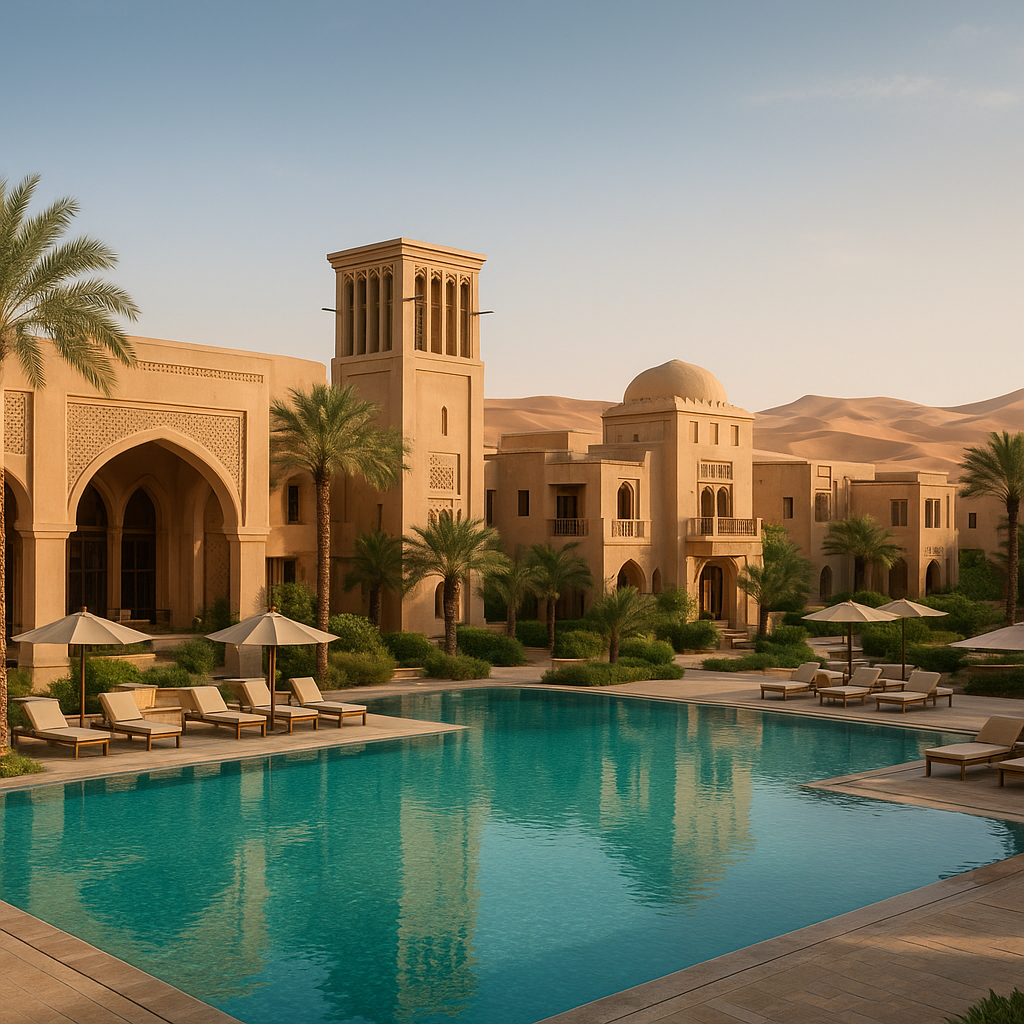
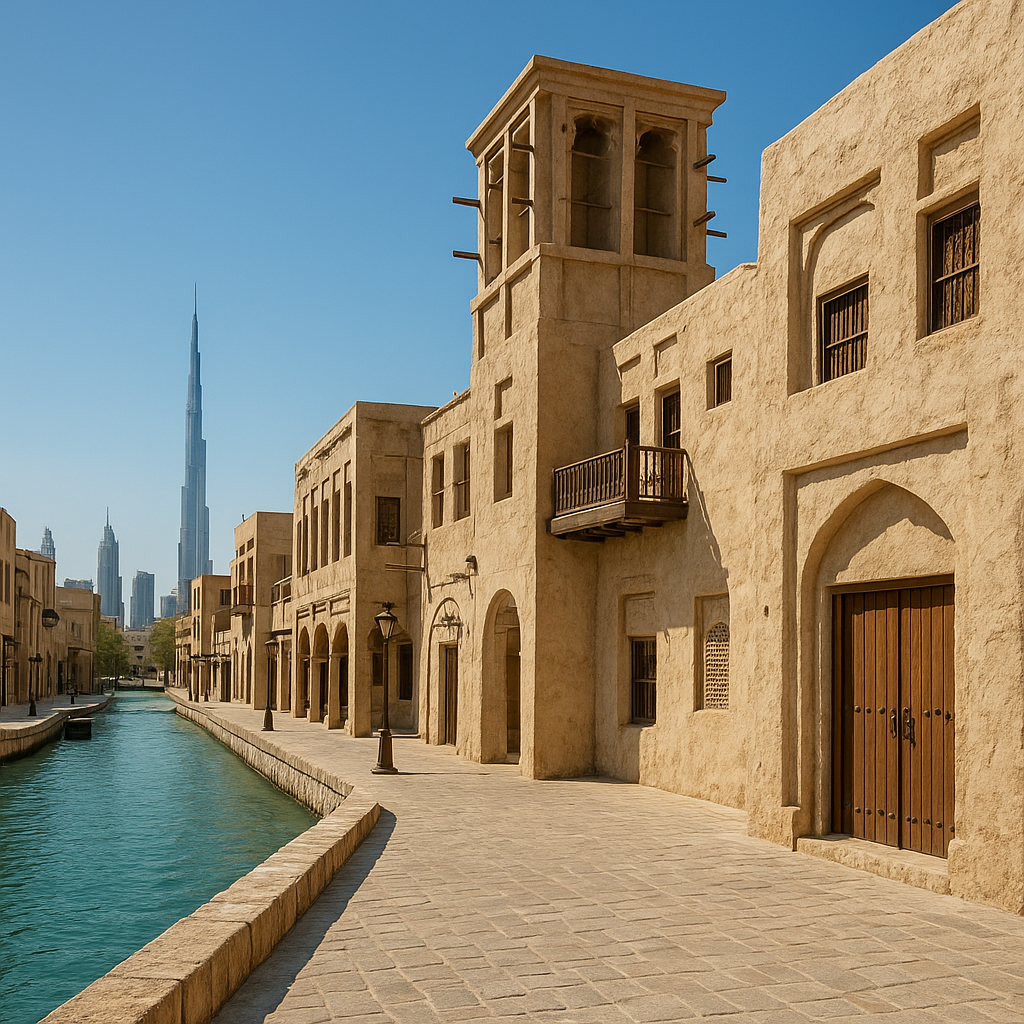
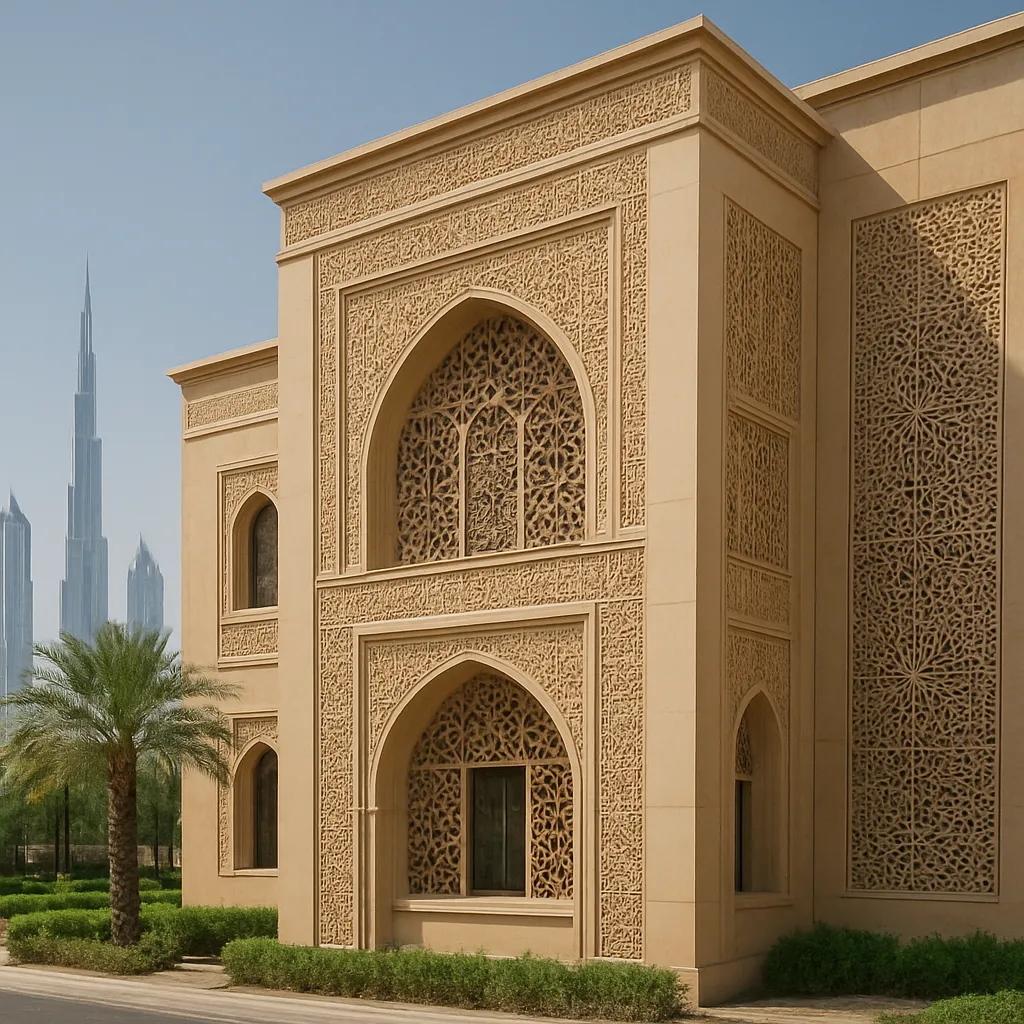
At the heart of Dubai’s architectural ambition lies a deep-rooted commitment to preserving cultural identity. From the gold-leaf embellishments of the historic Al Fahidi district to the wind towers of Bastakiya, traditional Arabic elements symbolize the region’s rich past. Modern architects draw inspiration from these venerable landmarks, infusing projects with decorative motifs that speak to the collective memory of local communities. Rather than replicating heritage buildings, designers deconstruct specific elements—such as the mashrabiya lattice or the arabesque floral patterns—and reinterpret them through cutting-edge materials and methods.
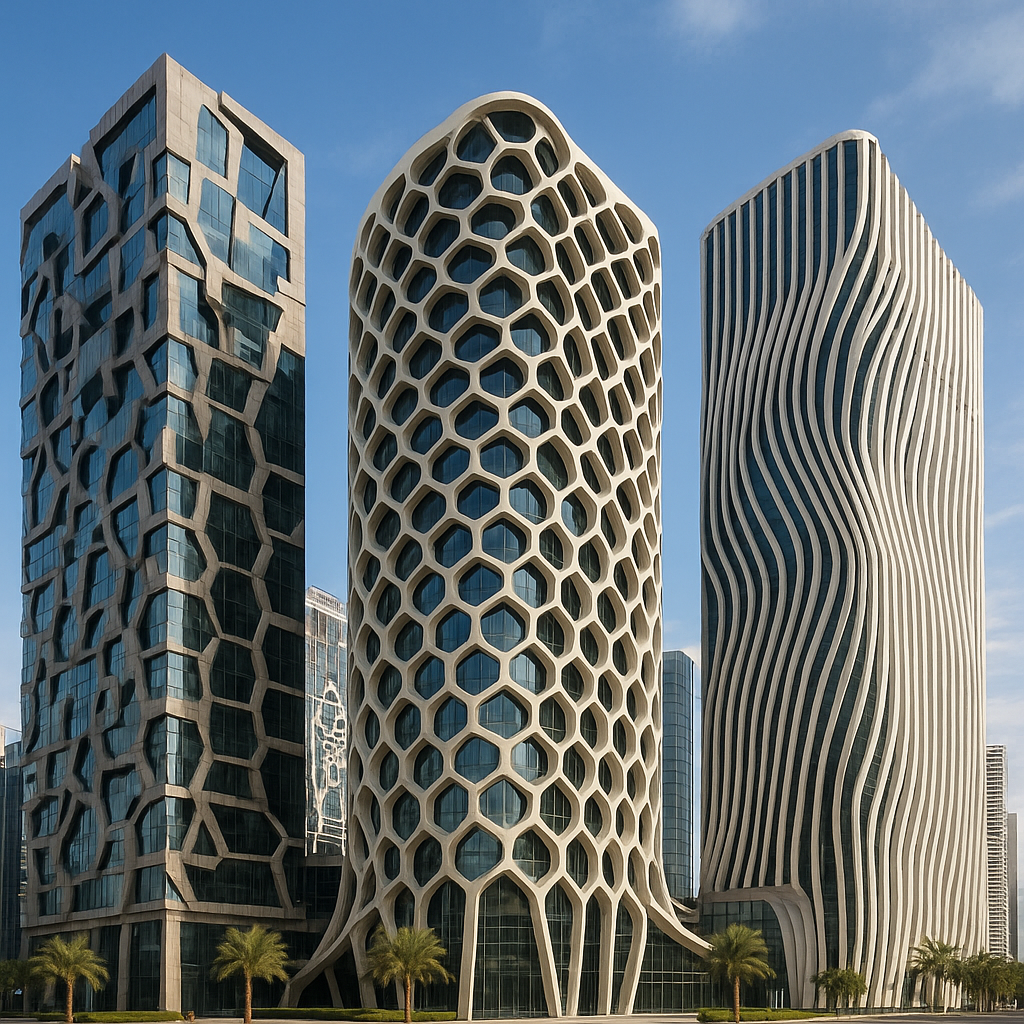
- Mashrabiya Reinvented: These perforated screens once provided shade and privacy. Today, they appear in facades engineered from lightweight aluminum panels, offering both sustainability and energy savings by reducing solar gain.
- Arabesque Inspiration: Intricate, repeating floral and geometric motifs find new life as laser-cut stone cladding on luxurious office towers, adding depth and texture to glass-shrouded surfaces.
- Traditional Craftsmanship: Local artisans collaborate with global firms to ensure that every geometric pattern incorporated into public plazas or cultural centers retains a sense of authenticity, celebrating centuries-old techniques such as stone carving and plaster relief work.
Geometric Patterns and Modern Techniques
Arabic geometry is renowned for its mathematical precision and aesthetic complexity. Architects in Dubai harness this craftsmanship by translating centuries-old designs into parametric models and digital renderings. Cutting-edge software allows for the accurate reproduction of hundreds of interlacing stars, polygonal rosettes, and tessellations, which can then be scaled, repeated, and adapted to fit any surface.
One prominent example is the façade of a luxury hotel on Sheikh Zayed Road, where dynamic shading fins cast patterned shadows onto the interior. By employing parametric design tools, the team optimized the orientation, size, and spacing of each element, striking a delicate balance between visual impact and structural efficiency. The result is a building that appears to shift and shimmer throughout the day as the sun moves across the sky, its aesthetics deeply rooted in Arab tradition yet fully realized through modern engineering.
- Parametric Modeling: Enables rapid iteration of complex patterns.
- 3D Printing: Produces custom components with minimal waste.
- Aluminum Composite Panels: Offer durability while preserving fine detail.
Sustainable Innovations Through Arabic Motifs
Dubai’s architects are increasingly prioritizing sustainability, embedding passive climate control strategies derived from traditional Arabic architecture. For centuries, the desert’s harsh environment inspired local builders to develop vernacular solutions—wind towers, thick walls, courtyards, and mashrabiya screens—that mitigated heat and maximized airflow. Today, these concepts are reimagined in eco-friendly towers that rely less on mechanical cooling.
By integrating shaded outdoor corridors lined with ornate latticework, designers create transitional zones that gently cool incoming breezes before they enter occupied spaces. Similarly, green walls and hanging gardens draw upon Islamic garden traditions, softening the concrete and glass surroundings with lush vegetation. Each of these green areas is framed by geometric patterns, reminiscent of historic palace gardens that once symbolized paradise on earth.
- Passive Cooling: Lattice screens reduce solar gain by up to 40%.
- Evaporative Cooling: Water features and landscaped courtyards lower ambient temperatures naturally.
- Renewable Energy: Patterned photovoltaic panels echo Arabic motifs while generating clean power.
Blending Technology with Tradition
As smart buildings become the norm, Arabic patterns are no longer mere ornamentation—they serve functional roles within intelligent façades. Embedded sensors track sunlight, wind, and temperature, dynamically adjusting the angle of mashrabiya-inspired louvers to optimize comfort and energy use. This innovation represents the ultimate fusion of ancient wisdom and modern technology.
Another breakthrough involves the use of augmented reality (AR) tools on construction sites. Artisans and engineers wear AR headsets that overlay pattern schematics directly onto building surfaces, ensuring the precise placement of each motif. This reduces waste and labor costs while maintaining the intricate detail essential to the authenticity of Arabic design.
Future Trends: Cultural Dialogue and Global Impact
Looking ahead, Dubai’s architectural community aims to foster a global dialogue by exporting these hybrid design principles internationally. Cultural pavilions, museums, and academic centers are emerging in Europe, Asia, and the Americas, showcasing how traditional Arabic geometry can enrich a variety of climates and contexts.
Collaborations between Emirati firms and world-renowned architects have yielded projects that reference local heritage without losing sight of global trends. By sharing best practices in parametric detailing, sustainable design, and digital fabrication, Dubai positions itself as a nexus of innovation and cultural exchange. The result is a new architectural language—one that honors ancient patterns while embracing the challenges of the 21st century.