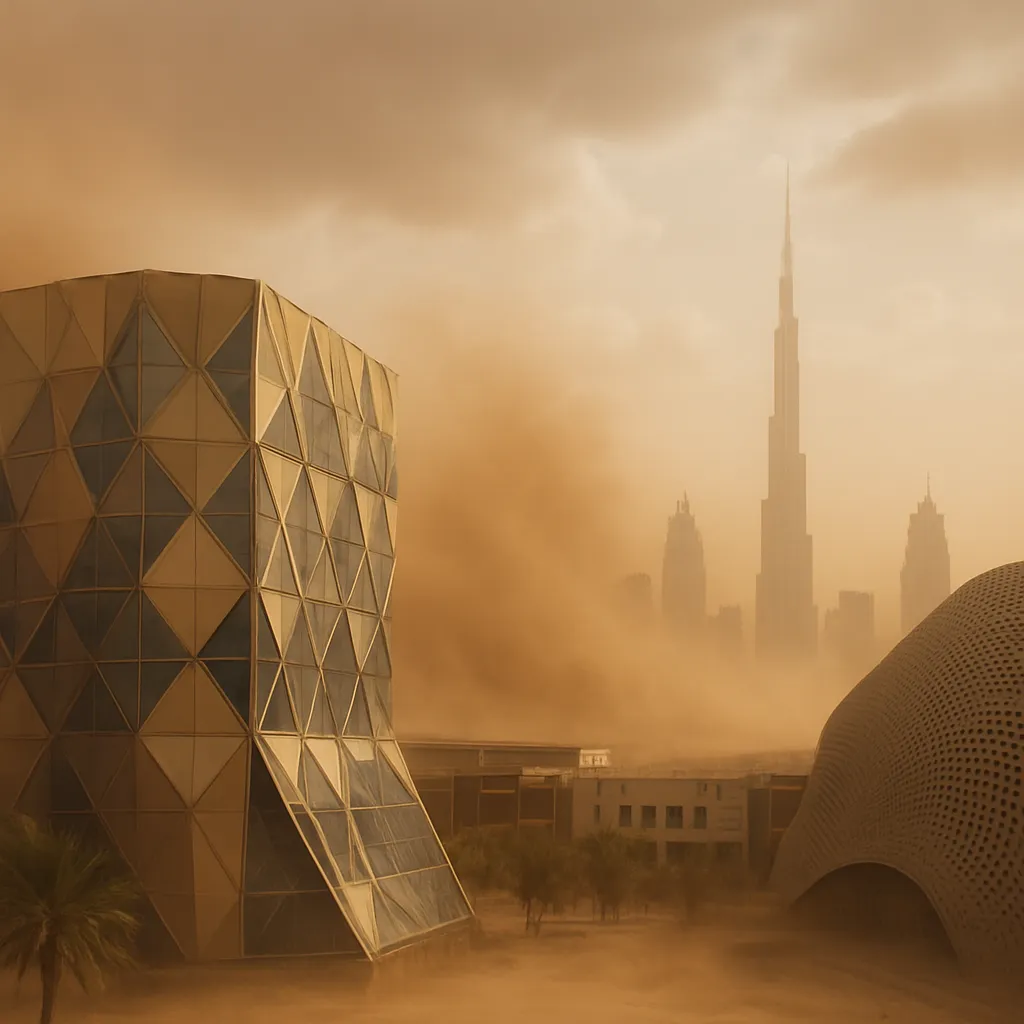
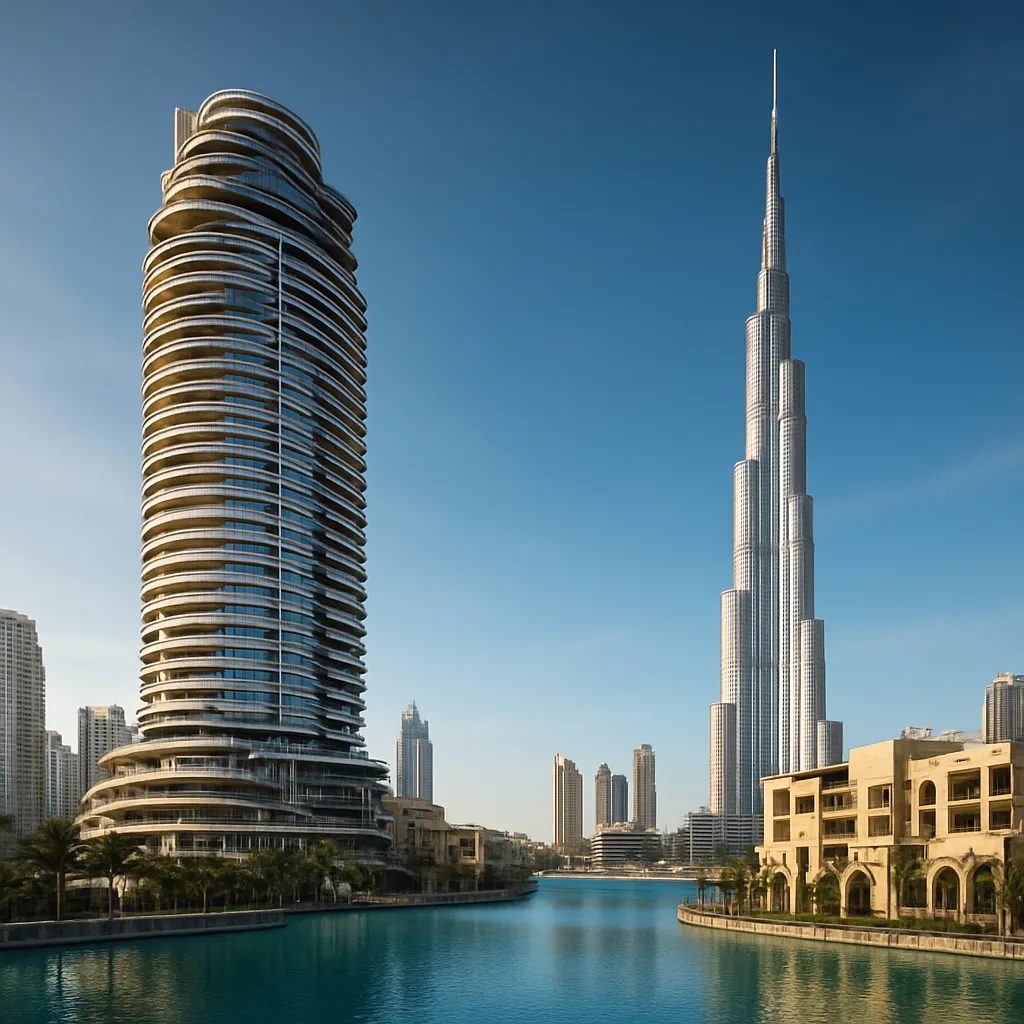
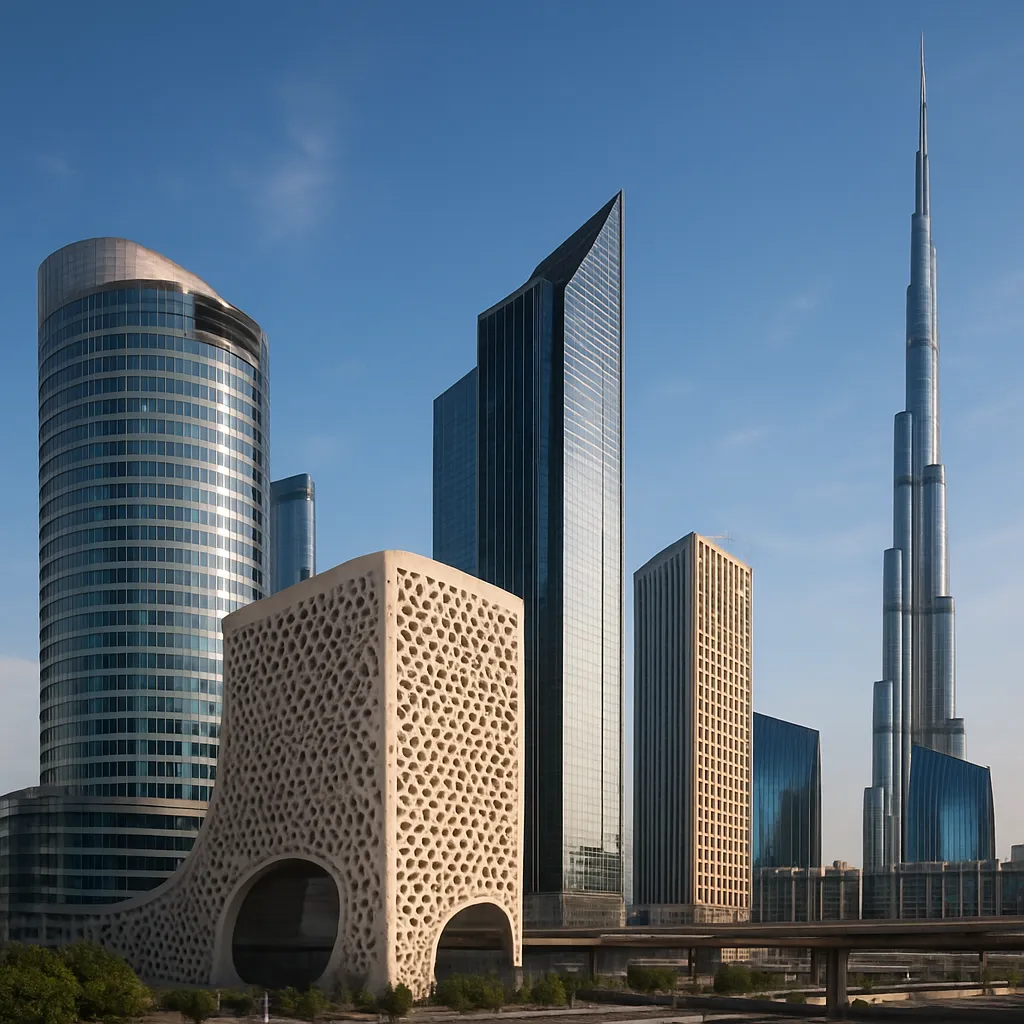
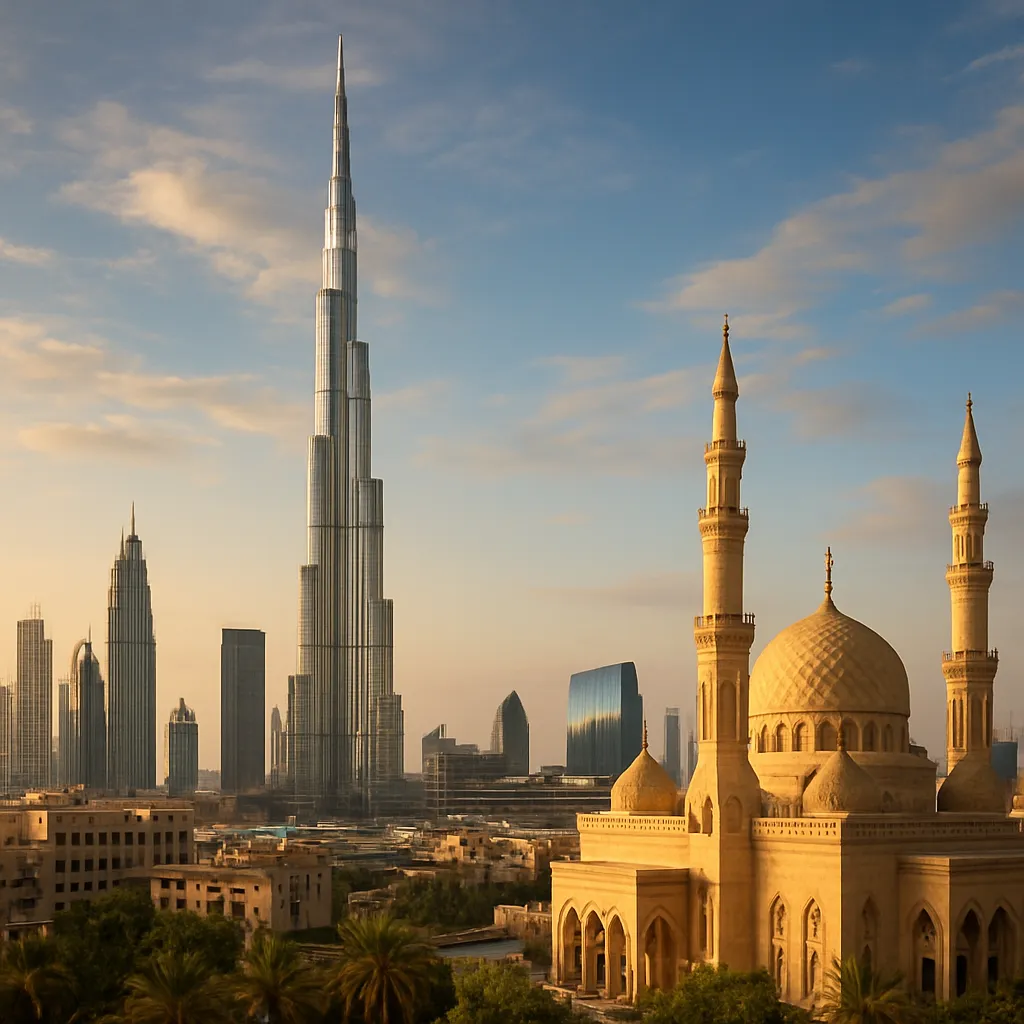
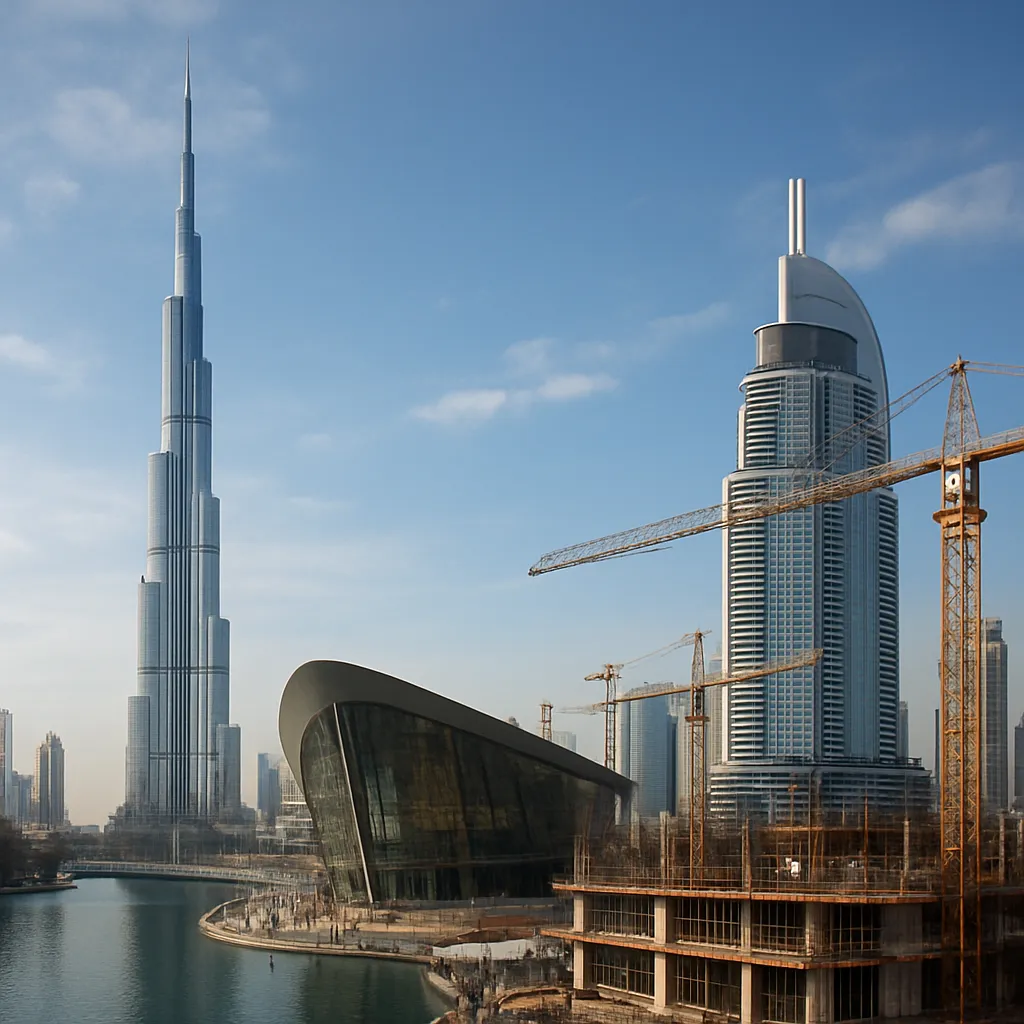
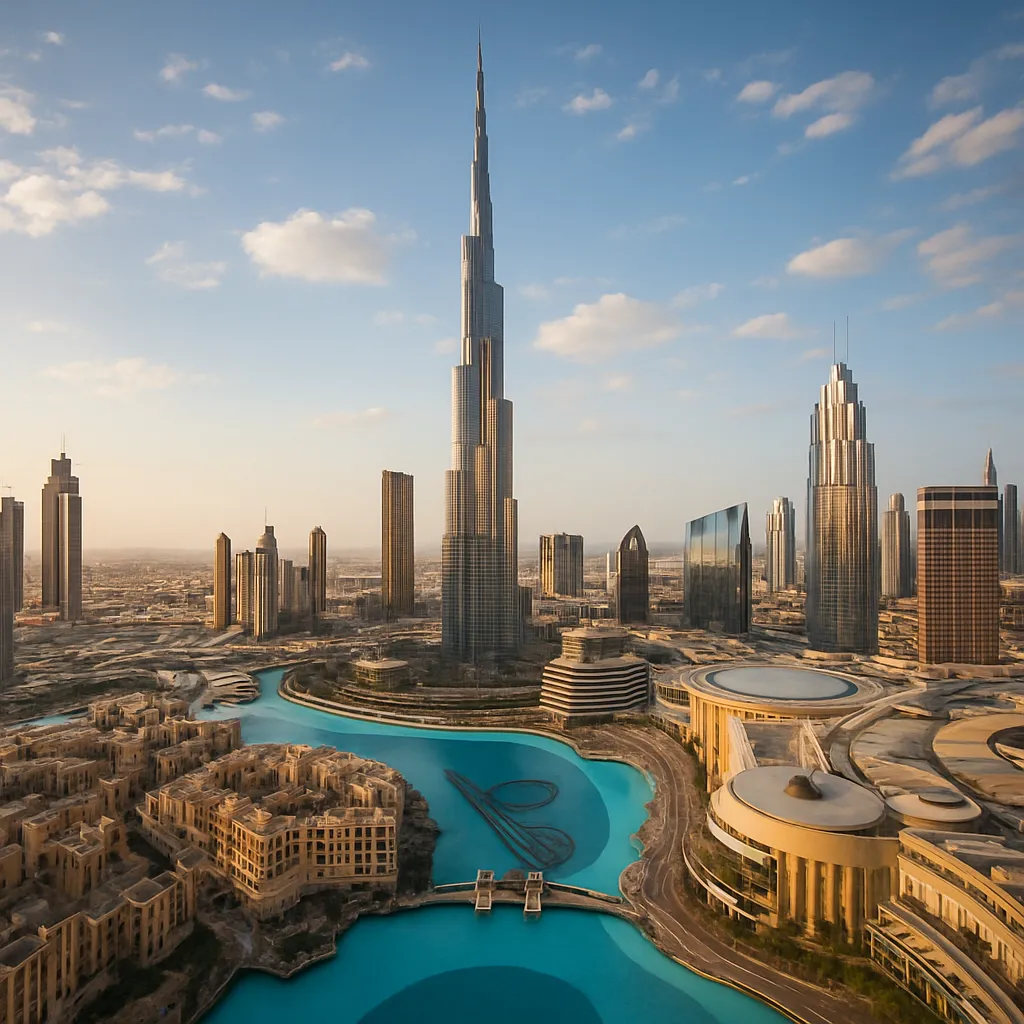
Dubai’s skyline stands as a testament to human ambition and architectural prowess. From the soaring spire of the Burj Khalifa to the sail-shaped profile of the Burj Al Arab, every structure embodies a fusion of luxury and forward-thinking design. As global attention pivots towards ecological responsibility, Dubai has responded by weaving sustainability into its construction narrative. The city’s commitment to preserving its desert environment, while delivering world-class projects, reflects a sophisticated approach to balancing extravagance with environmental stewardship. This article explores the multifaceted strategies, landmark initiatives, and regulatory frameworks that define how Dubai harmonizes innovation and ecological care in its built environment.
Advanced Materials and Construction Technologies
One of Dubai’s most striking features is its rapid adoption of cutting-edge construction techniques. Developers and engineers prioritize materials that offer both aesthetic appeal and durability under harsh desert conditions. The use of high-performance concrete mixed with recycled aggregates reduces reliance on virgin resources, while specialized glass façades incorporate coatings that reflect solar heat, minimizing interior cooling demands. These façades, often referred to as curtain walls, enable natural light penetration without the associated thermal load.
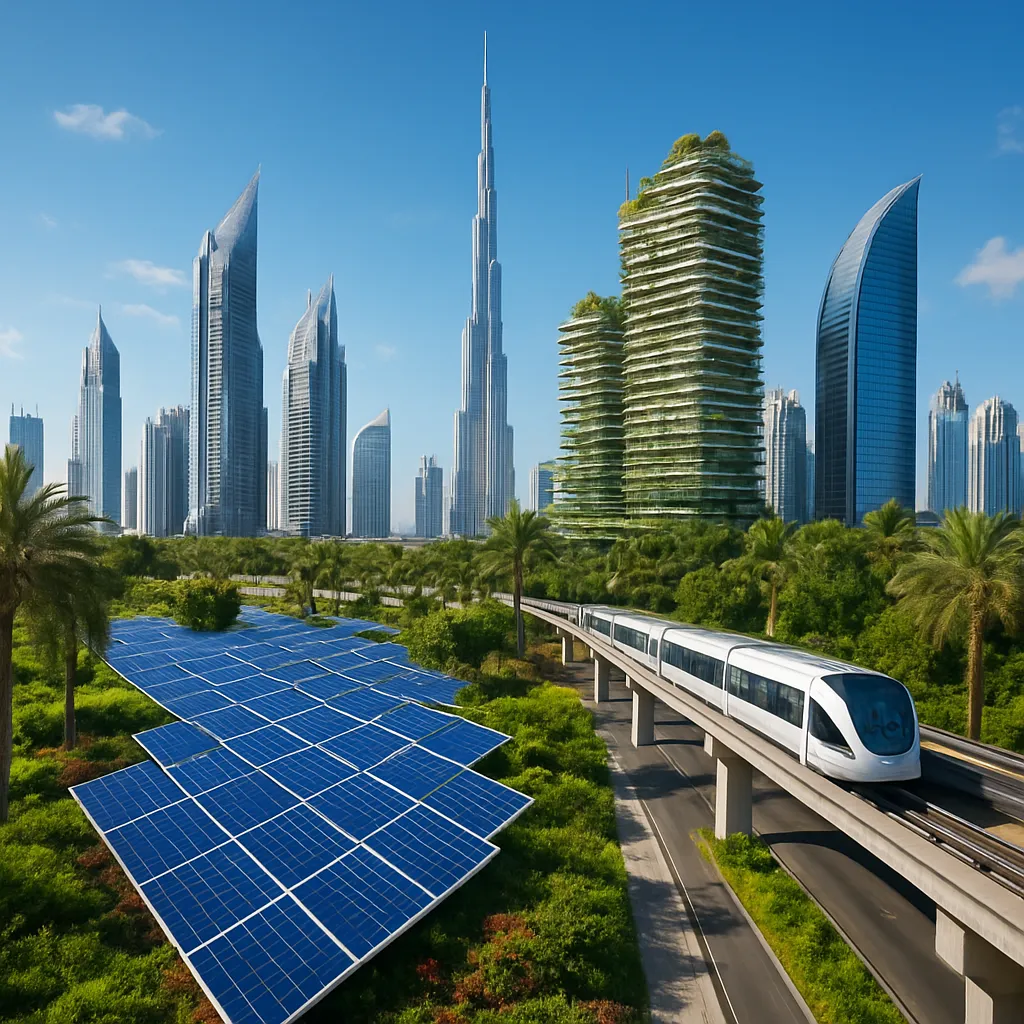
Additionally, renewable energy sources are increasingly integrated at the material and system levels. Solar panels are embedded in building exteriors, transforming facades into power-generating surfaces. Innovative photovoltaic glass replaces conventional windows, allowing daylight to filter through while harvesting sunlight for on-site electricity production. This dual function supports Dubai’s broader goal of sourcing a substantial portion of its energy from clean technologies.
Prefabrication and Modular Construction
- Prefabricated structural components reduce on-site waste and accelerate project timelines.
- Modular bathroom and kitchen pods are assembled off-site, ensuring consistent quality control.
- Lightweight steel frames and composite panels offer improved seismic performance and ease of installation.
These approaches not only streamline labor and cost but also enhance safety by minimizing extended exposure to extreme temperatures for construction workers. The reduction in heavy machinery operation and on-site material handling further cuts down on carbon footprint emissions.
Landmark Sustainable Projects
Dubai has commissioned several high-profile developments that showcase the city’s commitment to green certification. Notable among these is the Dubai Sustainable City, a mixed-use community designed to operate as a near-zero-energy district. Solar fields supply electricity, while greywater treatment facilities recycle wastewater for irrigation. The urban layout emphasizes pedestrian pathways, cycling tracks, and shared public spaces surrounded by native landscaping.
Another standout is the Museum of the Future, where the architectural form itself serves as a statement on progress. Behind its intricate stainless-steel façade lies an infrastructure optimized for passive heating and cooling. Specified HVAC systems leverage district cooling networks that centralize refrigeration plants, delivering chilled water to multiple buildings. This collective approach reduces energy consumption by up to 45% compared to individual cooling units.
Mixed-Use Developments with Eco-Priorities
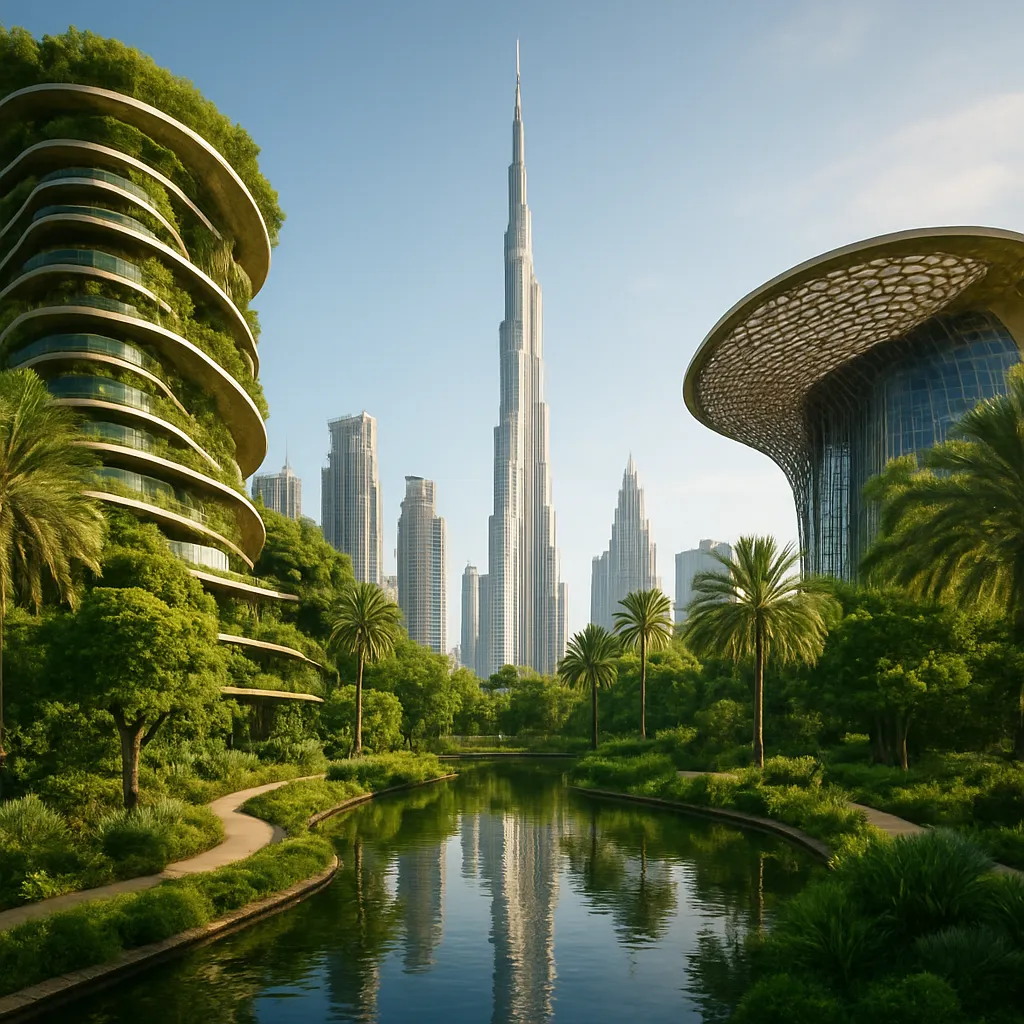
- One Central Park integrates hanging gardens to improve air quality and provide natural insulation.
- Bluewaters Island uses seawater source cooling, extracting chilled water from the Arabian Gulf.
- Aljada in Sharjah, though outside Dubai proper, serves as a regional blueprint for sustainable urban planning with smart mobility solutions.
Each of these projects reflects a holistic mindset: luxury need not be sacrificed for environmental responsibility. Instead, they illustrate how high-end design and eco-friendly features can coexist, delivering both market appeal and resource efficiency.
Regulatory Initiatives and Urban Policies
Dubai’s regulatory environment plays a crucial role in steering the construction sector toward sustainable outcomes. The Dubai Municipality mandates energy performance standards under the Green Building Regulations and Specifications (GBRS). These guidelines require new buildings to meet minimum efficiency thresholds, with incentives provided for projects that achieve LEED or Estidama (Pearl Rating) certifications. As of recent years, over 1,000 buildings in Dubai have obtained some form of green accreditation, underscoring the city’s serious commitment.
In parallel, the Dubai Electricity and Water Authority (DEWA) has launched initiatives like the Shams Dubai program, which encourages building owners to install rooftop solar systems. Participants can offset their consumption by feeding surplus power into the grid, effectively turning each building into a mini power station. This net-metering scheme not only fosters public engagement but also accelerates the decentralization of energy production.
Urban Planning and Zoning for Sustainability
- Zoning regulations now prioritize mixed-use clusters to reduce commute distances and vehicular emissions.
- Mandatory green buffer zones and urban forests combat heat island effects.
- Public transport corridors and metro expansion align with high-density development nodes.
Moreover, waste management protocols enforce rigorous segregation and recycling targets on construction sites. Contractors must submit Environmental Impact Assessments (EIAs) before groundbreaking, detailing how they’ll mitigate dust, noise, and water runoff. Non-compliance results in hefty fines, ensuring that environmental considerations are embedded at every stage of a project’s lifecycle.
Emerging Trends: Smart Integration and Future Outlook
Looking ahead, Dubai is doubling down on smart technology to optimize building operations in real time. Internet of Things (IoT) sensors monitor air quality, occupancy levels, and energy use, feeding data into centralized Building Management Systems (BMS). AI-driven analytics adjust lighting, ventilation, and temperature settings dynamically, enhancing both comfort and efficiency. These systems also predict maintenance needs, preventing equipment failures and extending asset lifespans.
Meanwhile, researchers at local universities are exploring advanced passive design strategies such as wind towers and thermal chimneys adapted for modern high-rises. By harnessing prevailing breezes and natural convection, these features can further reduce reliance on mechanical cooling. Experimental façade coatings inspired by desert flora aim to reflect infrared radiation, offering a new frontier in heat management.
As Dubai prepares to host future global events and welcomes an ever-growing population, the synergy of renewable energy, data-driven operations, and stringent regulatory oversight will be pivotal. The city’s ambition extends beyond its borders, with knowledge transfer programs aiding neighboring regions in adopting similar practices. Through continuous innovation and strategic foresight, Dubai is charting a path where luxury and environmental integrity advance in tandem, setting a benchmark for urban development worldwide.