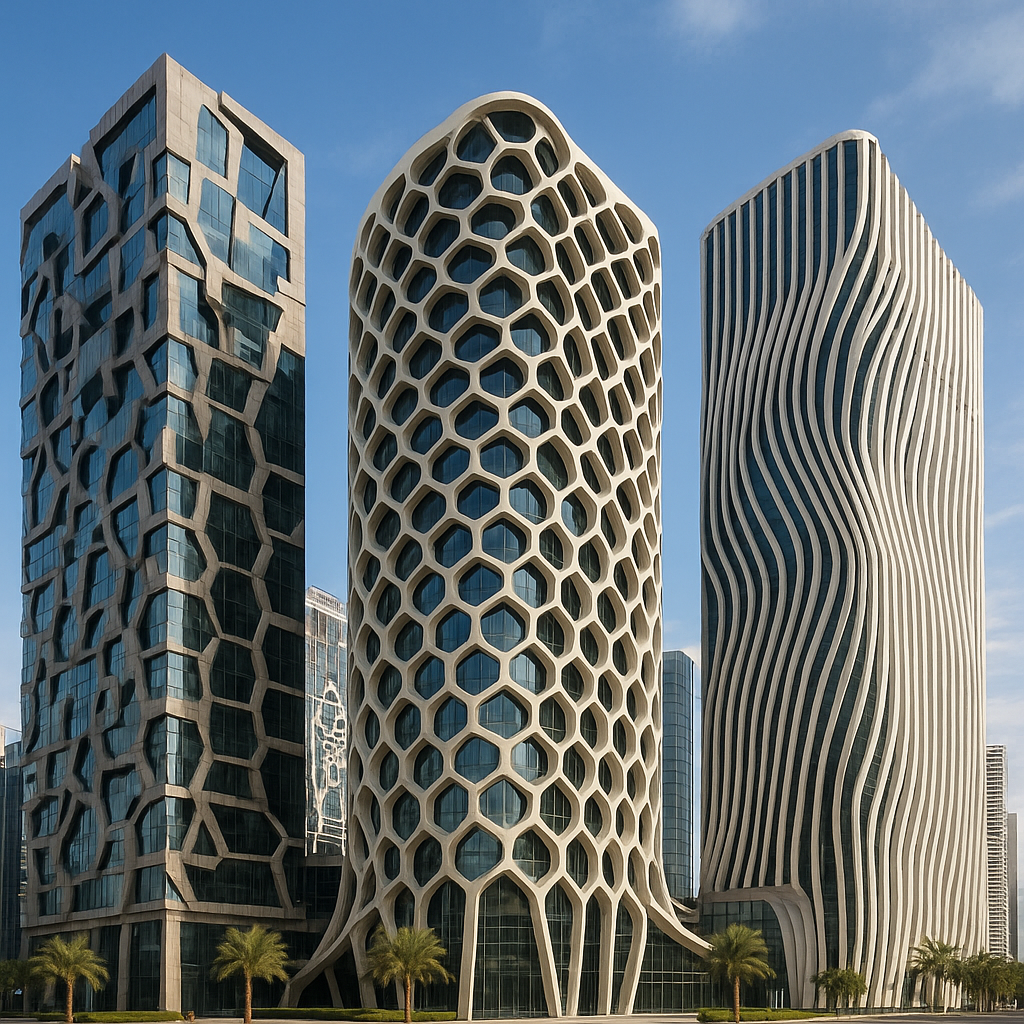
Dubai’s ascent as a world-renowned center for state-of-the-art buildings stems from a blend of strategic vision, cutting-edge architecture firms, and a relentless pursuit of excellence. From the earliest plans for a desert metropolis to the bustling cityscape today, every structure tells a story of ambition and innovation. The city’s remarkable transformation has been propelled by global design competitions, ambitious partnerships, and a commitment to redefine urban living.
Early Aspirations and Visionary Leadership
Long before the towering glass facades became synonymous with Dubai, leaders envisioned a city that would rival established metropolises. This aspiration was fueled by a desire to diversify beyond oil wealth, forging a legacy anchored in creativity and bold urban planning. In the late 1990s, a series of master plans directed by Sheikh Mohammed bin Rashid Al Maktoum laid the groundwork for unparalleled growth. Officials recognized that securing global talent and ideas through competitive design contests could produce signature projects, elevating Dubai’s profile on the world stage.
Key government bodies, such as the Dubai Municipality and the Dubai Development Authority, established frameworks to host international competitions. They invited architects, engineers, and urban planners to propose visionary solutions for waterfront promenades, mixed-use districts, and iconic hotels. This strategy not only promoted healthy collaboration among global design teams but also ensured that each project would benefit from diverse perspectives. By engaging with renowned practices from New York, London, Tokyo, and beyond, Dubai staked its claim as a laboratory for architectural experimentation.
At the heart of these efforts was the belief that purposeful risk-taking could yield transformative outcomes. Rather than follow established trends, Dubai’s leadership encouraged entrants to challenge conventions, integrate emerging technologies, and present sustainable alternatives. This approach laid the foundation for the city’s famously bold skyline, fostering an environment where the extraordinary became the norm. The decision to champion open calls and design juries comprising industry luminaries served to cement Dubai’s reputation as a fertile ground for pioneering innovation.
Iconic Landmarks and Transformative Designs
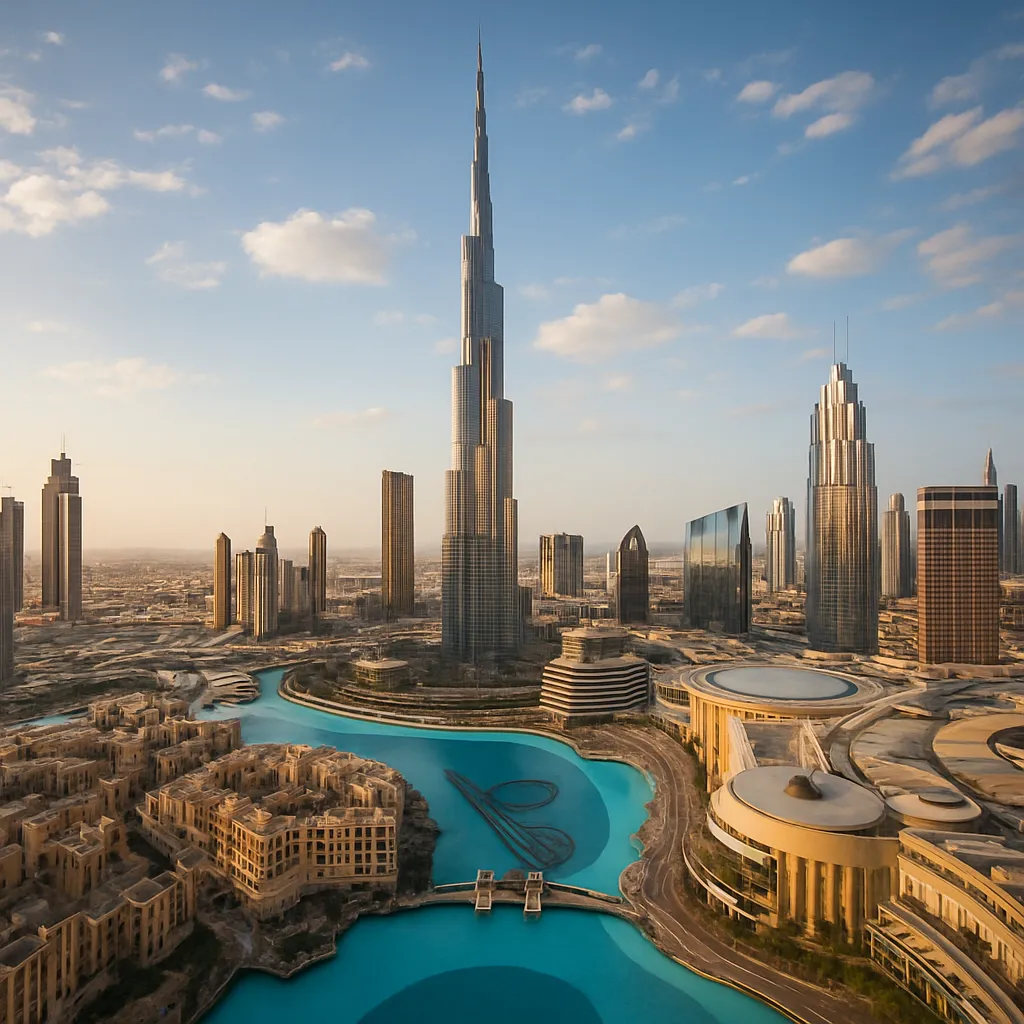
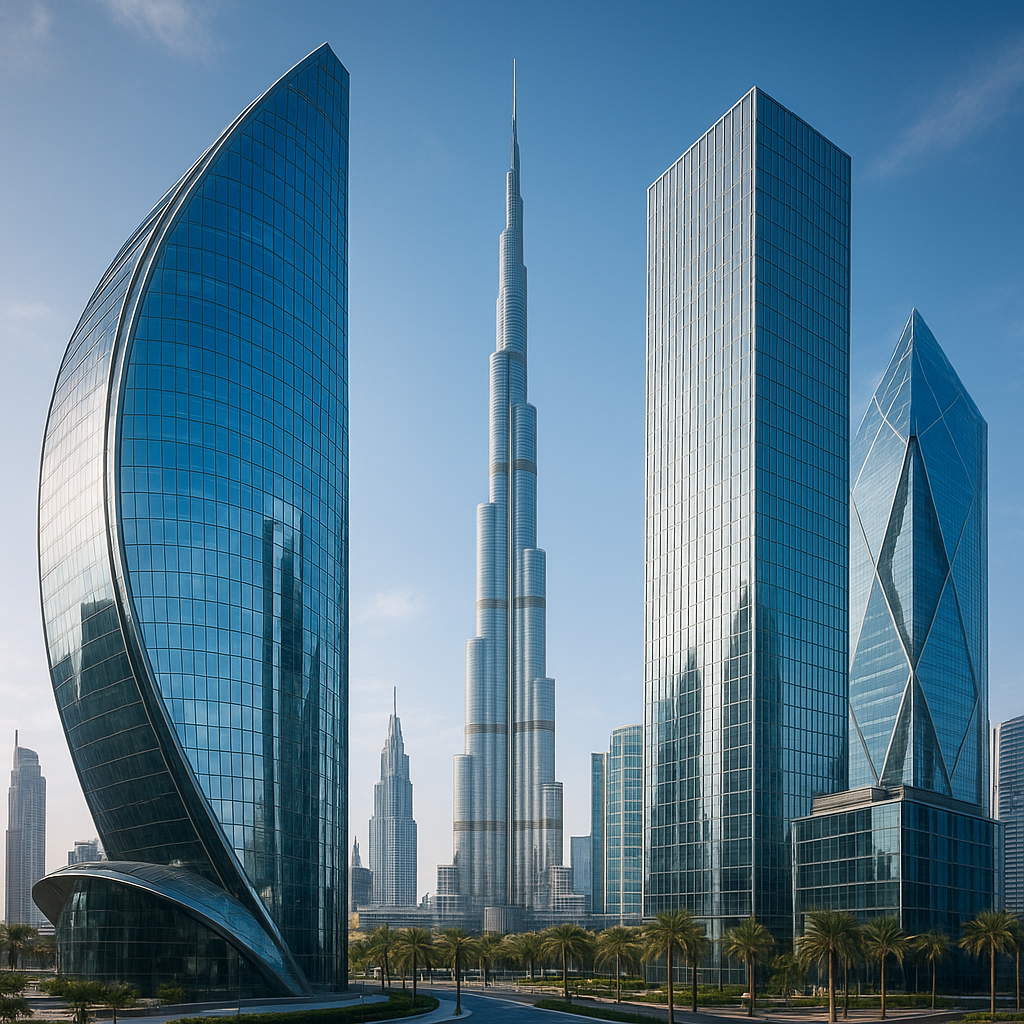
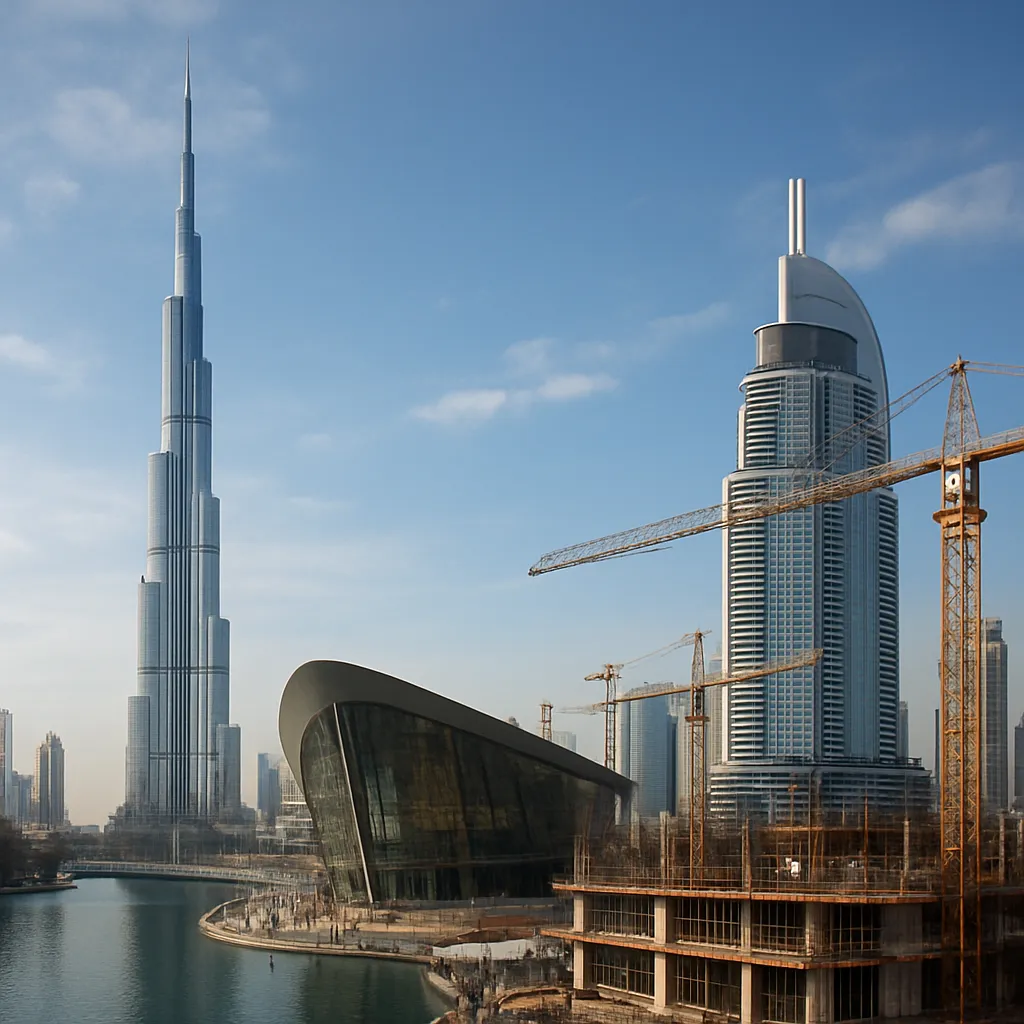
Perhaps no structure encapsulates Dubai’s lofty ambitions more than the Burj Khalifa. Conceived through a rigorous design process, it soared to unprecedented heights, symbolizing human ingenuity. The building’s tapered silhouette and modular construction required novel engineering methods, demonstrating how competition-driven concepts can spawn engineering breakthroughs. Surrounding the tower, the Dubai Fountain and adjacent mixed-use towers emerged from separate design challenges, each curated to complement the vertical colossus.
Beyond the Burj Khalifa, Dubai’s palette of landmark projects includes:
- The Palm Jumeirah, a man-made archipelago shaped like a date palm, designed through collaboration between Dutch consultants and local engineers.
- The Museum of the Future, whose elliptical form and calligraphic façade resulted from an international design contest stressing both aesthetic boldness and functional adaptability.
- Dubai Opera, a dhow-shaped cultural venue secured via an architectural bid emphasizing acoustic excellence and multi-purpose flexibility.
Each of these exemplifies how open calls for proposals can produce spaces that inspire awe while addressing practical demands. The competitive framework ensured proposals balanced dramatic visual impact with structural feasibility and operational efficiency. Winning designs often integrated sustainable materials, modular assemblies, and adaptable interiors, setting new benchmarks for large-scale developments.
Architectural Competitions as Catalysts
From the outset, Dubai recognized that hosting global contests would sharpen design outcomes and attract exceptional talent. Contest briefs ranged from skyscraper concepts for strategic districts to master plans for entire neighborhoods. Participants faced rigorous evaluation criteria encompassing functionality, cultural resonance, technological viability, and environmental performance. By broadcasting these competitions worldwide, Dubai tapped into a vast network of design professionals, enabling breakthrough ideas that might not have emerged through conventional procurement.
One illustrative example is the Dubai Creek Harbour competition, which solicited proposals for a waterfront megaproject poised to rival Manhattan’s prestige. International firms submitted schemes featuring floating platforms, micro-grid energy systems, and biodiversity reserves. The selected master plan combined an ultra-modern skyline with expansive green corridors, reflecting Dubai’s dual commitment to progress and ecological stewardship. Such initiatives illustrate how competitive formats can generate holistic frameworks that extend beyond mere aesthetic statements.
The ripple effects extend to local capacities as well. By partnering global winners with regional architects and contractors, knowledge transfer occurs on-site, enhancing the local workforce’s expertise. This model has bolstered Dubai’s position as a hub not only for completed icons but also for evolving design talent. Consequently, subsequent domestic projects draw on accumulated expertise, raising the overall standard for building delivery across the emirate.
Public-Private Infrastructure Partnerships
Major commercial and governmental stakeholders regularly co-invest in landmark initiatives, recognizing that shared risk and reward can accelerate project timelines. The Roads and Transport Authority (RTA), in tandem with international engineering firms, has launched competitions for metro expansions and smart mobility hubs. This has produced transit nodes whose architectural quality rivals the most celebrated skyline structures, blending elegant station design with integrated ticketing systems and public art.
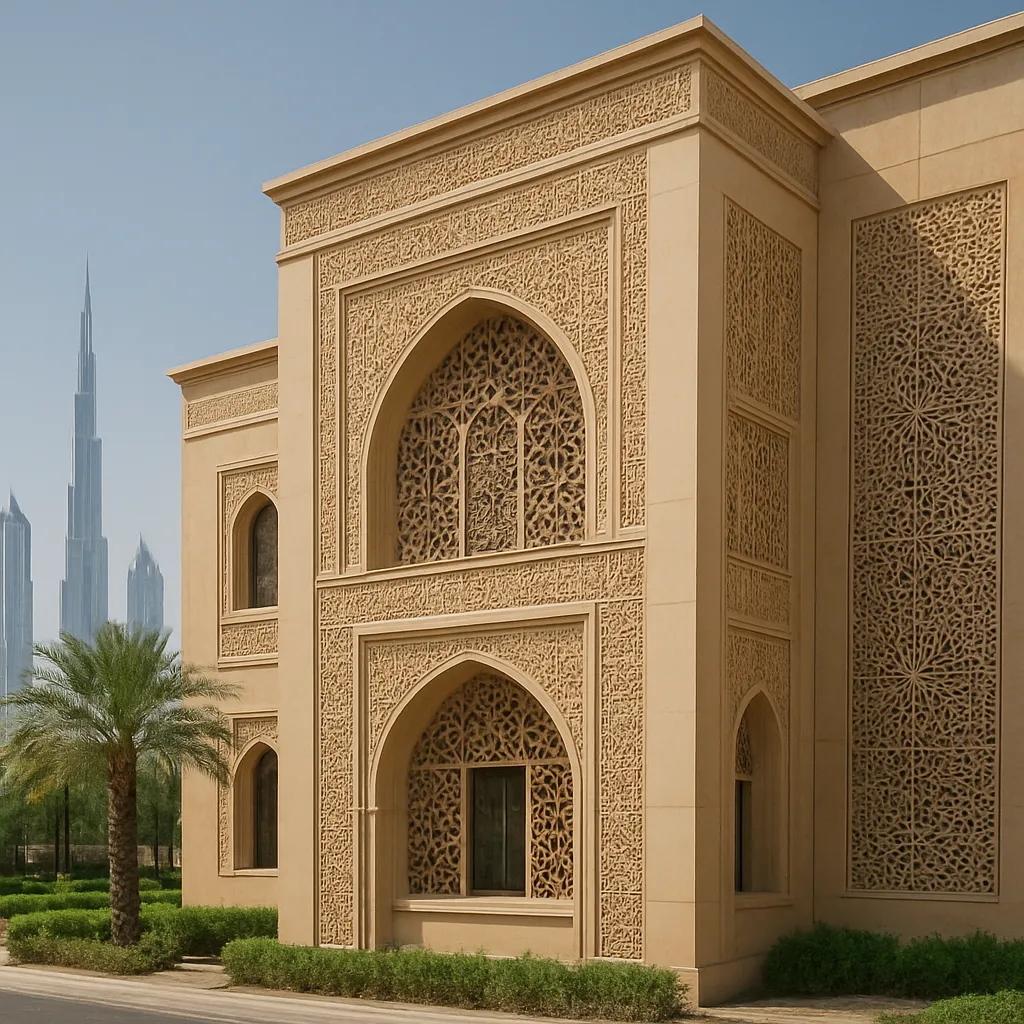
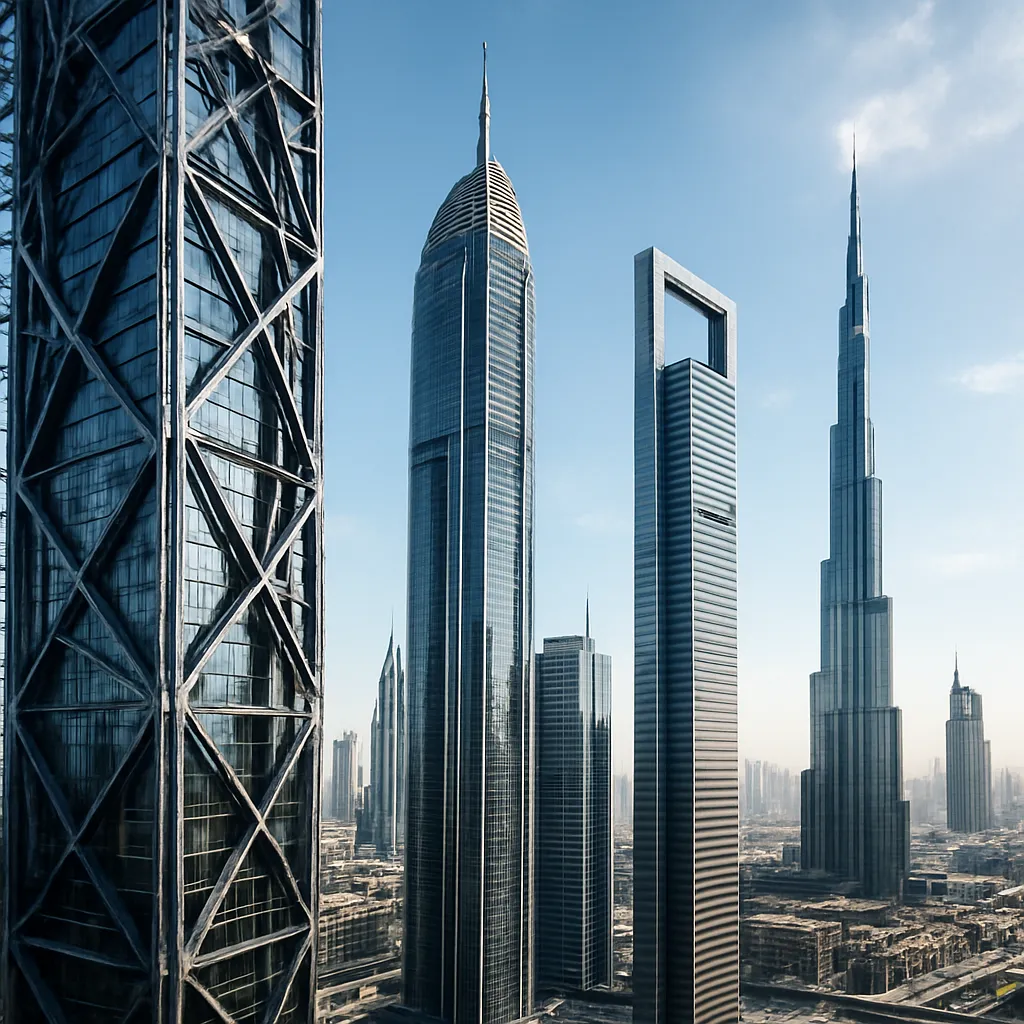
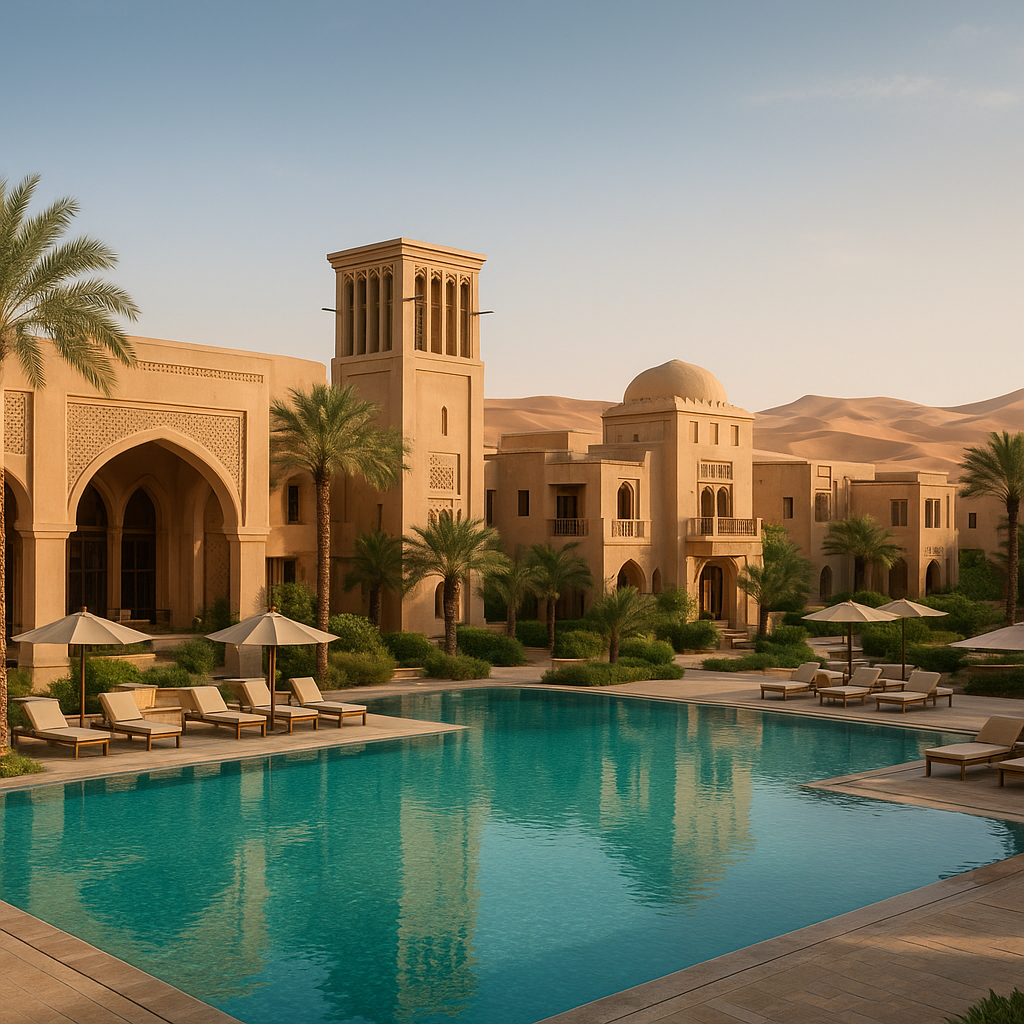
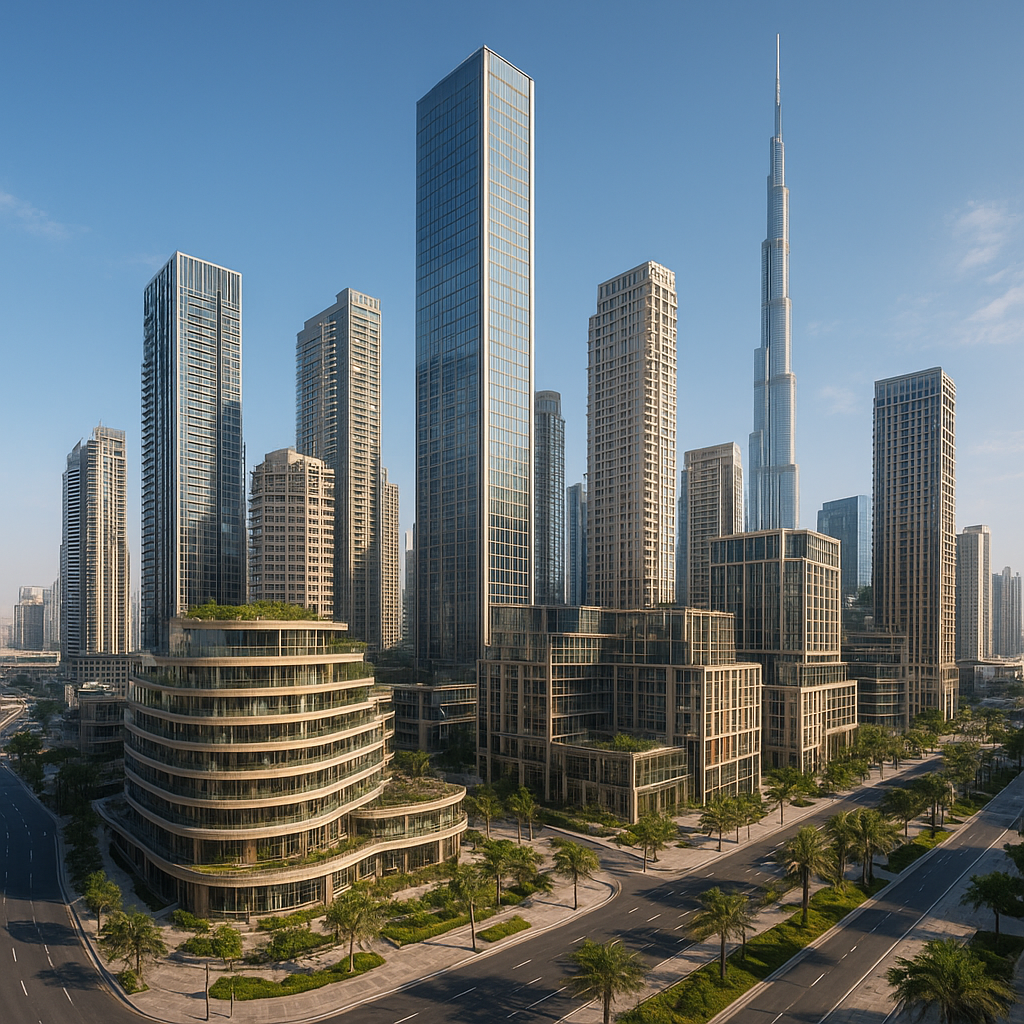
Private developers, too, leverage design contests to differentiate high-end residential and hospitality offerings. The Jumeirah Group and Emaar Properties, for instance, have employed competition-driven processes for luxury resorts and lifestyle districts. By inviting proposals that emphasize mixed-use synergies and experiential programming, developers ensure that each new complex feels unique, contextually rooted, and functionally versatile. The results range from beachfront pavilions that reflect traditional Arabic motifs to avant-garde glass towers with dynamic sky gardens.
This collaborative model has also been instrumental in delivering large-scale urban amenity spaces, such as parks, museums, and cultural centers. Noteworthy among these is the Mohammed bin Rashid Library, whose design competition stressed both archival integrity and community engagement. The winning scheme incorporated open reading gardens, underground vaults, and interactive digital labs—underscoring how competitions can cultivate multifaceted civic assets.
Sustainability and Future Innovation
Looking ahead, Dubai’s construction agenda is firmly focused on ecological impact and resource efficiency. Recent competitions have challenged architects to achieve net-zero energy targets, incorporate passive cooling techniques, and deploy smart waste-management systems. As part of the Expo 2020 legacy, the Sustainable Urban District competition called for buildings capable of generating their own water through atmospheric capture and leveraging solar-active façades.
The city also encourages cross-disciplinary alliances. Engineers team up with data scientists to model pedestrian flows and solar patterns, while horticulturists advise on drought-resistant landscaping. Such synergy elevates design quality and ensures that new developments harmonize with Dubai’s arid climate. By embedding sustainability goals within the competition framework, Dubai continues to pioneer region-appropriate methodologies that can be exported globally.
Furthermore, authorities are exploring virtual reality (VR) platforms for future contests, enabling jurors and the public to experience proposed structures in immersive 3D environments. This technological infusion promises to refine design feedback loops, minimize costly revisions, and boost community engagement. In this way, Dubai sustains its reputation as a testing ground for urban ideas, leveraging every competition to push the boundaries of what modern cities can achieve.