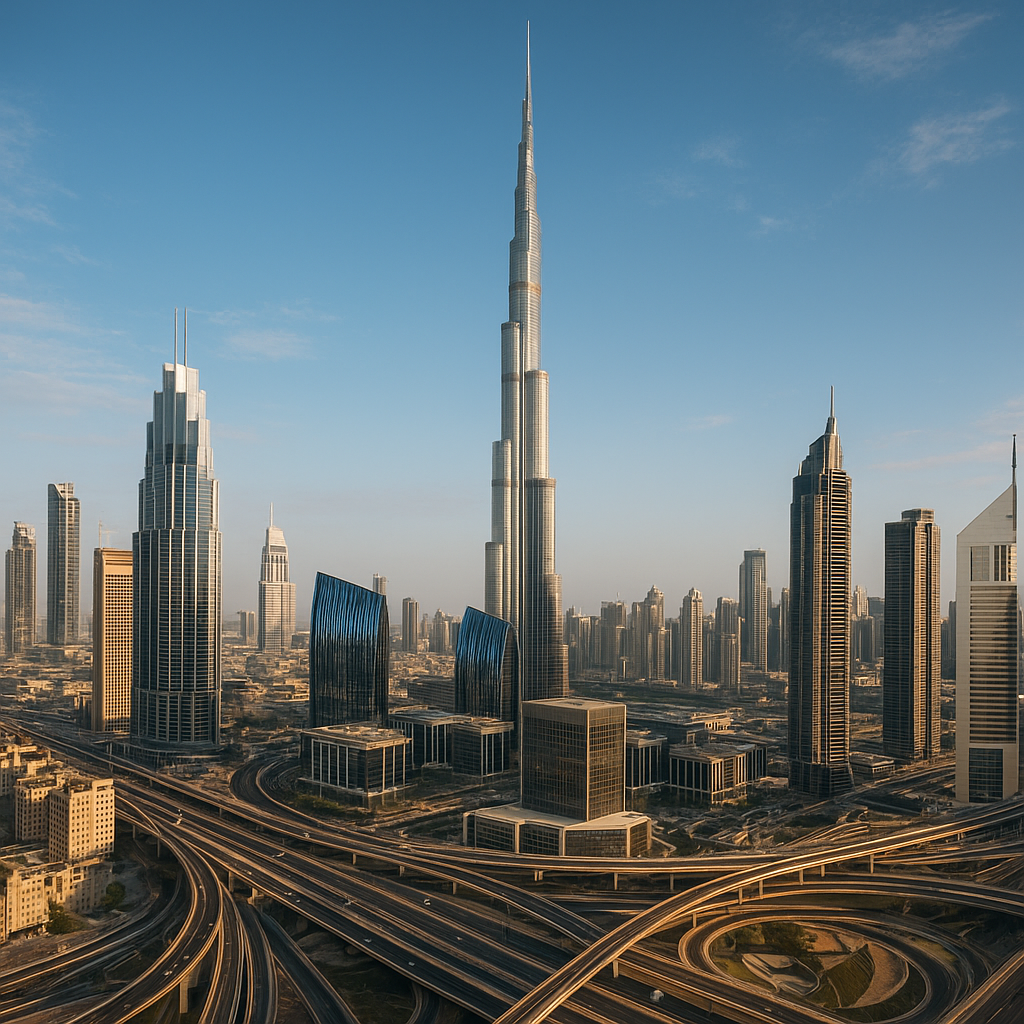
Dubai’s evolution from a modest trading port to a global epicenter for architecture and urban planning underscores the city’s relentless drive for innovation and growth. This article explores the pivotal role of iconic structures, visionary strategies, and groundbreaking policies that have collectively sculpted Dubai into a benchmark for modern urban development.
Visionary Masterplanning Lays the Groundwork
The transformation of Dubai’s urban landscape hinges upon its bold planning ethos, championed by government entities and private developers alike. Early in the 2000s, the Dubai Municipality introduced a masterplan that prioritized connectivity, mixed-use precincts, and waterfront development. Integrating robust infrastructure networks – from roads and public transit to utility corridors – ensured a seamless flow of people, goods, and services across the emirate.
Key principles behind this masterplanning included:
- Transit-oriented development with dedicated metro and tram corridors
- High-density mixed-use districts combining residential, commercial, and leisure spaces
- Green belts and public parks to enhance urban liveability
- Waterfront promenades designed for pedestrian-friendly circulation
By coordinating transport, utilities, and zoning regulations, Dubai achieved a level of resilience that supports rapid expansion while maintaining high standards of sustainability and liveability.
Architectural Marvels and the Evolving Skyline
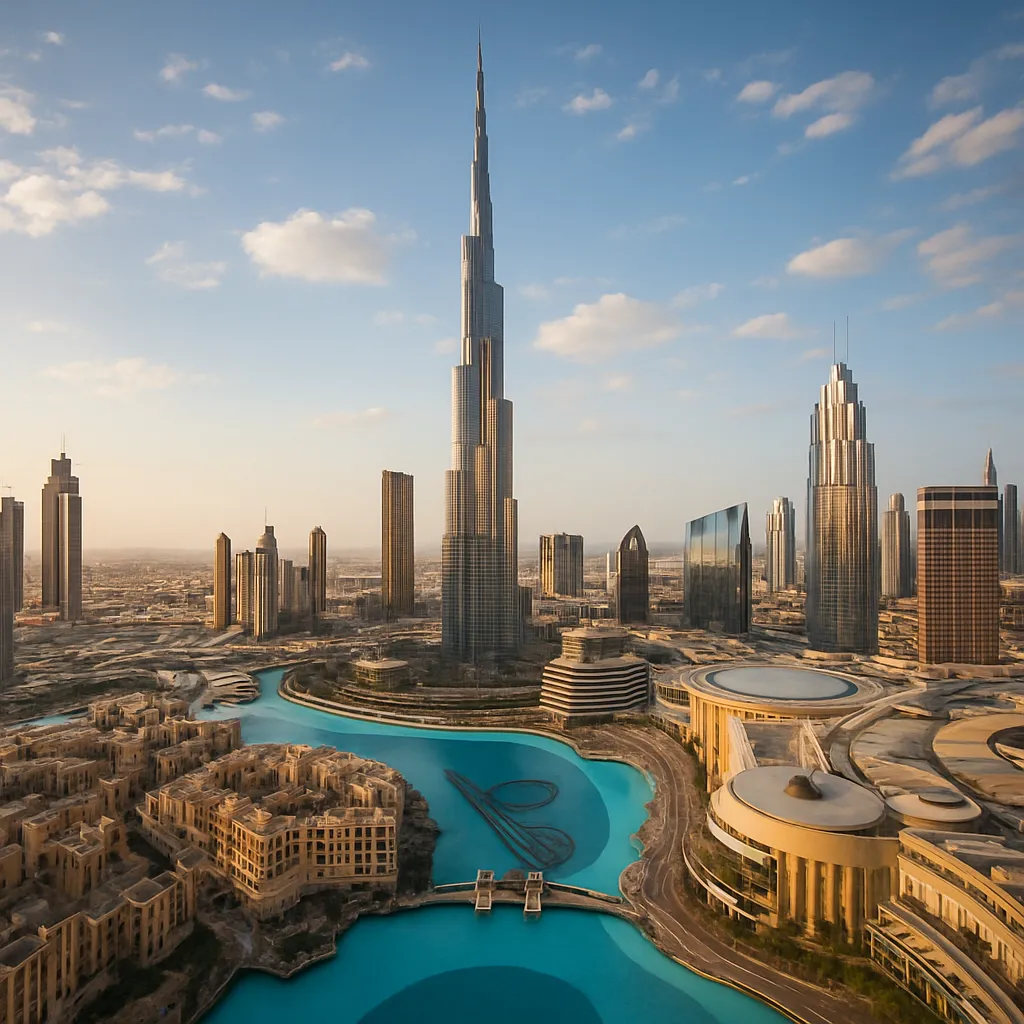
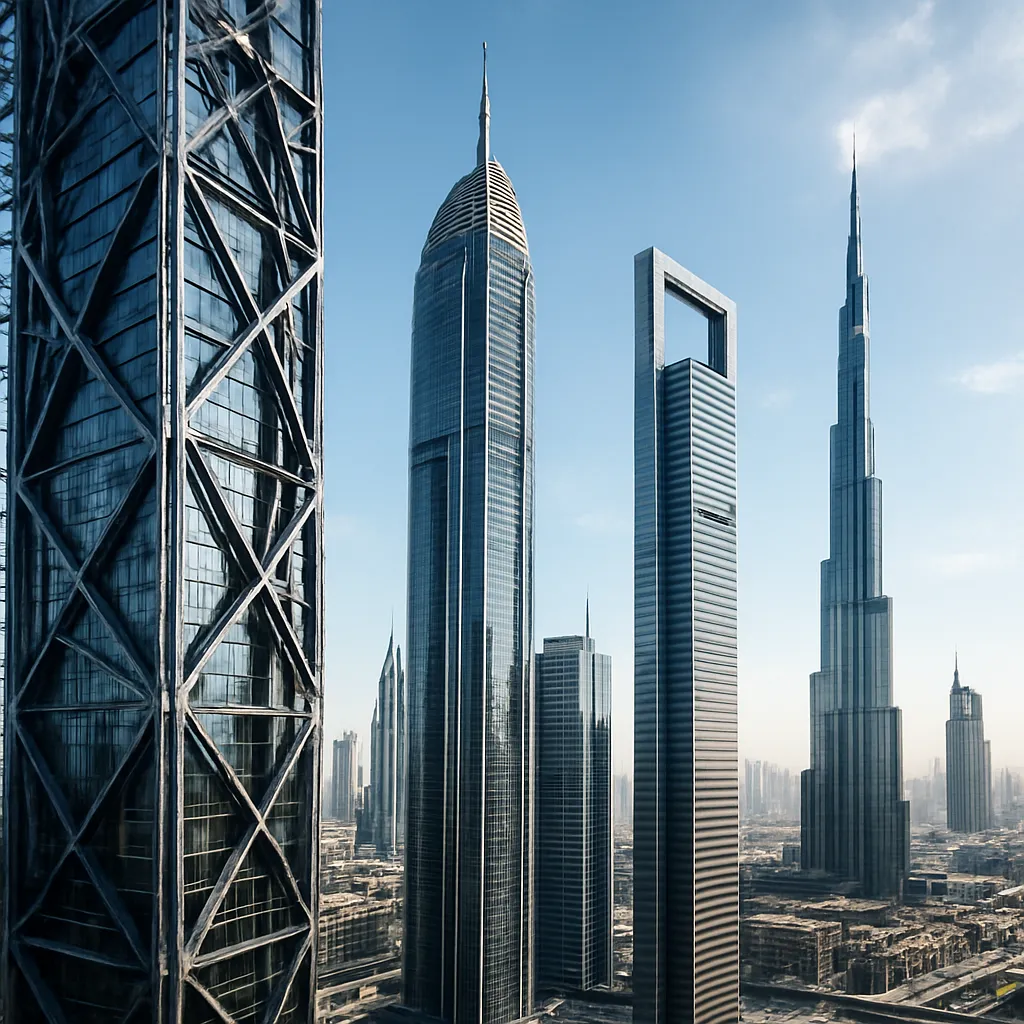
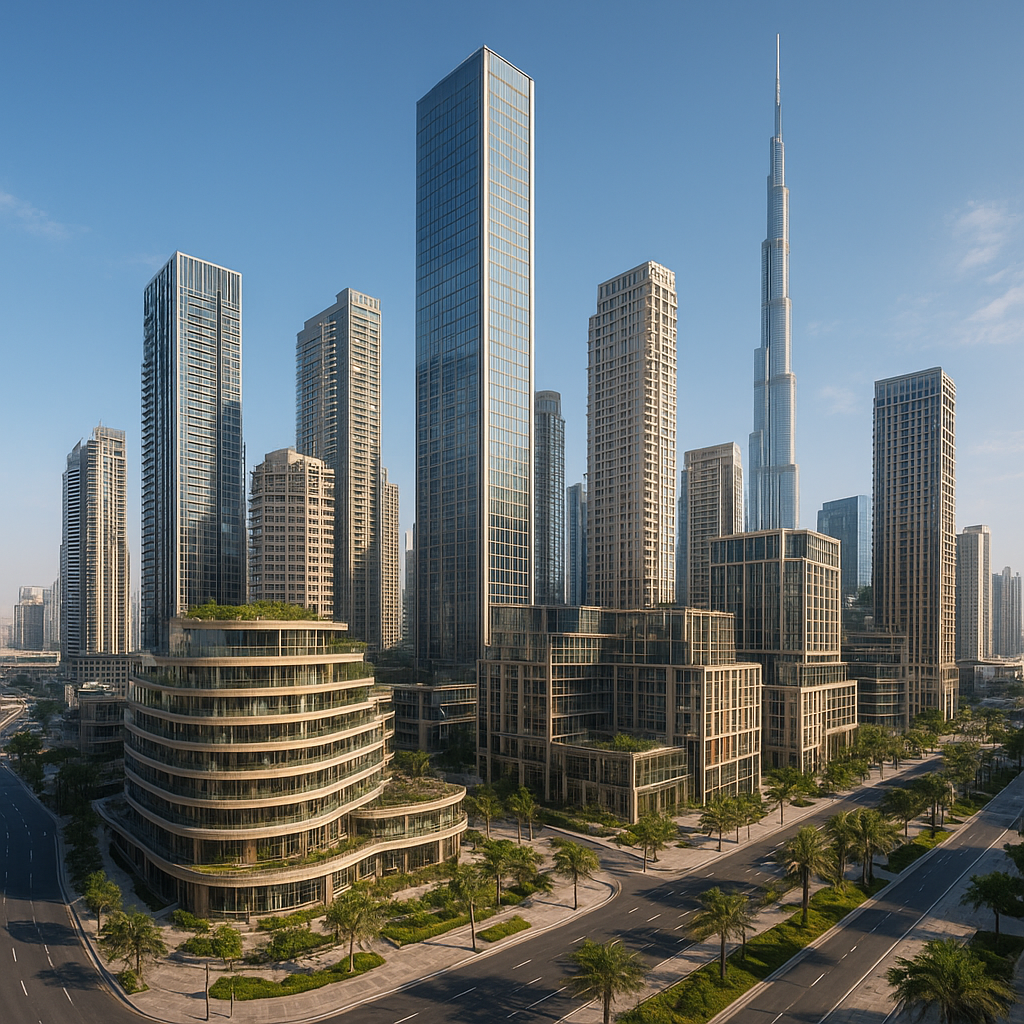
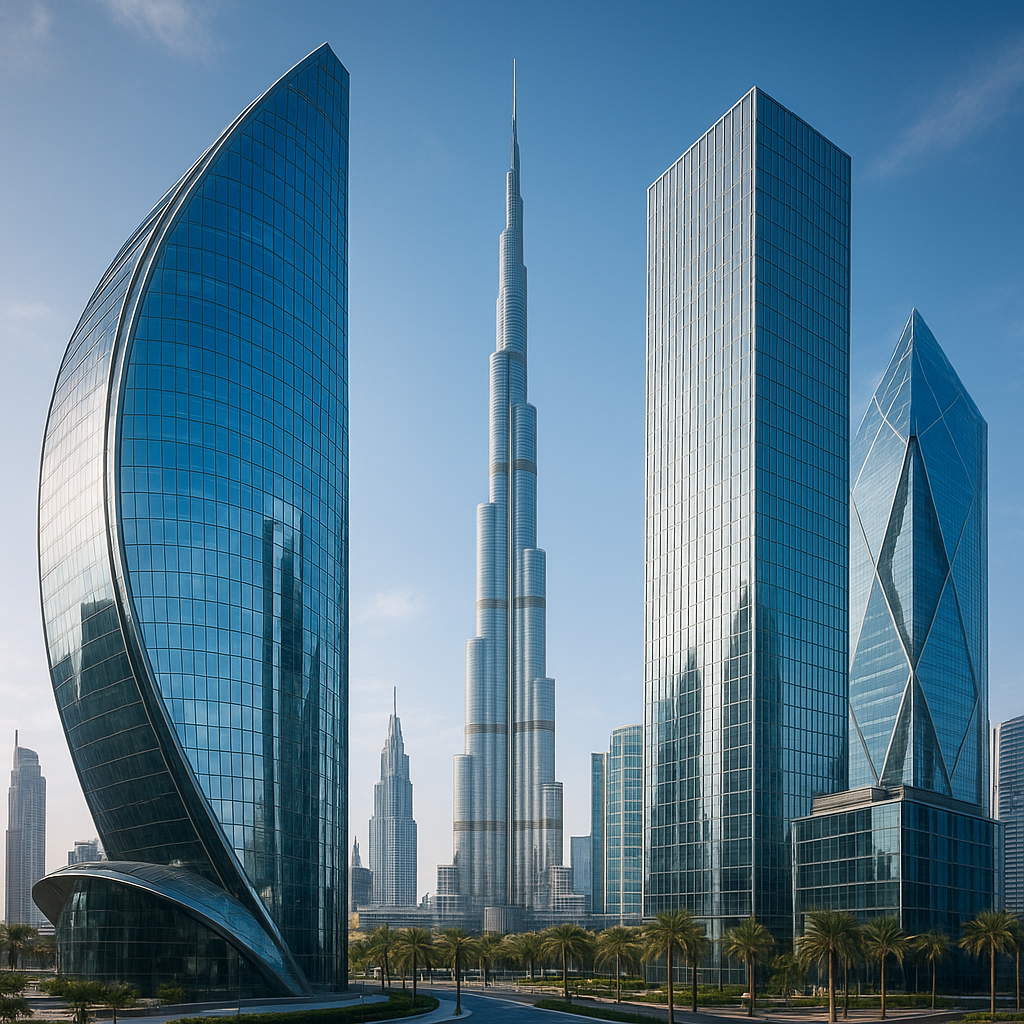
Few cities can rival Dubai’s silhouette, dominated by a network of skyscrapers and cutting-edge structures. From the iconic Burj Khalifa – the world’s tallest tower – to the sail-shaped Burj Al Arab, Dubai consistently pushes the envelope of height and form. These landmarks are more than mere monuments; they symbolize the emirate’s unwavering commitment to innovation and global prominence.
Mixed-Use Wonders
Districts such as Downtown Dubai and Business Bay epitomize the fusion of office towers, luxury hotels, and residential apartments. Developers in these zones have championed:
- High-speed elevators engineered for super-tall buildings
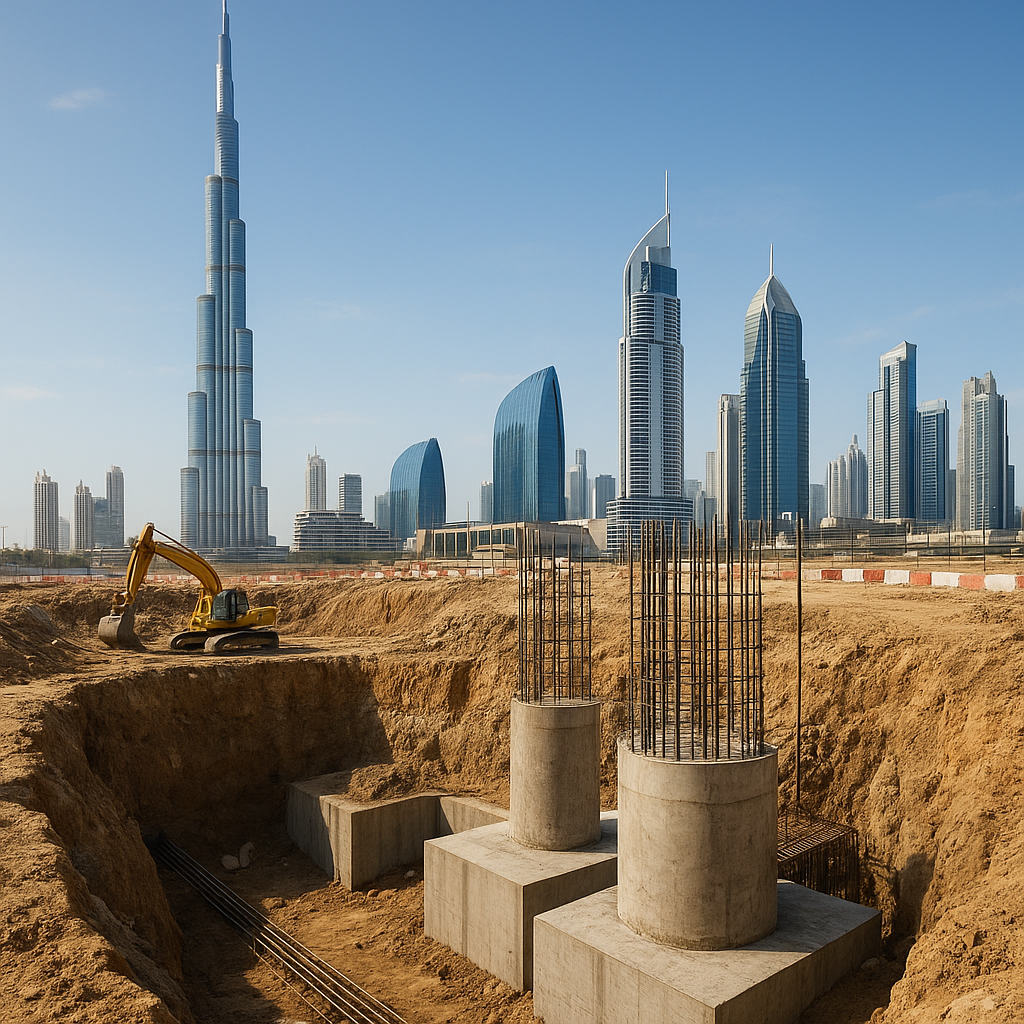
- State-of-the-art structural systems to endure regional climatic forces
- Smart building technologies regulating energy consumption
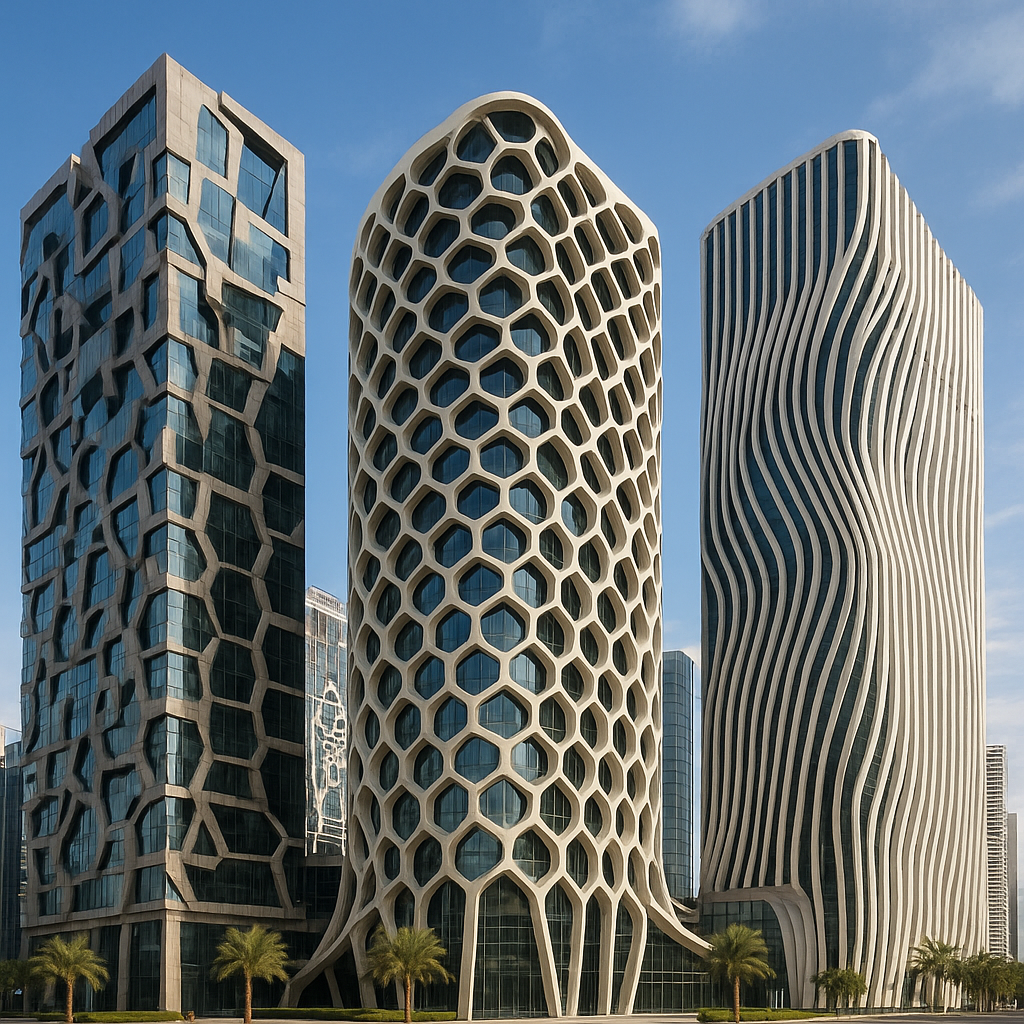
This harmonious integration of function and design has positioned Dubai as a laboratory for examining best practices in urban architecture worldwide.
Iconic Cultural Anchors
Beyond commercial ventures, Dubai has invested heavily in cultural edifices that enrich the urban tapestry. The Louvre Abu Dhabi, though located in a neighboring emirate, exemplifies the region’s commitment to global collaboration and knowledge exchange. Closer to the city center, the Museum of the Future – with its torus-shaped form and calligraphy-clad façade – stands as a testament to architectural daring and futuristic ambition.
Sustainable Strategies and Future Directions
Dubai recognizes that enduring success demands a steadfast focus on environmental stewardship and social well-being. Recent urban initiatives aim to reduce carbon emissions, preserve natural habitats, and promote alternative energy sources.
Green Building Regulations
The Dubai Green Building Regulations require all new developments to adhere to minimum efficiency standards. This initiative has driven innovations in:
- High-performance glazing and insulation
- On-site renewable energy installations, including solar panels
- Greywater recycling and advanced waste management systems
Projects such as the Sustainable City underscore how holistic design can yield net-zero energy consumption while fostering community engagement and biodiversity.
Waterfront and Coastal Resilience
Given its coastal geography, Dubai prioritizes adaptive strategies for rising sea levels and extreme weather events. Engineers have employed:
- Elevated podiums and flood-resistant landscaping
- Breakwaters and artificial reefs to shield shorelines
- Smart sensors for real-time monitoring of tides and erosion
These measures not only protect built assets but also maintain public access to Dubai’s renowned beaches and marinas.
Driving Global Urban Planning Standards
By blending ambitious skyline projects with rigorous sustainability protocols, Dubai has become a source of inspiration for urban planners worldwide. Through knowledge-sharing platforms and international partnerships, the emirate exports its expertise in:
- Rapid land reclamation and coastal development
- Intelligent transport systems and integrated mobility
- Mixed-use zoning that balances commercial vitality with residential comfort
Conferences hosted in Dubai serve as incubators for cutting-edge ideas, fostering collaborations that drive the future of global urbanism.
Conclusion
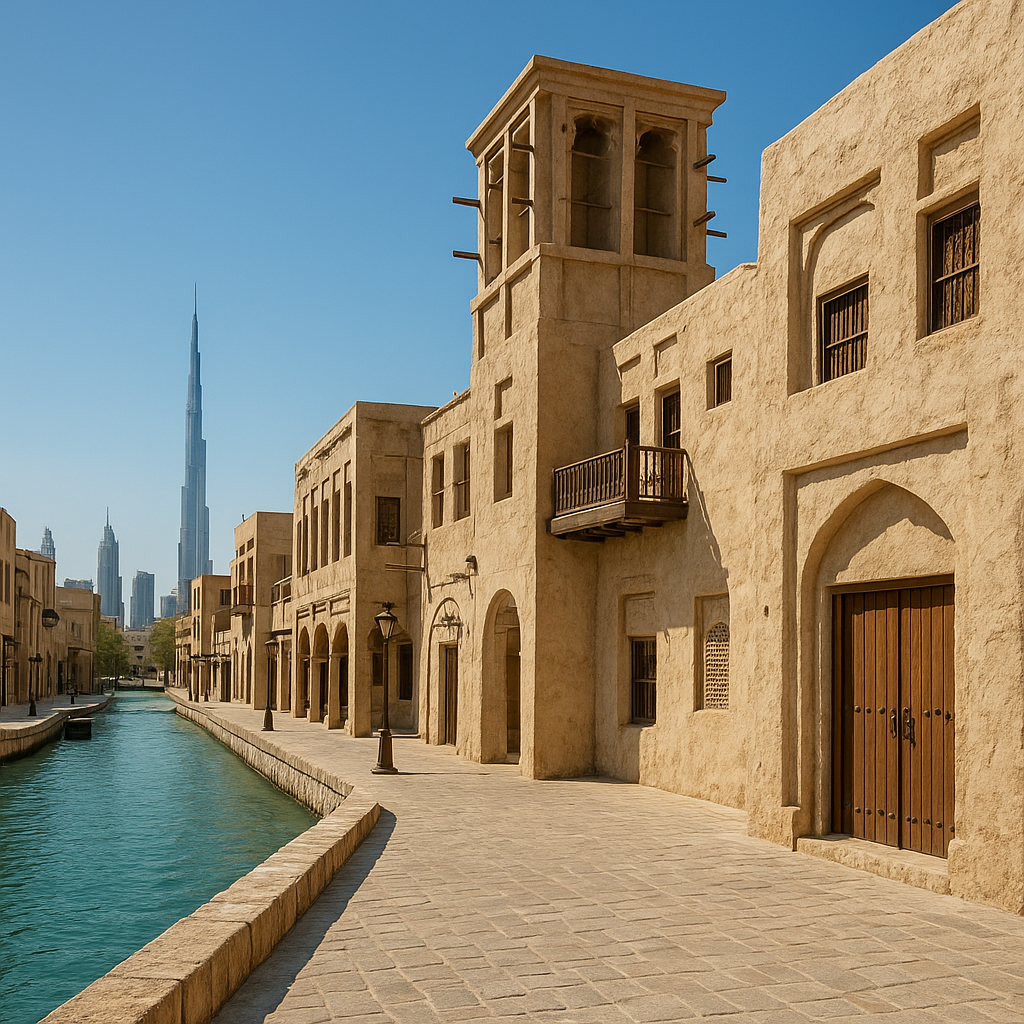
As Dubai continues to reinvent its cityscape, the emirate exemplifies how visionary heritage conservation, dynamic architecture, and forward-thinking policy can coalesce to create a vibrant, resilient metropolis. Its achievements in tourism, commerce, and cultural enrichment reinforce Dubai’s standing as a paragon of modern urban planning.