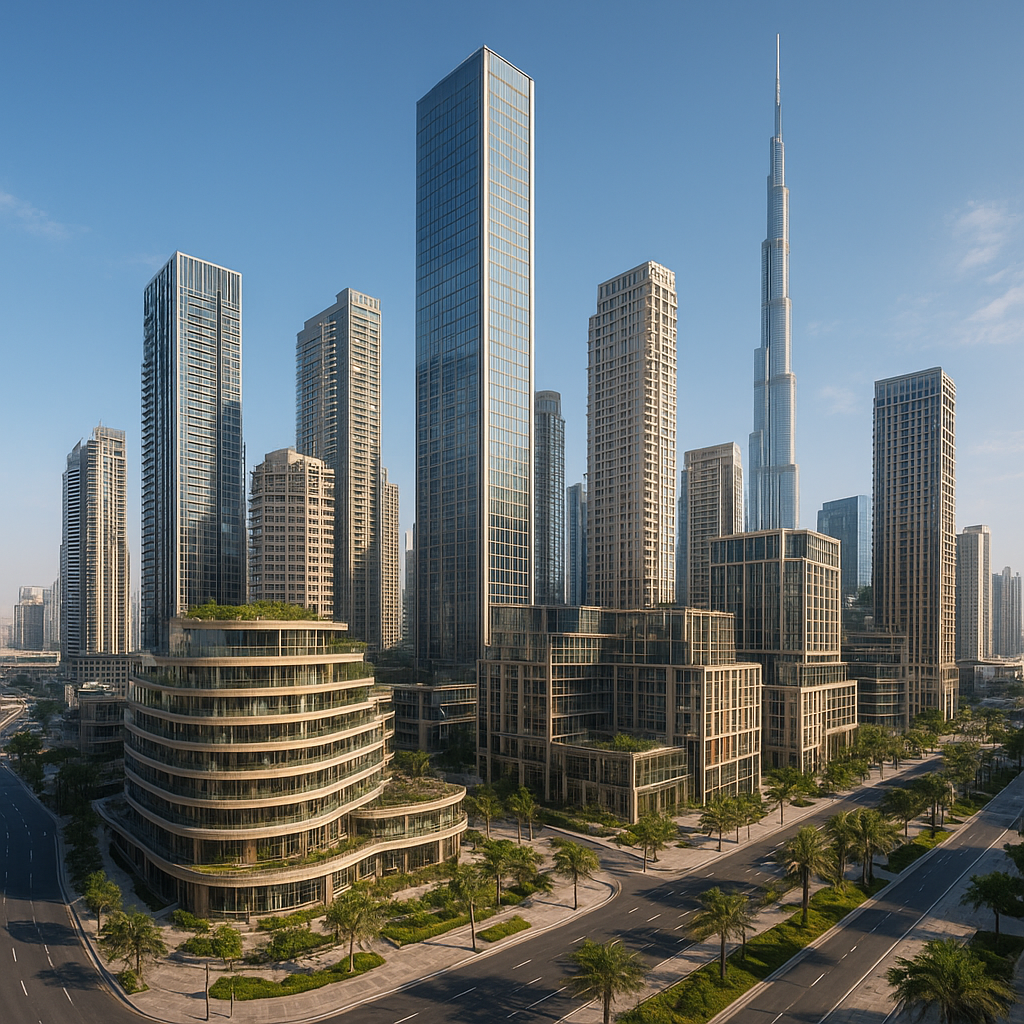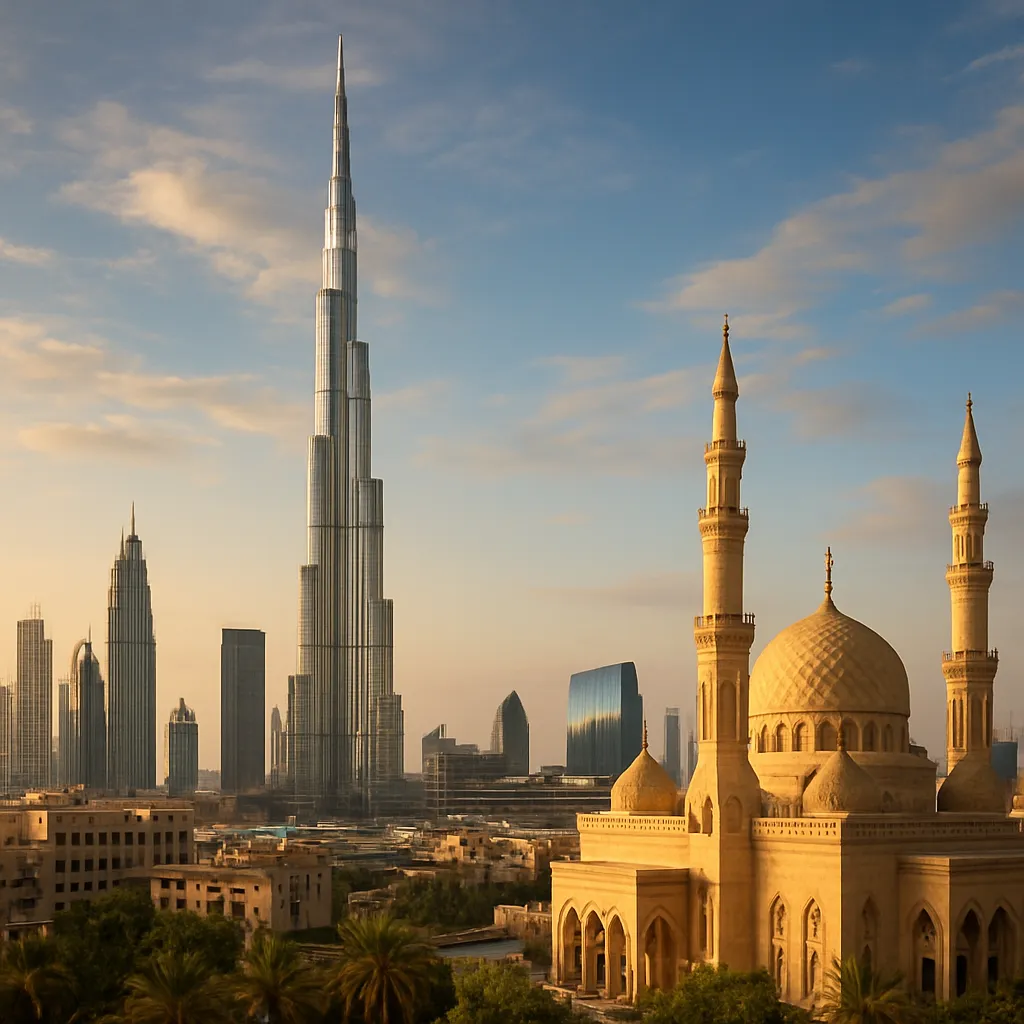
Dubai’s ever-evolving skyline reads like a chronicle of modern ambition, innovation and cultural fusion. Each soaring tower, each meticulously designed public space, and each daring master plan plays a role in telling the city’s story. From its humble beginnings as a desert trading outpost to its rise as a global hub of business, tourism and design excellence, Dubai demonstrates how visionary architecture can become a powerful language—shaping perceptions, driving economic growth and reinforcing identity.
Shaping the Skyline: Iconic Landmarks
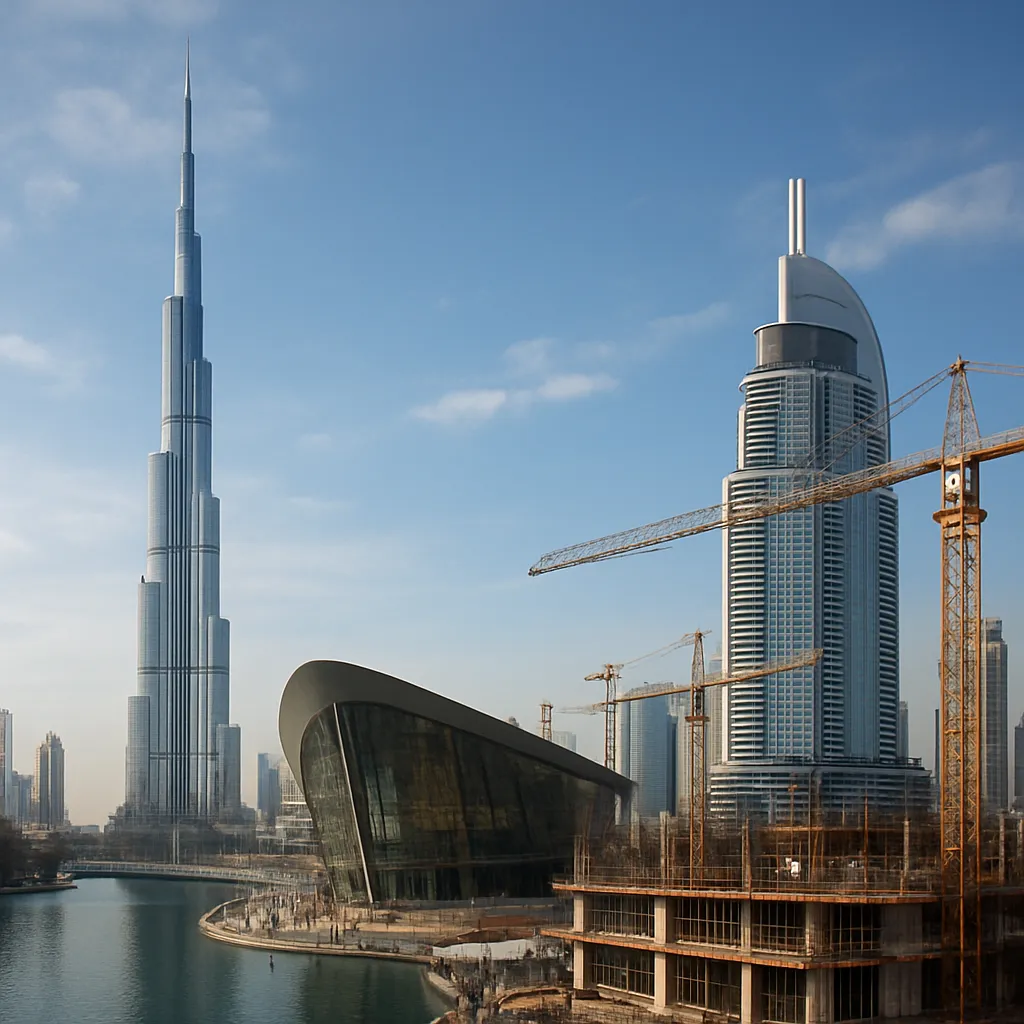
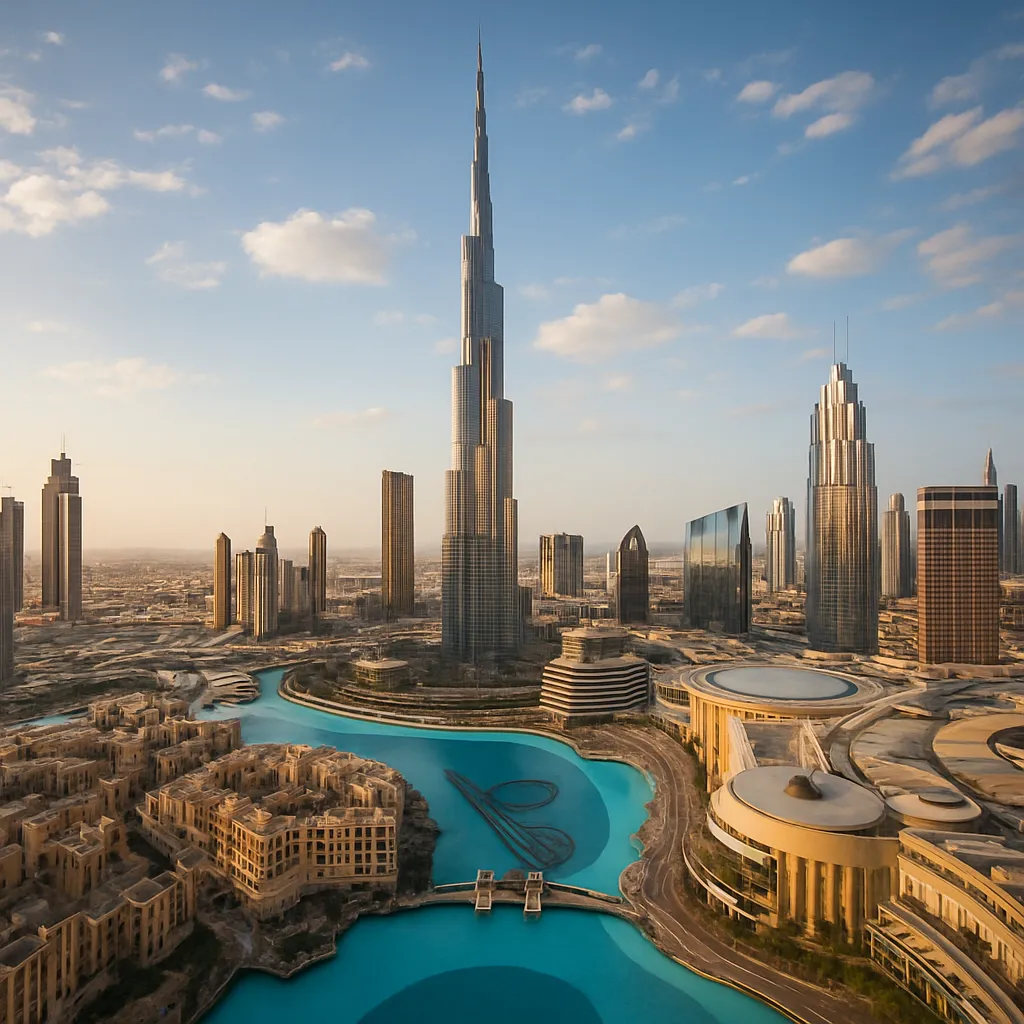
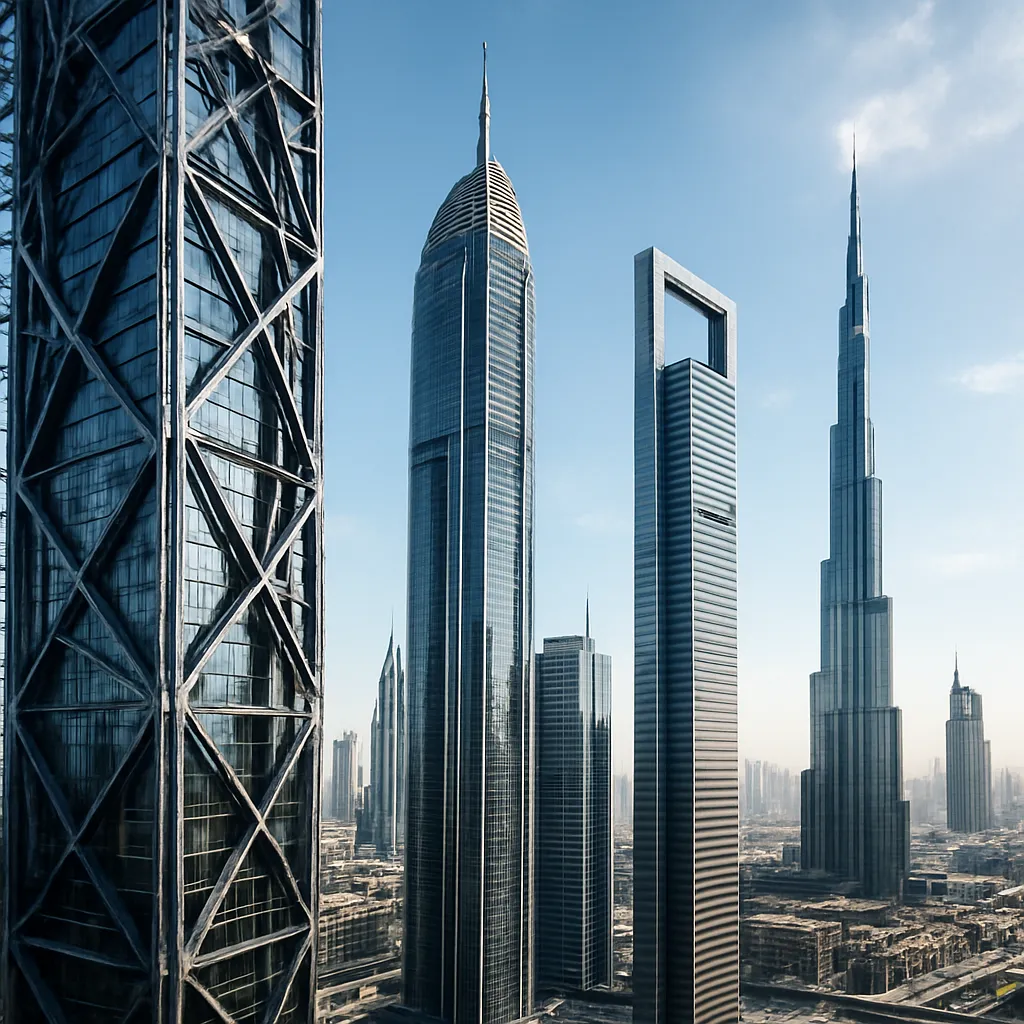
The moment one approaches Dubai by air or road, the city’s distinctive silhouette comes into view—an assembly of daring forms, unexpected angles and record-breaking heights. At the heart of this architectural parade stands the Burj Khalifa. More than just the world’s tallest building, the tower functions as a testament to human ambition and technical prowess. Its tapering form, clad in gleaming metal and glass, rises above a sprawling mixed-use podium that houses a hotel, corporate offices and luxury residences.
Nearby, the sail-shaped Burj Al Arab juts out on its own artificial island, embodying Dubai’s reputation for luxury and hospitality innovation. Designed to resemble a dhow—an Arabian sailing vessel—the structure delivers a dramatic waterfront icon that is both globally recognizable and locally resonant. Inland, another masterpiece draws attention by framing the city’s sprawling modernism against its historic neighborhoods: the Dubai Frame. This monumental golden rectangle offers visitors panoramic vistas, symbolically bridging the emirate’s past and future.
- Cayan Tower’s twisting form uses geometry to reduce wind loads and create a visually dynamic element on the Marina skyline.
- Address Sky View’s skybridge connects twin towers with a glass-floored viewing platform, merging function with spectacle.
- The Palm Jumeirah trunk and fronds stand as an engineered archipelago, redefining coastal real estate and tourism opportunities.
Innovation and Sustainability in Design
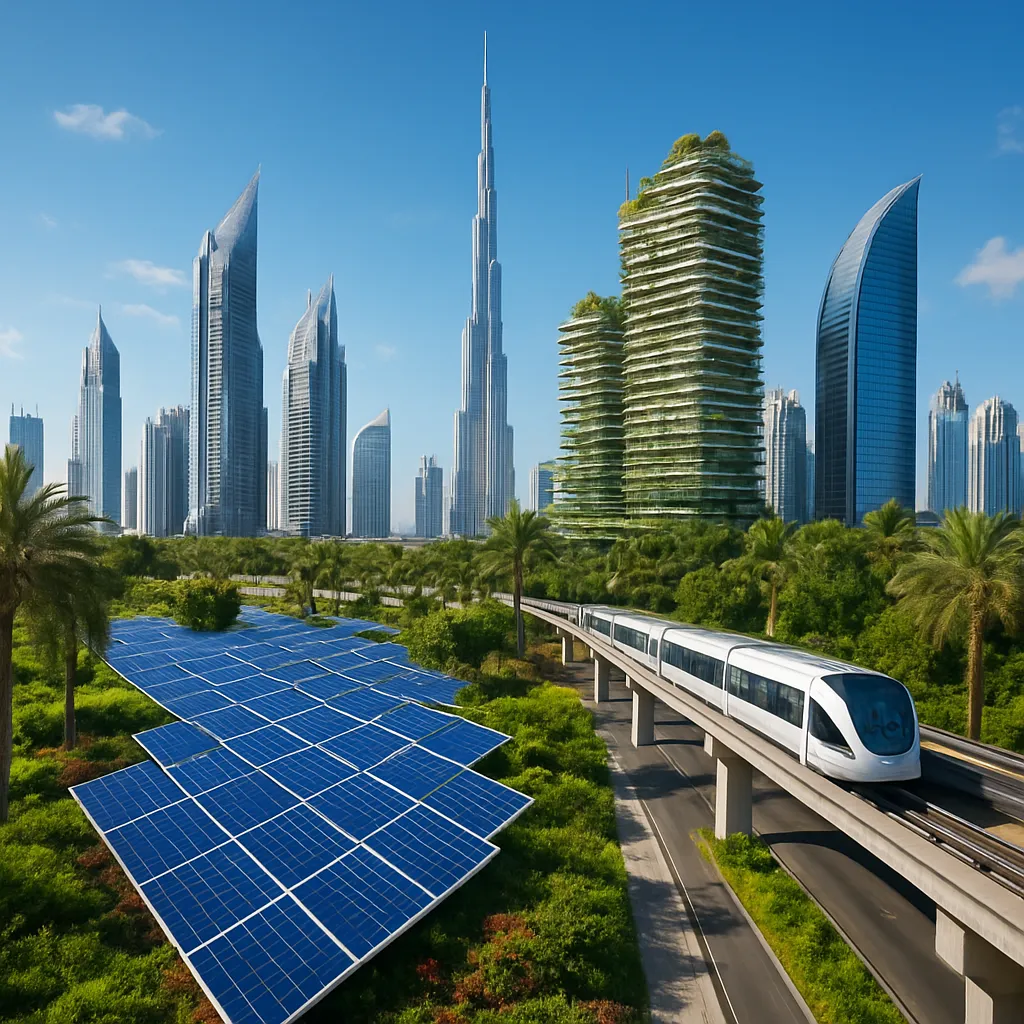
As Dubai marches toward a post-oil economy, the city has placed greater emphasis on green building and resource efficiency. Planned developments now include integrated solar panels, wind-catching towers and harvested rainwater systems. One pioneering initiative, the Sustainable City, combines energy-positive villas, organic farms and recyclable materials into a cohesive community. Streets are lined with sensors that optimize lighting and irrigation, while rooftop photovoltaic arrays supply surplus power back to the grid.
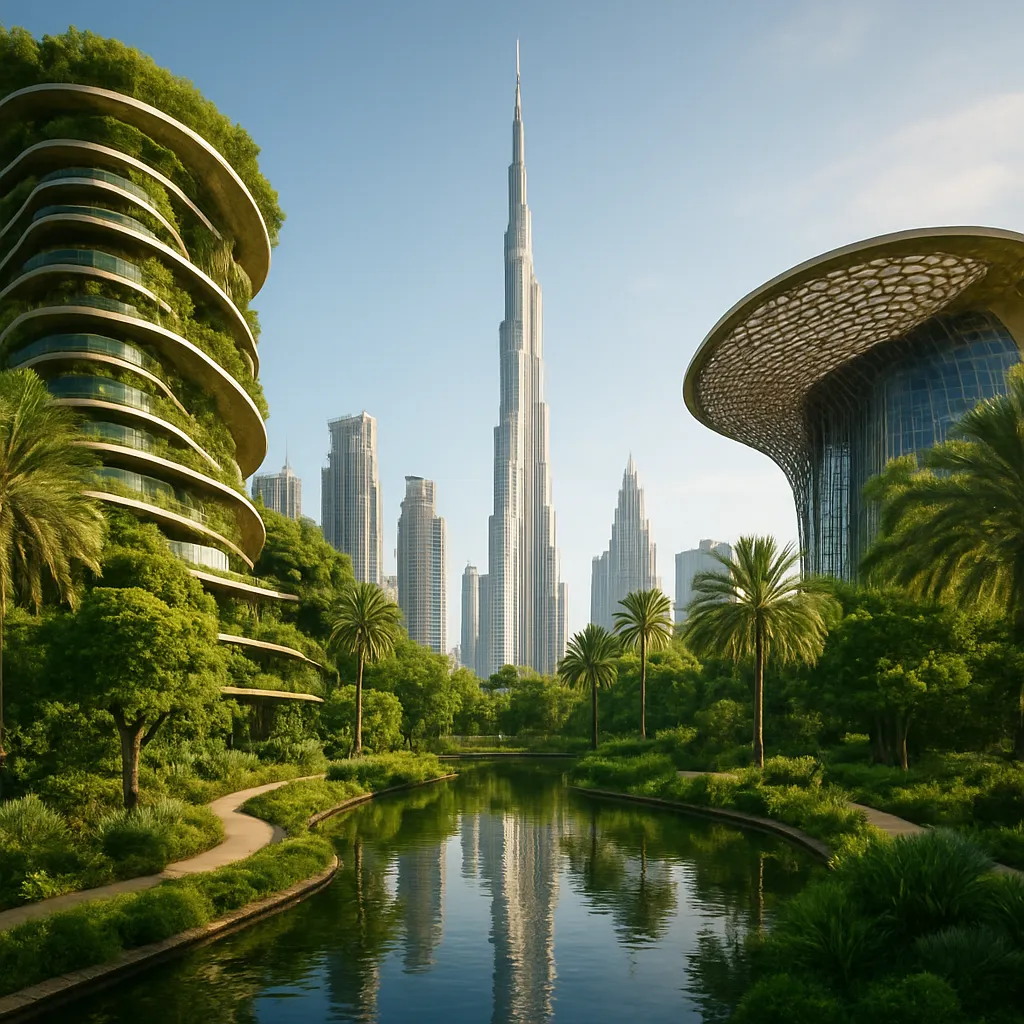
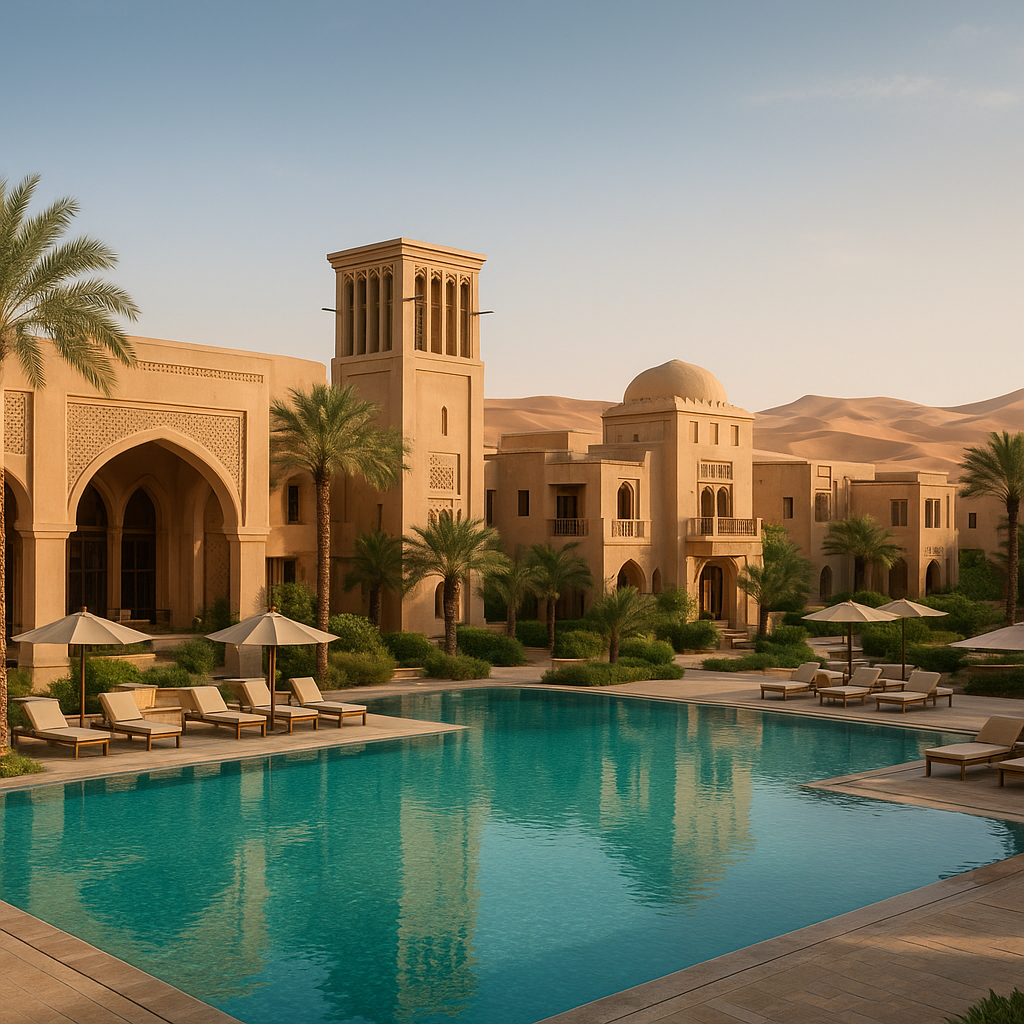
Even high-rise towers reflect this eco-centric shift. Architects incorporate passive cooling strategies sourced from ancient Middle Eastern designs—such as the wind tower concept—adapting them to modern construction. Double-skin facades, dynamic shading devices and high-performance glazing reduce heat gain and decrease reliance on mechanical air-conditioning. Developers also push the envelope with vertical farming modules, allowing fresh produce to be grown within residential complexes, enhancing self-sufficiency and food security.
- Masdar City (though in Abu Dhabi) serves as a regional benchmark for zero-carbon, zero-waste development strategies.
- Wind corridors between tall buildings help channel breezes to pedestrian pathways, mitigating micro-climate heat islands.
- Waste-to-energy plants convert municipal refuse into electricity, fueling public transport networks including the Dubai Metro.
Blending Heritage and Modernity: Vernacular Influences
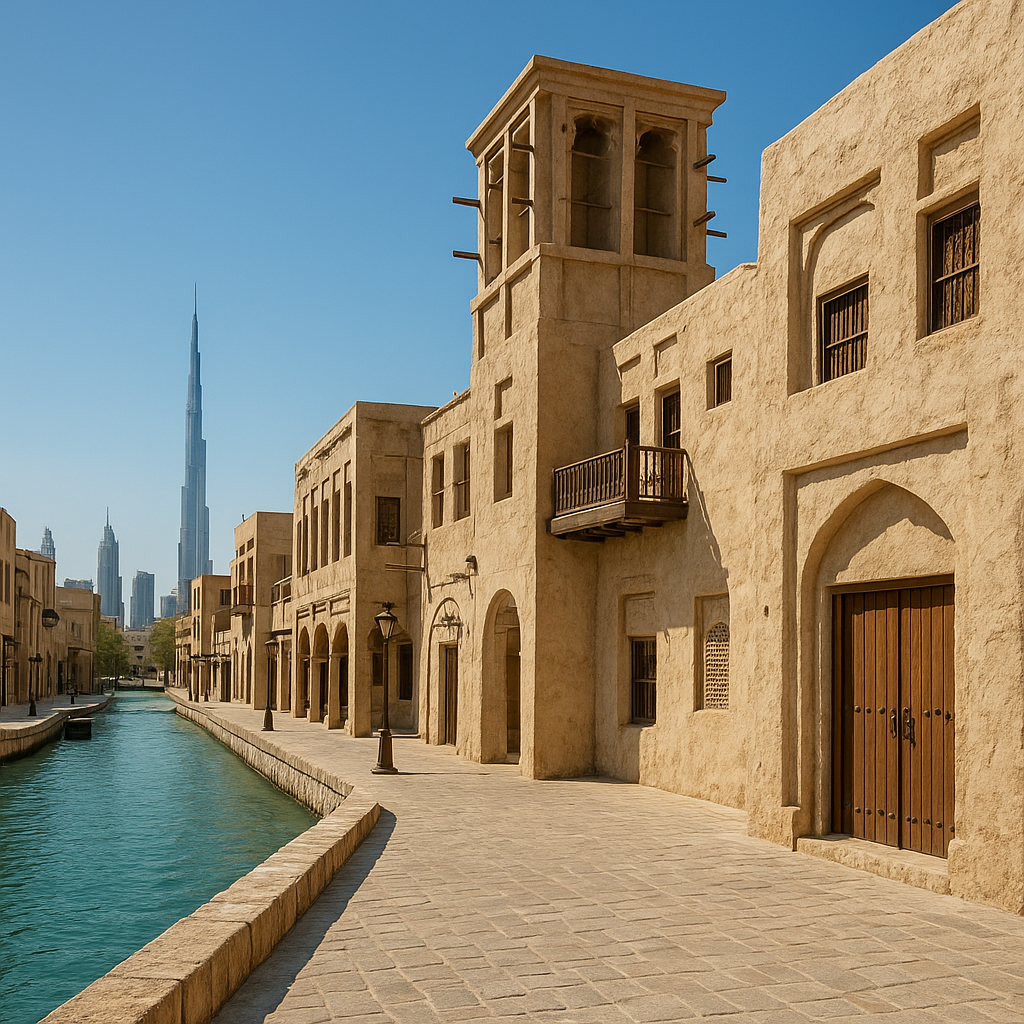
While relentless modernization could have easily eclipsed its roots, Dubai has sought to preserve and reinterpret its cultural past. The Al Fahidi Historical Neighbourhood (formerly Bastakiya) offers a living museum of wind-tower houses, narrow lanes and coral-plaster walls. Here, traditional craftsmanship is kept alive through wood-carving workshops and Arabic calligraphy studios. Cultural institutions such as the Sheikh Mohammed Centre for Cultural Understanding host communal meals and guided tours that place the architecture in its broader social context.
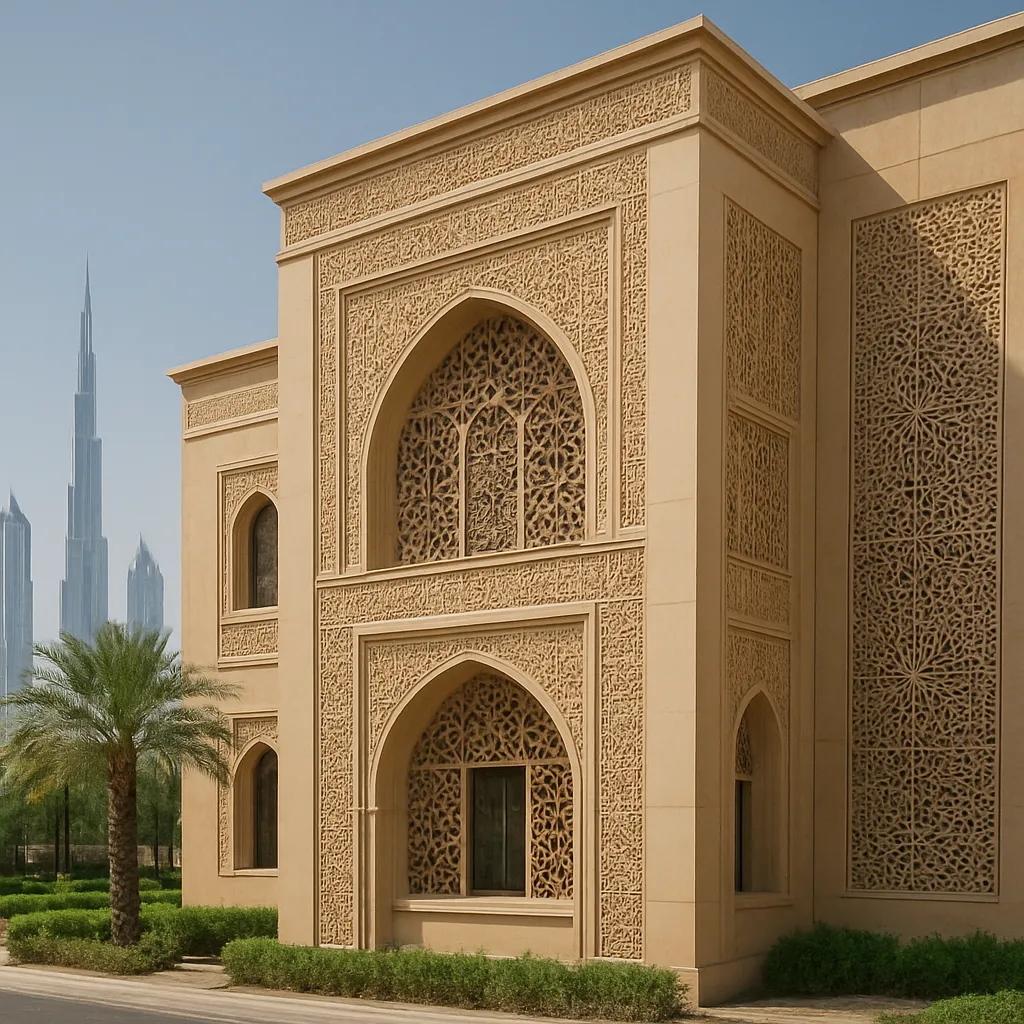
Newer projects also draw on these vernacular motifs. The Alserkal Avenue art hub transforms warehouses into gallery pavilions framed by mashrabiya-inspired screens that filter sunlight and encourage natural ventilation. Retail and cultural complexes, like the upcoming Museum of the Future plaza, feature sculptural forms that recall ancient tents and desert canopies, while integrating hi-tech materials and immersive digital displays. In this way, Dubai’s built environment becomes a palimpsest—layered with echoes of pearl-diving expeditions, trading caravans and oral storytelling traditions.
- Adaptive reuse schemes convert old dhows and fish warehouses into boutique hotels and themed restaurants.
- Local artists and architects collaborate to embed Arabic geometric patterns into pavements, façades and public art installations.
- Civic promenades along Dubai Creek reconnect the waterfront to the city’s trading legacy, with restored abra docks and spice souks.
Future Visions: Futuristic Projects and Mega-Plans
Looking ahead, Dubai continues to commission projects that push the boundaries of form and experience. The Museum of the Future, with its toroidal structure and Arabic calligraphy cut-outs, embodies a desire to blend art, science and societal progress. Mars Science City—a planned hub for space research and simulated Martian habitats—underscores the emirate’s bid to become a global leader in extraterrestrial exploration.
Meanwhile, the Dubai Creek Tower, poised to surpass even the Burj Khalifa, draws inspiration from minarets and palm fronds, combining slender verticality with organic geometry. The ambitious The Lagoons development promises to create inland waterfront enclaves sculpted for leisure, commerce and residential life, effectively doubling Dubai’s coastline. At Expo City Dubai, post-exhibition zones will be repurposed into research parks and innovation clusters, cementing the architectural legacy of the world’s fair.
- Underwater museum pavilions will showcase marine biodiversity, integrating glass tunnels and pressure-resistant domes.
- High-speed Hyperloop prototypes may redefine urban mobility, with above-ground tubes linking central districts.
- AI-driven façade systems will dynamically adjust transparency, color and thermal performance in real time.