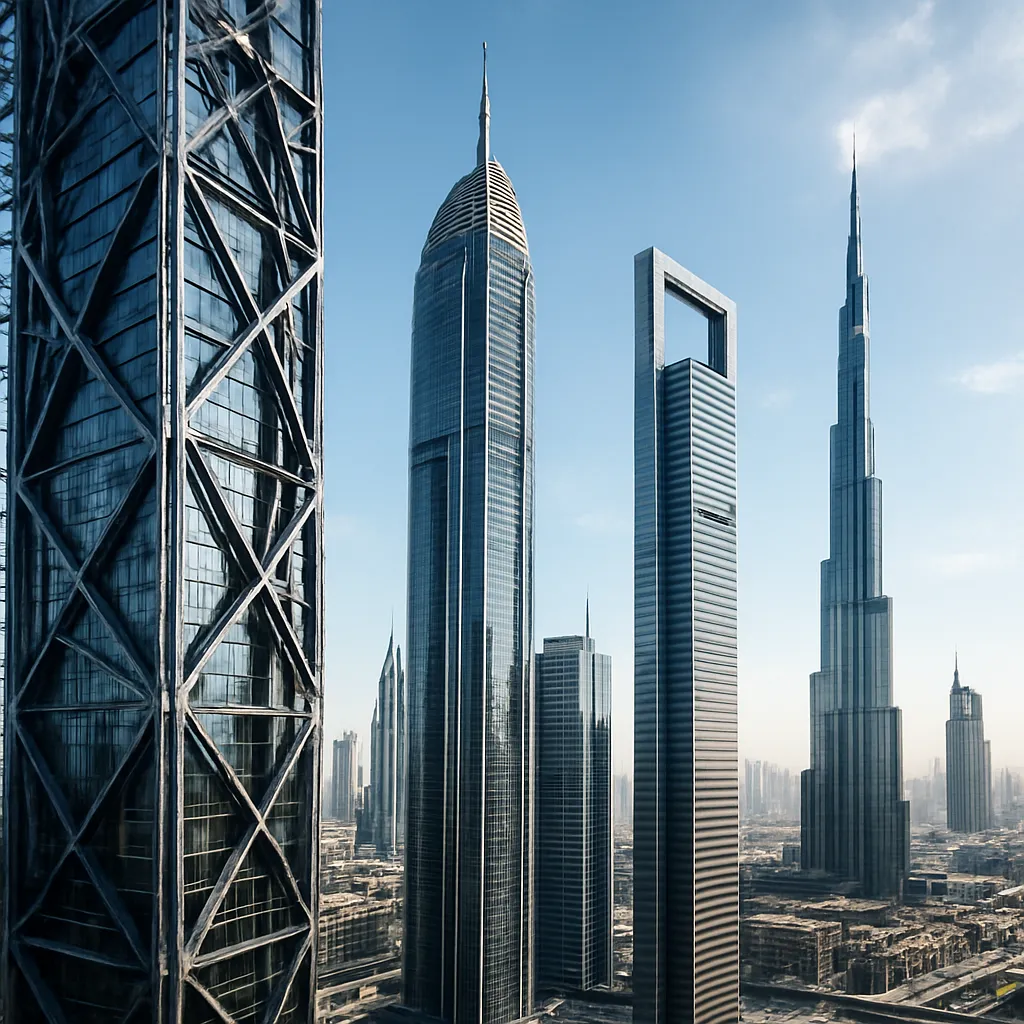
Dubai’s architectural landscape stands as a testament to human ingenuity, where soaring structures seem to defy gravity and every façade reflects a deep commitment to both innovation and practicality. In this vibrant desert metropolis, architects continually strive to blend striking aesthetics with robust functionality, ensuring that every building not only becomes an iconic part of the skyline but also responds dynamically to the demands of modern life and the harsh climate.
Architectural Vision Meets Practical Needs
The challenge of crafting the future of Dubai’s skyline lies in balancing daring form with everyday use. Architects here face an environment marked by extreme temperatures, shifting sands, and intense sunlight. The result is a collection of designs that push boundaries while maintaining comfort and efficiency for occupants.
- Thermal comfort: High-performance glazing, insulated walls, and specialized shading systems help regulate indoor temperatures and reduce energy consumption.
- Structural resilience: Advanced materials such as high-strength concrete and steel composites ensure buildings can withstand environmental stresses and seismic activity.
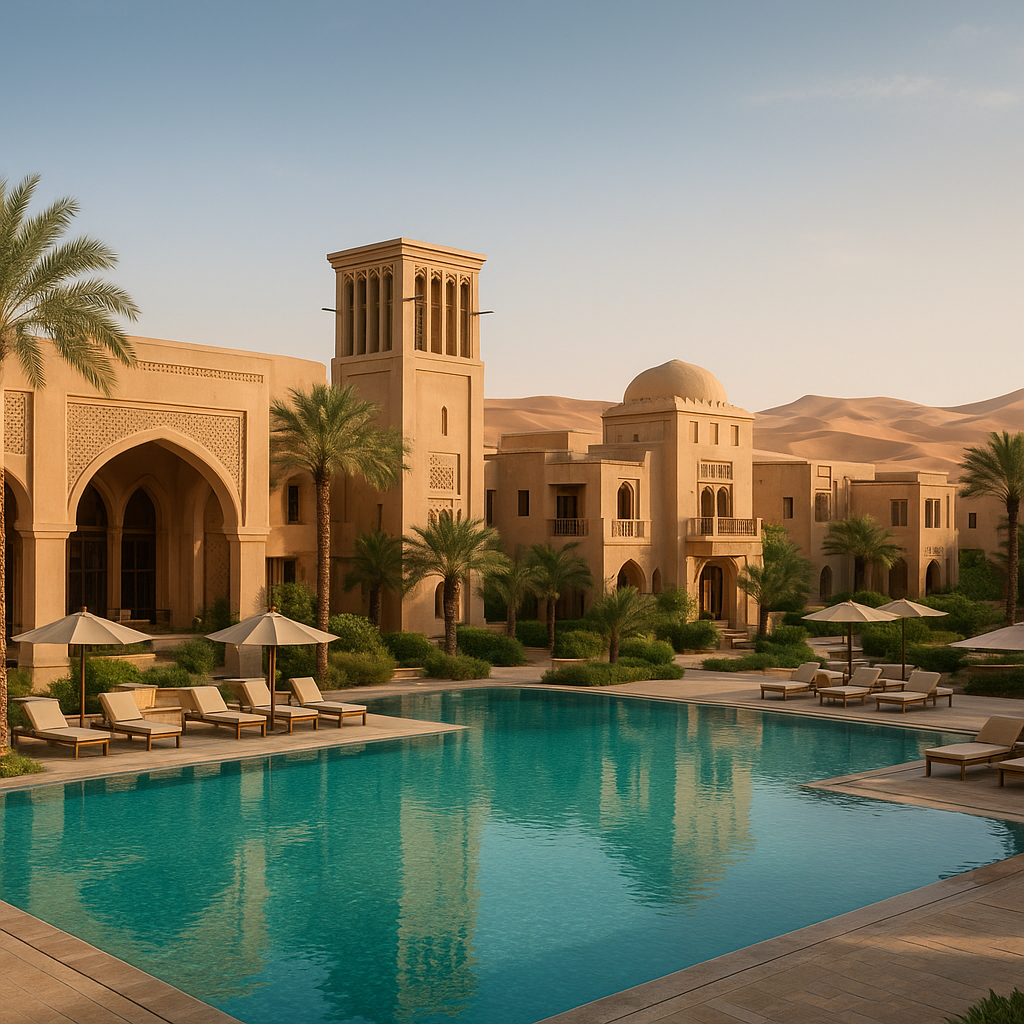
- Ventilation strategies: Integrated atriums and wind towers facilitate natural air circulation, reducing dependence on mechanical cooling.
Every new project begins with a deep understanding of site-specific conditions. Whether it’s a luxury hotel near the Persian Gulf or a business tower in the financial district, architects conduct extensive climate analysis. They look at sun paths, prevailing winds, and the urban heat island effect to optimize both orientation and form. By doing so, they create structures that adapt seamlessly to their surroundings while offering residents and visitors a comfortable, energy-efficient experience.
Merging sustainable Design with Urban Dynamics
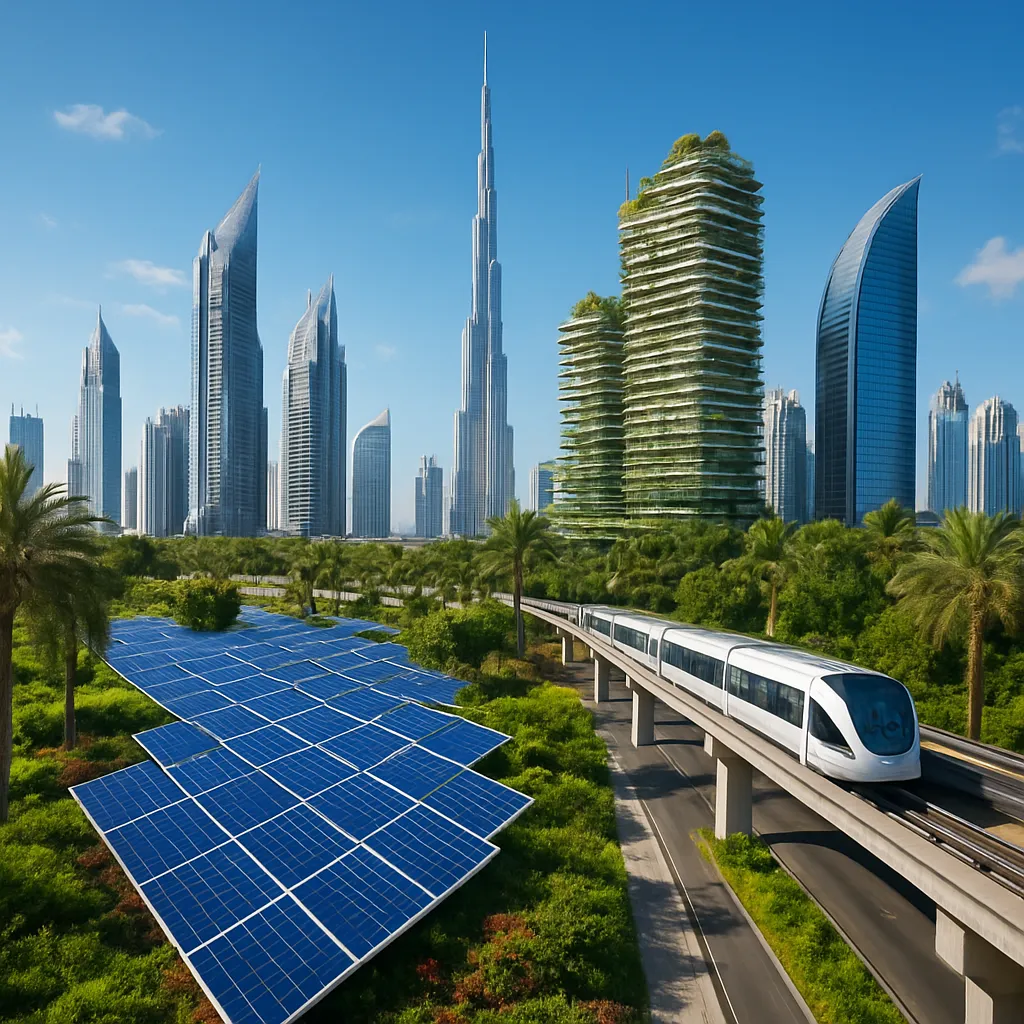
As Dubai continues its rapid expansion, sustainability has become a cornerstone of its architectural philosophy. From low-rise residential neighborhoods to mixed-use complexes, designers are embedding sustainability at every level of planning and execution. This commitment not only addresses environmental concerns but also enhances the long-term viability and economic value of each project.
Green Building Certifications
- Leadership in Energy and Environmental Design (LEED)
- Estidama Pearl Rating System
- WELL Building Standard
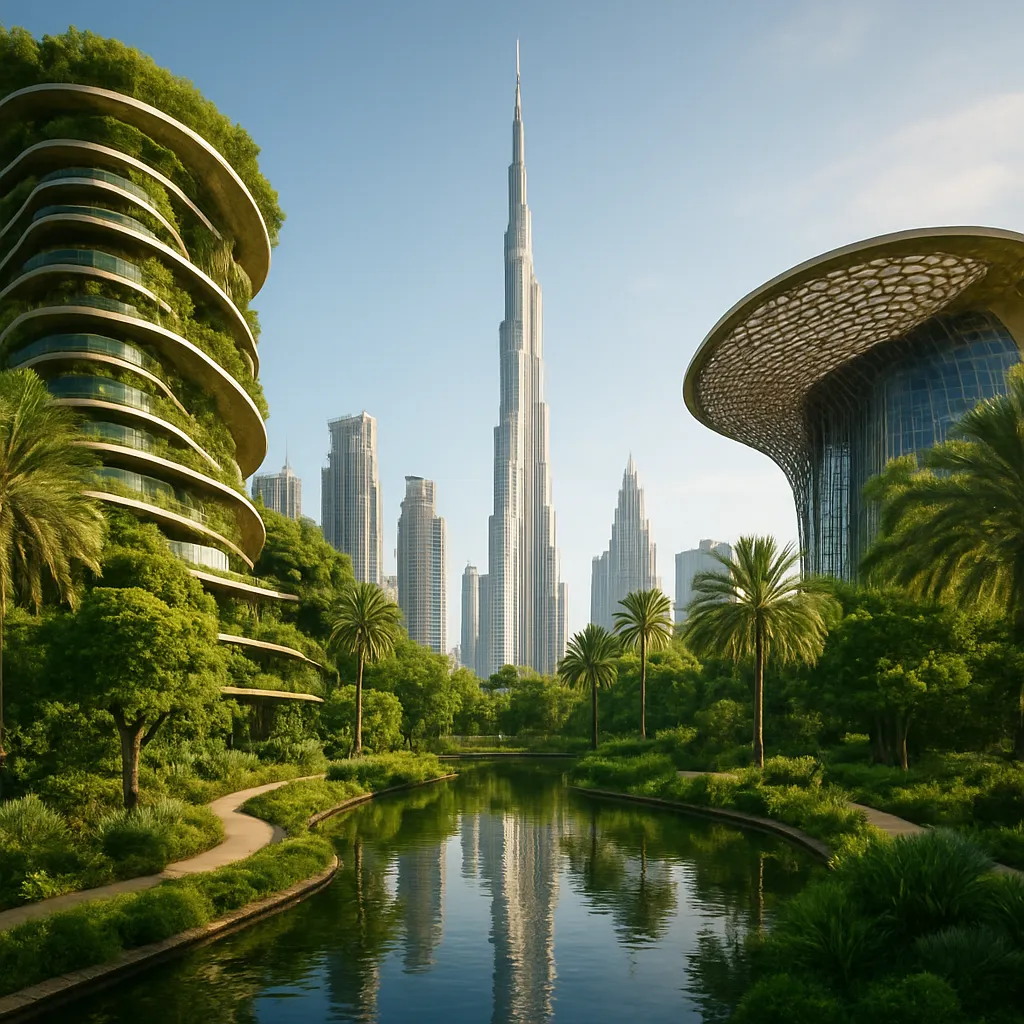
Projects that pursue these certifications employ a range of strategies such as rainwater harvesting, greywater recycling, and rooftop gardens. These features reduce resource consumption and provide additional social benefits, like communal green spaces and improved urban biodiversity.
Innovative Cooling Technologies
- District cooling: Centralized systems deliver chilled water to multiple buildings, achieving greater efficiency than individual units.
- Phase-change materials: Incorporated into walls and ceilings to absorb and release thermal energy, stabilizing indoor temperatures.
- Smart glazing: Electrochromic glass adjusts tint in response to sunlight, balancing daylight admission with solar heat gain.
These technologies reduce peak electricity demands and lower operating costs. By integrating smart sensors and building management systems, architects ensure that every component—from lighting to HVAC—responds in real time to occupancy patterns and weather fluctuations.
Iconic Landmarks and Community Spaces
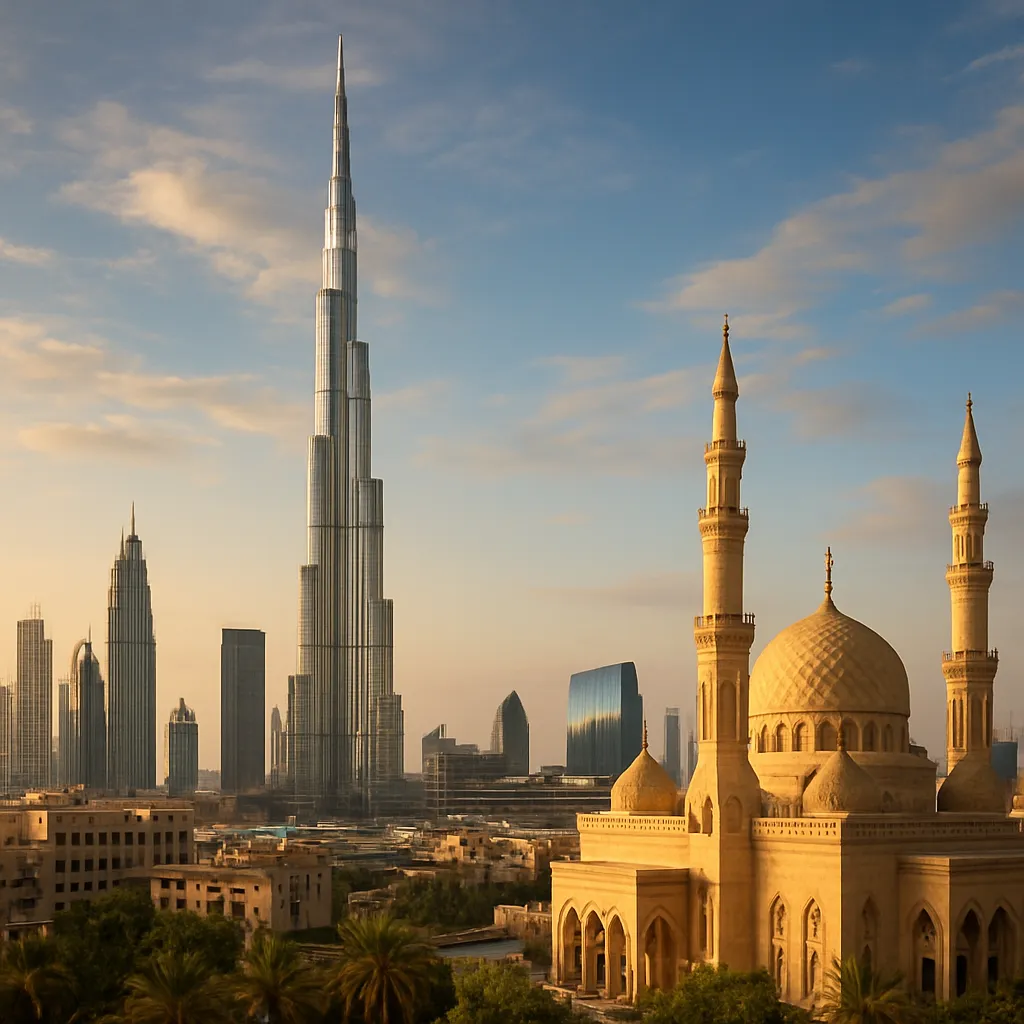
Beyond solitary towers, Dubai’s vision encompasses vibrant urban districts where social interaction and culture flourish. Innovative public spaces and heritage precincts are woven into the city’s fabric, offering a counterpoint to its futuristic skyscrapers.
Mixed-Use Developments
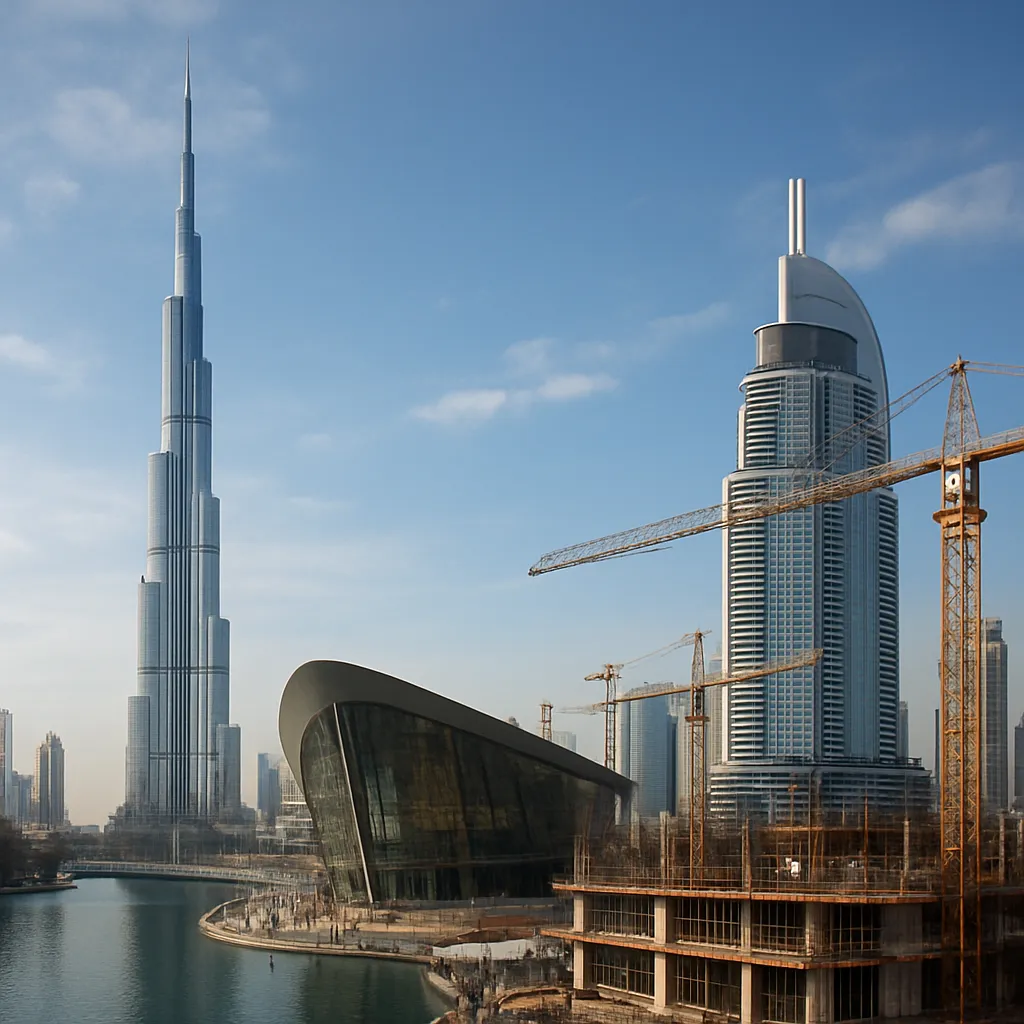
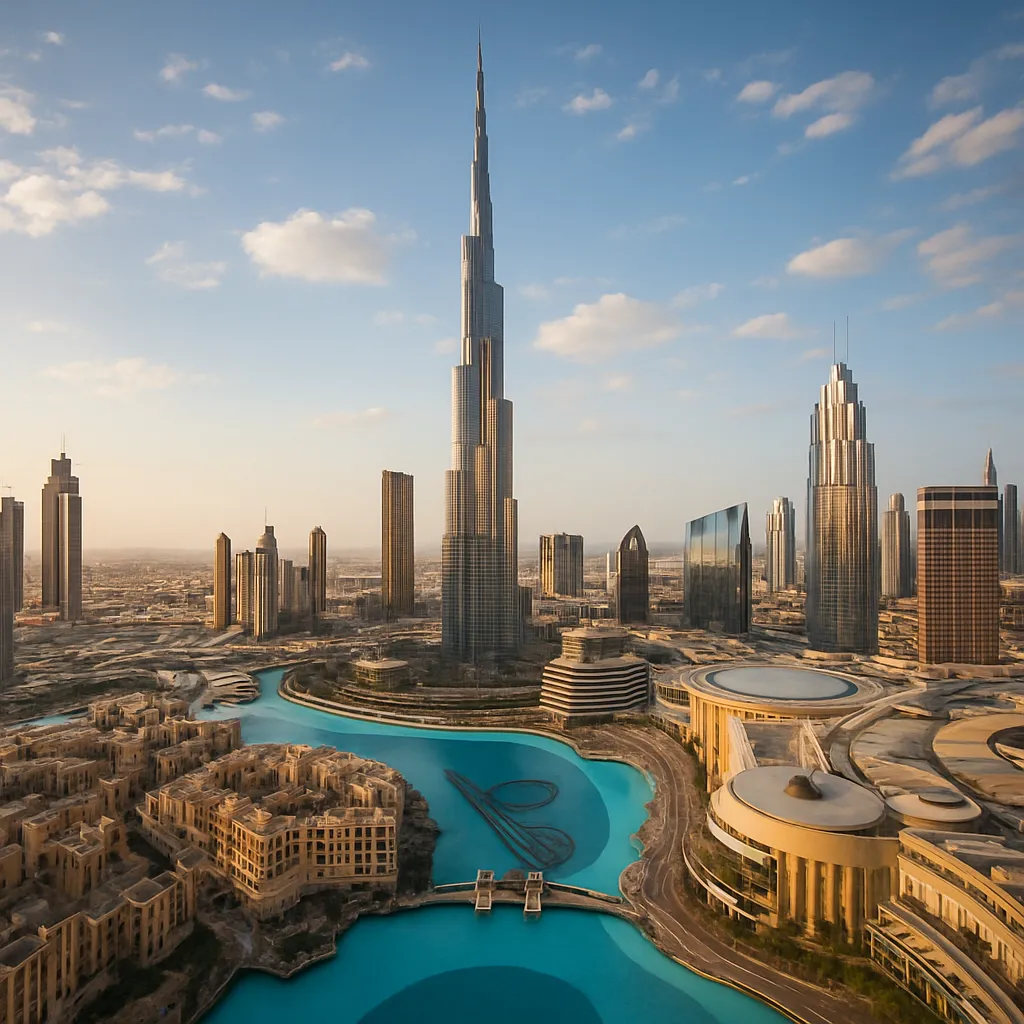
Developments like Dubai Creek Harbour and Downtown Dubai incorporate residential, commercial, and entertainment functions within pedestrian-friendly master plans. These complexes are designed to be marvels of urban planning:
- Wide promenades and shaded arcades enable comfortable movement even during the hottest months.
- Cultural venues, art galleries, and performance spaces are embedded amidst luxury storefronts to enrich daily life.
- Waterfront amenities and landscaped parks create a sense of connection to nature.
Cultural and Heritage Integration
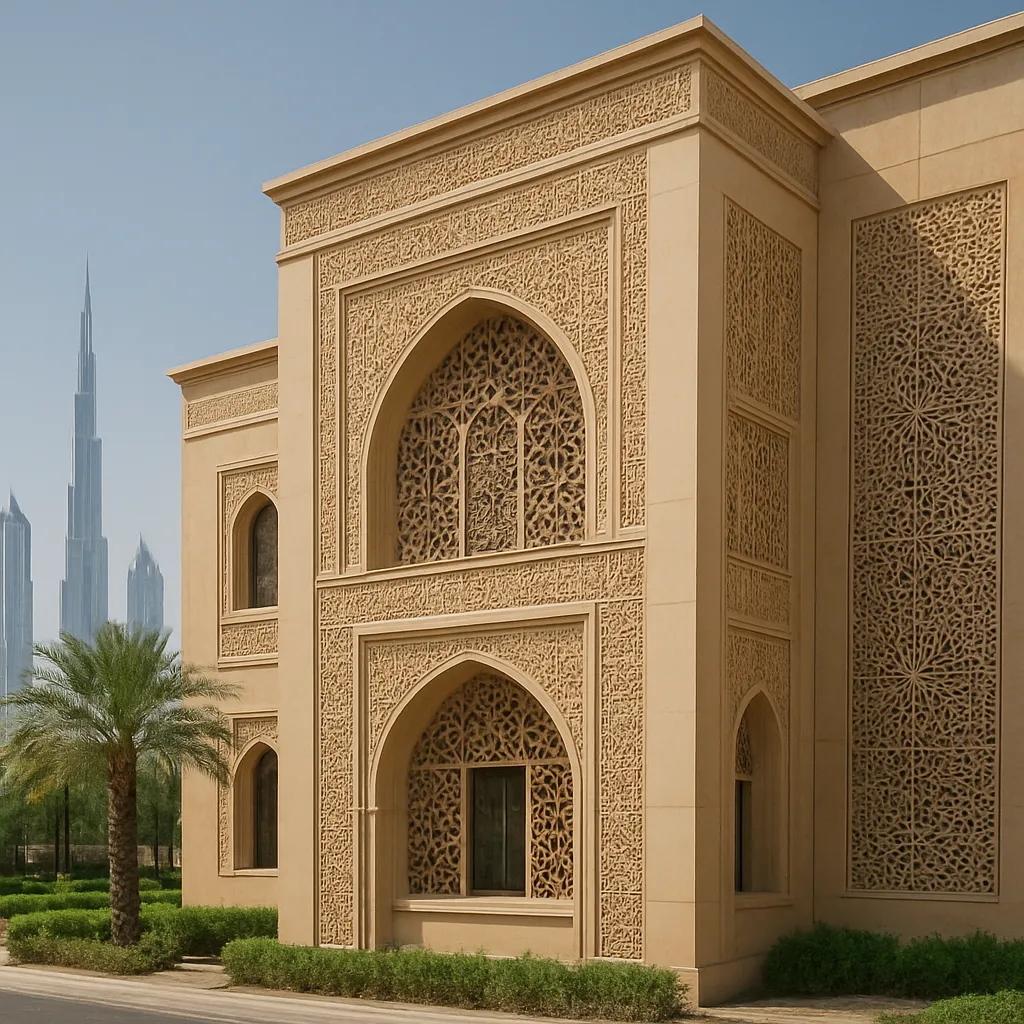
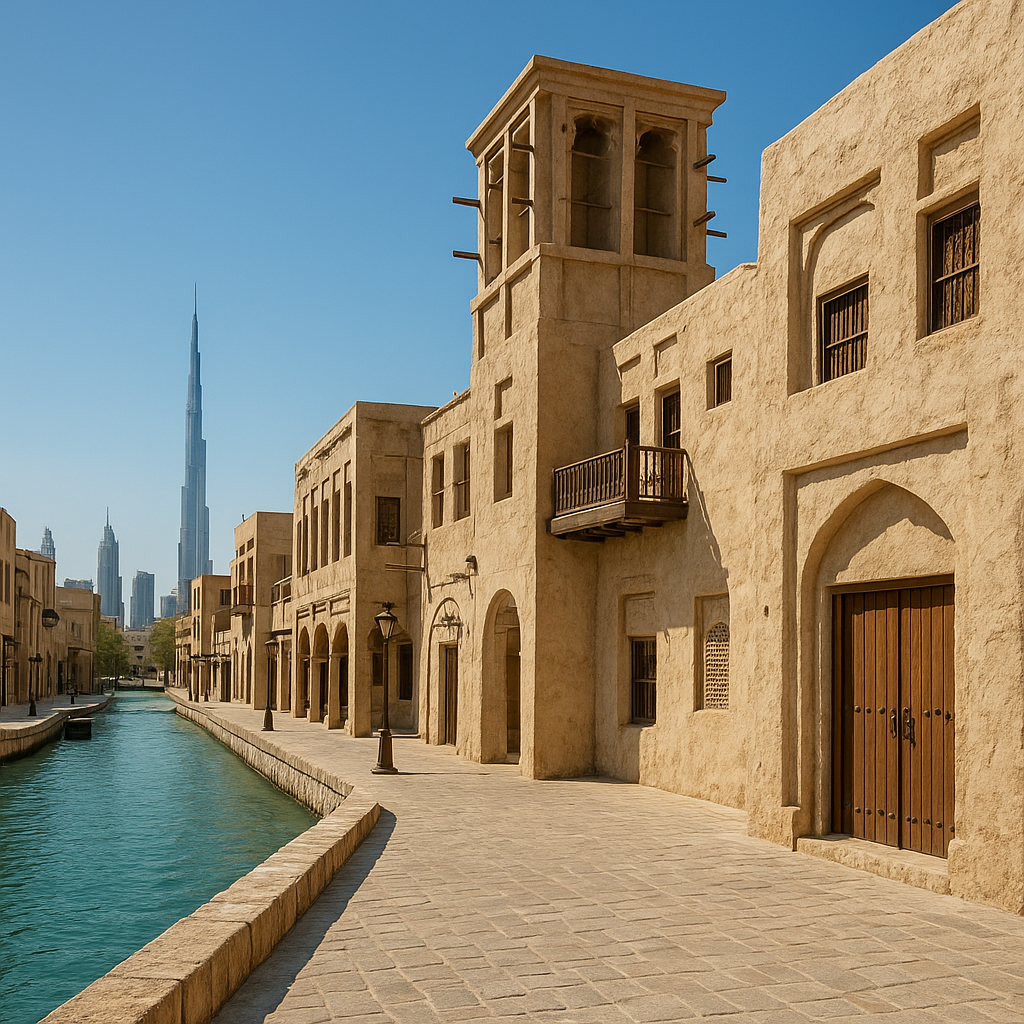
While Dubai is celebrated for its ultramodern skylines, the city’s architects also pay homage to its heritage. Renovation projects in Al Bastakiya and Al Fahidi District preserve traditional wind towers and coral stone walls. Contemporary interventions are carefully inserted to enhance these historic structures without compromising their authenticity.
- Adaptive reuse of pearling houses provides boutique hotels and cultural centers.
- Modern lighting and interpretive displays bring heritage sites to life after dusk.
- Interactive museums showcase the emirate’s transformation from desert outpost to global hub.
The Role of Technology and Materials
In Dubai, cutting-edge technology is not a mere accessory; it is the backbone of visionary architecture. From advanced modelling software to robotics on construction sites, projects here leverage the latest tools to turn ambitious designs into reality.
Parametric Design and Computational Tools
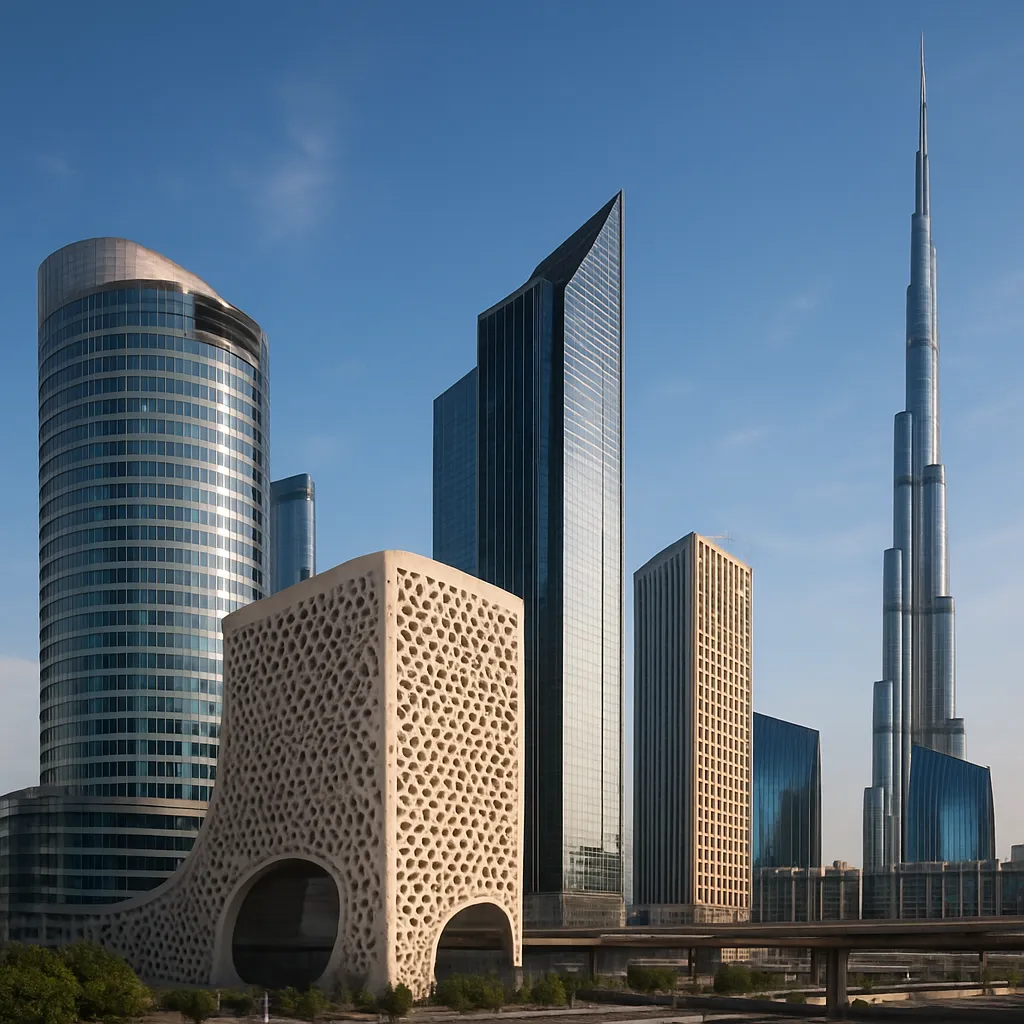
Parametric modelling allows for the exploration of complex geometries and performance simulations early in the design process. By adjusting parameters such as façade perforation patterns or structural grid spacing, architects can optimize both visual impact and environmental response. This approach results in buildings that are simultaneously sculptural and data-driven.
High-Performance Materials
- Self-cleaning façades: Nano-coatings repel dust, reducing maintenance in the desert environment.
- 3D-printed concrete: Enables rapid prototyping of intricate shapes with minimal waste.
- Advanced composites: Provide high strength-to-weight ratios, allowing for daring cantilevers and overhangs.
Material innovation also supports Dubai’s ambitious drive toward a carbon-neutral and climate-resilient future. New carbon-sequestering cements and recycled aggregates are making their way into major developments, aligning with global efforts to reduce embodied carbon.
Conclusion of Dubai’s Built Environment
Dubai’s architects continue to push the envelope, proving that aesthetics and practicality need not be mutually exclusive. By harnessing technology, embracing sustainability, and respecting both the natural climate and cultural heritage, they create structures that not only stand as landmarks but also serve the needs of a dynamic city. Each skyline addition reaffirms Dubai’s ambition to be a global stage for architectural innovation and an enduring example of balanced design.