The city of Dubai has transformed from a desert trading hub into a global powerhouse of architectural marvels. Its architects continually push the boundaries of design, blending luxury with efficiency to create structures that redefine what’s possible. This article explores how visionary planning, advanced technologies, and sustainable strategies come together to shape the breathtaking skyline.
Urban Vision and the Icons of Luxury
Shaping the Skyline
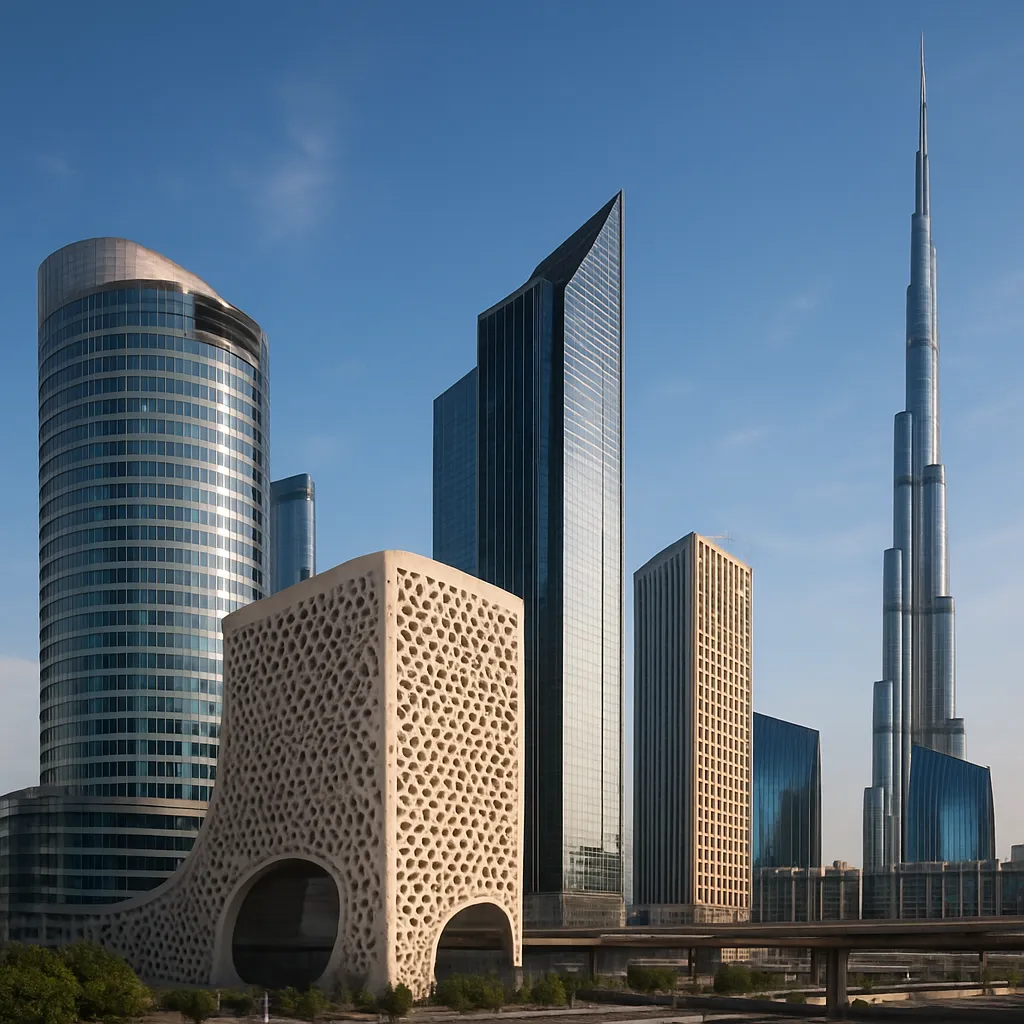
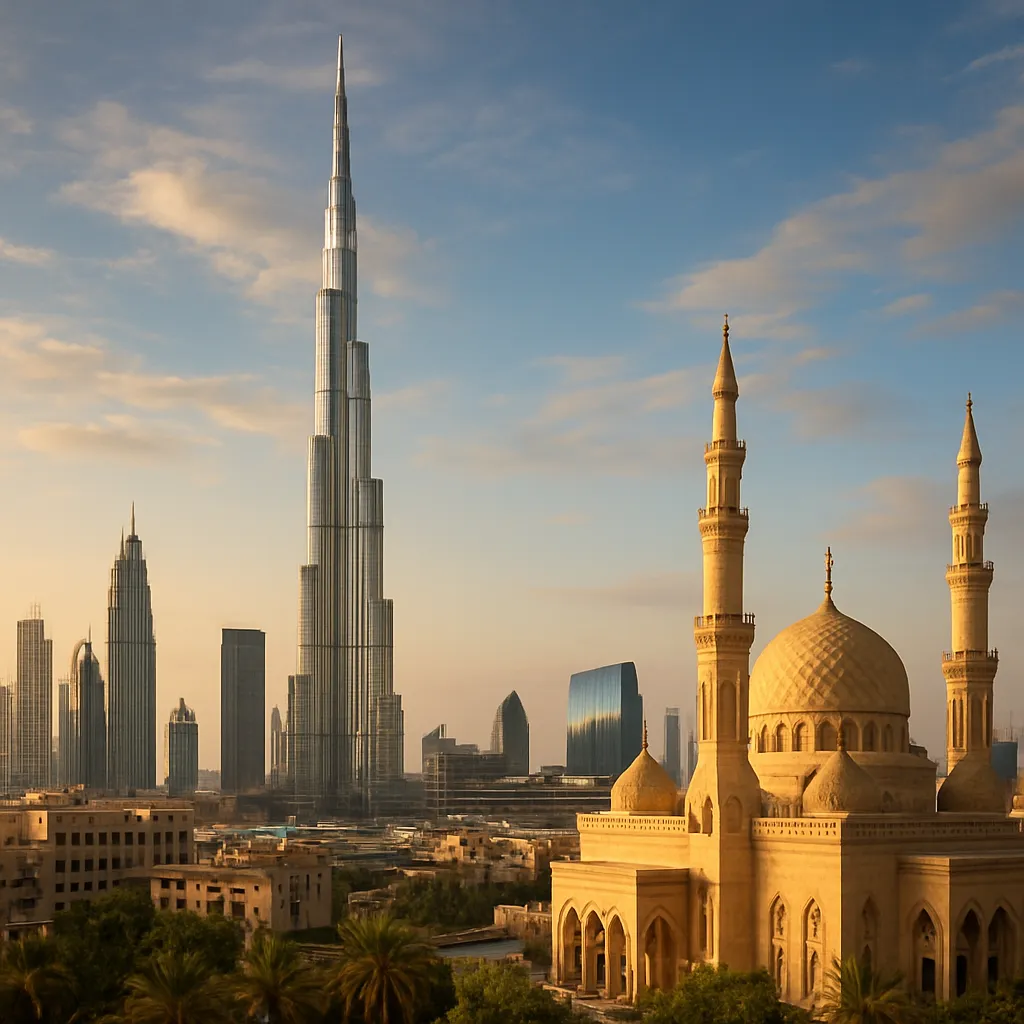
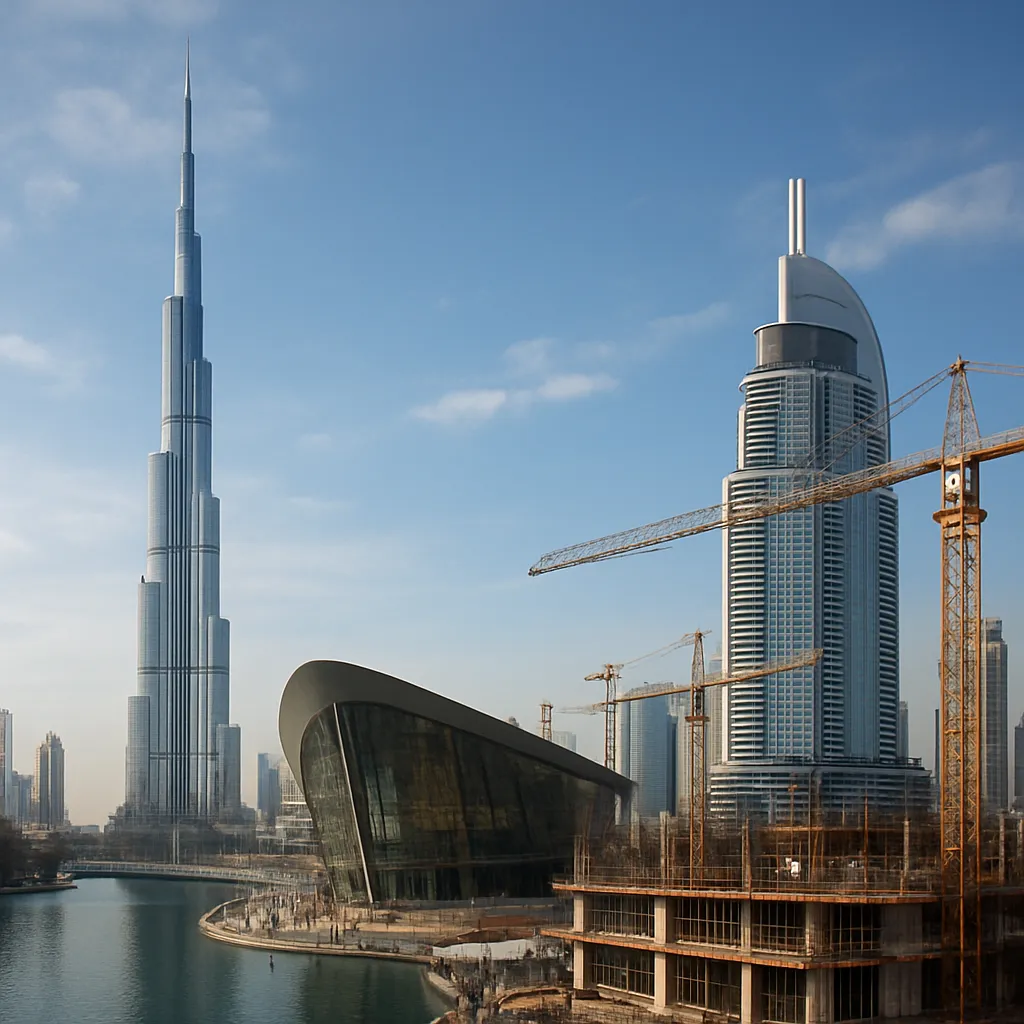
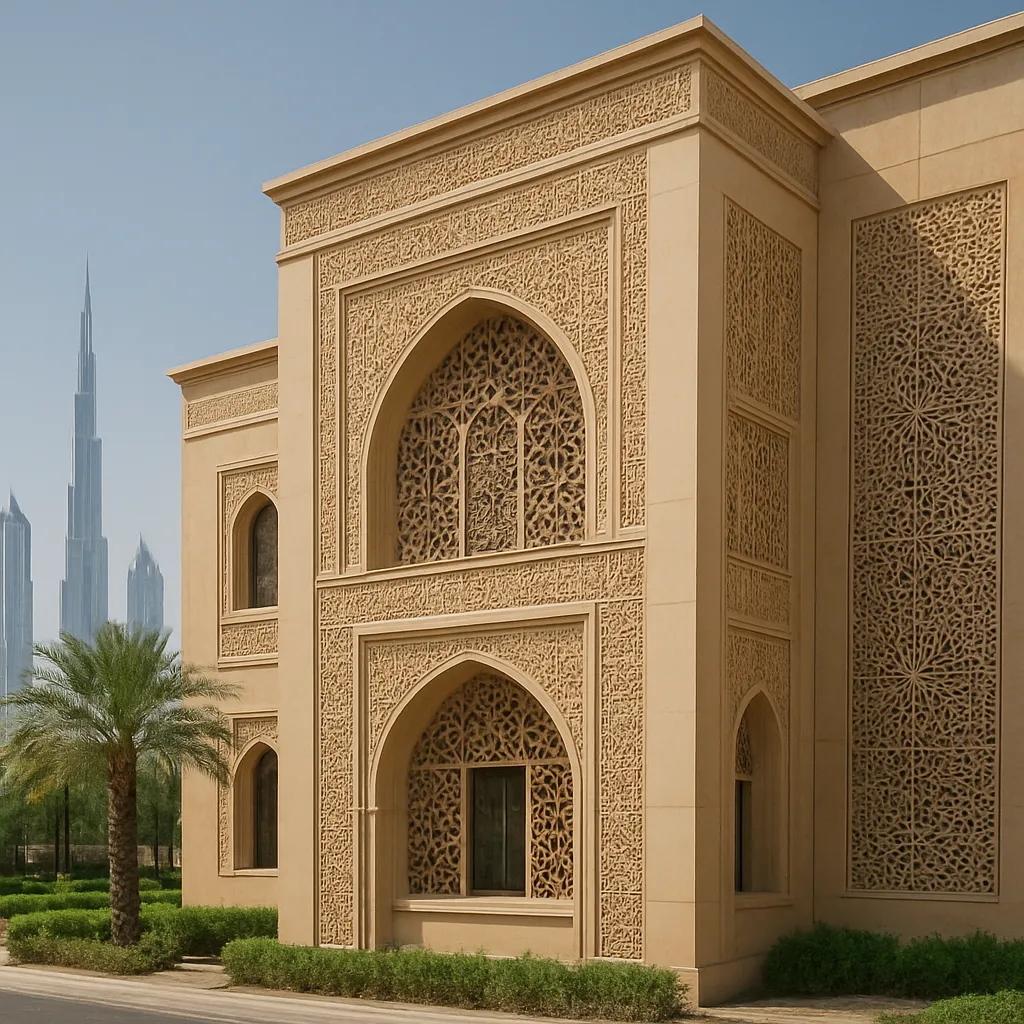
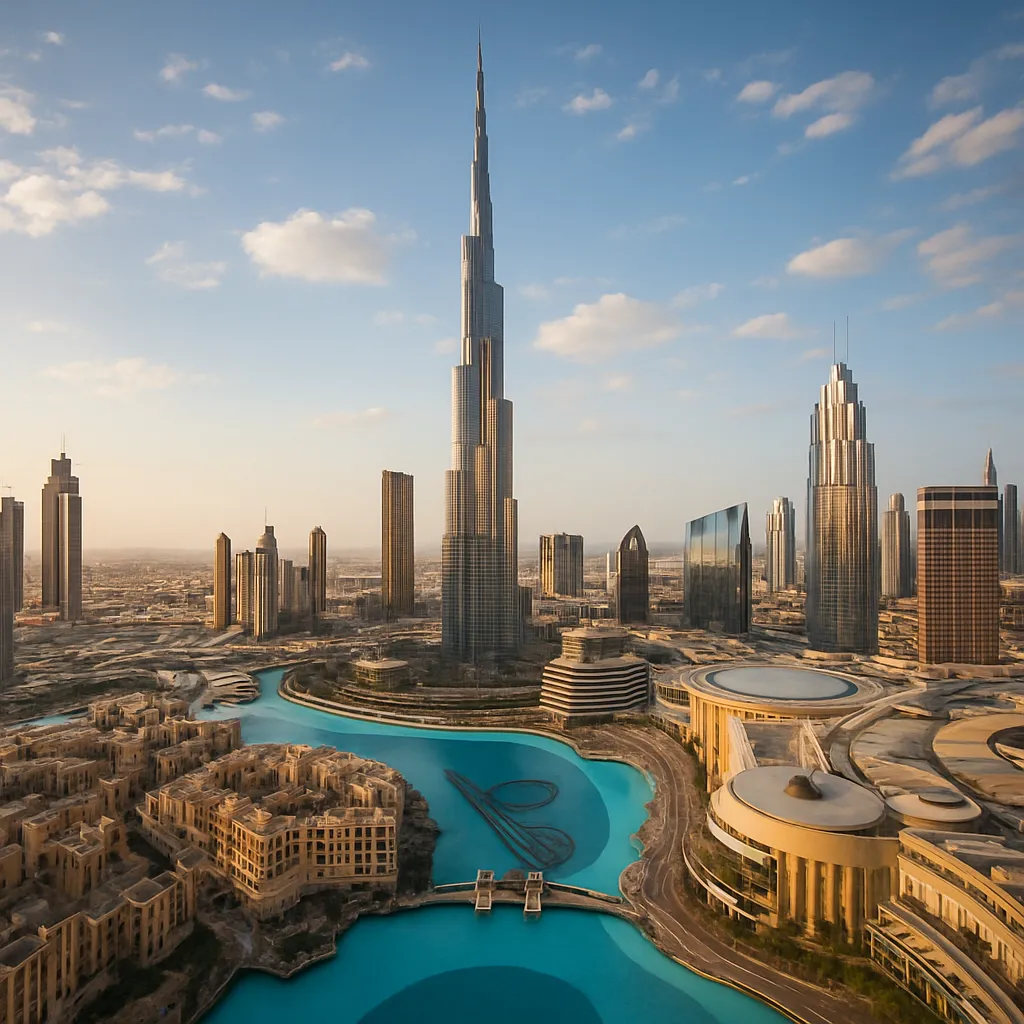
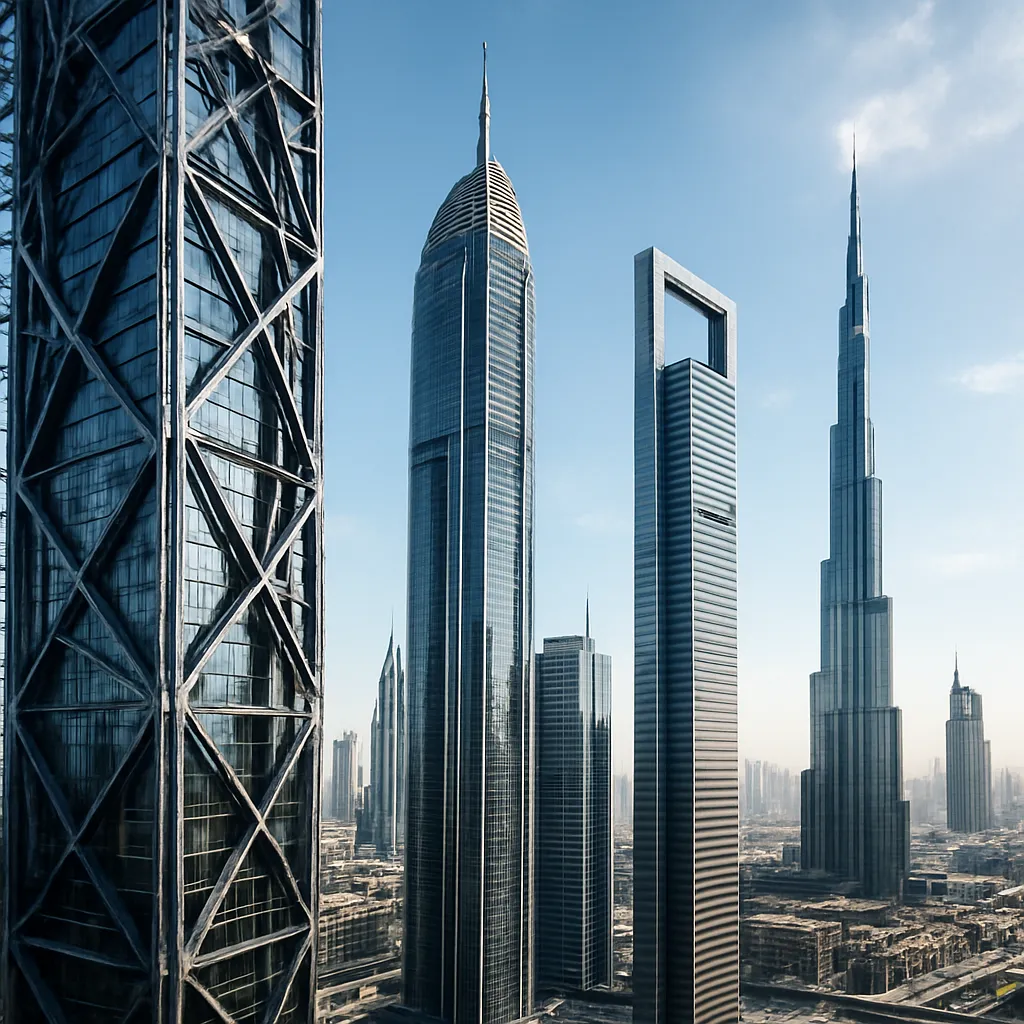
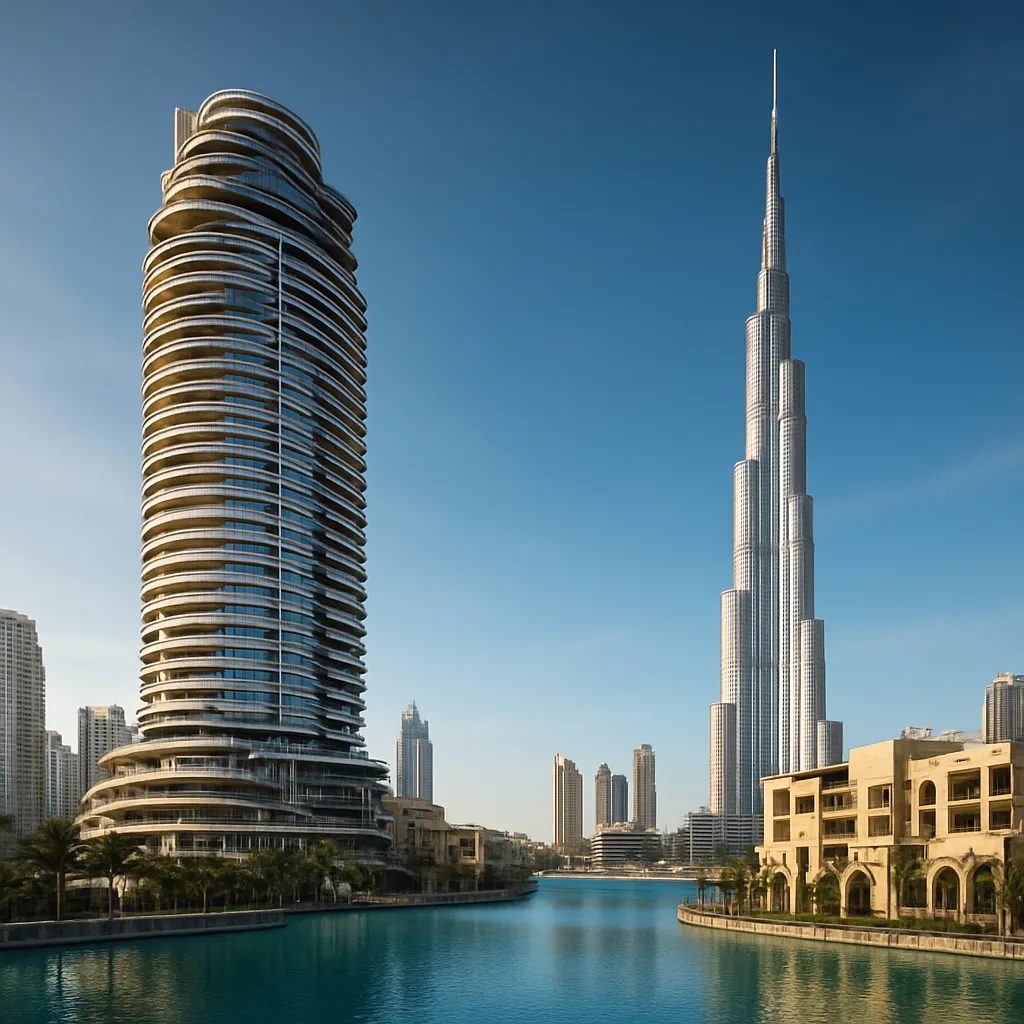
Dubai’s skyline is more than a collection of tall buildings; it represents an ongoing quest for innovation and distinction. Architects begin each project by considering the city’s master plan and the desired impact on the urban fabric. Every new tower must complement existing landmarks while offering something uniquely spectacular. The goal is to create cohesive clusters of development that balance dazzling forms with real-world functionality. From the crenellated peaks of supertall spires to the fluid curves of waterfront residences, each silhouette contributes to the city’s identity.
Iconic Landmarks and Mixed-Use Towers
Landmarks such as the Burj Khalifa and the twisting Cayan Tower exemplify how cutting-edge design becomes a magnet for tourism, investment, and media attention. These structures incorporate technology such as double-skin façades or responsive shading systems to optimize interior comfort. Mixed-use developments seamlessly integrate offices, hotels, retail, and residential apartments under one roof, offering unprecedented levels of convenience. High-end amenities—from infinity pools overlooking the city to subterranean spas—cater to the discerning tastes of residents and visitors alike.
- Sky gardens and observation decks with panoramic views
- Integrated shopping promenades and art installations
- Flexible floor plates for offices, hotels, and luxury residences
- Advanced security and smart access control throughout
Integrating Efficiency through Innovative Technologies
Advanced Materials and Construction Methods
Underpinning Dubai’s architectural feats is an unwavering commitment to efficiency. Lightweight composites, high-performance glass, and ultra-high-strength concrete allow for taller, more slender towers without sacrificing safety or comfort. Prefabrication techniques accelerate project timelines and reduce waste, while 3D printing of building components adds precision and design freedom. The use of modular construction in certain mid-rise neighborhoods slashes costs and environmental impact, all while maintaining a high level of customization.
Smart Building Systems
Smart technologies are woven into the very DNA of new developments. Automated HVAC systems adapt to real-time occupancy and weather conditions, significantly cutting energy consumption. IoT sensors monitor structural health, triggering maintenance before any faults escalate. Integrated digital platforms allow residents to control lighting, window shading, and climate settings via smartphone apps. Even parking garages are becoming fully automated, optimizing space utilization and reducing emissions from idling vehicles.
Designing for Sustainability in a Desert Environment
Water and Energy Management
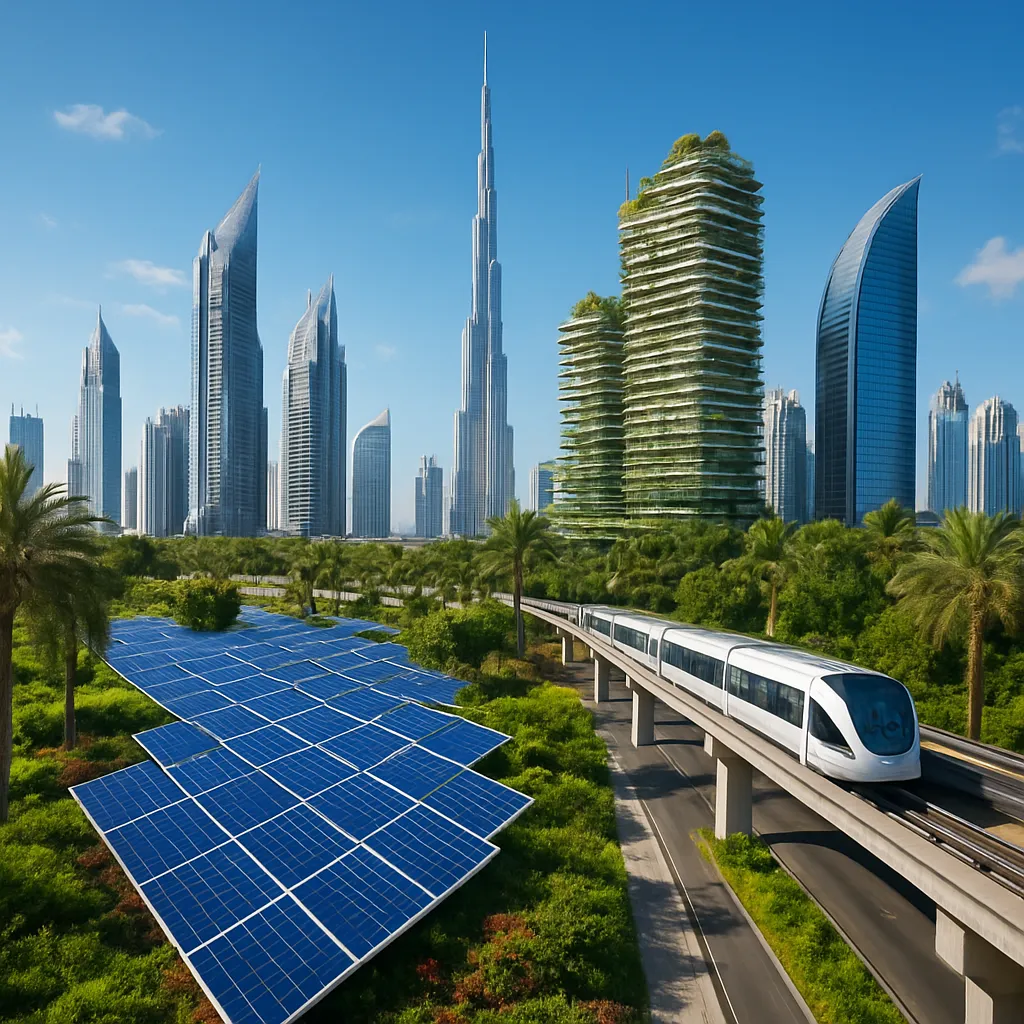
Dubai’s harsh desert climate demands forward-thinking approaches to resource conservation. Architects collaborate with engineers to harvest and treat greywater for irrigation, while condensate from air conditioning systems recovers significant volumes of fresh water. Rooftop solar panels and building-integrated photovoltaics offset electrical loads, and district cooling networks enhance thermal efficiency across entire neighborhoods. Careful orientation and façade design minimize solar heat gain, reducing reliance on mechanical cooling.
Green Strategies
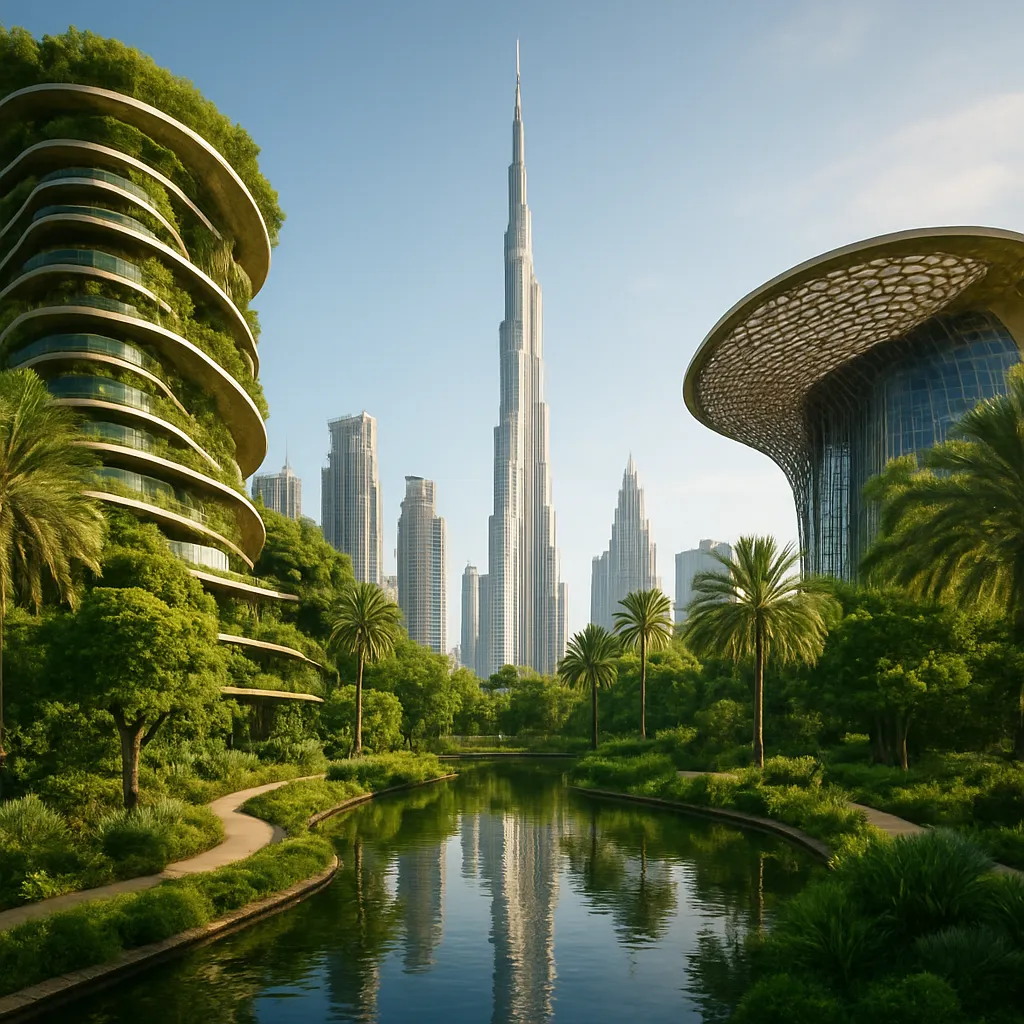
Green roofs and sky terraces transform concrete rooftops into lush oases, improving insulation and biodiversity in the urban core. Native and drought-tolerant plant species flourish with minimal irrigation, while vertical gardens enhance air quality and aesthetic appeal. Buildings seeking the highest sustainability certifications utilize pervious paving, rainwater harvesting, and bio-based materials. The result is a new generation of structures that embody sustainability without compromising the luxury experience.
Masterplanned Communities and Beyond
Mixed-Use Developments
Dubai’s masterplanned communities, such as Dubai Marina and Downtown Dubai, showcase how thoughtful zoning creates vibrant, walkable districts. High-density residential towers are interspersed with leisure promenades, cultural landmarks, and office complexes. Amenities such as marinas, golf courses, and shopping malls are woven into the urban landscape, fostering social interaction and economic vitality. Each component is carefully crafted to deliver a seamless blend of work, life, and play.
Community and Connectivity
Beyond the buildings themselves, architects and urban planners prioritize connectivity. Elevated walkways, metro stations, and cycling paths link neighborhoods to regional transport networks, reducing car dependency and traffic congestion. Plazas and public art installations encourage social gathering, while smart lighting and landscaping ensure safety and comfort after dark. The design ethos centers on creating inclusive places that welcome both residents and visitors of all backgrounds.
Challenges and Future Outlook
Climate Resilience
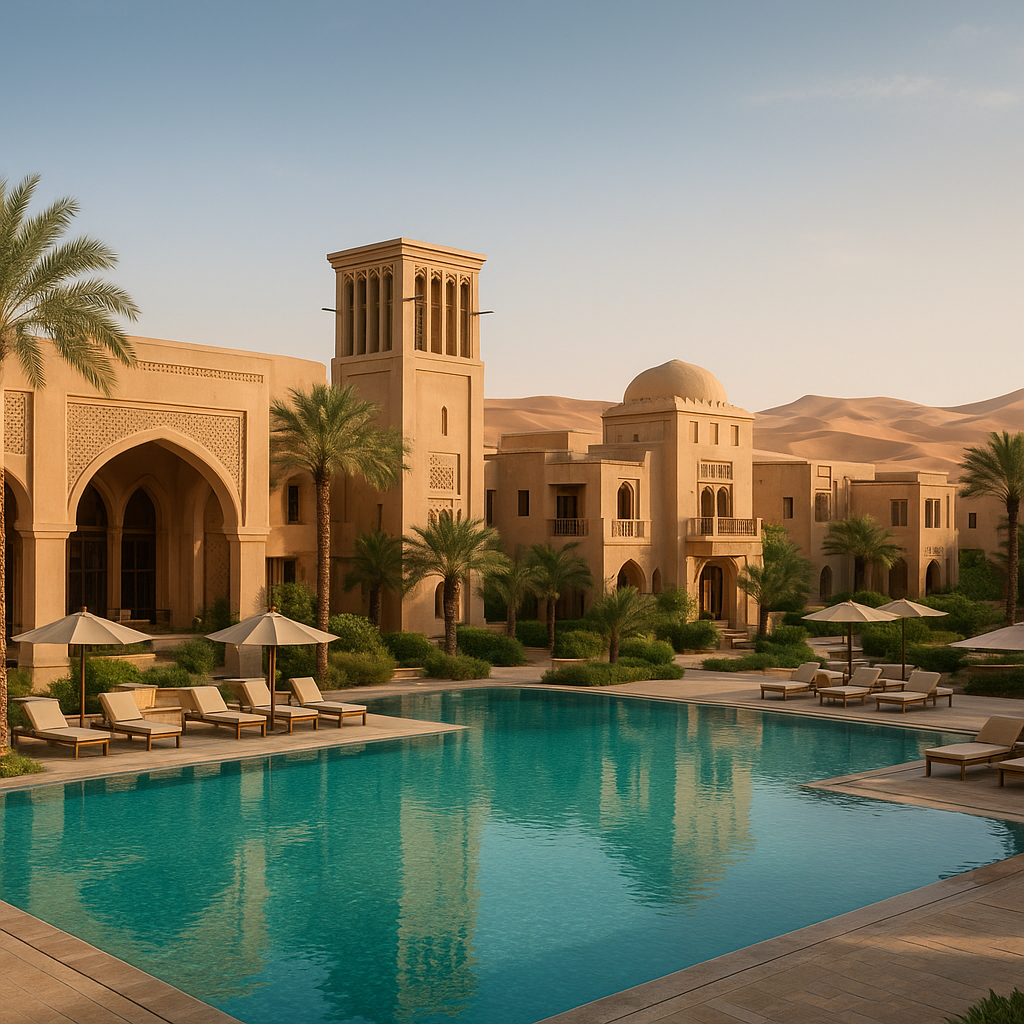
As global temperatures rise and coastal regions face increased risk of flooding, Dubai’s architects are exploring strategies for climate resilience. Elevated podiums, flood barriers, and permeable landscaping buffer against storm surges. Buildings incorporate passive cooling techniques—such as wind towers and earth tubes—to reduce energy needs. The pursuit of resilience is driving research into materials and forms that can withstand extreme weather events.
Technological Evolution
The next frontier lies in integrating AI and robotics more deeply into design and construction. Generative algorithms enable architects to optimize structural systems for weight, cost, and aesthetics simultaneously. Robotic assembly and drones promise faster, safer building processes, while augmented reality tools streamline collaboration across disciplines. Every innovation brings Dubai closer to a vision of architecture that is simultaneously aesthetics-driven, highly efficient, and ever more sustainable.