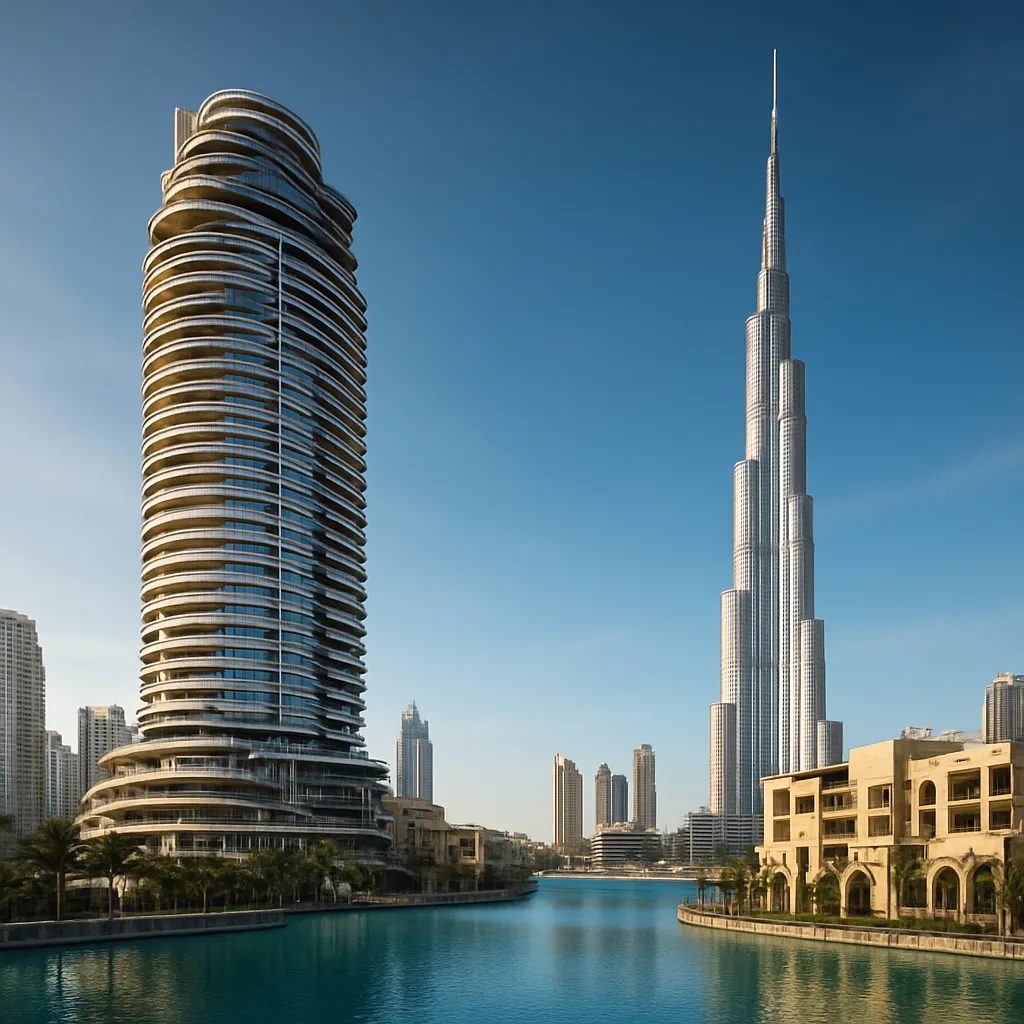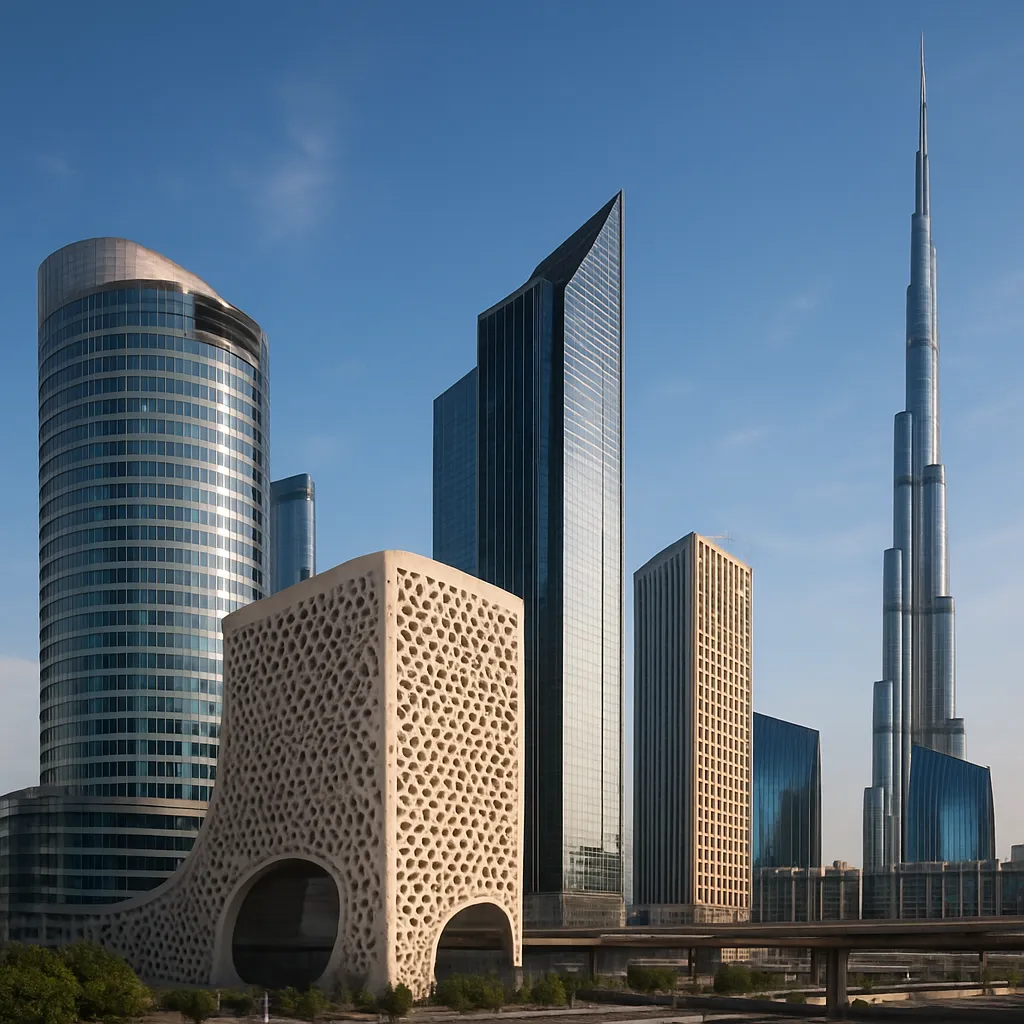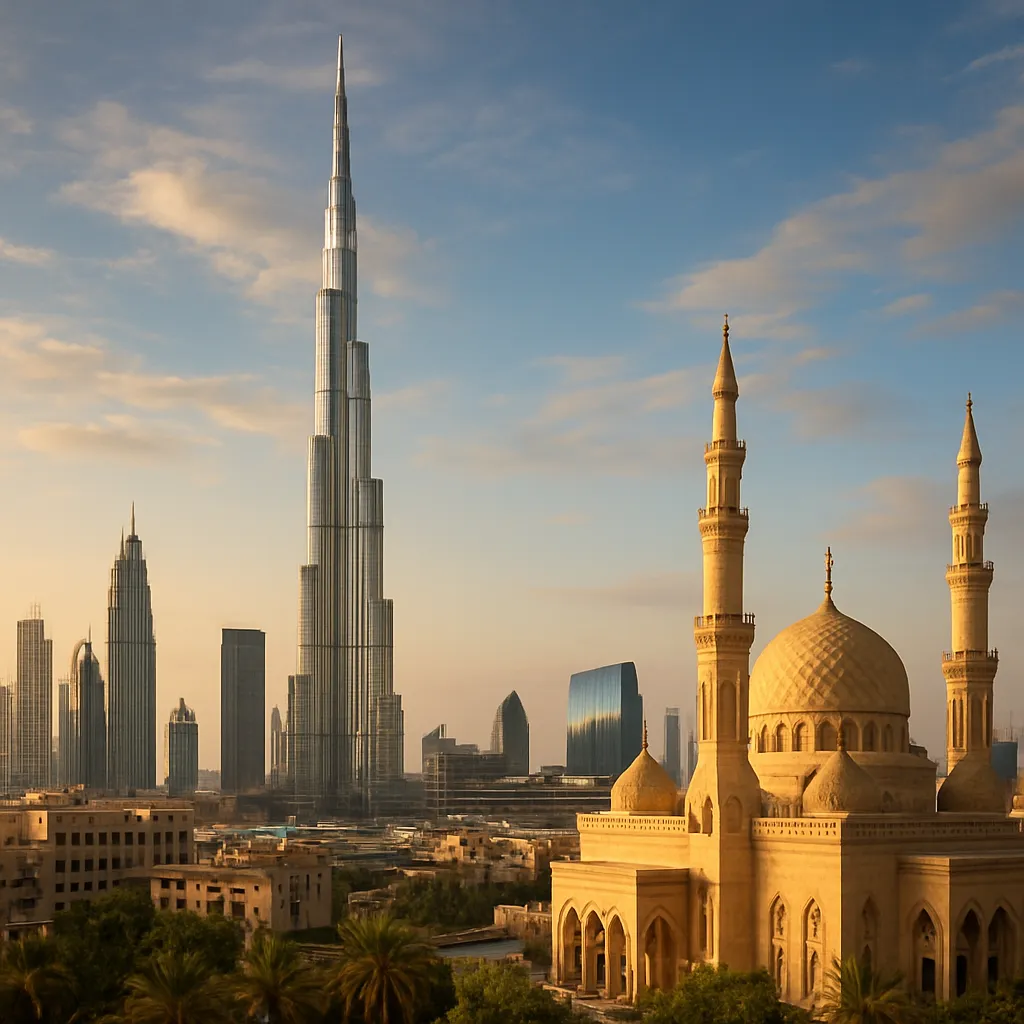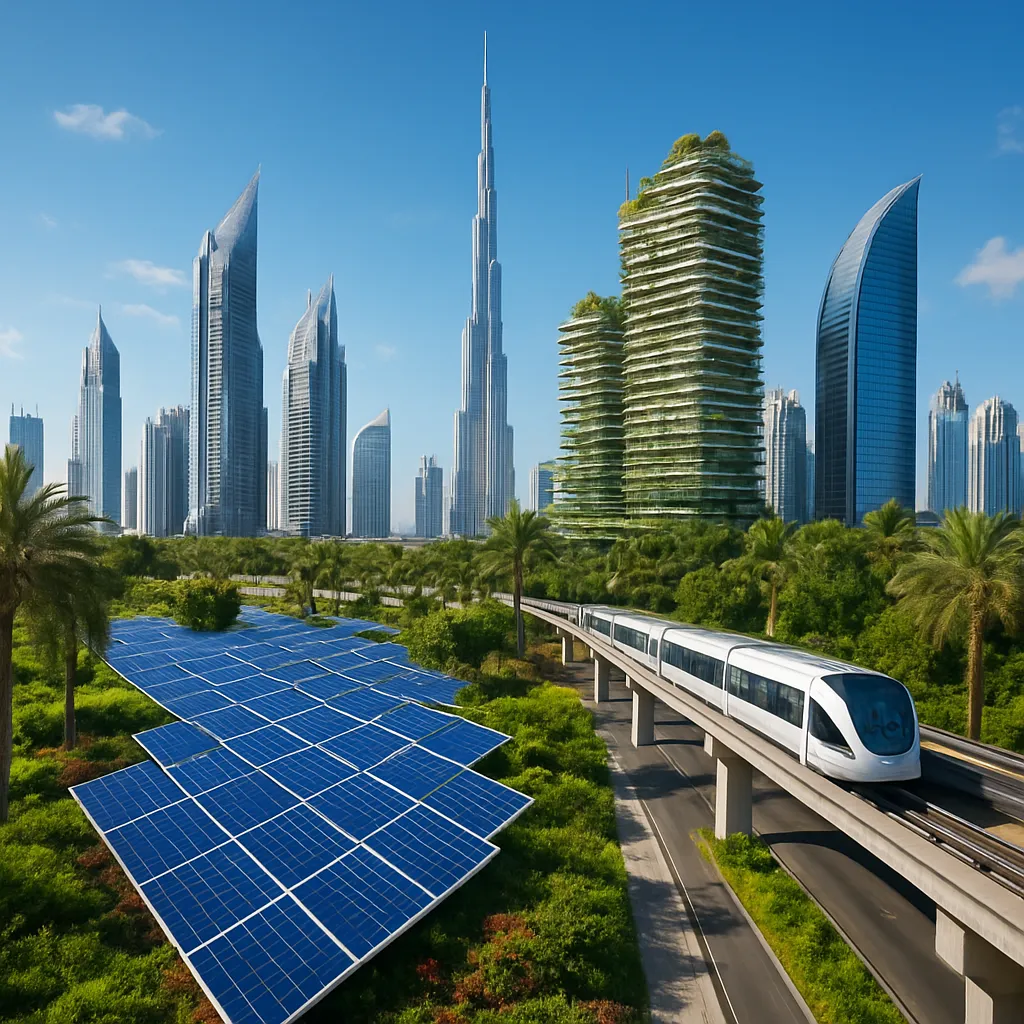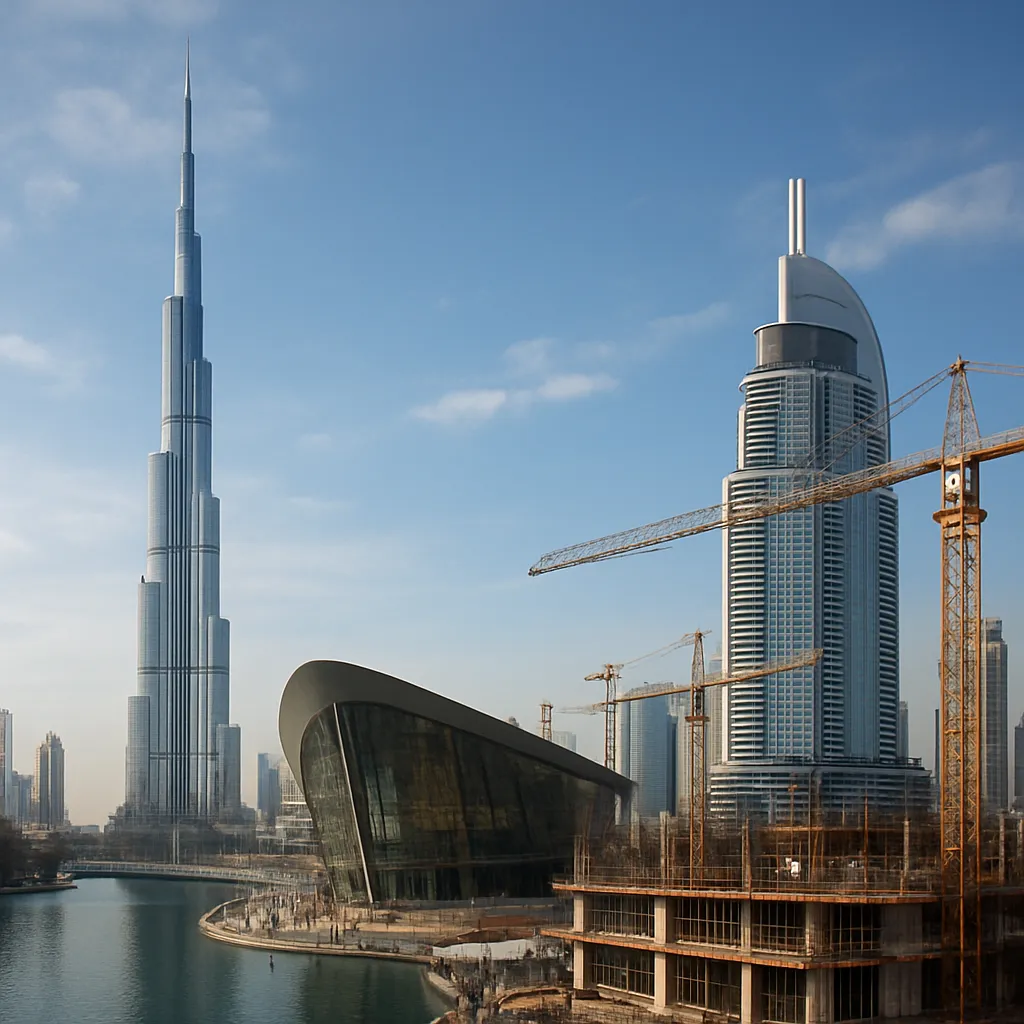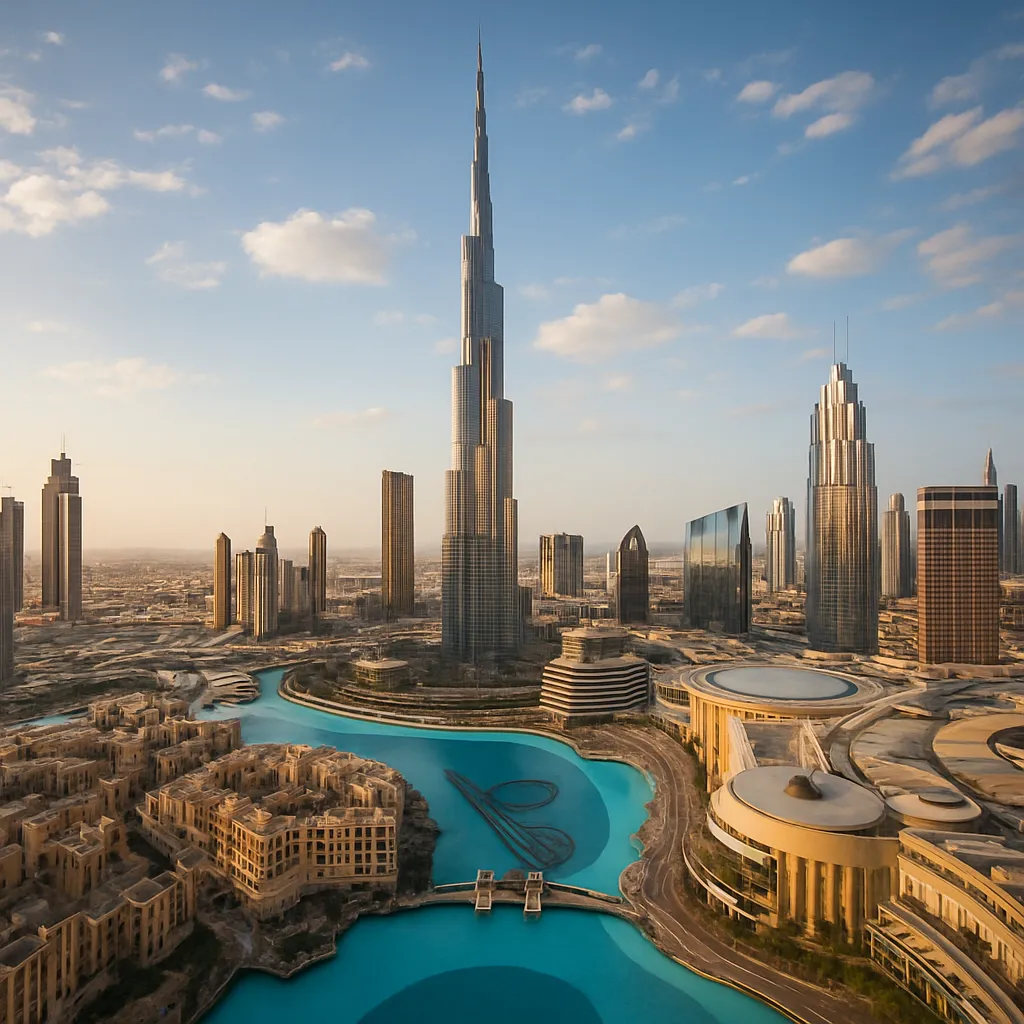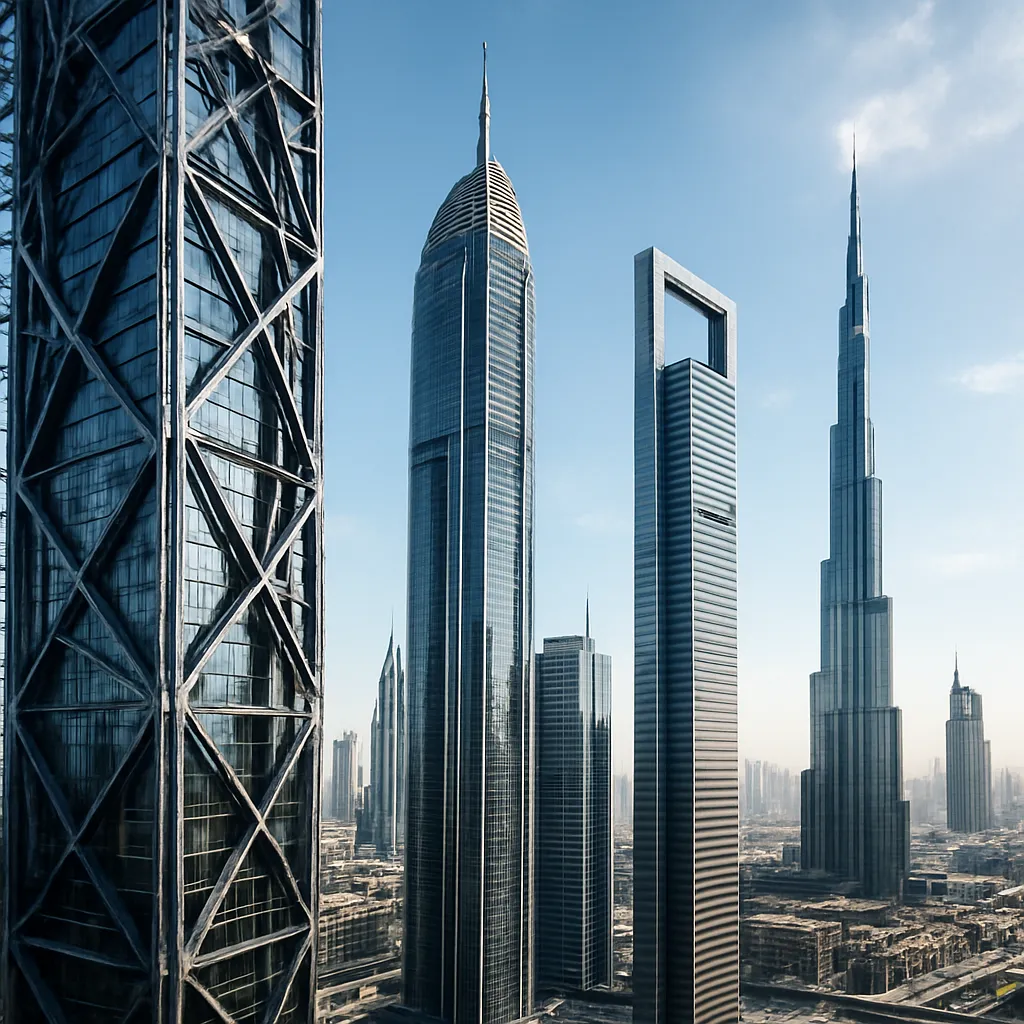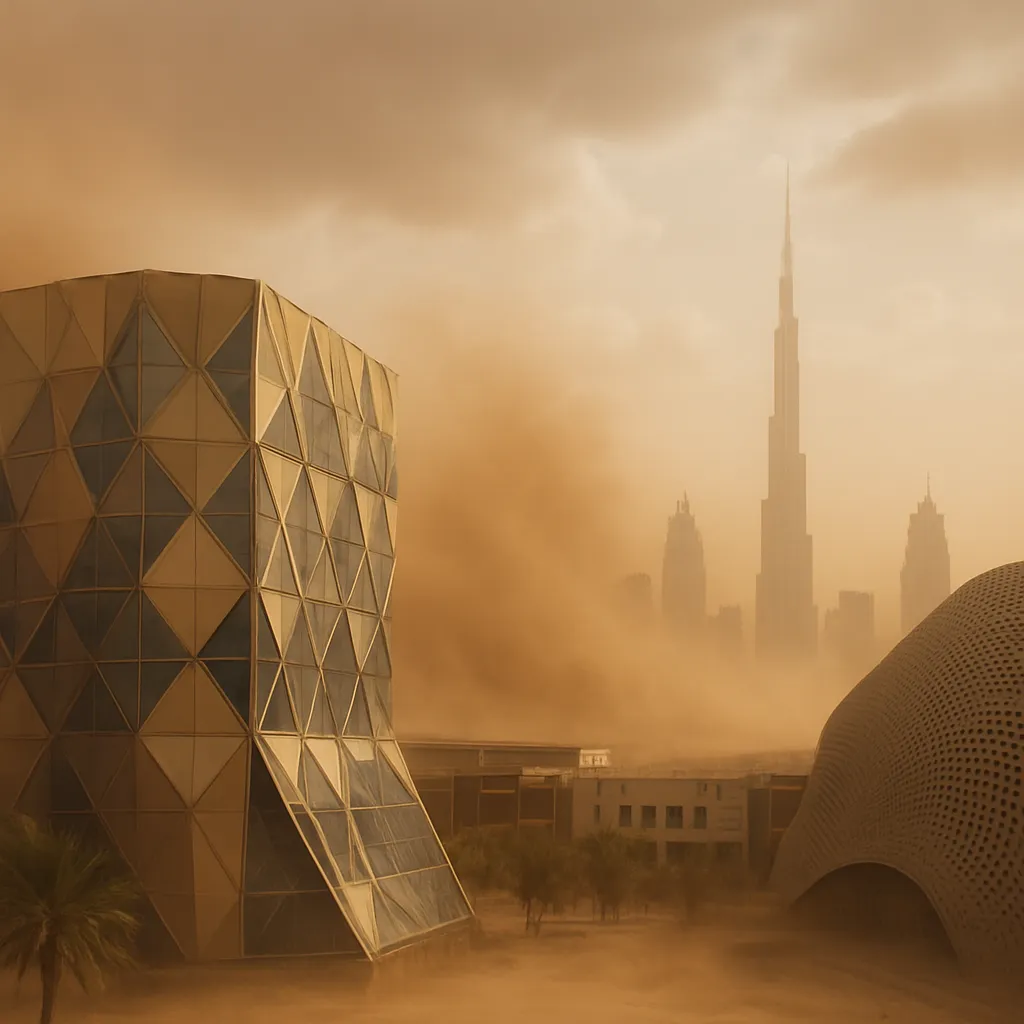
In the heart of the desert, Dubai’s architectural pioneers face two formidable adversaries: relentless sandstorms and extreme heat. Through bold experimentation and meticulous planning, designers have pushed the boundaries of innovation and sustainability to craft buildings that harness desert winds, reflect solar radiation, and blend functional precision with striking aesthetics. This exploration unveils how modern towers and cultural landmarks in Dubai leverage advanced technology and intelligent design to achieve unparalleled resilience in one of the world’s most challenging climates.
Climate-responsive Design Strategies
Strategic site orientation and aerodynamic massing help buildings slice through gusty sandstorms and channel breezes into occupied spaces. By aligning façades perpendicular to prevailing winds, architects maximize natural ventilation and reduce reliance on mechanical cooling. Iconic forms such as twisted or tapering towers break up wind currents, minimizing abrasive particle accumulation and structural stress.
Courtyards, narrow alleys, and water features create microclimates that temper extreme temperatures. Placing shaded oases within building clusters lowers ambient heat and encourages social interaction. Key climate-responsive tactics include:
- Wind towers and wind catchers that funnel cooler air downward
- Deep overhangs and brise-soleil systems to block direct sunlight
- Reflective roof coatings with high solar reflectance indices
- Landscaped buffer zones trapping dust before it reaches façades
- Thermal mass elements that store coolness overnight
Advanced Materials and Technologies
To withstand extreme UV exposure and abrasive desert sands, facades feature cutting-edge coatings and glazing assemblies. Ceramic frit glasses with nano-scale textures scatter sunlight, while low-emissivity films reduce solar heat gain by up to 70%. Embedded within curtain walls, phase-change materials absorb and release latent heat, moderating indoor temperatures during peak afternoons and cooler nights.
Innovative insulation panels composed of aerogel and recycled polymers pack high R-values into slender profiles. In high-rise residential towers, double-skin façades create ventilated cavities that extract hot interior air. Automated louvers within these cavities adjust in real time, optimizing daylight while maintaining thermal comfort. Many projects incorporate smart sensors to monitor humidity, temperature, and particulate levels, enabling predictive maintenance and adaptive control of shading devices.
Additional technological breakthroughs:
- Self-cleaning glass with photocatalytic coatings that break down grime
- Robust solar control coatings that resist abrasion from blowing sand
- High-performance sealants and gaskets preventing air and dust infiltration
- Modular prefabricated components streamlining on-site assembly
Harmonizing Tradition with Modernity
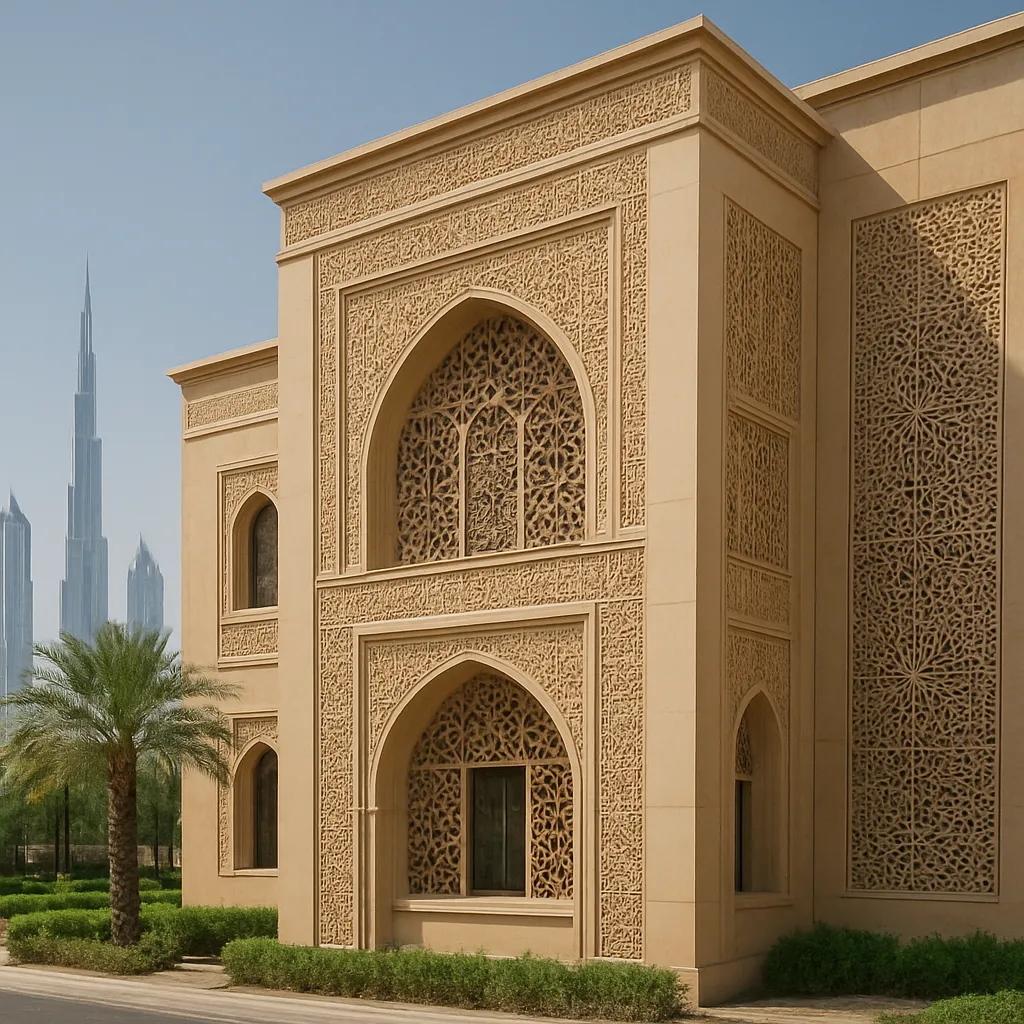
While Dubai often symbolizes futuristic skylines, its architects pay homage to centuries-old Arabian strategies. Perforated mashrabiya screens reinterpret traditional latticework, casting intricate shadows that reduce solar loads. The ornamental screens vary in density across façades, forming a gradient of transparency that adapts to sun paths. This parametric approach marries digital fabrication with cultural heritage, resulting in façades that are both functional and symbolic.
Elements like central courtyards and narrow shaded pedestrian passages echo the spatial logic of historic desert settlements. These communal spaces are often lined with palm-lined water canals, providing evaporative cooling and visual relief. Local artisans collaborate on handcrafted details—wooden beams, stone inlays, and carved plaster—that root modern structures in Emirati tradition, reinforcing a sense of place while integrating biophilic design principles.
Key cultural-modern hybrids include:
- Windcatcher-inspired ventilation shafts within high-rises
- Adjustable mashrabiya façades controlled by smart actuators
- Reflective pools at building bases to enhance evaporation
Creating Community and Green Spaces
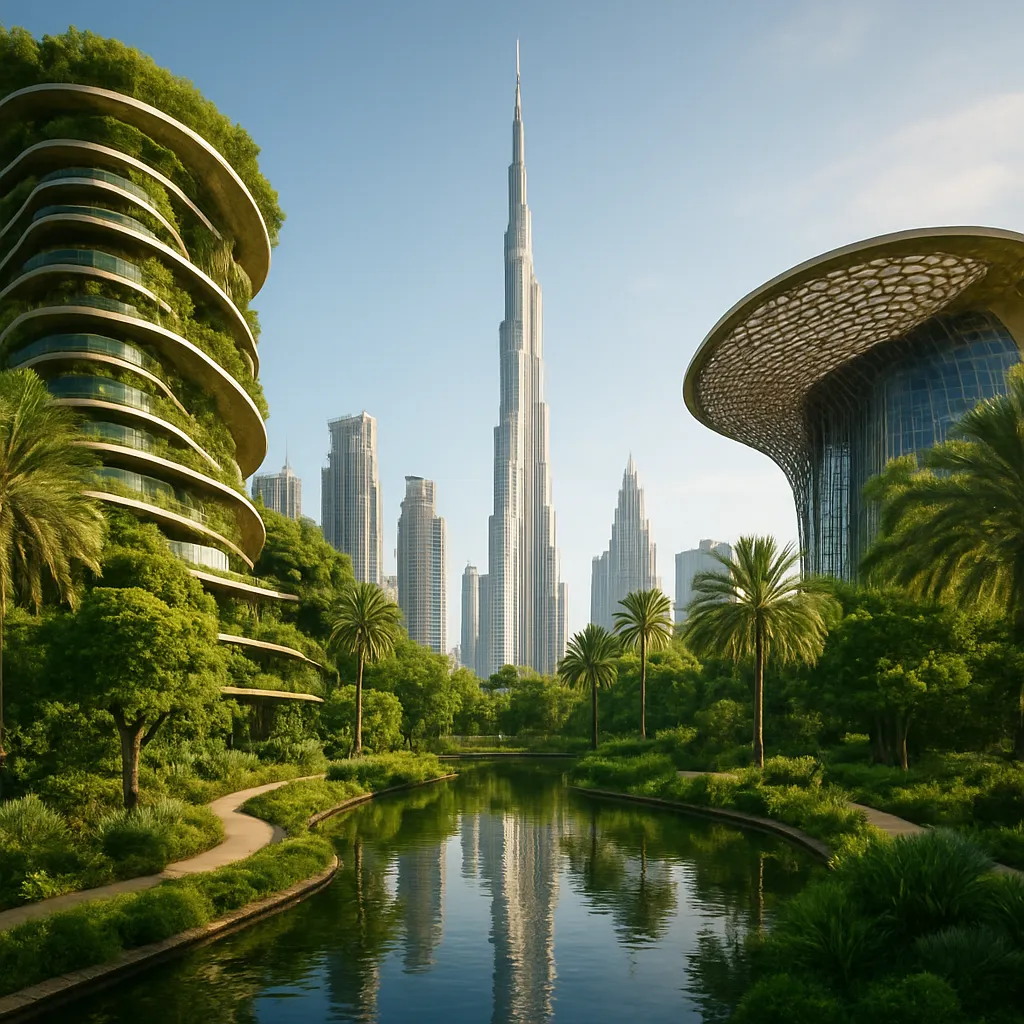
Beyond individual buildings, masterplans in Dubai emphasize shaded public realms and green corridors that reduce urban heat island effects. Rooftop gardens and sky terraces offer thermal insulation while providing amenity spaces overlooking the desert and coastline. Green walls clad multistory façades, filtering particulates and lending visual softness to dense developments.
- Shaded promenades with retractable canopies
- Misting systems integrated into pergolas for adiabatic cooling
- Water-efficient irrigation servicing native desert flora
- Communal bioclimatic plazas for leisure and events
These shared environments foster social cohesion and improve well-being, demonstrating that resilience extends beyond structural performance to encompass human comfort and interaction.
Future Directions and Emerging Trends
Looking ahead, Dubai’s building industry is poised to embrace predictive climate modeling, AI-driven environmental controls, and robotic construction techniques. By harnessing real-time weather data and machine learning algorithms, future towers will proactively adjust façades and HVAC settings to optimize energy efficiency and occupant comfort. 3D printing with locally sourced sand and binders promises sustainable on-site production of structural and finish elements.
Research into self-healing concretes and adaptive shading skins continues to advance, potentially leading to buildings that repair microcracks and reconfigure their external geometry in response to shifting climate patterns. These developments, grounded in a culture of adaptation and continuous innovation, will ensure that Dubai’s skyline remains a testament to human ingenuity in the face of nature’s most demanding challenges.