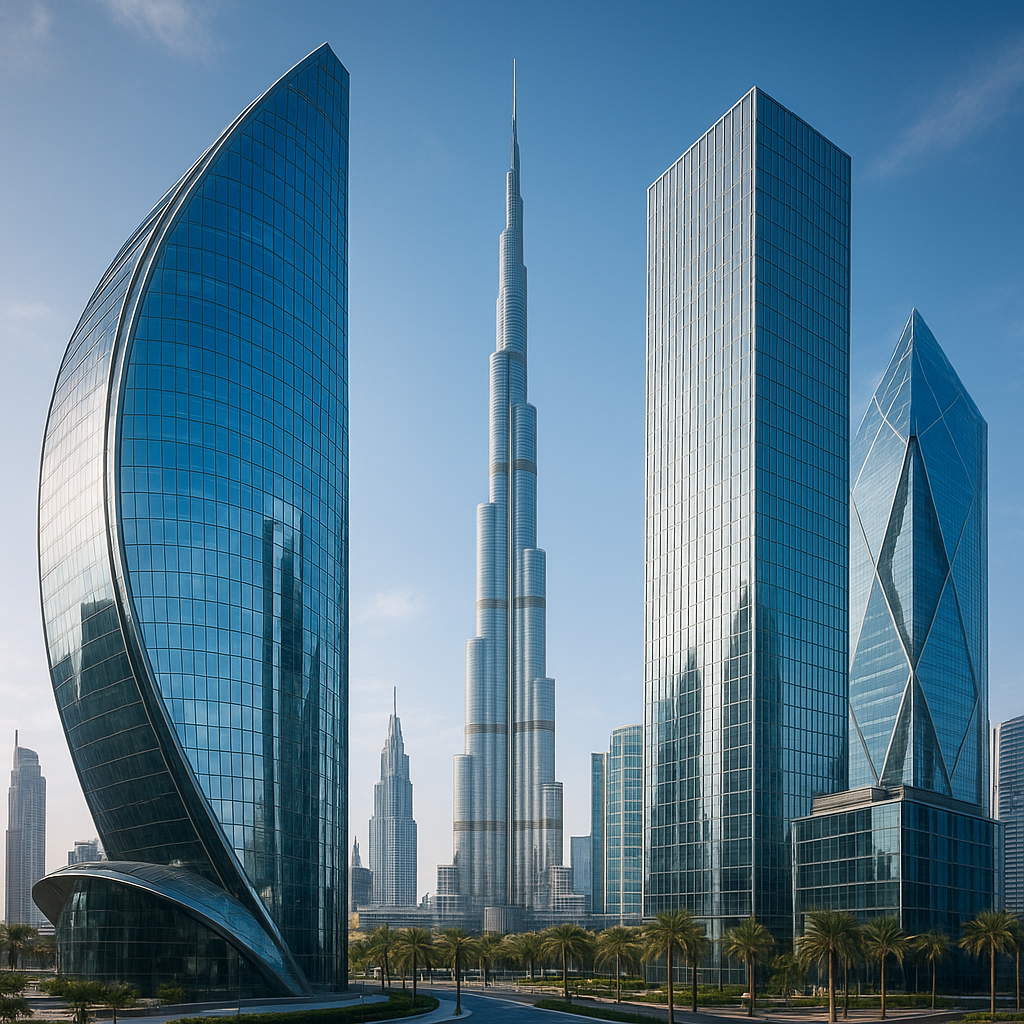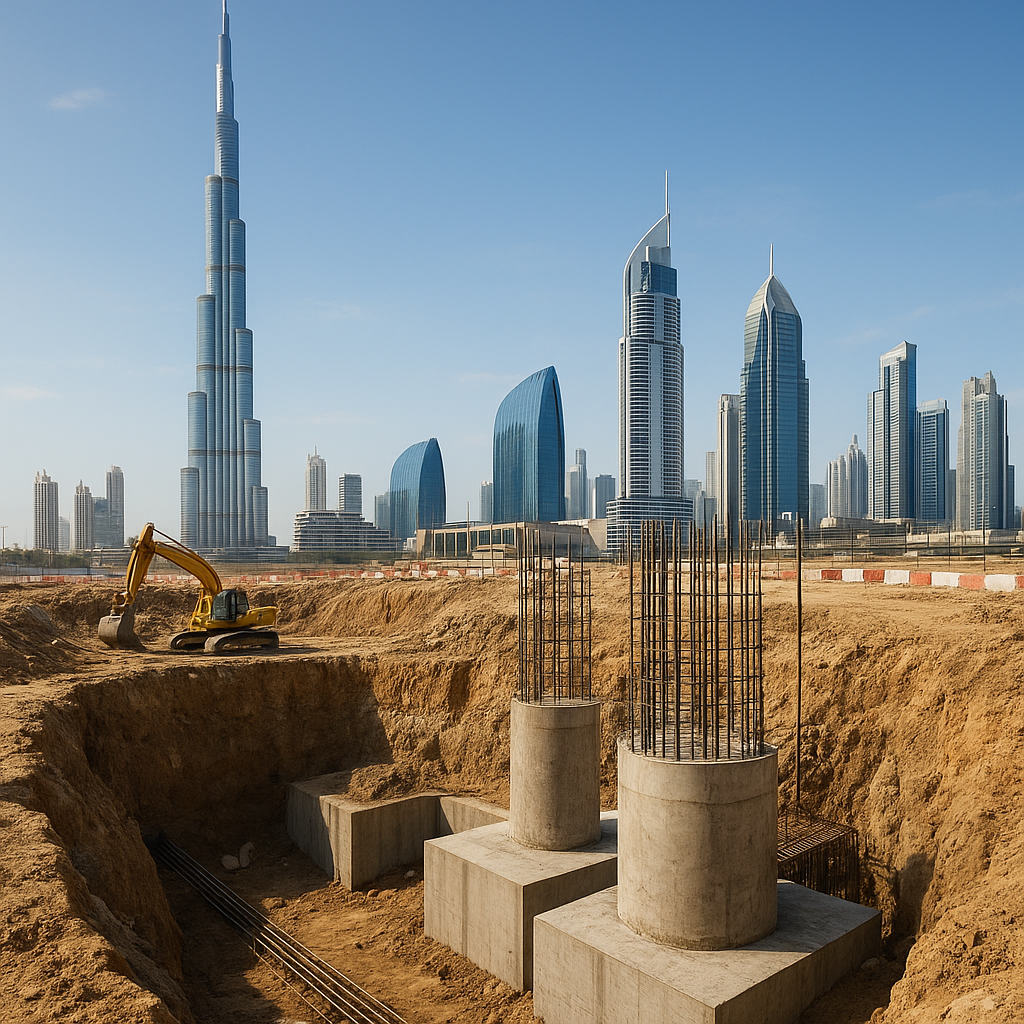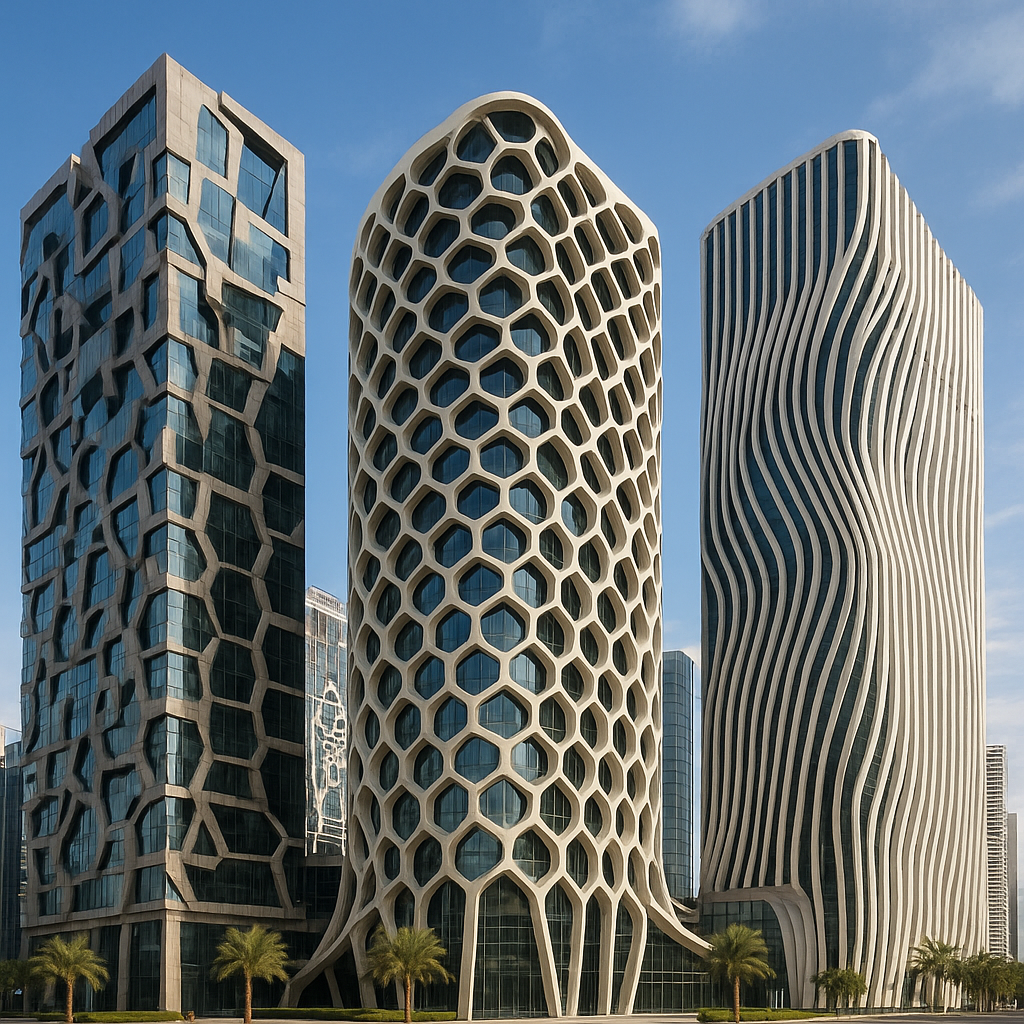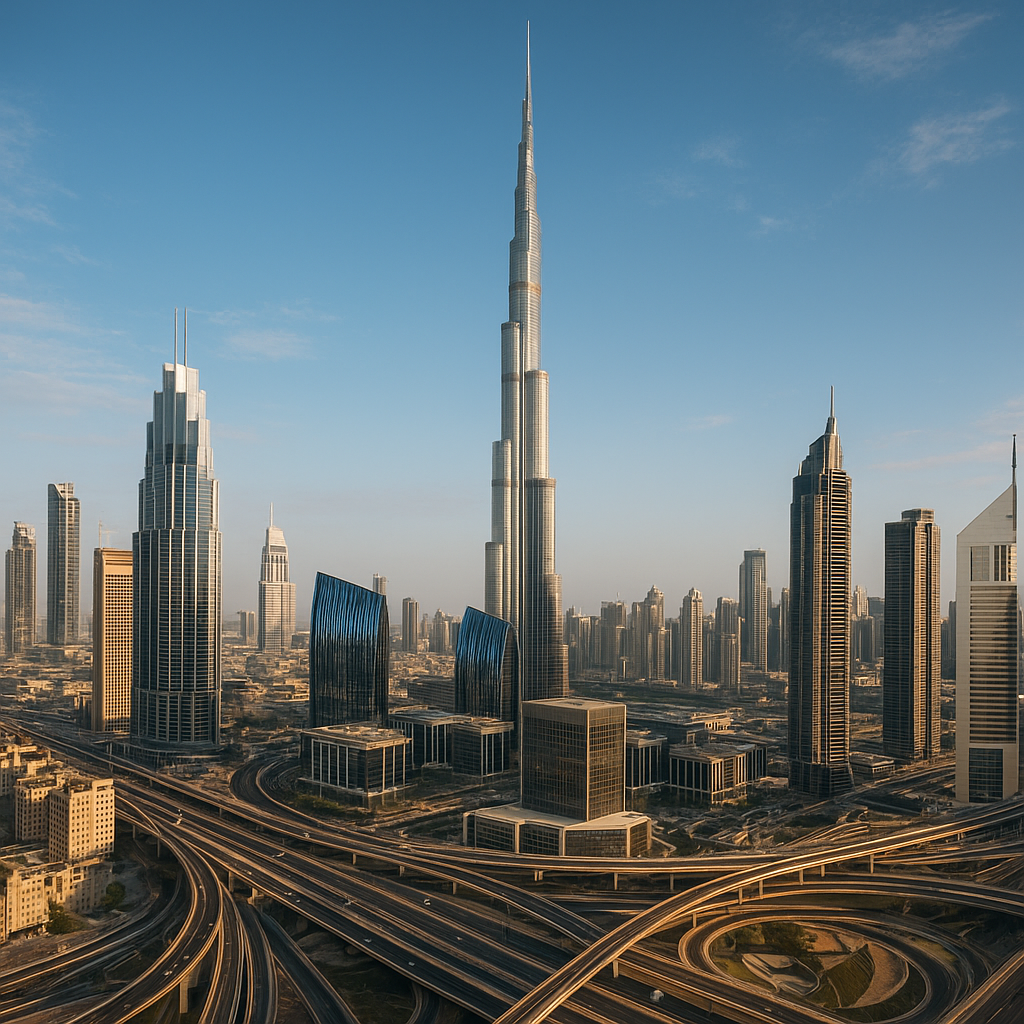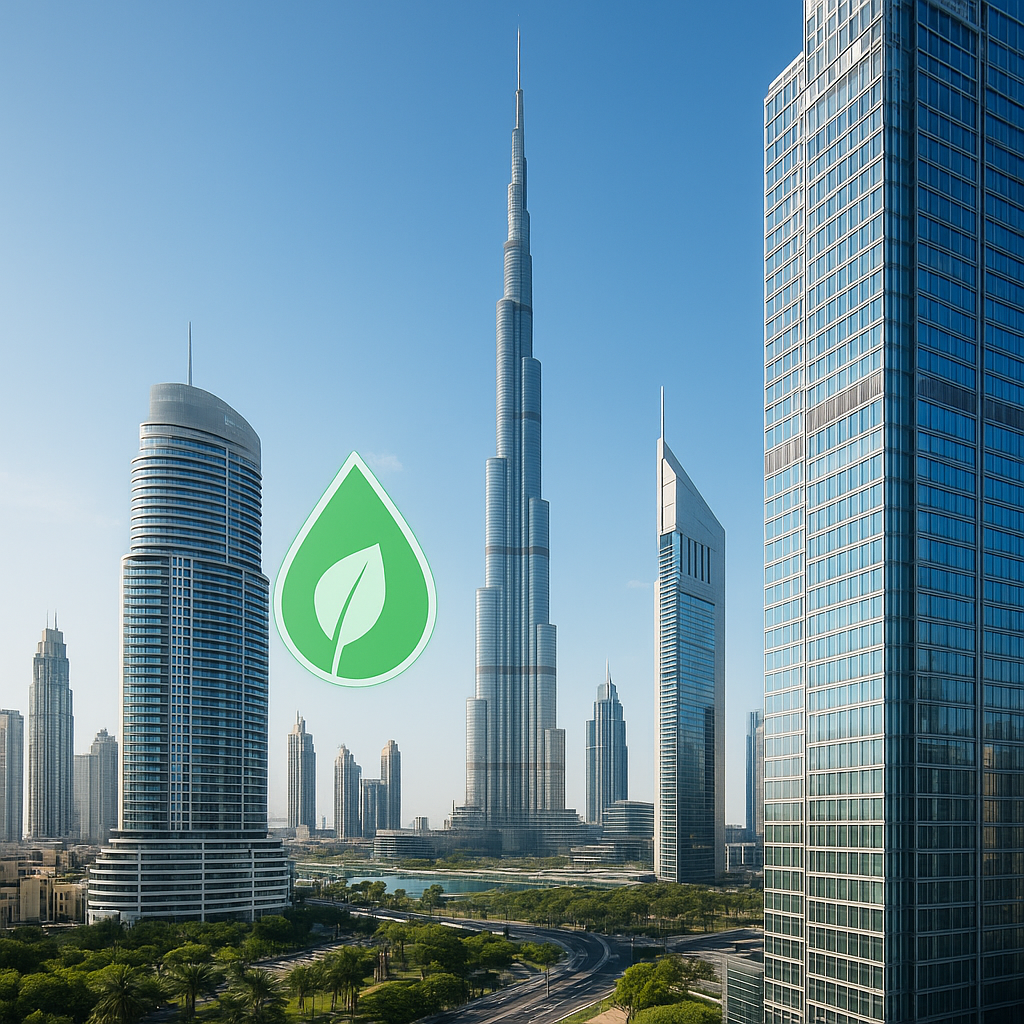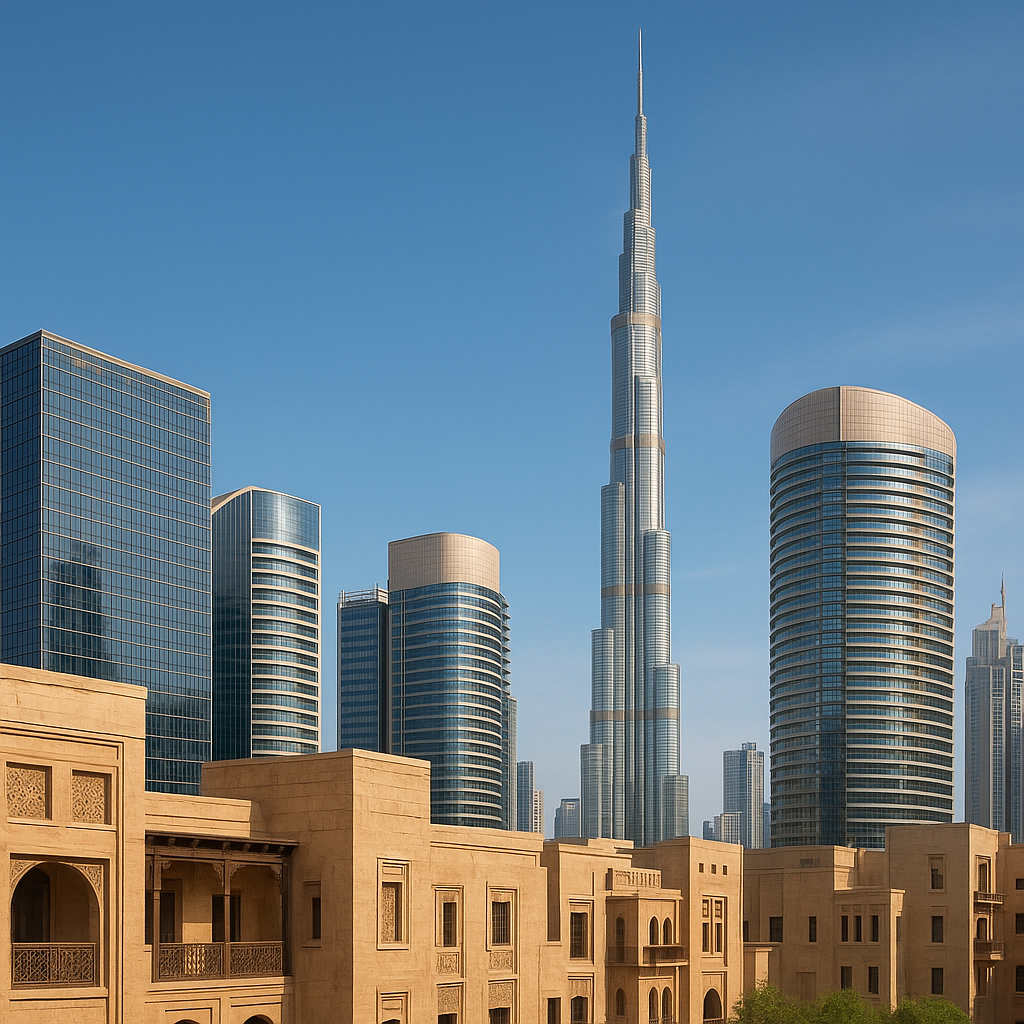
Dubai’s skyline is a testament to human ambition, yet its gleaming towers and expansive complexes owe much of their brilliance to the thoughtful selection of **building materials**. Nestled on the edge of the Arabian Gulf, this desert city has evolved from simple, low-rise structures to record-breaking skyscrapers, all while grappling with one of the harshest climates on Earth. The art and science behind Dubai’s **architectural** achievements lie in combining **innovation** with traditional wisdom to create environments that thrive under relentless sun and scorching temperatures.
Architectural Adaptations to Extreme Heat
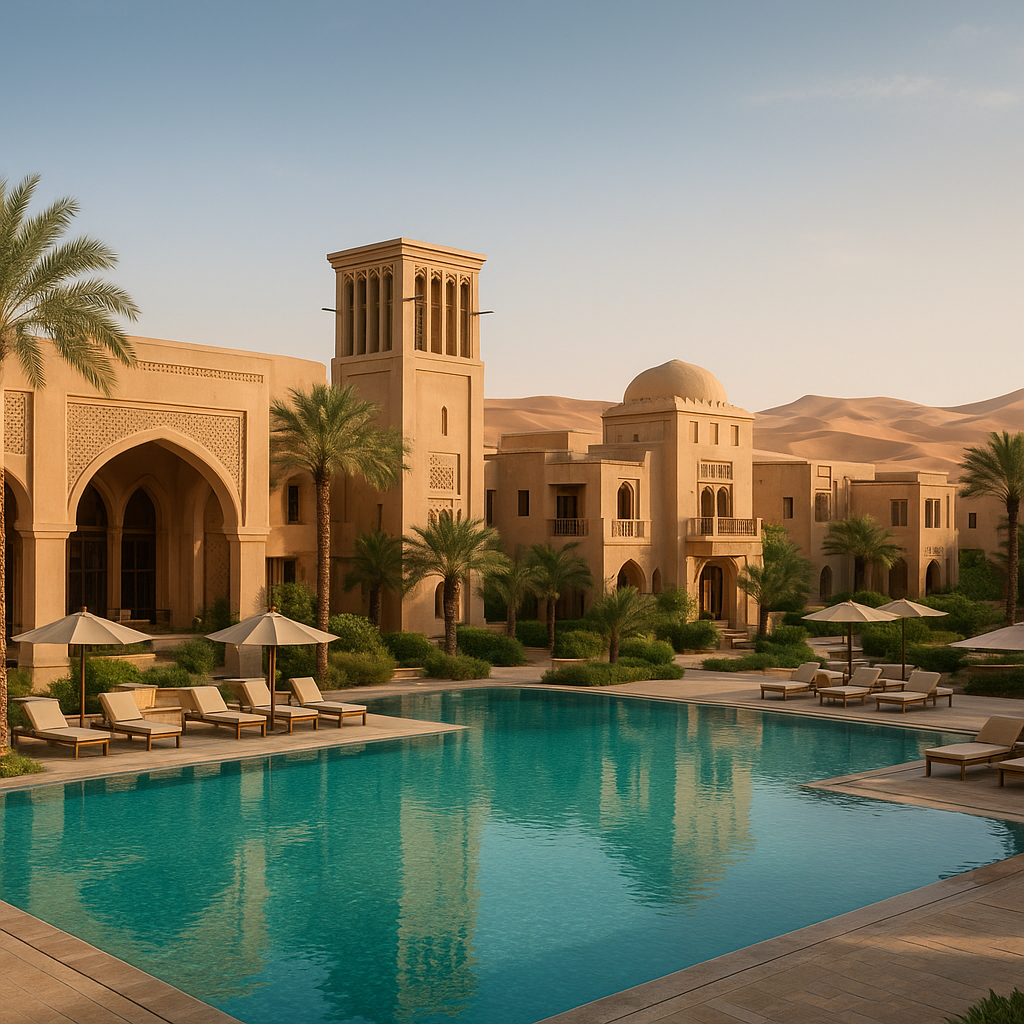
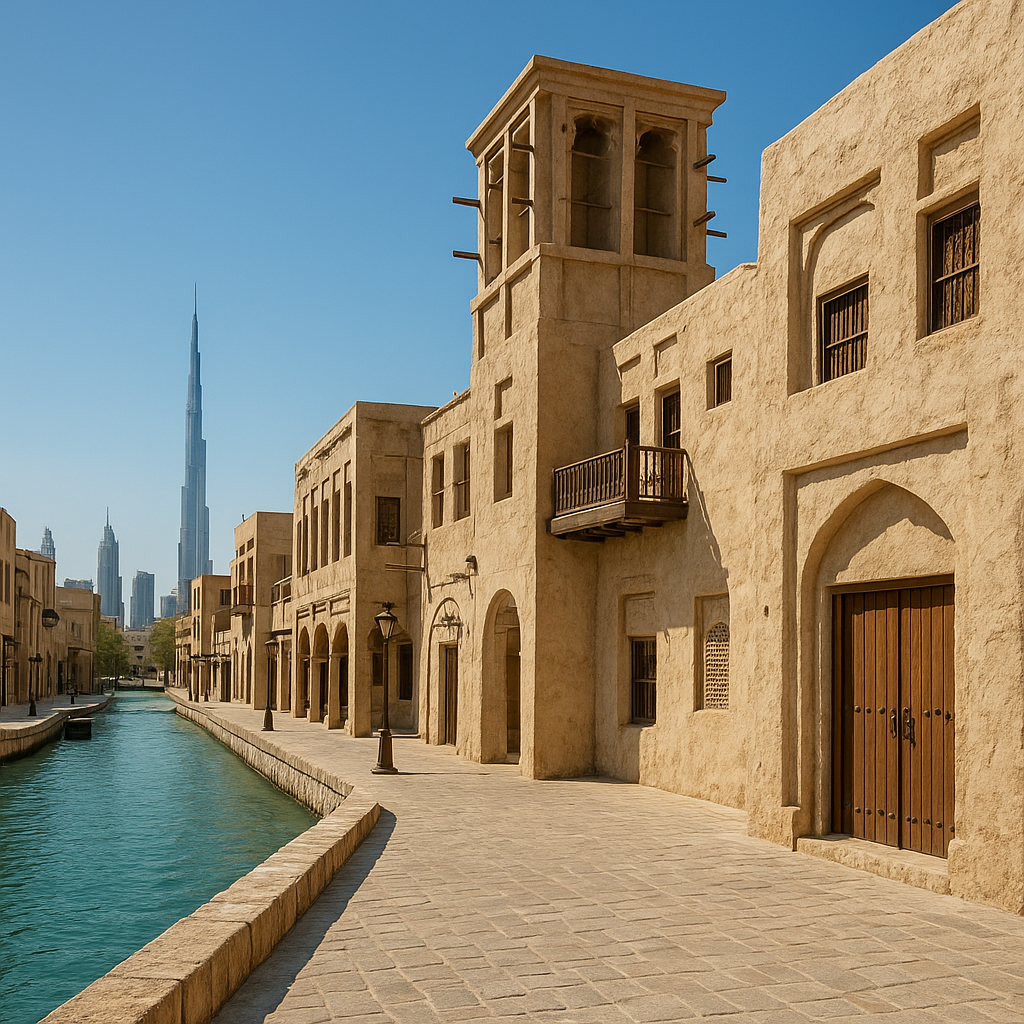
Surrounded by the vast, scorching **desert**, Dubai faces average summer temperatures that often exceed 40°C. To maintain indoor comfort, architects and engineers lean on time-tested design principles enriched with modern technology. Perhaps the most essential strategy is maximizing **natural ventilation**, which involves orienting buildings to capture prevailing coastal breezes off the Persian Gulf. Narrow courtyards, wind towers, and shaded arcades further encourage air movement while limiting **solar** gain.
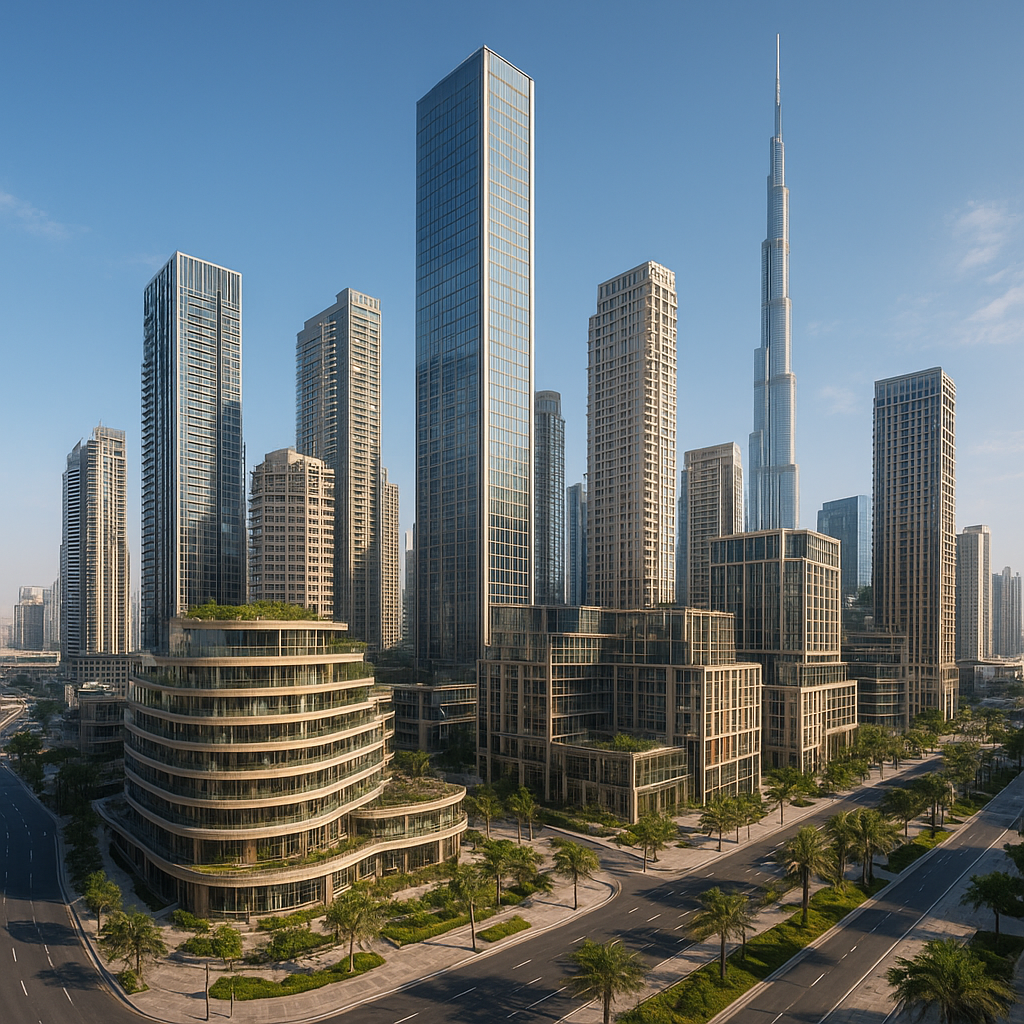
Another critical tactic is controlling **daylighting**. Large glass façades may appear striking, but excessive glazing can lead to intense heat buildup and glare. Dubai’s designers often integrate high-performance glazing systems: double- or triple-pane units with low-emissivity coatings reduce heat transfer, cut down on **UV** penetration, and still allow ample **natural** light. Coupled with deep overhangs and brise-soleil, these measures strike a balance between openness and protection.
In addition, many luxury developments use reflective surfaces—white marble, light-colored tiles, or specially coated metal panels—to lower surface temperatures. The concept of **reflectivity** extends to roofing, where cool-roof membranes bounce sunlight away instead of absorbing it. By addressing heat at the envelope level, these buildings reduce reliance on energy-intensive **mechanical** cooling systems, improving overall performance and occupant comfort.
Innovative Materials for Insulation and Cooling
At the heart of every high-rise in Dubai lies a sophisticated thermal barrier. Advances in **insulation** technology have enabled extremely thin panels that deliver impressive **thermal performance**. Aerogel-based blankets, once too expensive for large-scale use, are now finding their way into premium office towers and hotels, thanks to decreasing costs and heightened demand for energy efficiency.
Phase-Change Materials (PCMs) represent another frontier. Embedded within wallboards or ceiling panels, PCMs absorb heat as they transition from solid to liquid, effectively acting as thermal batteries. During peak hours, these materials slow down temperature spikes indoors, releasing the stored heat when outdoor temperatures fall—thereby smoothing out cooling loads and lowering peak electricity demand.
Water-cooled façades have also begun to emerge. In this system, a thin film of water circulates behind glass panels, absorbing solar heat before it reaches the interior. This water is then recirculated through cooling towers or chilled-water systems, harnessing the building’s existing HVAC infrastructure for dual purposes: cooling both air and façade surfaces.
Sustainable Sourcing and Local Production
While global supply chains can deliver cutting-edge materials, Dubai’s most **sustainable** projects increasingly favor local or regionally sourced components. The emirate is investing heavily in factories that produce insulated concrete forms, precast panels, and specialized aggregates closer to construction sites. This reduces transportation emissions and promotes the local economy.
One standout example is the use of crushed oyster shells and recycled gypsum in plaster mixes. Historically discarded as waste, these byproducts now enhance moisture regulation within walls and offer mild **antimicrobial** properties. Similarly, locally mined limestone—abundant in the surrounding desert—serves as a key ingredient for high-performance **concrete**, capable of withstanding thermal stresses.
Geopolymer cements, produced from industrial byproducts like fly ash and slag, are gaining traction for large-scale developments. They require significantly less energy to manufacture compared to conventional **Portland cement**, and they can sequester carbon during curing. This aligns with Dubai’s goal to reduce its carbon footprint, especially in mega-projects such as Dubai South and the Expo 2020 site.
Case Studies: Iconic Buildings and Their Material Strategies
Burj Khalifa: Soaring with Strength and Lightness
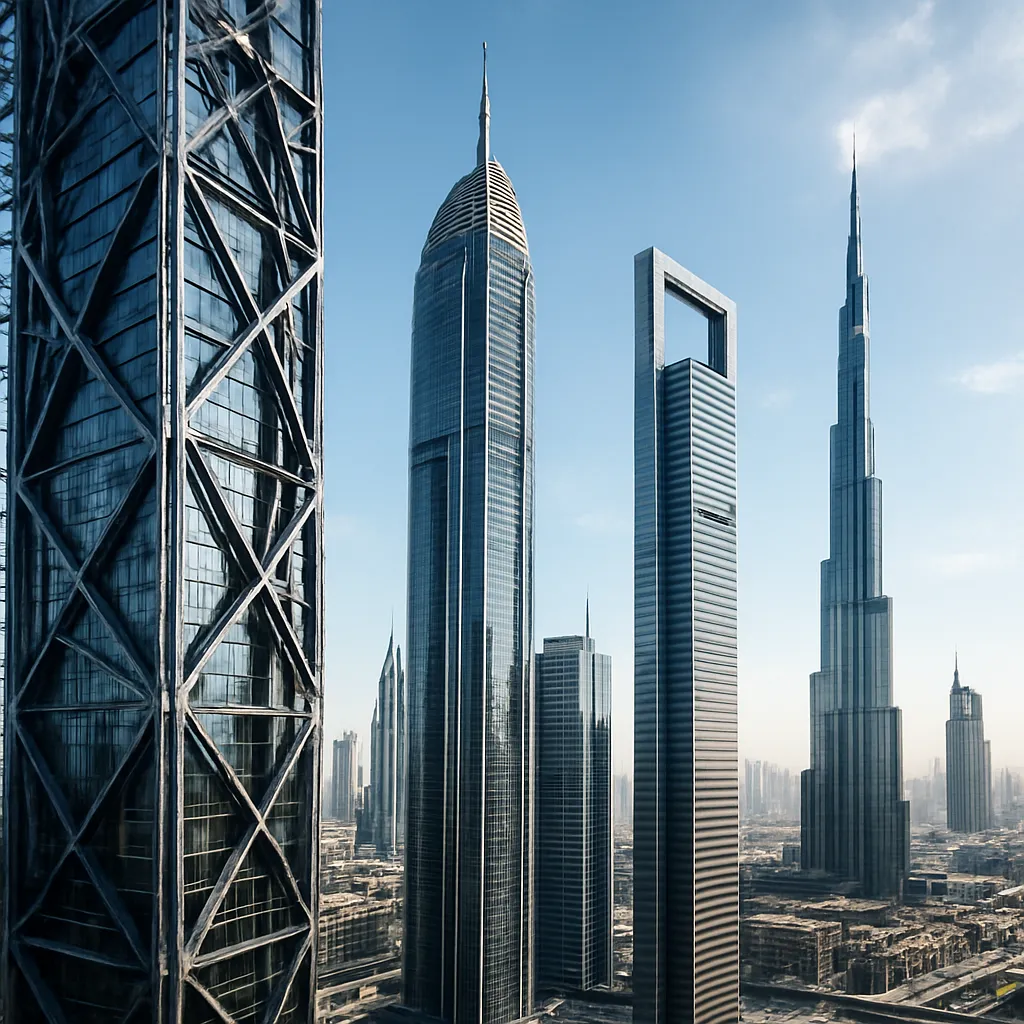
The world’s tallest building relies on a specialized high-strength **concrete** mix containing low-porosity additives to resist temperature-induced cracking. Paired with a cladding system of reflective glass and aluminum panels, the tower minimizes heat gain while presenting a shimmering silhouette. Its podium uses thermal banks—massive water storage tanks that freeze at night—and deploys the latent cooling effect to offload HVAC loads during sweltering afternoons.
The Museum of the Future: Form Meets Function
Renowned for its torus-shaped form, this futuristic museum employs a steel exoskeleton clad in GFRP (glass fiber-reinforced polymer). GFRP panels provide high tensile strength, lightweight performance, and exceptional weather resistance. Integrated LED calligraphy illuminates the exterior, while behind it lies a continuous layer of spray-applied **insulation** foam that seals every joint.
Dubai Sustainable City: Material Circularity
As a pilot for community-scale sustainability, this development champions recycled asphalt, reclaimed wood, and energy-saving façades. Rooftop **photovoltaic** panels adorn every villa, while balconies incorporate planted screens that reduce solar exposure and improve air quality. Shared wind towers—modern reinterpretations of traditional Arabic windcatchers—use stack effect to channel hot air out of communal courtyards, showcasing a fusion of age-old techniques with new-generation materials.
Innovations on the Horizon
Ongoing research in nanocoatings promises self-cleaning façades that repel dust and sand—a persistent challenge in desert environments. Meanwhile, bio-based insulations derived from date-palm fibers and algae are under pilot testing, offering renewable alternatives to petrochemical-derived products. These developments underscore Dubai’s commitment to resilience, proving that thriving in extreme climates demands both **creativity** and rigorous scientific inquiry.