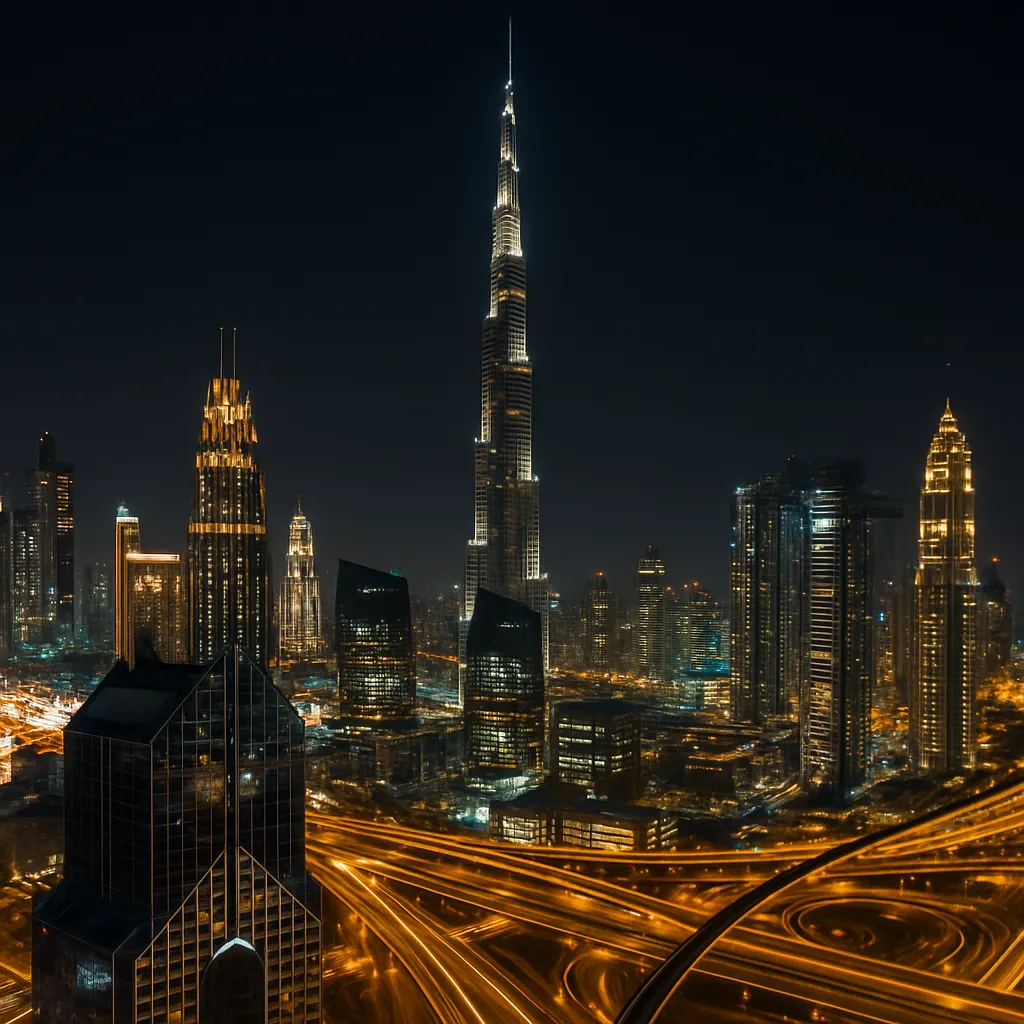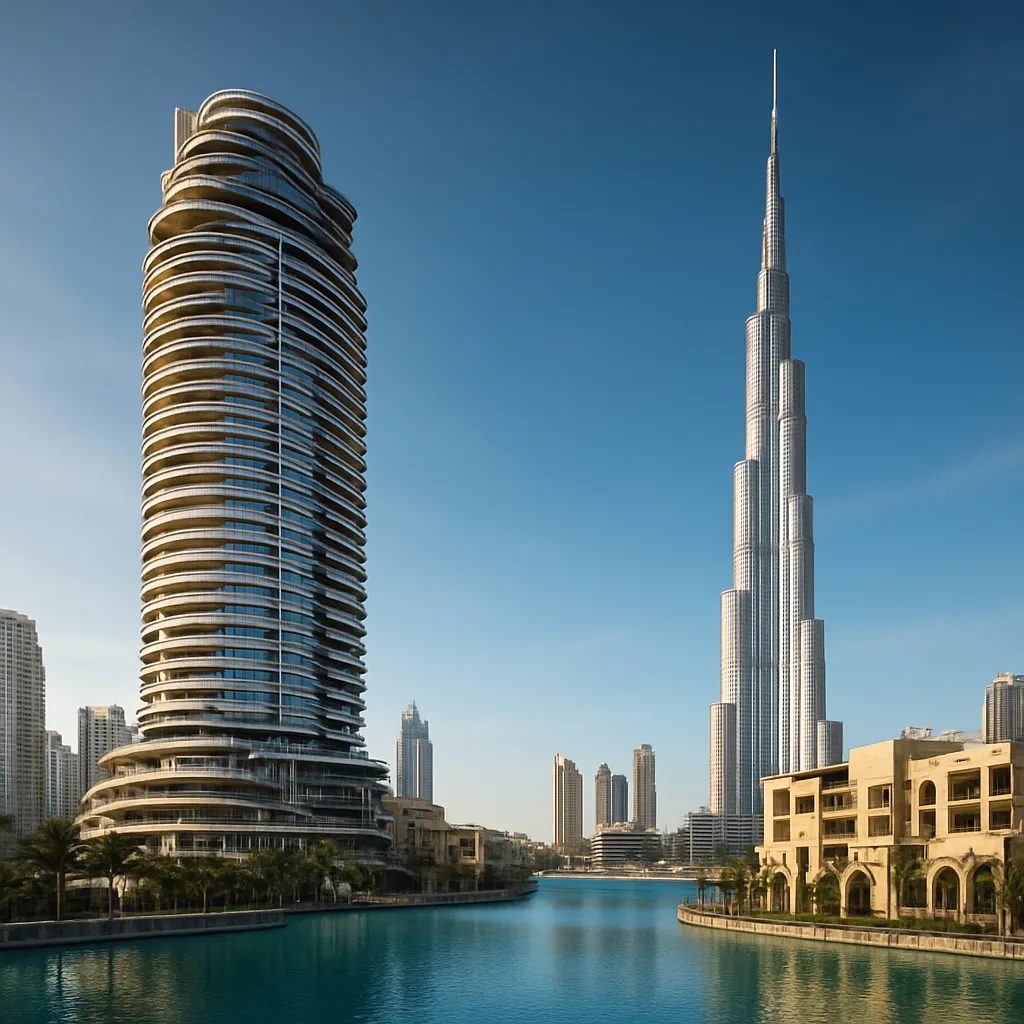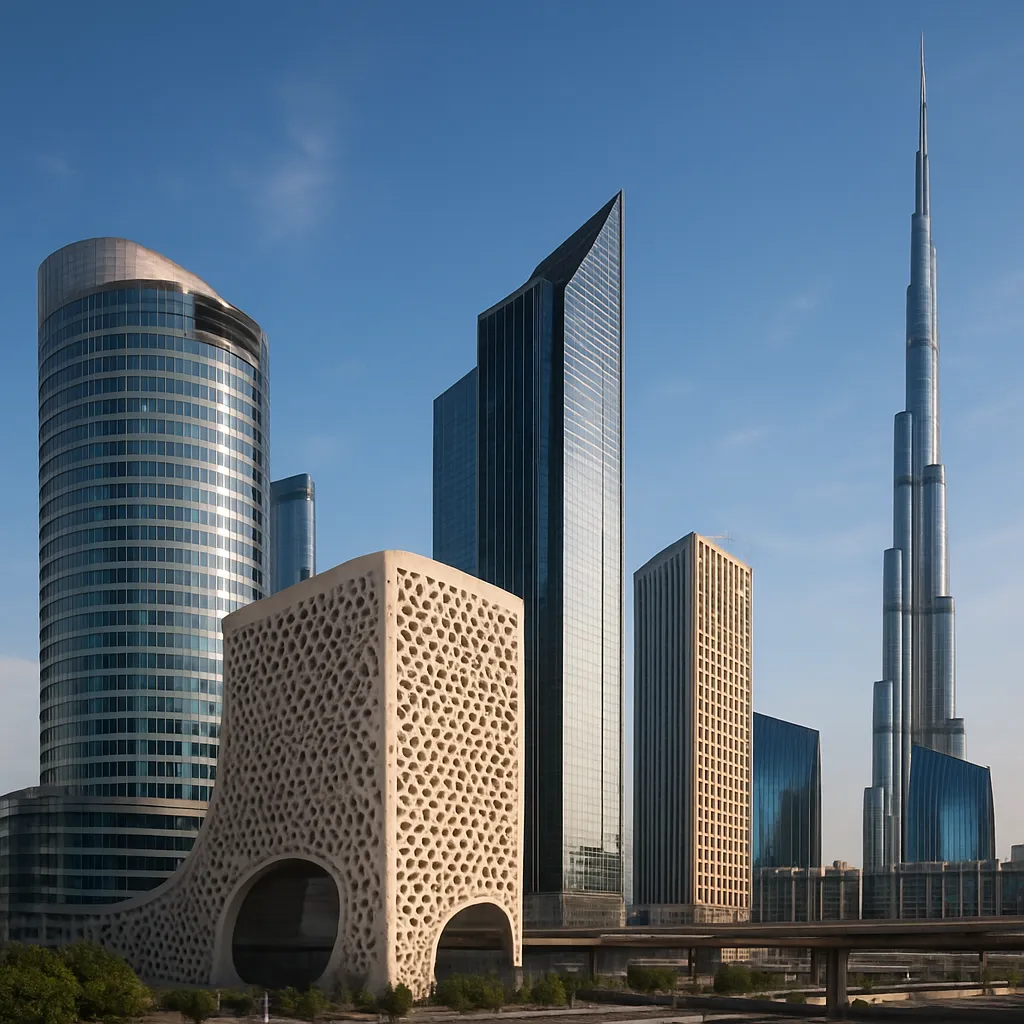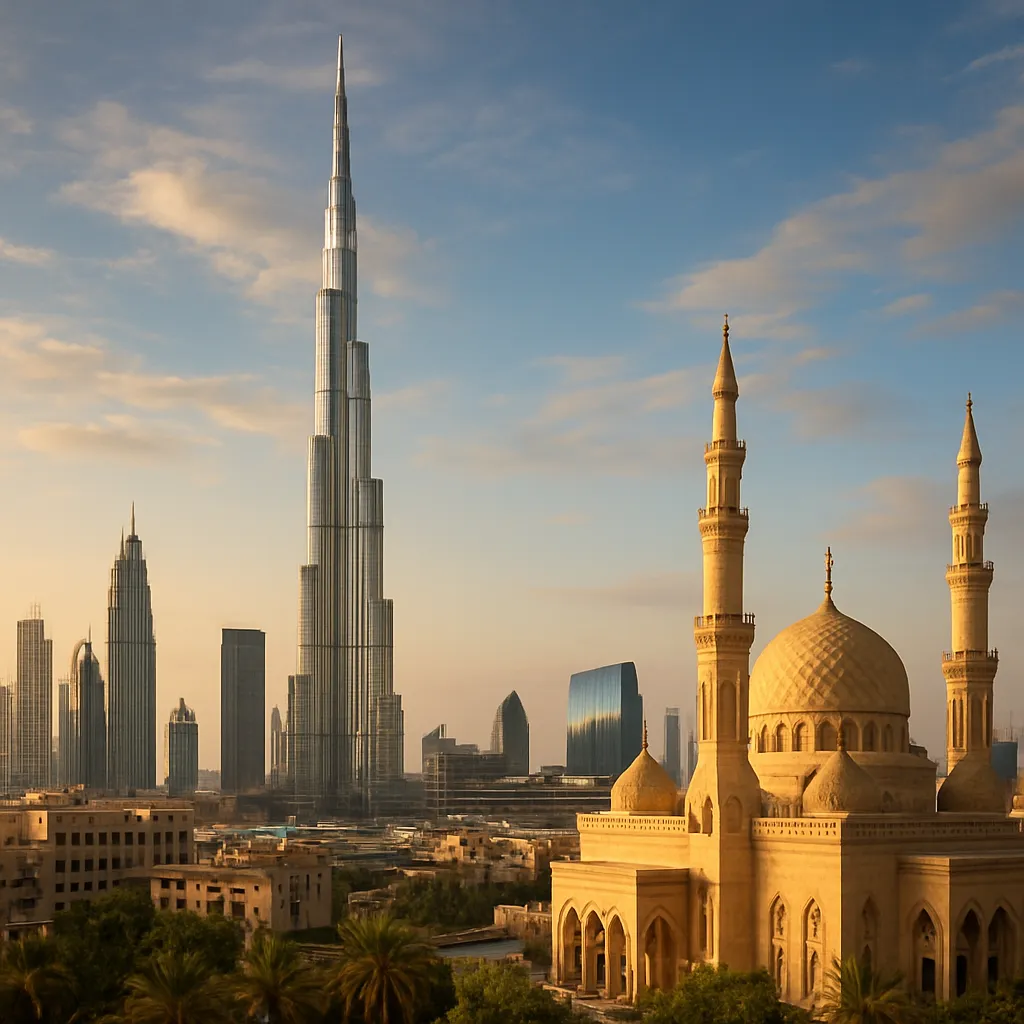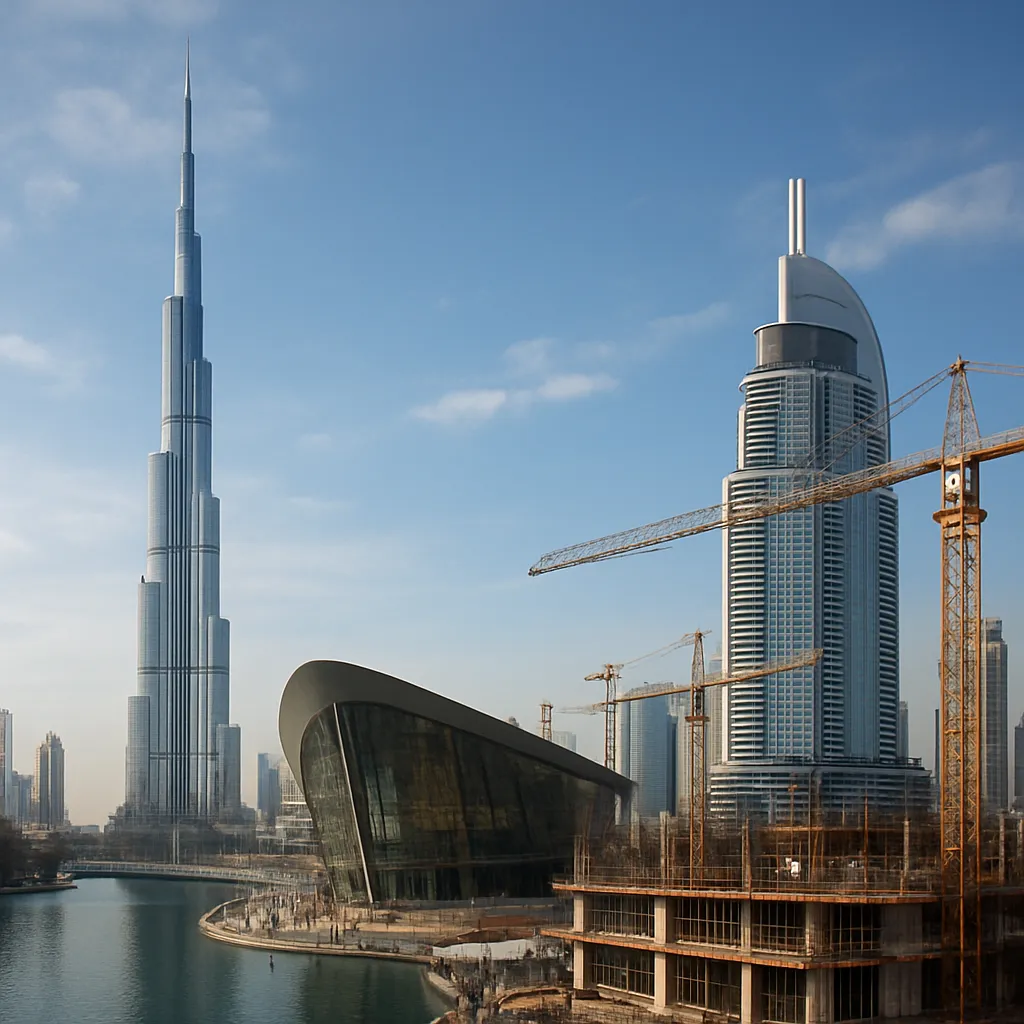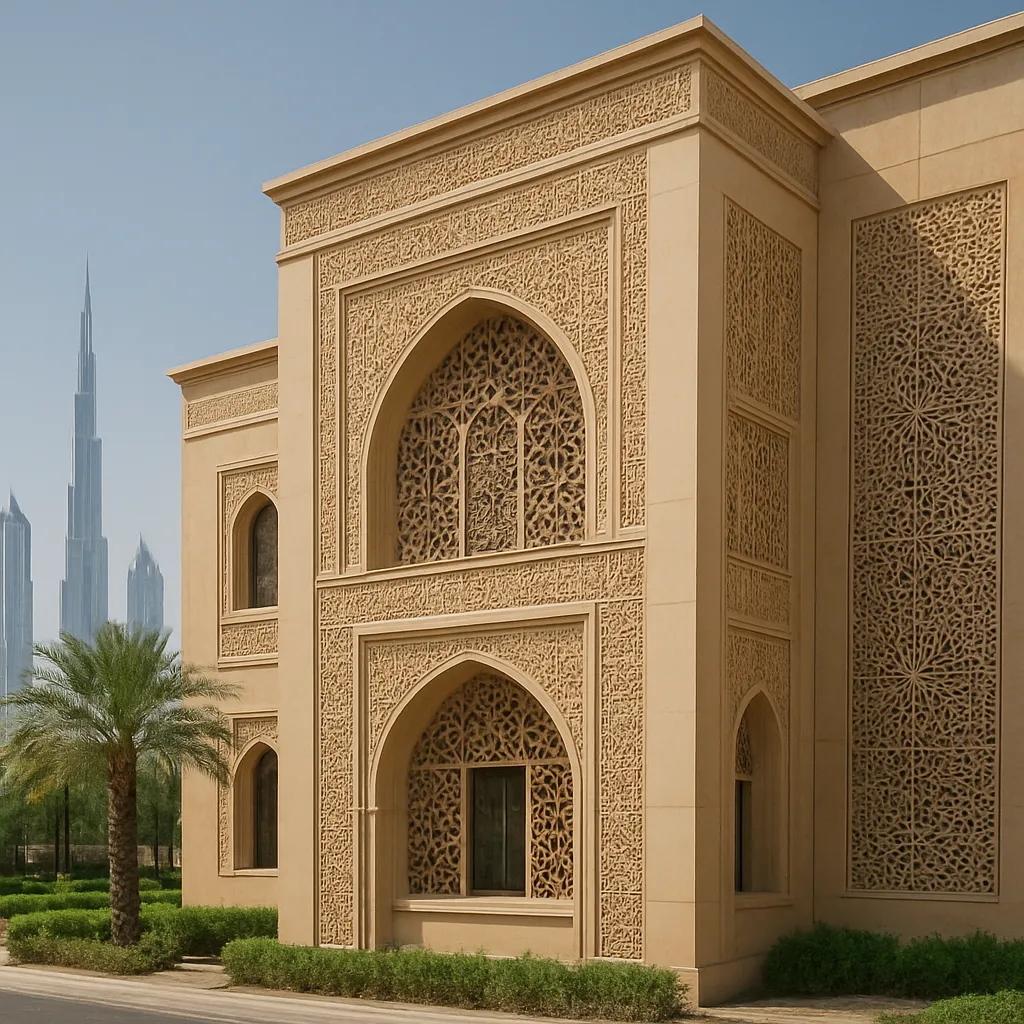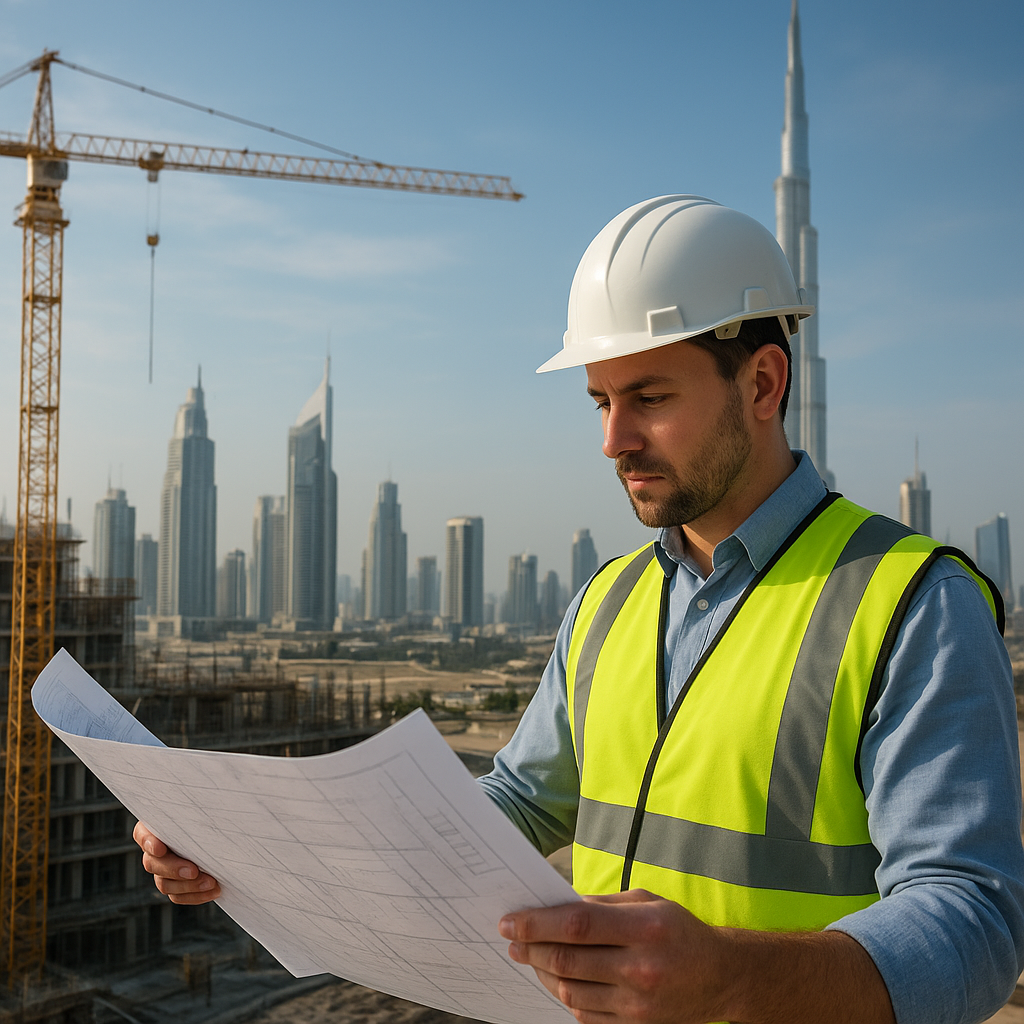
Dubai’s architectural skyline is more than a collection of impressive structures; it reflects a deliberate blend of innovation and rigorous regulation. As global attention focuses on sustainability and advanced technologies, Dubai’s building framework has evolved to foster a dynamic environment where developers, engineers, and policymakers collaborate. By integrating forward-thinking policies with cutting-edge practices, the emirate sets a benchmark for how urban development can thrive under well-defined guidelines.
Regulatory Landscape and Adaptive Standards
Modernizing Building Codes
Over the past decade, Dubai introduced a series of updates to its building codes designed to respond quickly to emerging trends. These codes emphasize safety, structural resilience, and environmental responsiveness. With the introduction of the Dubai Building Code (DB13) and regular amendments, stakeholders are provided with a clear roadmap for designing high-rise towers, residential complexes, and mixed-use developments that withstand both climatic extremes and seismic risks.
Streamlined Approval Processes
To accelerate project delivery while maintaining stringent checks, Dubai established an online permitting platform. This system integrates all relevant authorities—civil defense, electricity, water, and urban planning—into a unified digital workflow. As a result, developers experience reduced turnaround times without sacrificing quality or compliance. The transparent framework also offers real-time tracking, enabling project managers to anticipate and address potential bottlenecks.
- Centralized submission of design documents
- Automated code compliance reviews
- Instant feedback loops for necessary revisions
- Digital sign-offs by multiple agencies
Incentivizing Sustainable and Smart Designs
Green Building Regulations
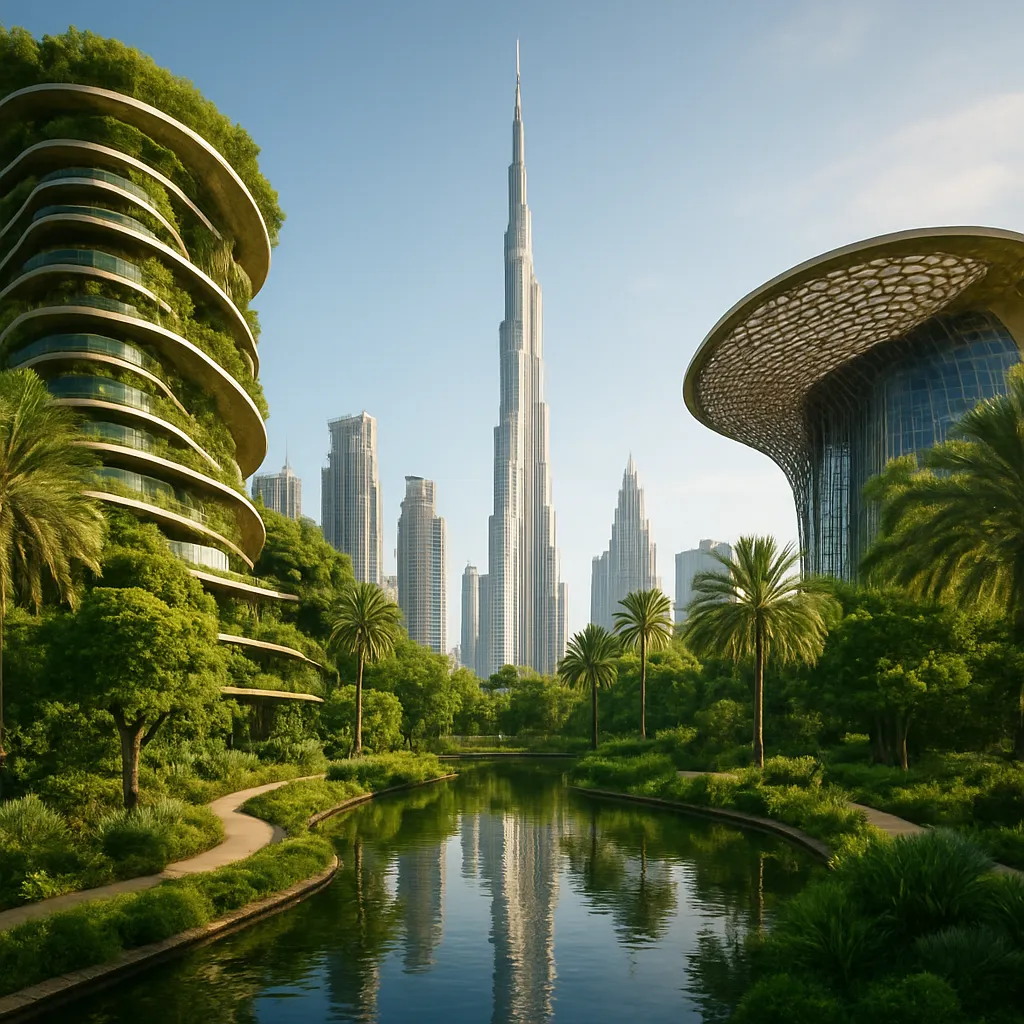
Recognizing the global push toward sustainability, Dubai’s authorities introduced incentives for projects that achieve high ratings under the Pearl Rating System. This local certification parallels international standards, rewarding developments that reduce water consumption, lower energy use, and enhance indoor air quality. Developers who secure a two-Pearl rating or above benefit from fee waivers, expedited approvals, and reduced utility connection charges.
Integration of Renewable Technologies
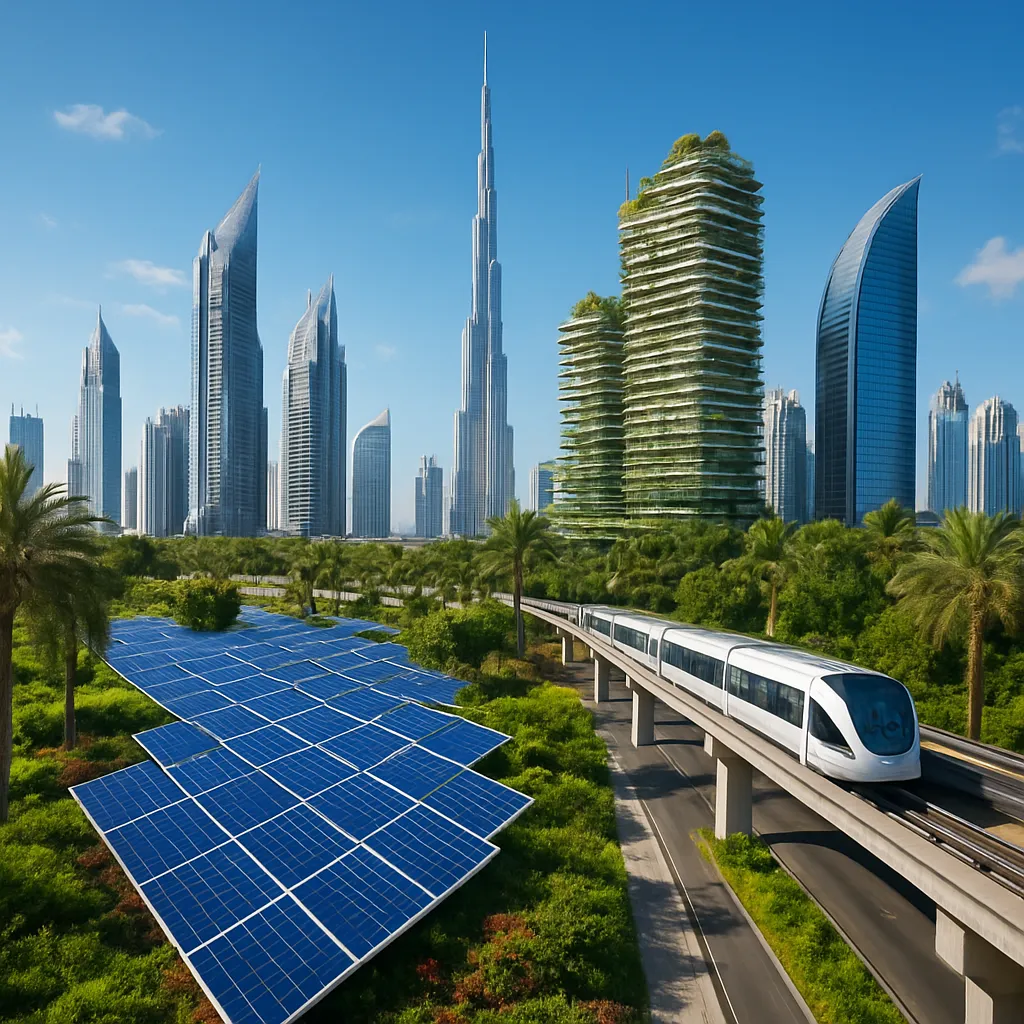
Building regulations now mandate the evaluation of solar potential and the integration of renewable energy systems in large-scale projects. Rooftop photovoltaic arrays, solar water heating, and passive cooling strategies are encouraged through performance-based compliance pathways. These guidelines stimulate creative solutions such as double-skin façades, automated shading devices, and energy recovery ventilation, all of which contribute to enhanced efficiency and reduced operational costs.
Smart Building Mandates
In an era defined by digital transformation, the Dubai Municipality’s smart building requirements push for the adoption of advanced management systems. From Building Management Systems (BMS) that monitor HVAC performance to IoT-enabled sensors tracking occupancy and lighting levels, these protocols aim to establish a network of connected buildings. Developers deploying such technologies can access technical support and potential utility rebates, creating a fertile ground for technology-driven innovation.
- Mandatory energy performance benchmarking
- Incentives for on-site renewable generation
- Requirements for advanced metering infrastructure
- Tax credits for energy-efficient upgrades
Collaborative Frameworks and Future Outlook
Public-Private Partnerships
Dubai’s government collaborates closely with international consultants and local firms to pilot cutting-edge construction methods. Initiatives such as the Dubai 3D Printing Strategy leverage innovation grants and regulatory sandboxes. Developers participating in pilot projects receive flexible compliance pathways, allowing them to test modular construction, 3D-printed elements, and advanced materials under supervised conditions.
Research and Development Hubs
To cement its role as a global hub for architectural excellence, Dubai invested in specialized R&D centers that convene engineers, urban planners, and sustainability experts. These hubs focus on material science advancements, such as high-performance concrete, nanotech coatings, and smart glass. Regulations reward patents filed and pilot installations, linking intellectual property outcomes with expedited regulatory reviews for subsequent projects.
Regulatory Foresight and Adaptation
Understanding that the built environment is ever-evolving, Dubai established a dedicated regulatory foresight committee. This body continuously monitors international best practices and emerging technologies—like autonomous construction robots and AI-driven design platforms—and recommends timely code updates. The committee’s proactive stance ensures that the regulatory environment remains flexible, promoting ongoing creativity while safeguarding public interest.
- Regular stakeholder workshops and training
- Open calls for public feedback on code revisions
- Real-world pilot projects under regulatory oversight
- Periodic benchmarking against global standards
By marrying rigorous oversight with purposeful incentives, Dubai’s building regulations have become a catalyst for transformative growth. The emirate demonstrates that clear standards need not stifle creativity; instead, they can provide the scaffolding upon which the next generation of architectural marvels is constructed.