Dubai’s transformation into a global hub of innovation and luxury received a powerful boost when Expo 2020 arrived on its doorstep. Set against the backdrop of the Arabian Desert, the global event served as a catalyst for ambitious urban interventions, weaving together elements of sustainability, architecture, advanced infrastructure, and desert-inspired resilience. Beyond the stunning pavilions and thematic districts, Expo 2020 planted the seeds for an urban design revolution that will define Dubai’s skyline for decades to come.
Visionary Framework and Strategic Goals
The planning phase of Expo 2020 hinged on a comprehensive legacy strategy. By aligning event objectives with Dubai’s long-term Development Plan 2040, city planners created a blueprint that would transcend the six-month exhibition period. The guiding principles centered on three subthemes—Opportunity, Mobility, and Sustainability—each of which shaped distinct urban zones and design interventions.
Opportunity District
- Proximity to central business areas fostered economic connectivity.
- Adaptive reuse concepts ensured that structures could be converted into offices, residential blocks, and cultural centers after the event.
- A network of pedestrian promenades linked the district to the Expo’s heart, promoting walkability.
Mobility District
- High-capacity transit lines and smart city mobility solutions demonstrated future-forward transportation models.
- Intermodal hubs integrated metro, tram, and electric bus fleets, reducing carbon emissions.
- Dynamic street furniture and wayfinding systems improved user experience for millions of visitors.
Sustainability District
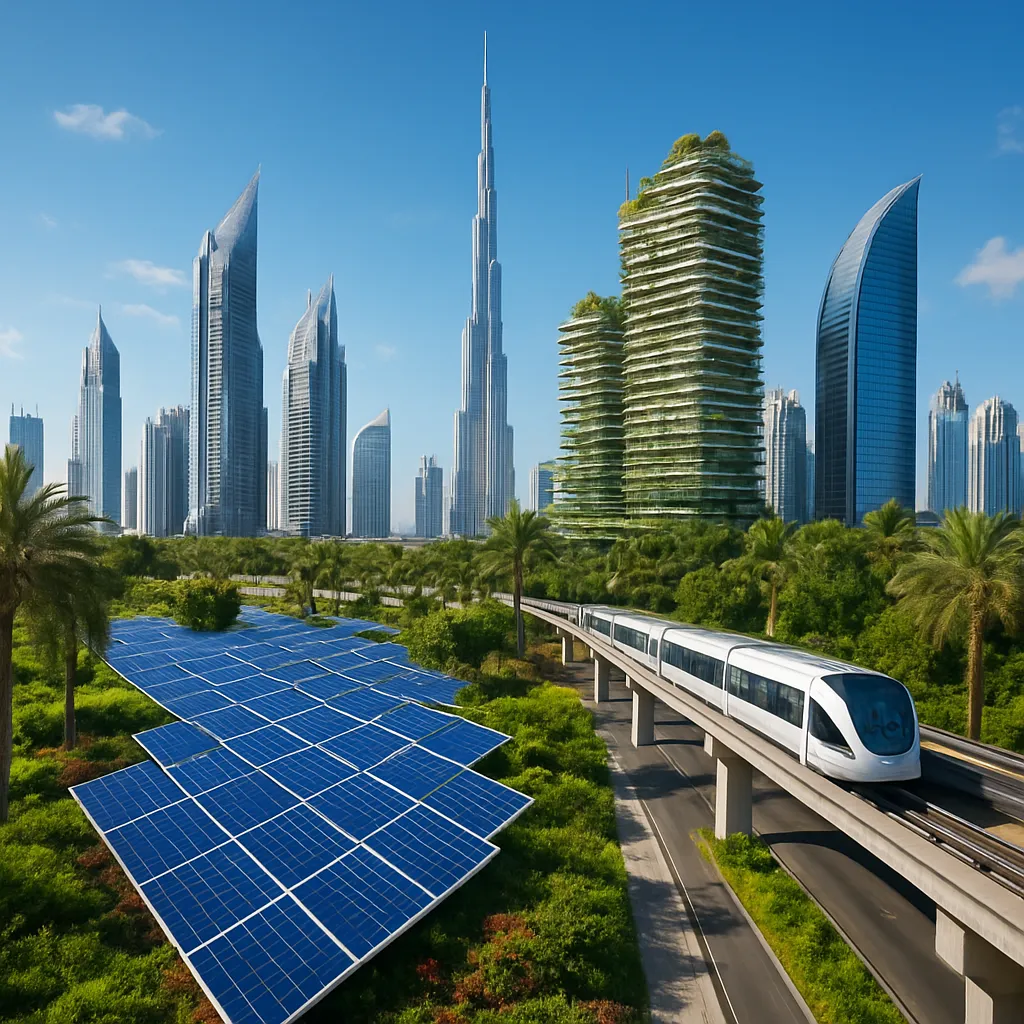
- Solar shading devices and water-efficient landscaping showcased desert-friendly innovation.
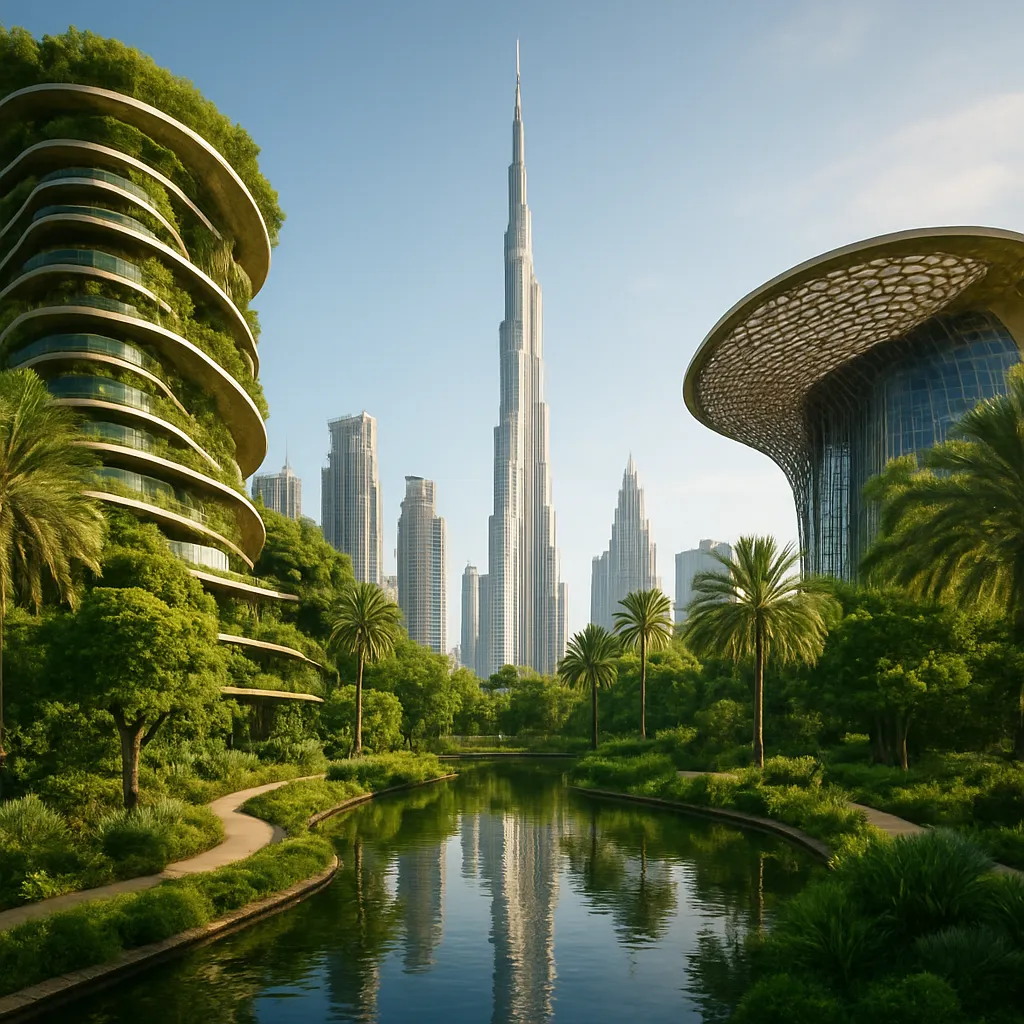
- Green corridors and urban wetlands created microclimates, reducing the heat island effect.
- Recycled materials and modular construction techniques minimized embodied energy.
Architectural Marvels and Environmental Strategies
Expo 2020 galvanized participation from over 190 nations, each vying to leave an imprint through architectural excellence. The result was a tapestry of pavilions that fused cultural identity with cutting-edge design. Architects and engineers collaborated on ambitious forms that responded to Dubai’s harsh climate and urban aspirations.
Iconic Structures
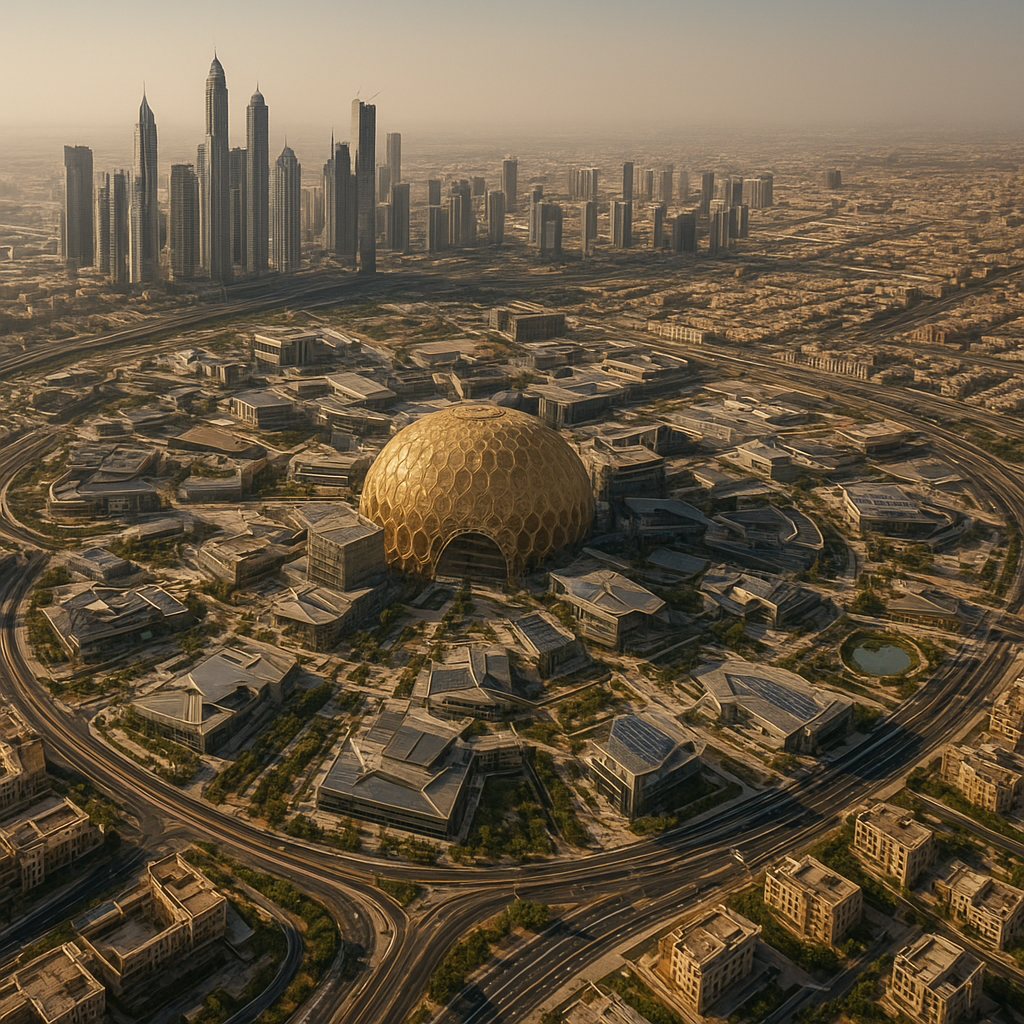
- Al Wasl Plaza: The heart of Expo 2020, this dome-like structure featured a latticed steel filigree canopy that doubled as a 360-degree projection surface. It became a symbol of communal gathering and technological spectacle.
- Terra – The Sustainability Pavilion: Designed entirely from cross-laminated timber, rammed earth walls, and solar panels, Terra demonstrated a holistic approach to low-carbon architecture.
- Mobility Pavilion: This kinetic building employed kinetic façades and interactive displays to illustrate the future of autonomous vehicles, hyperloop technology, and drone logistics.
Integrating Passive Design
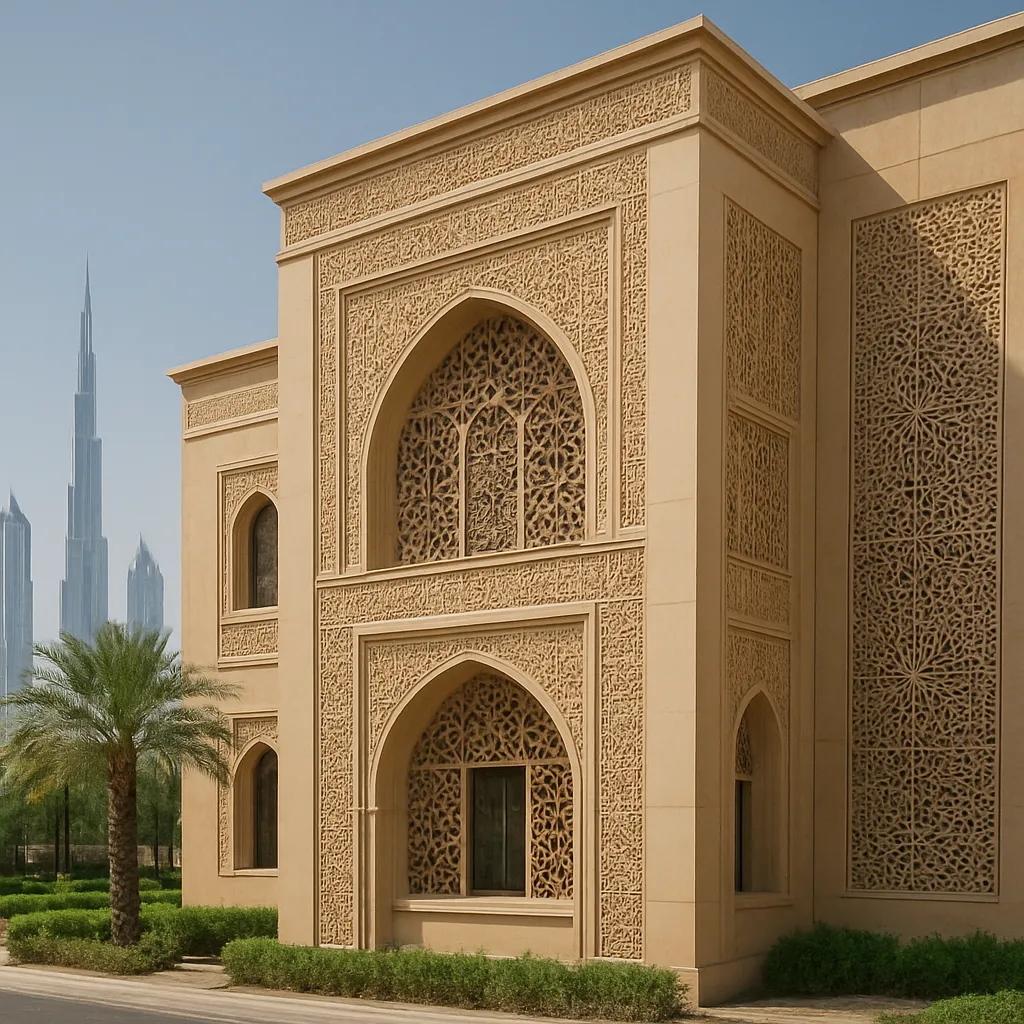
From the earliest sketches, designers prioritized ways to reduce energy consumption. Deep overhangs and mashrabiya-inspired screens provided effective shading, while optimized building orientation enhanced natural ventilation. The widespread use of photovoltaic panels, coupled with intelligent building management systems, ensured that pavilions could operate off-grid when feasible.
Landscaping and Blue-Green Infrastructure
An extensive network of gardens, water features, and shaded plazas created a sense of place throughout the site. By implementing greywater recycling and drip-irrigation systems, Expo 2020 reduced potable water needs by over 60 percent. Native plant species stabilized dunes and introduced biodiversity into an otherwise arid environment.
Infrastructure, Connectivity, and Post-Expo Legacy
Expo 2020 was not merely an exhibition; it functioned as a living laboratory for future-ready urbanism. Investments in transportation, digital networks, and public spaces laid the groundwork for the upcoming district—Dubai South—a masterplanned community destined to host up to 200,000 residents.
Transportation Networks
- Extension of the Red Line Metro linked the Expo site to Downtown Dubai and Dubai International Airport, improving regional accessibility.
- An autonomous shuttle service piloted within the site, paving the way for larger-scale deployment in other parts of the city.
- Electric vehicle charging stations and pedestrian-priority zones reduced reliance on private cars.
Smart City Infrastructure
Expo 2020 accelerated the rollout of 5G connectivity, IoT sensors, and data-driven urban management platforms. Real-time analytics optimized energy usage, crowd flows, and security operations. These systems have since been expanded into surrounding neighborhoods, improving day-to-day governance and service delivery.
The Transformation into District 2020
Following the event, the entire site was rebranded as District 2020. Key features of this new urban quarter include:
- Mixed-use buildings originally designed as pavilions, now converted into offices, labs, and residential units.
- Innovation hubs and incubators attracting startups in clean energy, urbanism, and digital health.
- Public parks, cultural centers, and sports facilities that maintain the spirit of global exchange while serving local communities.
Social Cohesion and Cultural Impact
Expo 2020’s architectural and planning achievements were matched by its efforts to foster social inclusion. Arts and educational programs enabled citizens, residents, and visitors to engage with global challenges through interactive exhibits. Performance spaces, outdoor amphitheaters, and rotating art installations reinforced Dubai’s position as a multicultural crossroads.
Community Engagement Initiatives
- Volunteer programs and youth councils empowered residents to co-create events and tours.
- Workshops on urban farming and water conservation raised awareness of environmental stewardship at the grassroots level.
- Collaborative art projects with local artisans helped preserve traditional crafts, integrating heritage into modern design.
Cultural Exchange and Tourism
By showcasing national pavilions side by side, Expo 2020 became a microcosm of global cooperation. The influx of international visitors stimulated hospitality, retail, and service sectors. Heritage villages and culinary zones offered authentic experiences, strengthening Dubai’s reputation as a premier destination for cultural tourism.
Future Outlook and Ongoing Evolution
The imprint of Expo 2020 on Dubai’s urban design extends far beyond its six-month tenure. Through adaptive use, smart technologies, and a steadfast commitment to sustainable development, the city is rewriting the rules of megaproject planning. As District 2020 matures into a thriving ecosystem of innovation, research, and community life, it exemplifies how an event of global scale can spark enduring transformation in the built environment.