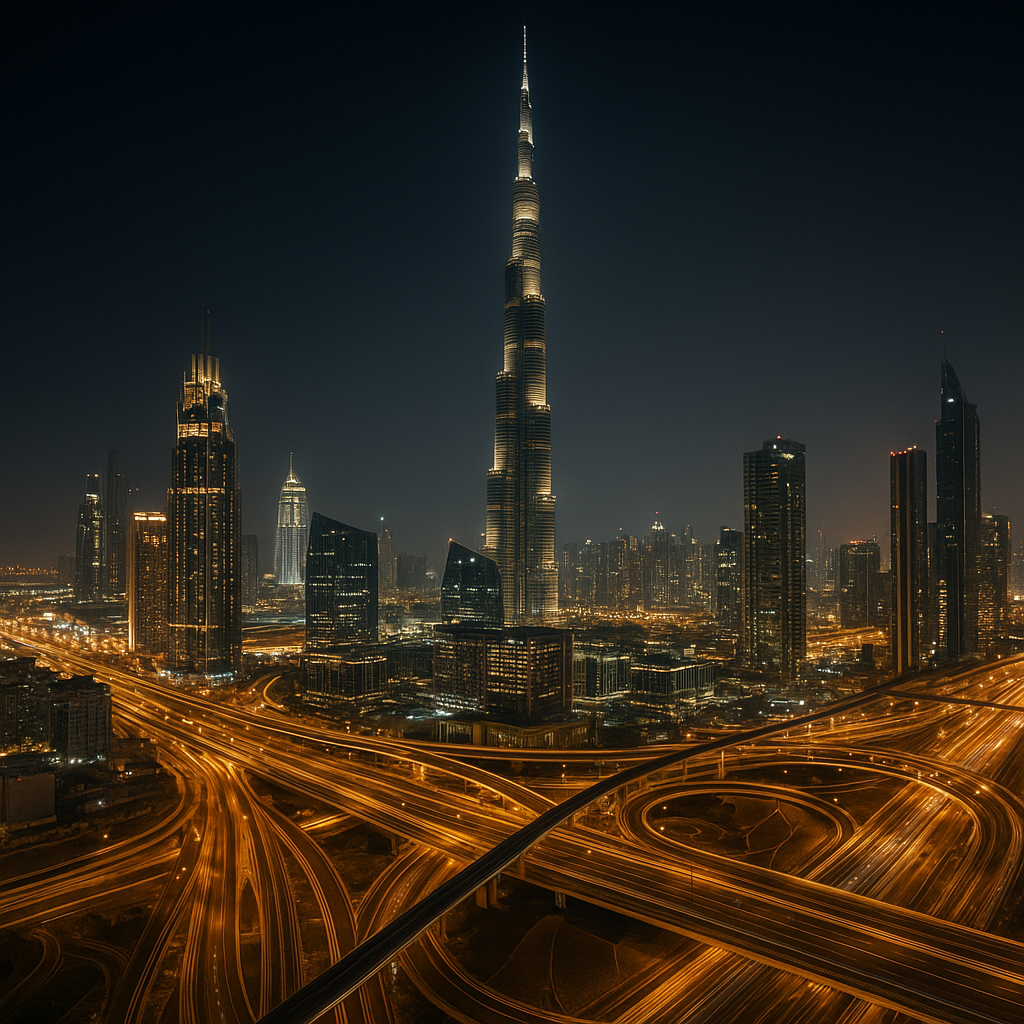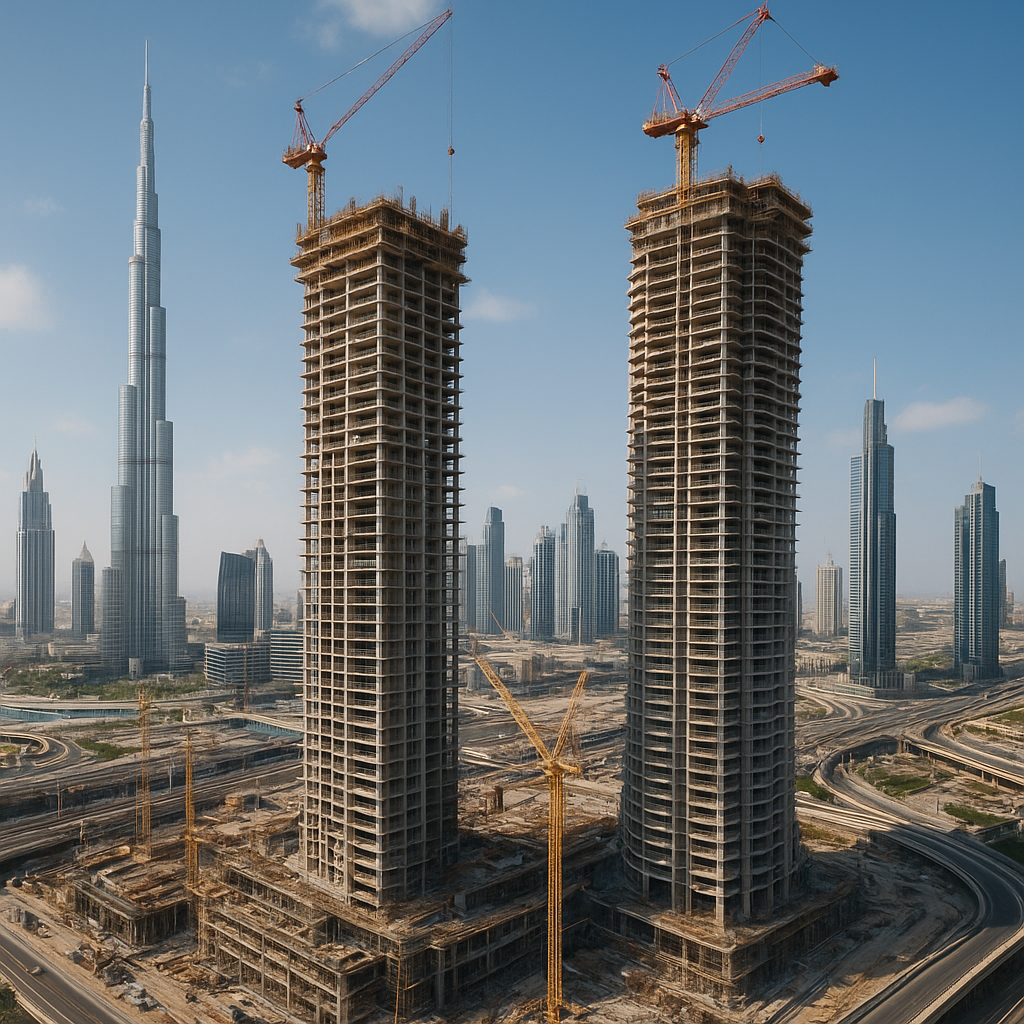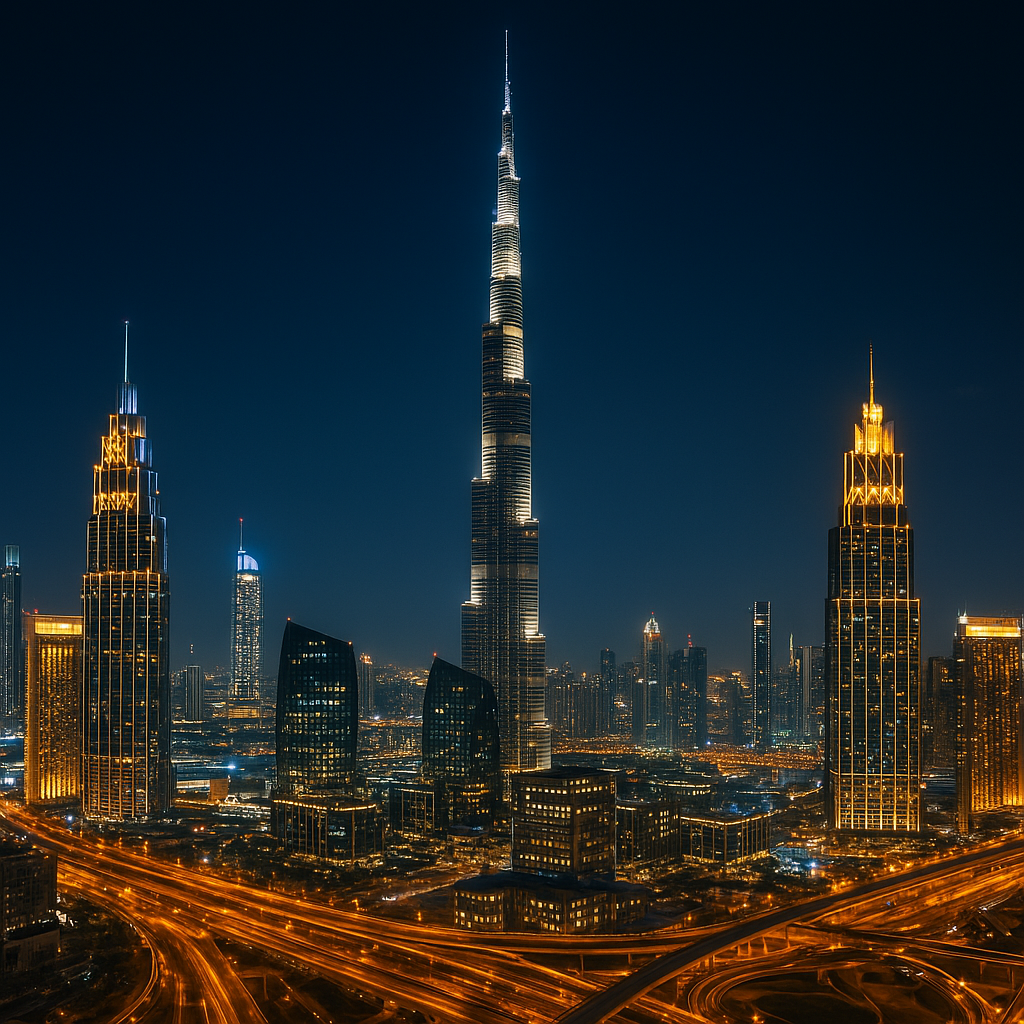
The towering skyline of Dubai undergoes a remarkable transformation at night, as a carefully orchestrated play of light turns concrete and glass into an enchanting canvas. In this article, we explore how innovative lighting design reshapes Dubai’s iconic buildings after dusk, creating an immersive and spectacular urban experience.
Design Philosophy Behind Dubai’s Nighttime Illumination
Dubai’s architects and lighting designers collaborate to establish an architectural identity that resonates with the city’s ambition and cultural heritage. This design philosophy hinges on three key principles:
- Contextual Harmony – integrating each building’s form with its surroundings
- Dynamic Expression – using changing light sequences to evoke emotion
- Energy Consciousness – deploying energy-efficient lighting technologies
By blending these principles, designers ensure every façade becomes an active participant in Dubai’s nocturnal spectacle.
Balancing Tradition and Futurism
Many projects draw inspiration from Arabesque art, translating geometric patterns into digital projections that dance across surfaces. Simultaneously, cutting-edge LED arrays and programmable controllers lend a dynamic edge, ensuring buildings feel both rooted in heritage and boldly forward-looking.
Landmark Projects Shining Bright
Dubai’s skyline teems with structures renowned not only for their height but for their innovative illumination. Below is a selection of landmark cases that redefine how lighting design can elevate urban identity:
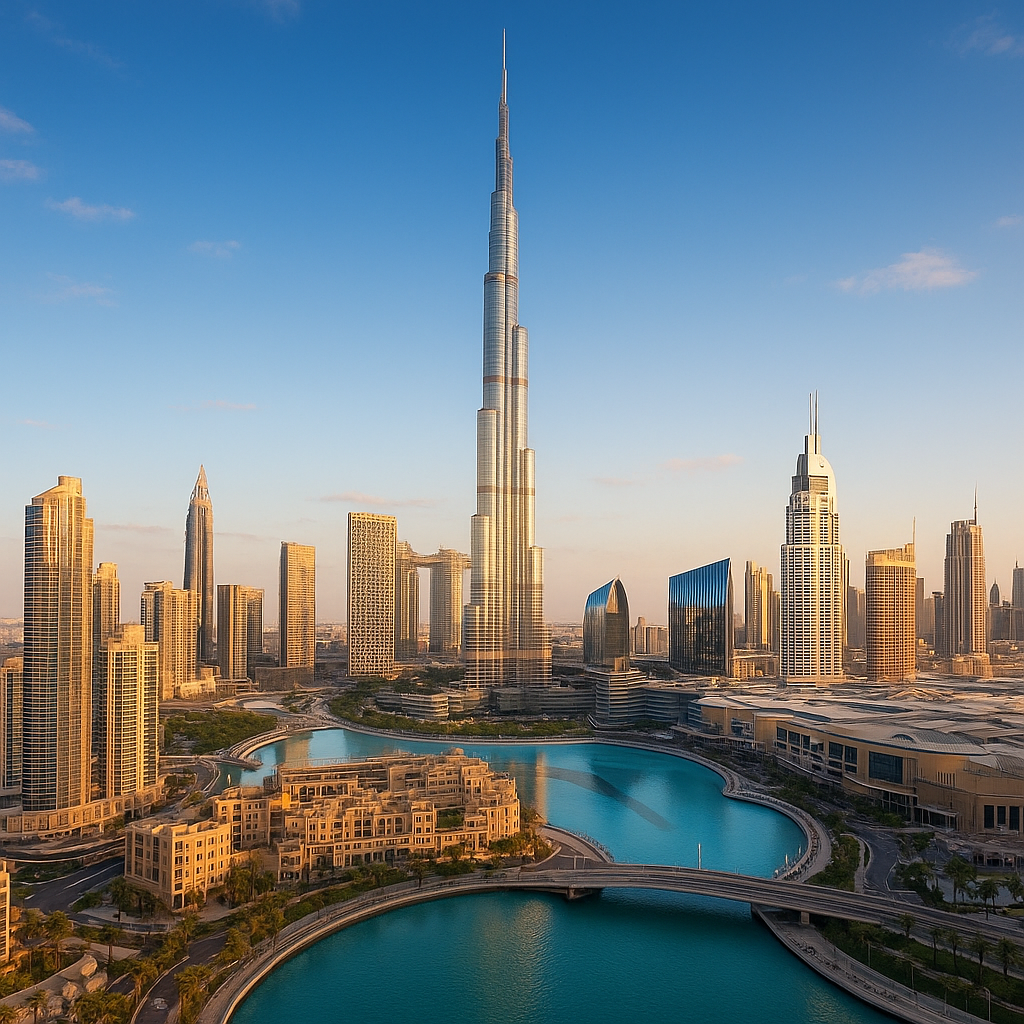
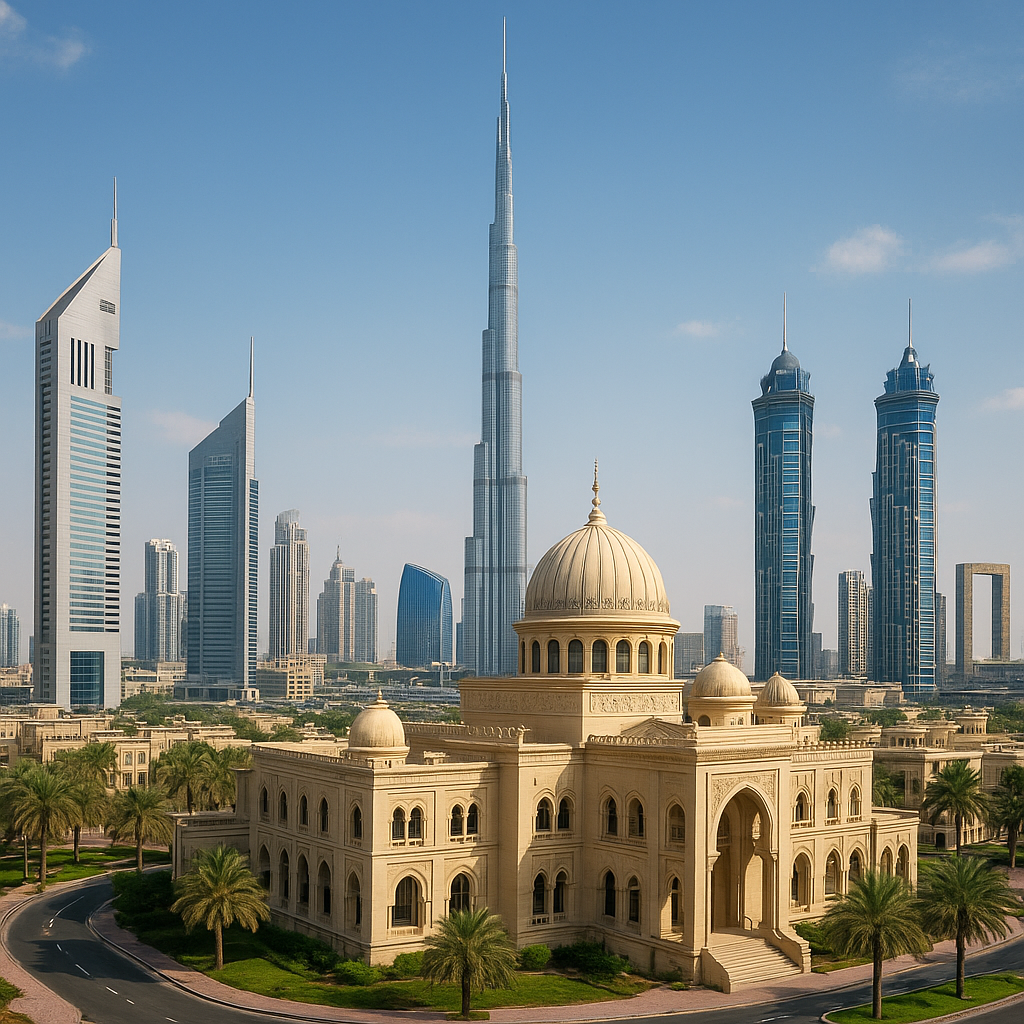
- Burj Khalifa – The world’s tallest tower employs over 1,000 LED fixtures to create choreographed light shows timed to music and seasonal events.
- Dubai Frame – A rectangular portal connecting old and new Dubai, outlined by linear LED ribbons that emphasize its iconic silhouette.
- Museum of the Future – Its torus-shaped façade features programmable LEDs beneath stainless-steel panels, projecting Arabic calligraphy in continuous loops.
- Atlantis The Palm – A resort complex that uses color-changing floodlights to transform the hotel’s exterior into a festive backdrop for fireworks and events.
- Arena of Light at Dubai Opera – An open-air esplanade illuminated by adjustable spotlights, creating an intimate ambiance for performances.
Each of these projects highlights how thoughtfully placed LED technology can underscore a building’s geometry, animate public spaces and tell a narrative through light.
Innovative Technologies and Sustainability
At the heart of Dubai’s nighttime transformation lies a suite of advanced lighting systems designed to optimize performance, reduce energy consumption and offer interactive capabilities.
Smart Lighting Controls
Building managers deploy networked control systems using DMX and DALI protocols. These smart controls enable:
- Real-time color changes coordinated across multiple façades
- Automated dimming schedules to minimize light pollution
- Remote diagnostics and maintenance alerts
Such systems allow for seamless transitions between different lighting scenes, from festive celebrations to low-energy overnight modes.
Advanced Fixture Technologies
Modern fixtures incorporate high-output LEDs, wireless connectivity and adaptive lenses that shape light beams precisely. Some notable innovations include:
- RGBW emitters offering a broader color spectrum and richer whites
- Pixel-mapping modules enabling graphic animations directly on building surfaces
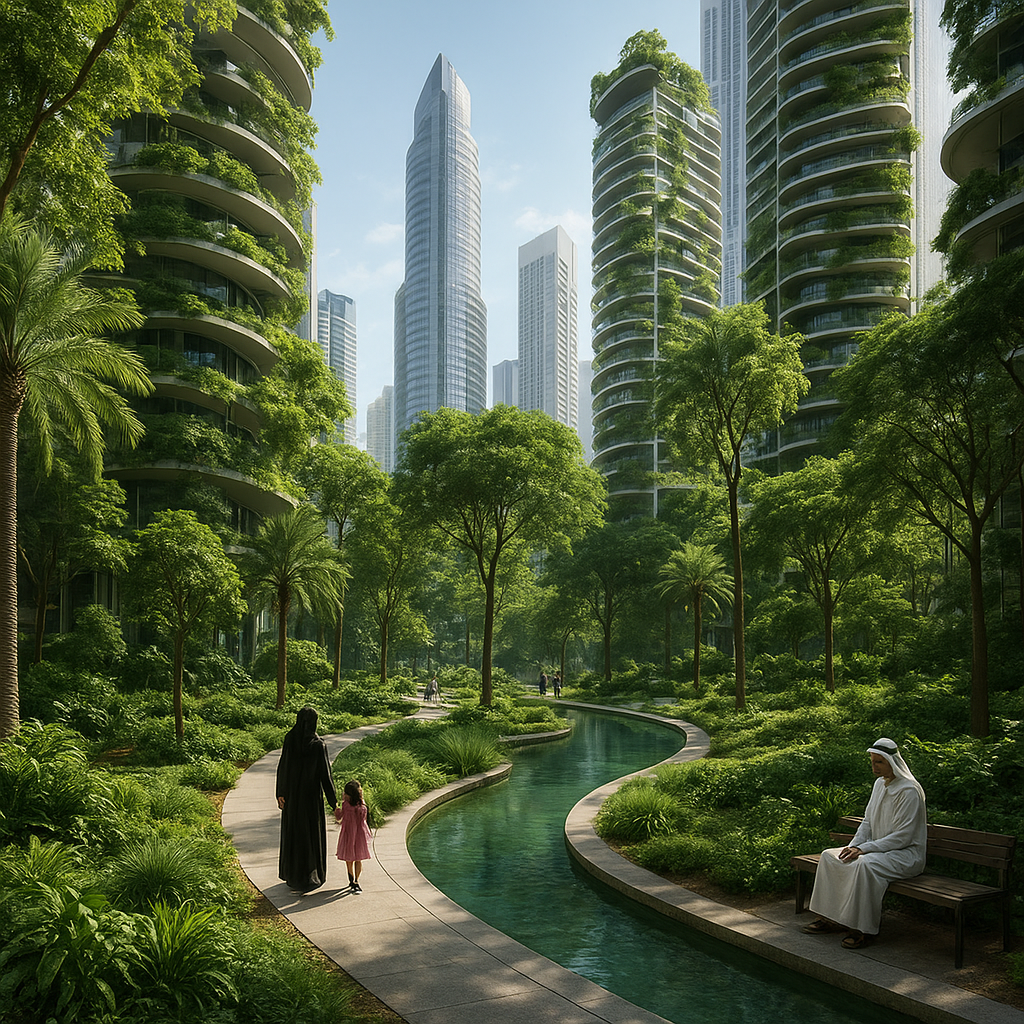
- Solar-powered floodlights used in parks and promenades adjacent to major structures
These technologies not only reduce electricity usage but also minimize maintenance interventions through extended lifespans and predictive analytics.
Human-Centric Lighting and Public Engagement
Beyond aesthetics and efficiency, lighting design in Dubai increasingly prioritizes the well-being and engagement of pedestrians and residents.
- Visual Comfort – Glare control strategies ensure that light sources do not overwhelm the observer, creating pleasant walkways and gathering spots.
- Wayfinding – Illuminated signage, patterned pathways and color cues guide visitors from hotel lobbies to waterfronts with intuitive clarity.
- Interactive Installations – Some plazas feature motion sensors that trigger changing light sequences in response to movement, fostering a playful dialogue between people and architecture.
By centering human experience, Dubai’s lighting projects transcend mere decoration, forging memorable nighttime environments.
Future Trends and Challenges
As Dubai continues to expand its architectural portfolio, lighting designers face new challenges and opportunities:
- Integrating sustainability at scale, ensuring that the growing number of illuminated assets does not overwhelm the grid
- Adapting to evolving smart city frameworks, where lighting interacts with traffic management, security and environmental monitoring
- Balancing commercial branding requirements with public interest, so that sponsored light displays coexist with civic aesthetics
With ongoing advances in materials science, control systems and renewable energy, Dubai’s nighttime skyline is poised to become even more immersive and responsive to both societal needs and environmental considerations.