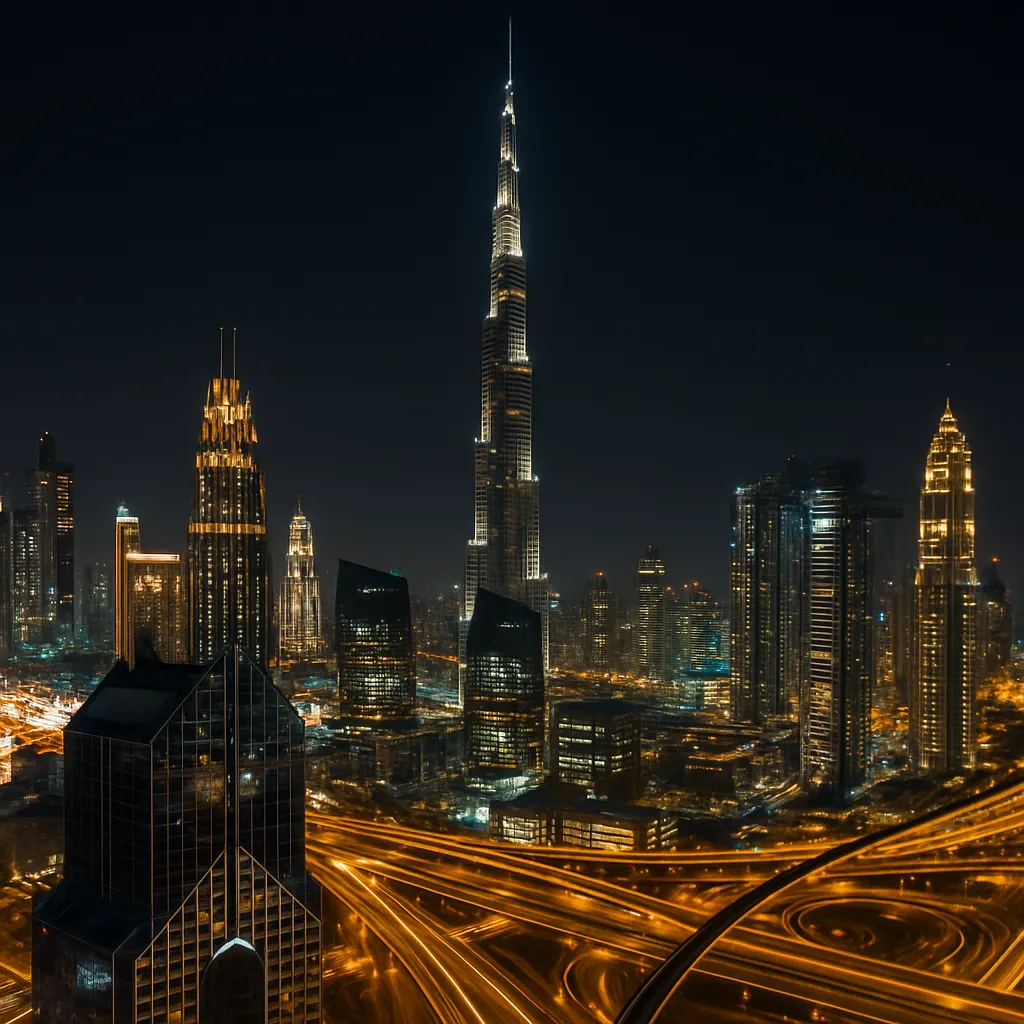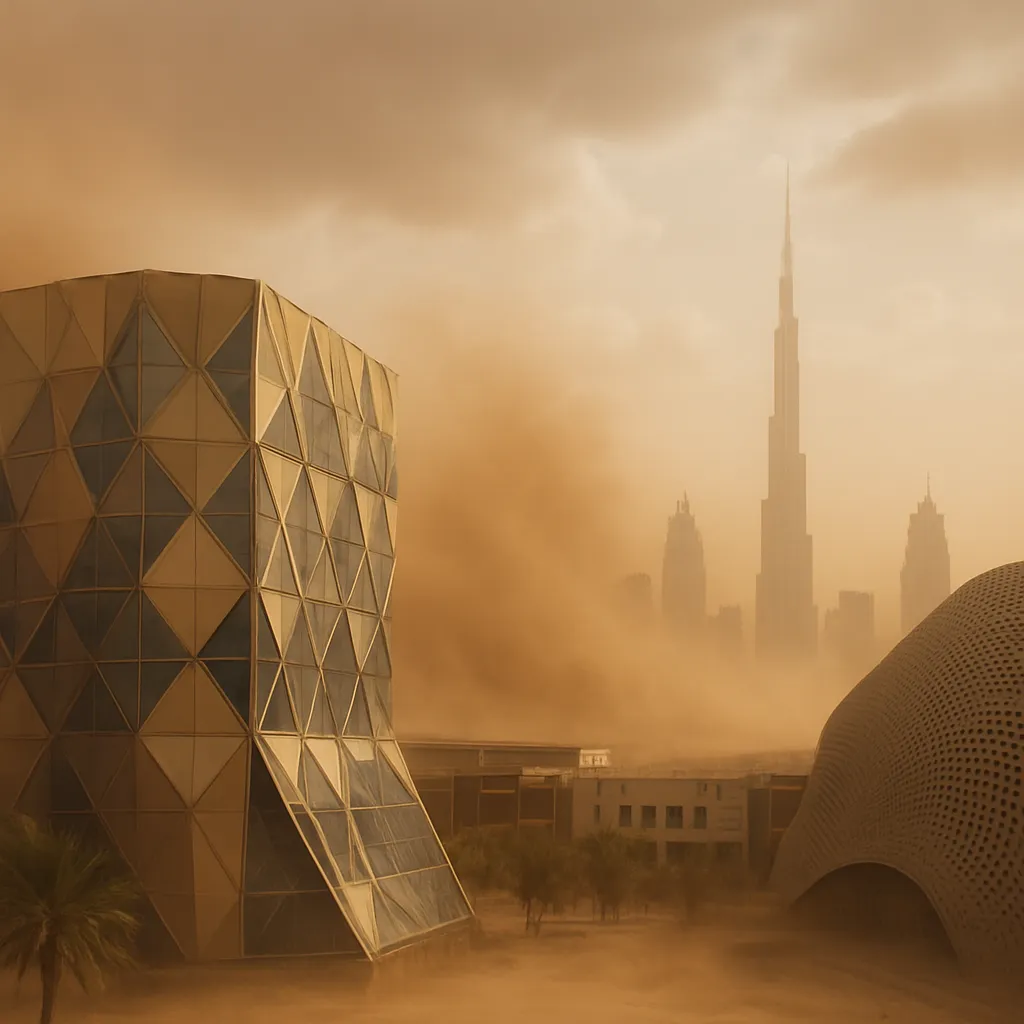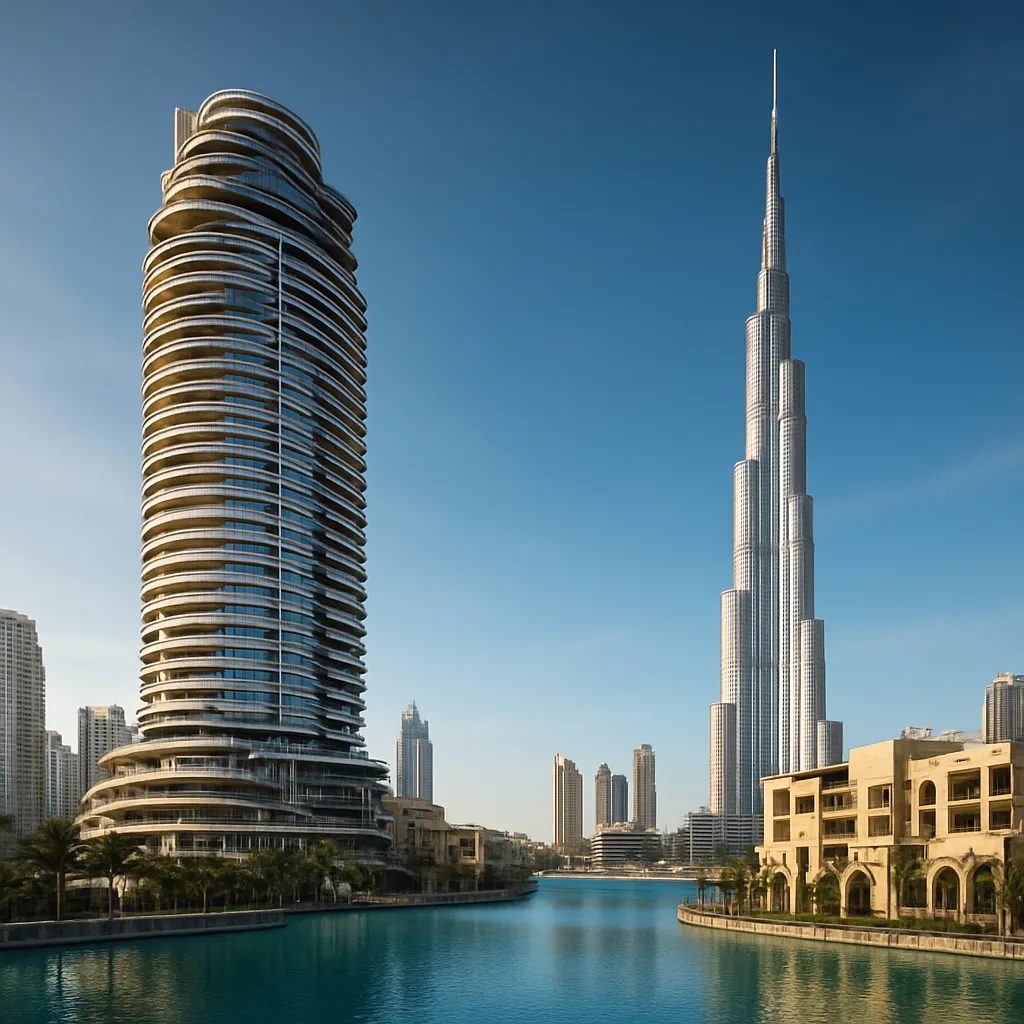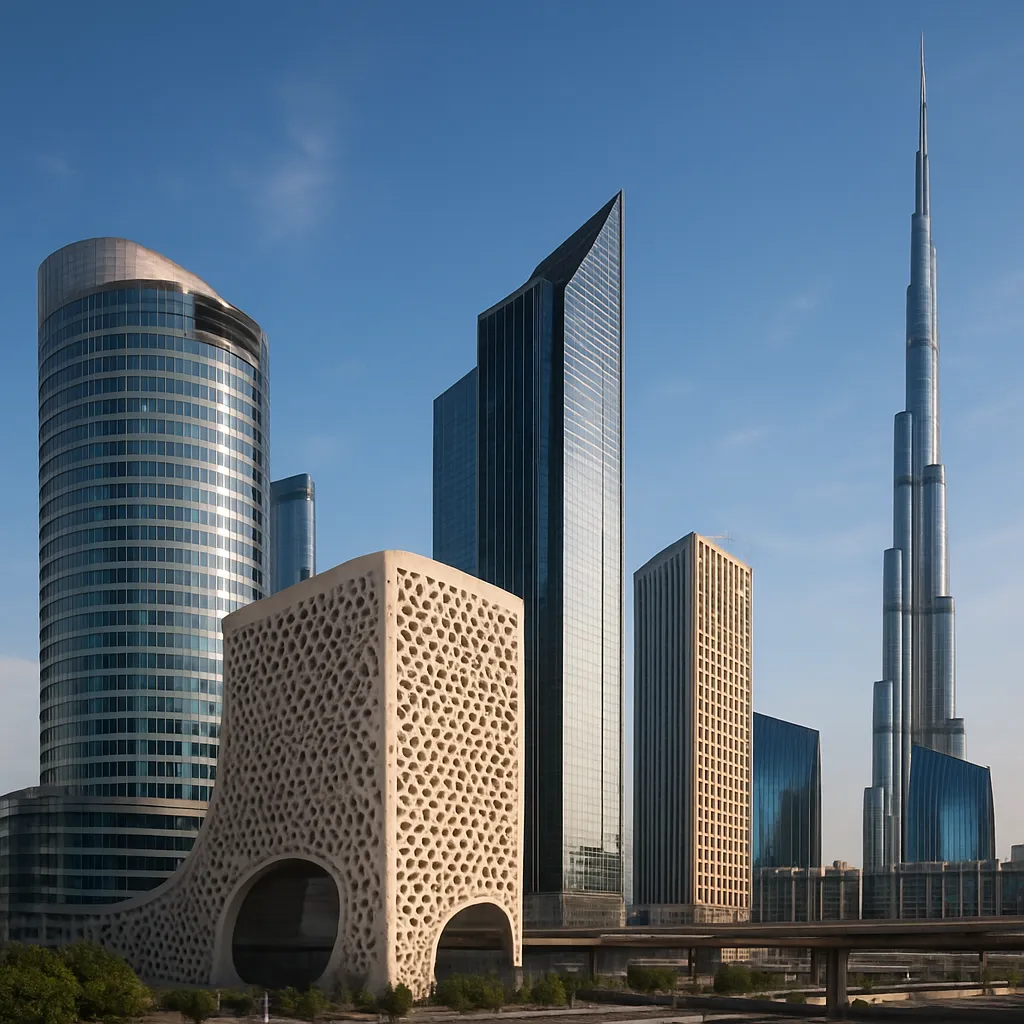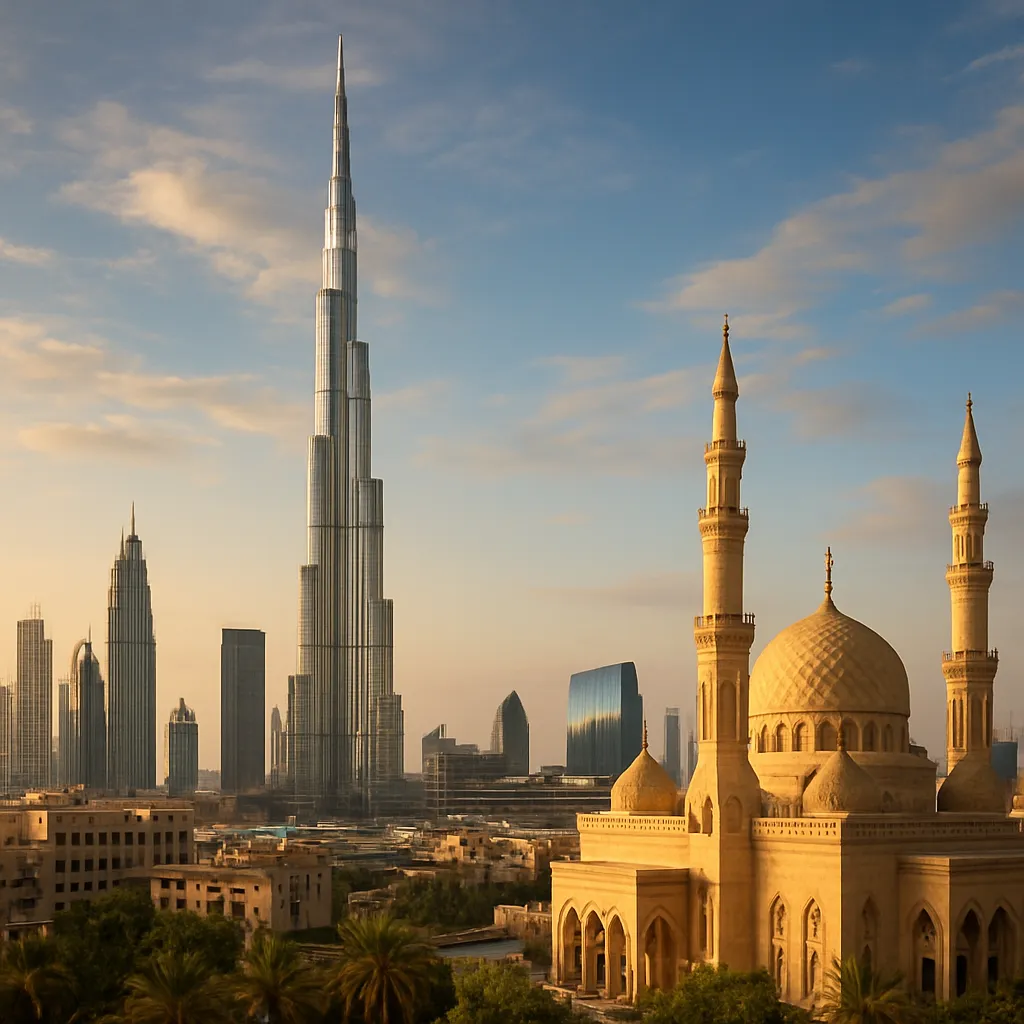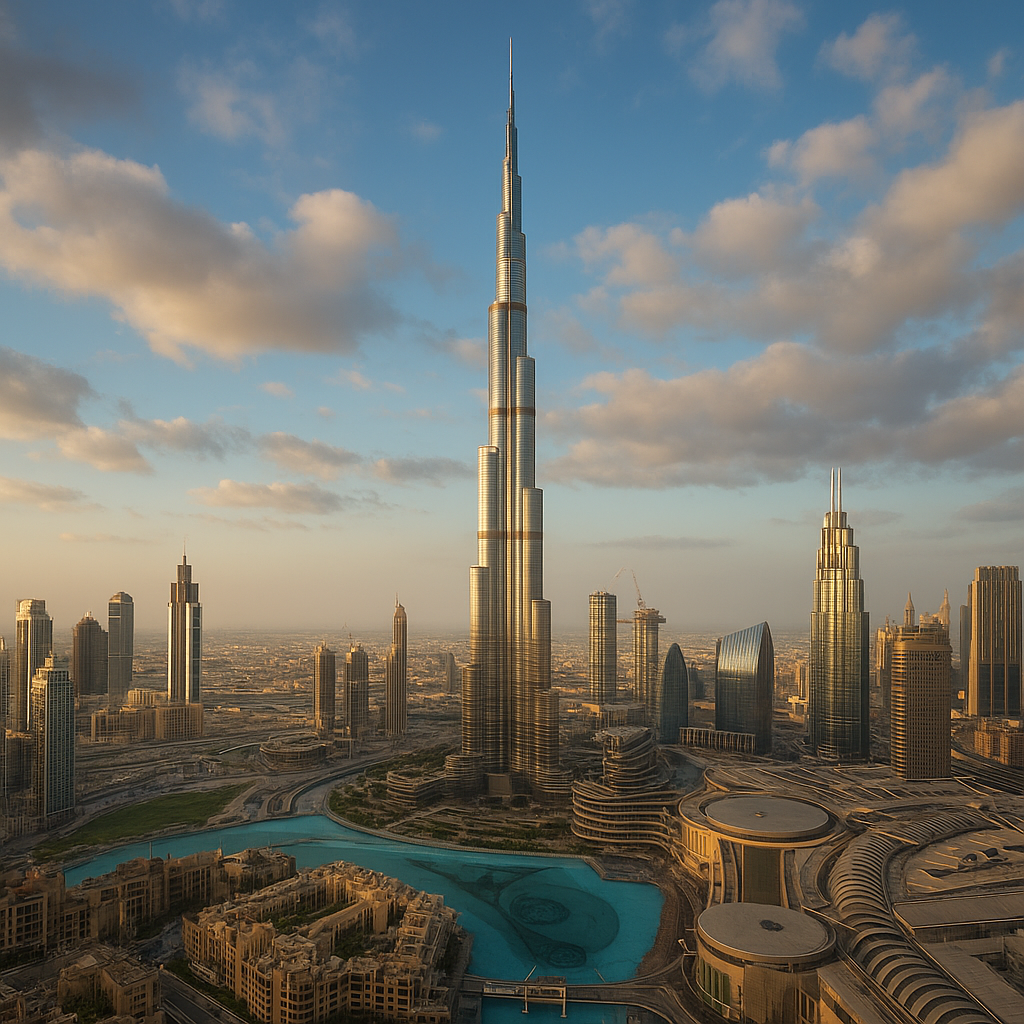
Since its grand unveiling in 2010, the world’s tallest tower has done more than pierce the desert air—it has reshaped the very concept of urban ambition. Rising from the heart of Downtown Dubai, the soaring spire of the Burj Khalifa stands as a testament to human ingenuity and the relentless drive for innovation. Beyond its staggering height, this iconic structure has sparked a profound transformation of the city’s identity, inspiring new developments and redefining Dubai as a global hub of architecture and modern luxury.
Origins of the Vertical Revolution
At the dawn of the 21st century, Dubai’s leaders sought to vault the emirate onto the world stage. They envisioned a project that would challenge conventional limits and elevate the city’s profile. The concept was simple yet audacious: build the tallest structure on the planet. This ambition led to the commissioning of renowned architects and engineers, who collaborated to create a design that married aesthetic elegance with structural performance. The goal was not merely to break height records but to establish a new landmark that embodied Dubai’s forward-looking spirit.
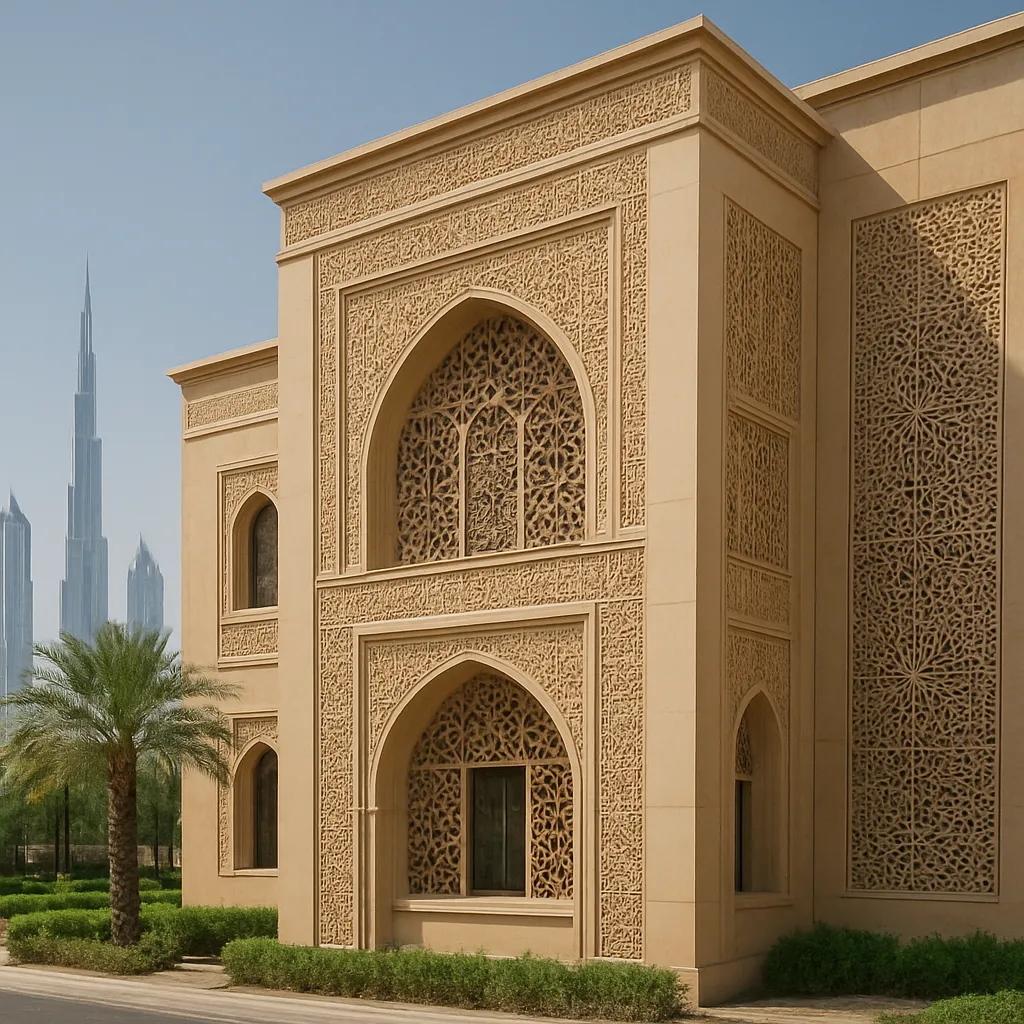
Drawing inspiration from traditional Islamic patterns, the tower’s Y-shaped plan provided both an iconic silhouette and optimal functionality. The stepped setbacks reduce wind forces at higher elevations, demonstrating a fusion of cultural heritage and cutting-edge engineering. Construction commenced in 2004, with over 12,000 workers laboring around the clock. Materials sourced from across the globe—high-strength steel, premium glass, and custom concrete mixes—underscored the project’s massive scale and the emirate’s willingness to invest in record-breaking achievements.
Engineering Marvels and Architectural Details
Rising to a staggering height of 828 meters, the Burj Khalifa required innovations that had never been tested at such altitudes. The foundation alone demanded more than 45,000 cubic meters of concrete, poured continuously over 120 hours. Specialized cranes lifted materials to unprecedented heights, while a team of experts monitored every aspect of the building’s performance.
Structural System
- The buttressed core system enhances stability by distributing loads evenly across the tower’s three wings.
- Reinforced concrete piles extend up to 50 meters beneath ground, anchoring the structure in firm bedrock.
- Cladding panels feature high-performance glazing to reduce glare and insulate against extreme desert temperatures.
Vertical Transportation
- 57 elevators travel at speeds reaching 10 meters per second, making the ascent to the observation deck a swift experience.
- Double-deck elevator cabins maximize capacity, reducing wait times in peak periods.
- Advanced destination-control systems optimize passenger flow and energy use.
These technical feats, combined with meticulous craftsmanship, underscore how the Burj Khalifa pushed the boundaries of what was deemed possible in both architecture and construction science.
Ripple Effects Across Dubai’s Urban Fabric
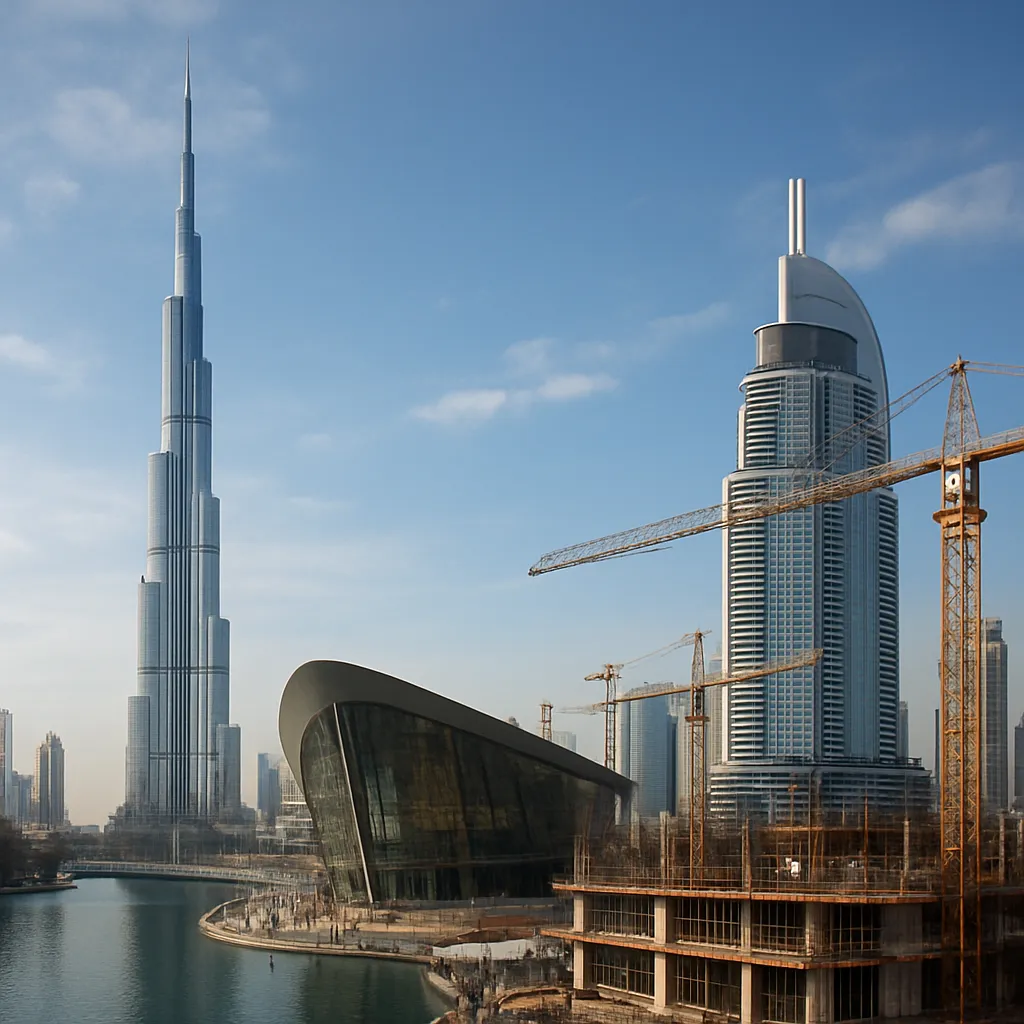
The success of the Burj Khalifa served as a catalyst for an unprecedented building spree. Neighborhoods that once lay dormant have since blossomed into vibrant districts dotted with towering skyscrapers and mixed-use complexes. Developments like the Dubai Opera District, the Dubai Mall expansions, and the lavish high-rise hotels of Business Bay all owe their genesis, in part, to the momentum generated by the original spire.
Property values adjacent to Downtown Dubai soared as investors clamored to be part of this new skyline. Architects and developers embraced bold designs, resulting in a skyline characterized by daring silhouettes and kaleidoscopic night lighting. The aesthetic interplay between neighboring towers—each striving for its own unique identity—has created an urban tapestry that continues to evolve.
Cultural and Economic Impacts
More than a physical phenomenon, the Burj Khalifa ignited a surge in tourism that rippled throughout the local economy. Millions flock each year to witness the world’s tallest building, contributing to hospitality, retail, and entertainment sectors. The observation decks on levels 124 and 148 offer panoramic vistas that draw visitors from every corner of the globe, generating substantial revenue and global media attention.
Dubai’s branding as a luxury destination has solidified thanks to this towering achievement. Major corporations have established regional headquarters in the shadow of the spire, attracted by both the prestige and state-of-the-art facilities. Events ranging from high-profile product launches to extravagant New Year’s Eve fireworks leverage the tower’s prominence, enhancing the city’s international reputation.
Global Influence and the Future of High-Rise Development
By redefining the limits of vertical living, the Burj Khalifa has inspired architects and city planners worldwide. Cities from Shanghai to New York have revisited their own skyline ambitions, seeking lessons in mixed-use integration, sustainable design, and the creation of public spaces around supertall structures. The tower’s success has proven that, with the right vision and resources, vertical expansion can catalyze urban renewal and economic vitality.
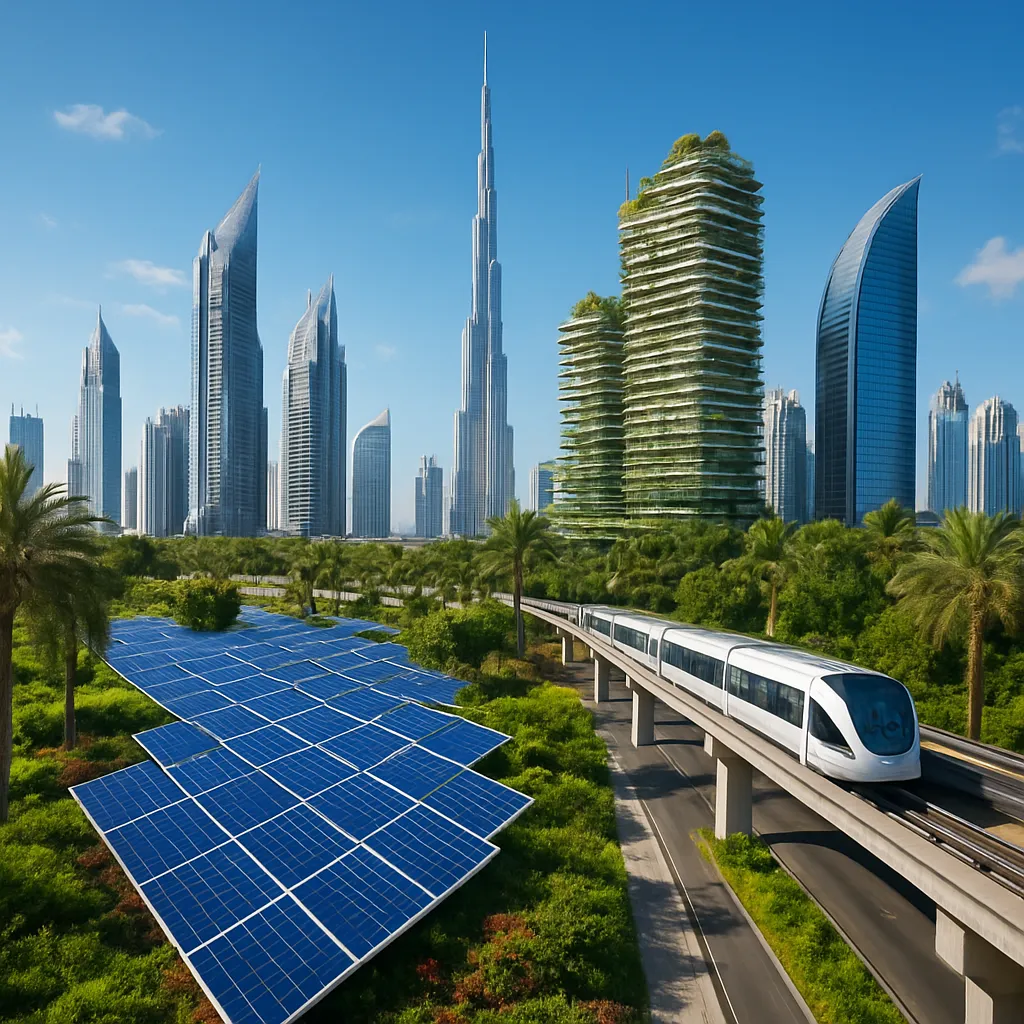
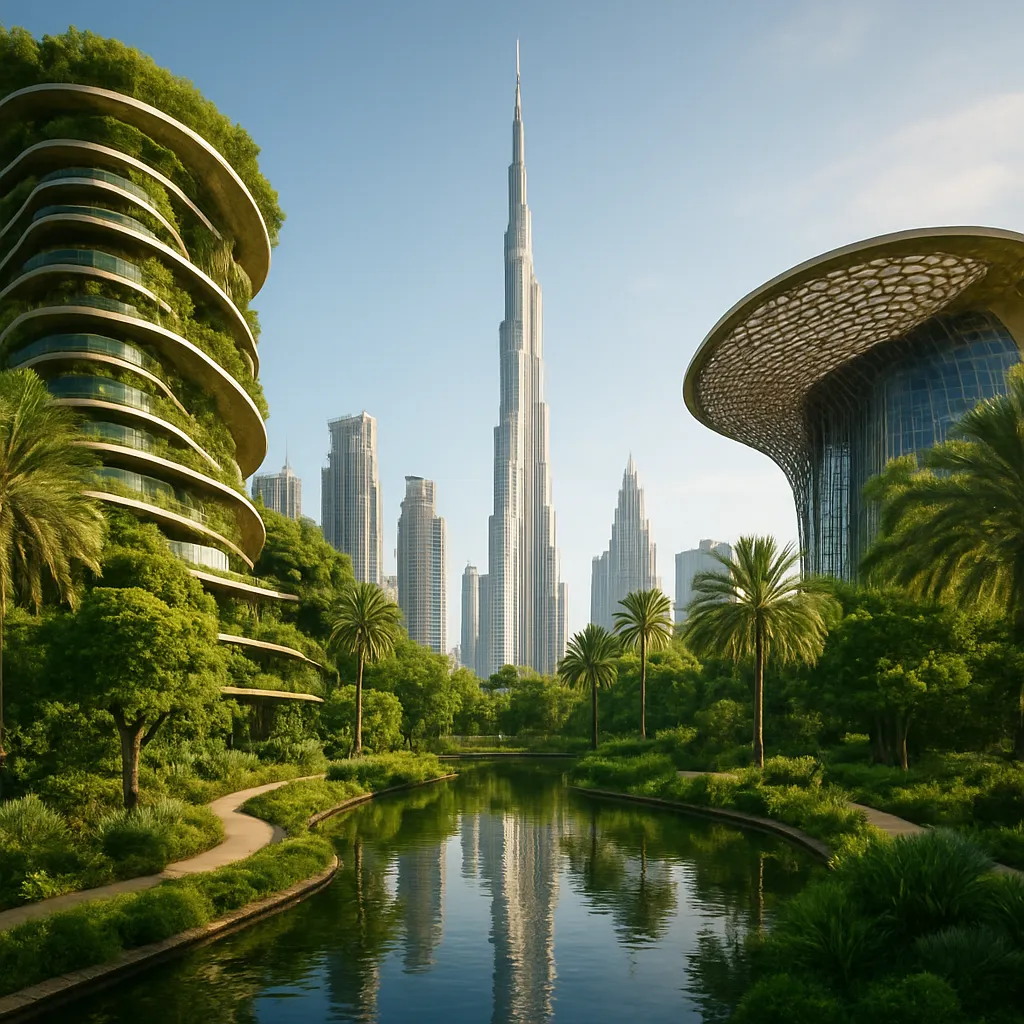
Looking ahead, Dubai continues to push boundaries. Plans for even taller structures, innovative waterfront developments, and eco-friendly districts signal that the city’s journey skyward is far from over. Yet, no matter how high future spires may soar, the Burj Khalifa will remain the foundation of this ongoing narrative—a monument to transformation that forever altered the desert horizon.