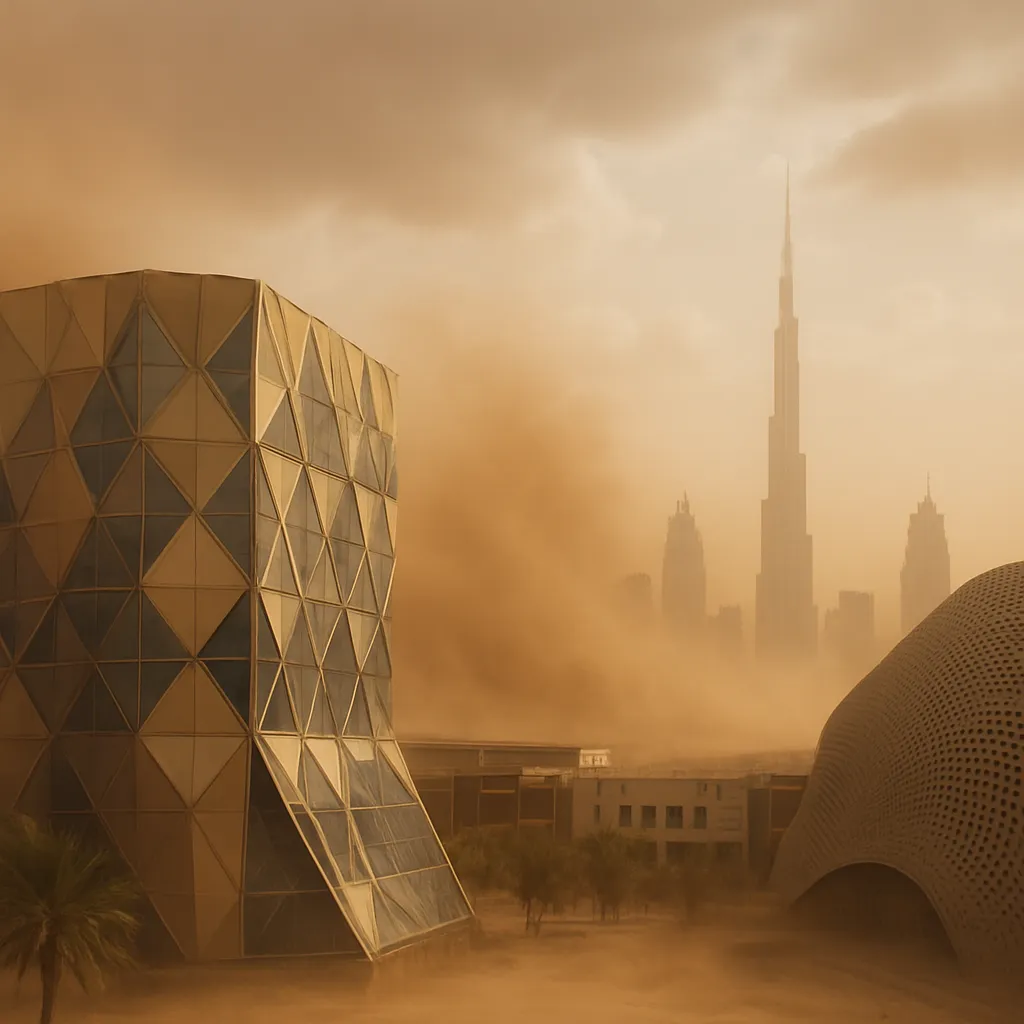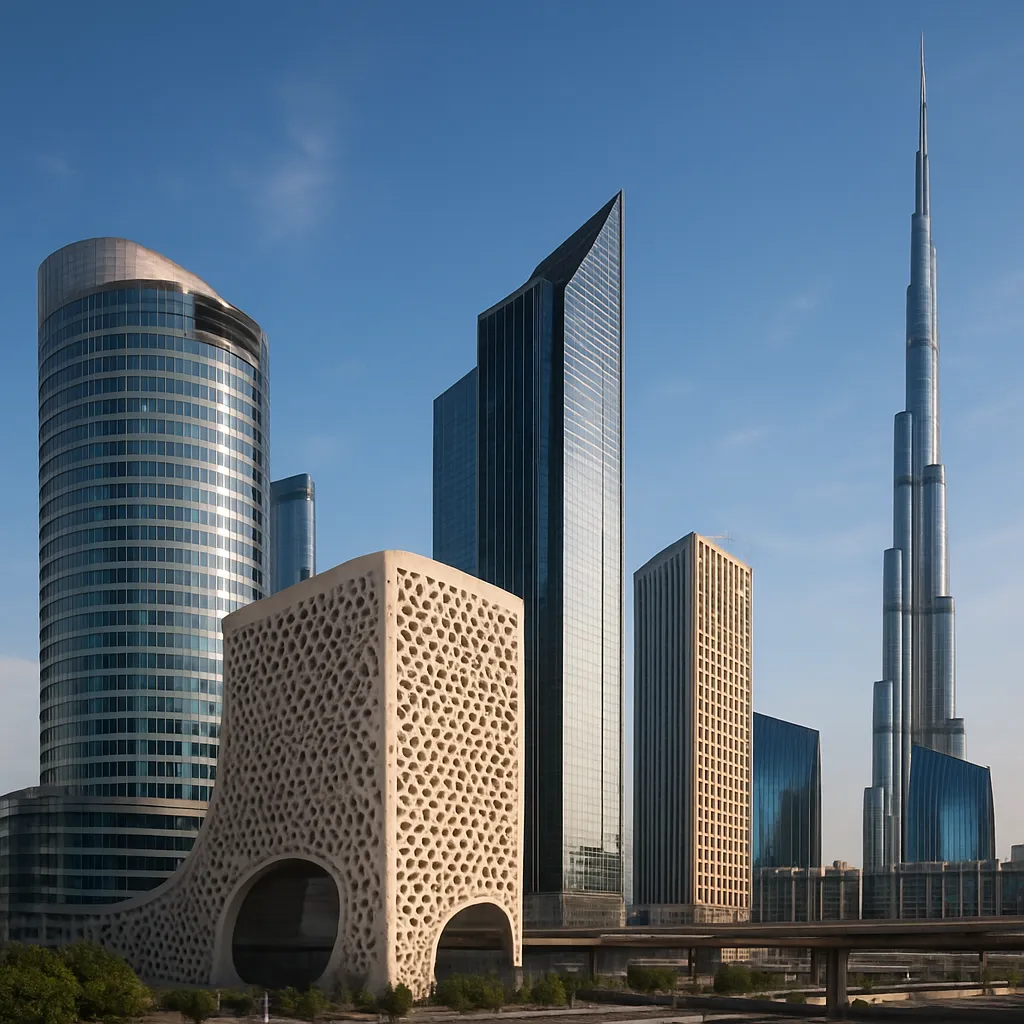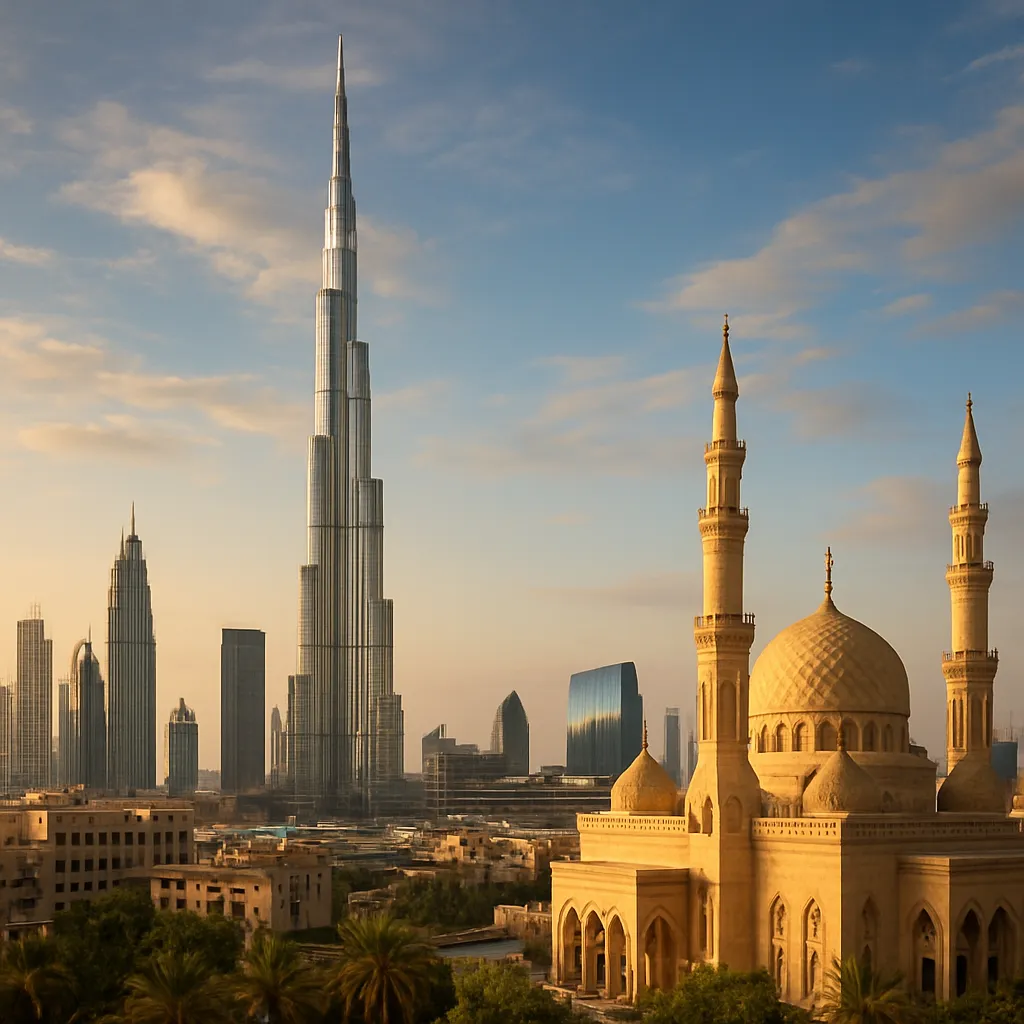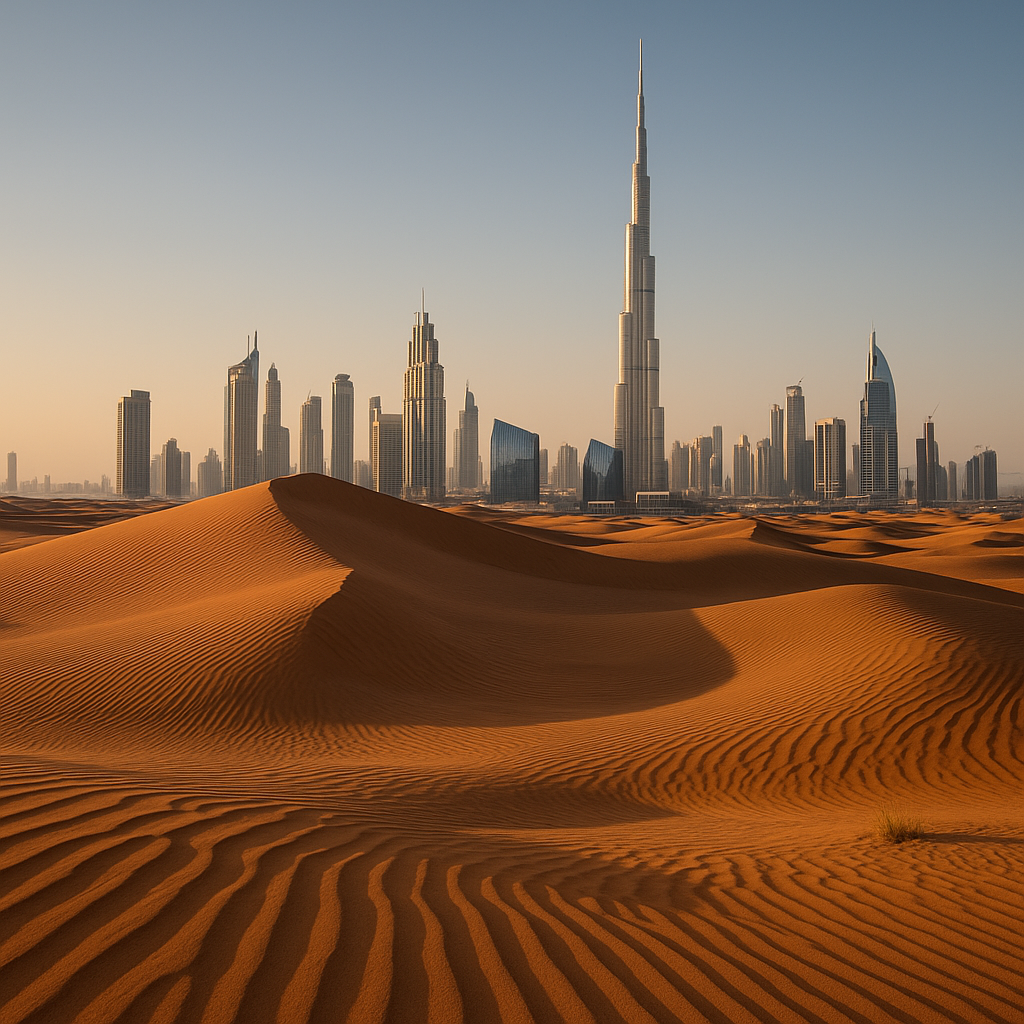
The sprawling sands of the Arabian Peninsula have always held a certain mystique, one that blends the harshness of shifting dunes with the delicate art of survival. In Dubai, this enigmatic desert environment has shaped a unique architectural language—one that marries the resilience of tradition with the daring of modernity. As you wander through glass towers and sculptural facades, you witness not merely buildings, but a dialogue between nature and human ambition. From solar-reflecting claddings to wind-cooled atriums, each project reflects a thoughtful response to the desert landscape and its elemental demands.
Merging Tradition with Innovation
At the heart of Dubai’s urban fabric lies a deep reverence for its ancestral roots. Historic wind towers, known as barjeel, offered natural ventilation centuries before air conditioners existed. Contemporary architects reinterpret this principle on a grand scale:
- Bastakiya-inspired courtyards that channel breezes through narrow passages.
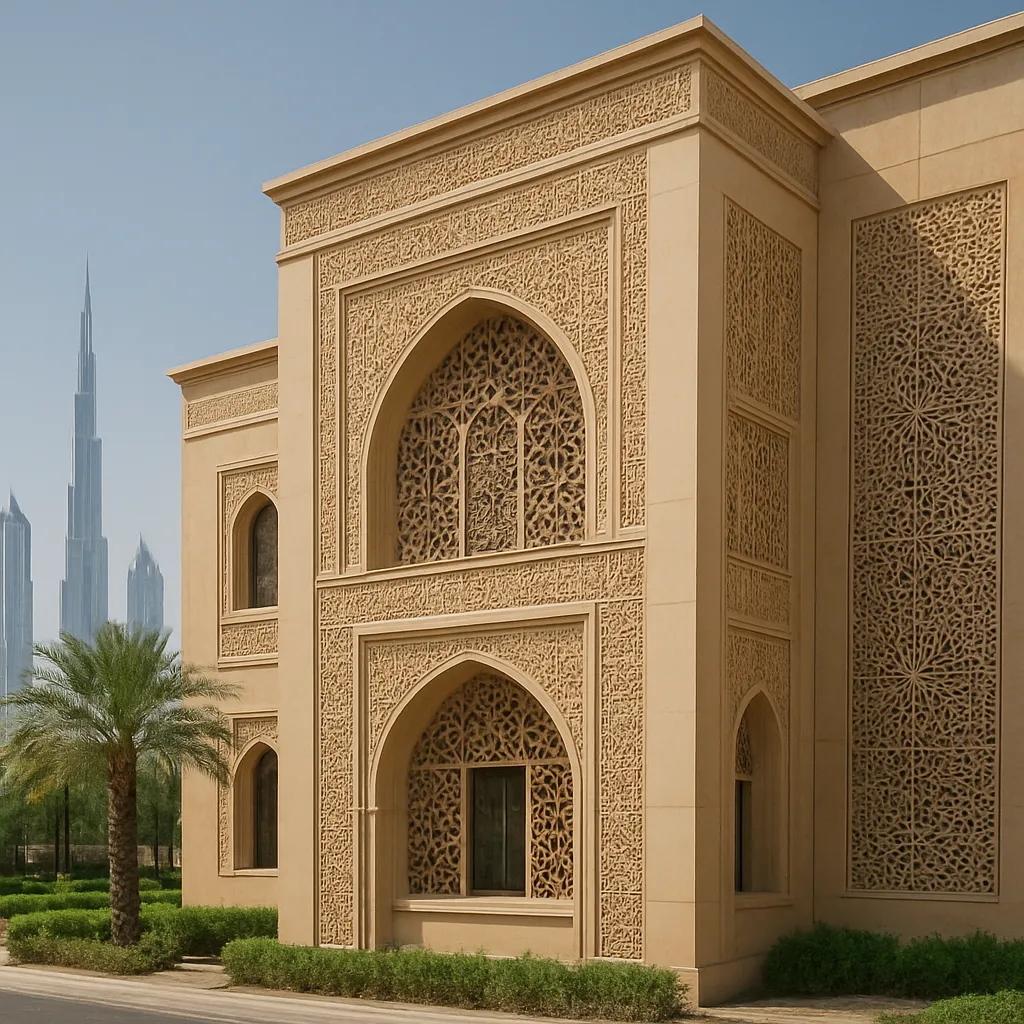
- Shading screens with intricate geometric mashrabiya patterns, filtering intense sunlight.
- Building setbacks and staggered volumes that echo dune contours while creating shaded terraces.
Such strategies imbue even the most futuristic skyscraper with a sense of cultural continuity. In projects like the Al Fahidi Historical Neighbourhood restoration, old coral stone walls stand adjacent to contemporary pavilions. These interventions not only preserve heritage but also inspire visitors to appreciate the subtle interplay between wind, light, and stone.
Climate-Responsive Design
Dubai’s relentless sun and scarce precipitation demand more than mere aesthetics. Architects integrate passive and active measures to ensure comfort and efficiency:
- High-performance glazing that blocks infrared heat while allowing daylight.
- Double-skin facades creating an insulating buffer that traps hot air away from occupied spaces.
- Solar chimneys that harness thermal stack effect, drawing cool air upwards.
Take the Museum of the Future, a torus-shaped marvel adorned with calligraphic panels. Its façade not only dazzles but also shields interiors from direct solar gain. Inside, an advanced cooling system recycles waste energy, exemplifying how performance-driven geometry can reduce carbon footprints. Likewise, residential towers in the Dubai Marina employ daytime water mist cooling on rooftops, mitigating ambient temperatures and enhancing occupant comfort.
Iconic Skylines and Landmark Projects
Dubai’s ever-evolving skyline is a testament to architectural ambition. Here are some emblematic developments that showcase the city’s daring spirit:
Burj Khalifa
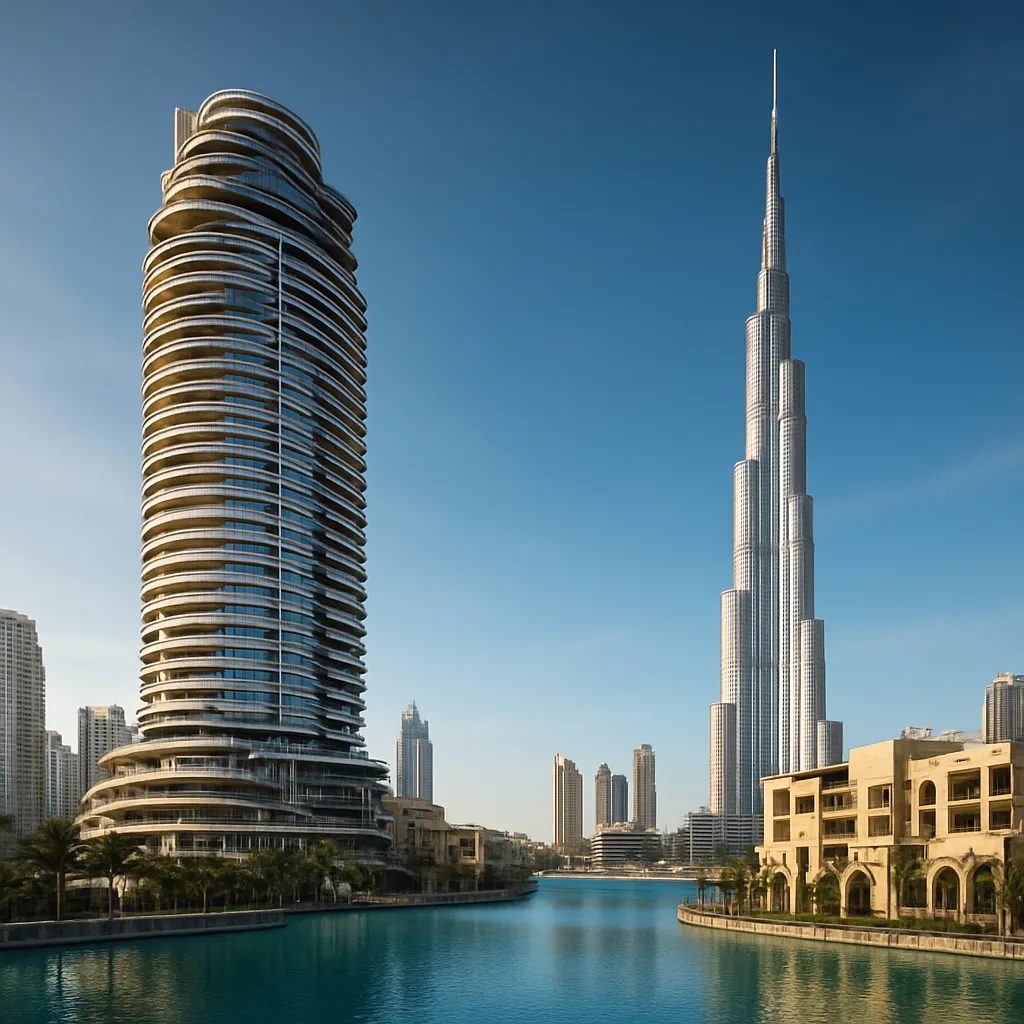
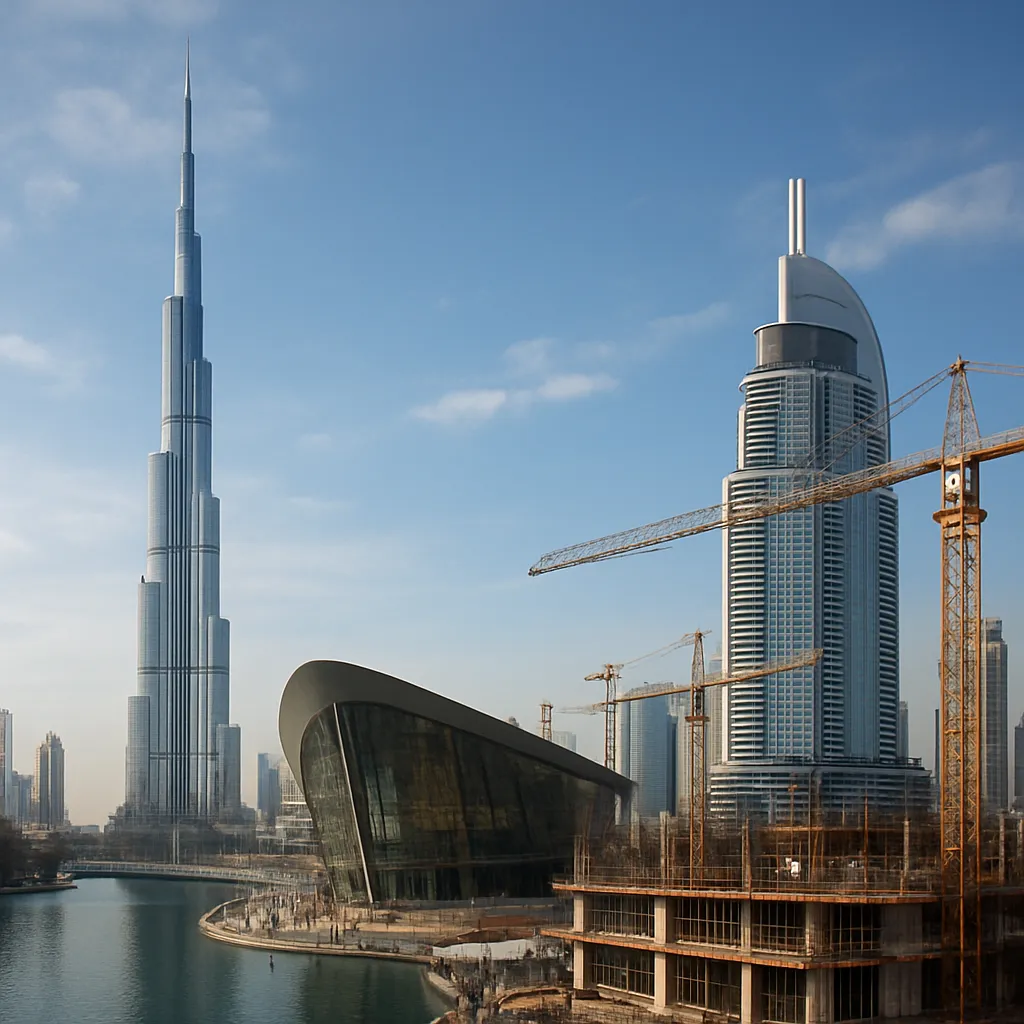
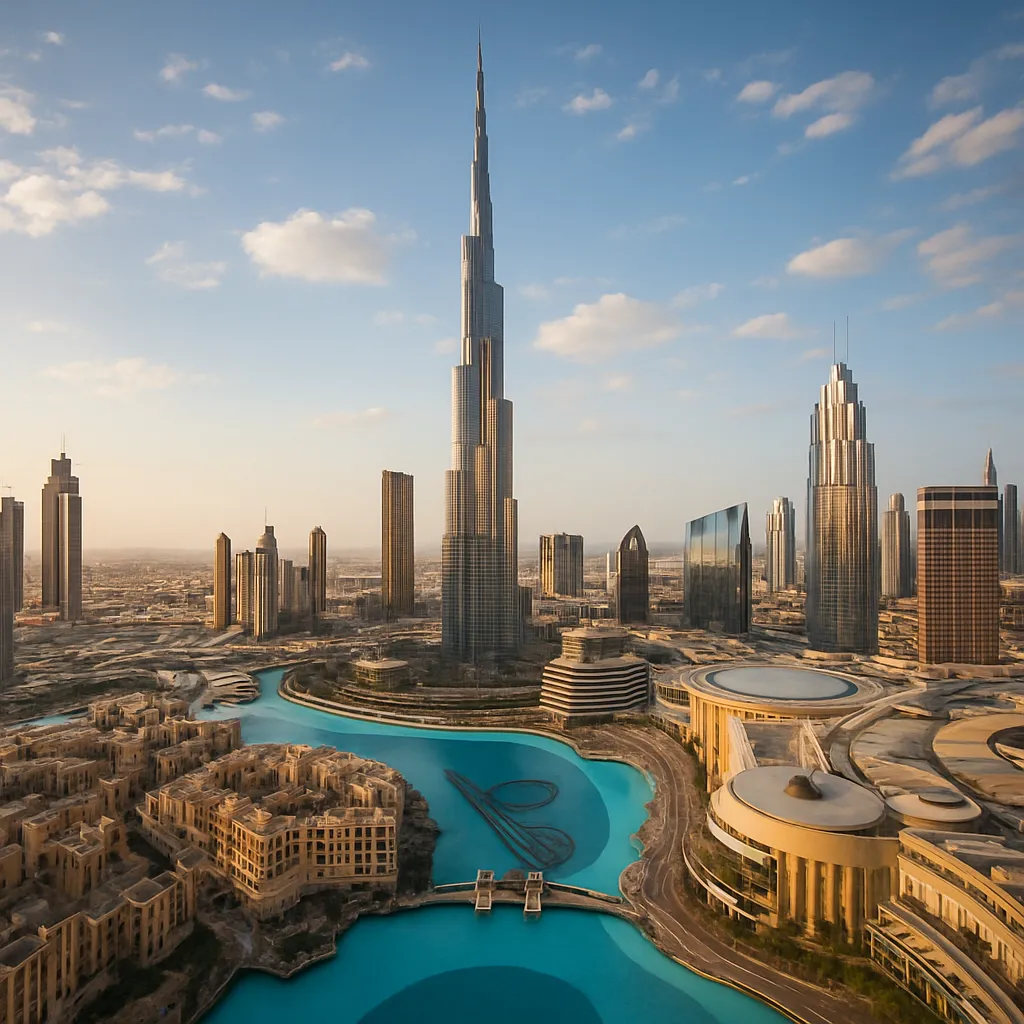
The tallest building on Earth achieved its record height through a tapered, Y-shaped plan that maximizes wind stability. Its spiraling setbacks pay homage to Islamic minarets, creating a dynamic silhouette against the desert horizon. At the base, a manmade lake reflects the tower’s illuminated spire, forging a poetic dialogue between water and light.
Palm Jumeirah
An audacious land reclamation venture, Palm Jumeirah stretches into the Persian Gulf like a giant palm tree. Residential villas and luxury hotels line the fronds, their layouts oriented to capture breathtaking sea views and prevailing breezes. Underwater breakwaters shield intimate marinas, illustrating how human ingenuity can reshape and coexist with the marine environment.
Dubai Frame
This monumental frame stands as a literal gateway between old and new Dubai. The eastern side overlooks the historic districts, while the western side gazes upon gleaming towers. The frame’s gold-hued cladding captures the desert sun, turning the structure into a beacon at sunset. Visitors ascending the transparent sky deck experience a dramatic union of past and future vistas.
Sustainability and Future Visions
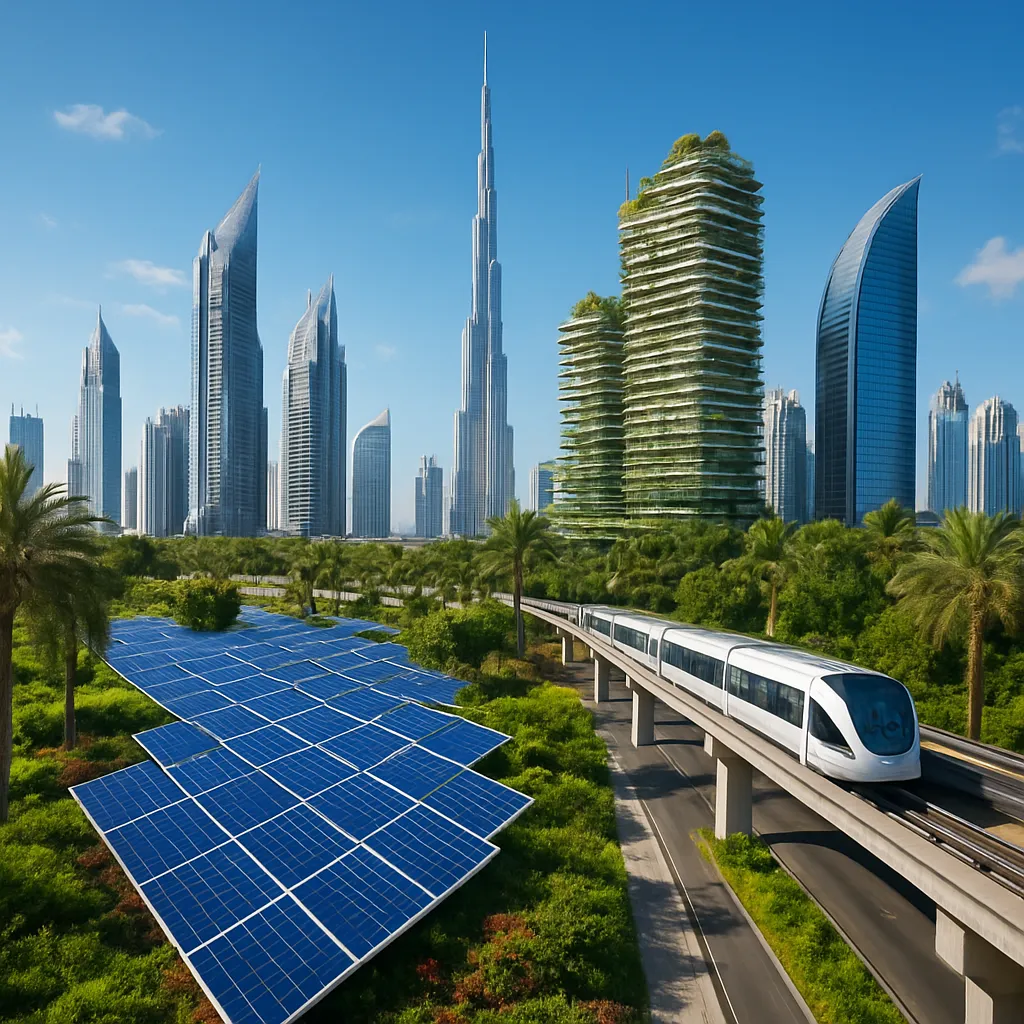
While opulence defines much of Dubai’s built environment, sustainability has become an equally compelling narrative. Ambitious targets aim for a carbon-neutral city by 2050, fostering research into renewable energy and eco-friendly construction materials:
- Solar parks spanning thousands of acres, powering neighborhoods with clean electricity.
- Innovations in recycled concrete and low-carbon steel to reduce embodied energy in new structures.
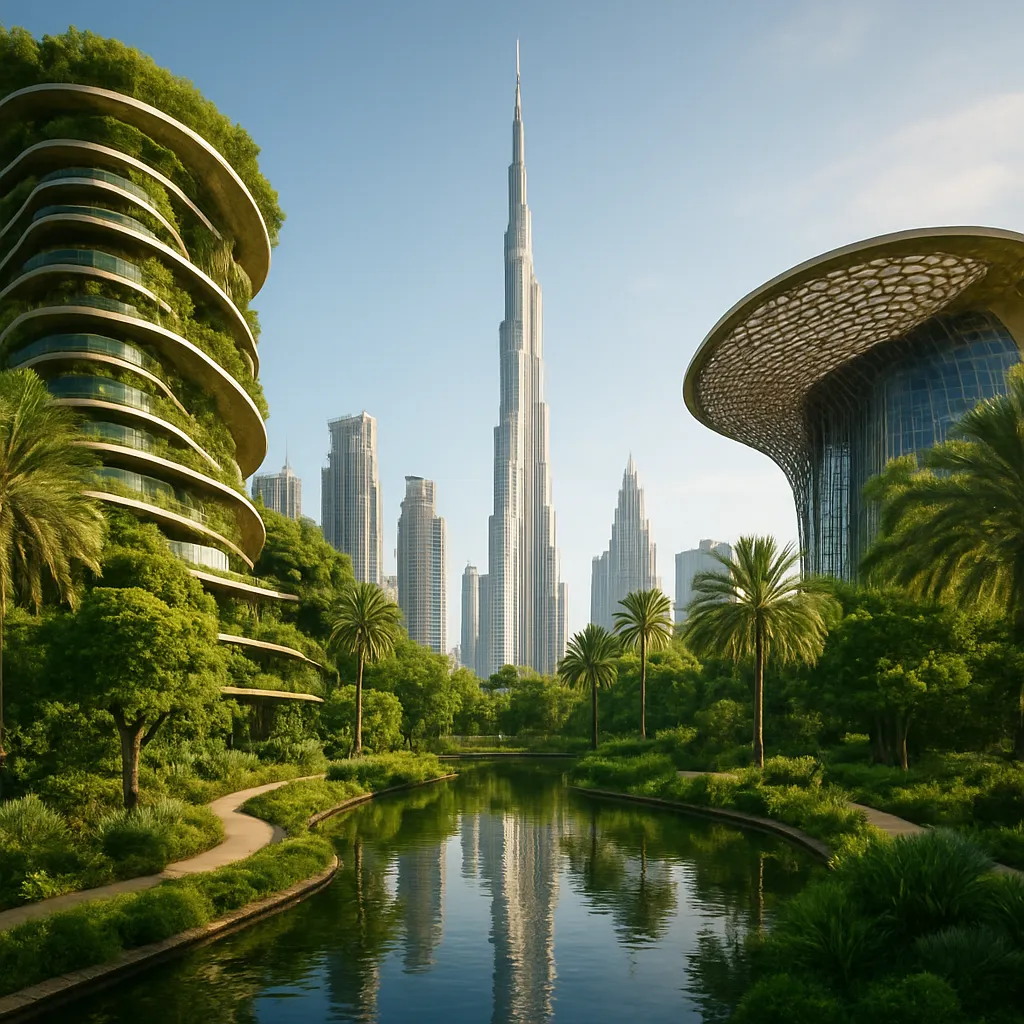
- Rooftop vertical gardens that enhance biodiversity and provide thermal insulation.
New districts like Dubai South are conceived with walkable streets, shaded promenades, and mixed-use buildings that minimize travel distances. Drone-based logistics and autonomous transport promise to reshape mobility, reducing traffic congestion and vehicle emissions. Equally, architects experiment with bio-adaptive skins—façades that adjust porosity in real time, responding to humidity and wind conditions.
Each emerging project is a step toward an urban ecosystem where human comfort and environmental stewardship coexist. In this vision, the city’s skyline remains an open canvas, its forms guided less by flamboyance and more by a profound respect for the desert’s lessons. As Dubai continues to push boundaries, its architecture will remain a living testament to the art of harmonizing ambition with nature’s enduring rhythms.