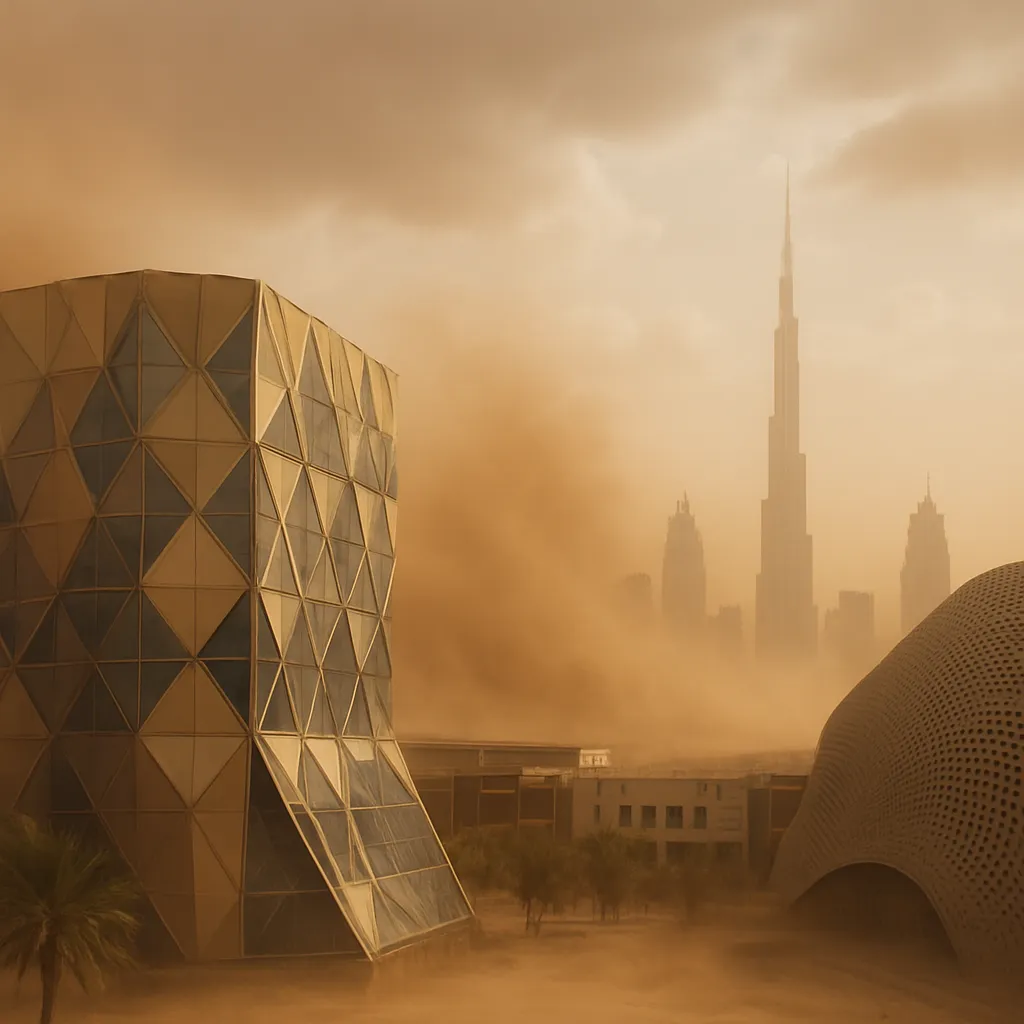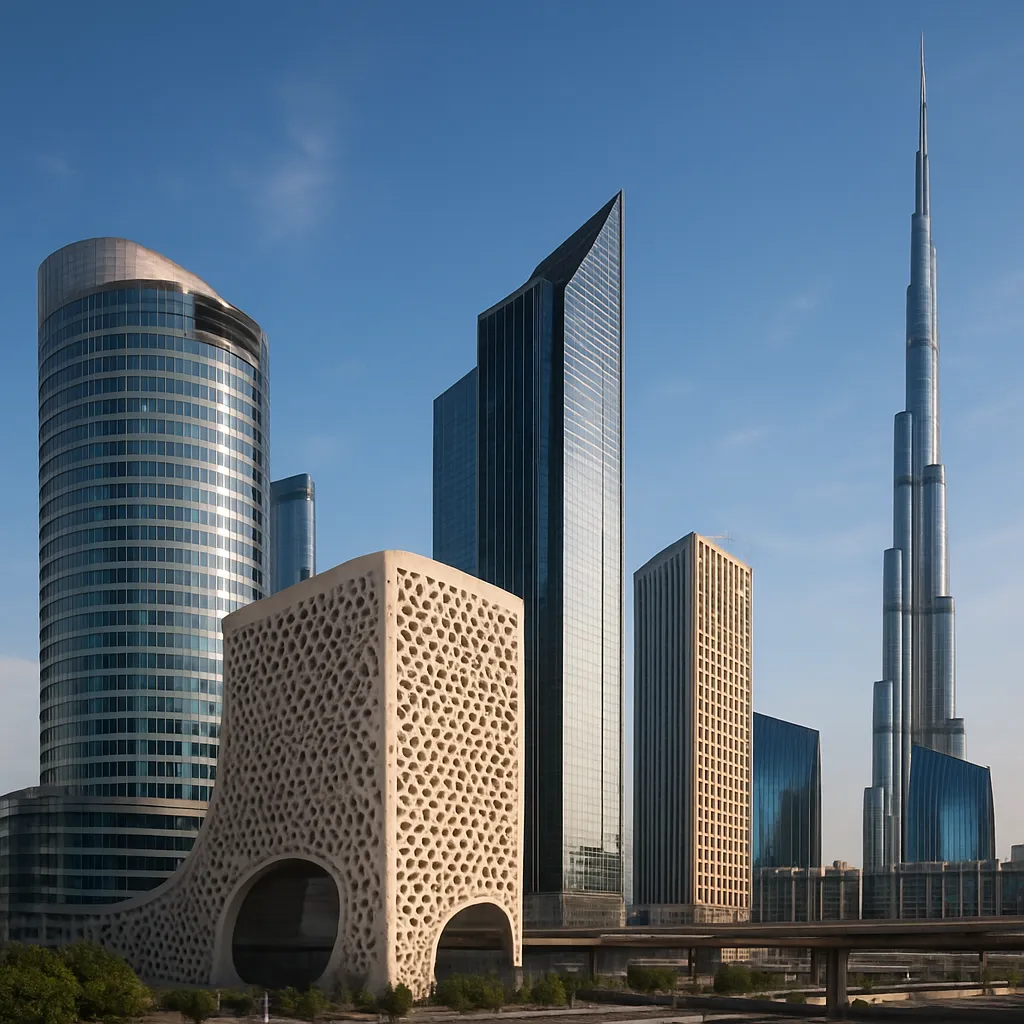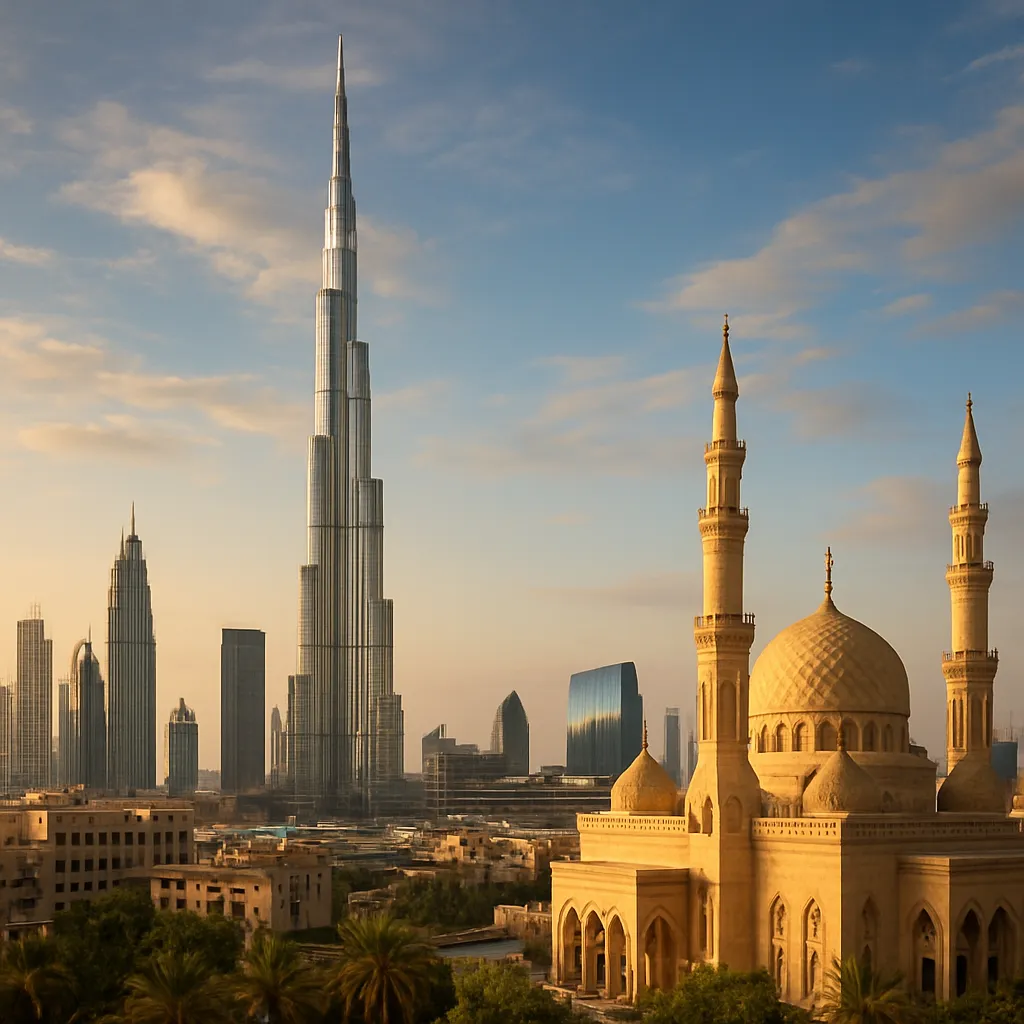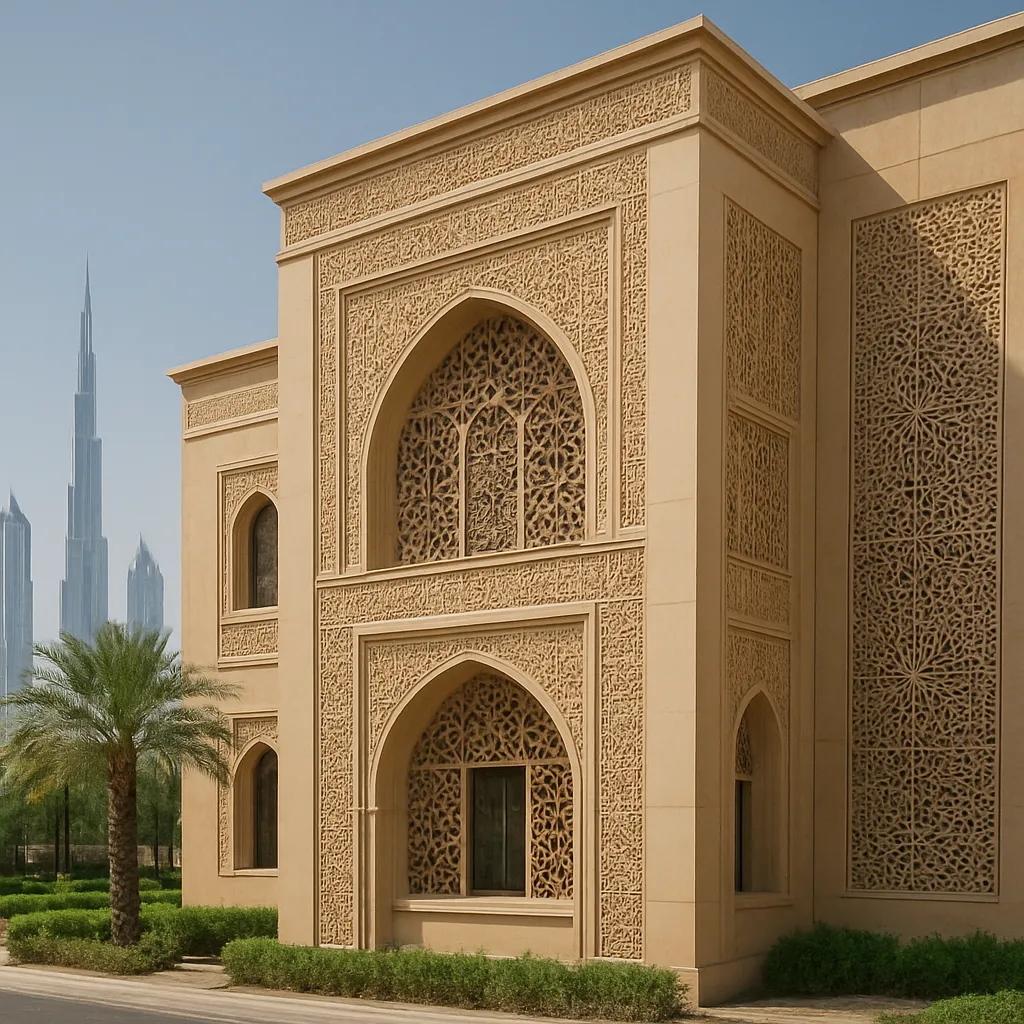
Dubai’s skyline stands as a testament to human ambition, blending cutting-edge design with timeless cultural references. This desert metropolis has transformed from a modest trading port into a global powerhouse, where each structure tells a story of innovation, perseverance, and celebration of heritage. From soaring towers that challenge the limits of engineering to elegant monuments that honor the region’s past, Dubai’s built environment offers an immersive journey through time. The city’s most remarkable projects reflect an unwavering commitment to excellence and a vision that transcends mere utility. By examining the forces that shaped these structures and the principles guiding their creation, one gains a deeper appreciation for Dubai’s architectural tapestry—a harmonious union of tradition and futurism.
The Ascension of Sky-high Skyscrapers
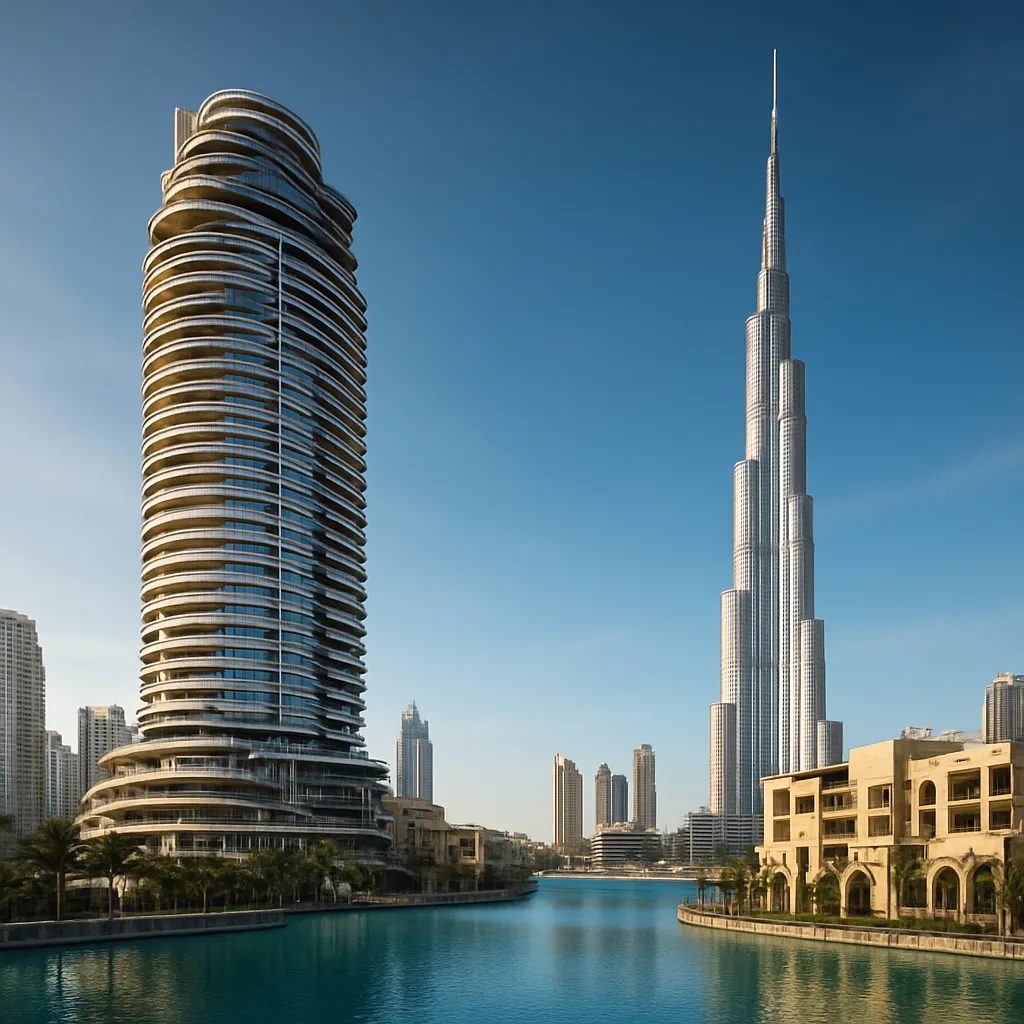
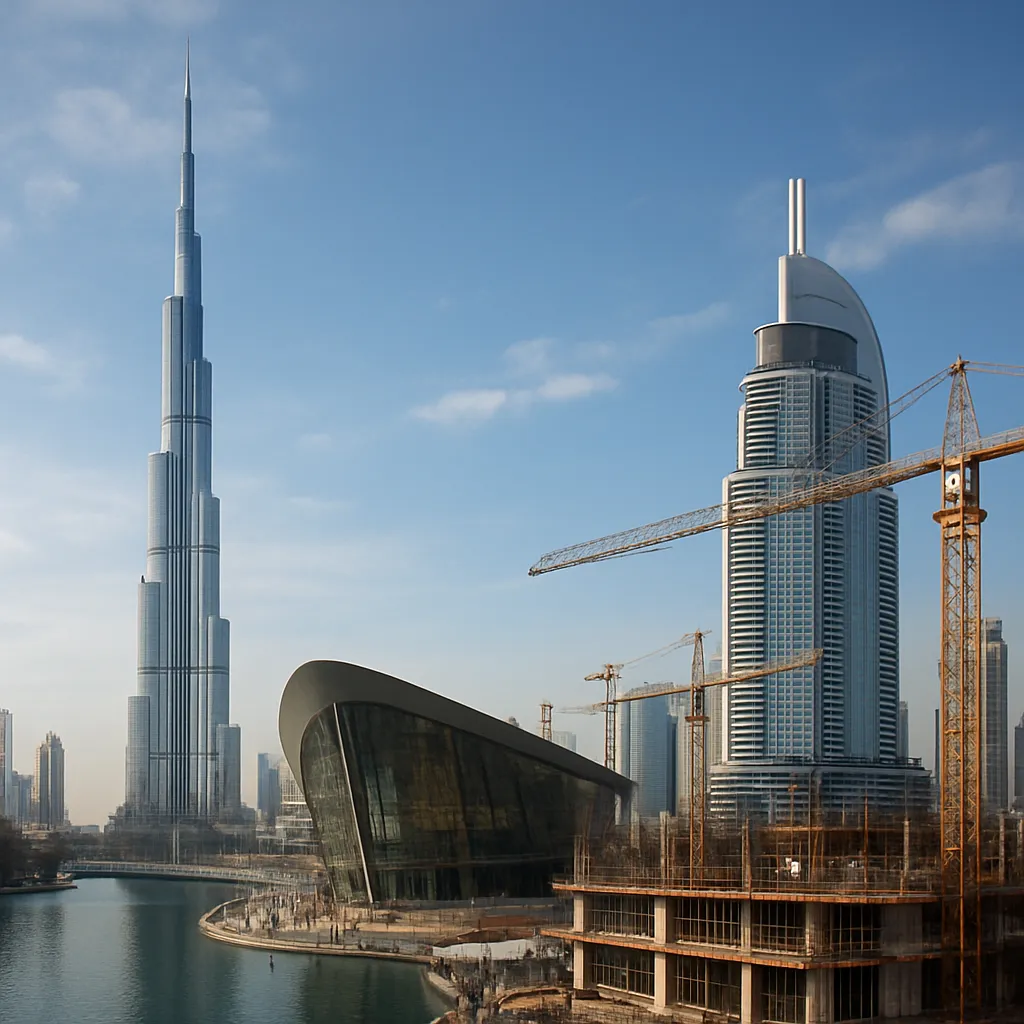
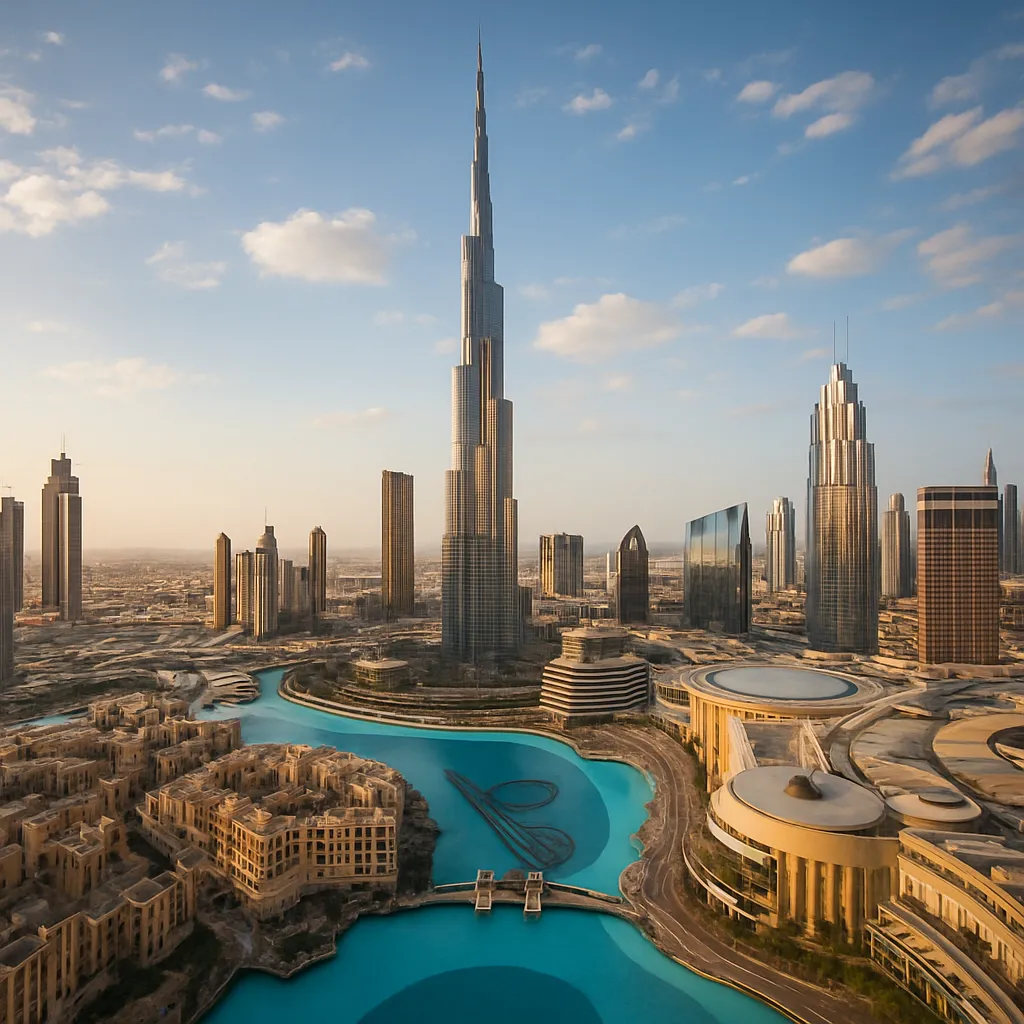
The modern silhouette of Dubai is synonymous with its skyscrapers, each vying to be more spectacular than the last. Burj Khalifa, the world’s tallest building, epitomizes the city’s relentless pursuit of pushing vertical boundaries. Reaching 828 meters into the sky, this megastructure harnesses pioneering engineering techniques such as high-strength concrete and a buttressed core design to withstand powerful winds and seismic forces.
Notable features of these towers include:
- Spiral massing forms that reduce wind loads and add an iconic appearance.
- High-speed elevators designed to travel over 10 meters per second.
- Glass façades coated with specialized films to reflect heat and maximize energy performance.
Beyond its colossal height, Burj Khalifa symbolizes a broader cultural ambition. Its mixed-use development integrates luxury residences, premium offices, and world-class dining, forging a dynamic urban core. Meanwhile, other landmarks like Emirates Towers and Princess Tower continue to enhance the skyline, actively redefining the notion of an urban oasis in an arid environment.
Innovative Technologies Shaping Modern Dubai
In Dubai, progress is often measured by the adoption of the latest technology and the integration of intelligent systems. Architects and planners leverage digital tools such as Building Information Modeling (BIM) to optimize every aspect of design, from spatial planning to material selection. These virtual prototypes enable seamless collaboration among engineers, contractors, and clients, ensuring that complex projects stay on schedule and within budget.
Smart Building Solutions
- Automated climate control systems that adjust temperature based on occupancy sensors.
- Photonics glazing that intelligently modulates natural light to reduce glare and energy consumption.
- Cloud-based management platforms integrating fire safety, security, and maintenance schedules.
Another hallmark of Dubai’s construction industry is the use of advanced robotics and 3D printing in on-site operations. These methods accelerate the assembly of structural components and lower waste, reflecting a spirit of continuous innovation. Meanwhile, drones conduct aerial surveys and real-time monitoring, capturing high-resolution data for efficient site management. Together, these technologies foster a resilient and adaptive built environment, capable of evolving with emerging demands and environmental conditions.
Sustainability and Green Initiatives
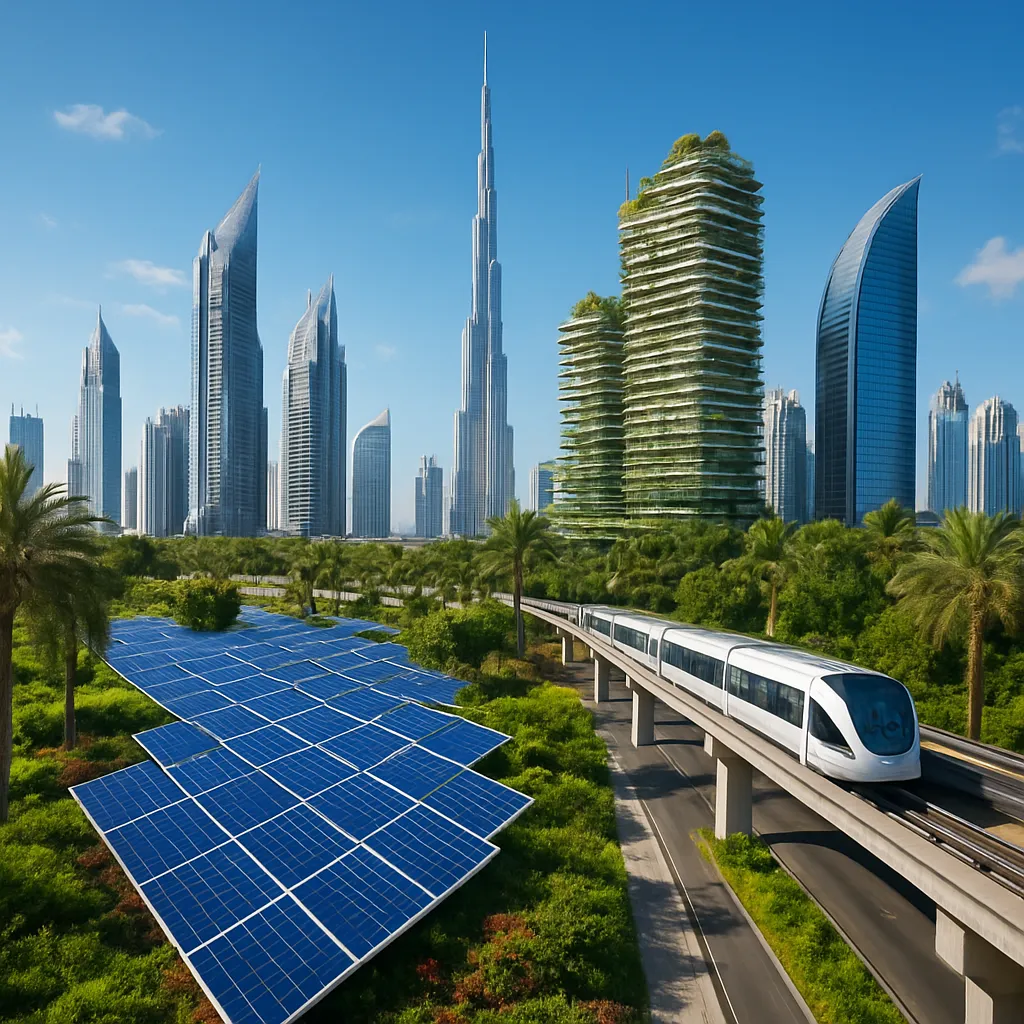
As a city forged in the desert, Dubai confronts unique environmental challenges. Water scarcity, intense heat, and carbon emissions drive a commitment to sustainable practices. Landmark projects now revolve around principles of sustainability, aiming to create net-zero energy communities and reduce ecological footprints.
- Passive Design Strategies: Buildings are oriented and shaded to minimize solar gain, reducing reliance on air conditioning.
- Renewable Energy Integration: Solar panels and concentrated photovoltaic systems are seamlessly incorporated into façades and rooftops.
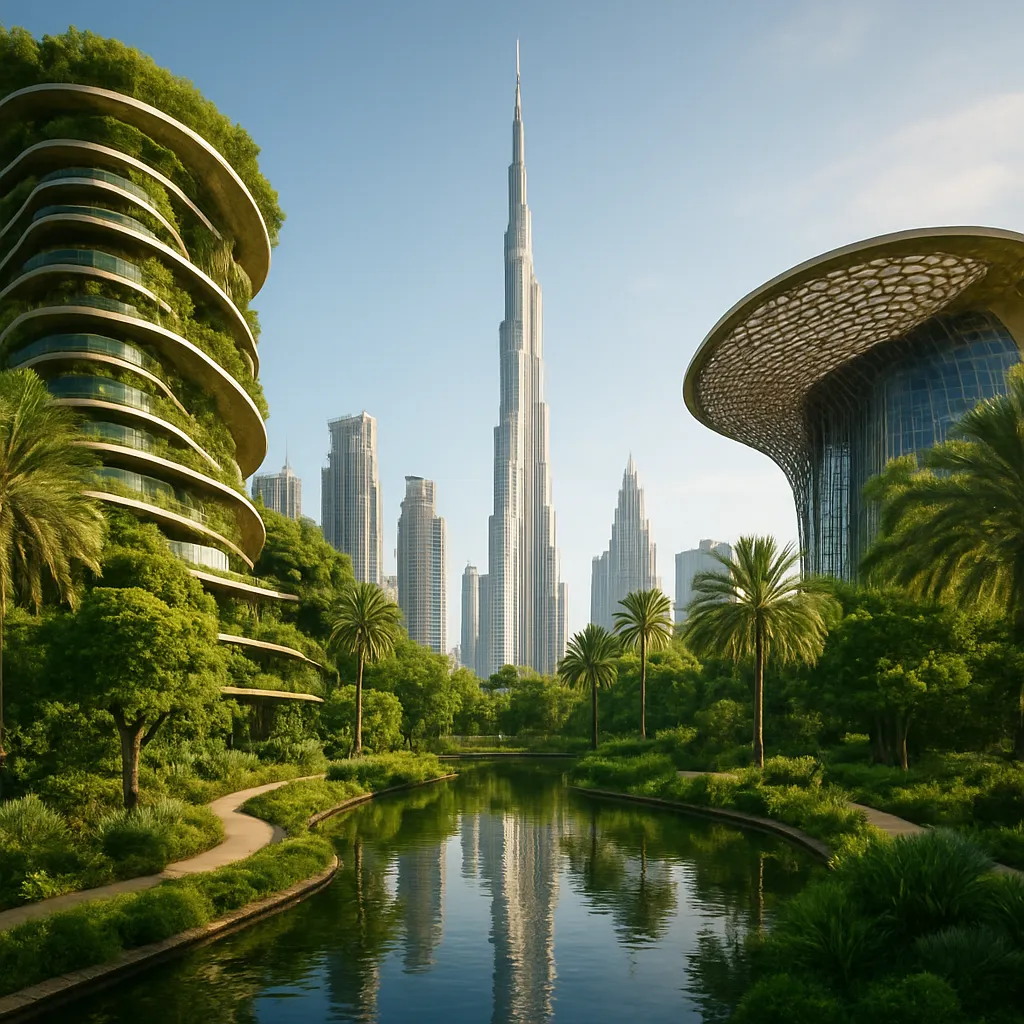
- Greywater Recycling: Innovative treatment facilities allow treated water to nourish lush landscaping, reinforcing the city’s reputation as an urban oasis.
Super-tall structures such as the upcoming Dubai Creek Tower are designed with aerodynamic forms that optimize natural ventilation. Meanwhile, mixed-use communities like Sustainable City feature green roofs, electric vehicle charging stations, and organic farms within walking distance of residences. Such initiatives not only enhance public health and comfort but also align Dubai’s rapid expansion with global environmental goals.
Dubai Frame: A Living Connection between Past and Future
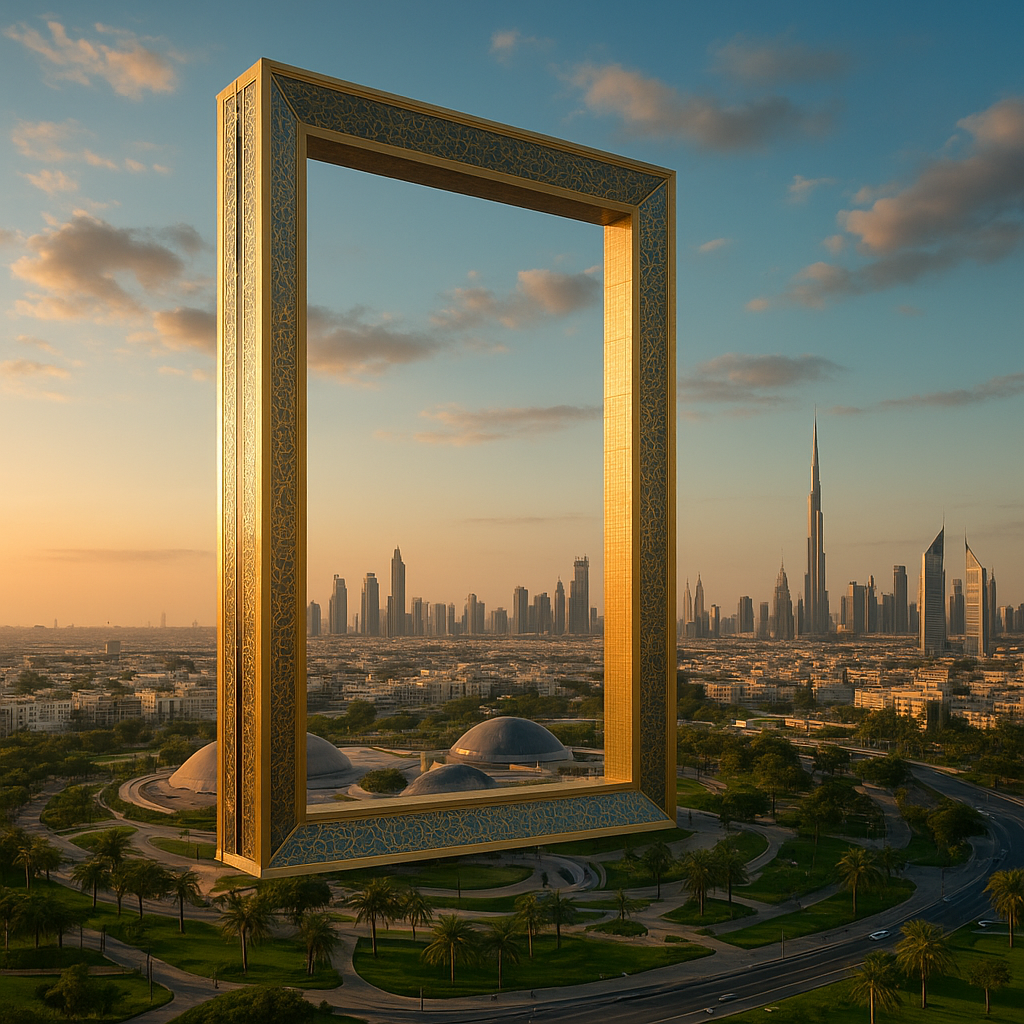
Among the city’s diverse architectural wonders, the Dubai Frame stands out as a landmark that literally and metaphorically frames the urban narrative. Standing 150 meters tall and 93 meters wide, this colossal structure offers panoramic vistas of old Dubai to the north and the modern metropolis to the south. Its golden cladding, inspired by the region’s desert sands and historic jewelry, evokes a rich cultural legacy while projecting an image of boundless vision.
Visitors ascend via high-speed glass elevators to a sky deck, where a transparent floor creates the exhilarating sensation of walking on air. Along the way, an interactive museum chronicles the city’s transformation from a humble fishing village into a bustling international hub. Exhibits employ holographic projections and immersive audio-visual displays to showcase milestones in architecture, trade, and cultural exchange.
- A northern gallery transports guests through the era of pearl divers, wind towers, and coral dwellings.
- The southern gallery highlights iconic modern feats, such as the Palm Jumeirah and the Museum of the Future.
- Augmented reality stations allow users to superimpose past cityscapes over present-day views, revealing the layers of urban evolution.
More than just an attraction, the Dubai Frame embodies the city’s dual identity. It honors time-honored heritage while showcasing the relentless progress that defines contemporary Dubai. By bridging eras and offering a tangible link between tradition and modernity, this architectural marvel encapsulates the essence of a city continually reshaping the boundaries of possibility.