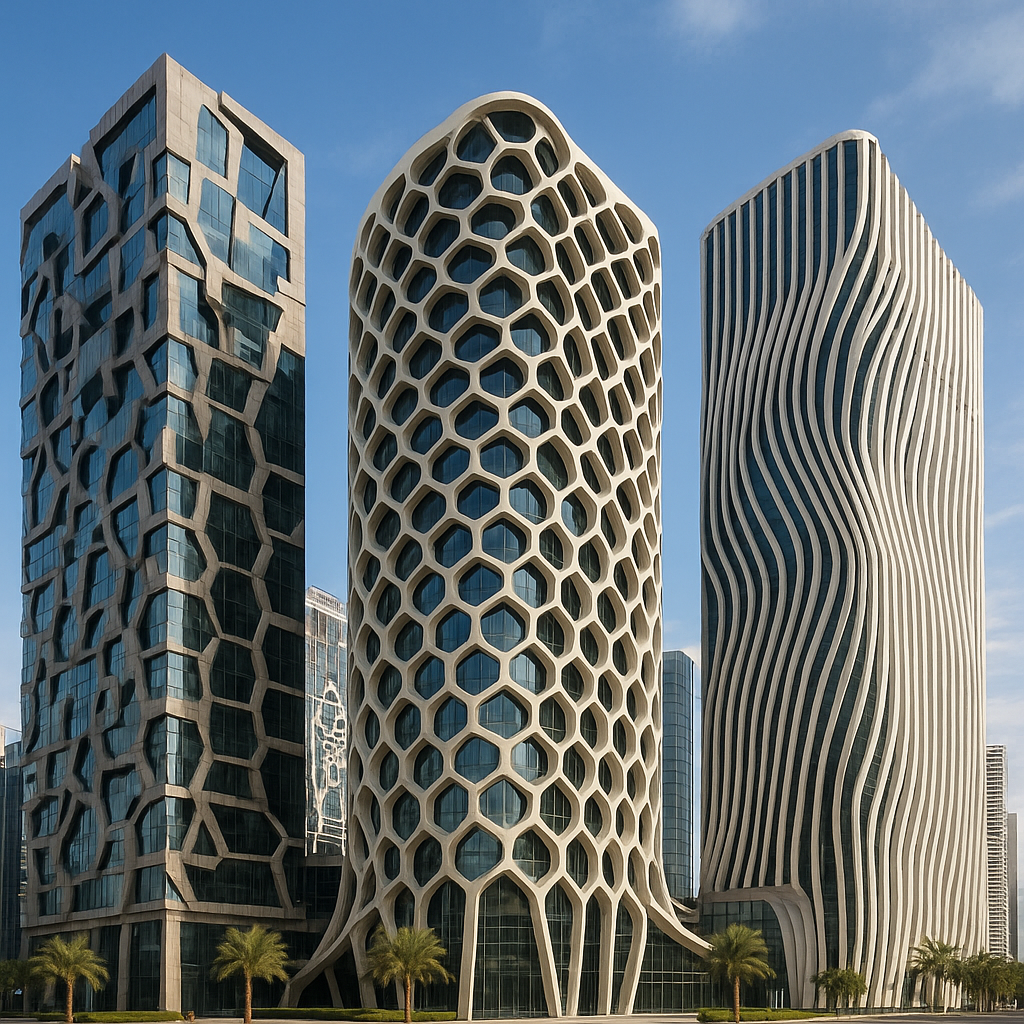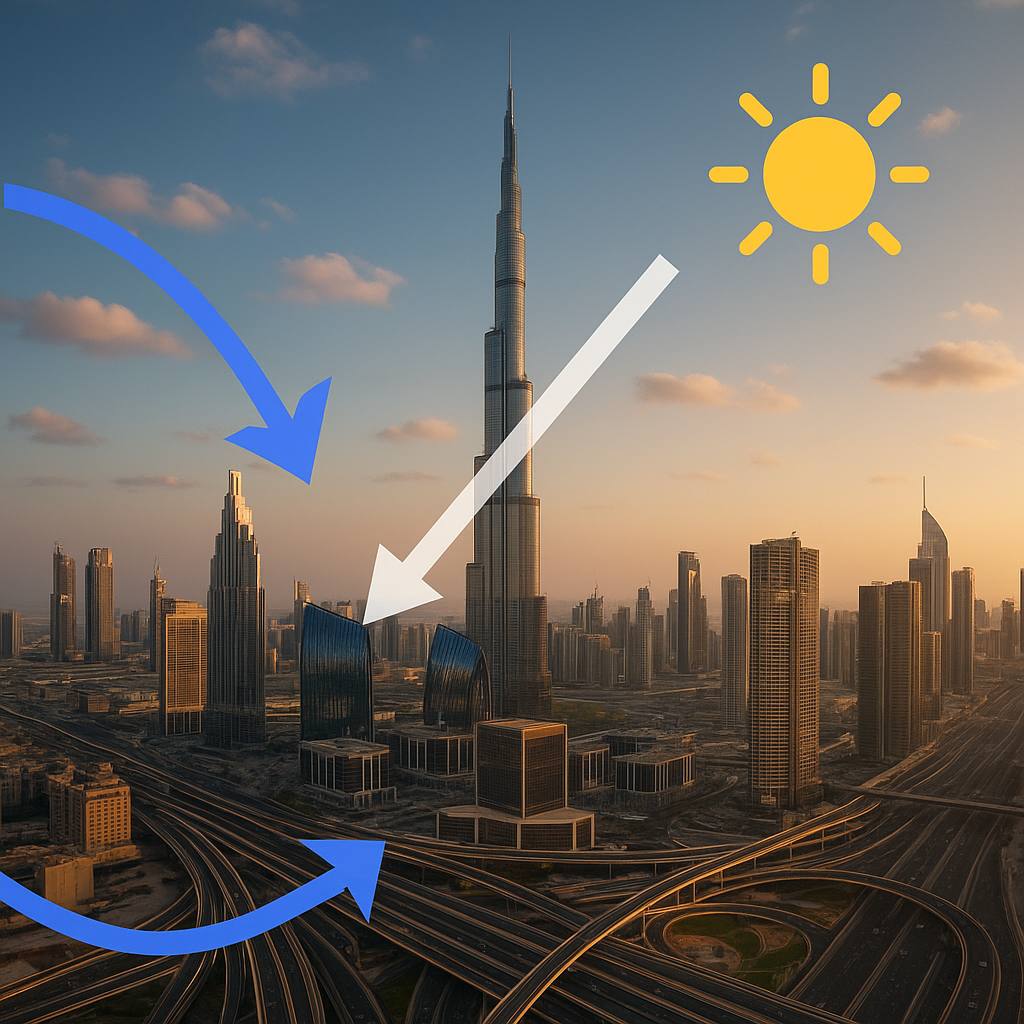
Nestled between the Arabian Gulf and the vast expanse of desert, Dubai’s skyline is a testament to the city’s relentless pursuit of architectural innovation. Each structure is not only a bold aesthetic statement but also a response to two elemental forces: the prevailing wind and the unrelenting sunlight. By carefully analyzing these natural vectors, architects and urban planners have crafted building orientation strategies that enhance sustainability, optimize energy performance, and create comfortable microclimates within an otherwise harsh landscape.
Understanding Prevailing Wind Patterns
Dubai experiences a variety of wind regimes, from the cool sea breezes that sweep in from the Gulf to the hot, dry winds originating in the interior desert. The shamal, a northwesterly wind prevalent during summer months, carries fine dust and sand particles that can severely impact visibility and air quality. Conversely, the daytime sea breeze provides a welcome cooling effect, particularly along the coastline.
Sea Breezes and Coastal Orientation
Along the waterfront, many high-rise residential towers are oriented to capture the southwesterly sea breeze. By aligning elongated façades perpendicular to this airflow, designers maximize ventilation rates in common areas, lobbies, and balcony spaces. This natural cooling reduces dependency on mechanical air-conditioning, cutting energy consumption and improving indoor air quality.
Shamal Winds and Protective Measures
Inland districts, such as those near the Dubai Desert Conservation Reserve, contend with strong shamal events. To mitigate their abrasive effects, architects often position solid podiums or landscape buffers on the windward side. These features, sometimes referred to as windbreak elements, function as first lines of defense against sand infiltration. Rooftop wind towers and strategically placed openings then channel residual airflow downward, promoting cross-ventilation without exposing interiors to direct sand-laden gusts.
Harnessing Solar Angles for Thermal Comfort
The sun in Dubai follows a steep trajectory, generating high solar gains year-round. South-, east-, and west-facing façades are particularly prone to overheating. As a result, orientation plays a pivotal role in controlling thermal load and reducing glare within occupied spaces.
East-West Minimization Strategy
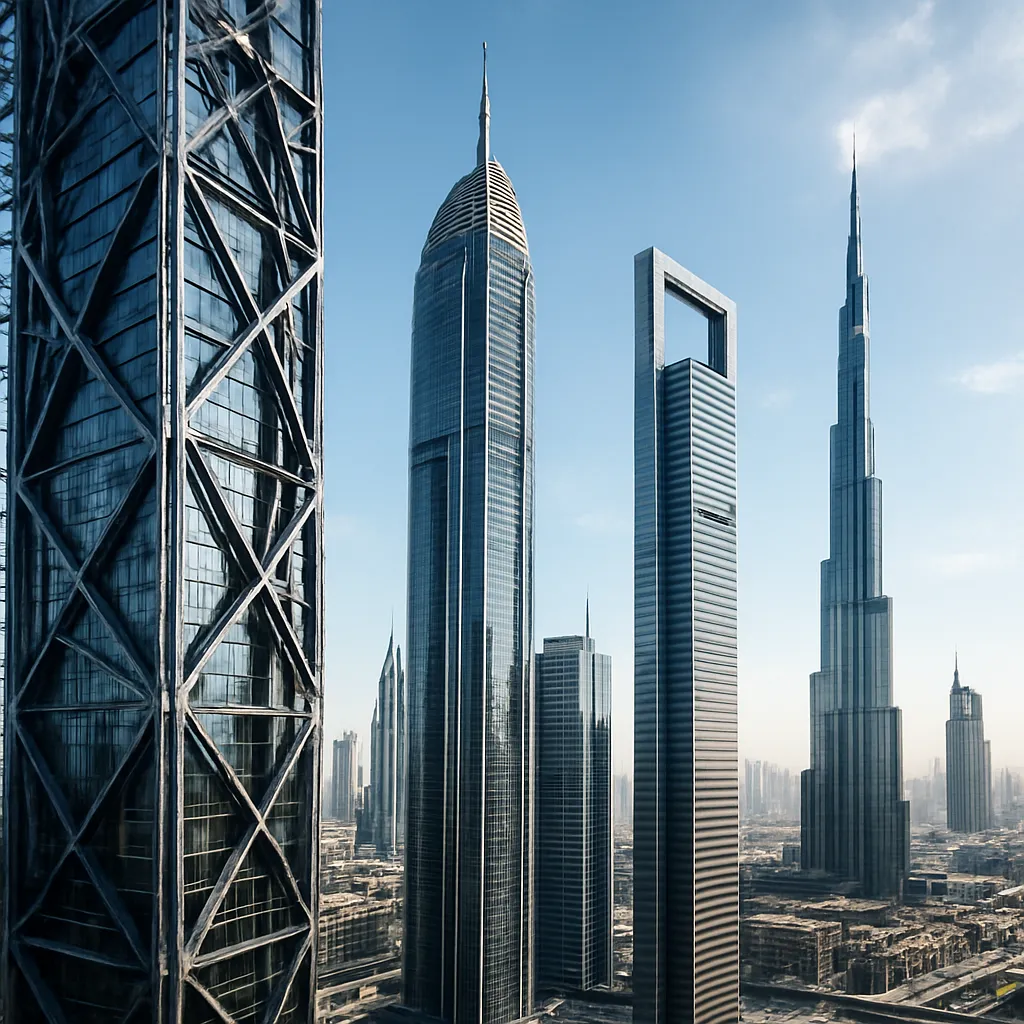
Many of Dubai’s iconic towers adopt a narrow east-west profile, presenting minimal surface area toward the harsh morning and afternoon sun. By elongating their mass along the north-south axis, these buildings significantly diminish solar heat gain through glazing. This orientation also aligns with the city’s grid, reinforcing a coherent urban fabric.
Shading Devices and Screen Techniques
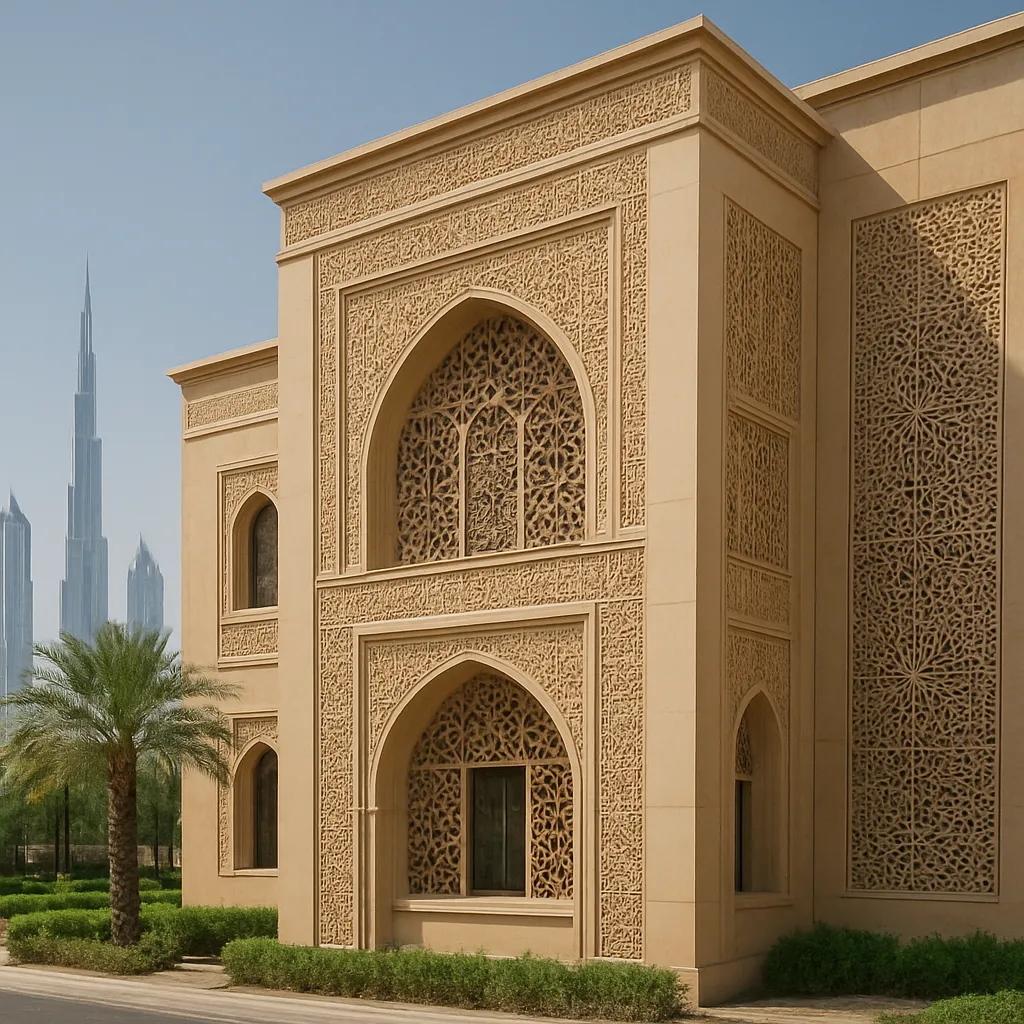
Beyond macro-orientation, façade treatments are crucial. Mashrabiya-inspired screens, ceramic fins, and adjustable louvers intercept direct rays before they penetrate interior spaces. In commercial districts like Downtown Dubai, double-skin façades with integrated shading louvers can rotate to track the sun, offering dynamic control over daylighting and reducing reliance on artificial lighting by up to 40%.
Innovative Design Solutions for Climate Resilience
Dubai’s developers and architects constantly experiment with hybrid systems that marry traditional climatic wisdom with cutting-edge technology. These solutions enhance sustainability credentials while ensuring occupant comfort and resilience to extreme weather.
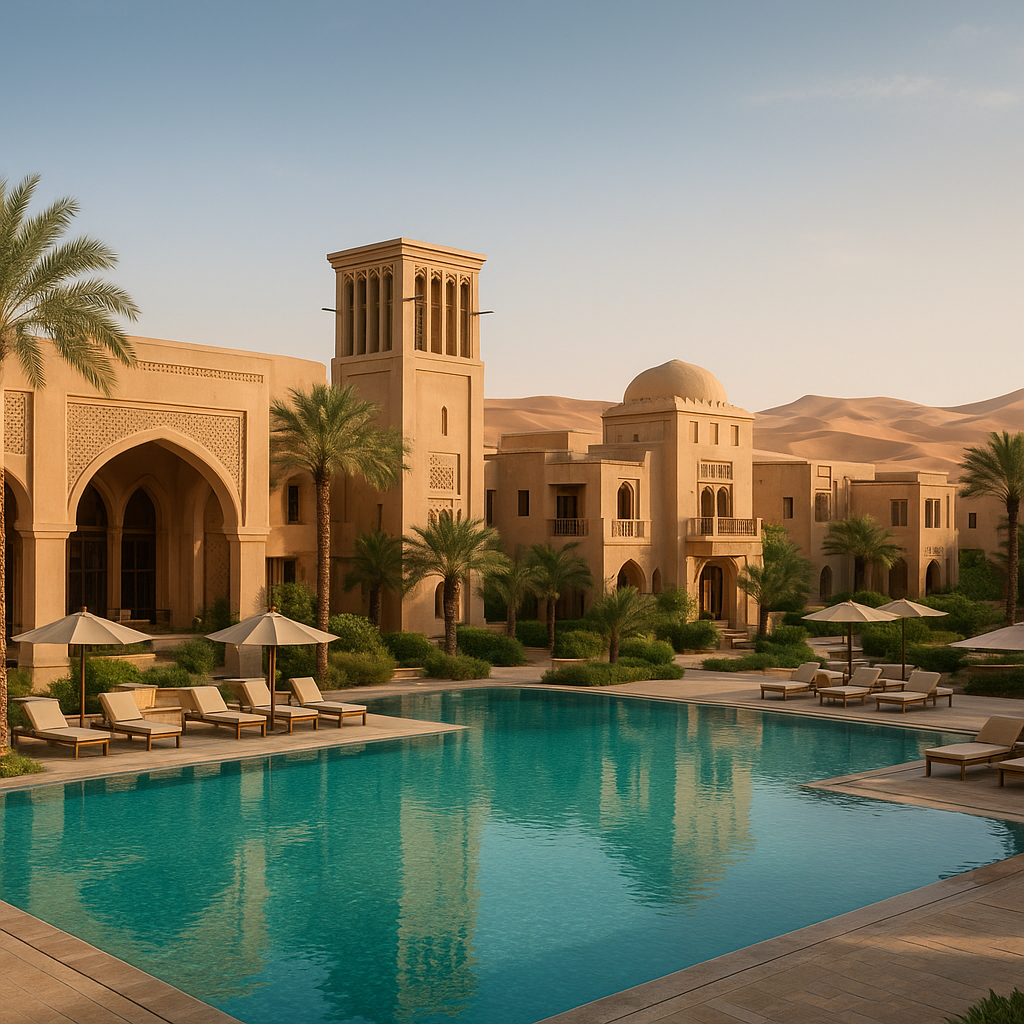
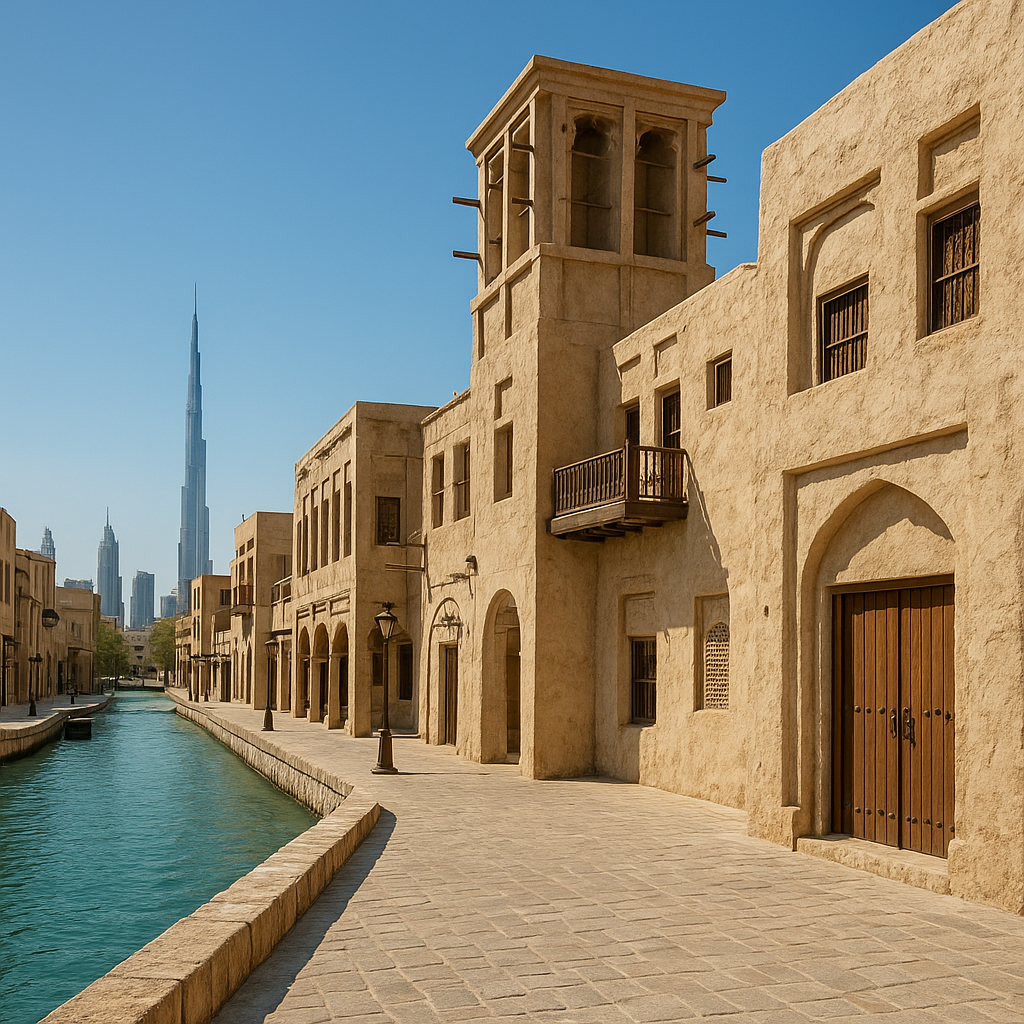
- Courtyard Ventilation: Inspired by vernacular architecture, inward-facing buildings create central atriums that harness stack effect ventilation. Warm air rises through the courtyard’s chimney-like structure, drawing cooler air from shaded lower levels.
- Phase-Change Materials (PCMs): Embedded within ceilings and walls, PCMs absorb excess heat during the day and release it at cooler night-time temperatures, thus stabilizing indoor thermal fluctuations.
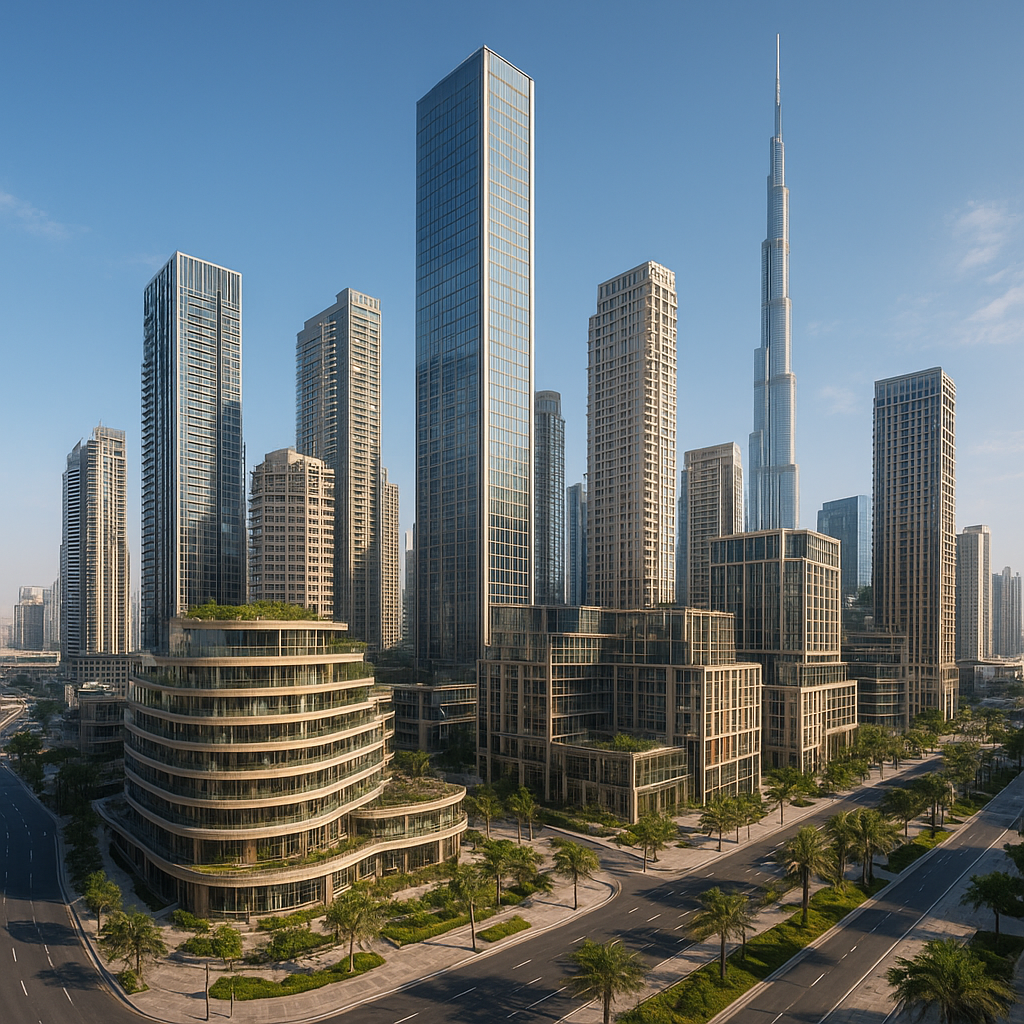
- Green Roofs and Walls: Vegetated surfaces mitigate urban heat islands and provide additional insulation. In areas like Dubai Marina, rooftop gardens also offer communal leisure spaces sheltered from direct sun and wind.
- Smart Shading Systems: Automated sensors adjust external blinds and screens in response to real-time solar exposure, ensuring optimal daylight penetration without overheating.
Case Studies: Landmark Projects and Their Orientations
Examining specific developments reveals how diverse orientation strategies can be tailored to unique site conditions and programmatic needs.
Burj Khalifa Complex
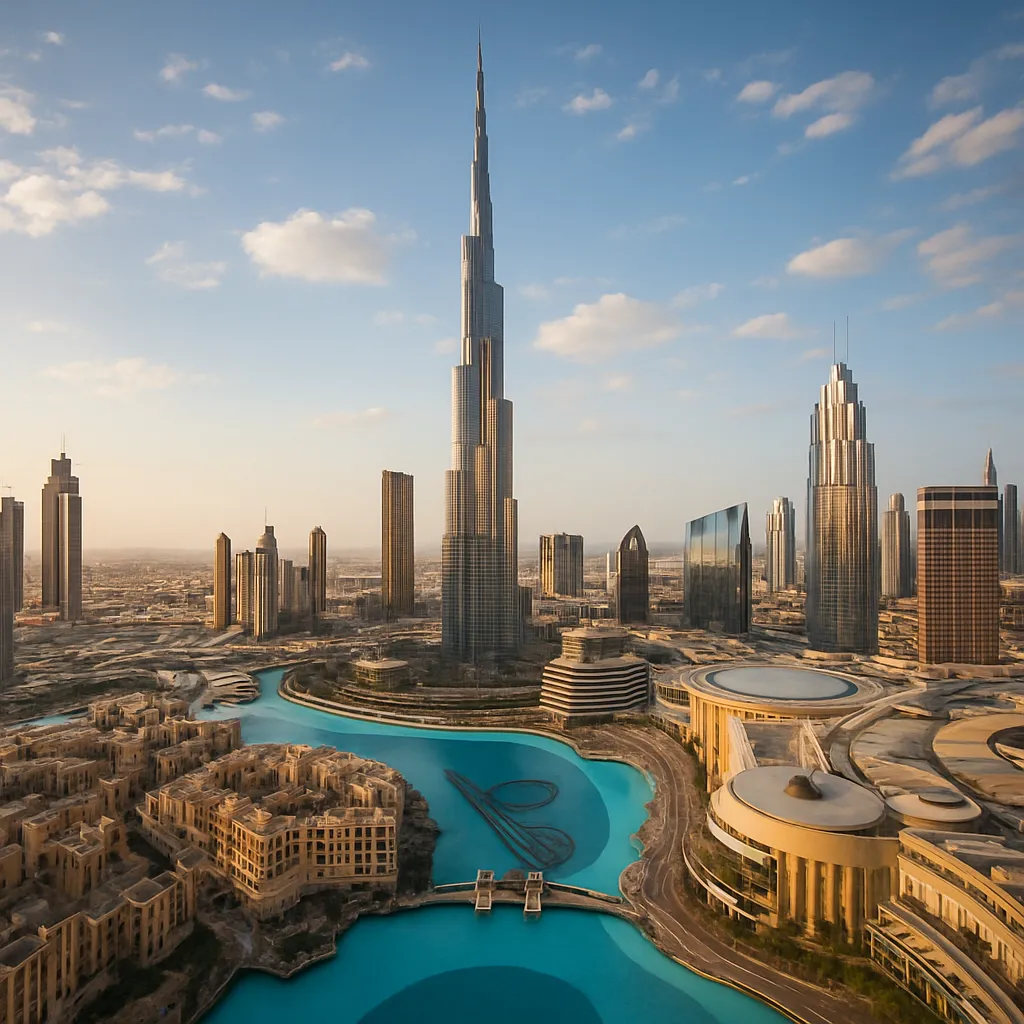
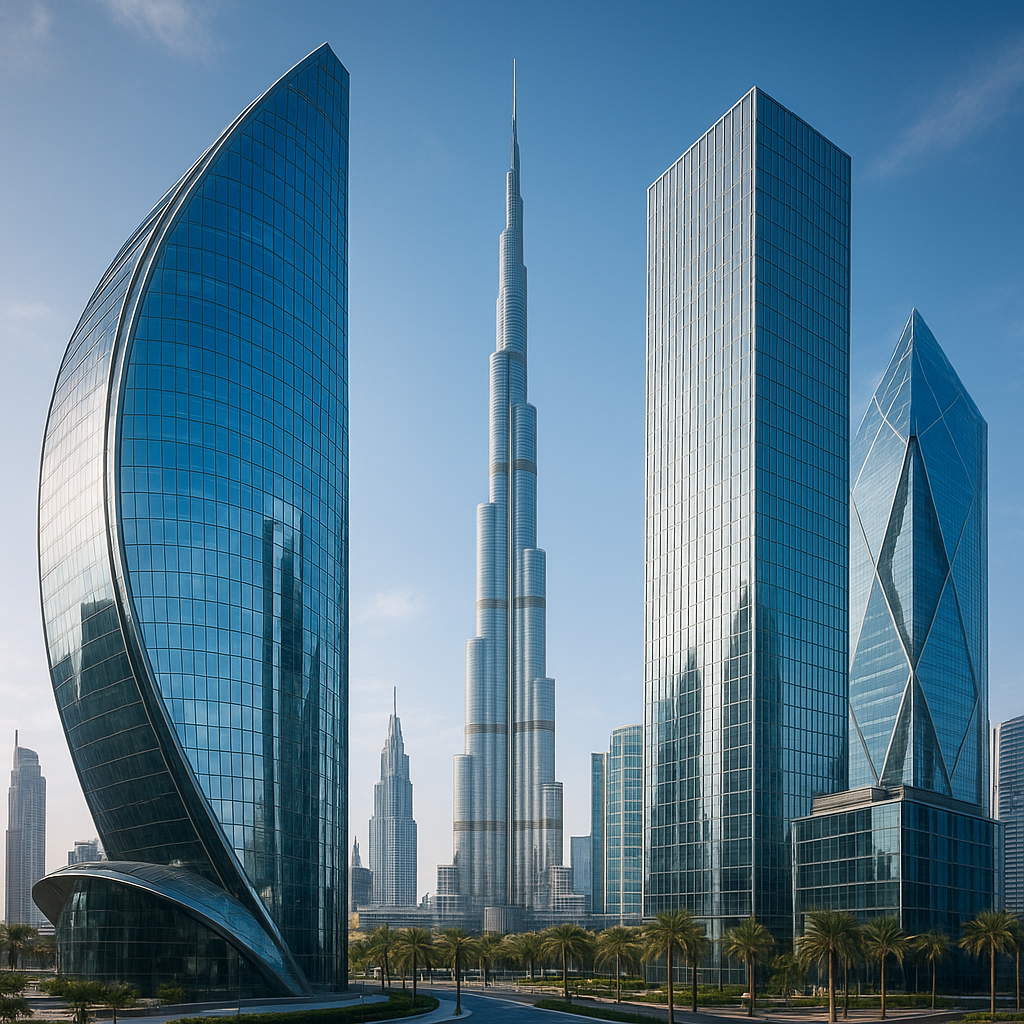
The centerpiece of Downtown Dubai, the Burj Khalifa’s tapered form not only creates a visual icon but also responds to wind-induced vortex shedding. Its orientation reduces wind loads by staggering setbacks in a spiraling arrangement. Surrounding podiums frame shaded courtyards that benefit from channeling sea breezes, making outdoor public spaces comfortable even during warmer months.
The Sustainable City
Located on the city’s outskirts, The Sustainable City community adopts a strict north-south street alignment. Row houses feature front courtyards and narrow side setbacks, maximizing airflow and minimizing east-west sun exposure. Rooftop PV panels are oriented to capture peak solar irradiance, while communal wind catchers supply cool breezes to shaded passageways.
Jumeirah Beach Residence (JBR)
JBR’s high-rises parallel the coastline, rotating slightly to deflect prevailing winds and reduce sand accumulation on balconies. Architects placed taller towers toward the northern end to create a graduated skyline that screens lower buildings from the brunt of the shamal while preserving afternoon sea views for residents further south.
Integrating Urban Planning and Climate Awareness
Beyond individual structures, Dubai’s master plans increasingly prioritize sustainable mobility corridors that align with prevailing winds and solar paths. Green belts and water features along main thoroughfares not only act as microclimate moderators but also shape pedestrian experiences by offering shaded, ventilated promenades.
By viewing wind and sun not as adversaries but as design collaborators, Dubai continues to redefine the art of building orientation. Each project underscores the city’s dedication to innovation, environmental stewardship, and an enduring respect for the region’s elemental forces.