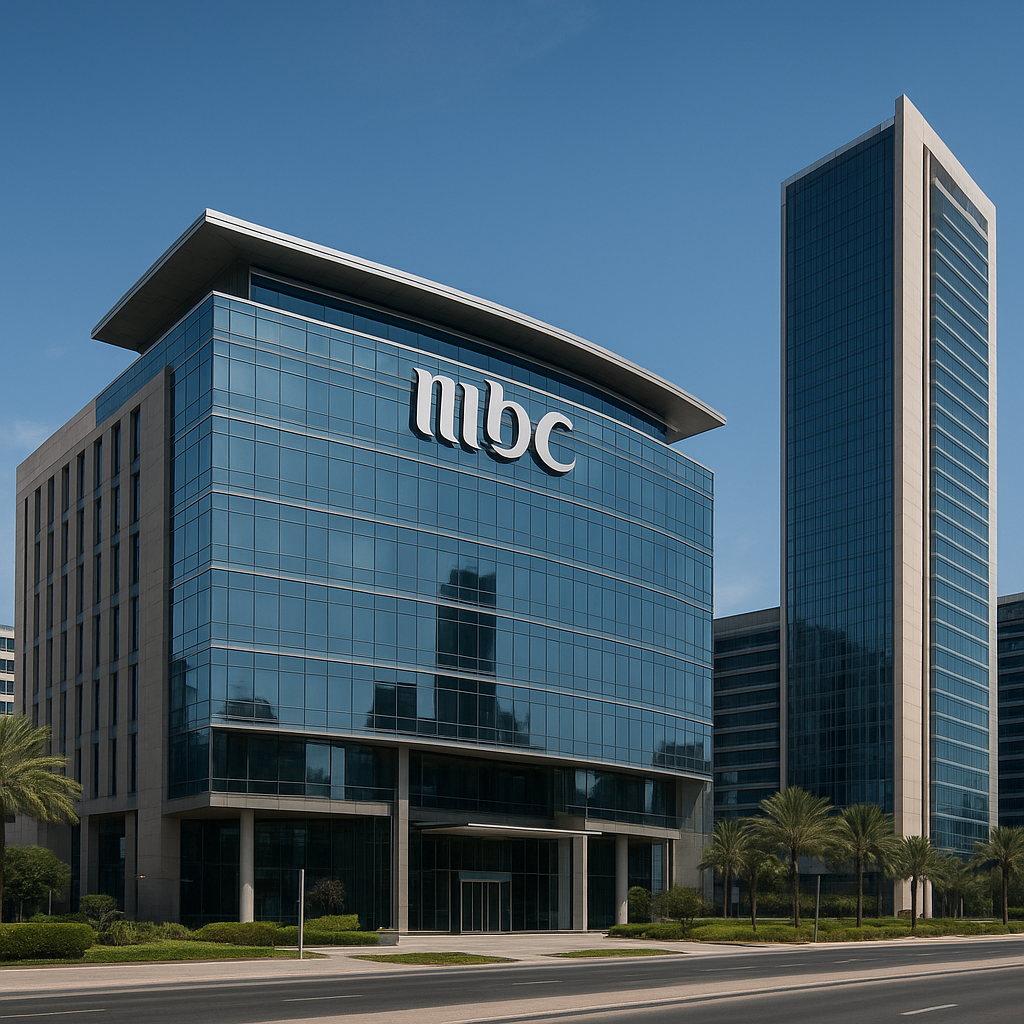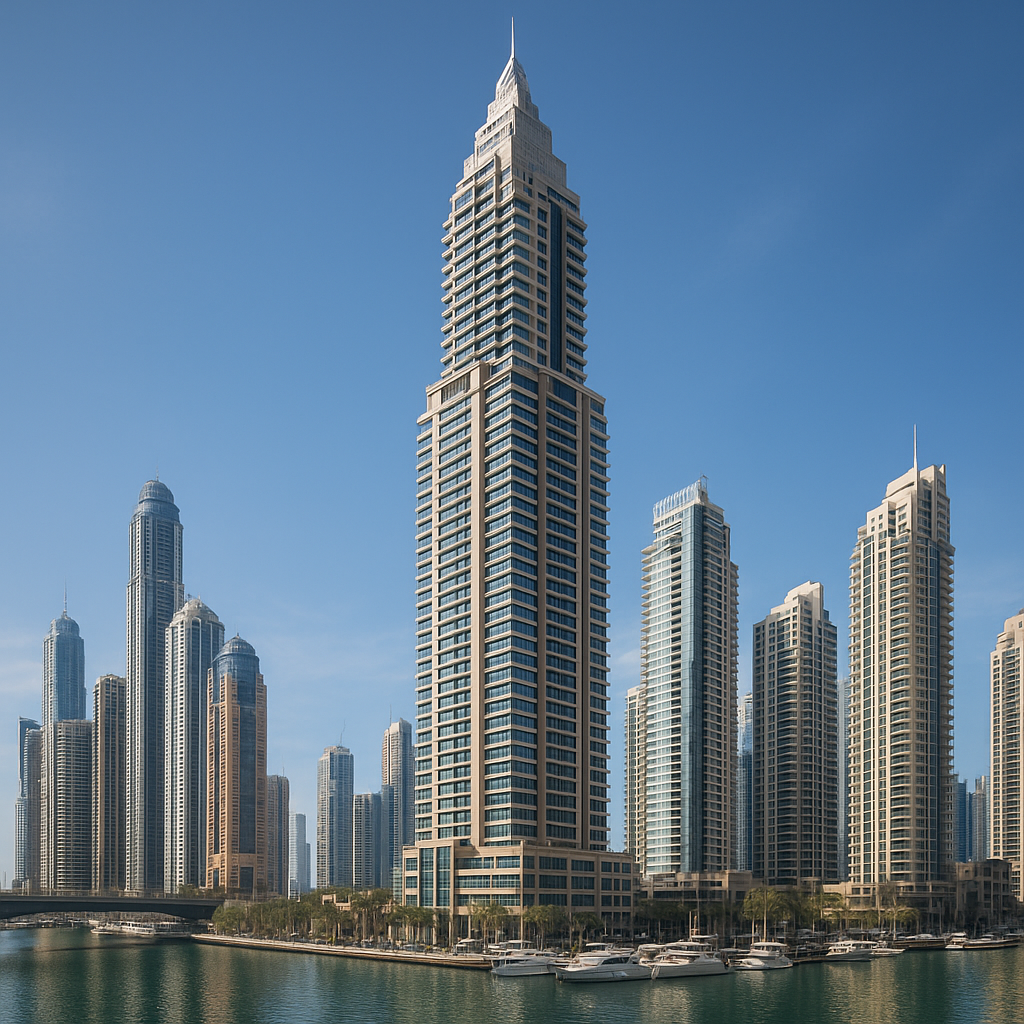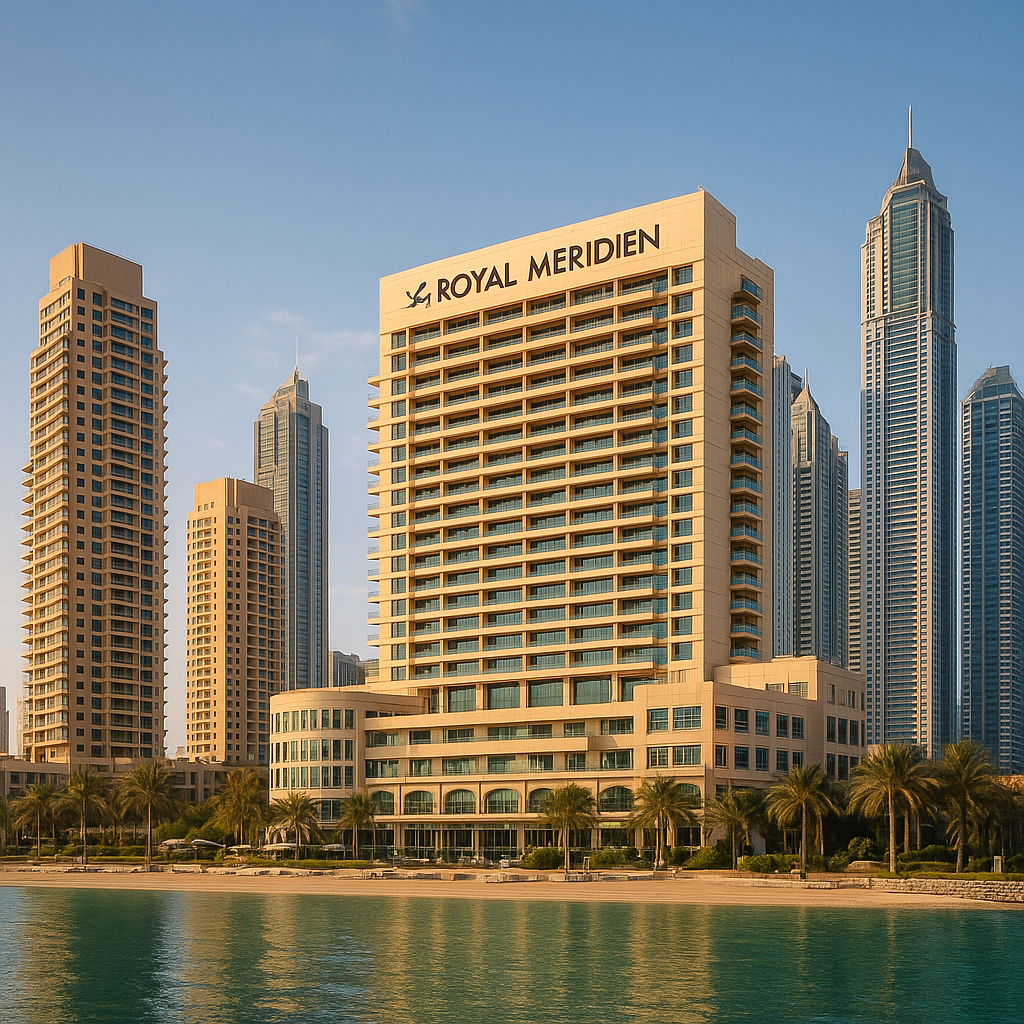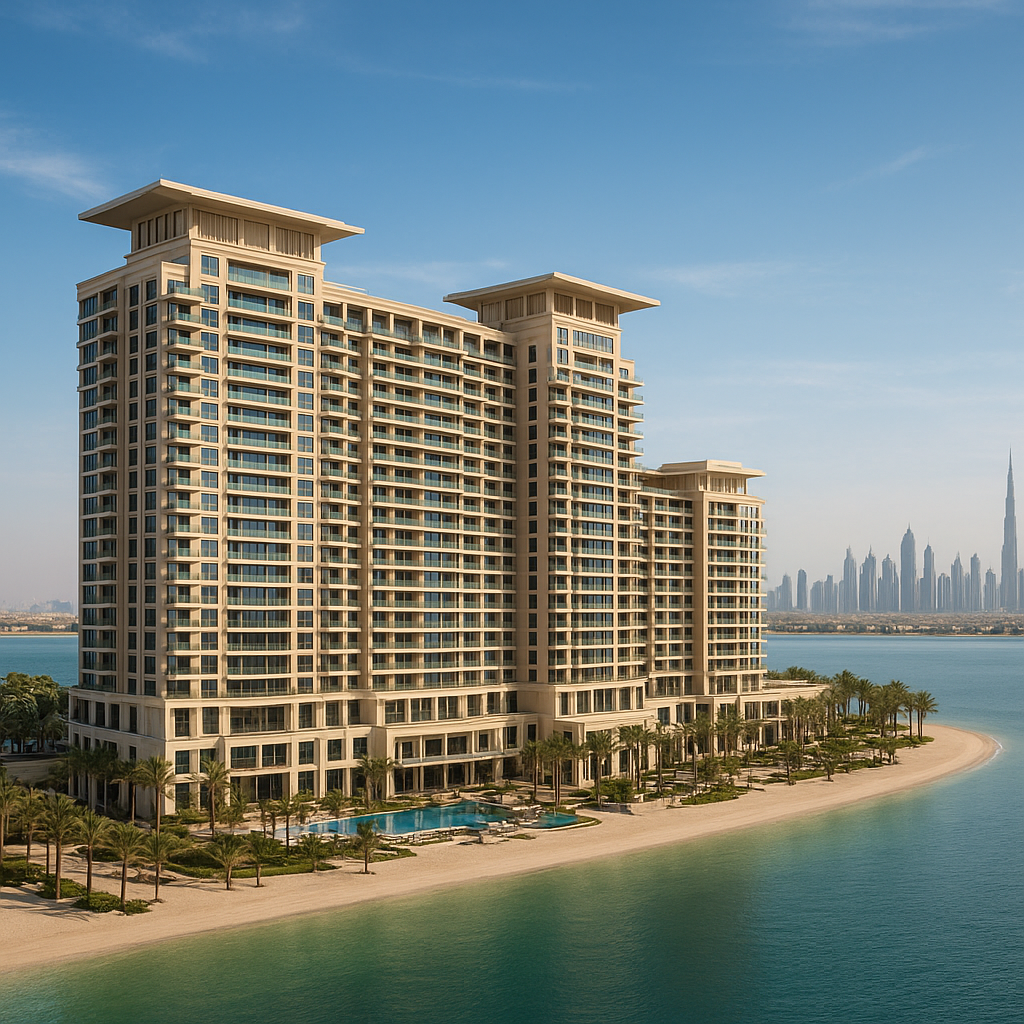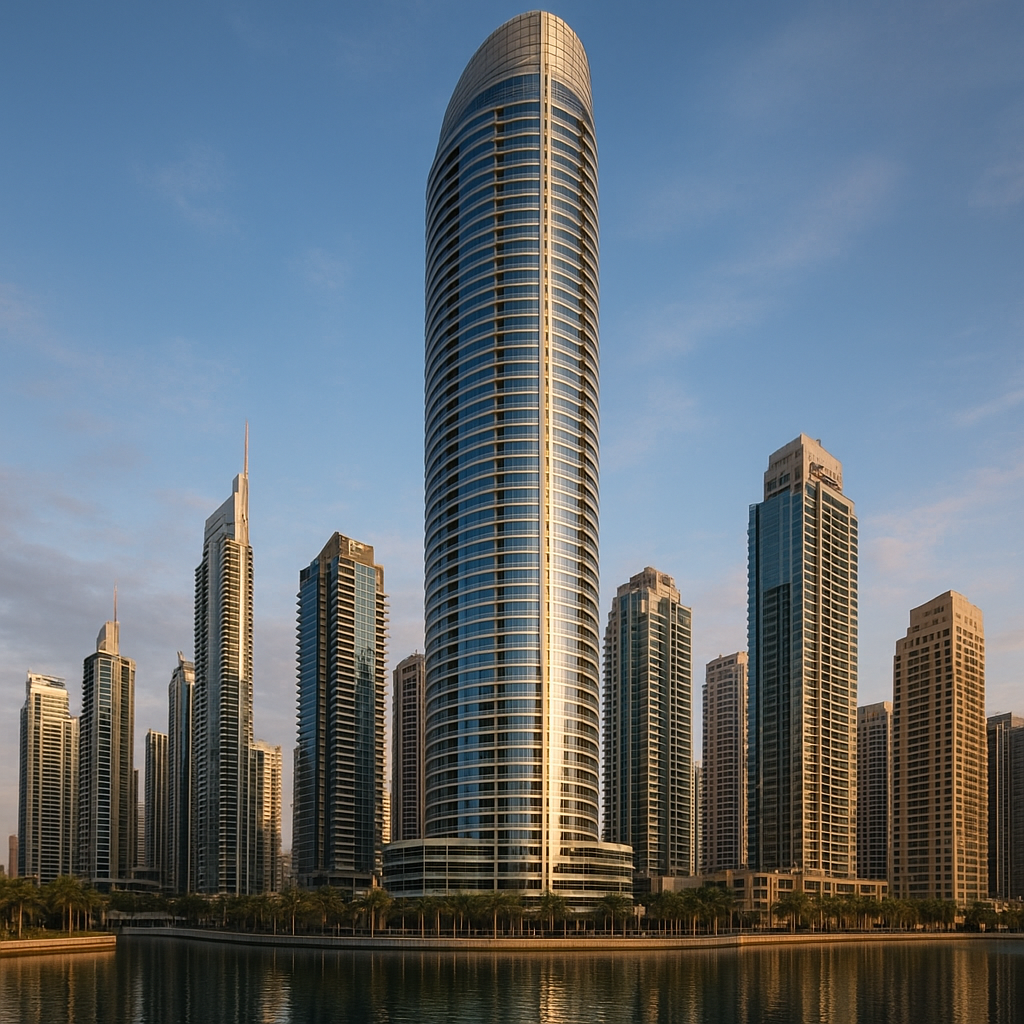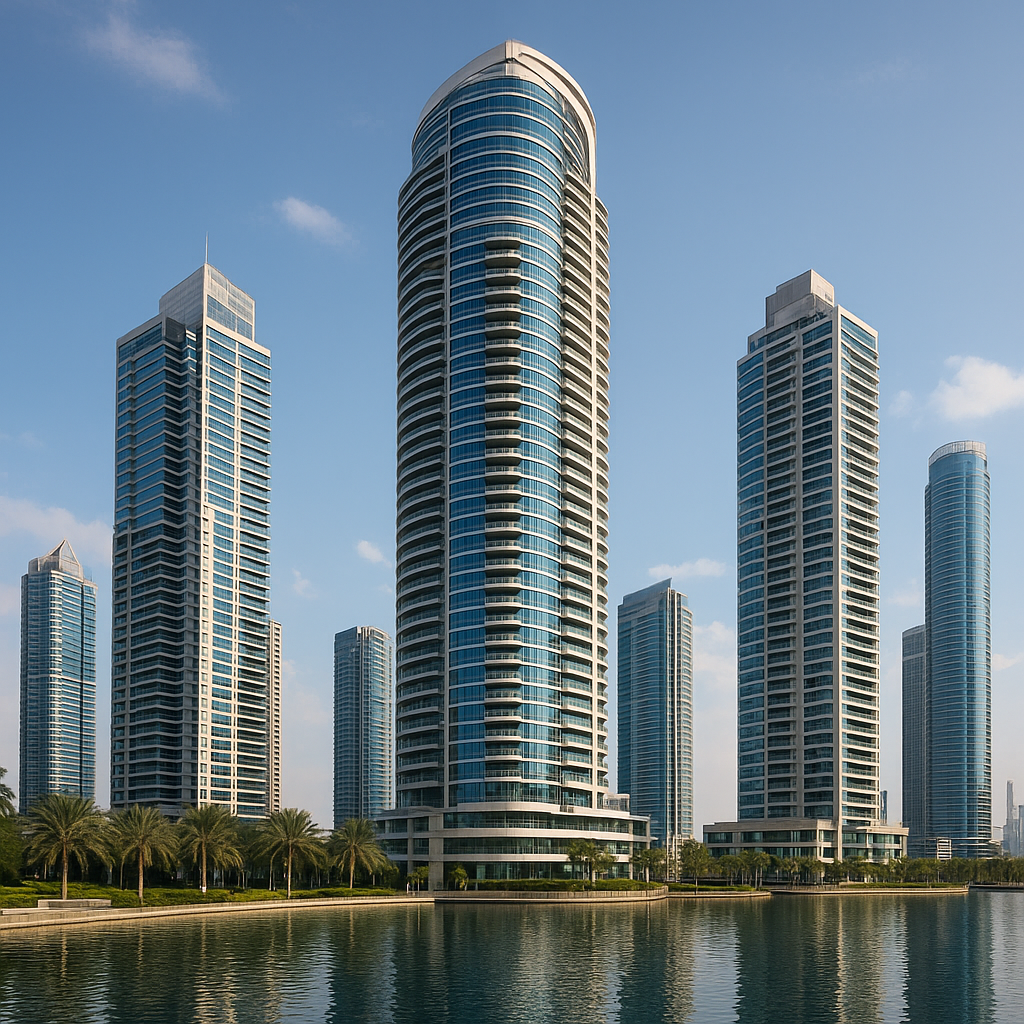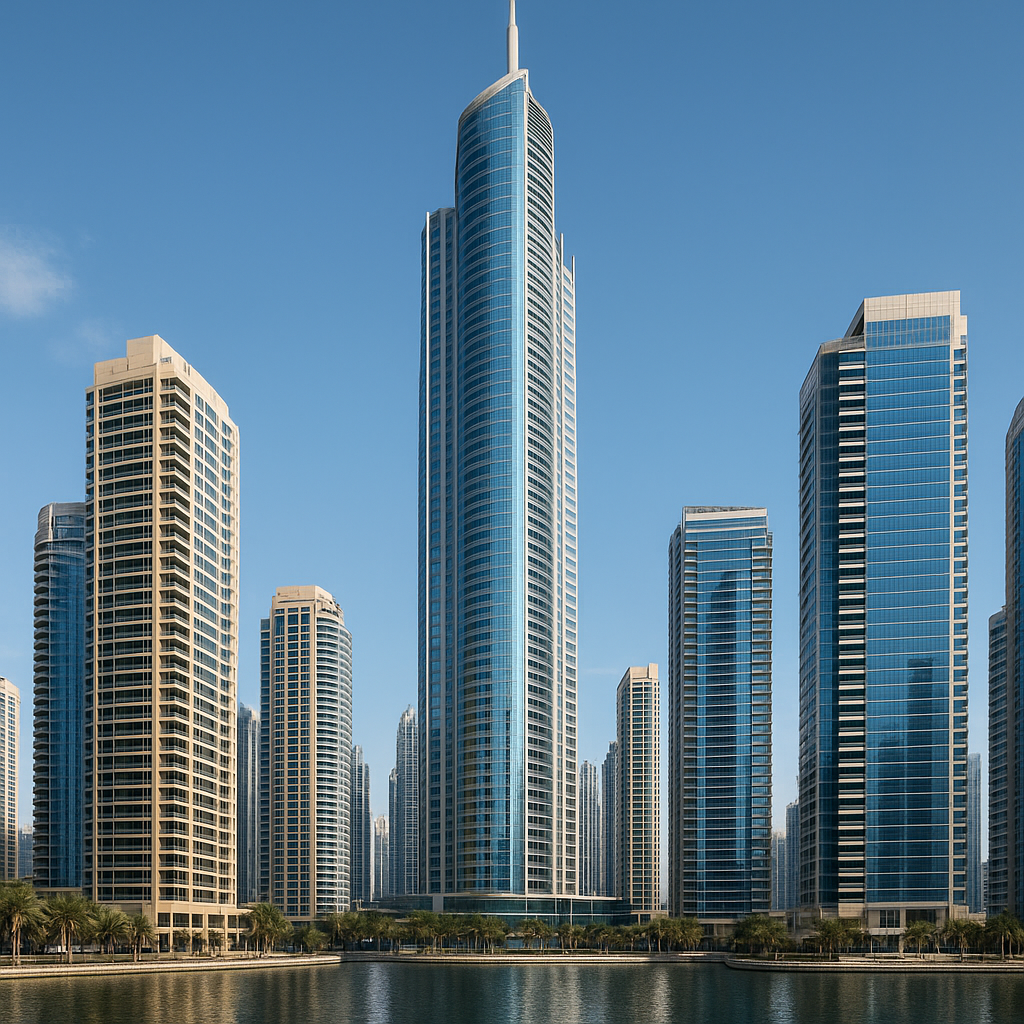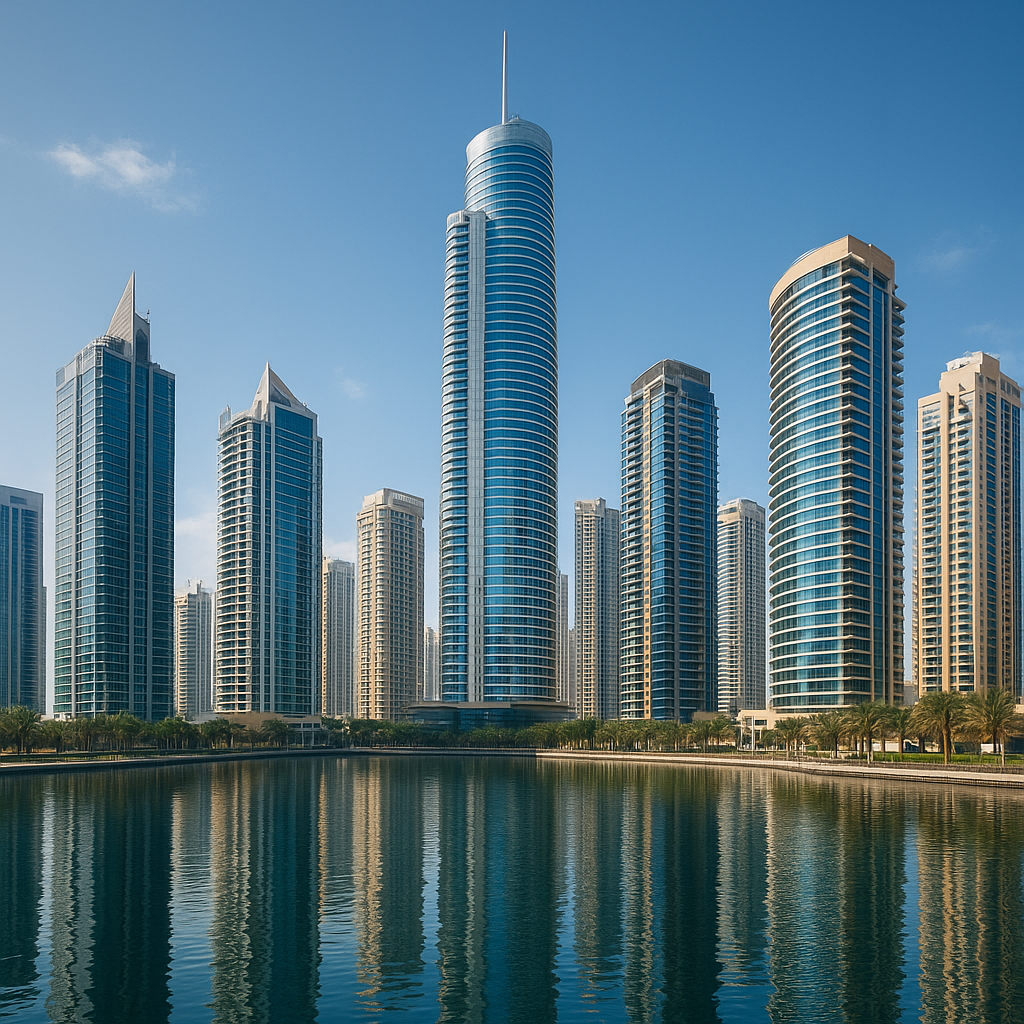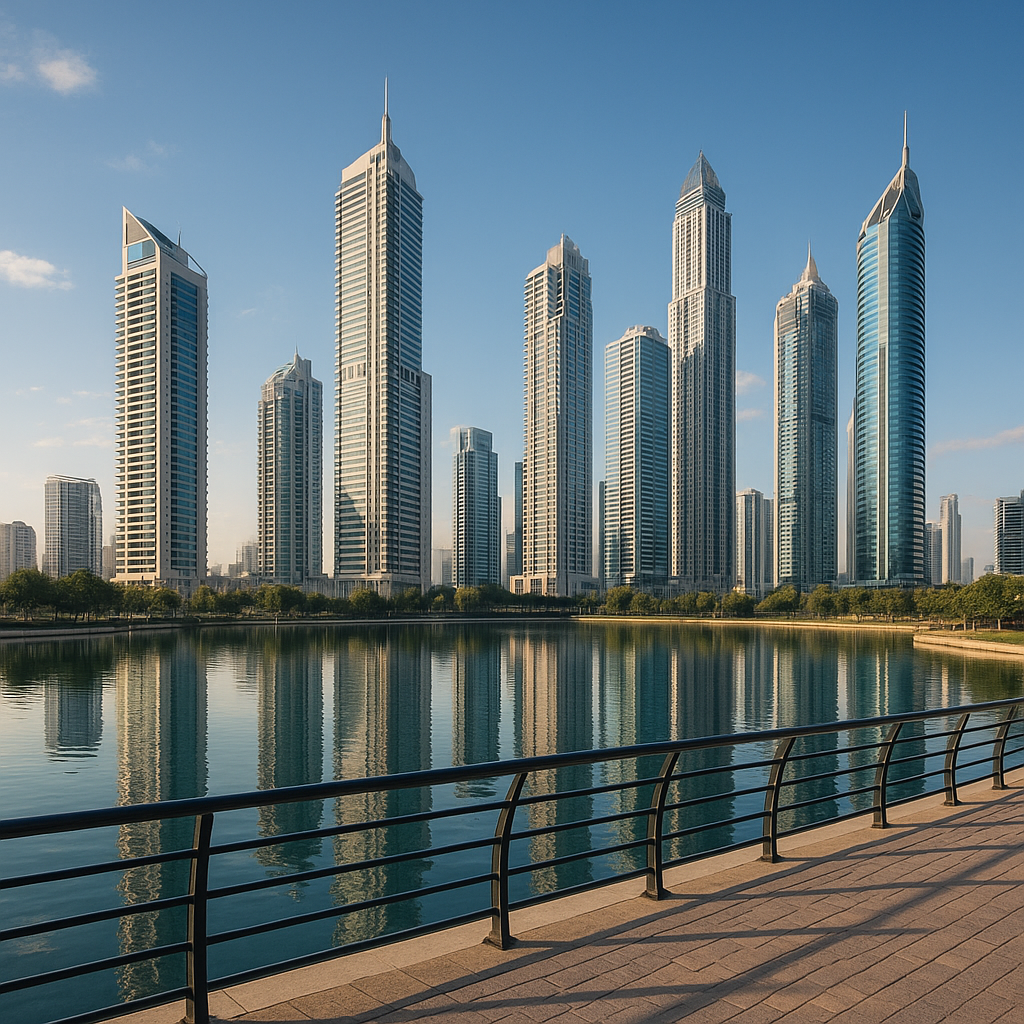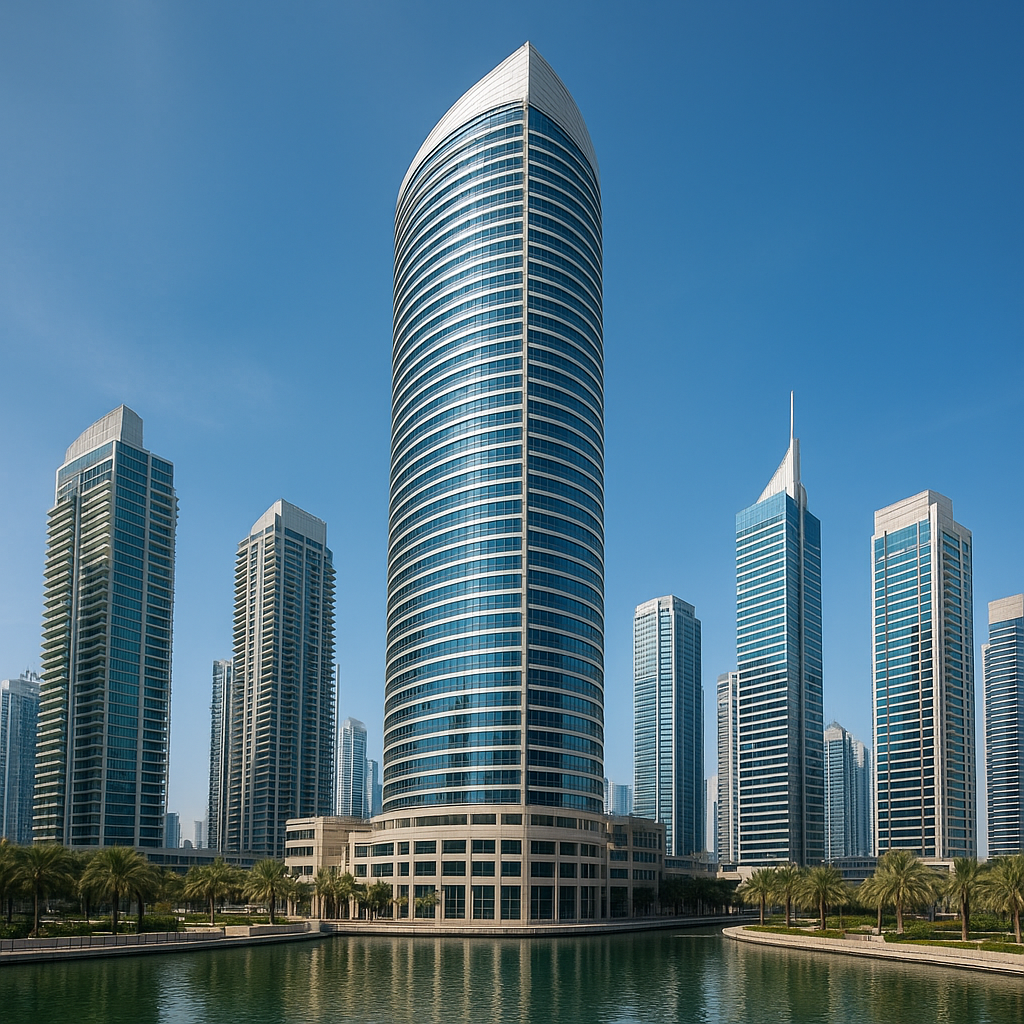
Jumeirah Lake Towers Saba Tower is part of the vibrant Jumeirah Lake Towers (JLT) community in Dubai, a mixed-use waterfront district that has become one of the emirate’s most recognizable clusters of residential and commercial high-rises. Located within the S cluster of JLT, Saba Tower contributes to the area’s skyline and everyday life by offering residents and businesses convenient access to the artificial lakes, promenades, retail outlets and major transport links. This article examines the tower’s context, design, amenities, and the wider JLT environment, providing facts, observations and practical information for readers interested in architecture, urban planning, real estate or simply the lived experience of Dubai’s dynamic neighborhoods.
Location and Urban Context
Saba Tower sits within the masterplanned community of Jumeirah Lake Towers, a development that transformed a stretch of Dubai’s shoreline west of Sheikh Zayed Road into a dense cluster of towers surrounding a series of man-made lakes and landscaped parks. JLT is adjacent to Dubai Marina and is part of the broader urban corridor that includes Dubai Internet City and Dubai Media City. The area is administered as a modern mixed-use zone and benefits from proximity to major road arteries and the Dubai Metro, making it a strategic address for both residents and businesses.
Masterplan and urban role
JLT was conceived as a high-density, mixed-use development where towers are grouped into clusters, each cluster identified by a letter. Saba Tower resides in the S cluster, which is one of many clusters designed to provide a mix of residential apartments, office space and retail. Around the towers, a pedestrian-friendly podium and lakefront offer an attractive public realm characterized by promenades, cafés and recreational areas. The development plays an important role in Dubai’s strategy of creating walkable urban nodes that connect to transport corridors and to neighboring districts like Dubai Marina.
Connectivity
One of JLT’s strong advantages is its connectivity. The community lies just off Sheikh Zayed Road, and the Dubai Metro Red Line serves the area via a station often referred to by the district’s commercial name. This makes daily commutes to central business districts and other parts of the city straightforward. In addition to the metro, JLT is well served by road networks, taxi services and bus routes. The proximity to Dubai Marina and its leisure offerings — marinas, beaches, dining and nightlife — further enhances the location’s desirability.
Architecture, Design and Structure
Saba Tower’s architecture follows the practical aesthetic commonly seen across JLT: towers designed to maximize usable floor area while responding to Dubai’s climate and the need for efficient vertical circulation. Like other buildings in the cluster, Saba Tower integrates podium retail, basement or podium parking, and a collection of shared amenities for residents and tenants. The building’s appearance contributes to the varied skyline of JLT, where towers of different heights and façades create an urban silhouette against the city’s skyline.
Design principles
Design strategies for towers in JLT — including Saba Tower — typically prioritize the following elements:
- Orientation that optimizes views over the lakes and reduces direct solar gain where possible;
- Efficient floor plates to support a variety of apartment sizes or office layouts;
- Balconies and terraces to provide outdoor space for residents;
- Podium-level retail and landscaping to activate the street and lakeside edge;
- Vertical circulation cores (lifts and staircases) designed to handle peak flows for both residents and visitors.
These principles reflect a pragmatic approach that balances comfort, function and cost efficiency while responding to Dubai’s hot climate through shading and glazing strategies.
Materials and façades
The façades in JLT often combine glass, aluminum panels and concrete elements. While glass is employed to capture views and daylight, careful attention to shading and glazing performance helps reduce heat transfer. Saba Tower’s façade materials are selected to be durable in the harsh coastal environment and to require manageable maintenance, an important consideration for high-density developments that must maintain a clean and modern appearance year-round.
Function, Amenities and Lifestyle
Saba Tower functions primarily as part of a mixed residential and commercial fabric. Towers in the S cluster generally host apartments of various sizes — studios, one-, two-, and three-bedroom units — and sometimes duplex or penthouse units. The building typically provides a range of services and amenities aimed at contemporary urban living, creating a micro-community within the wider JLT area.
Typical amenities
Residents of Saba Tower and neighboring buildings commonly enjoy shared services and facilities that enhance daily life and leisure. These commonly include:
- Swimming pool and sun deck for residents;
- Gym and fitness facilities for health and wellbeing;
- Children’s play areas;
- Sauna or spa rooms in some developments;
- On-site property management and security;
- Underground or podium parking;
- Retail outlets and cafés at podium level for everyday convenience.
These amenities support a lifestyle that emphasizes convenience, leisure and a degree of self-containment while still leaving residents a short walk from broader retail and dining options around the lakes and in nearby Dubai Marina.
Community life and public spaces
The lakefront promenades, landscaped parks and public seating areas in JLT create a lively public realm where residents, office workers and visitors mix. Social life in the area is characterized by morning joggers, families spending time on weekends, and a variety of cafés and restaurants attracting both residents and tourists. The presence of free-zone offices and small business headquarters within JLT also means a steady working population during weekdays, supporting local retail and service businesses.
Statistics and Notable Facts
Saba Tower is best understood in the context of Jumeirah Lake Towers as a whole. Below are several widely reported figures and notable facts about the broader JLT development and how Saba Tower fits into that framework. Where precise numbers vary by source, approximations are given.
- Number of towers: Jumeirah Lake Towers comprises approximately 80 towers arranged in multiple clusters. These towers host a mix of residences, offices and hotels.
- Development period: The bulk of construction in JLT occurred in the mid-2000s through the early 2010s, with many towers completed around 2007–2012.
- Land use: JLT is a mixed-use district featuring residential, commercial and retail spaces, with a strong focus on dense urban living adjacent to water features and parks.
- Public realm: The development is organized around man-made lakes and landscaped promenades that provide recreational space and enhance property values and livability.
- Transport links: The area is served by the Dubai Metro Red Line (station often referred to under the district’s business name), major roads and extensive taxi coverage.
Specific building-level statistics for Saba Tower (such as exact floor count, gross floor area, and year of completion) are commonly available through developer or property-management records and real-estate listings. These figures can vary depending on whether adjacent or sister towers carry similar names (for example, some clusters contain multiple “Saba” towers distinguished by numbers). Typical mid-rise residential towers in JLT often feature between 20 and 40 storeys; podium and basement levels supply parking and retail.
Development, Ownership and Management
The development of JLT was driven by Dubai’s rapid expansion and demand for mixed-use urban neighborhoods. Properties in the area are typically owned by private investors, families and corporate entities, while day-to-day management is handled by on-site property management companies and homeowners’ associations (HOAs). JLT’s economic model combines private residential ownership with commercial leasing and free-zone activity that attracts international businesses seeking a presence in Dubai.
Free-zone and business environment
Many businesses choose JLT due to its accessibility and the presence of free-zone entities nearby. The district’s business-friendly policies and flexible office formats have led to a mix of small and medium enterprises operating alongside professional service firms. The commercial environment inside and around Saba Tower reflects Dubai’s broader economic diversification away from hydrocarbons toward services, real estate and tourism.
Maintenance and community governance
Maintenance, security and shared services in Saba Tower are typically managed through a combination of professional property management companies and resident-elected committees or HOAs. These bodies coordinate cleaning, maintenance of shared amenities, landscaping, security protocols and enforcement of building bylaws. The effectiveness of management has a direct impact on building performance, resident satisfaction and property values.
Sustainability and Environmental Considerations
While many towers in JLT were built before the most recent wave of sustainability certifications, there is growing attention to energy efficiency, water conservation and waste management across Dubai’s built environment. Towers such as Saba can adopt retrofit strategies and operational best practices to reduce energy consumption and improve indoor comfort.
Climate-responsive considerations
In Dubai’s hot and humid climate, sustainable interventions include:
- High-performance glazing to reduce solar heat gain;
- Shading devices and balcony overhangs to protect glazing and outdoor spaces;
- Efficient HVAC systems and smart controls to reduce energy use;
- Water-saving fittings and landscape irrigation that uses treated or recycled water;
- Waste separation programs and recycling at the building level.
Retrofitting potential
Existing residential towers have significant potential for energy and water savings through upgrades to lighting, pumps, controls and insulation. Upgrading common areas and mechanical systems can lower operating costs and improve the building’s environmental footprint, benefitting both owners and tenants.
Real Estate Market and Investment Perspective
JLT has long been an attractive area for both investors and long-term residents due to its relative value compared with Dubai Marina and its strong transport links. Saba Tower and similar buildings offer a spectrum of housing options that are competitive in price and attractive because of their location near employment centers and leisure amenities.
Rental and sales trends
Market dynamics in JLT are influenced by supply, demand and broader economic factors in Dubai. Trends can include:
- Strong rental demand from professionals working in nearby free zones and business parks;
- Competitive purchase prices compared to waterfront developments in neighboring districts;
- Periodic fluctuation in yields depending on market cycles, new supply and investor sentiment.
Many investors favour JLT for its steady cash flow potential and diversified tenant base.
Buyer and tenant profile
Typical residents and tenants of Saba Tower include professionals, small families and expatriates seeking convenient access to work and leisure. Short-term rental demand also exists thanks to Dubai’s tourism industry and the district’s proximity to Marina and beach destinations.
Practical Information and Tips for Residents or Visitors
If you are considering living or working in Saba Tower or visiting JLT, the following practical points can help you navigate daily life:
- Transport: Use the nearby metro station for straightforward links to the rest of Dubai; taxis and ride-hailing apps are plentiful.
- Services: Grocery stores, pharmacies, cafés and restaurants are widely available at podium level and around the lakes.
- Recreation: Promenades and parks are ideal for walking, jogging and family outings; the lake area often hosts social events and markets.
- Community rules: Familiarize yourself with building bylaws, parking rules and waste-disposal procedures to ensure a trouble-free residency.
- Property viewings: If buying or renting, inspect common areas and review maintenance records to understand service charges and any planned refurbishments.
Noteworthy Events and Local Culture
JLT and its towers periodically host community events, pop-up markets, art installations and small festivals that animate the public realm. The presence of diverse eateries and international residents contributes to an eclectic food culture and a cosmopolitan atmosphere. Saba Tower benefits from this cultural mix, with neighbors ranging from young professionals to established expatriate families.
Safety and community initiatives
Community-driven initiatives, such as neighborhood watch programs, sustainability drives and cultural events, help strengthen social ties and provide a sense of belonging in high-density urban settings. Management offices commonly coordinate with residents to promote safety, cleanliness and community engagement.
Conclusion
Saba Tower is a representative element of the Jumeirah Lake Towers district: a mixed-use, waterfront-oriented high-rise that balances residential comfort with urban convenience. Its location within JLT offers residents access to well-designed public spaces, a vibrant retail and dining scene, and excellent transport connections. While building-specific statistics vary by source and by the presence of similarly named towers in the cluster, the value of Saba Tower rests in its integration into one of Dubai’s most successful urban clusters — a place that combines everyday practicality with waterfront living in a global city.
Key words highlighted: Jumeirah Lake Towers, Dubai, Saba Tower, residential, DMCC, marina, artificial lakes, skyscraper, mixed-use, sustainability